
Search
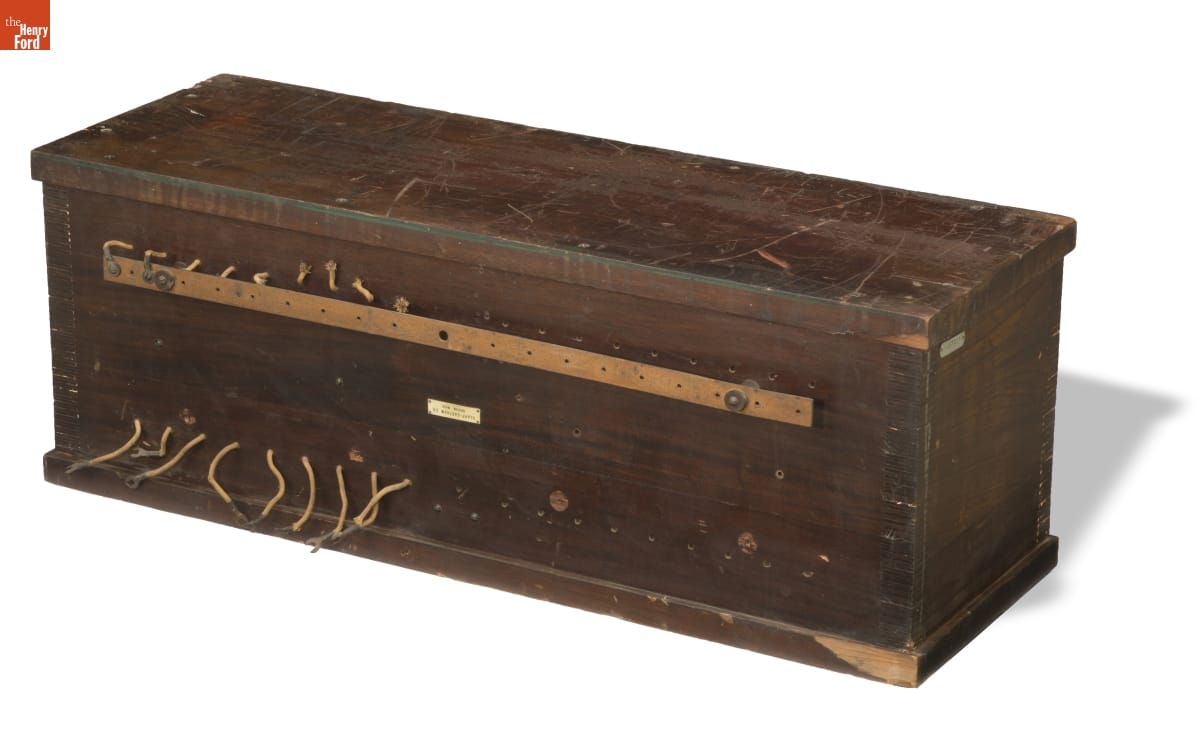
- Fixed Condenser, Used in the Hammond Radio Research Laboratory, circa 1911 - John Hays Hammond, Jr., was largely responsible for launching the field of radio control. In 1926, he built a medieval-inspired castle in Gloucester, Massachusetts. This site served as his home and research laboratory. With over 400 patents to his name, Hammond developed ideas for radio control, autopilot function, and targeted missile detonation. This device was used in Hammond's laboratory.
- circa 1911
- Collections - Artifact
Fixed Condenser, Used in the Hammond Radio Research Laboratory, circa 1911
John Hays Hammond, Jr., was largely responsible for launching the field of radio control. In 1926, he built a medieval-inspired castle in Gloucester, Massachusetts. This site served as his home and research laboratory. With over 400 patents to his name, Hammond developed ideas for radio control, autopilot function, and targeted missile detonation. This device was used in Hammond's laboratory.
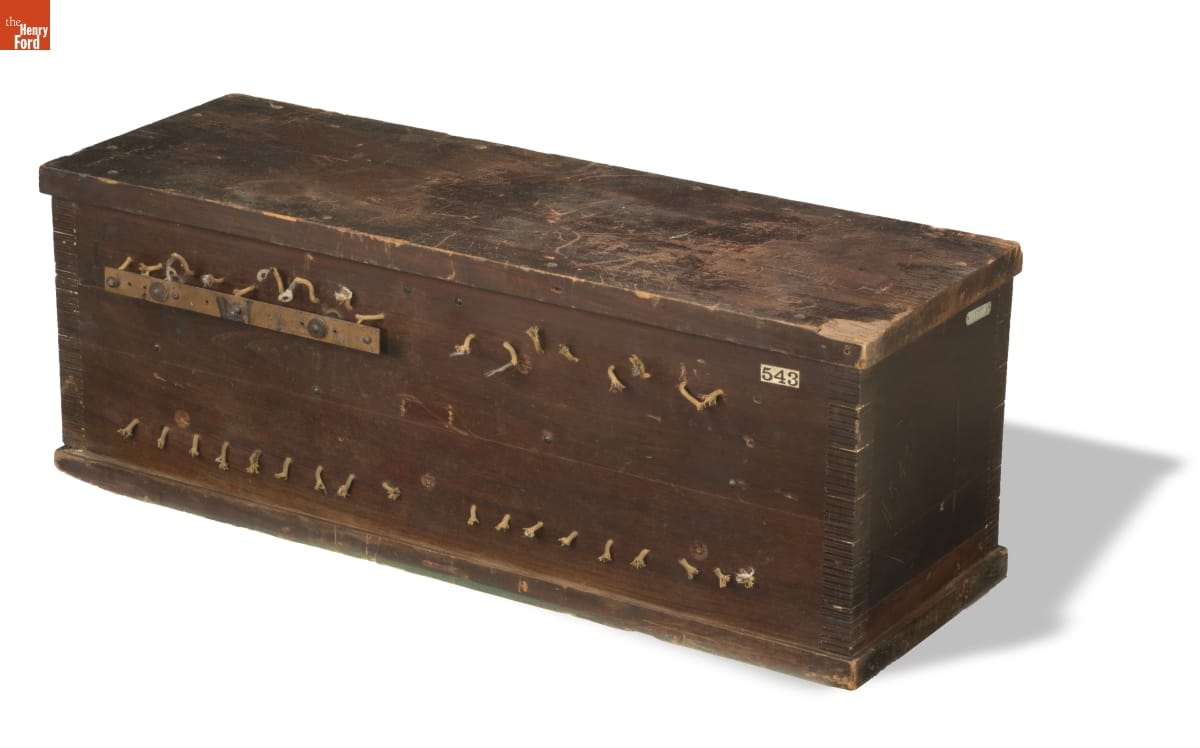
- Fixed Condenser, Used in the Hammond Radio Research Laboratory, circa 1911 - John Hays Hammond, Jr., was largely responsible for launching the field of radio control. In 1926, he built a medieval-inspired castle in Gloucester, Massachusetts. This site served as his home and research laboratory. With over 400 patents to his name, Hammond developed ideas for radio control, autopilot function, and targeted missile detonation. This device was used in Hammond's laboratory.
- circa 1911
- Collections - Artifact
Fixed Condenser, Used in the Hammond Radio Research Laboratory, circa 1911
John Hays Hammond, Jr., was largely responsible for launching the field of radio control. In 1926, he built a medieval-inspired castle in Gloucester, Massachusetts. This site served as his home and research laboratory. With over 400 patents to his name, Hammond developed ideas for radio control, autopilot function, and targeted missile detonation. This device was used in Hammond's laboratory.
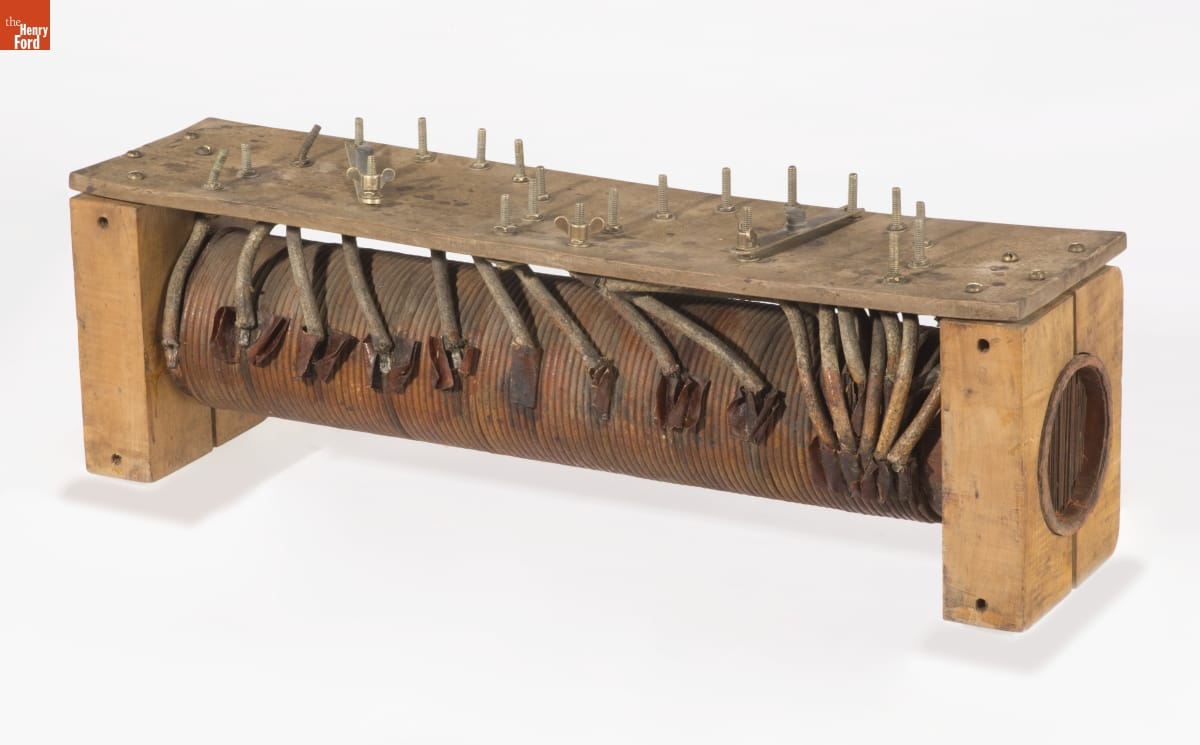
- Reactance Coil, Used at Hammond Radio Research Laboratory, 1915-1920 - John Hays Hammond, Jr., is considered "the father of radio control." In 1926, he built a medieval-inspired castle in Gloucester, Massachusetts, as his home and research laboratory. With 400 patents to his name, Hammond developed radio control, autopilot function, and targeted missile detonation. A reactance coil is an inductor, blocking high-frequency AC power, allowing low-frequency DC power to pass.
- 1915-1920
- Collections - Artifact
Reactance Coil, Used at Hammond Radio Research Laboratory, 1915-1920
John Hays Hammond, Jr., is considered "the father of radio control." In 1926, he built a medieval-inspired castle in Gloucester, Massachusetts, as his home and research laboratory. With 400 patents to his name, Hammond developed radio control, autopilot function, and targeted missile detonation. A reactance coil is an inductor, blocking high-frequency AC power, allowing low-frequency DC power to pass.
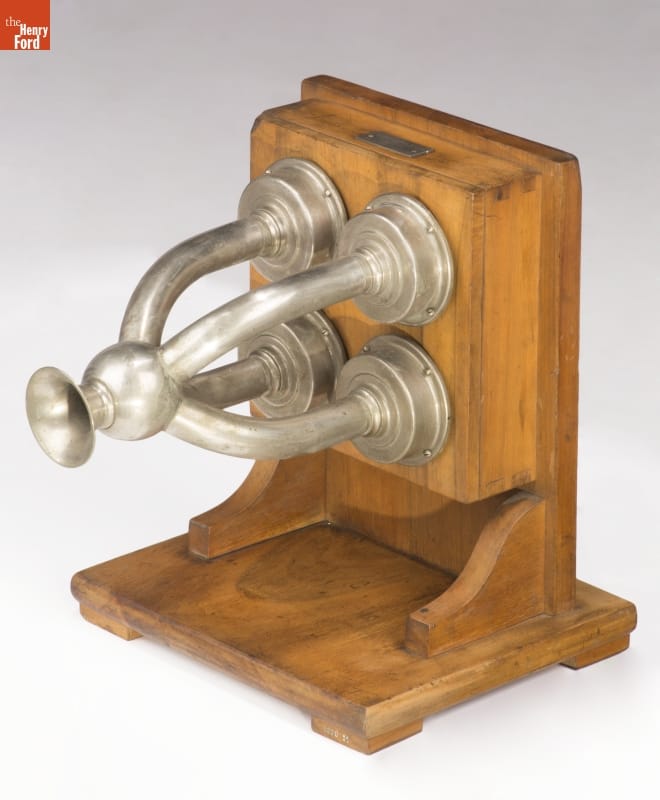
- Radio Microphone, Used at Hammond Radio Research Laboratory, circa 1915 - John Hays Hammond, Jr., was largely responsible for launching the field of radio control. In 1926, he built a medieval-inspired castle in Gloucester, Massachusetts. This site served as his home and research laboratory. With over 400 patents to his name, Hammond developed ideas for radio control, autopilot function, and targeted missile detonation. This device was used in Hammond's laboratory.
- circa 1915
- Collections - Artifact
Radio Microphone, Used at Hammond Radio Research Laboratory, circa 1915
John Hays Hammond, Jr., was largely responsible for launching the field of radio control. In 1926, he built a medieval-inspired castle in Gloucester, Massachusetts. This site served as his home and research laboratory. With over 400 patents to his name, Hammond developed ideas for radio control, autopilot function, and targeted missile detonation. This device was used in Hammond's laboratory.
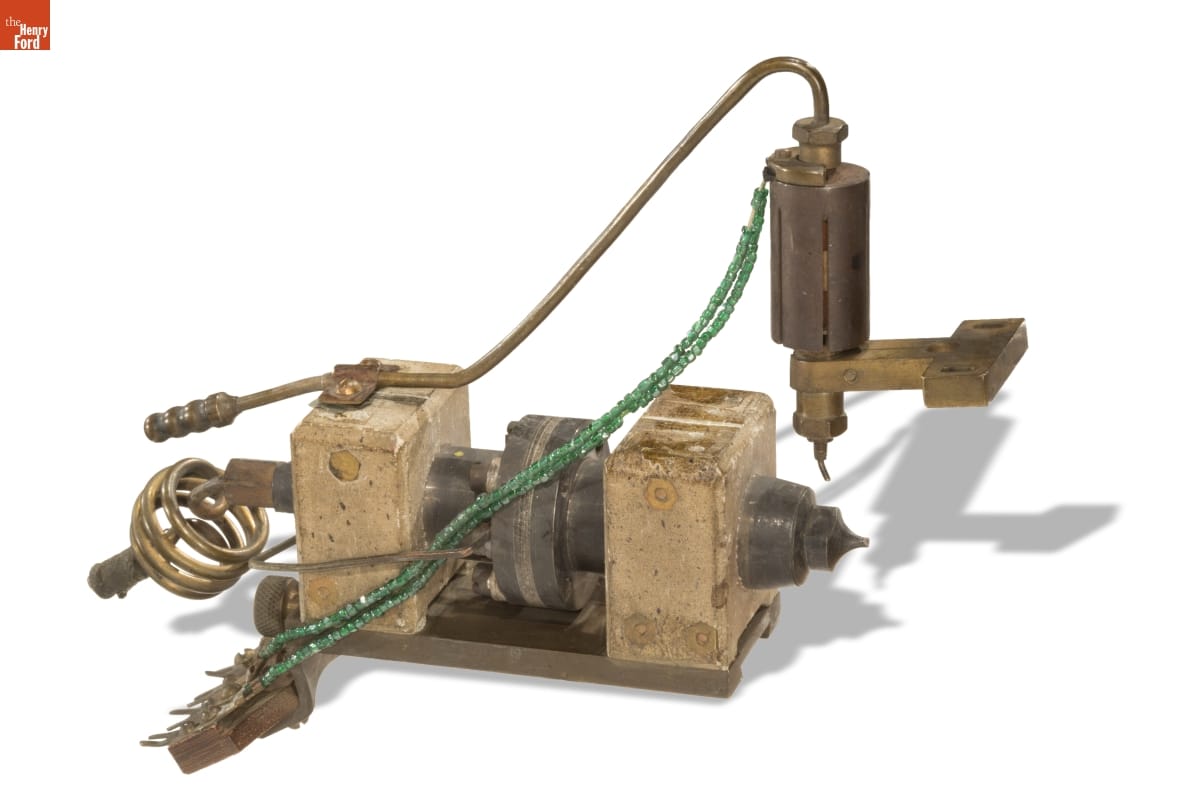
- Photo Radio Gun, Used at Hammond Radio Research Laboratory, 1920-1929 - John Hays Hammond, Jr., was largely responsible for launching the field of radio control. In 1926, he built a medieval-inspired castle in Gloucester, Massachusetts. This site served as his home and research laboratory. With over 400 patents to his name, Hammond developed ideas for radio control, autopilot function, and targeted missile detonation. This device was used in Hammond's laboratory.
- 1920-1929
- Collections - Artifact
Photo Radio Gun, Used at Hammond Radio Research Laboratory, 1920-1929
John Hays Hammond, Jr., was largely responsible for launching the field of radio control. In 1926, he built a medieval-inspired castle in Gloucester, Massachusetts. This site served as his home and research laboratory. With over 400 patents to his name, Hammond developed ideas for radio control, autopilot function, and targeted missile detonation. This device was used in Hammond's laboratory.
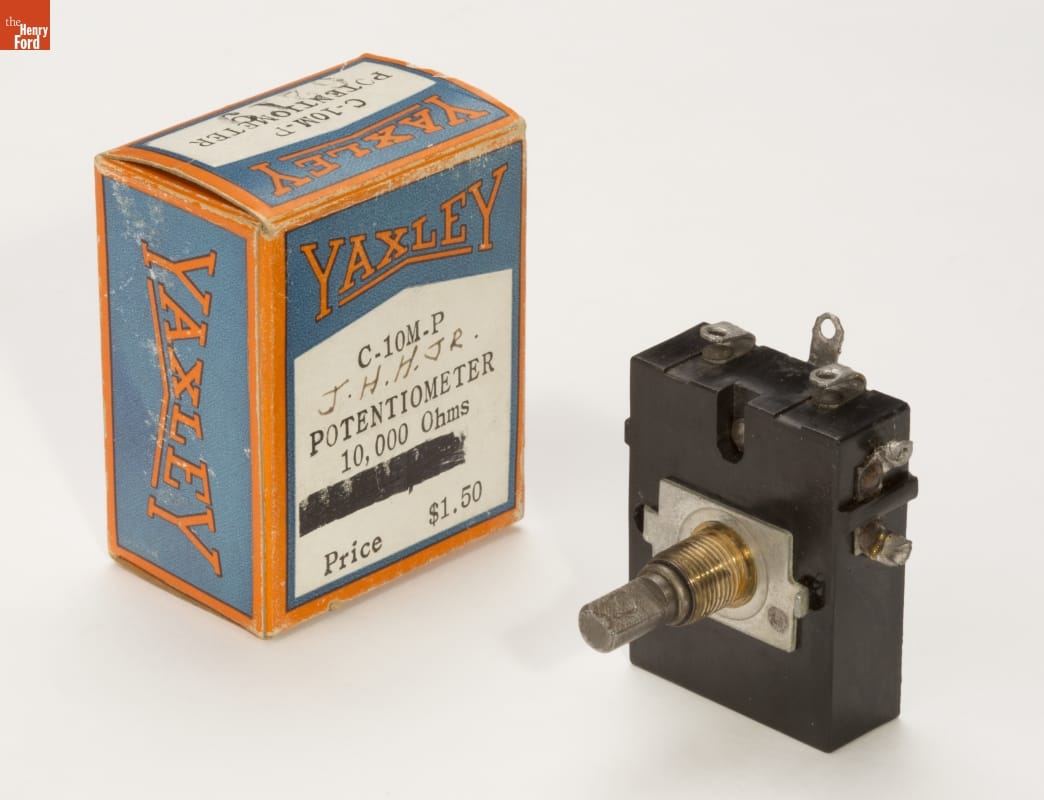
- Bradleyometer (Potentiometer), Used By John Hays Hammond, Jr., 1922-1925 - John Hays Hammond, Jr., was largely responsible for launching the field of radio control. In 1926, he built a medieval-inspired castle in Gloucester, Massachusetts. This site served as his home and research laboratory. With over 400 patents to his name, Hammond developed ideas for radio control, autopilot function, and targeted missile detonation. This device was used in Hammond's laboratory.
- 1922-1925
- Collections - Artifact
Bradleyometer (Potentiometer), Used By John Hays Hammond, Jr., 1922-1925
John Hays Hammond, Jr., was largely responsible for launching the field of radio control. In 1926, he built a medieval-inspired castle in Gloucester, Massachusetts. This site served as his home and research laboratory. With over 400 patents to his name, Hammond developed ideas for radio control, autopilot function, and targeted missile detonation. This device was used in Hammond's laboratory.
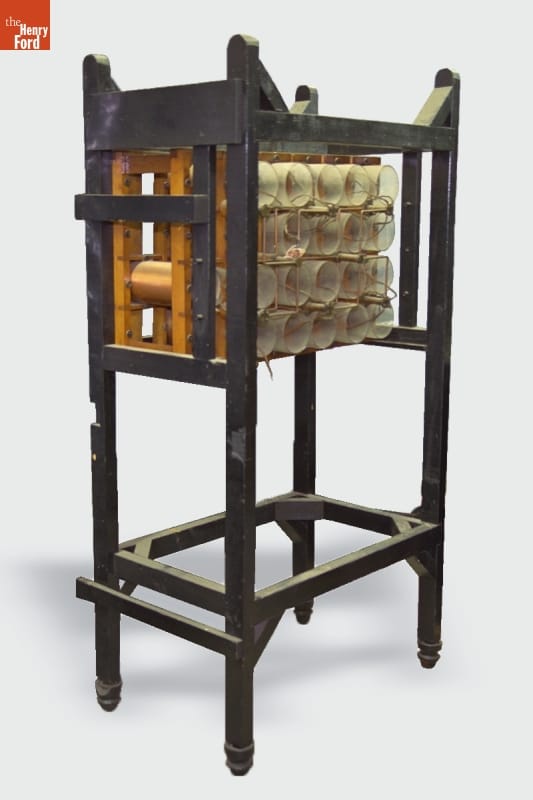
- Lowenstein Radio Company Condenser, 1906-1907 -
- 1906-1907
- Collections - Artifact
Lowenstein Radio Company Condenser, 1906-1907
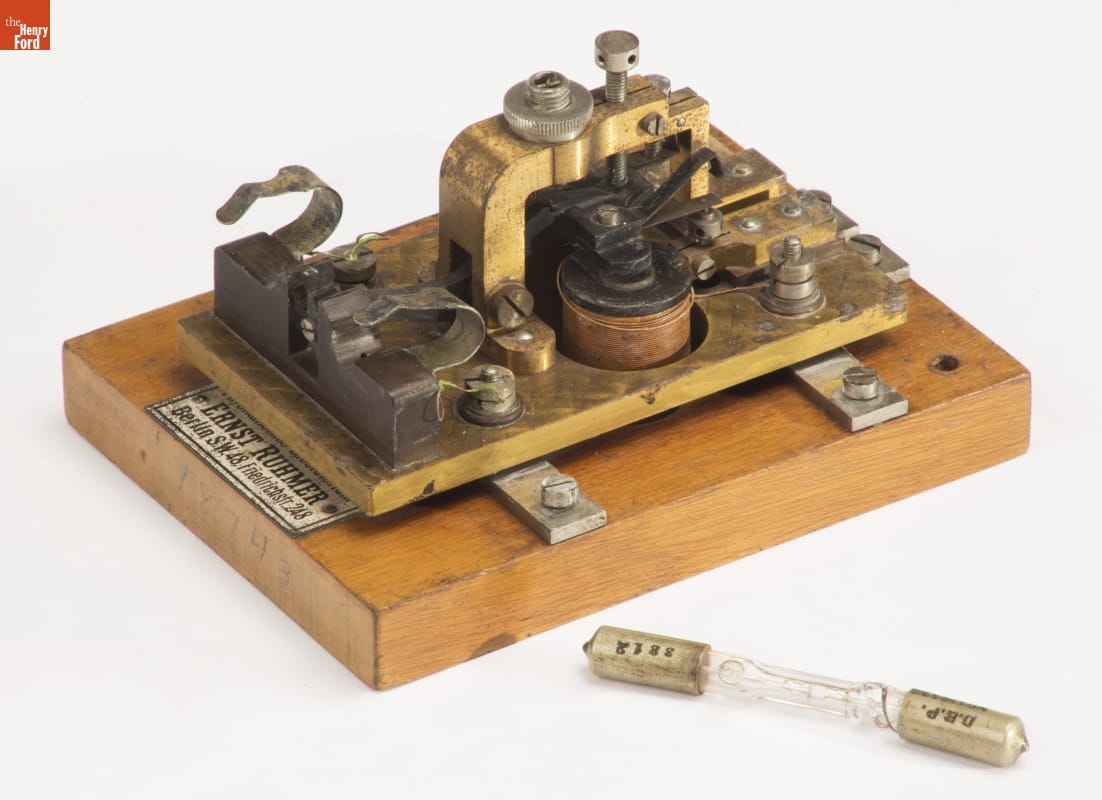
- Ruhmer Coherer, Used at Hammond Radio Research Laboratory, circa 1905 - John Hays Hammond, Jr., was largely responsible for launching the field of radio control. In 1926, he built a medieval-inspired castle in Gloucester, Massachusetts. This site served as his home and research laboratory. With over 400 patents to his name, Hammond developed ideas for radio control, autopilot function, and targeted missile detonation. This device was used in Hammond's laboratory.
- circa 1905
- Collections - Artifact
Ruhmer Coherer, Used at Hammond Radio Research Laboratory, circa 1905
John Hays Hammond, Jr., was largely responsible for launching the field of radio control. In 1926, he built a medieval-inspired castle in Gloucester, Massachusetts. This site served as his home and research laboratory. With over 400 patents to his name, Hammond developed ideas for radio control, autopilot function, and targeted missile detonation. This device was used in Hammond's laboratory.
- Telegraph Key, 1910-1920 - John Hays Hammond, Jr., was largely responsible for launching the field of radio control. In 1926, he built a medieval-inspired castle in Gloucester, Massachusetts. This site served as his home and research laboratory. With over 400 patents to his name, Hammond developed ideas for radio control, autopilot function, and targeted missile detonation. This device was used in Hammond's laboratory.
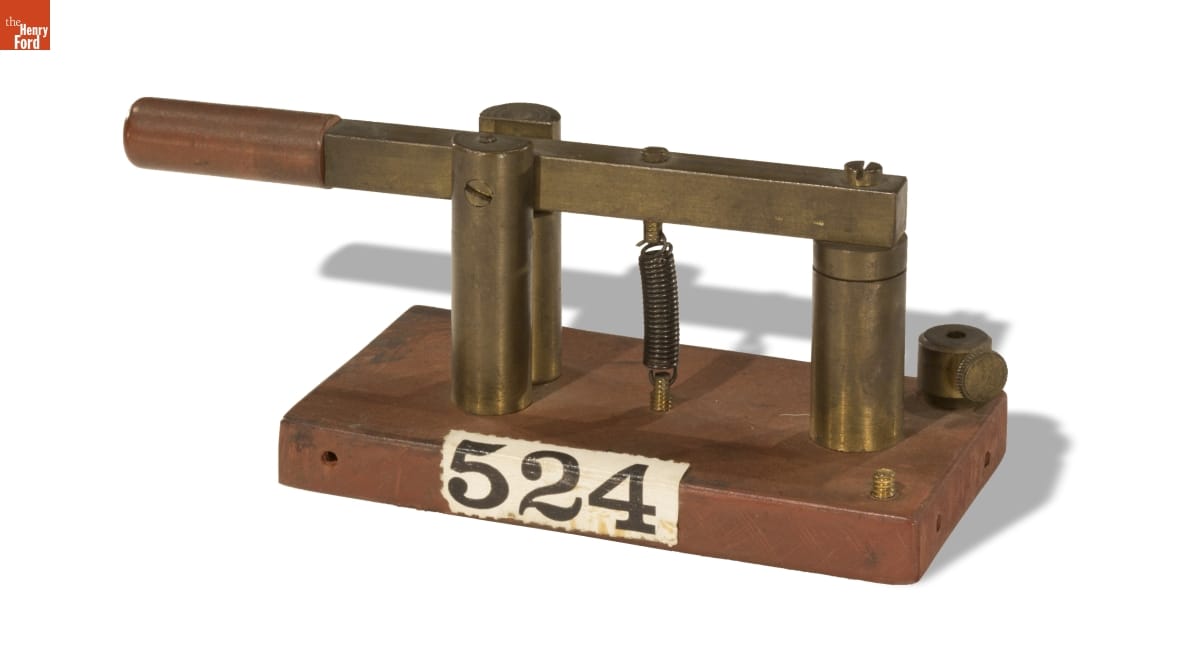
- 1910-1920
- Collections - Artifact
Telegraph Key, 1910-1920
John Hays Hammond, Jr., was largely responsible for launching the field of radio control. In 1926, he built a medieval-inspired castle in Gloucester, Massachusetts. This site served as his home and research laboratory. With over 400 patents to his name, Hammond developed ideas for radio control, autopilot function, and targeted missile detonation. This device was used in Hammond's laboratory.
- Galvanometer Relay, 1905-1910 - John Hays Hammond, Jr., was largely responsible for launching the field of radio control. In 1926, he built a medieval-inspired castle in Gloucester, Massachusetts. This site served as his home and research laboratory. With over 400 patents to his name, Hammond developed ideas for radio control, autopilot function, and targeted missile detonation. This device was used in Hammond's laboratory.
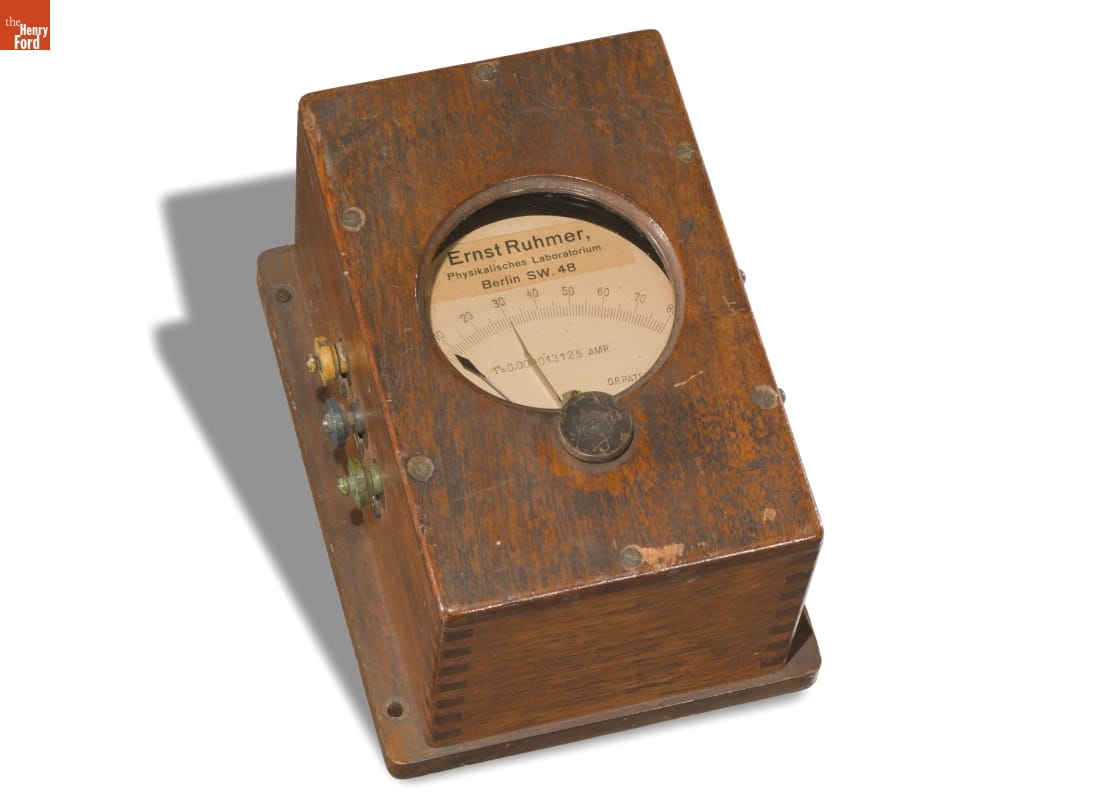
- 1905-1910
- Collections - Artifact
Galvanometer Relay, 1905-1910
John Hays Hammond, Jr., was largely responsible for launching the field of radio control. In 1926, he built a medieval-inspired castle in Gloucester, Massachusetts. This site served as his home and research laboratory. With over 400 patents to his name, Hammond developed ideas for radio control, autopilot function, and targeted missile detonation. This device was used in Hammond's laboratory.