
Search
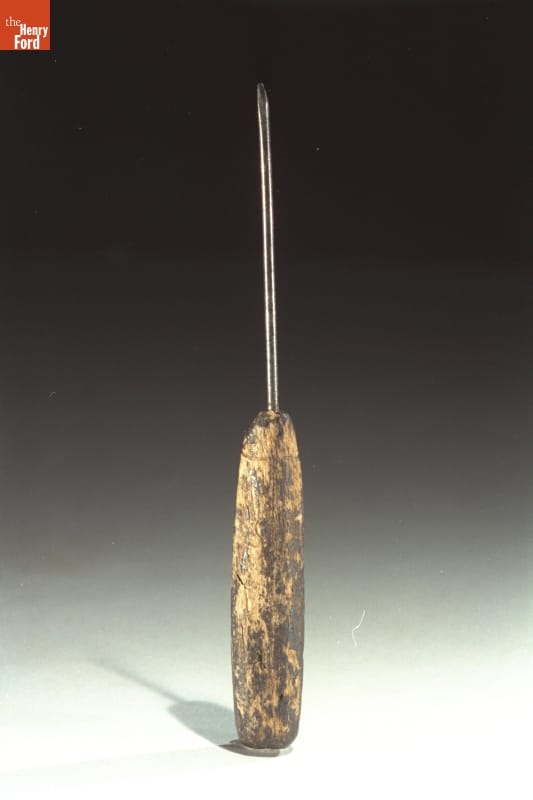
- Screwdriver, Used by Henry Ford for Watch Repair, 1876-1878 - Watches were some of the first machines to catch Henry Ford's interest. He received a pocket watch for his 13th birthday which he quickly took apart -- and then put back together in perfect working order. Young Ford often repaired watches for friends and neighbors. He never charged for his services; the experience he gained was reward enough.
- 1876-1878
- Collections - Artifact
Screwdriver, Used by Henry Ford for Watch Repair, 1876-1878
Watches were some of the first machines to catch Henry Ford's interest. He received a pocket watch for his 13th birthday which he quickly took apart -- and then put back together in perfect working order. Young Ford often repaired watches for friends and neighbors. He never charged for his services; the experience he gained was reward enough.
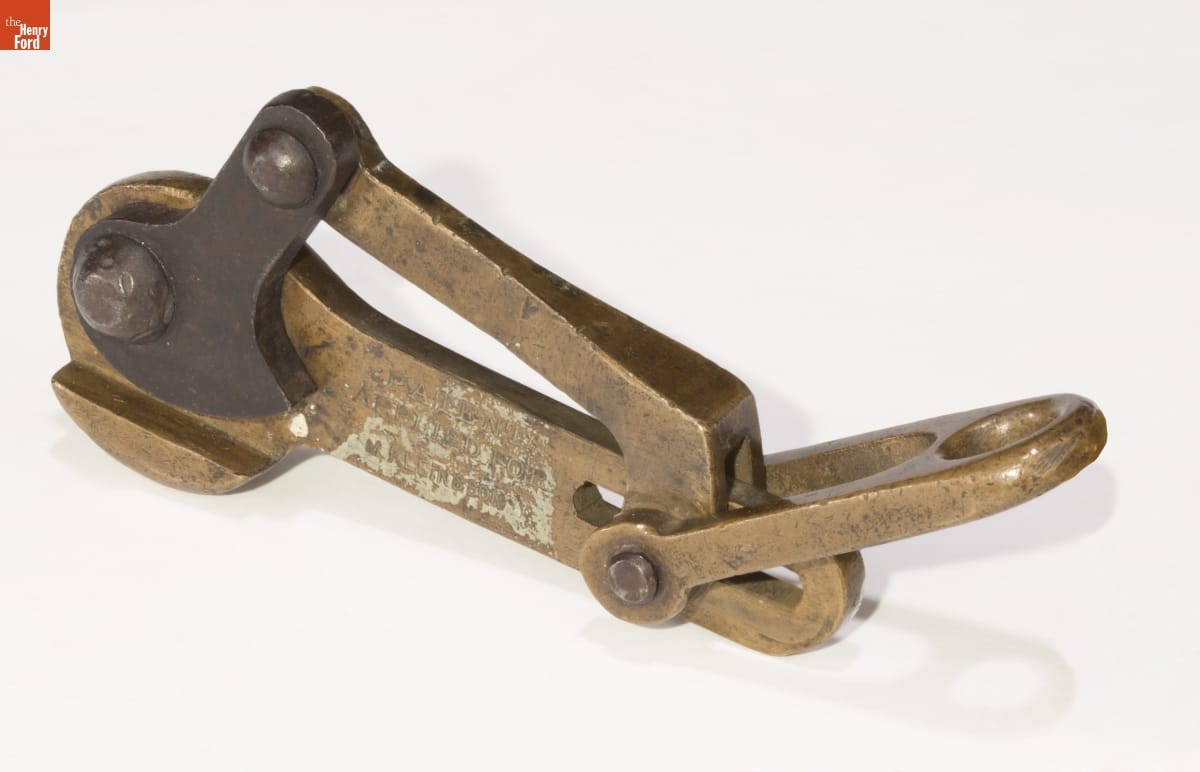
- Klein Grippers, 1870-1900 -
- 1870-1900
- Collections - Artifact
Klein Grippers, 1870-1900
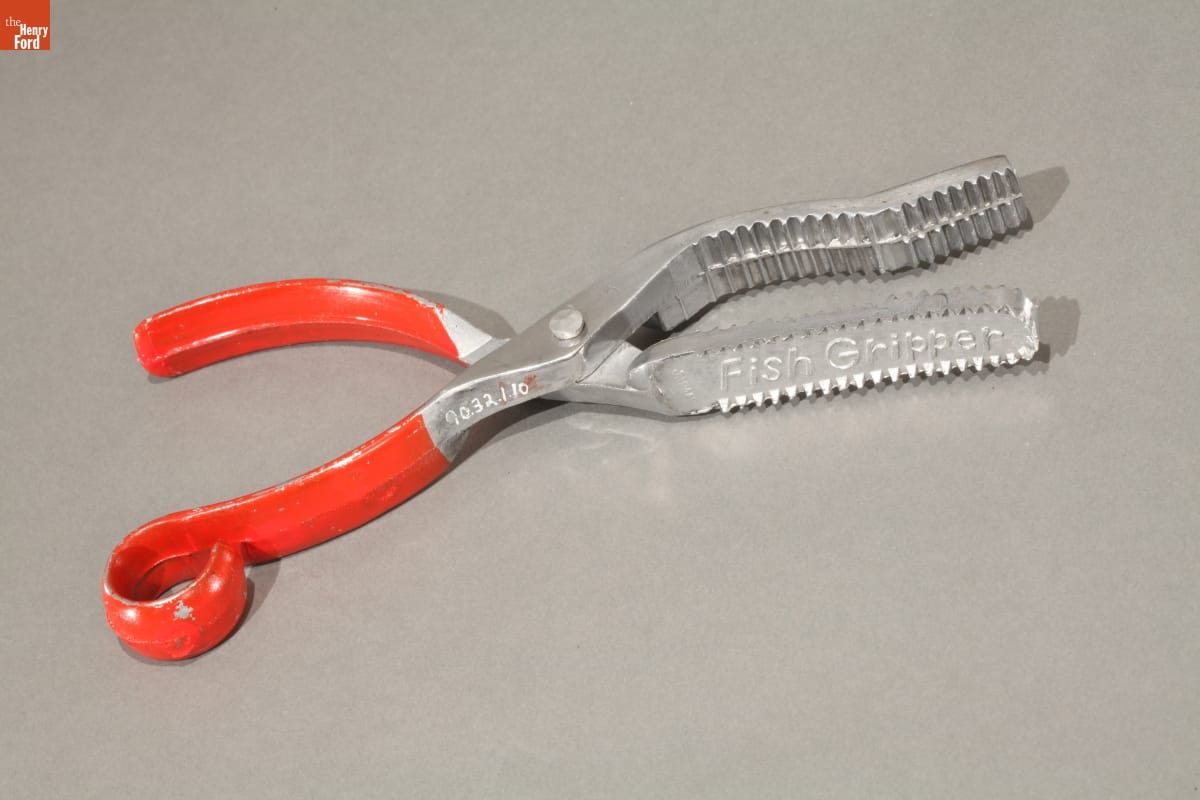
- "Fish Gripper" Pliers, 1950-1965 - People found different ways to relax when in the great outdoors. Some hiked, some rested at the camp, and others picked up a rod and reel and headed to the lake, river, or stream. Fishing gear similar to what is shown here was available to the typical fisherman during the mid to late 20th century.
- 1950-1965
- Collections - Artifact
"Fish Gripper" Pliers, 1950-1965
People found different ways to relax when in the great outdoors. Some hiked, some rested at the camp, and others picked up a rod and reel and headed to the lake, river, or stream. Fishing gear similar to what is shown here was available to the typical fisherman during the mid to late 20th century.
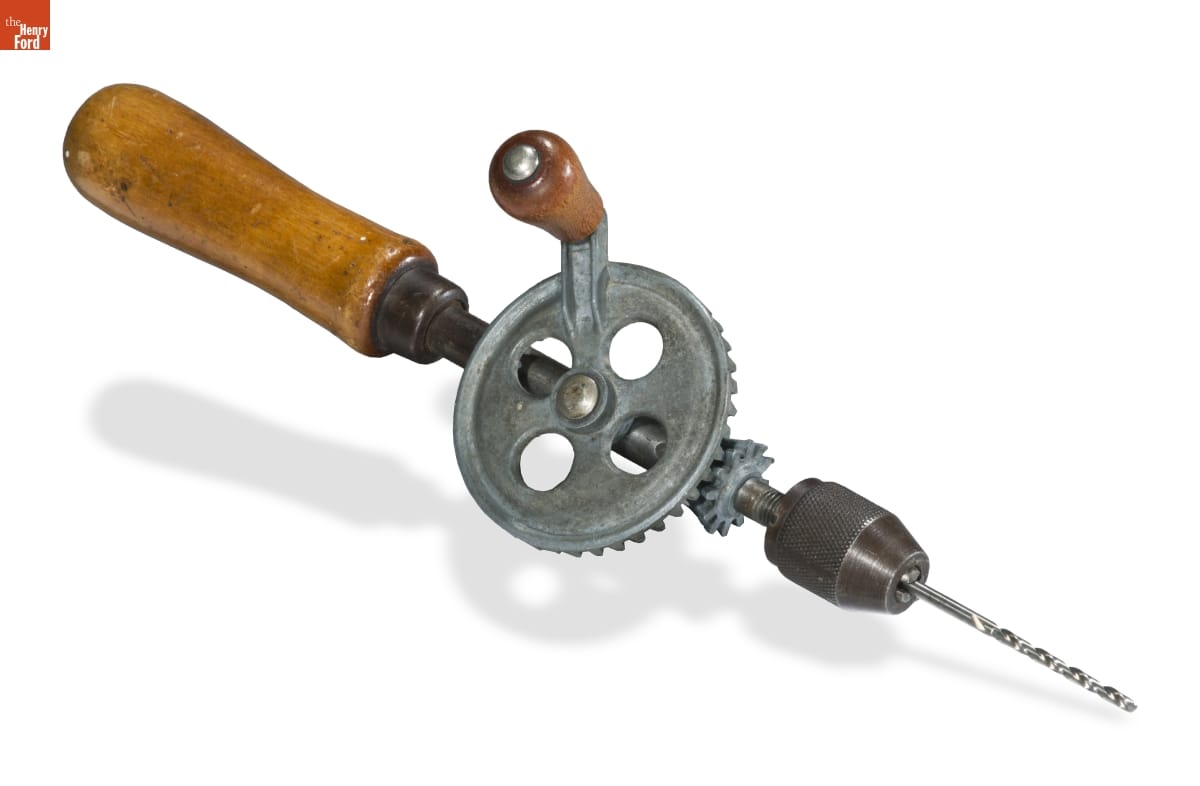
- Hand Drill, 1875-1950 -
- 1875-1950
- Collections - Artifact
Hand Drill, 1875-1950
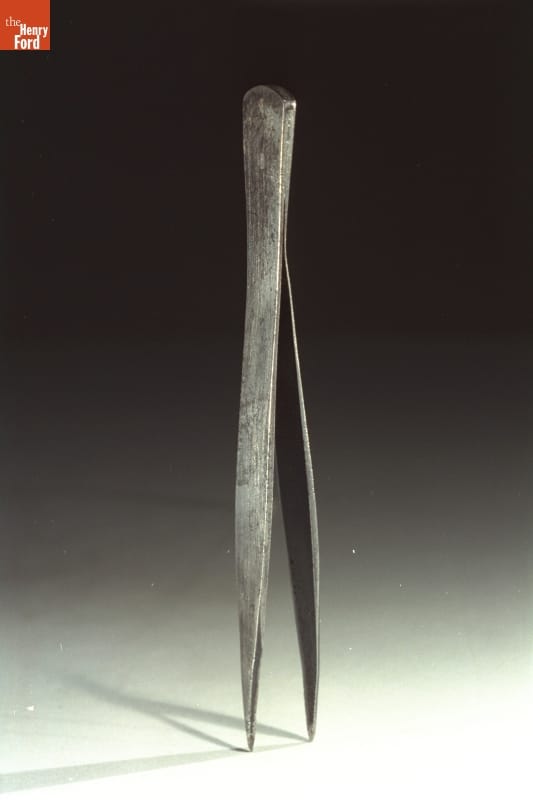
- Tweezers, Used by Henry Ford for Watch Repair, 1876-1878 - Watches were some of the first machines to catch Henry Ford's interest. He received a pocket watch for his 13th birthday which he quickly took apart -- and then put back together in perfect working order. Young Ford often repaired watches for friends and neighbors. He never charged for his services; the experience he gained was reward enough.
- 1876-1878
- Collections - Artifact
Tweezers, Used by Henry Ford for Watch Repair, 1876-1878
Watches were some of the first machines to catch Henry Ford's interest. He received a pocket watch for his 13th birthday which he quickly took apart -- and then put back together in perfect working order. Young Ford often repaired watches for friends and neighbors. He never charged for his services; the experience he gained was reward enough.
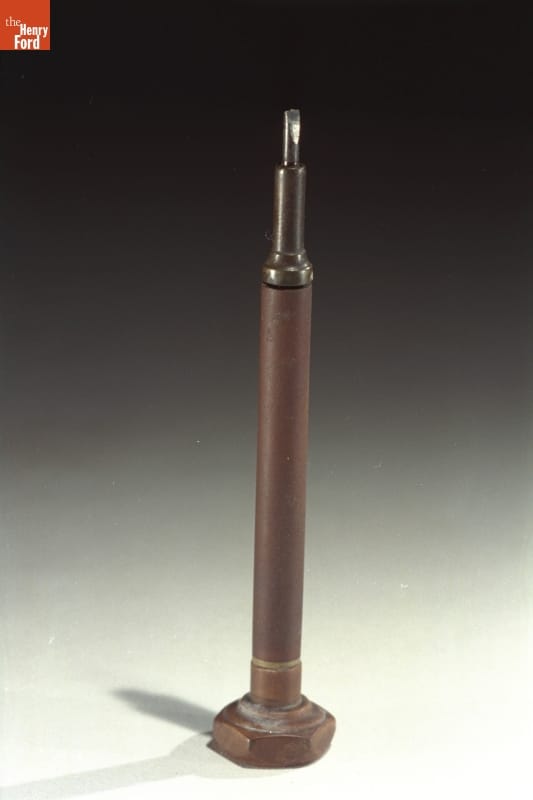
- Screwdriver, Used by Henry Ford for Watch Repair, 1876-1878 - Watches were some of the first machines to catch Henry Ford's interest. He received a pocket watch for his 13th birthday which he quickly took apart -- and then put back together in perfect working order. Young Ford often repaired watches for friends and neighbors. He never charged for his services; the experience he gained was reward enough.
- 1876-1878
- Collections - Artifact
Screwdriver, Used by Henry Ford for Watch Repair, 1876-1878
Watches were some of the first machines to catch Henry Ford's interest. He received a pocket watch for his 13th birthday which he quickly took apart -- and then put back together in perfect working order. Young Ford often repaired watches for friends and neighbors. He never charged for his services; the experience he gained was reward enough.
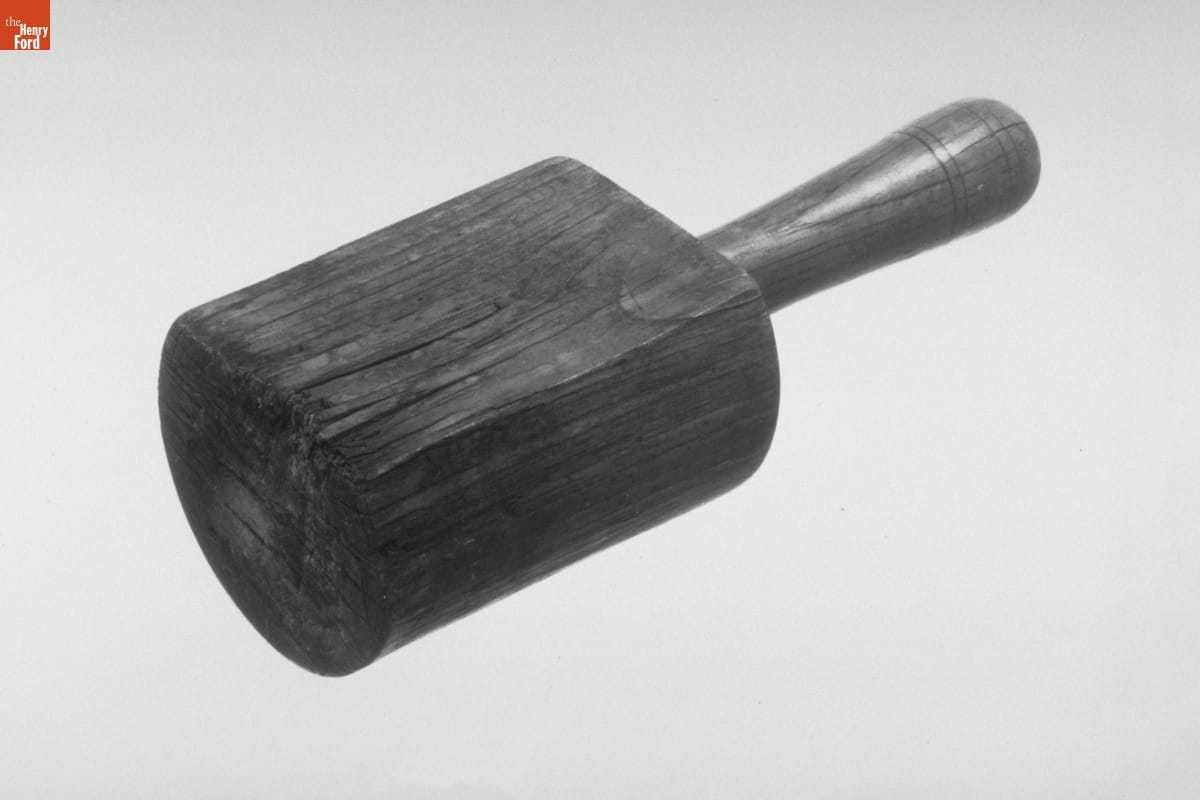
- Wooden Mallet, 1880-1920 - Late-nineteenth and early-twentieth-century shoemakers turned pieces of leather into footwear. These craftspeople used a wide range of specialized tools to measure, cut, shape, stitch, trim, finish, and decorate their handiwork. Their tools included a variety of knives, hammers, punches, clamps, awls, and polishers and burnishers. Though these tools seem highly specialized, shoemakers were always adapting, using whatever tools were at hand to make shoes.
- 1880-1920
- Collections - Artifact
Wooden Mallet, 1880-1920
Late-nineteenth and early-twentieth-century shoemakers turned pieces of leather into footwear. These craftspeople used a wide range of specialized tools to measure, cut, shape, stitch, trim, finish, and decorate their handiwork. Their tools included a variety of knives, hammers, punches, clamps, awls, and polishers and burnishers. Though these tools seem highly specialized, shoemakers were always adapting, using whatever tools were at hand to make shoes.
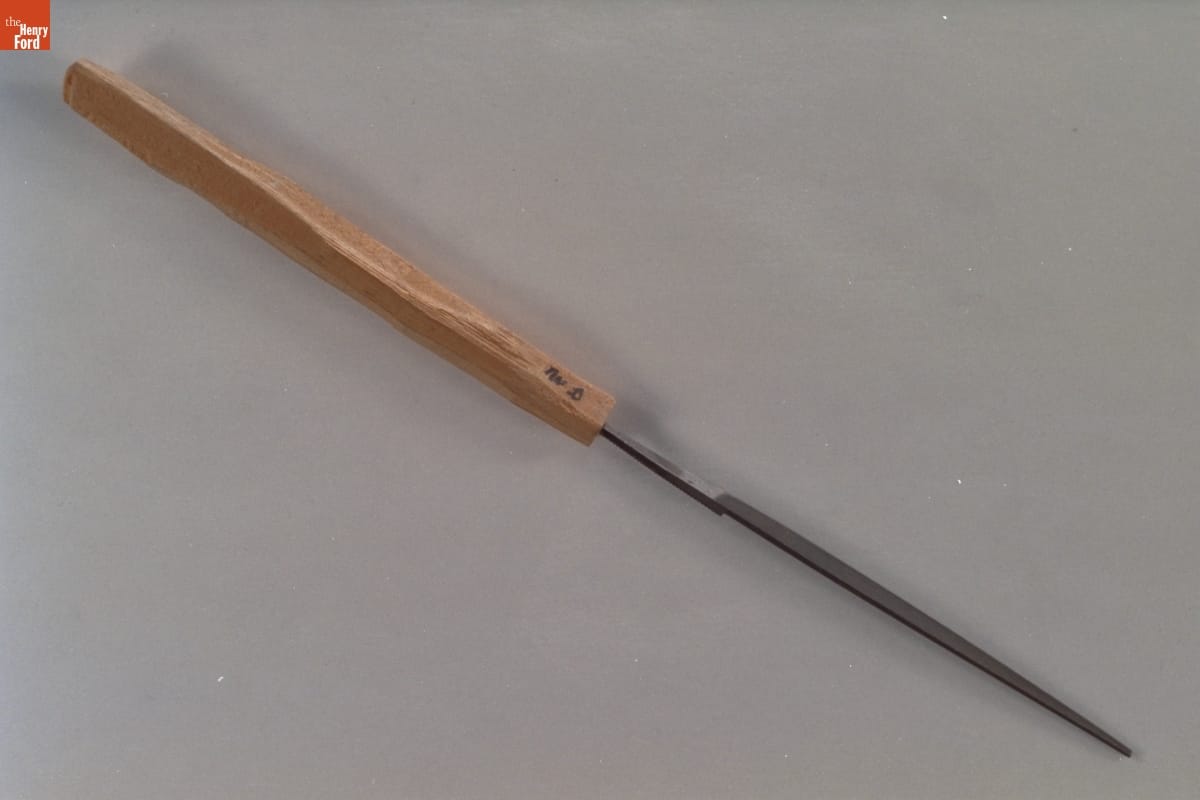
- File, Used by Henry Ford for Watch Repair, circa 1920 - Watches were some of the first machines to catch Henry Ford's interest. For his 13th birthday, he received a pocket watch which he quickly took apart -- and then put back together in perfect working order. Young Ford often fixed watches for friends and neighbors. Clocks and watches -- and their repair -- remained a lifelong hobby for him.
- circa 1920
- Collections - Artifact
File, Used by Henry Ford for Watch Repair, circa 1920
Watches were some of the first machines to catch Henry Ford's interest. For his 13th birthday, he received a pocket watch which he quickly took apart -- and then put back together in perfect working order. Young Ford often fixed watches for friends and neighbors. Clocks and watches -- and their repair -- remained a lifelong hobby for him.
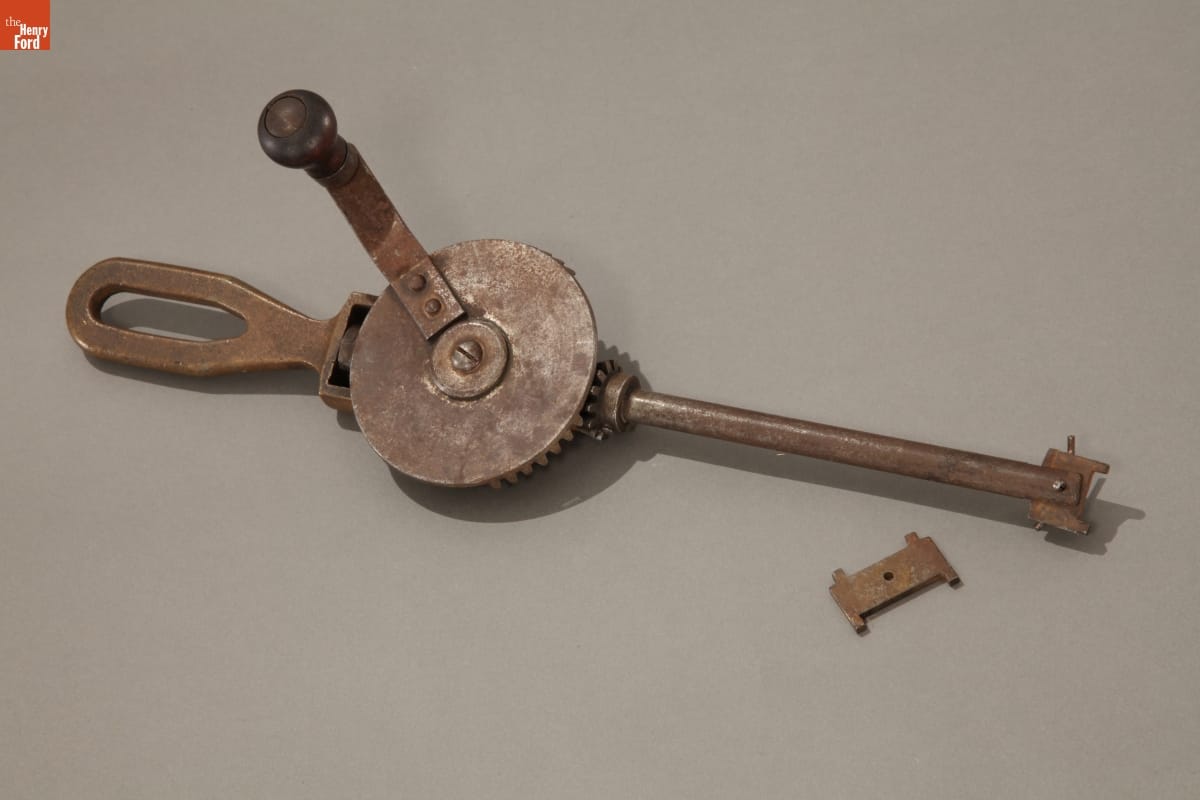
- Automobile Engine Valve Lapping Tool, circa 1915 - Until the late 1910s, the intake and exhaust valves in a car's engine required periodic maintenance -- once a year was not unusual. The valves needed to be cleaned and reseated with a valve lapping tool to ensure a tight seal. This task could take between a few hours to a full day to complete.
- circa 1915
- Collections - Artifact
Automobile Engine Valve Lapping Tool, circa 1915
Until the late 1910s, the intake and exhaust valves in a car's engine required periodic maintenance -- once a year was not unusual. The valves needed to be cleaned and reseated with a valve lapping tool to ensure a tight seal. This task could take between a few hours to a full day to complete.
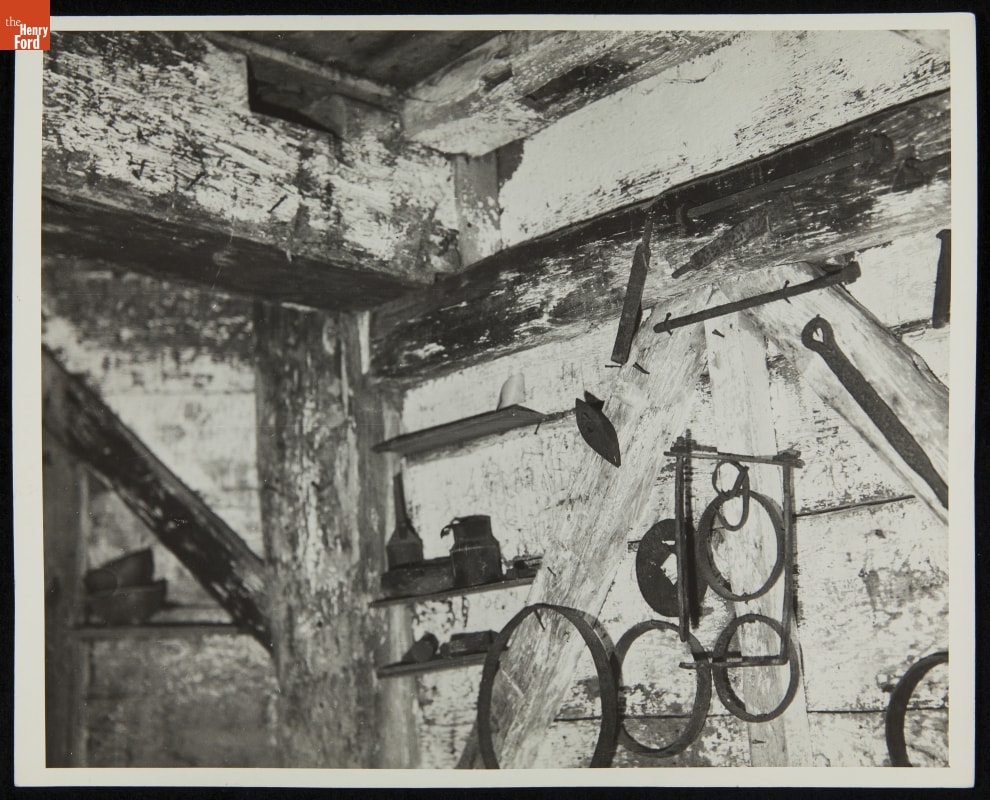
- Interior View of Farris Windmill on Cape Cod, Massachusetts - Built in the mid-1600s, the Farris windmill is said to be the oldest windmill in the United States. It operated in Cape Cod, Massachusetts -- ocean breezes moved the sails that turned the grain milling machinery inside. In 1935, the Ford Dealers of the United States and Canada purchased the windmill and moved it to Greenfield Village as a gift for Henry and Edsel Ford.
- 1890-1936
- Collections - Artifact
Interior View of Farris Windmill on Cape Cod, Massachusetts
Built in the mid-1600s, the Farris windmill is said to be the oldest windmill in the United States. It operated in Cape Cod, Massachusetts -- ocean breezes moved the sails that turned the grain milling machinery inside. In 1935, the Ford Dealers of the United States and Canada purchased the windmill and moved it to Greenfield Village as a gift for Henry and Edsel Ford.