
Search
- Sickle, 1800-1840 - Sickles helped farmers harvest grasses and grains. Using this age-old tool, however, was backbreaking work. Laborers constantly had to stoop over to cut and gather the crops. The invention of mid-nineteenth-century mechanized equipment -- reapers and mowers -- made this handheld harvesting tool nearly obsolete. Still, the sickle remained useful on smaller farms or for work around the yard or garden.
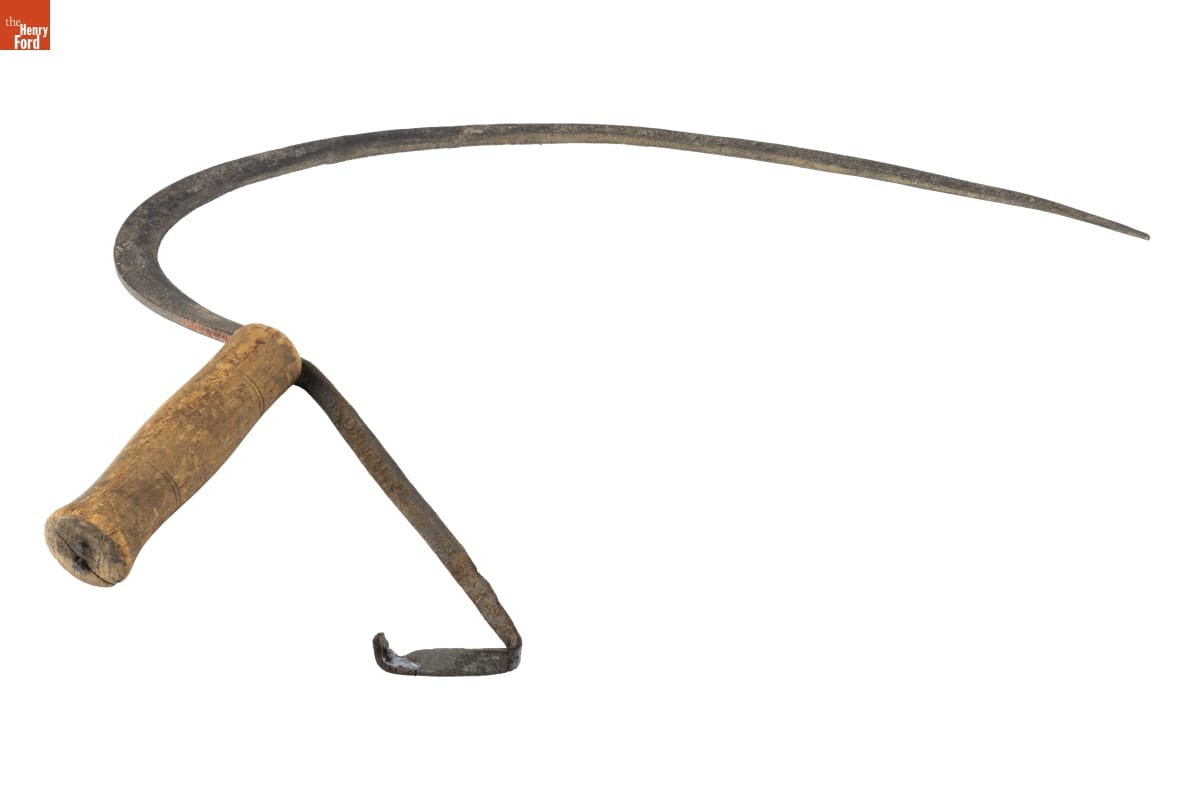
- 1800-1840
- Collections - Artifact
Sickle, 1800-1840
Sickles helped farmers harvest grasses and grains. Using this age-old tool, however, was backbreaking work. Laborers constantly had to stoop over to cut and gather the crops. The invention of mid-nineteenth-century mechanized equipment -- reapers and mowers -- made this handheld harvesting tool nearly obsolete. Still, the sickle remained useful on smaller farms or for work around the yard or garden.
- Sickle, 1894 - Sickles helped farmers harvest grasses and grains. Using this age-old tool, however, was backbreaking work. Laborers constantly had to stoop over to cut and gather the crops. The invention of mid-nineteenth-century mechanized equipment -- reapers and mowers -- made this handheld harvesting tool nearly obsolete. Still, the sickle remained useful on smaller farms or for work around the yard or garden.
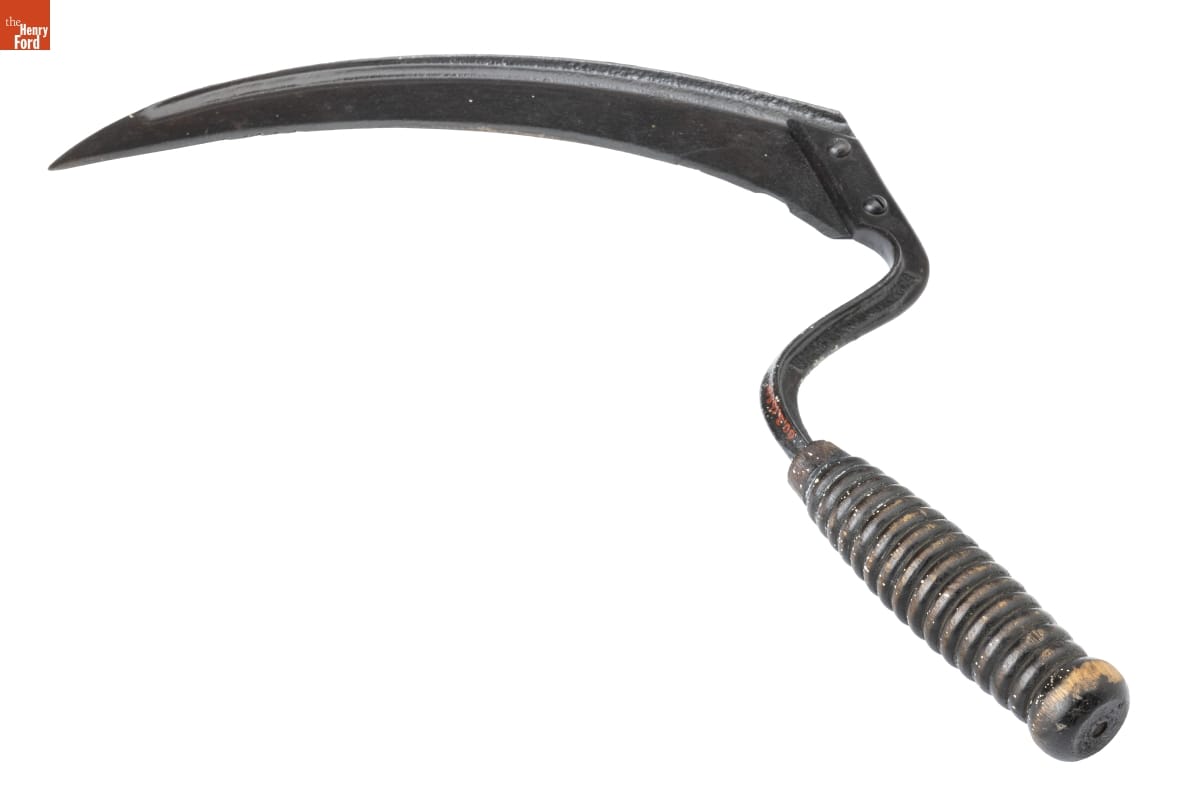
- 1894
- Collections - Artifact
Sickle, 1894
Sickles helped farmers harvest grasses and grains. Using this age-old tool, however, was backbreaking work. Laborers constantly had to stoop over to cut and gather the crops. The invention of mid-nineteenth-century mechanized equipment -- reapers and mowers -- made this handheld harvesting tool nearly obsolete. Still, the sickle remained useful on smaller farms or for work around the yard or garden.
- Harvesting Knives made by John W. Carlin, 1888 -
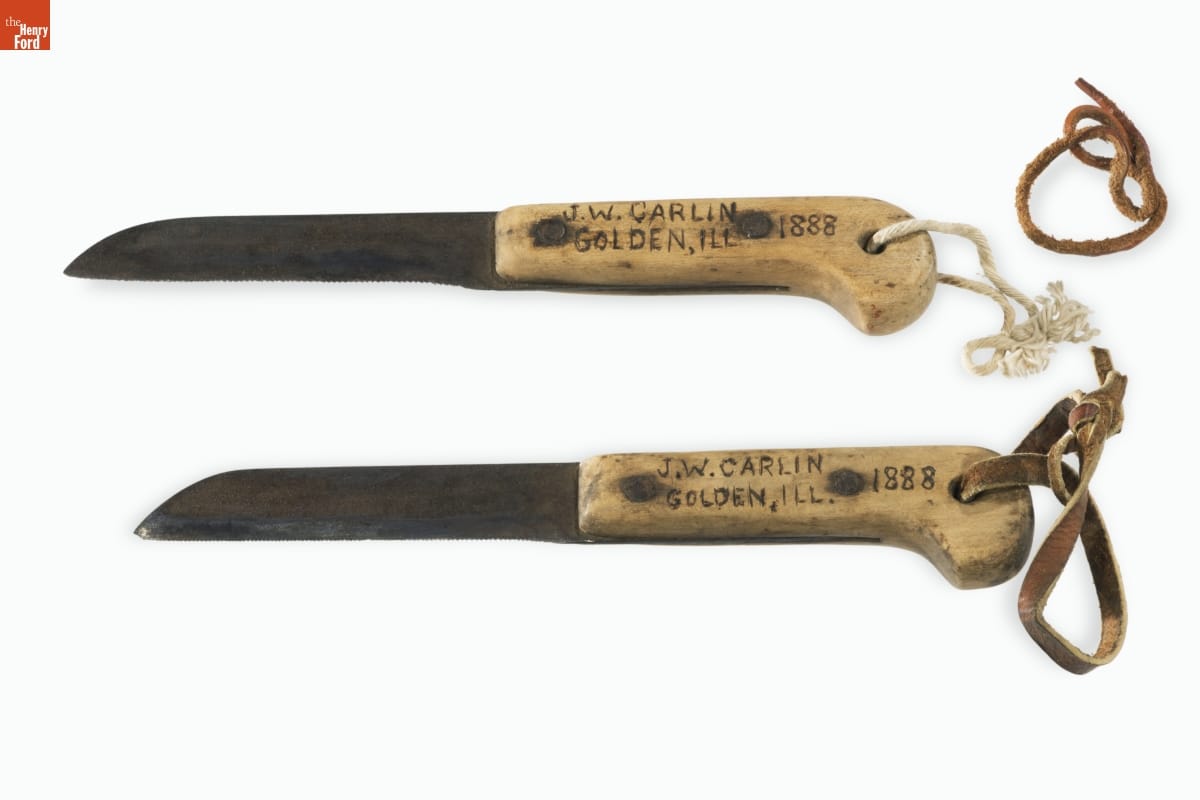
- 1888
- Collections - Artifact
Harvesting Knives made by John W. Carlin, 1888
- Sickle, circa 1840 - Sickles helped farmers harvest grasses and grains. Using this age-old tool, however, was backbreaking work. Laborers constantly had to stoop over to cut and gather the crops. The invention of mid-nineteenth-century mechanized equipment -- reapers and mowers -- made this handheld harvesting tool nearly obsolete. Still, the sickle remained useful on smaller farms or for work around the yard or garden.
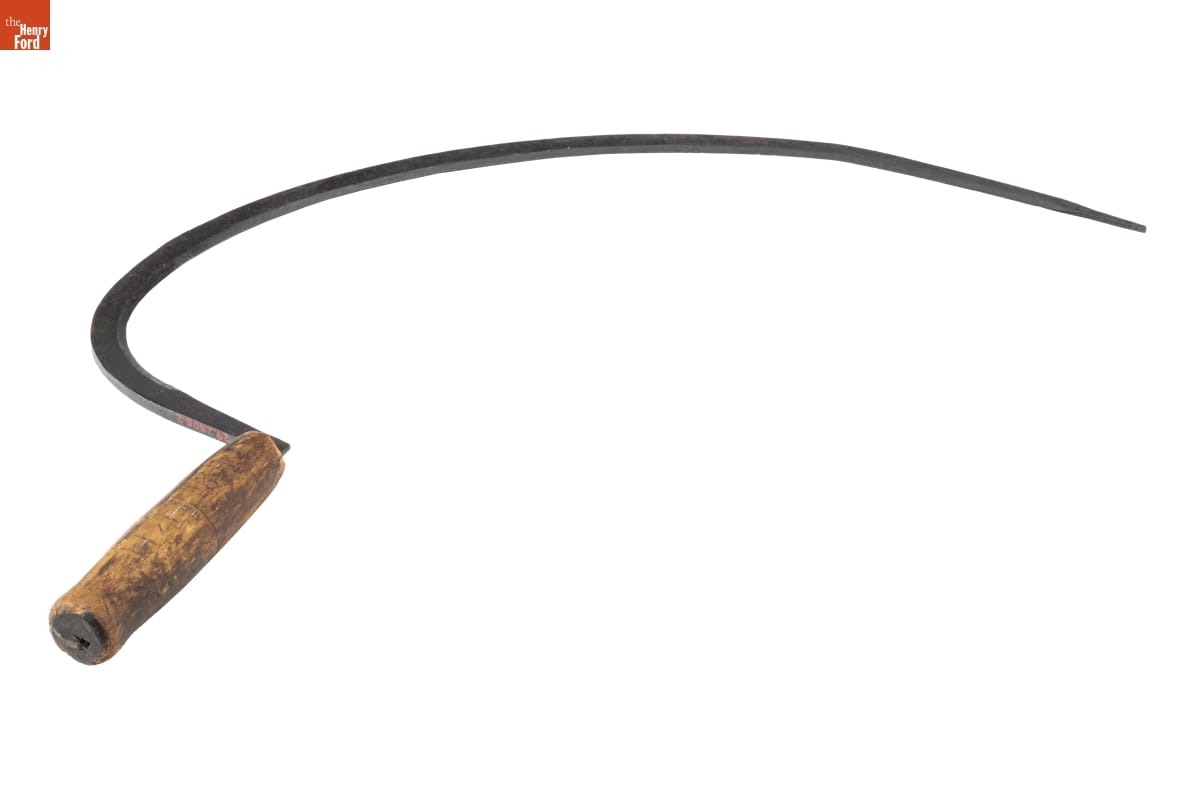
- circa 1840
- Collections - Artifact
Sickle, circa 1840
Sickles helped farmers harvest grasses and grains. Using this age-old tool, however, was backbreaking work. Laborers constantly had to stoop over to cut and gather the crops. The invention of mid-nineteenth-century mechanized equipment -- reapers and mowers -- made this handheld harvesting tool nearly obsolete. Still, the sickle remained useful on smaller farms or for work around the yard or garden.
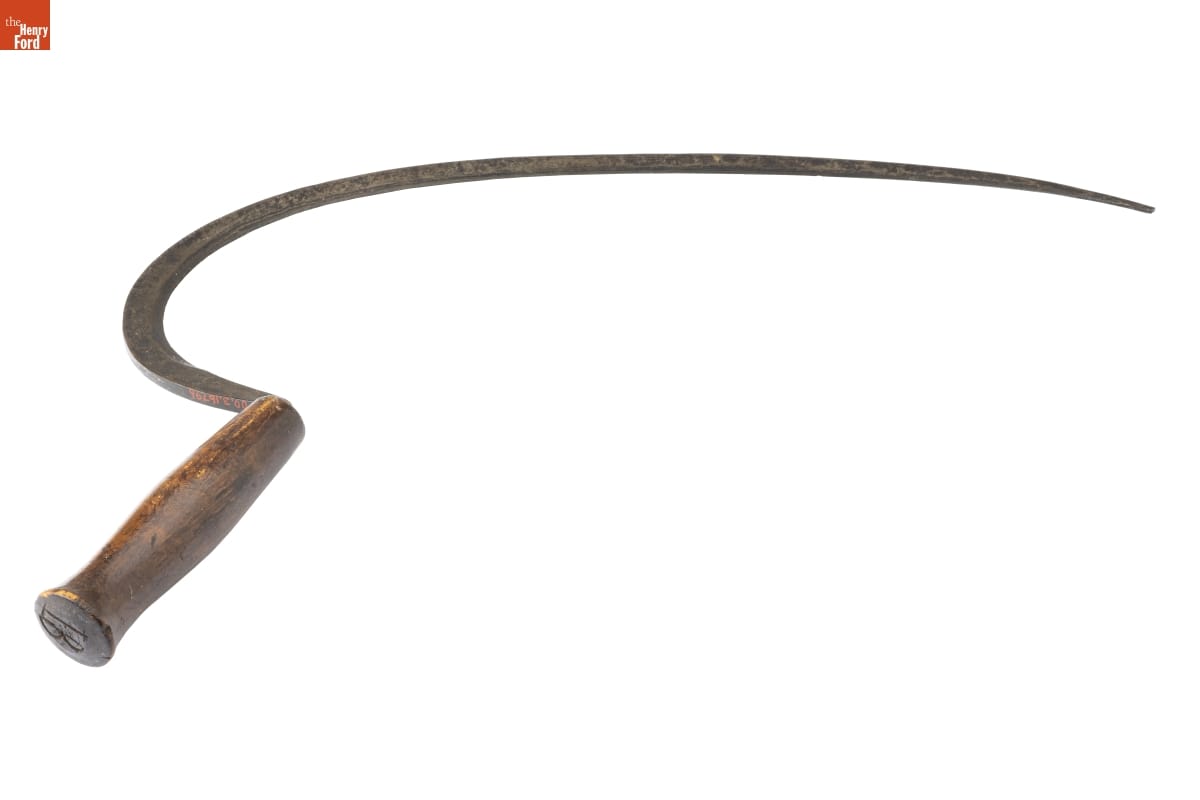
- Sickle, circa 1790 - Sickles helped farmers harvest grasses and grains. Using this age-old tool, however, was backbreaking work. Laborers constantly had to stoop over to cut and gather the crops. The invention of mid-nineteenth-century mechanized equipment -- reapers and mowers -- made this handheld harvesting tool nearly obsolete. Still, the sickle remained useful on smaller farms or for work around the yard or garden.
- circa 1790
- Collections - Artifact
Sickle, circa 1790
Sickles helped farmers harvest grasses and grains. Using this age-old tool, however, was backbreaking work. Laborers constantly had to stoop over to cut and gather the crops. The invention of mid-nineteenth-century mechanized equipment -- reapers and mowers -- made this handheld harvesting tool nearly obsolete. Still, the sickle remained useful on smaller farms or for work around the yard or garden.
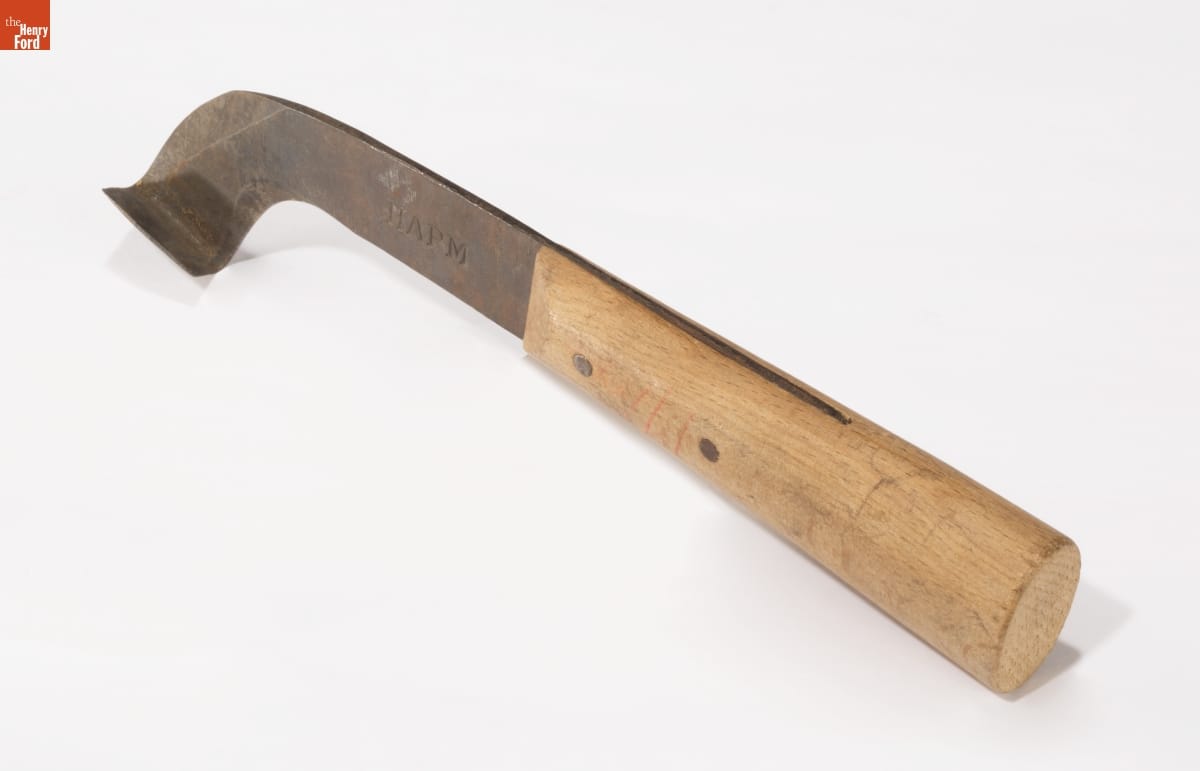
- Harvesting Knife Used during Ford Motor Company's Brazilian Rubber Plantations Venture, 1928-1945 - From 1928 to 1945 Henry Ford tried, unsuccessfully, to establish productive rubber plantations on Brazil's Tapajos River. Rubber was an important component in Ford's automobiles, and he wanted a source that he controlled. W.L. Reeves Blakely, one of Ford's agents, selected the site for the Fordlandia plantation and used this harvesting knife during his explorations.
- 1928-1945
- Collections - Artifact
Harvesting Knife Used during Ford Motor Company's Brazilian Rubber Plantations Venture, 1928-1945
From 1928 to 1945 Henry Ford tried, unsuccessfully, to establish productive rubber plantations on Brazil's Tapajos River. Rubber was an important component in Ford's automobiles, and he wanted a source that he controlled. W.L. Reeves Blakely, one of Ford's agents, selected the site for the Fordlandia plantation and used this harvesting knife during his explorations.
- Grain Sickle, circa 1790 -
- circa 1790
- Collections - Artifact
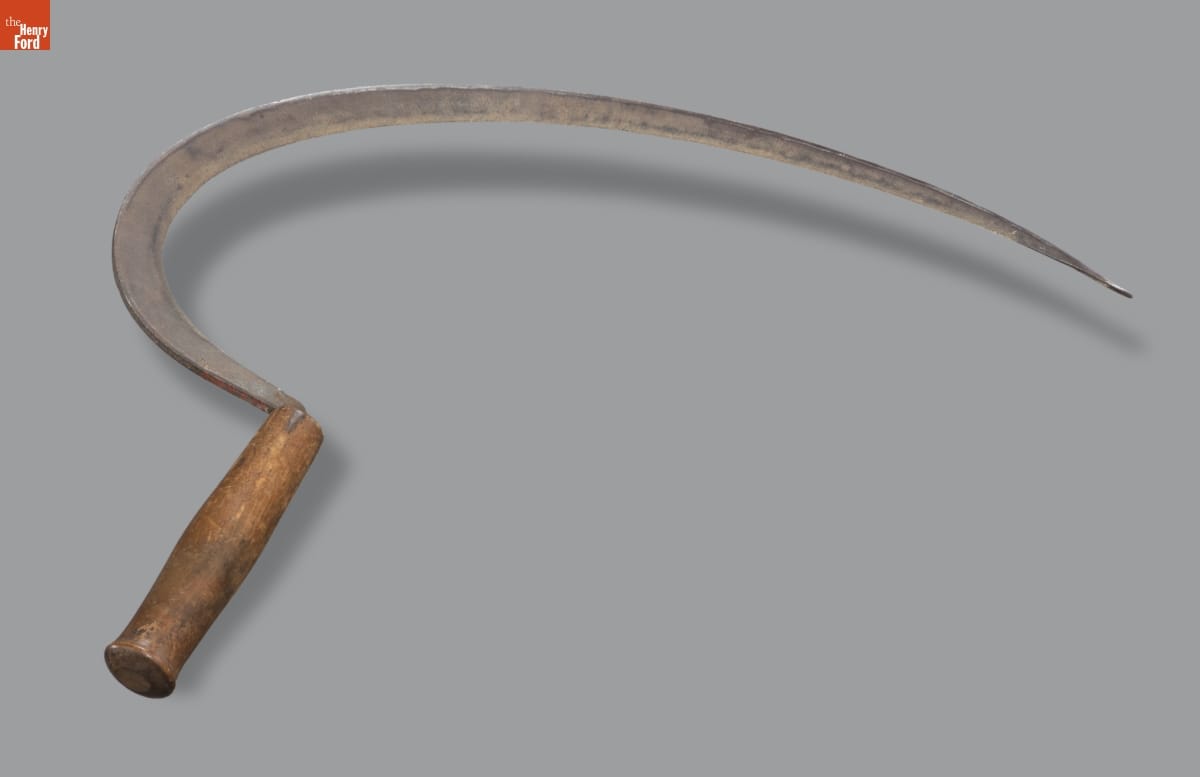
Grain Sickle, circa 1790
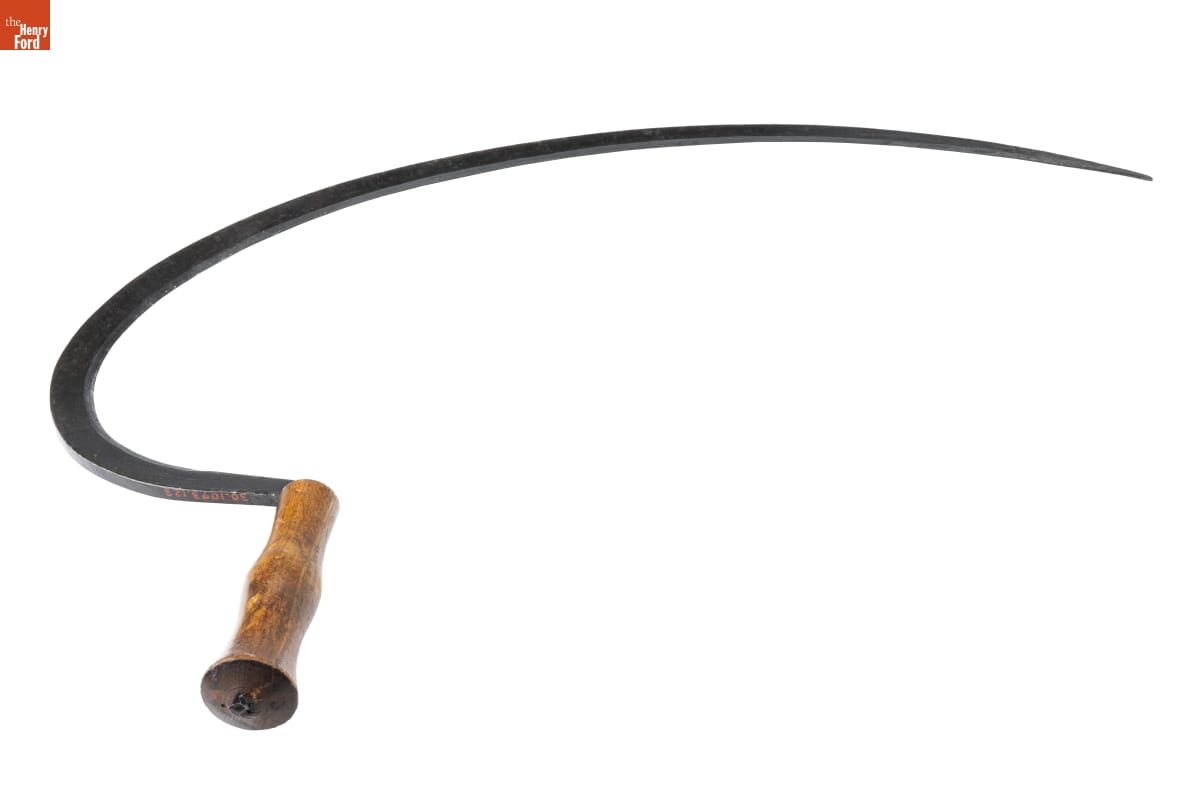
- Sickle, 1800-1840 - Sickles helped farmers harvest grasses and grains. Using this age-old tool, however, was backbreaking work. Laborers constantly had to stoop over to cut and gather the crops. The invention of mid-nineteenth-century mechanized equipment -- reapers and mowers -- made this handheld harvesting tool nearly obsolete. Still, the sickle remained useful on smaller farms or for work around the yard or garden.
- 1800-1840
- Collections - Artifact
Sickle, 1800-1840
Sickles helped farmers harvest grasses and grains. Using this age-old tool, however, was backbreaking work. Laborers constantly had to stoop over to cut and gather the crops. The invention of mid-nineteenth-century mechanized equipment -- reapers and mowers -- made this handheld harvesting tool nearly obsolete. Still, the sickle remained useful on smaller farms or for work around the yard or garden.
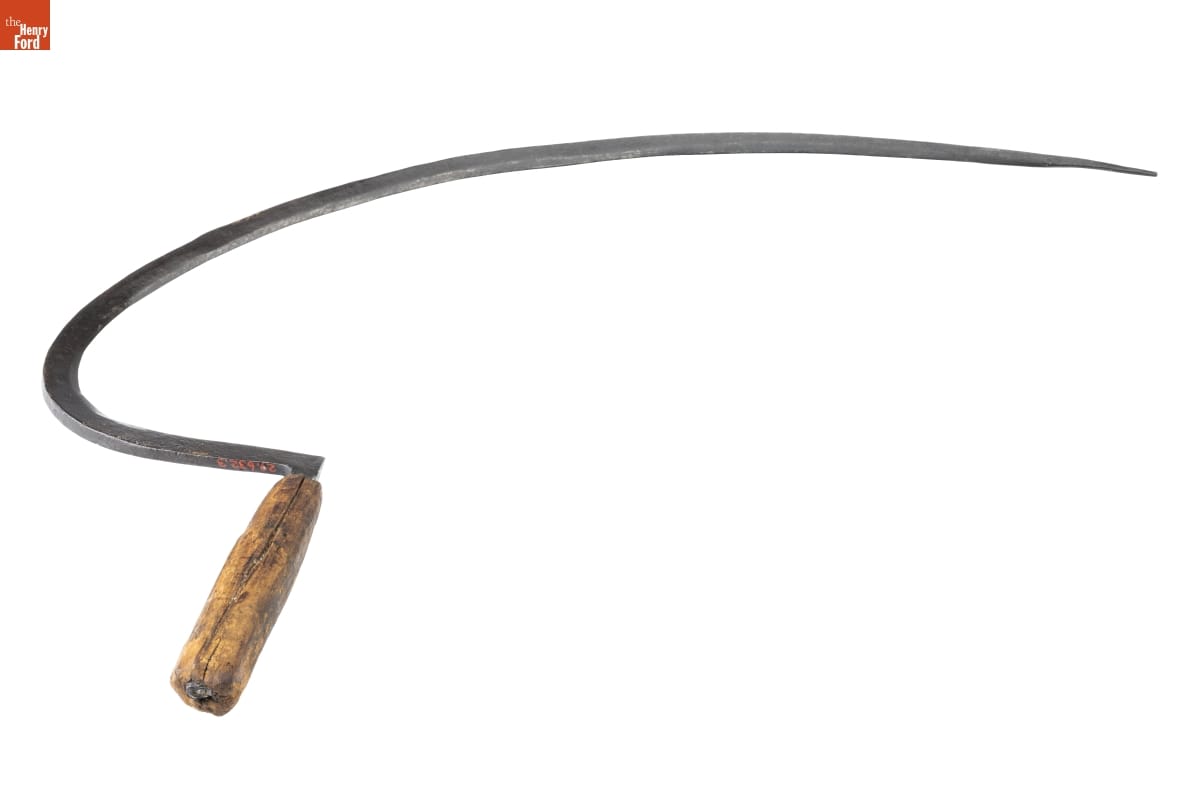
- Sickle, 1800-1840 - Sickles helped farmers harvest grasses and grains. Using this age-old tool, however, was backbreaking work. Laborers constantly had to stoop over to cut and gather the crops. The invention of mid-nineteenth-century mechanized equipment -- reapers and mowers -- made this handheld harvesting tool nearly obsolete. Still, the sickle remained useful on smaller farms or for work around the yard or garden.
- 1800-1840
- Collections - Artifact
Sickle, 1800-1840
Sickles helped farmers harvest grasses and grains. Using this age-old tool, however, was backbreaking work. Laborers constantly had to stoop over to cut and gather the crops. The invention of mid-nineteenth-century mechanized equipment -- reapers and mowers -- made this handheld harvesting tool nearly obsolete. Still, the sickle remained useful on smaller farms or for work around the yard or garden.
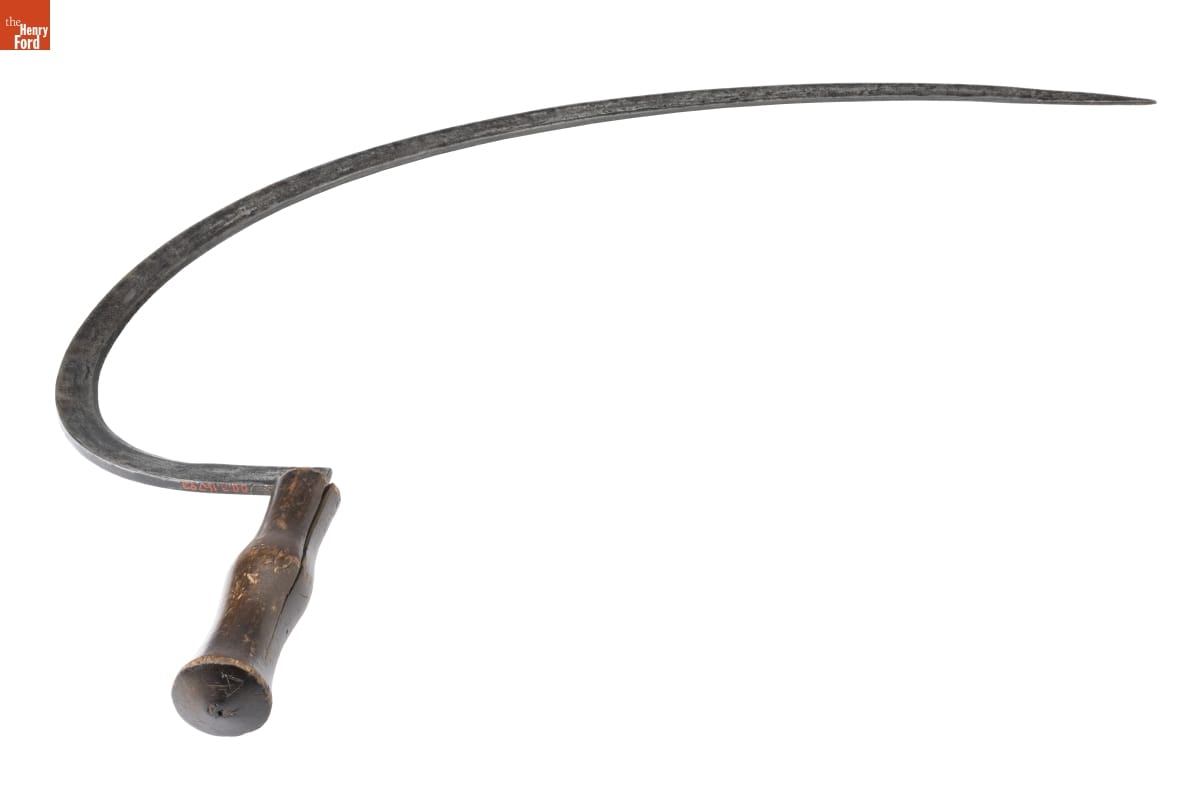
- Sickle, 1800-1840 - Sickles helped farmers harvest grasses and grains. Using this age-old tool, however, was backbreaking work. Laborers constantly had to stoop over to cut and gather the crops. The invention of mid-nineteenth-century mechanized equipment -- reapers and mowers -- made this handheld harvesting tool nearly obsolete. Still, the sickle remained useful on smaller farms or for work around the yard or garden.
- 1800-1840
- Collections - Artifact
Sickle, 1800-1840
Sickles helped farmers harvest grasses and grains. Using this age-old tool, however, was backbreaking work. Laborers constantly had to stoop over to cut and gather the crops. The invention of mid-nineteenth-century mechanized equipment -- reapers and mowers -- made this handheld harvesting tool nearly obsolete. Still, the sickle remained useful on smaller farms or for work around the yard or garden.