
Search
- Hackle, circa 1800 - Producing linen yarn by hand from the flax plant is labor-intensive and time-consuming. The useable fibers of the plant are encased in a hard outer coating in the stem. After this coating is removed, the fibers are drawn through a series of hackles--boards with sharp metal spikes--to align the long fibers and remove debris and short fibers.
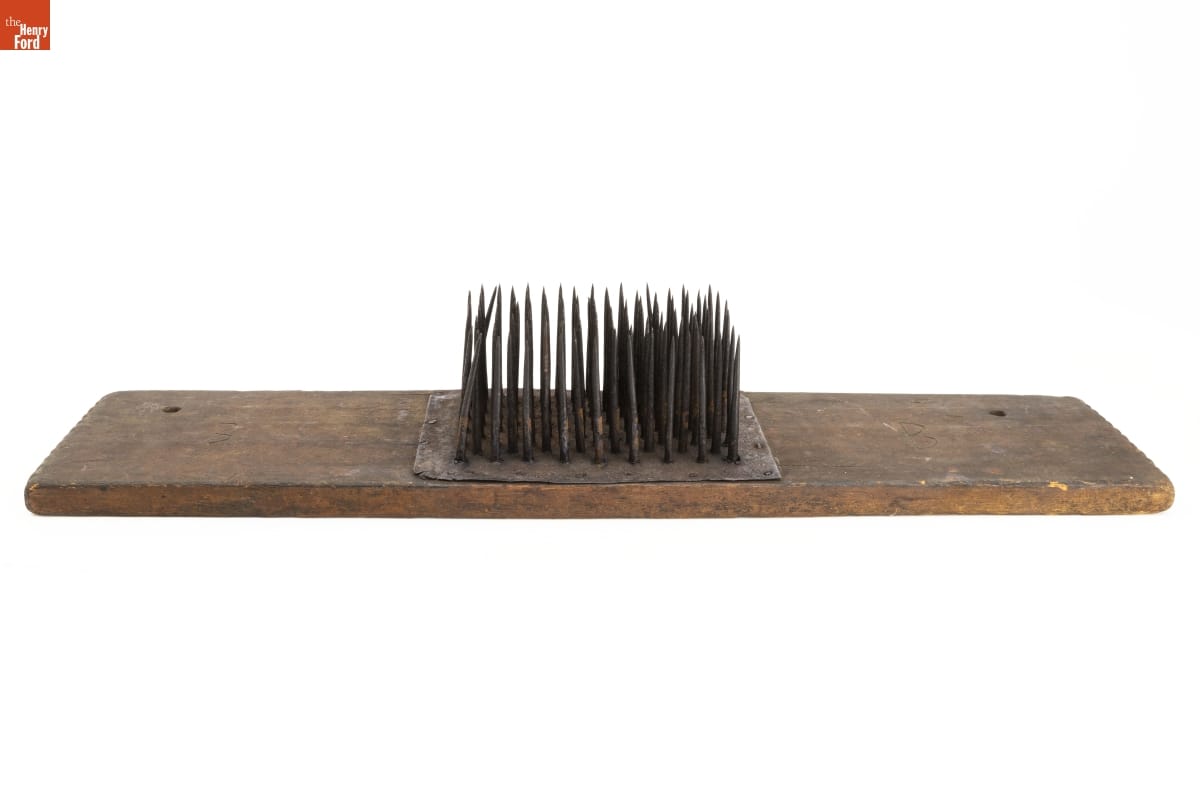
- circa 1800
- Collections - Artifact
Hackle, circa 1800
Producing linen yarn by hand from the flax plant is labor-intensive and time-consuming. The useable fibers of the plant are encased in a hard outer coating in the stem. After this coating is removed, the fibers are drawn through a series of hackles--boards with sharp metal spikes--to align the long fibers and remove debris and short fibers.
- Hackle, circa 1800 - Producing linen yarn by hand from the flax plant is labor-intensive and time-consuming. The useable fibers of the plant are encased in a hard outer coating in the stem. After this coating is removed, the fibers are drawn through a series of hackles--boards with sharp metal spikes--to align the long fibers and remove debris and short fibers.
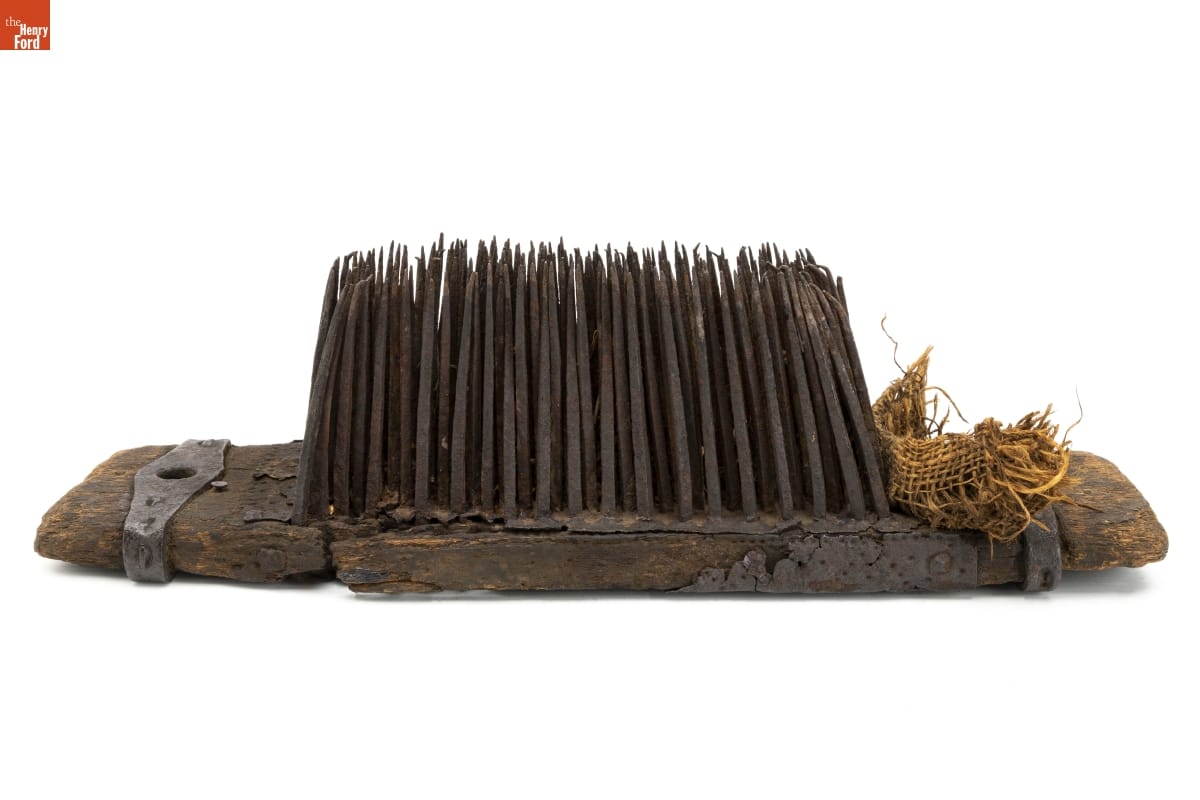
- circa 1800
- Collections - Artifact
Hackle, circa 1800
Producing linen yarn by hand from the flax plant is labor-intensive and time-consuming. The useable fibers of the plant are encased in a hard outer coating in the stem. After this coating is removed, the fibers are drawn through a series of hackles--boards with sharp metal spikes--to align the long fibers and remove debris and short fibers.
- Hackle with Lid, circa 1800 - Producing linen yarn by hand from the flax plant is labor-intensive and time-consuming. The useable fibers of the plant are encased in a hard outer coating in the stem. After this coating is removed, the fibers are drawn through a series of hackles--boards with sharp metal spikes--to align the long fibers and remove debris and short fibers.
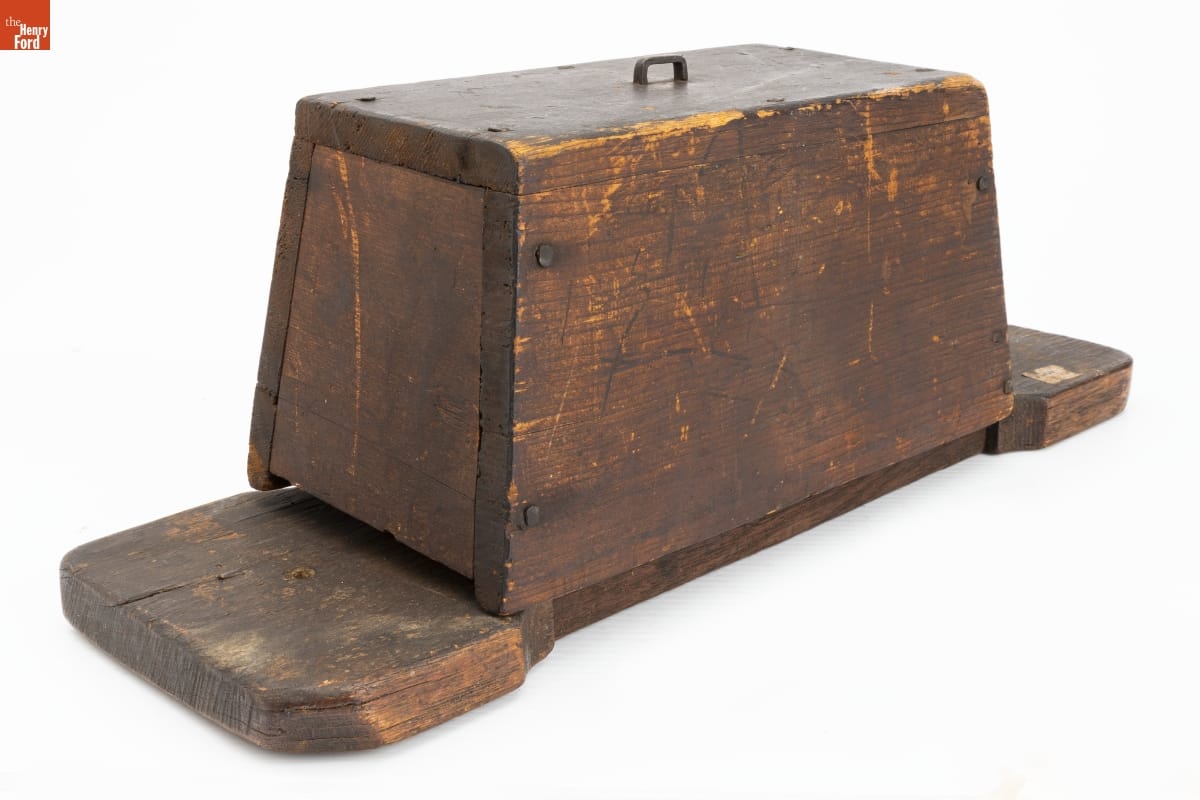
- circa 1800
- Collections - Artifact
Hackle with Lid, circa 1800
Producing linen yarn by hand from the flax plant is labor-intensive and time-consuming. The useable fibers of the plant are encased in a hard outer coating in the stem. After this coating is removed, the fibers are drawn through a series of hackles--boards with sharp metal spikes--to align the long fibers and remove debris and short fibers.
- Hackle with Lid, 1800-1900 - Producing linen yarn by hand from the flax plant is labor-intensive and time-consuming. The useable fibers of the plant are encased in a hard outer coating in the stem. After this coating is removed, the fibers are drawn through a series of hackles--boards with sharp metal spikes--to align the long fibers and remove debris and short fibers.
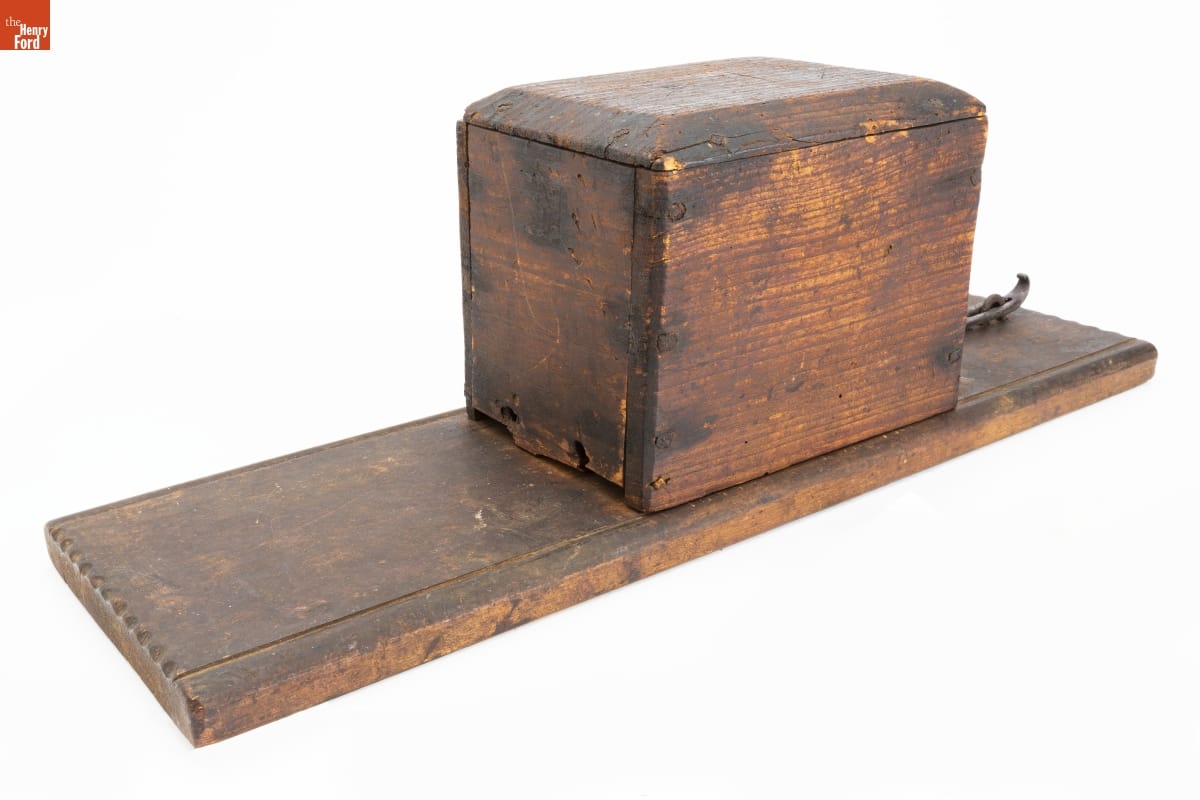
- 1800-1900
- Collections - Artifact
Hackle with Lid, 1800-1900
Producing linen yarn by hand from the flax plant is labor-intensive and time-consuming. The useable fibers of the plant are encased in a hard outer coating in the stem. After this coating is removed, the fibers are drawn through a series of hackles--boards with sharp metal spikes--to align the long fibers and remove debris and short fibers.
- Hackle, circa 1800 - Producing linen yarn by hand from the flax plant is labor-intensive and time-consuming. The useable fibers of the plant are encased in a hard outer coating in the stem. After this coating is removed, the fibers are drawn through a series of hackles--boards with sharp metal spikes--to align the long fibers and remove debris and short fibers.
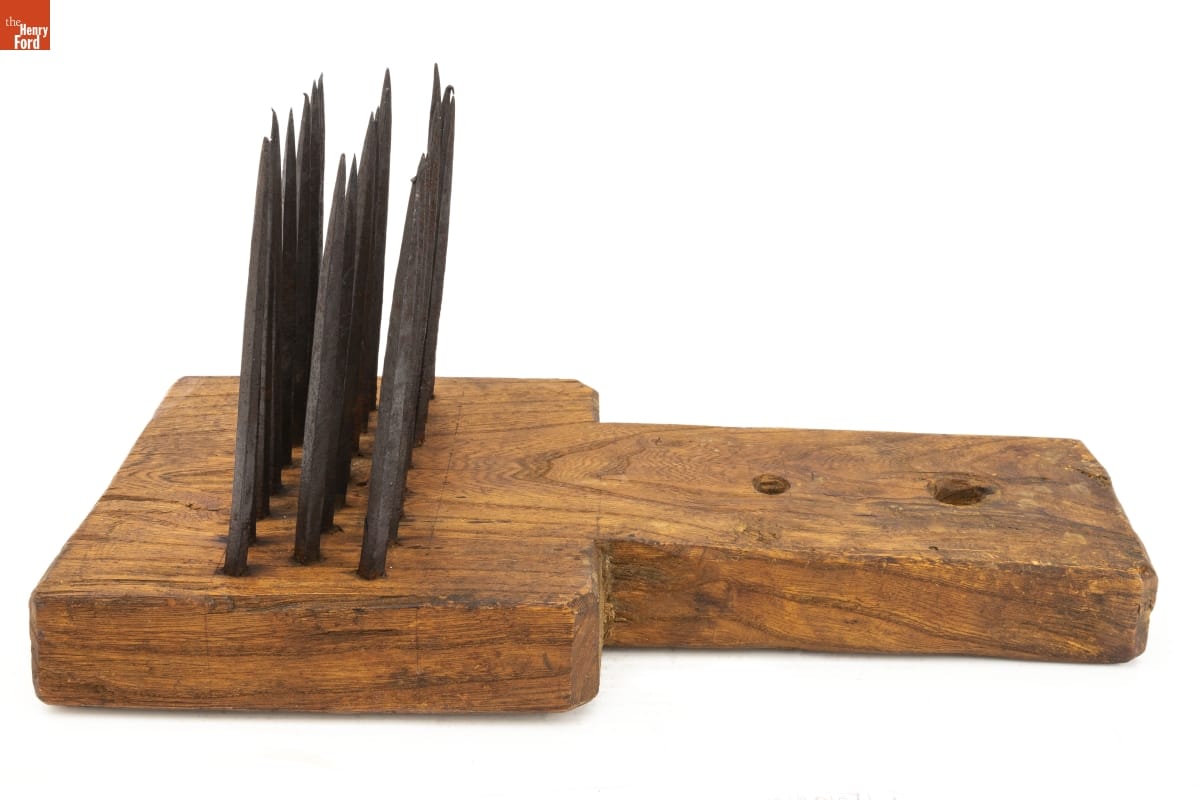
- circa 1800
- Collections - Artifact
Hackle, circa 1800
Producing linen yarn by hand from the flax plant is labor-intensive and time-consuming. The useable fibers of the plant are encased in a hard outer coating in the stem. After this coating is removed, the fibers are drawn through a series of hackles--boards with sharp metal spikes--to align the long fibers and remove debris and short fibers.
- Hackle, circa 1800 - Producing linen yarn by hand from the flax plant is labor-intensive and time-consuming. The useable fibers of the plant are encased in a hard outer coating in the stem. After this coating is removed, the fibers are drawn through a series of hackles--boards with sharp metal spikes--to align the long fibers and remove debris and short fibers.
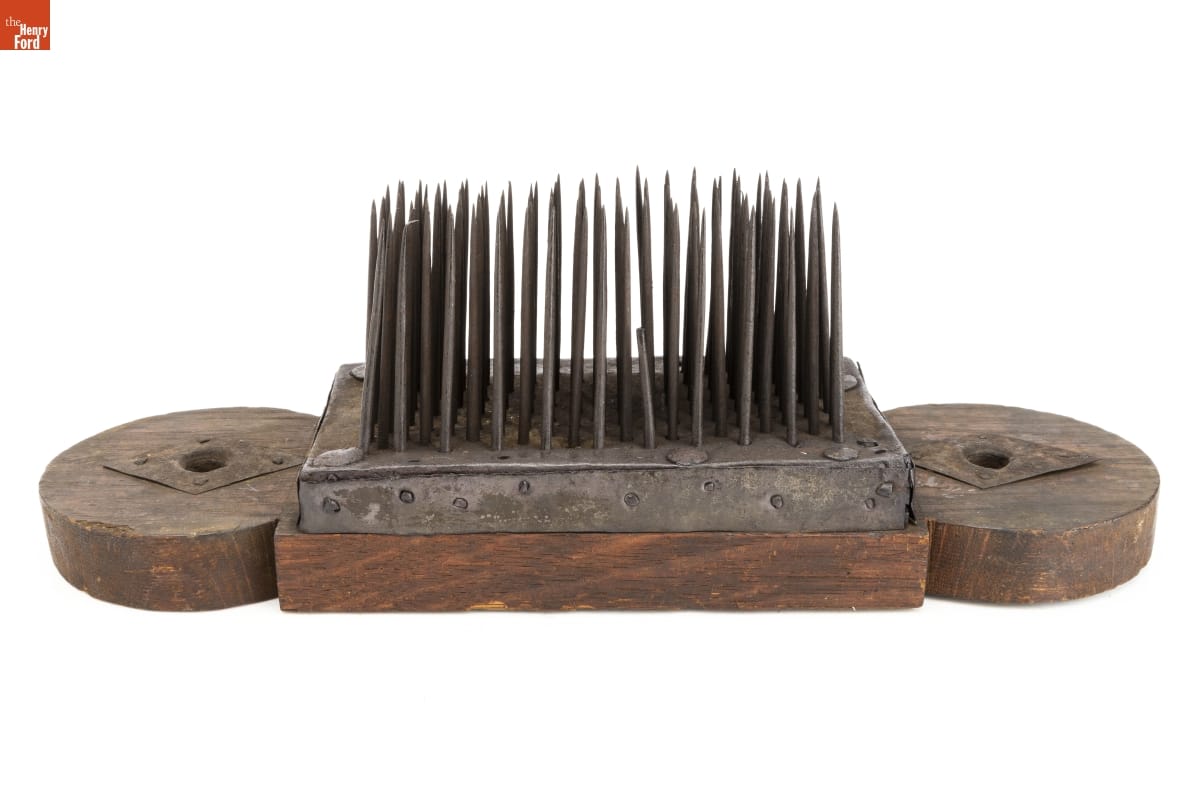
- circa 1800
- Collections - Artifact
Hackle, circa 1800
Producing linen yarn by hand from the flax plant is labor-intensive and time-consuming. The useable fibers of the plant are encased in a hard outer coating in the stem. After this coating is removed, the fibers are drawn through a series of hackles--boards with sharp metal spikes--to align the long fibers and remove debris and short fibers.
- Hackle, 1780-1800 - Producing linen yarn by hand from the flax plant is labor-intensive and time-consuming. The useable fibers of the plant are encased in a hard outer coating in the stem. After this coating is removed, the fibers are drawn through a series of hackles--boards with sharp metal spikes--to align the long fibers and remove debris and short fibers.
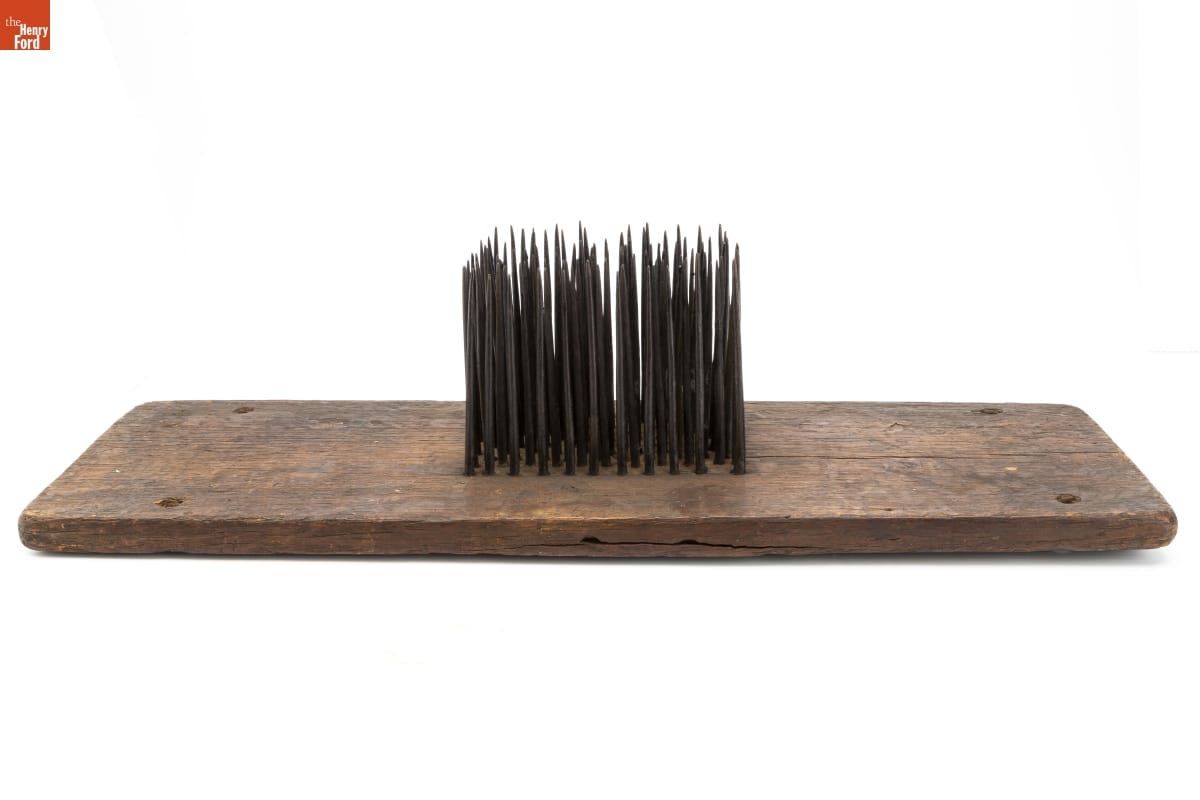
- 1780-1800
- Collections - Artifact
Hackle, 1780-1800
Producing linen yarn by hand from the flax plant is labor-intensive and time-consuming. The useable fibers of the plant are encased in a hard outer coating in the stem. After this coating is removed, the fibers are drawn through a series of hackles--boards with sharp metal spikes--to align the long fibers and remove debris and short fibers.
- Hackle, circa 1800 - Producing linen yarn by hand from the flax plant is labor-intensive and time-consuming. The useable fibers of the plant are encased in a hard outer coating in the stem. After this coating is removed, the fibers are drawn through a series of hackles--boards with sharp metal spikes--to align the long fibers and remove debris and short fibers.
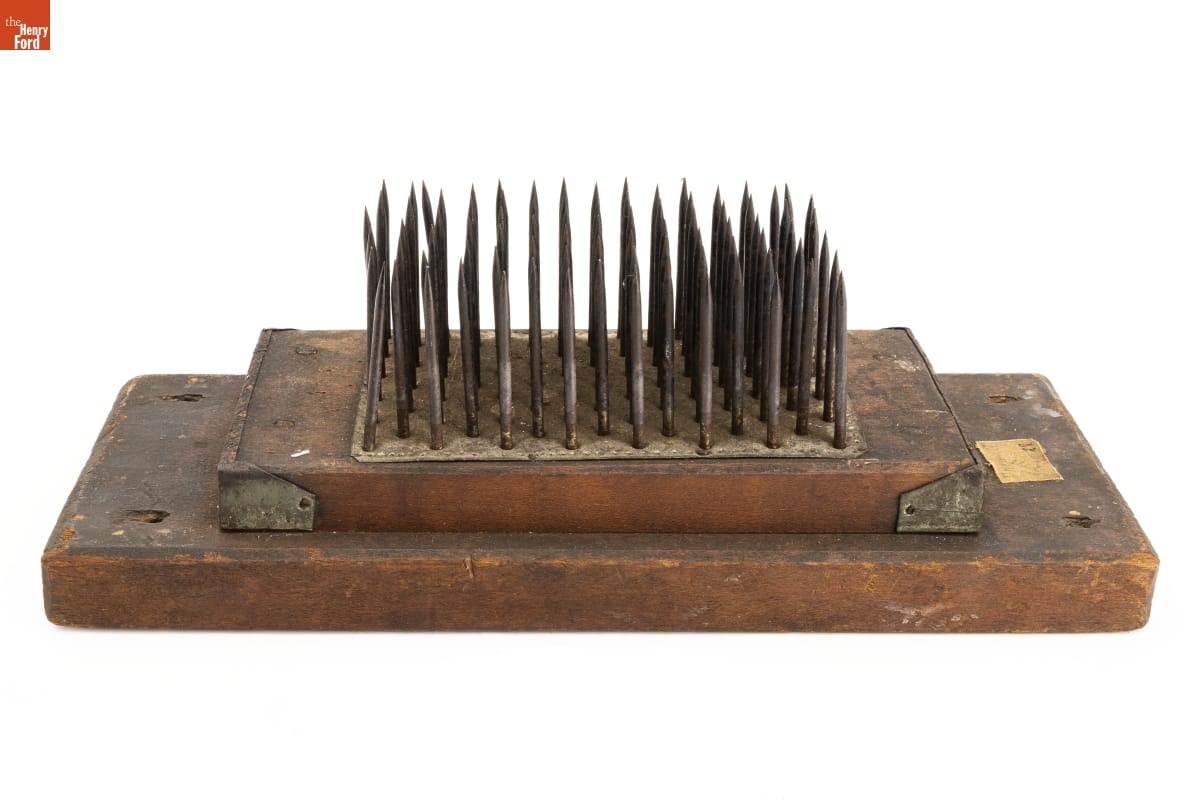
- circa 1800
- Collections - Artifact
Hackle, circa 1800
Producing linen yarn by hand from the flax plant is labor-intensive and time-consuming. The useable fibers of the plant are encased in a hard outer coating in the stem. After this coating is removed, the fibers are drawn through a series of hackles--boards with sharp metal spikes--to align the long fibers and remove debris and short fibers.
- Hackle, circa 1800 - Producing linen yarn by hand from the flax plant is labor-intensive and time-consuming. The useable fibers of the plant are encased in a hard outer coating in the stem. After this coating is removed, the fibers are drawn through a series of hackles--boards with sharp metal spikes--to align the long fibers and remove debris and short fibers.
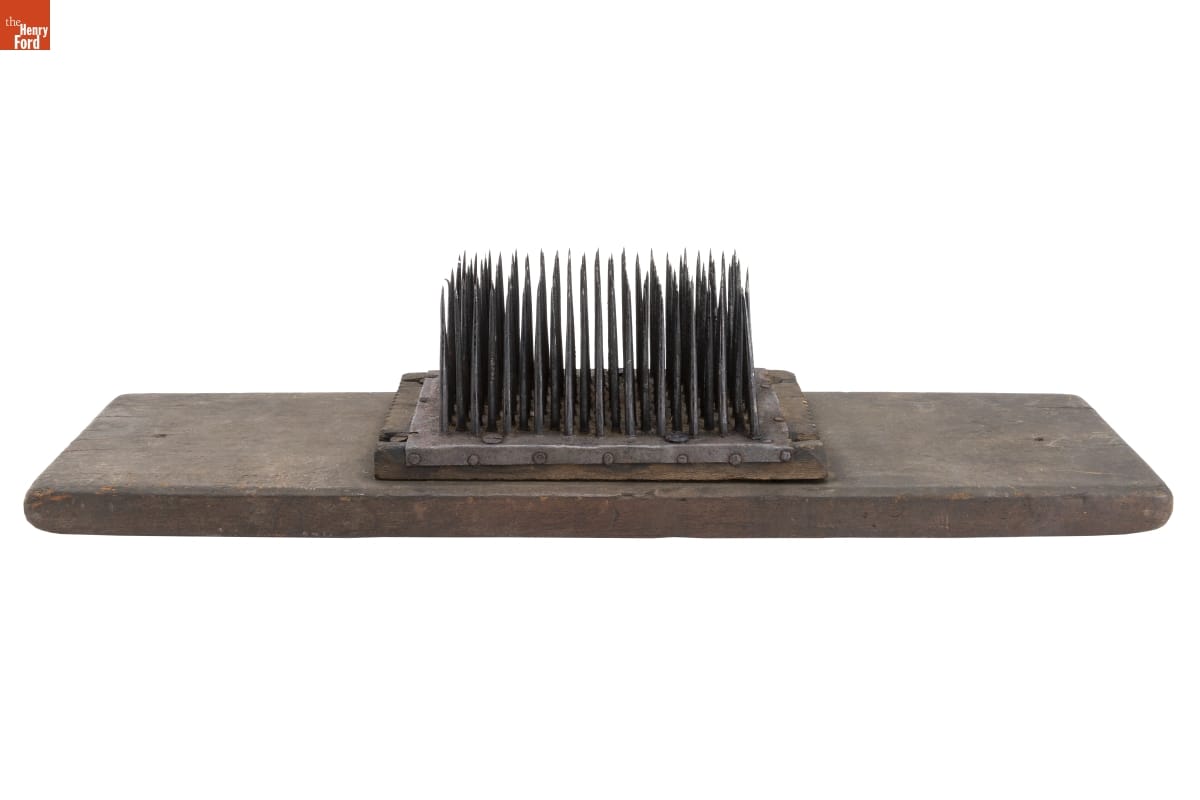
- circa 1800
- Collections - Artifact
Hackle, circa 1800
Producing linen yarn by hand from the flax plant is labor-intensive and time-consuming. The useable fibers of the plant are encased in a hard outer coating in the stem. After this coating is removed, the fibers are drawn through a series of hackles--boards with sharp metal spikes--to align the long fibers and remove debris and short fibers.
- Hackle with Lid, circa 1800 - Producing linen yarn by hand from the flax plant is labor-intensive and time-consuming. The useable fibers of the plant are encased in a hard outer coating in the stem. After this coating is removed, the fibers are drawn through a series of hackles--boards with sharp metal spikes--to align the long fibers and remove debris and short fibers.
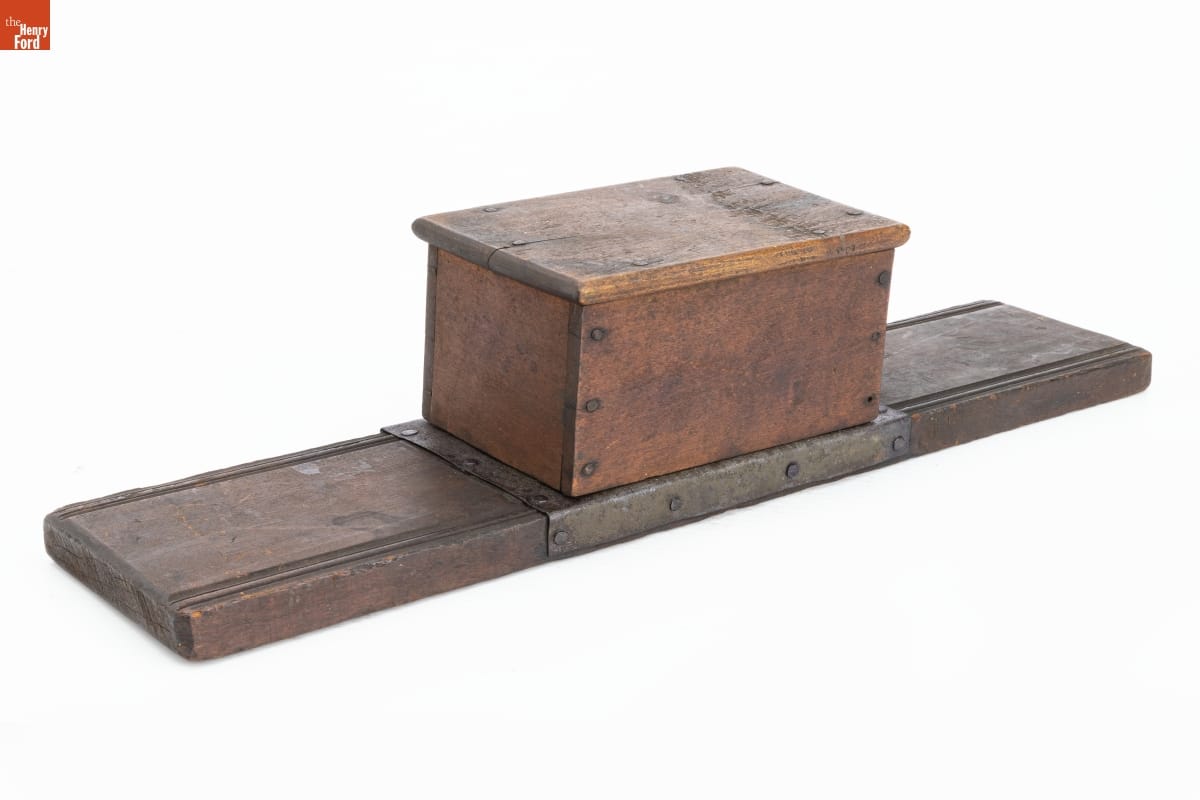
- circa 1800
- Collections - Artifact
Hackle with Lid, circa 1800
Producing linen yarn by hand from the flax plant is labor-intensive and time-consuming. The useable fibers of the plant are encased in a hard outer coating in the stem. After this coating is removed, the fibers are drawn through a series of hackles--boards with sharp metal spikes--to align the long fibers and remove debris and short fibers.