
Search
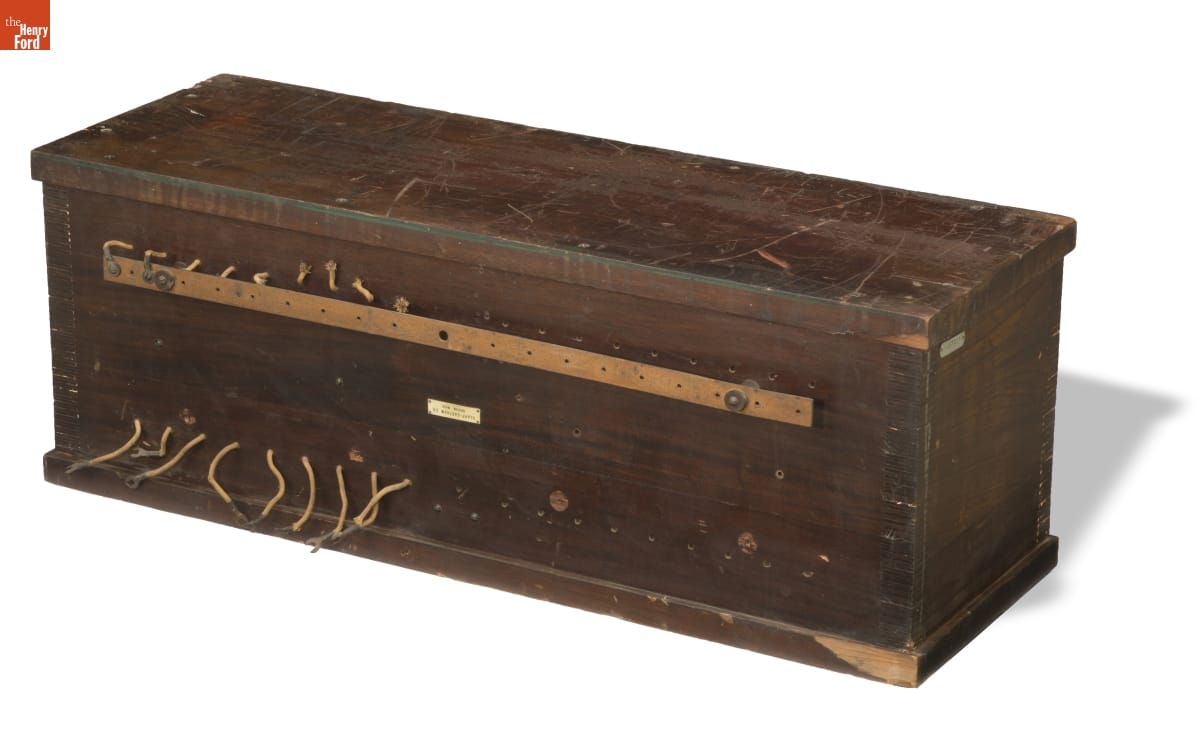
- Fixed Condenser, Used in the Hammond Radio Research Laboratory, circa 1911 - John Hays Hammond, Jr., was largely responsible for launching the field of radio control. In 1926, he built a medieval-inspired castle in Gloucester, Massachusetts. This site served as his home and research laboratory. With over 400 patents to his name, Hammond developed ideas for radio control, autopilot function, and targeted missile detonation. This device was used in Hammond's laboratory.
- circa 1911
- Collections - Artifact
Fixed Condenser, Used in the Hammond Radio Research Laboratory, circa 1911
John Hays Hammond, Jr., was largely responsible for launching the field of radio control. In 1926, he built a medieval-inspired castle in Gloucester, Massachusetts. This site served as his home and research laboratory. With over 400 patents to his name, Hammond developed ideas for radio control, autopilot function, and targeted missile detonation. This device was used in Hammond's laboratory.
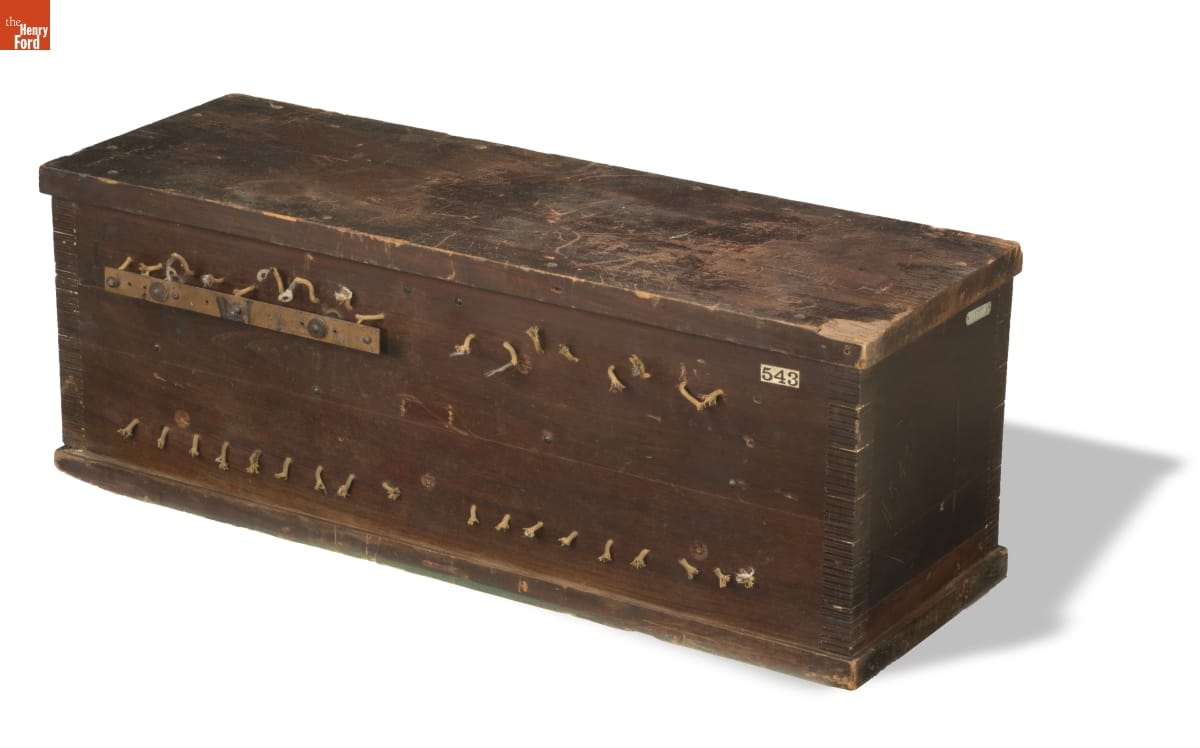
- Fixed Condenser, Used in the Hammond Radio Research Laboratory, circa 1911 - John Hays Hammond, Jr., was largely responsible for launching the field of radio control. In 1926, he built a medieval-inspired castle in Gloucester, Massachusetts. This site served as his home and research laboratory. With over 400 patents to his name, Hammond developed ideas for radio control, autopilot function, and targeted missile detonation. This device was used in Hammond's laboratory.
- circa 1911
- Collections - Artifact
Fixed Condenser, Used in the Hammond Radio Research Laboratory, circa 1911
John Hays Hammond, Jr., was largely responsible for launching the field of radio control. In 1926, he built a medieval-inspired castle in Gloucester, Massachusetts. This site served as his home and research laboratory. With over 400 patents to his name, Hammond developed ideas for radio control, autopilot function, and targeted missile detonation. This device was used in Hammond's laboratory.
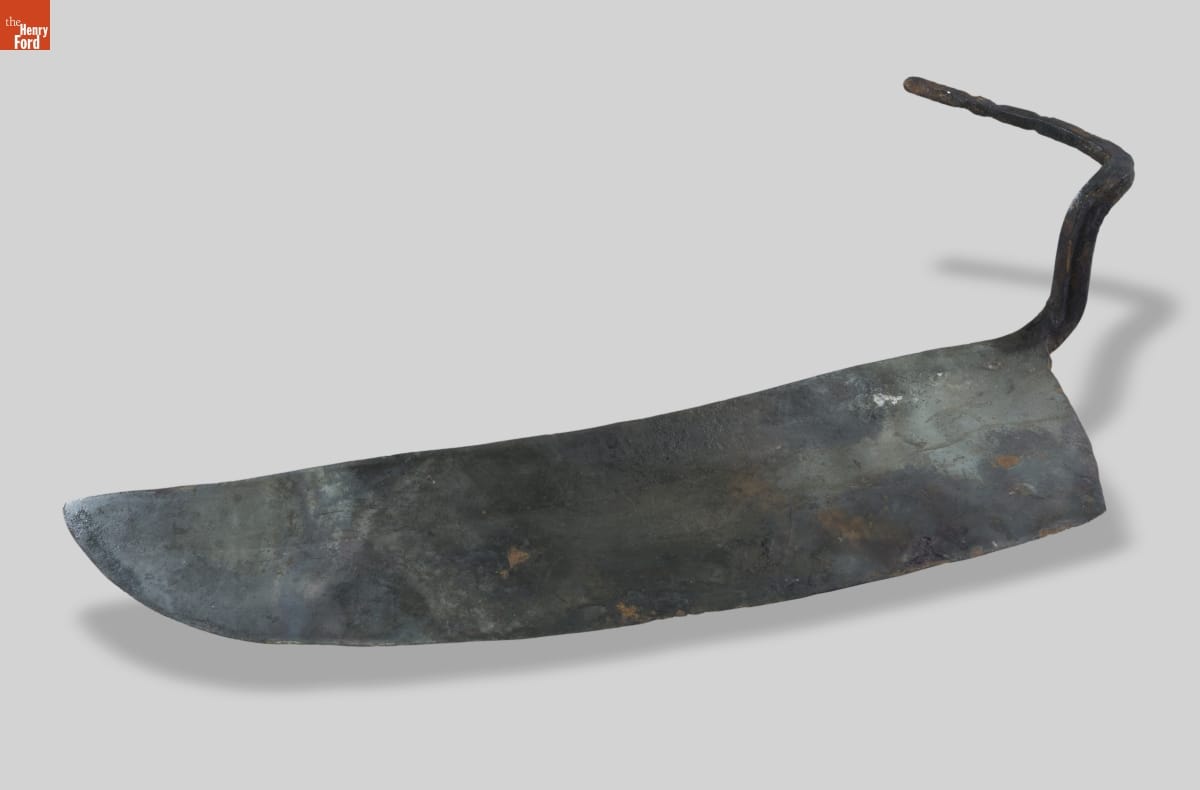
- Hay Knife - Farm families cut and cured enough grass each summer to feed hay to their livestock all winter. Stored hay settled over time and farmers used special knives made by blacksmiths to cut out chunks for feed. The smiths forged wrought-iron blades with a long cutting edge. The wooden handle was set on a tang (a pointed metal extension of the handle) and secured with a metal collar for durability.
- Collections - Artifact
Hay Knife
Farm families cut and cured enough grass each summer to feed hay to their livestock all winter. Stored hay settled over time and farmers used special knives made by blacksmiths to cut out chunks for feed. The smiths forged wrought-iron blades with a long cutting edge. The wooden handle was set on a tang (a pointed metal extension of the handle) and secured with a metal collar for durability.
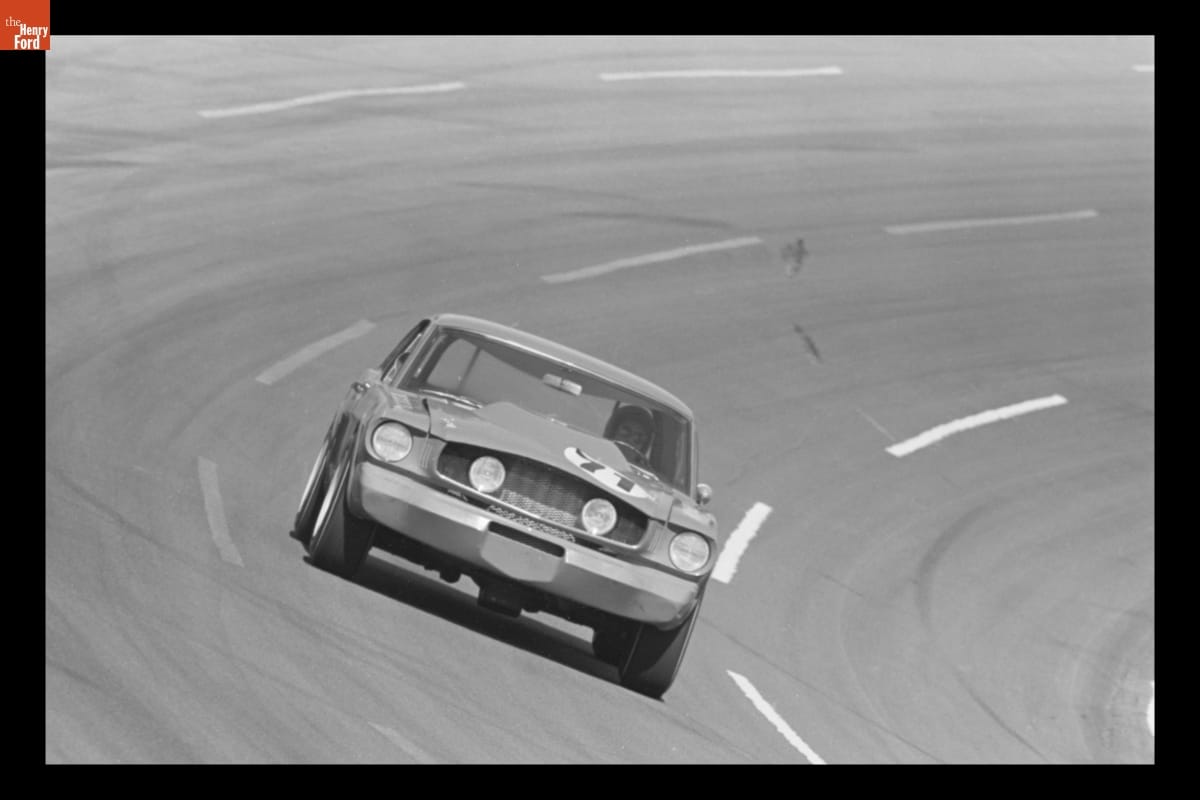
- Ford Mustang Driven by Skip Scott and Charlie Hayes at the Daytona Continental 2000 km Race, February 1965 - Dave Friedman captured and preserved auto racing history through his photography. His work -- and his collection of works by other photographers -- documents key races, vehicles, drivers, and teams. Forty-three cars started the Daytona Continental 2000-Kilometer, the longest race in the United States in 1965. Carroll Shelby's Shelby American racing team dominated, taking five of the top six positions.
- 24 February 1965-28 February 1965
- Collections - Artifact
Ford Mustang Driven by Skip Scott and Charlie Hayes at the Daytona Continental 2000 km Race, February 1965
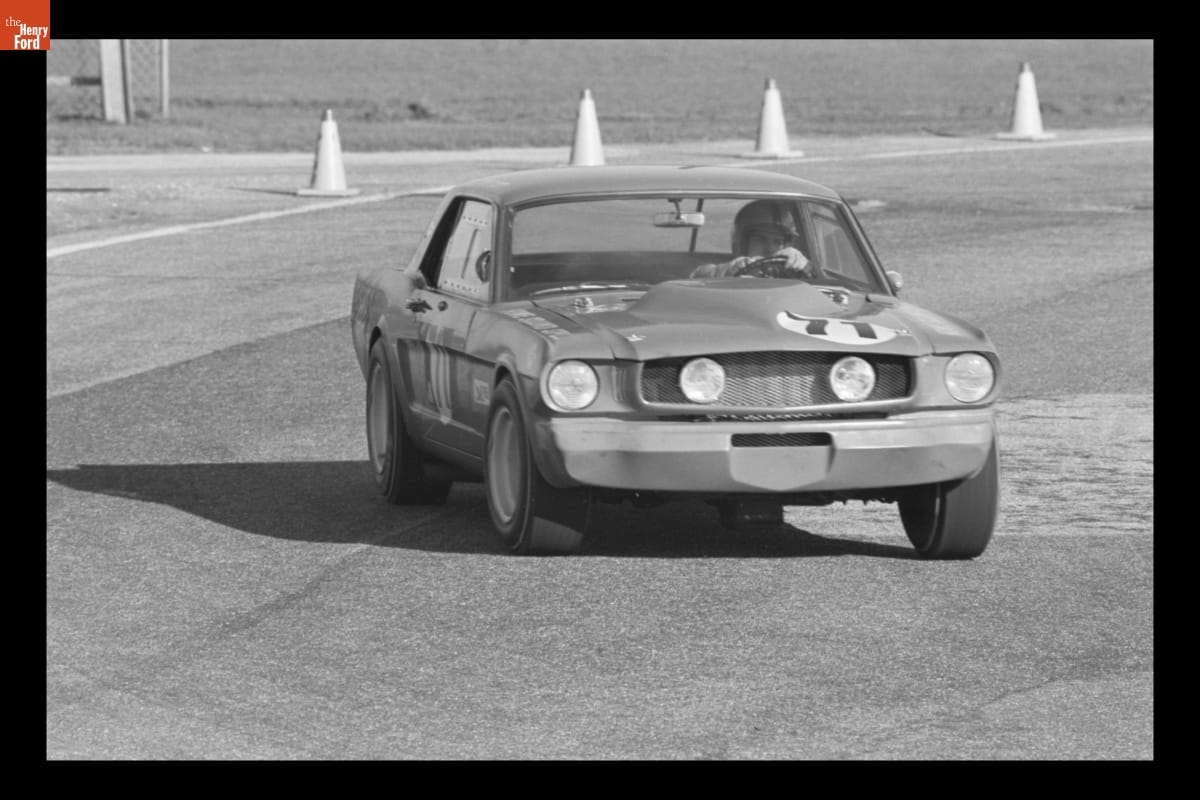
Dave Friedman captured and preserved auto racing history through his photography. His work -- and his collection of works by other photographers -- documents key races, vehicles, drivers, and teams. Forty-three cars started the Daytona Continental 2000-Kilometer, the longest race in the United States in 1965. Carroll Shelby's Shelby American racing team dominated, taking five of the top six positions.
- Ford Mustang Driven by Skip Scott and Charlie Hayes at the Daytona Continental 2000 km Race, February 1965 - Dave Friedman captured and preserved auto racing history through his photography. His work -- and his collection of works by other photographers -- documents key races, vehicles, drivers, and teams. Forty-three cars started the Daytona Continental 2000-Kilometer, the longest race in the United States in 1965. Carroll Shelby's Shelby American racing team dominated, taking five of the top six positions.
- 24 February 1965-28 February 1965
- Collections - Artifact
Ford Mustang Driven by Skip Scott and Charlie Hayes at the Daytona Continental 2000 km Race, February 1965
Dave Friedman captured and preserved auto racing history through his photography. His work -- and his collection of works by other photographers -- documents key races, vehicles, drivers, and teams. Forty-three cars started the Daytona Continental 2000-Kilometer, the longest race in the United States in 1965. Carroll Shelby's Shelby American racing team dominated, taking five of the top six positions.
- A.J. Nellis & Co. Hay Grapple, 1870-1880 -
- 1870-1880
- Collections - Artifact
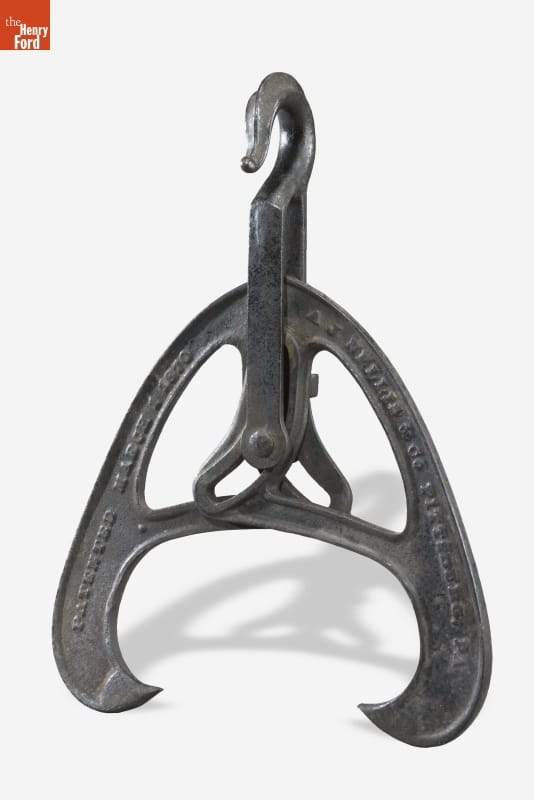
A.J. Nellis & Co. Hay Grapple, 1870-1880
- United States Road Racing Championship, Augusta, Georgia, February - March 1964 - Dave Friedman has captured and preserved auto racing history through his photography. His work -- and his collection of works by other photographers -- documents key races, vehicles, drivers, and teams. At the 1964 U.S. Road Racing Championship event in Augusta, Georgia, Shelby American Cobras placed 1-2 in the Manufacturers' race. In the Drivers' race, Dave MacDonald's Shelby Cooper-Ford finished ahead of Jim Hall's Chaparral.
- 29 February 1964 - 01 March 1964
- Collections - Artifact
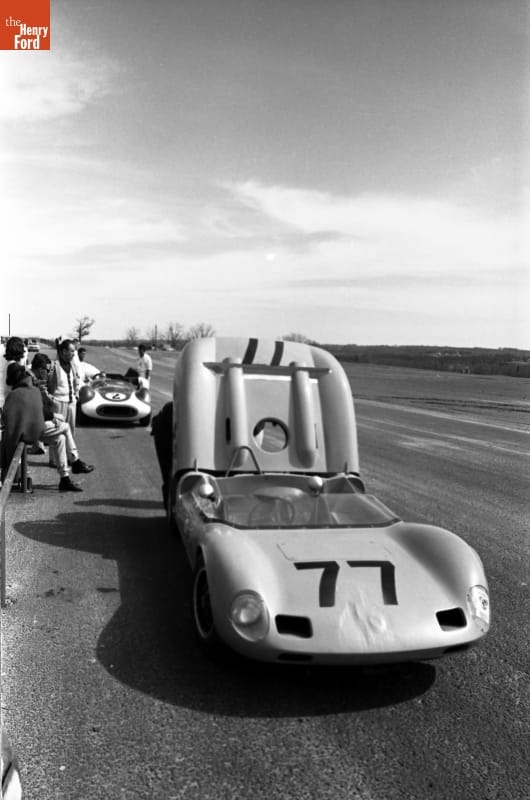
United States Road Racing Championship, Augusta, Georgia, February - March 1964
Dave Friedman has captured and preserved auto racing history through his photography. His work -- and his collection of works by other photographers -- documents key races, vehicles, drivers, and teams. At the 1964 U.S. Road Racing Championship event in Augusta, Georgia, Shelby American Cobras placed 1-2 in the Manufacturers' race. In the Drivers' race, Dave MacDonald's Shelby Cooper-Ford finished ahead of Jim Hall's Chaparral.
- Reactance Coil, Used at Hammond Radio Research Laboratory, 1915-1920 - John Hays Hammond, Jr., is considered "the father of radio control." In 1926, he built a medieval-inspired castle in Gloucester, Massachusetts, as his home and research laboratory. With 400 patents to his name, Hammond developed radio control, autopilot function, and targeted missile detonation. A reactance coil is an inductor, blocking high-frequency AC power, allowing low-frequency DC power to pass.
- 1915-1920
- Collections - Artifact
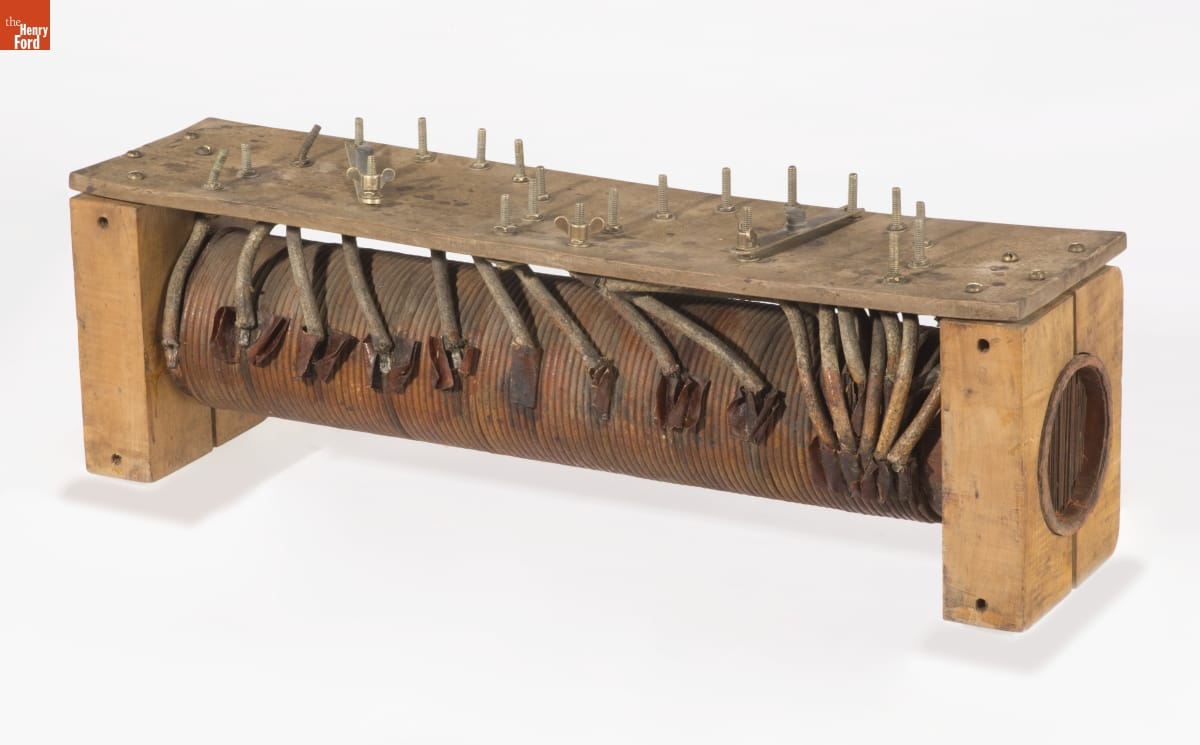
Reactance Coil, Used at Hammond Radio Research Laboratory, 1915-1920
John Hays Hammond, Jr., is considered "the father of radio control." In 1926, he built a medieval-inspired castle in Gloucester, Massachusetts, as his home and research laboratory. With 400 patents to his name, Hammond developed radio control, autopilot function, and targeted missile detonation. A reactance coil is an inductor, blocking high-frequency AC power, allowing low-frequency DC power to pass.
- Radio Microphone, Used at Hammond Radio Research Laboratory, circa 1915 - John Hays Hammond, Jr., was largely responsible for launching the field of radio control. In 1926, he built a medieval-inspired castle in Gloucester, Massachusetts. This site served as his home and research laboratory. With over 400 patents to his name, Hammond developed ideas for radio control, autopilot function, and targeted missile detonation. This device was used in Hammond's laboratory.
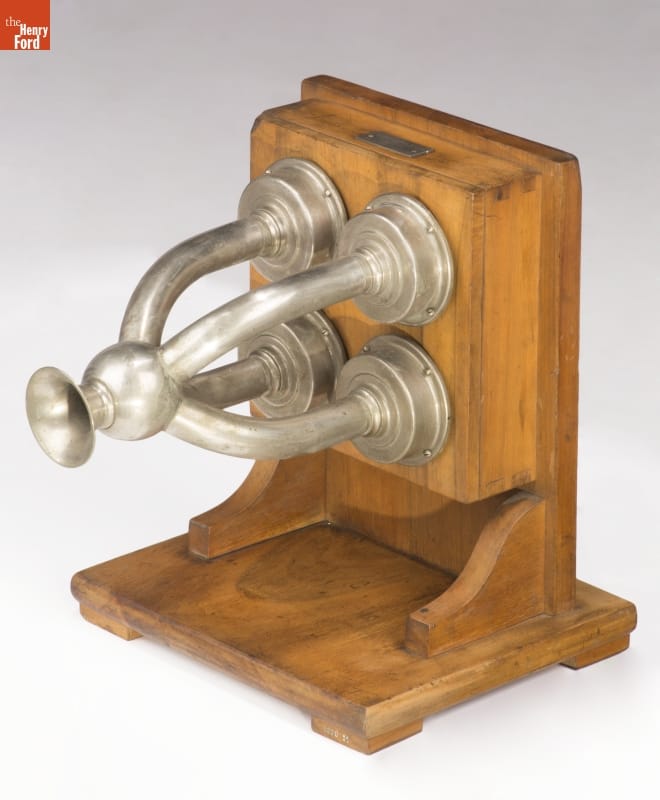
- circa 1915
- Collections - Artifact
Radio Microphone, Used at Hammond Radio Research Laboratory, circa 1915
John Hays Hammond, Jr., was largely responsible for launching the field of radio control. In 1926, he built a medieval-inspired castle in Gloucester, Massachusetts. This site served as his home and research laboratory. With over 400 patents to his name, Hammond developed ideas for radio control, autopilot function, and targeted missile detonation. This device was used in Hammond's laboratory.
- United States Road Racing Championship, Augusta, Georgia, February - March 1964 - Dave Friedman has captured and preserved auto racing history through his photography. His work -- and his collection of works by other photographers -- documents key races, vehicles, drivers, and teams. At the 1964 U.S. Road Racing Championship event in Augusta, Georgia, Shelby American Cobras placed 1-2 in the Manufacturers' race. In the Drivers' race, Dave MacDonald's Shelby Cooper-Ford finished ahead of Jim Hall's Chaparral.
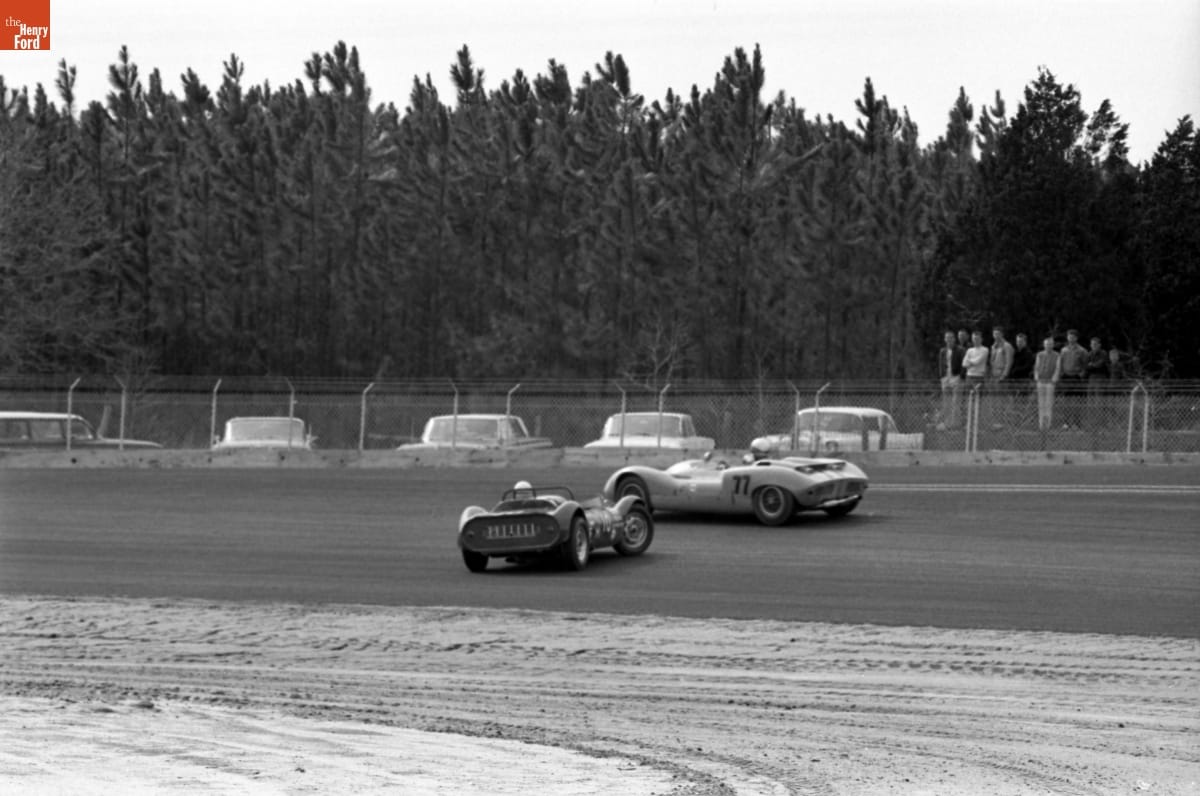
- 29 February 1964 - 01 March 1964
- Collections - Artifact
United States Road Racing Championship, Augusta, Georgia, February - March 1964
Dave Friedman has captured and preserved auto racing history through his photography. His work -- and his collection of works by other photographers -- documents key races, vehicles, drivers, and teams. At the 1964 U.S. Road Racing Championship event in Augusta, Georgia, Shelby American Cobras placed 1-2 in the Manufacturers' race. In the Drivers' race, Dave MacDonald's Shelby Cooper-Ford finished ahead of Jim Hall's Chaparral.