
Search
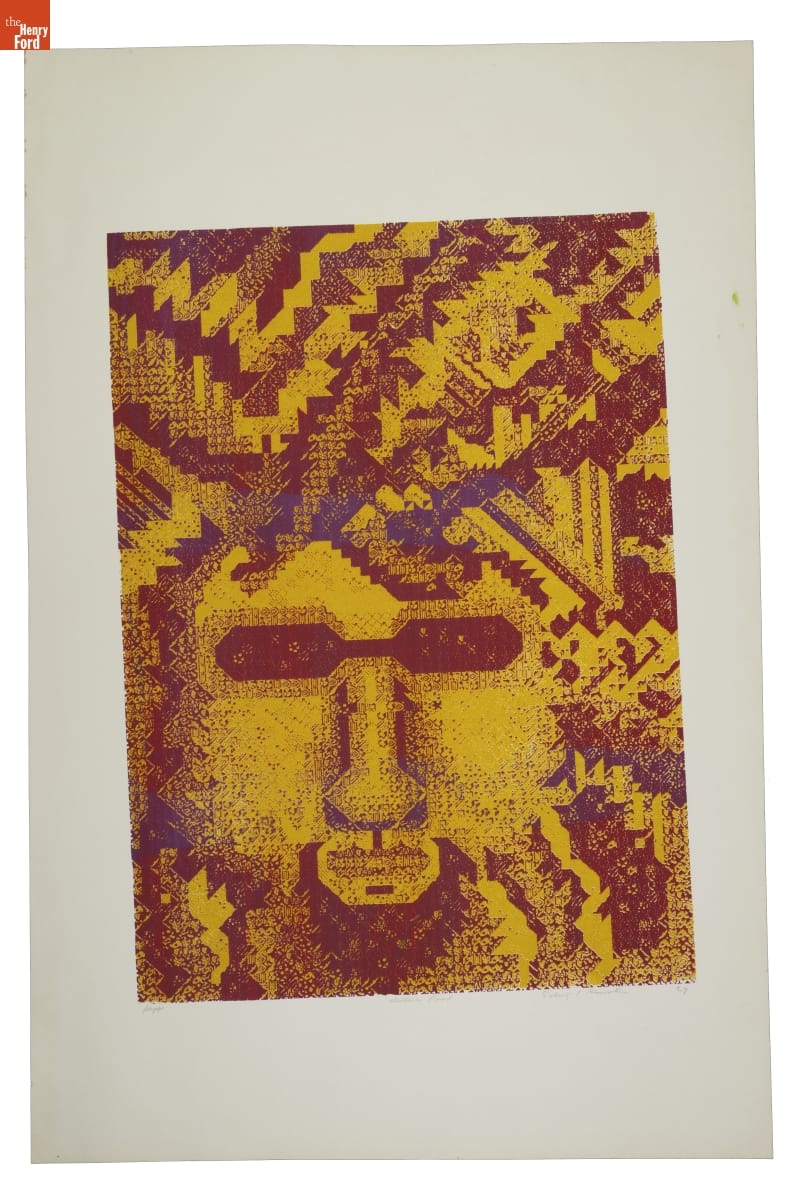
- "Hippie" by Lillian F. Schwartz - Lillian Schwartz is a pioneer of computer-generated art. From 1969-2002, she was a "resident visitor" at Bell Laboratories, producing groundbreaking films, videos, and multimedia works. The Schwartz Collection spans Lillian's childhood into her late career, documenting an expansive mindset, mastery over traditional and experimental mediums alike--and above all--an ability to create inspirational connections between science, art, and technology.
- Collections - Artifact
"Hippie" by Lillian F. Schwartz
Lillian Schwartz is a pioneer of computer-generated art. From 1969-2002, she was a "resident visitor" at Bell Laboratories, producing groundbreaking films, videos, and multimedia works. The Schwartz Collection spans Lillian's childhood into her late career, documenting an expansive mindset, mastery over traditional and experimental mediums alike--and above all--an ability to create inspirational connections between science, art, and technology.
- "The Hippy Survival Guide to Y2K," 1999 -
- 1999-2000
- Collections - Artifact
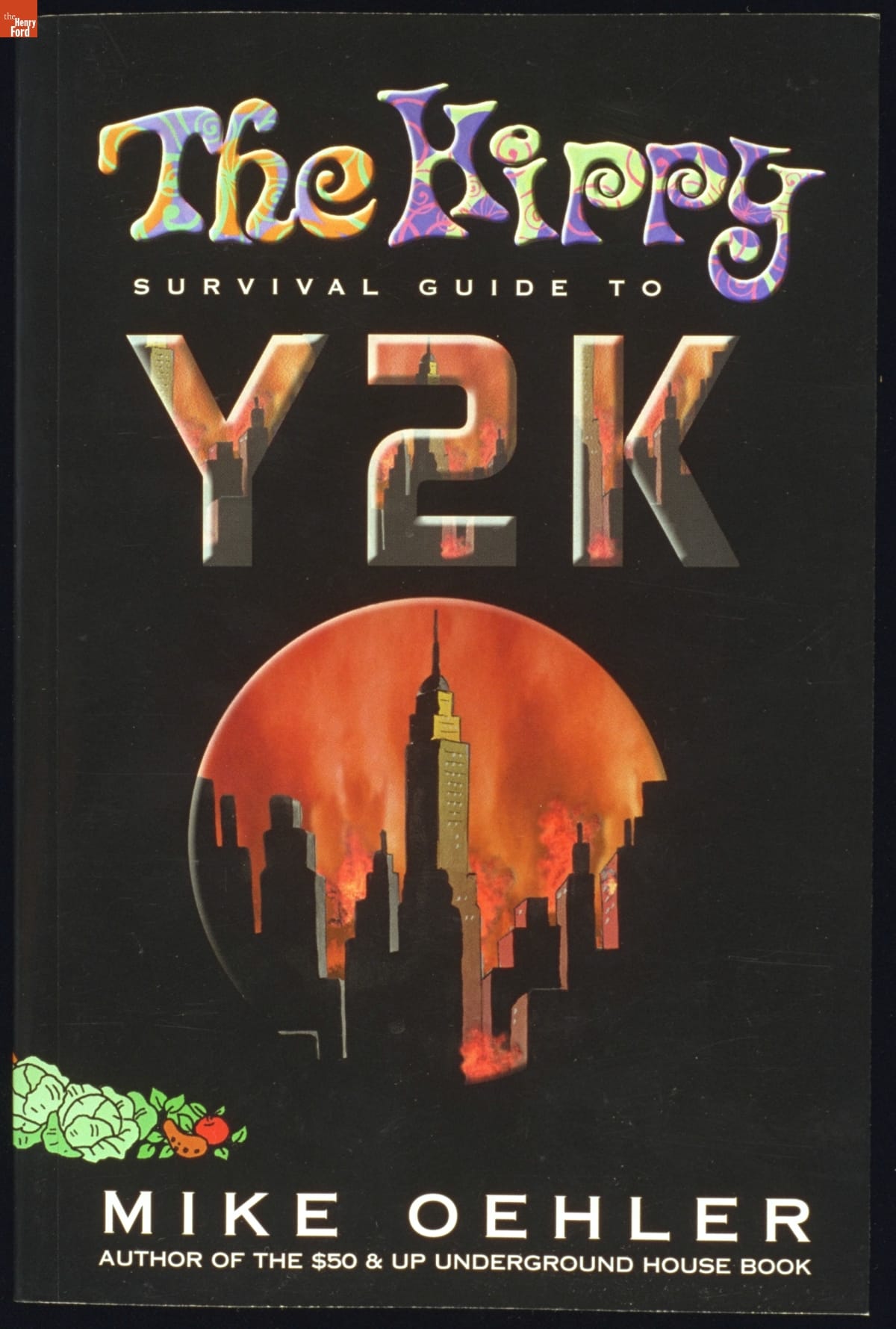
"The Hippy Survival Guide to Y2K," 1999
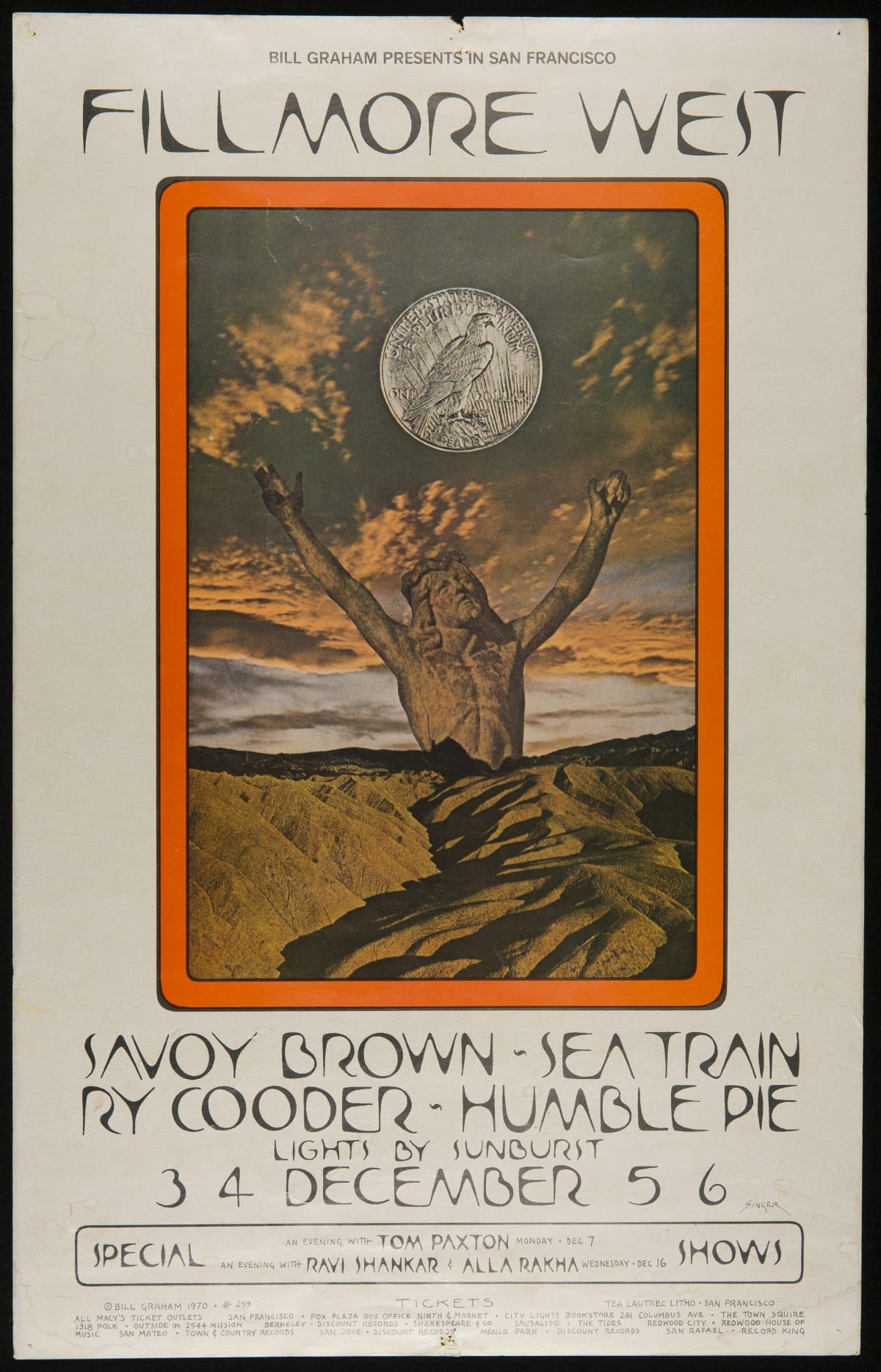
- "Fillmore West: Savoy Brown, Sea Train, Ry Cooder, Humble Pie," December 1970 - In the 1960s and 1970s, Tea Lautrec Litho's posters were a common sight in and around San Francisco, California. The company, owned and operated by Levon Mosgofian, produced hundreds of posters that were used to promote concerts by both local and internationally famous bands. Turn-of-the-20th-century Art Nouveau design, which had a resurgence in the 1960s, heavily influenced Tea Lautrec's signature style.
- December 01, 1970
- Collections - Artifact
"Fillmore West: Savoy Brown, Sea Train, Ry Cooder, Humble Pie," December 1970
In the 1960s and 1970s, Tea Lautrec Litho's posters were a common sight in and around San Francisco, California. The company, owned and operated by Levon Mosgofian, produced hundreds of posters that were used to promote concerts by both local and internationally famous bands. Turn-of-the-20th-century Art Nouveau design, which had a resurgence in the 1960s, heavily influenced Tea Lautrec's signature style.
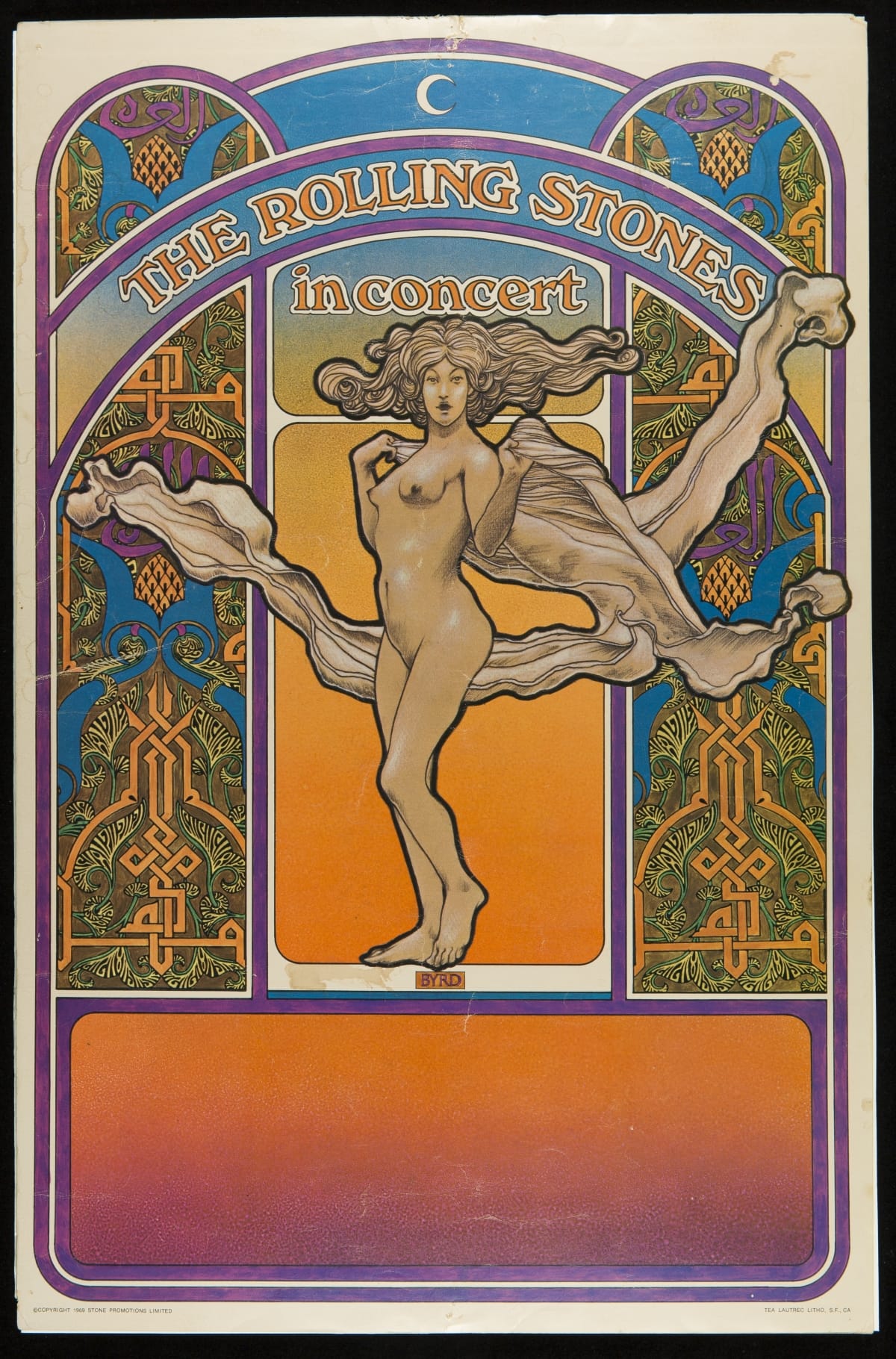
- Concert Tour Poster Blank, "The Rolling Stones in Concert," 1969 - As part of the counterculture of the 1960s, graphic artists looked to the 1890s for an alternative to mainstream design. Concert posters influenced by the Art Nouveau style became ubiquitous. For this Rolling Stones poster, artist David Byrd took the visual structure, central female figure, and color gradation used by Art Nouveau artist Alphonse Mucha and updated them for the 1960s.
- 1969
- Collections - Artifact
Concert Tour Poster Blank, "The Rolling Stones in Concert," 1969
As part of the counterculture of the 1960s, graphic artists looked to the 1890s for an alternative to mainstream design. Concert posters influenced by the Art Nouveau style became ubiquitous. For this Rolling Stones poster, artist David Byrd took the visual structure, central female figure, and color gradation used by Art Nouveau artist Alphonse Mucha and updated them for the 1960s.
- "The Original Moby Grape, Fillmore West," June 1971 - In the 1960s and 1970s, Tea Lautrec Litho's posters were a common sight in and around San Francisco, California. The company, owned and operated by Levon Mosgofian, produced hundreds of posters that were used to promote concerts by both local and internationally famous bands. Turn-of-the-20th-century Art Nouveau design, which had a resurgence in the 1960s, heavily influenced Tea Lautrec's signature style.
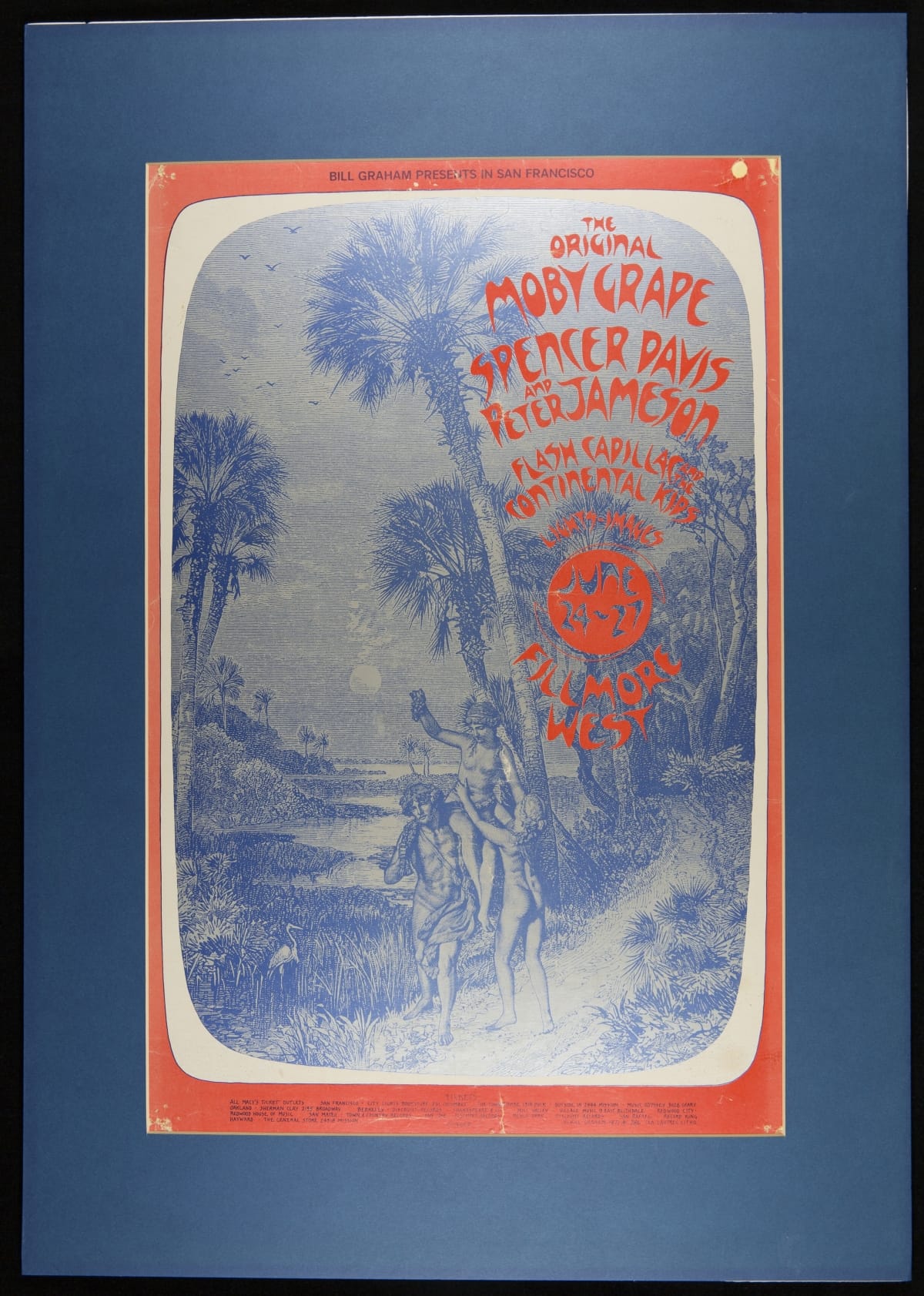
- 24 June 1971-27 June 1971
- Collections - Artifact
"The Original Moby Grape, Fillmore West," June 1971
In the 1960s and 1970s, Tea Lautrec Litho's posters were a common sight in and around San Francisco, California. The company, owned and operated by Levon Mosgofian, produced hundreds of posters that were used to promote concerts by both local and internationally famous bands. Turn-of-the-20th-century Art Nouveau design, which had a resurgence in the 1960s, heavily influenced Tea Lautrec's signature style.
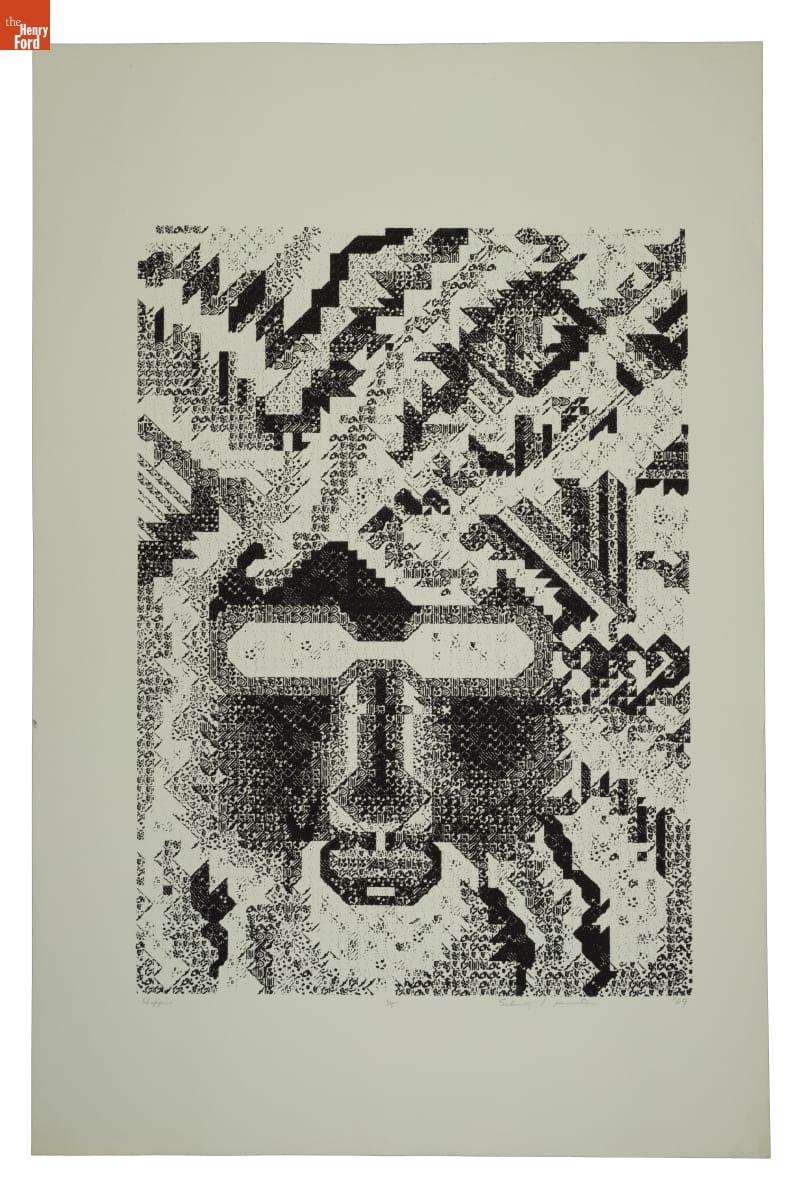
- "Hippie" by Lillian F. Schwartz - Lillian Schwartz is a pioneer of computer-generated art. From 1969-2002, she was a "resident visitor" at Bell Laboratories, producing groundbreaking films, videos, and multimedia works. The Schwartz Collection spans Lillian's childhood into her late career, documenting an expansive mindset, mastery over traditional and experimental mediums alike--and above all--an ability to create inspirational connections between science, art, and technology.
- Collections - Artifact
"Hippie" by Lillian F. Schwartz
Lillian Schwartz is a pioneer of computer-generated art. From 1969-2002, she was a "resident visitor" at Bell Laboratories, producing groundbreaking films, videos, and multimedia works. The Schwartz Collection spans Lillian's childhood into her late career, documenting an expansive mindset, mastery over traditional and experimental mediums alike--and above all--an ability to create inspirational connections between science, art, and technology.
- "Chuck Berry, Sir Douglas Quintet, Boz Scaggs at Pepperland," December 1970 - During the late 1960s and early 1970s, graphic designers in the San Francisco Bay area created posters that reflected the then-contemporary psychedelic style. Artists like Daddy Bread-- the alias for William Bostedt-- often referenced turn-of-the-twentieth-century Art Nouveau illustrators like Alphonse Mucha and Alfred Roller. Bostedt (1945-1998) later became known for his airbrushed rock concert posters.
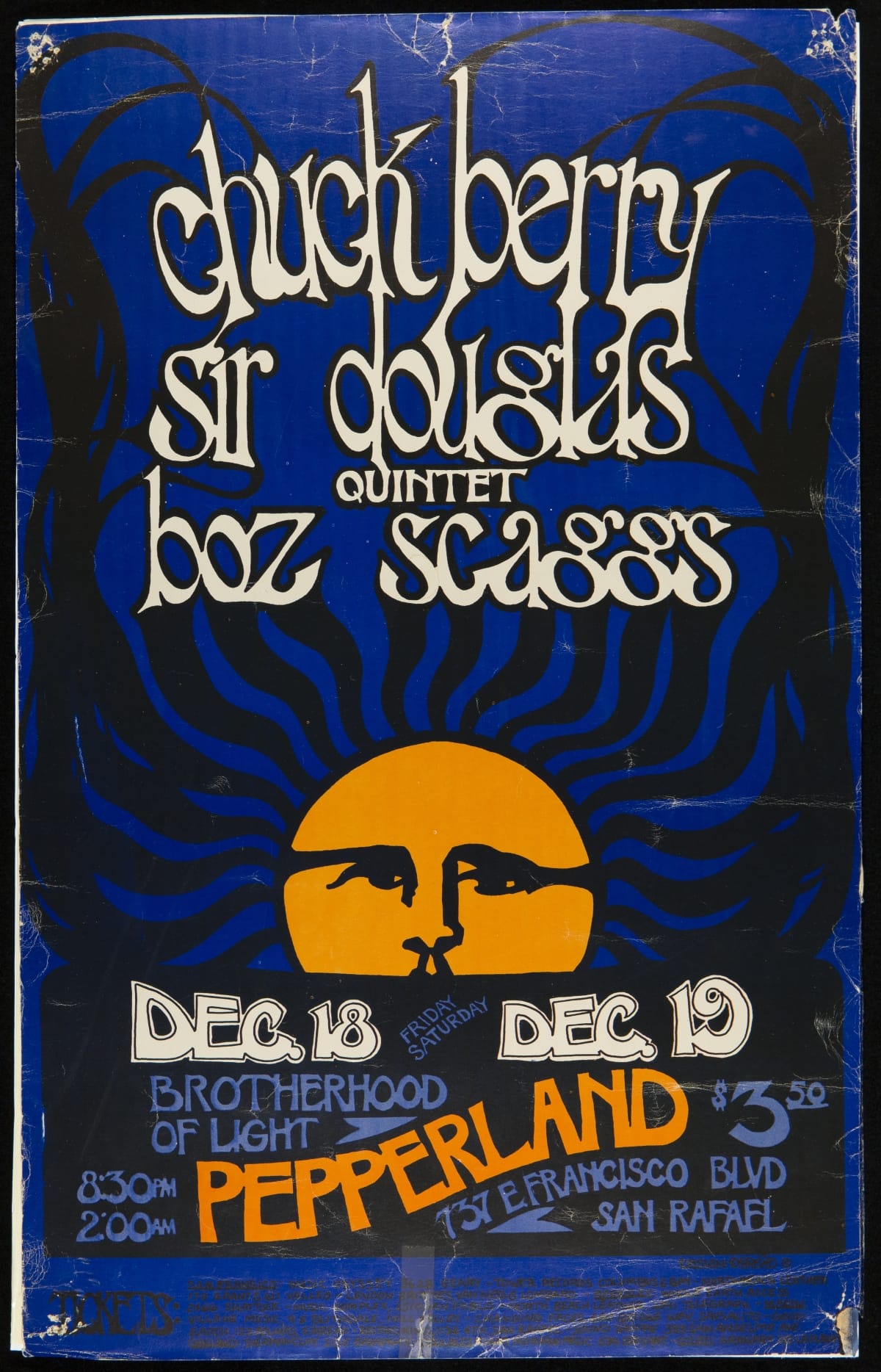
- November 01, 1970
- Collections - Artifact
"Chuck Berry, Sir Douglas Quintet, Boz Scaggs at Pepperland," December 1970
During the late 1960s and early 1970s, graphic designers in the San Francisco Bay area created posters that reflected the then-contemporary psychedelic style. Artists like Daddy Bread-- the alias for William Bostedt-- often referenced turn-of-the-twentieth-century Art Nouveau illustrators like Alphonse Mucha and Alfred Roller. Bostedt (1945-1998) later became known for his airbrushed rock concert posters.