
Search
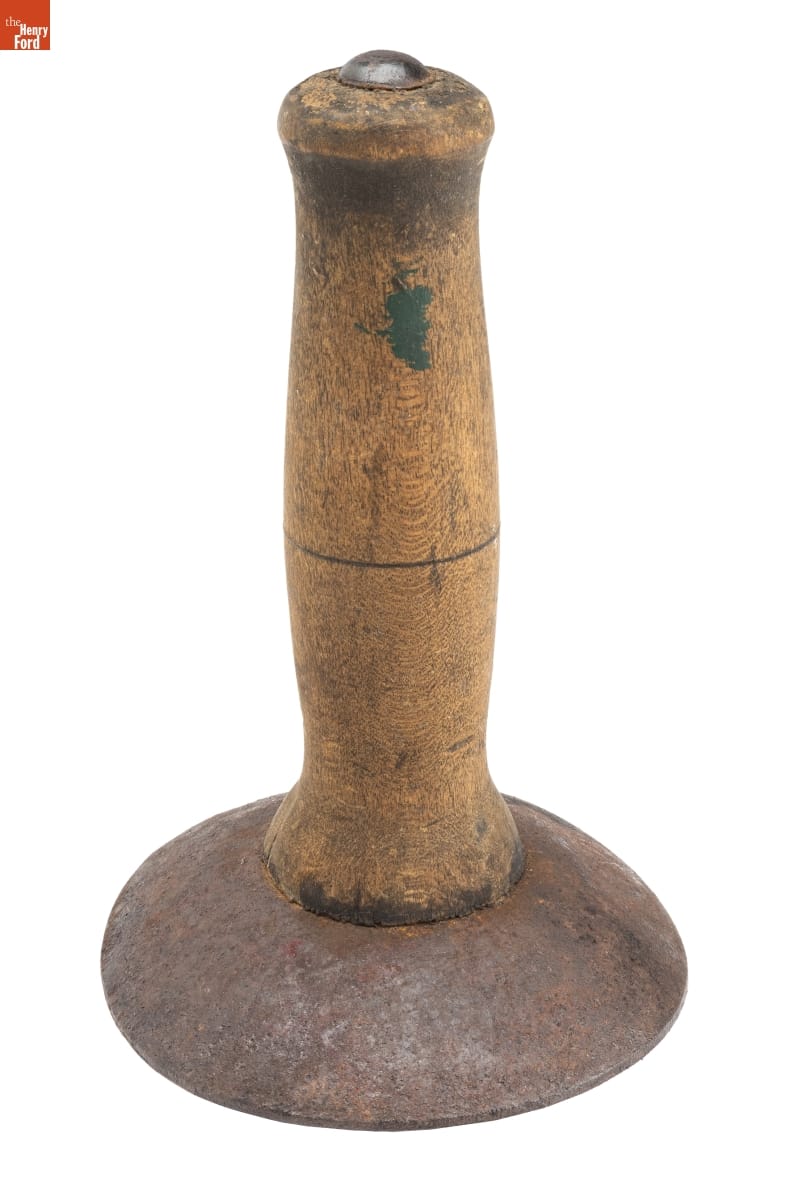
- Hog Scraper - When manually processing a slaughtered pig for its meat before modern mechanized processing methods, farmers or butchers removed protective bristles and hairs by hand-scraping the hide with a tool like this. Dipping the carcass in warm water first loosened the bristles. After scraping, the hide is removed, and the meat is processed. Bristles and hides may then be sold as by-products of butchering.
- Collections - Artifact
Hog Scraper
When manually processing a slaughtered pig for its meat before modern mechanized processing methods, farmers or butchers removed protective bristles and hairs by hand-scraping the hide with a tool like this. Dipping the carcass in warm water first loosened the bristles. After scraping, the hide is removed, and the meat is processed. Bristles and hides may then be sold as by-products of butchering.
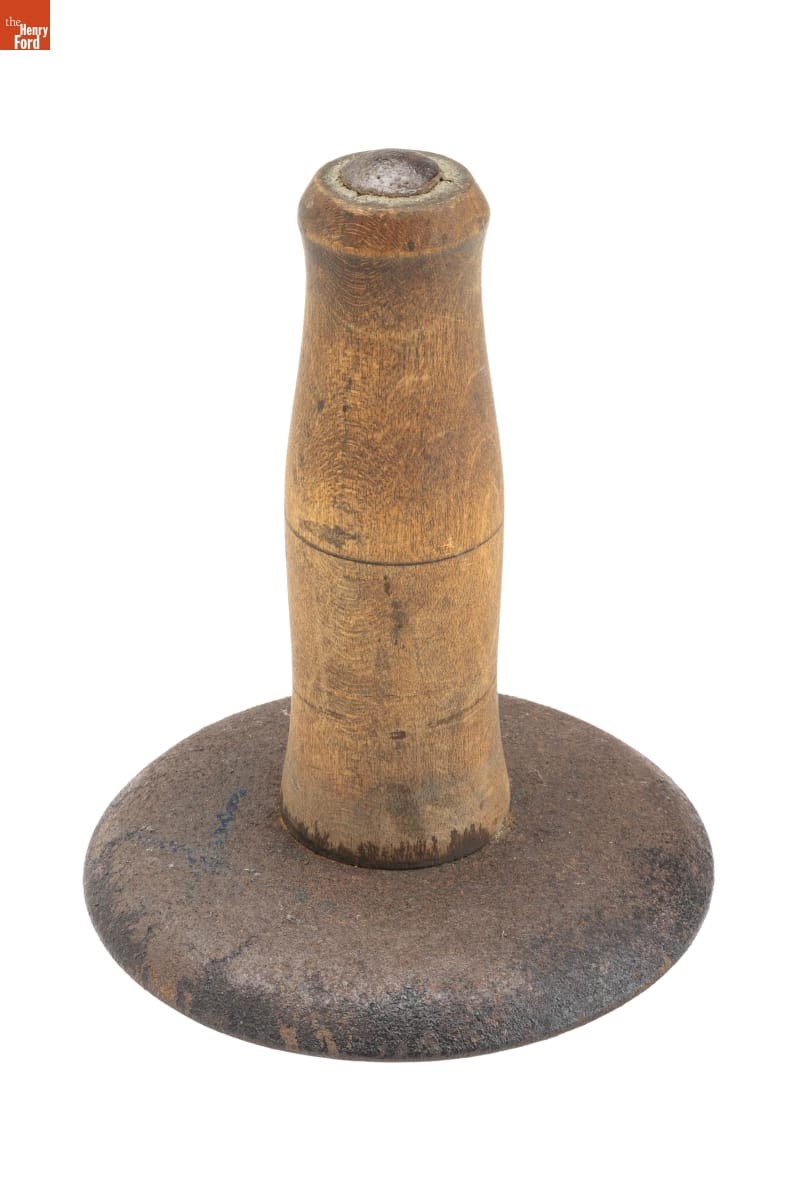
- Hog Scraper - When manually processing a slaughtered pig for its meat before modern mechanized processing methods, farmers or butchers removed protective bristles and hairs by hand-scraping the hide with a tool like this. Dipping the carcass in warm water first loosened the bristles. After scraping, the hide is removed, and the meat is processed. Bristles and hides may then be sold as by-products of butchering.
- Collections - Artifact
Hog Scraper
When manually processing a slaughtered pig for its meat before modern mechanized processing methods, farmers or butchers removed protective bristles and hairs by hand-scraping the hide with a tool like this. Dipping the carcass in warm water first loosened the bristles. After scraping, the hide is removed, and the meat is processed. Bristles and hides may then be sold as by-products of butchering.
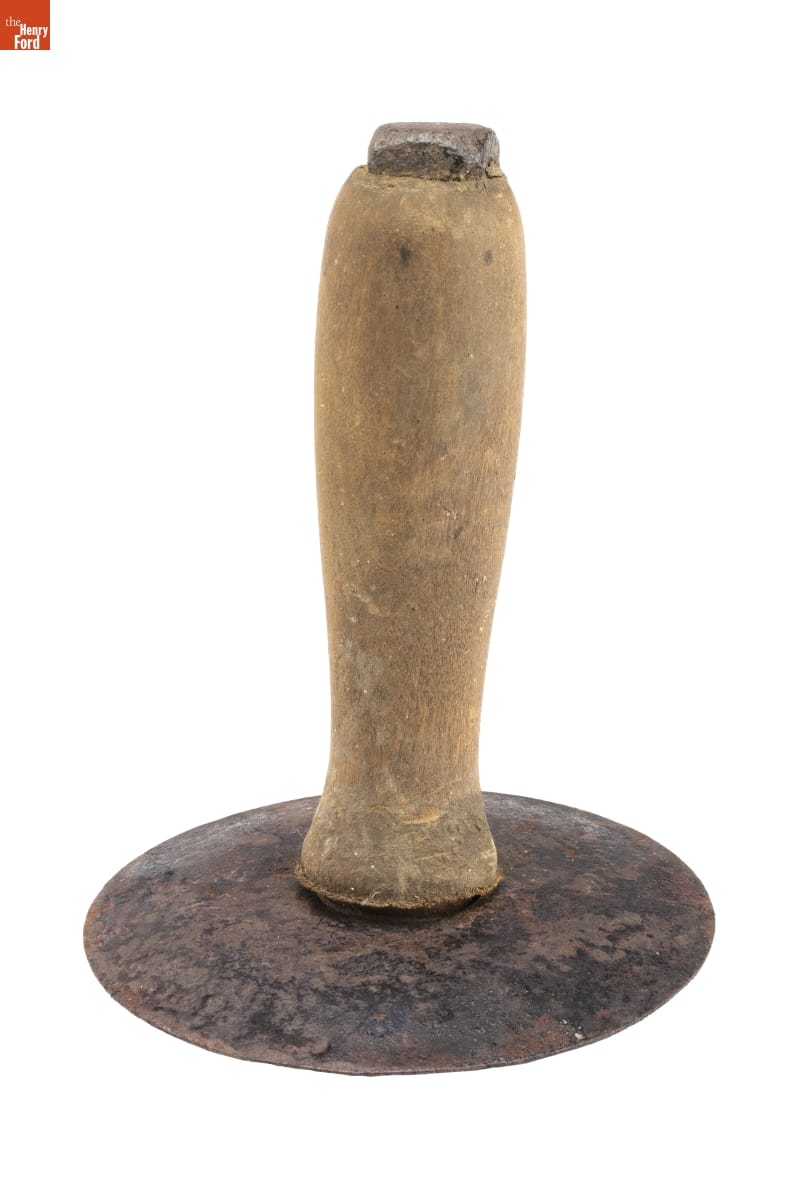
- Hog Scraper, circa 1920 - When manually processing a slaughtered pig for its meat before modern mechanized processing methods, farmers or butchers removed protective bristles and hairs by hand-scraping the hide with a tool like this. Dipping the carcass in warm water first loosened the bristles. After scraping, the hide is removed, and the meat is processed. Bristles and hides may then be sold as by-products of butchering.
- circa 1920
- Collections - Artifact
Hog Scraper, circa 1920
When manually processing a slaughtered pig for its meat before modern mechanized processing methods, farmers or butchers removed protective bristles and hairs by hand-scraping the hide with a tool like this. Dipping the carcass in warm water first loosened the bristles. After scraping, the hide is removed, and the meat is processed. Bristles and hides may then be sold as by-products of butchering.
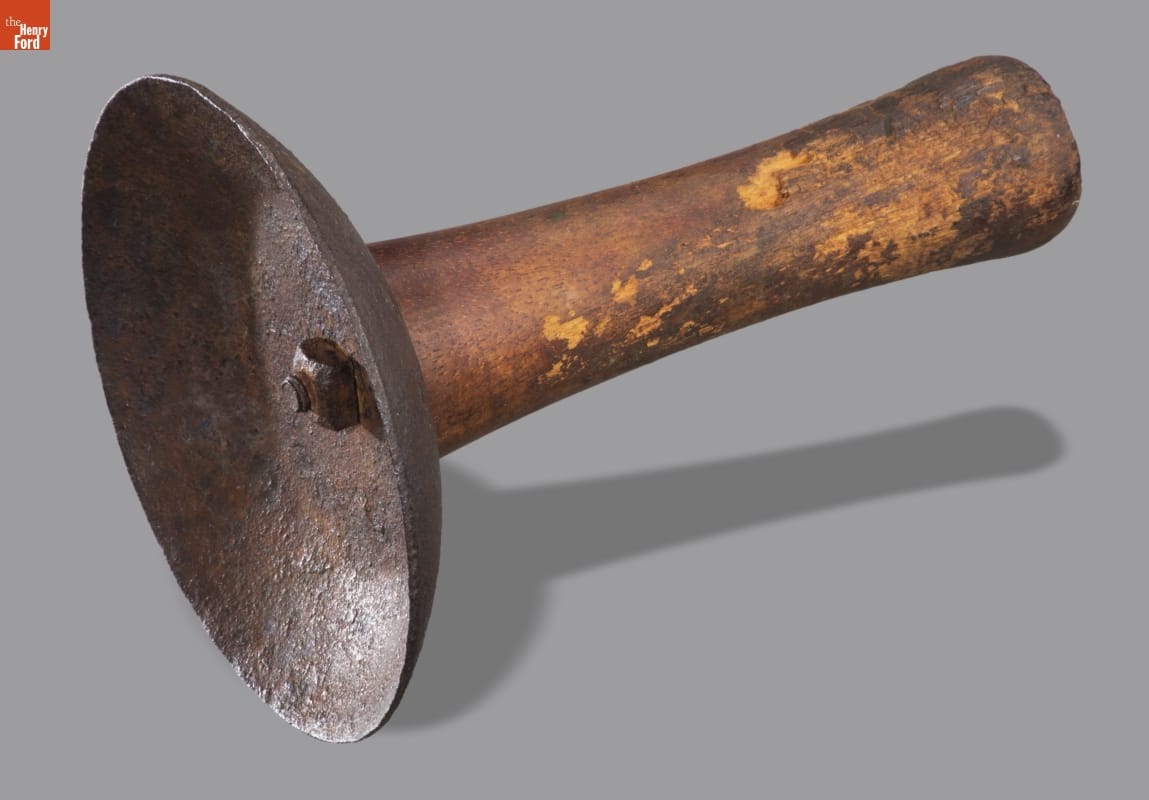
- Hog Scraper - When manually processing a slaughtered pig for its meat before modern mechanized processing methods, farmers or butchers removed protective bristles and hairs by hand-scraping the hide with a tool like this. Dipping the carcass in warm water first loosened the bristles. After scraping, the hide is removed, and the meat is processed. Bristles and hides may then be sold as by-products of butchering.
- Collections - Artifact
Hog Scraper
When manually processing a slaughtered pig for its meat before modern mechanized processing methods, farmers or butchers removed protective bristles and hairs by hand-scraping the hide with a tool like this. Dipping the carcass in warm water first loosened the bristles. After scraping, the hide is removed, and the meat is processed. Bristles and hides may then be sold as by-products of butchering.
- Hog Scraper - When manually processing a slaughtered pig for its meat before modern mechanized processing methods, farmers or butchers removed protective bristles and hairs by hand-scraping the hide with a tool like this. Dipping the carcass in warm water first loosened the bristles. After scraping, the hide is removed, and the meat is processed. Bristles and hides may then be sold as by-products of butchering.
- Collections - Artifact
Hog Scraper
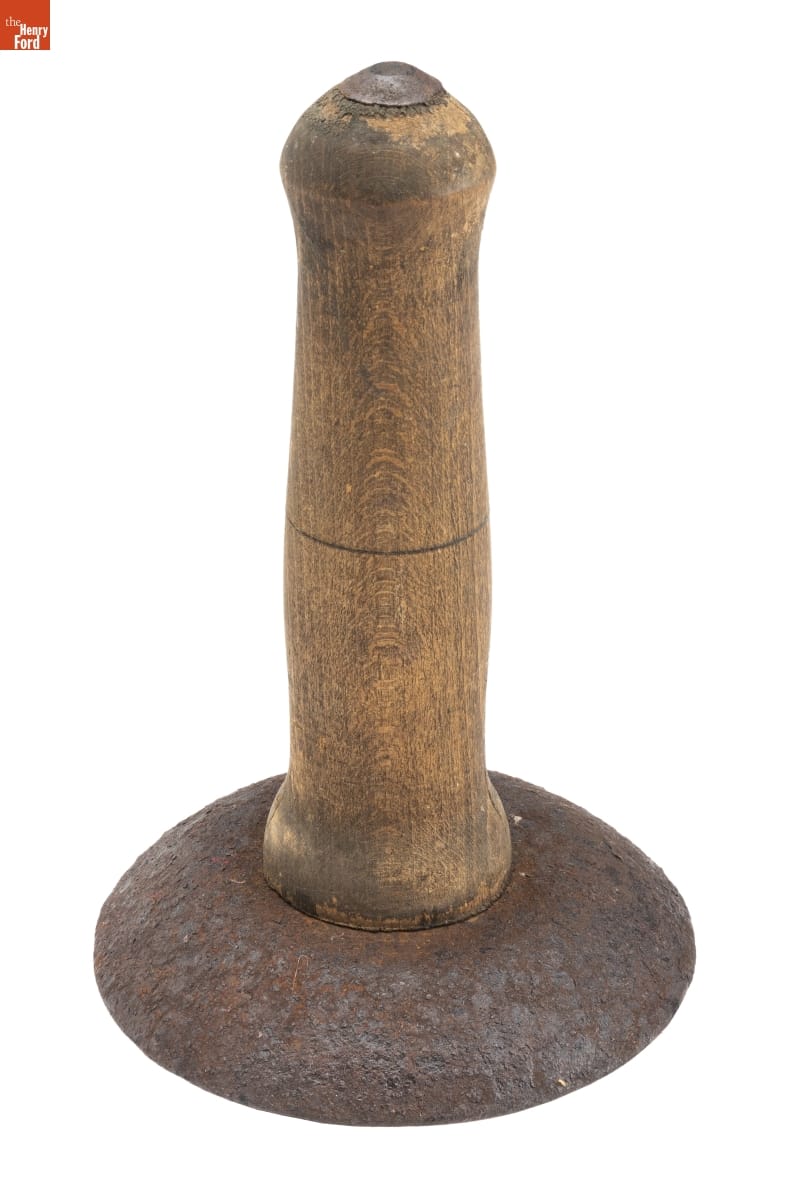
When manually processing a slaughtered pig for its meat before modern mechanized processing methods, farmers or butchers removed protective bristles and hairs by hand-scraping the hide with a tool like this. Dipping the carcass in warm water first loosened the bristles. After scraping, the hide is removed, and the meat is processed. Bristles and hides may then be sold as by-products of butchering.