
Search
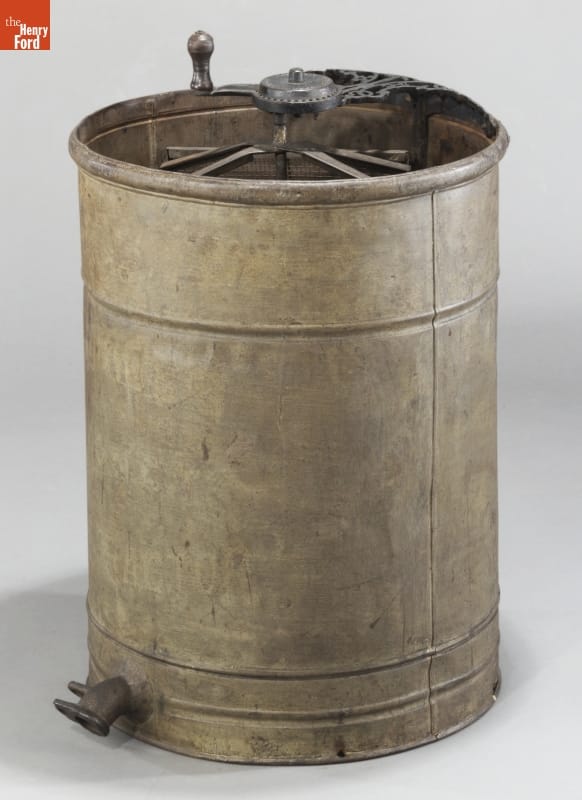
- Honey Extractor, 1890-1900 - A swarm of bees captured Amos Root's attention in 1869. He began publishing <em>Gleanings in Bee Culture</em> in 1873 and included testimonials about this "Novice extractor." Root improved the extractor over 25 years. Beekeepers used a galvanized metal version by 1898, advertised as stronger and more durable than earlier versions, to separate honey from comb to satisfy a growing number of honey consumers.
- 1890-1900
- Collections - Artifact
Honey Extractor, 1890-1900
A swarm of bees captured Amos Root's attention in 1869. He began publishing Gleanings in Bee Culture in 1873 and included testimonials about this "Novice extractor." Root improved the extractor over 25 years. Beekeepers used a galvanized metal version by 1898, advertised as stronger and more durable than earlier versions, to separate honey from comb to satisfy a growing number of honey consumers.
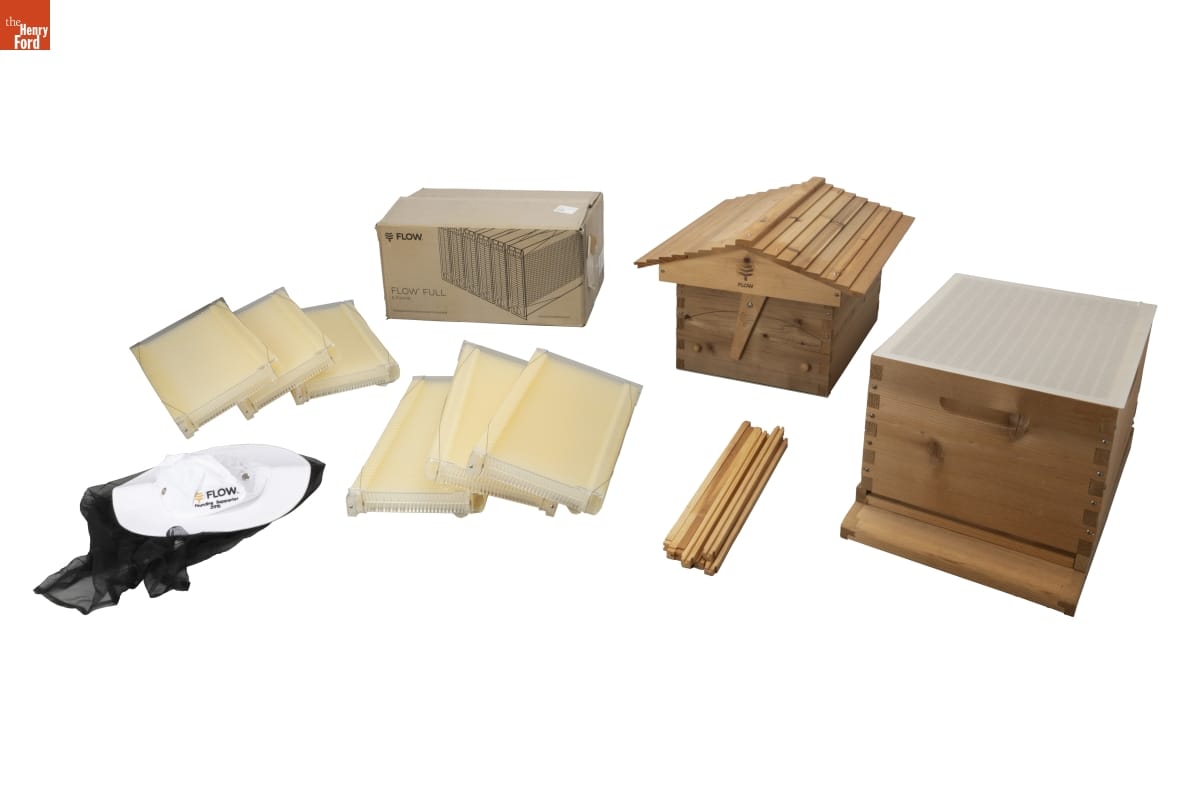
- "Flow Hive" Frame Kit, 2015 -
- 2015
- Collections - Artifact
"Flow Hive" Frame Kit, 2015
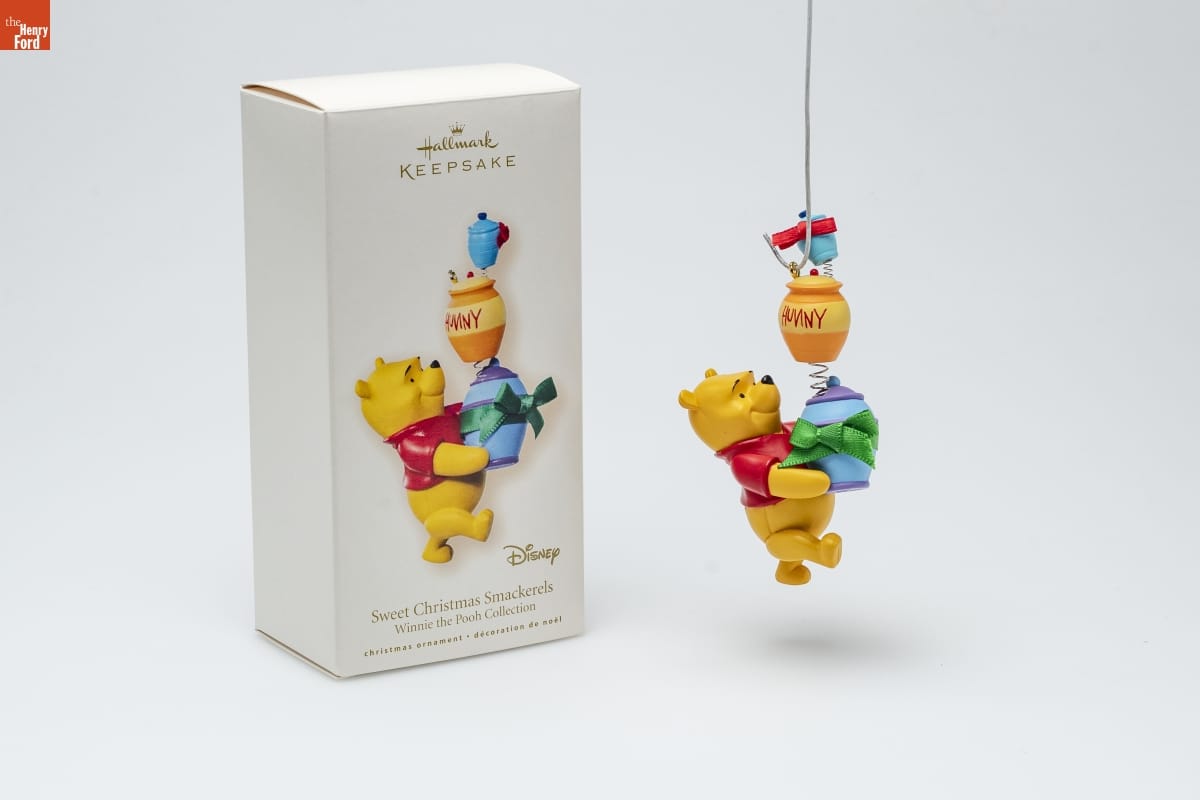
- Hallmark "Winnie-the-Pooh Collection: Sweet Christmas Smackerels" Christmas Ornament, 2007 - Already known for greeting cards, Hallmark introduced a line of Christmas ornaments in 1973. The company's annual release of an increasing array of ornaments revolutionized Christmas decorating, appealing to customers' interest in marking memories and milestones as well as expressing one's personality and unique tastes.
- 2007
- Collections - Artifact
Hallmark "Winnie-the-Pooh Collection: Sweet Christmas Smackerels" Christmas Ornament, 2007
Already known for greeting cards, Hallmark introduced a line of Christmas ornaments in 1973. The company's annual release of an increasing array of ornaments revolutionized Christmas decorating, appealing to customers' interest in marking memories and milestones as well as expressing one's personality and unique tastes.
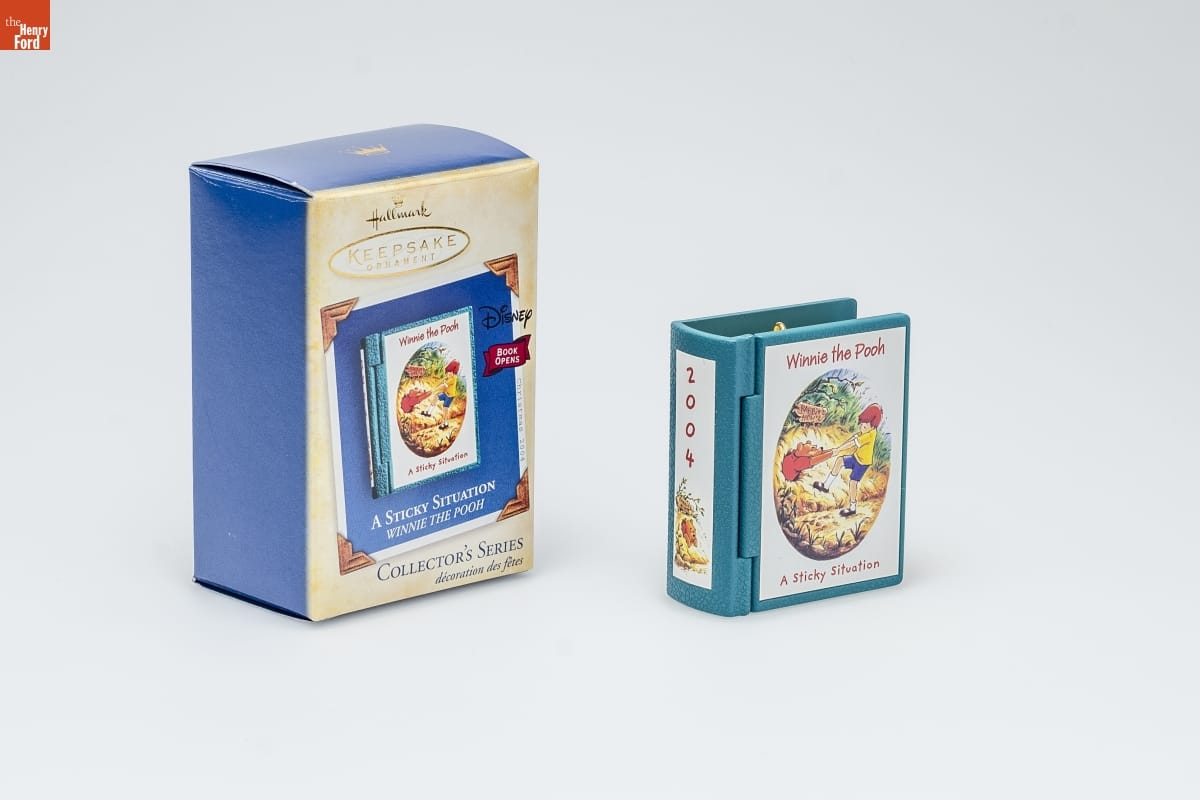
- Hallmark "Winnie the Pooh Series: A Sticky Situation" Christmas Ornament, 2004 - Already known for greeting cards, Hallmark introduced a line of Christmas ornaments in 1973. The company's annual release of an increasing array of ornaments revolutionized Christmas decorating, appealing to customers' interest in marking memories and milestones as well as expressing one's personality and unique tastes.
- 2004
- Collections - Artifact
Hallmark "Winnie the Pooh Series: A Sticky Situation" Christmas Ornament, 2004
Already known for greeting cards, Hallmark introduced a line of Christmas ornaments in 1973. The company's annual release of an increasing array of ornaments revolutionized Christmas decorating, appealing to customers' interest in marking memories and milestones as well as expressing one's personality and unique tastes.
- "Honey" Cloth Doll, 1973-1976 -
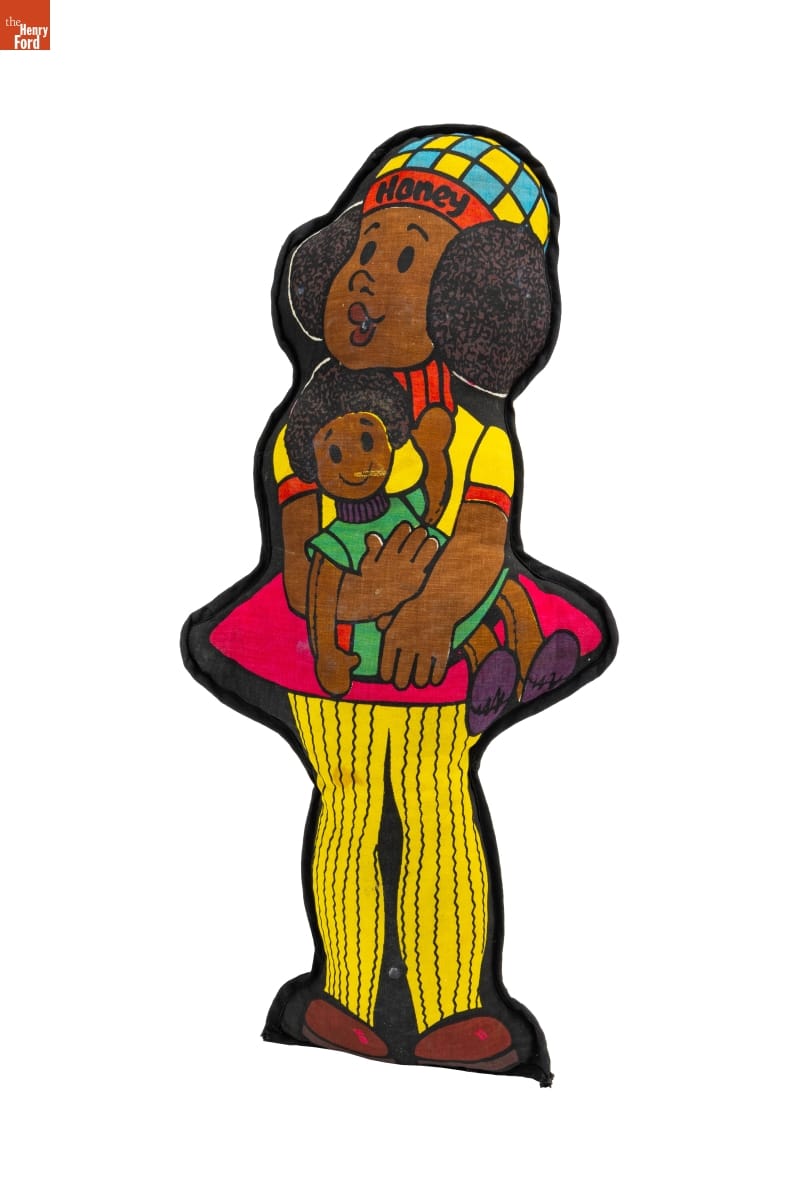
- 1973-1976
- Collections - Artifact
"Honey" Cloth Doll, 1973-1976
- Shaker's Apiary Honey Box, Made in the Shaker Community in Mt. Lebanon, New York, 1900-1929 - The Shaker community in Mt. Lebanon, New York, produced garden seeds, packaged in colorful boxes. The Shaker apiary ensured adequate pollinators for the plants that gardeners tended. Sister Amelia Calver served as apiarist, managing the hives and overseeing honey production during the late 19th century. Shakers likely delivered jars of honey directly to customers, packed in boxes like this, as they sold seed packets in boxes.
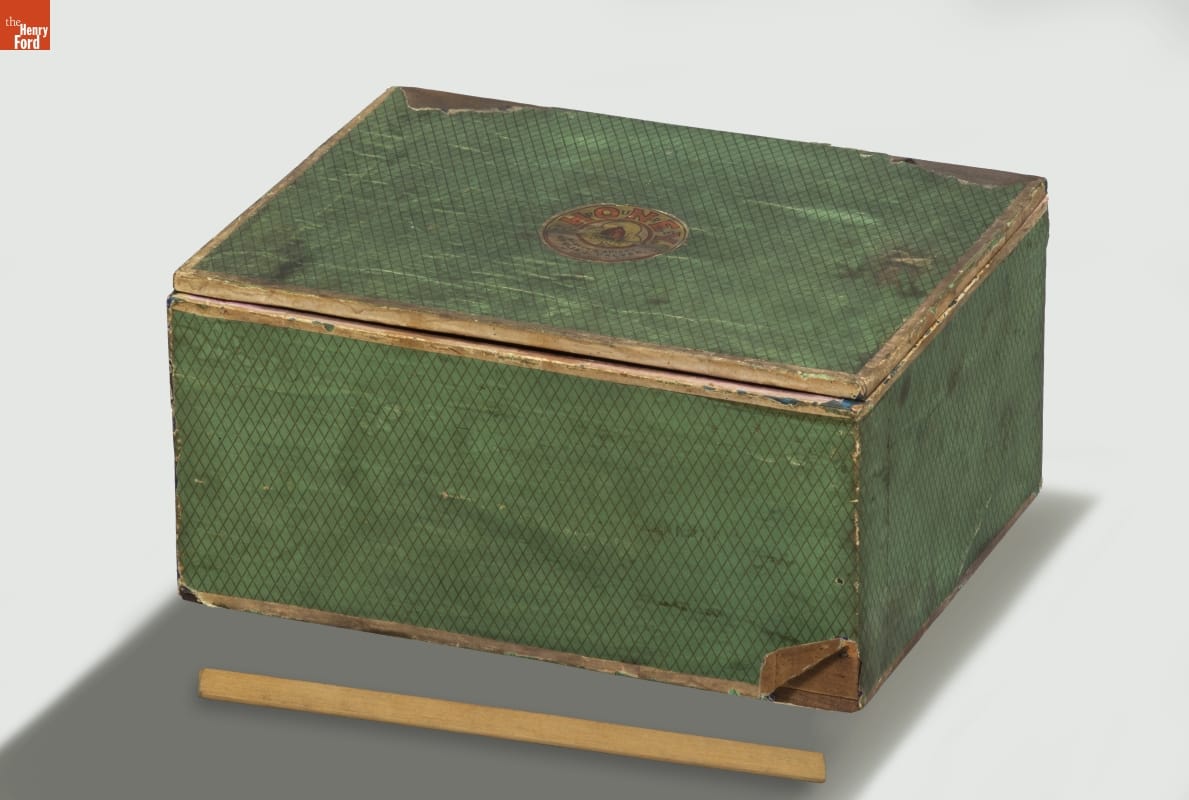
- 1900-1929
- Collections - Artifact
Shaker's Apiary Honey Box, Made in the Shaker Community in Mt. Lebanon, New York, 1900-1929
The Shaker community in Mt. Lebanon, New York, produced garden seeds, packaged in colorful boxes. The Shaker apiary ensured adequate pollinators for the plants that gardeners tended. Sister Amelia Calver served as apiarist, managing the hives and overseeing honey production during the late 19th century. Shakers likely delivered jars of honey directly to customers, packed in boxes like this, as they sold seed packets in boxes.
- "Langstroth on the Hive and the Honey Bee," 1908 -
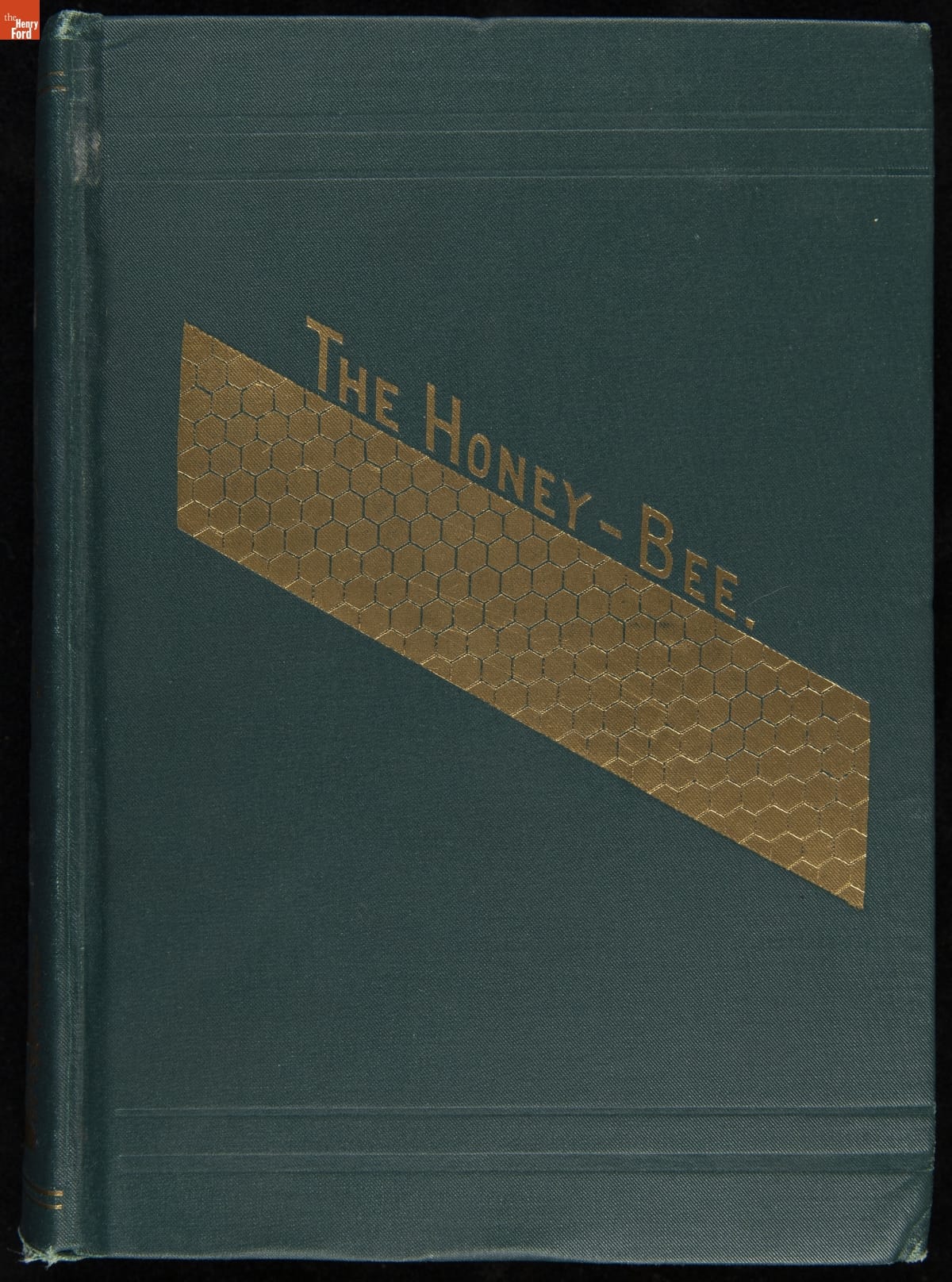
- 1908
- Collections - Artifact
"Langstroth on the Hive and the Honey Bee," 1908
- Hallmark "Winnie-the-Pooh Collection: Winnie-the-Pooh" Christmas Ornament, 1991 - Already known for greeting cards, Hallmark introduced a line of Christmas ornaments in 1973. The company's annual release of an increasing array of ornaments revolutionized Christmas decorating, appealing to customers' interest in marking memories and milestones as well as expressing one's personality and unique tastes.
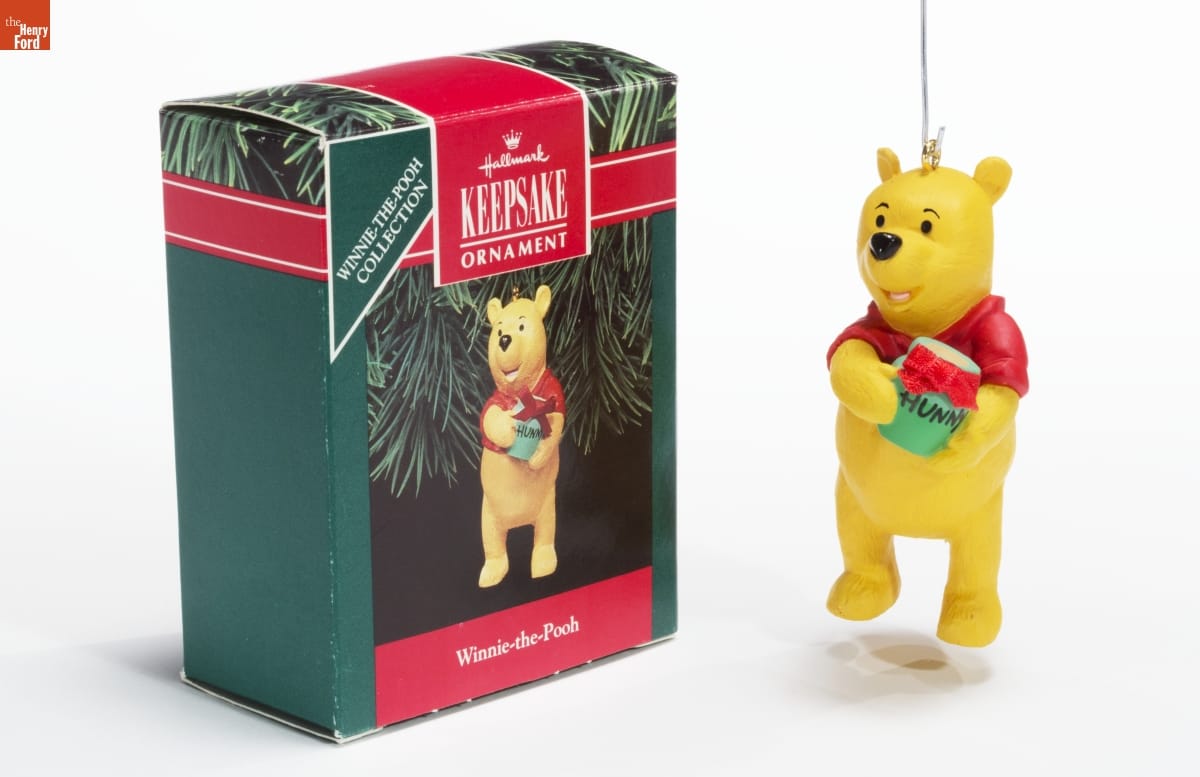
- 1991
- Collections - Artifact
Hallmark "Winnie-the-Pooh Collection: Winnie-the-Pooh" Christmas Ornament, 1991
Already known for greeting cards, Hallmark introduced a line of Christmas ornaments in 1973. The company's annual release of an increasing array of ornaments revolutionized Christmas decorating, appealing to customers' interest in marking memories and milestones as well as expressing one's personality and unique tastes.
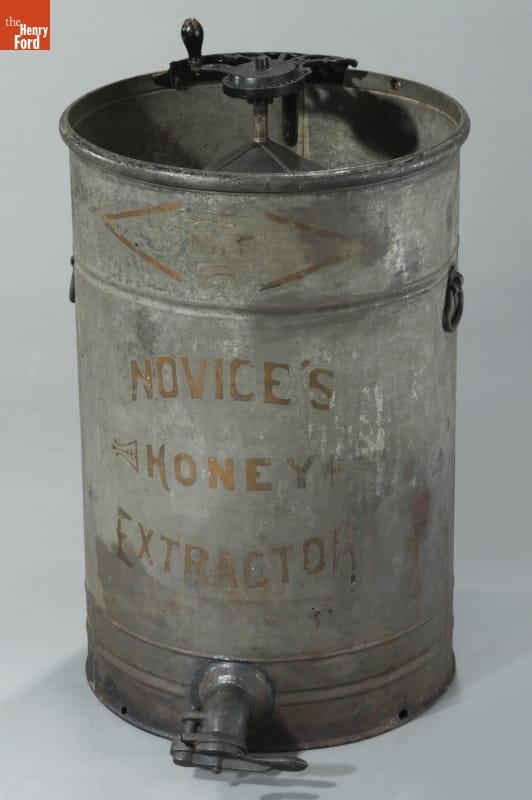
- Honey Extractor, circa 1920 - A swarm of bees captured Amos Root's attention in 1869. He began publishing <em>Gleanings in Bee Culture</em> in 1873 and included testimonials about his "Novice extractor." Root improved the extractor over 25 years, and by 1898, beekeepers used this galvanized metal version, advertised as stronger and more durable than earlier versions, to separate honey from comb to satisfy a growing number of honey consumers.
- circa 1920
- Collections - Artifact
Honey Extractor, circa 1920
A swarm of bees captured Amos Root's attention in 1869. He began publishing Gleanings in Bee Culture in 1873 and included testimonials about his "Novice extractor." Root improved the extractor over 25 years, and by 1898, beekeepers used this galvanized metal version, advertised as stronger and more durable than earlier versions, to separate honey from comb to satisfy a growing number of honey consumers.
- A.I. Root Company Trade Catalog, "Honey Labels and Rubber Stamps," 1900 -
- 1900
- Collections - Artifact
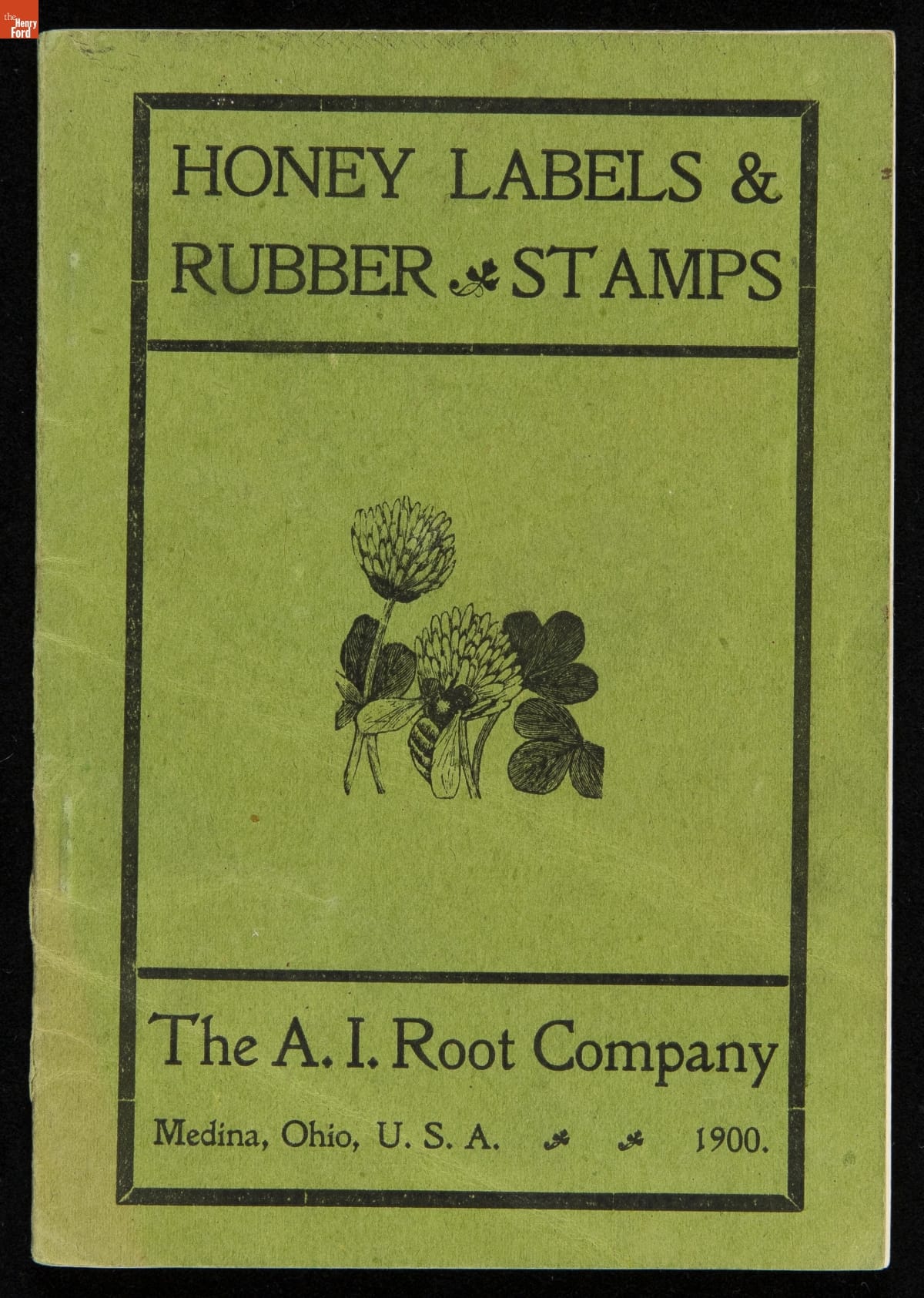
A.I. Root Company Trade Catalog, "Honey Labels and Rubber Stamps," 1900