
Search
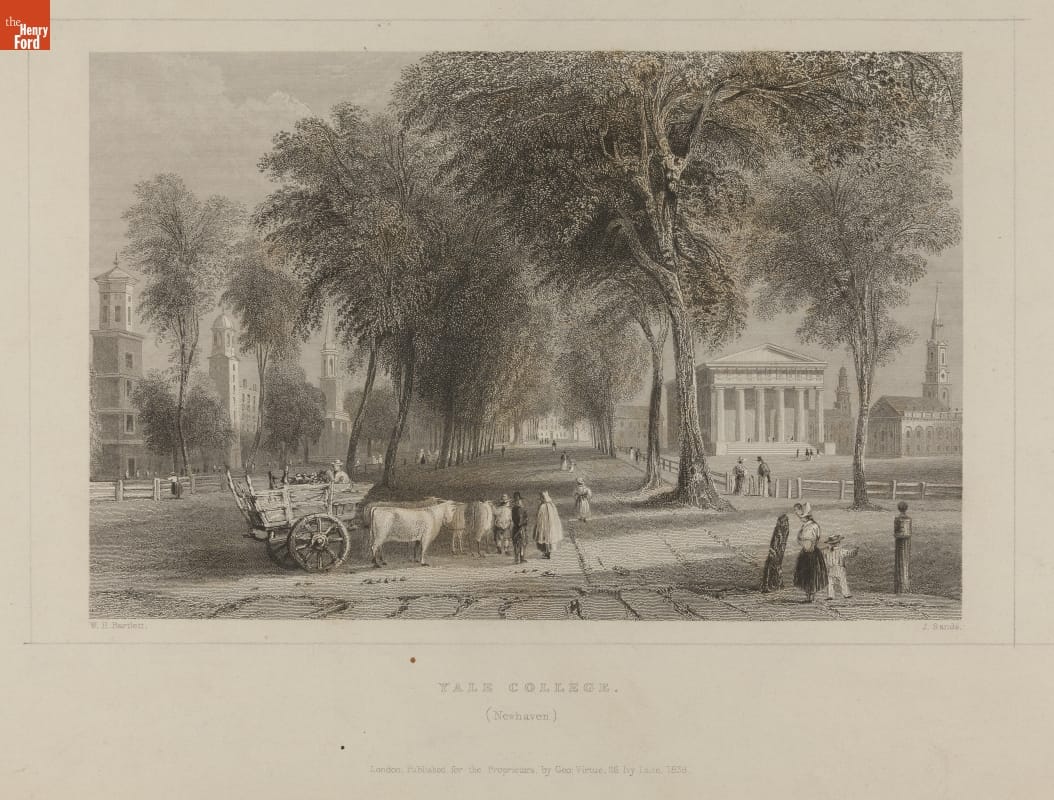
- Engraving, "Yale College, New Haven," 1838 - This 1838 engraving of New Haven, Connecticut, features a two-wheeled New England ox cart in the foreground. The picturesque print also features people strolling through town, with Yale College buildings in the background.
- 1838
- Collections - Artifact
Engraving, "Yale College, New Haven," 1838
This 1838 engraving of New Haven, Connecticut, features a two-wheeled New England ox cart in the foreground. The picturesque print also features people strolling through town, with Yale College buildings in the background.
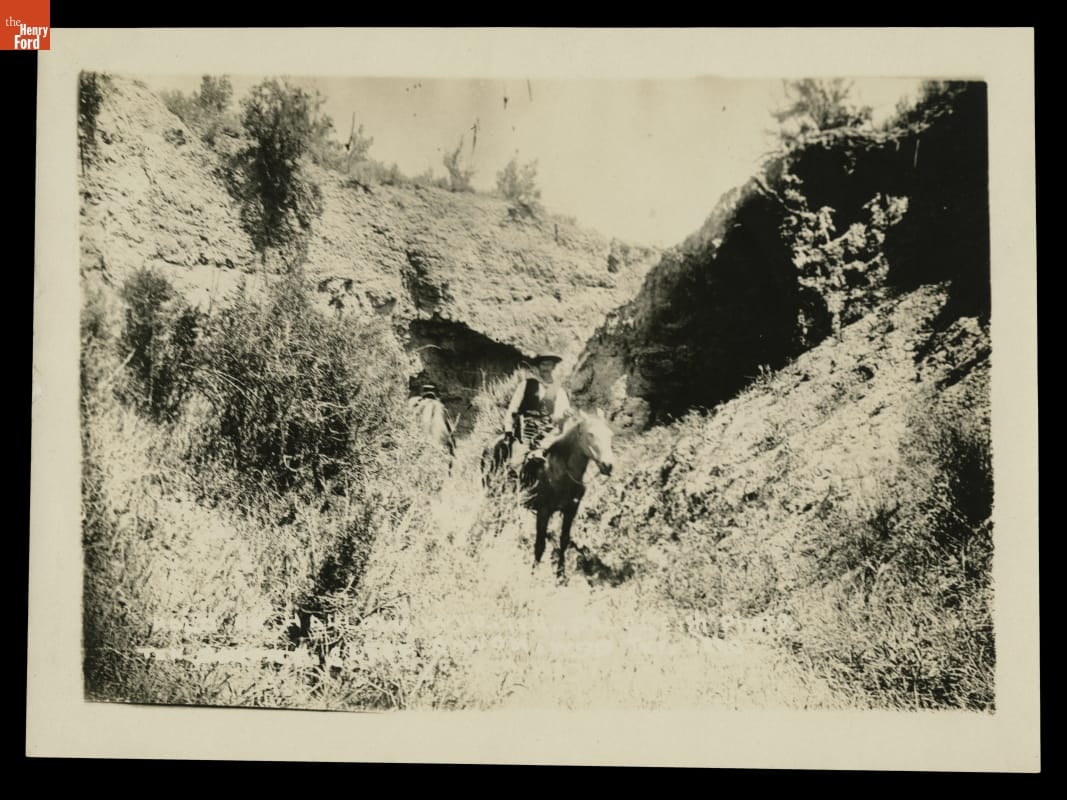
- Horseman in a Canyon, Wyoming Territory, 1880-1889 - George and Thomas Dalgleish owned a photography studio in the Wyoming Territory in the 1880s. The brothers traveled the territory documenting the region's people, towns and activities. The notation on the back of the photograph refers to this man as "Billy the Kid," a hunter and trapper. A friend of the photographer, he was not the infamous outlaw who died in a shootout in 1881.
- 1880-1889
- Collections - Artifact
Horseman in a Canyon, Wyoming Territory, 1880-1889
George and Thomas Dalgleish owned a photography studio in the Wyoming Territory in the 1880s. The brothers traveled the territory documenting the region's people, towns and activities. The notation on the back of the photograph refers to this man as "Billy the Kid," a hunter and trapper. A friend of the photographer, he was not the infamous outlaw who died in a shootout in 1881.
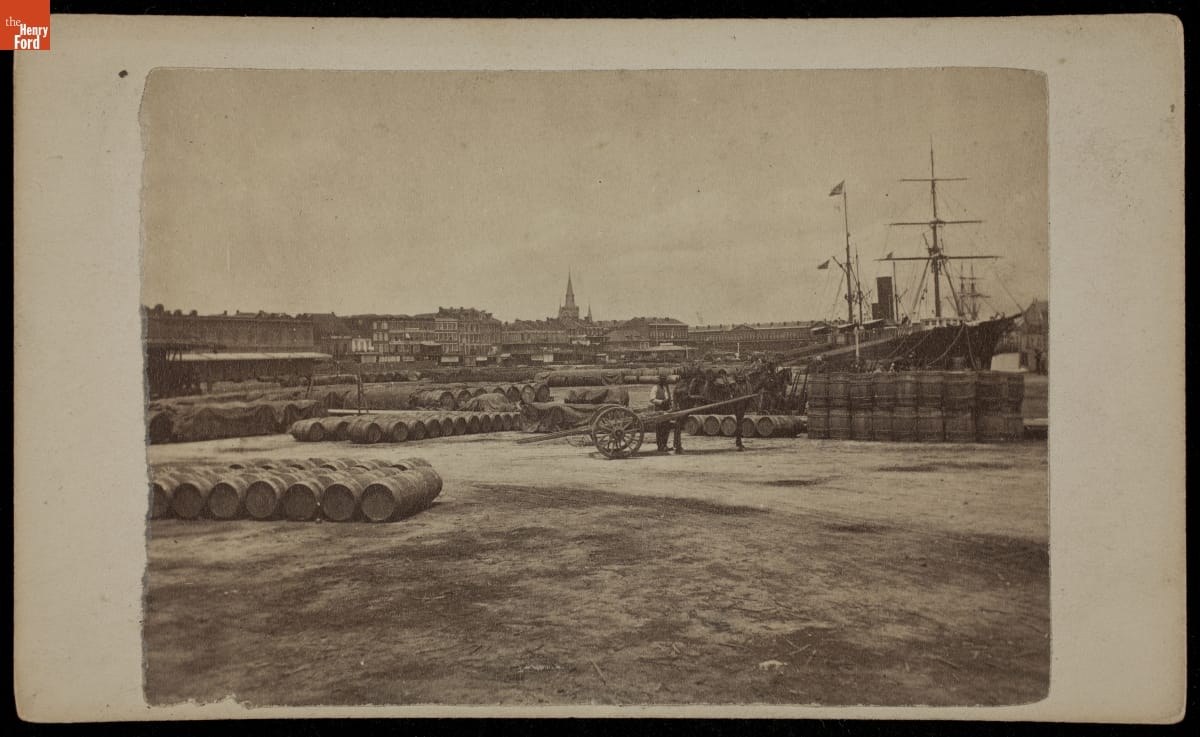
- Steamboat and Cargo at a Landing, New Orleans, Louisiana, 1866-1890 -
- 1866-1890
- Collections - Artifact
Steamboat and Cargo at a Landing, New Orleans, Louisiana, 1866-1890
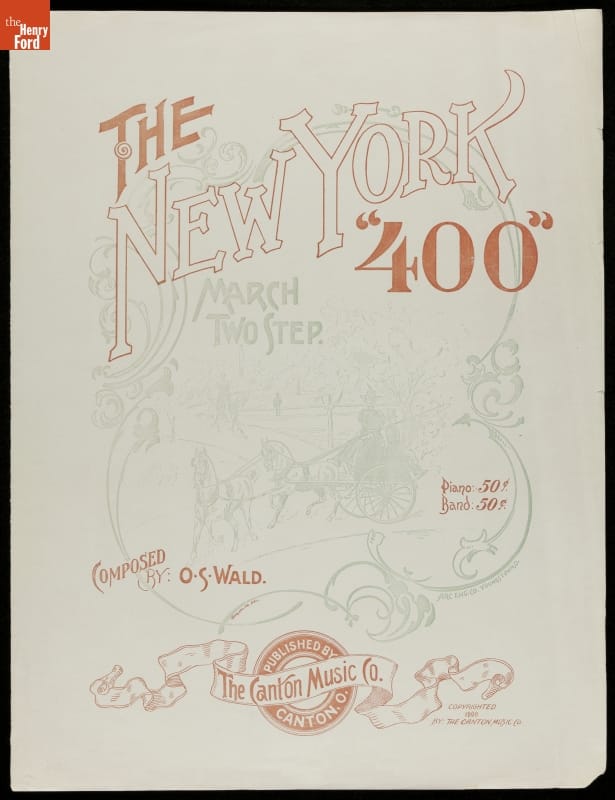
- Music Sheet, "The New York '400'," 1899 -
- 1899
- Collections - Artifact
Music Sheet, "The New York '400'," 1899
- "Coaching Party on Boulevard Drive, Duluth, Minnesota," 1904 - From 1895 to 1924, the Detroit Publishing Company was one of the major image publishers in the world. The company's wide-ranging stock of original photographs documented life and landscapes from across the nation and around the globe. From the tens of thousands of negatives, the company created prints, postcards, lantern slides, panoramas, and other merchandise for sale to educators, businessmen, advertisers, homeowners and travelers.
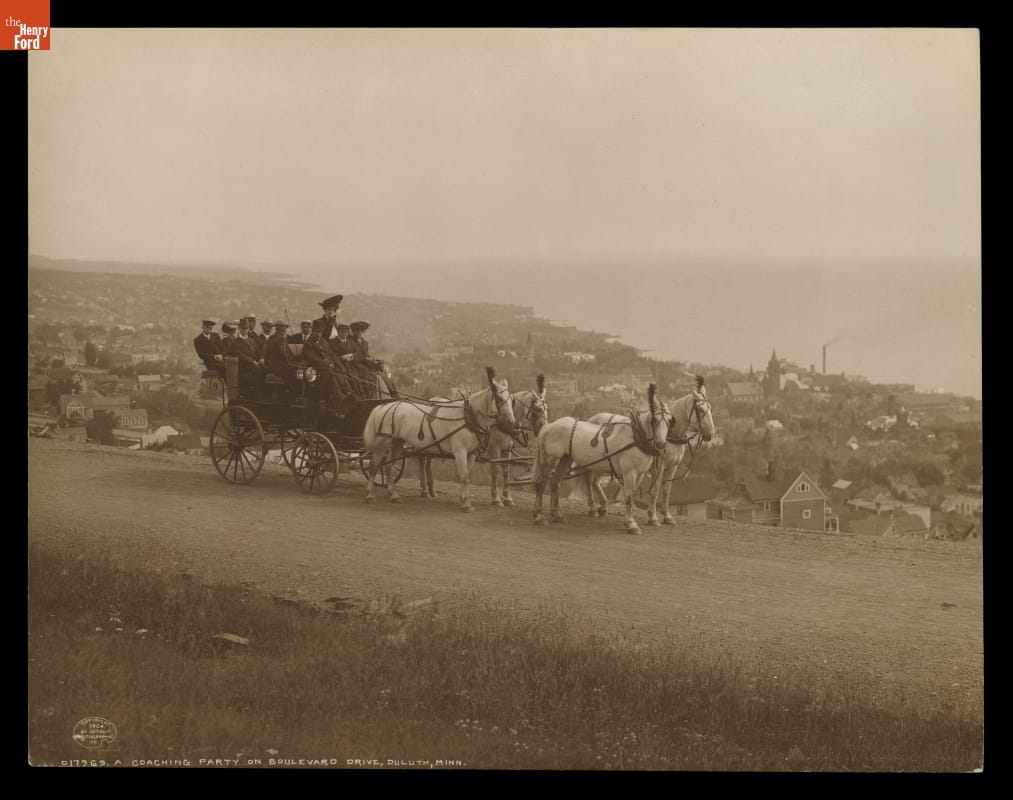
- circa 1904
- Collections - Artifact
"Coaching Party on Boulevard Drive, Duluth, Minnesota," 1904
From 1895 to 1924, the Detroit Publishing Company was one of the major image publishers in the world. The company's wide-ranging stock of original photographs documented life and landscapes from across the nation and around the globe. From the tens of thousands of negatives, the company created prints, postcards, lantern slides, panoramas, and other merchandise for sale to educators, businessmen, advertisers, homeowners and travelers.
- Pennant, "Pimlico Preakness, Baltimore, Maryland," 1940-1965 -
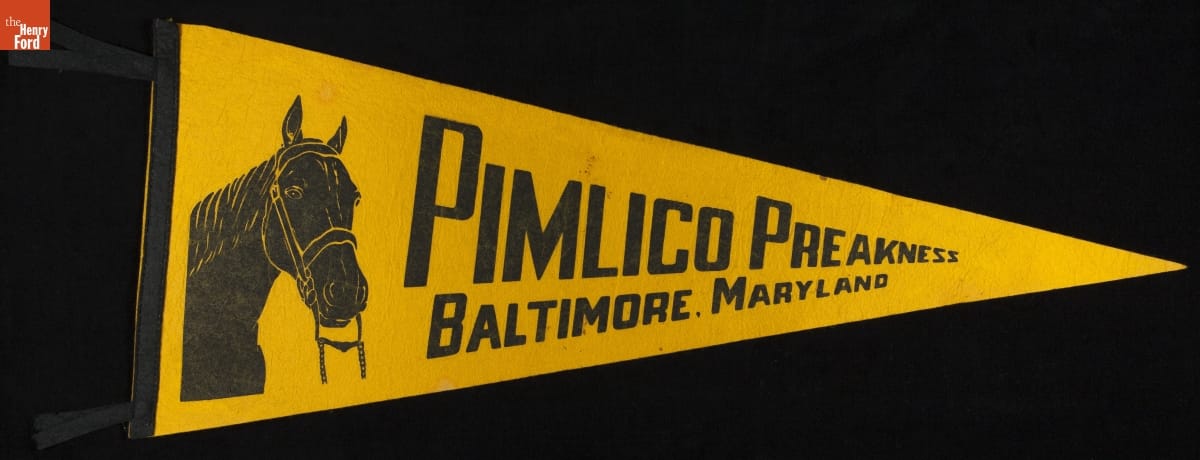
- 1940-1965
- Collections - Artifact
Pennant, "Pimlico Preakness, Baltimore, Maryland," 1940-1965
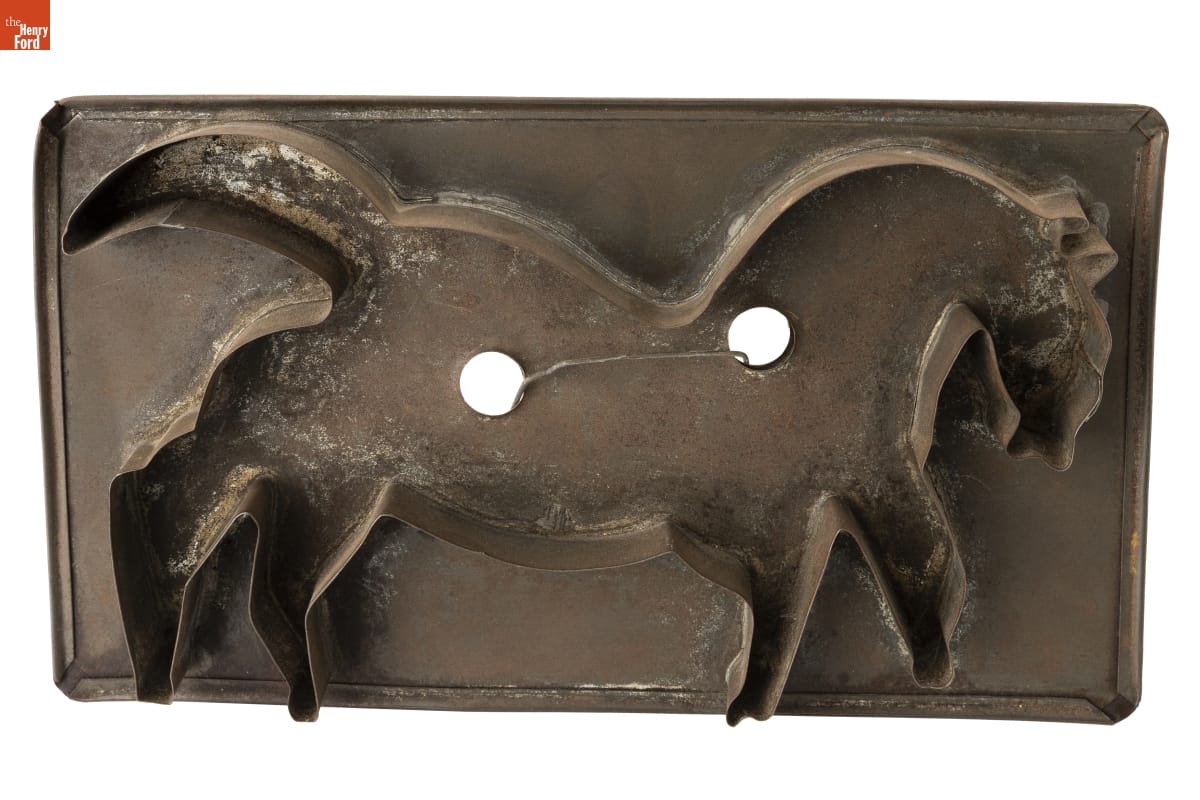
- Horse Cookie Cutter - Tin-plated iron, commonly called "tin," was the dominant material for utilitarian items in 19th-century America. Local tinsmiths produced an almost endless range of goods. But as more durable and lower maintenance materials emerged, handmade tinware came to be considered a folk art or heritage craft. This 20th-century example was produced in the Greenfield Village tin shop using historical tinsmithing tools and techniques.
- Collections - Artifact
Horse Cookie Cutter
Tin-plated iron, commonly called "tin," was the dominant material for utilitarian items in 19th-century America. Local tinsmiths produced an almost endless range of goods. But as more durable and lower maintenance materials emerged, handmade tinware came to be considered a folk art or heritage craft. This 20th-century example was produced in the Greenfield Village tin shop using historical tinsmithing tools and techniques.
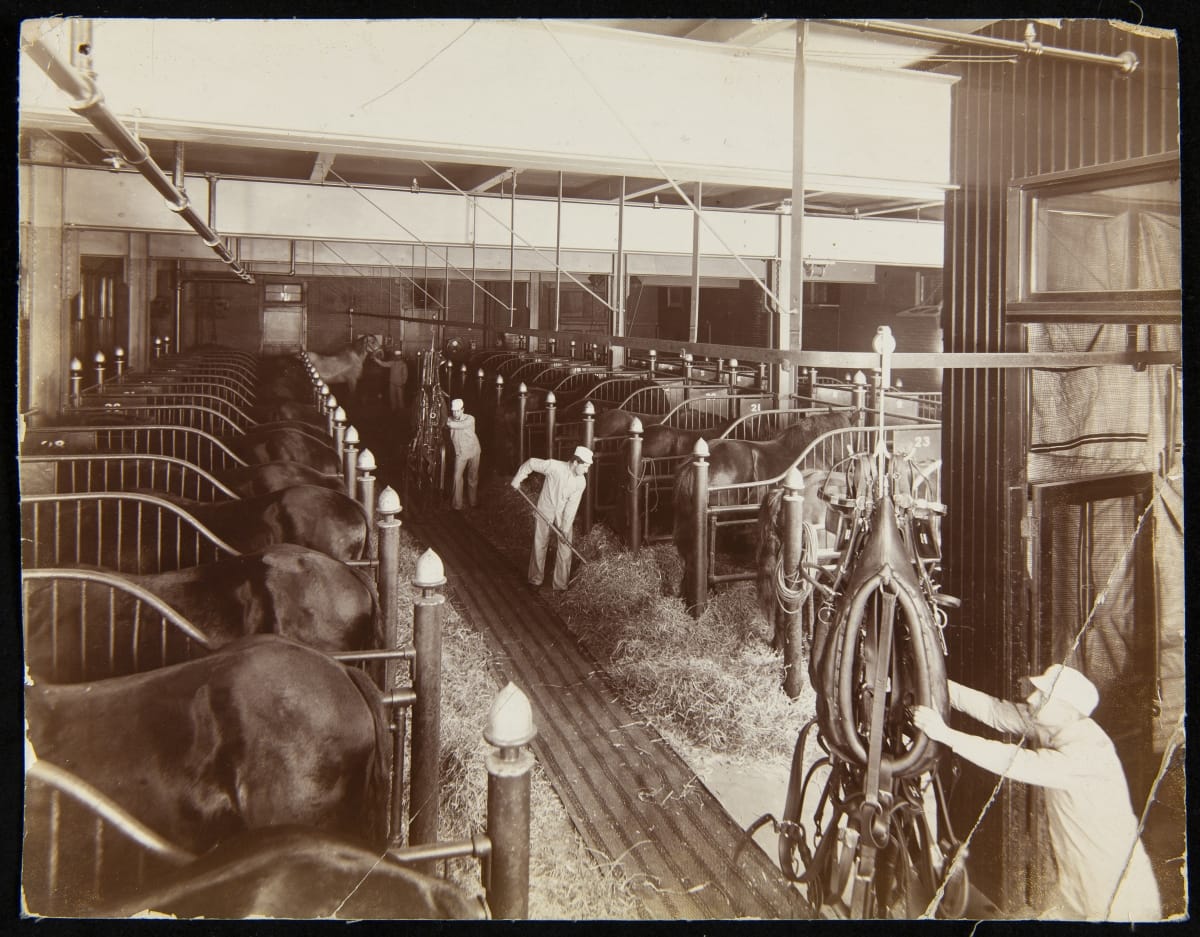
- Second Floor of H. J. Heinz Company Stables, Pittsburgh, Pennsylvania, circa 1910 - The H.J. Heinz Company spared no expense when caring for its Percheron horses. The processed food manufacturer stabled horses on the second floor of a three-story "equine palace" in Pittsburgh. Grooms spread high-quality bedding, as this photograph shows, to help keep their charges clean between shifts hitched to Heinz delivery wagons.
- circa 1910
- Collections - Artifact
Second Floor of H. J. Heinz Company Stables, Pittsburgh, Pennsylvania, circa 1910
The H.J. Heinz Company spared no expense when caring for its Percheron horses. The processed food manufacturer stabled horses on the second floor of a three-story "equine palace" in Pittsburgh. Grooms spread high-quality bedding, as this photograph shows, to help keep their charges clean between shifts hitched to Heinz delivery wagons.
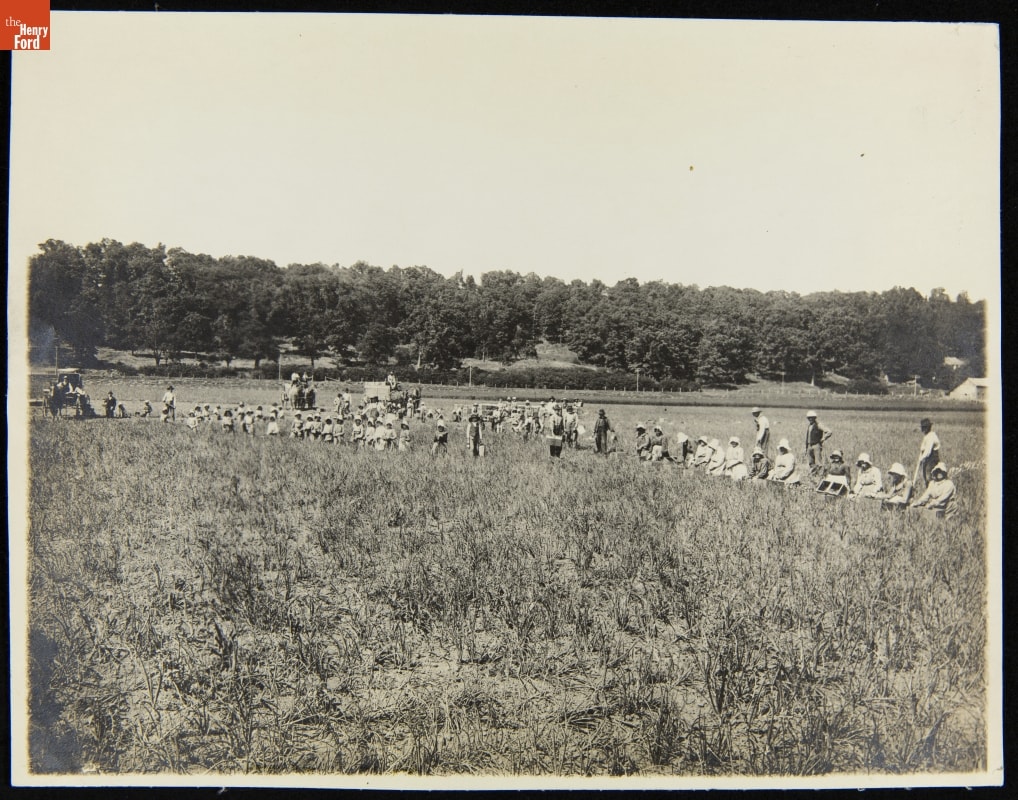
- Workers in an Onion Field, H. J. Heinz Company, circa 1910 - Entrepreneur H.J. Heinz recognized that producing the highest quality products began with where the ingredients were grown and how they were harvested. He took great care in managing every aspect of the process to ensure the best ingredients for his line of pickled foods, preserves, and condiments. This photograph shows workers spread out across one of Heinz's many onion fields.
- circa 1910
- Collections - Artifact
Workers in an Onion Field, H. J. Heinz Company, circa 1910
Entrepreneur H.J. Heinz recognized that producing the highest quality products began with where the ingredients were grown and how they were harvested. He took great care in managing every aspect of the process to ensure the best ingredients for his line of pickled foods, preserves, and condiments. This photograph shows workers spread out across one of Heinz's many onion fields.
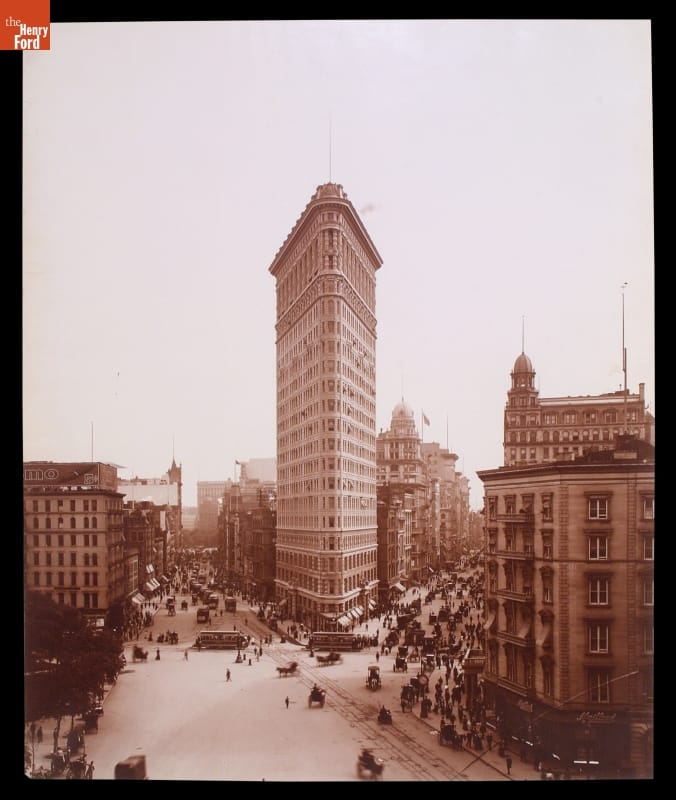
- Flat Iron Building, New York City, 1903 - From 1895 to 1924, the Detroit Publishing Company was one of the major image publishers in the world. The company's wide-ranging stock of original photographs documented life and landscapes from across the nation and around the globe. From the tens of thousands of negatives, the company created prints, postcards, lantern slides, panoramas, and other merchandise for sale to educators, businessmen, advertisers, homeowners and travelers.
- 1903
- Collections - Artifact
Flat Iron Building, New York City, 1903
From 1895 to 1924, the Detroit Publishing Company was one of the major image publishers in the world. The company's wide-ranging stock of original photographs documented life and landscapes from across the nation and around the globe. From the tens of thousands of negatives, the company created prints, postcards, lantern slides, panoramas, and other merchandise for sale to educators, businessmen, advertisers, homeowners and travelers.