
Search
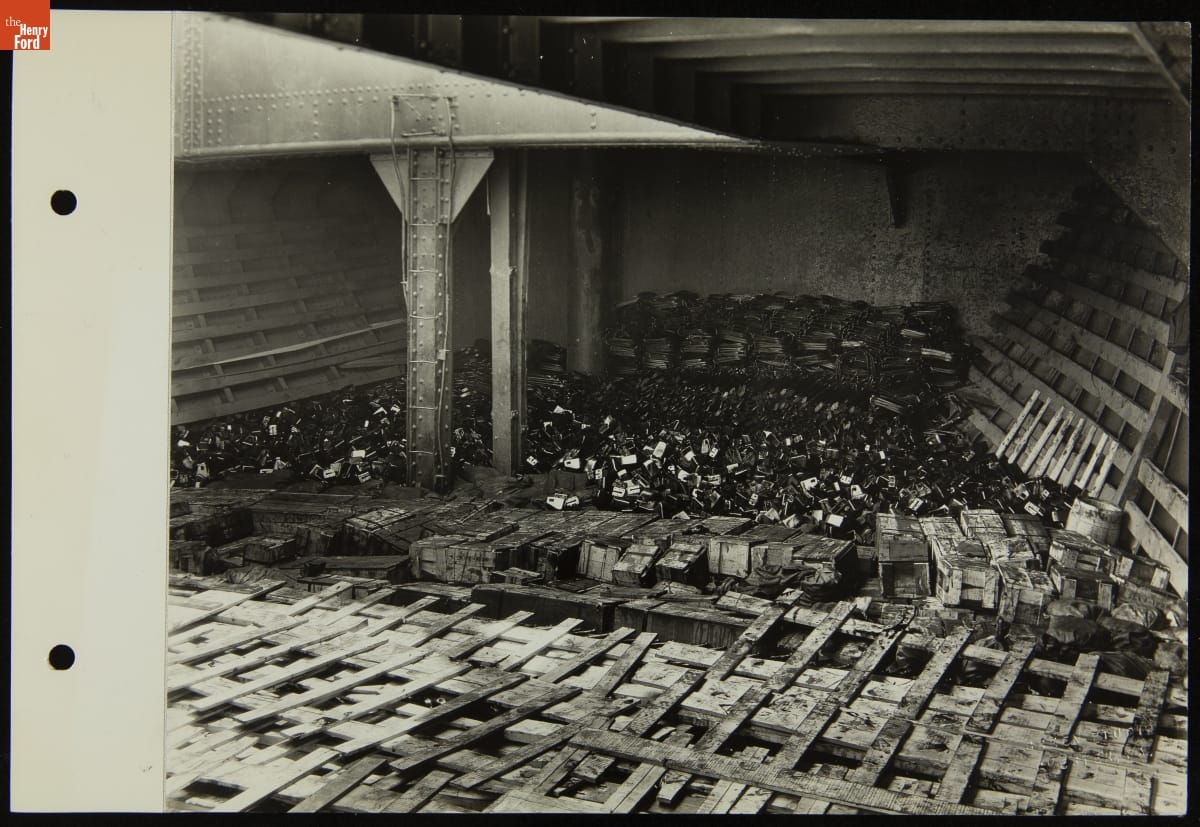
- Hull of Freighter "Onondaga" Loaded with Automobile Parts, circa 1929 - In the 1920s, Henry Ford assembled a fleet of cargo carriers, ocean-going ships, barges, tugboats and canal boats to bring raw materials to or take finished products from his new manufacturing complex on the Rouge River. The <em>Onondaga</em>, a small ocean-going freighter acquired in 1923, carried automobile parts to Ford plants located in cities along America's seaboard and around the world.
- circa 1929
- Collections - Artifact
Hull of Freighter "Onondaga" Loaded with Automobile Parts, circa 1929
In the 1920s, Henry Ford assembled a fleet of cargo carriers, ocean-going ships, barges, tugboats and canal boats to bring raw materials to or take finished products from his new manufacturing complex on the Rouge River. The Onondaga, a small ocean-going freighter acquired in 1923, carried automobile parts to Ford plants located in cities along America's seaboard and around the world.
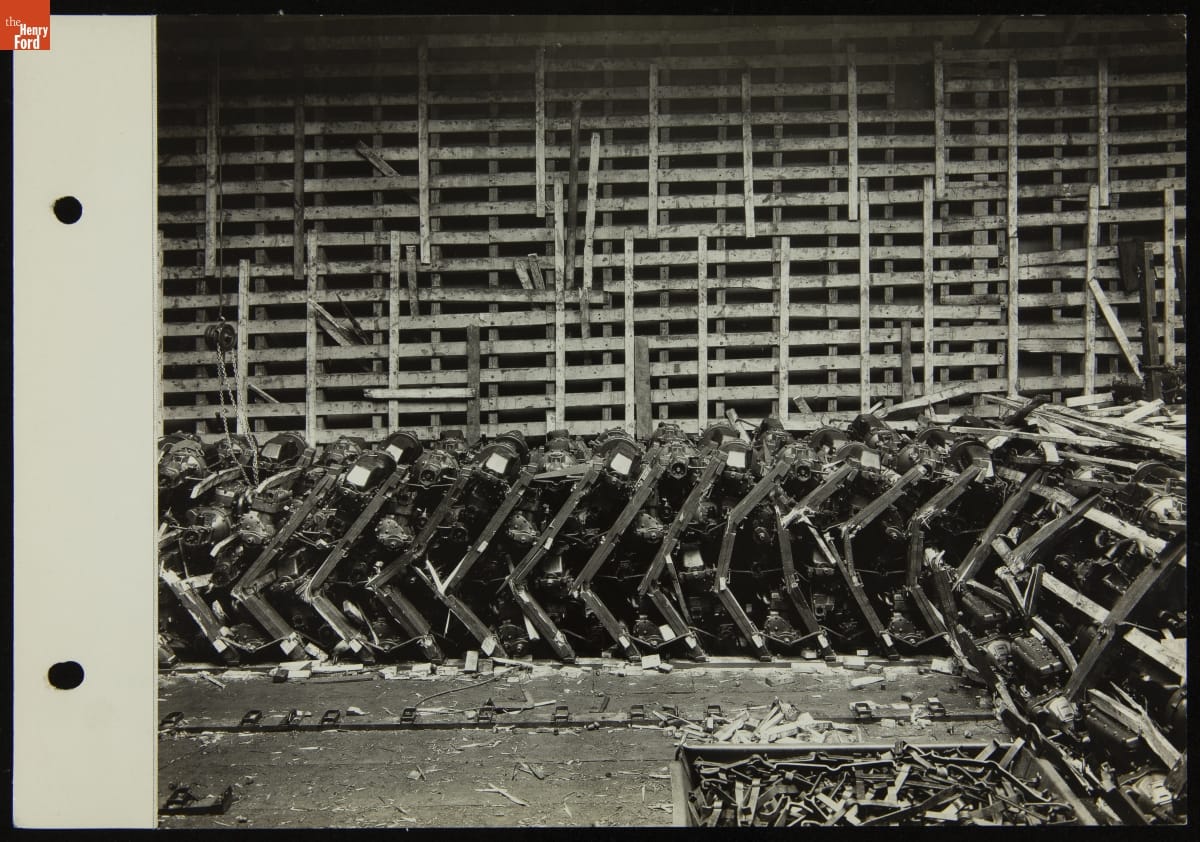
- Hull of Freighter "Oneida" Loaded with Automobile Parts, circa 1924 - In the 1920s, Henry Ford assembled a fleet of cargo carriers, ocean-going ships, barges, tugboats and canal boats to bring raw materials to or take finished products from his new manufacturing complex on the Rouge River. The <em>Oneida</em>, a small ocean-going freighter acquired in 1923, carried automobile parts to Ford plants along America's Atlantic and Gulf coasts, and to foreign plants in South America and Europe.
- circa 1924
- Collections - Artifact
Hull of Freighter "Oneida" Loaded with Automobile Parts, circa 1924
In the 1920s, Henry Ford assembled a fleet of cargo carriers, ocean-going ships, barges, tugboats and canal boats to bring raw materials to or take finished products from his new manufacturing complex on the Rouge River. The Oneida, a small ocean-going freighter acquired in 1923, carried automobile parts to Ford plants along America's Atlantic and Gulf coasts, and to foreign plants in South America and Europe.
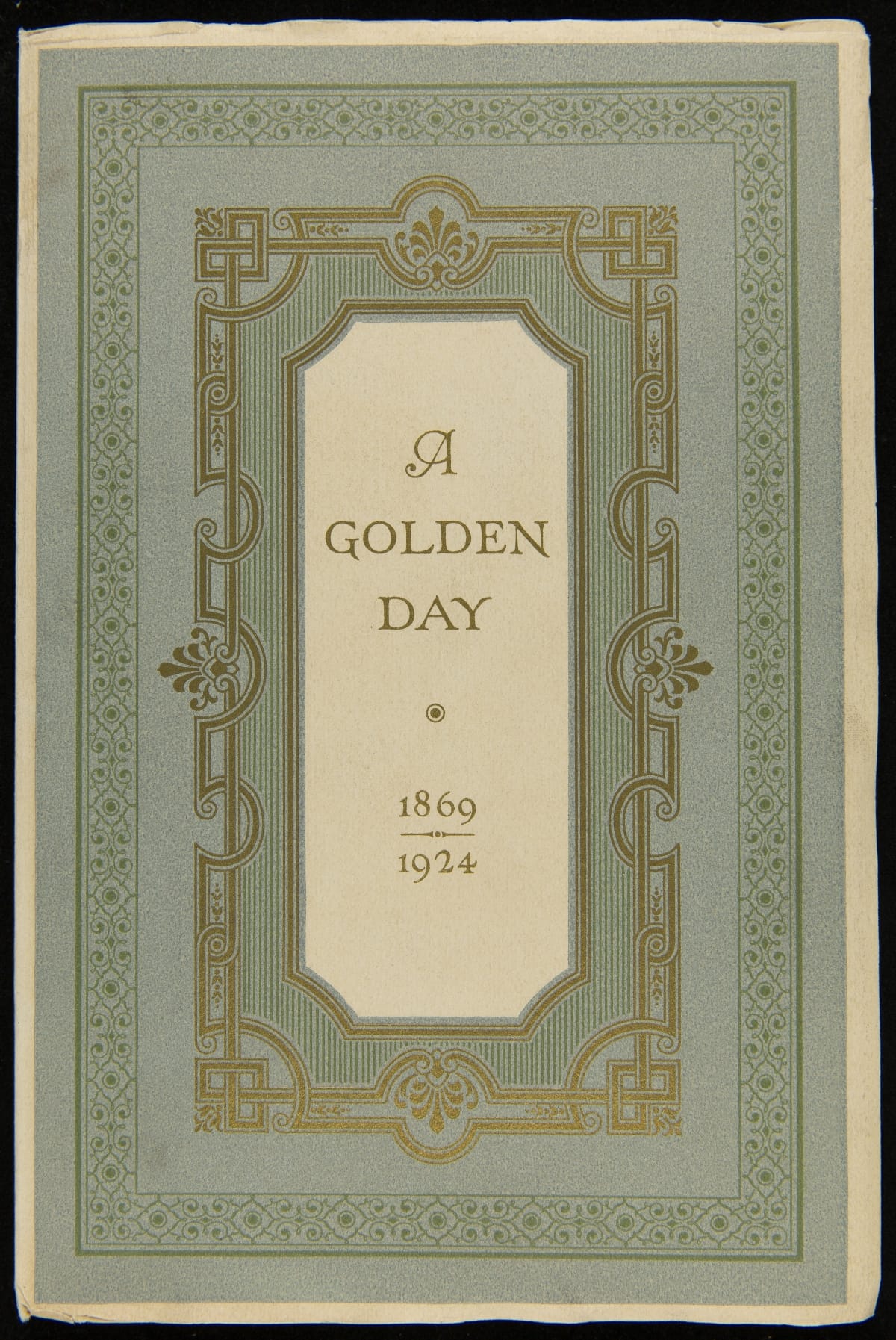
- H. J. Heinz Memorial Statue Dedication, "A Golden Day," at Heinz Main Plant, Pittsburgh, Pennsylvania, October 11, 1924 - H.J. Heinz valued a strong relationship between his company and its employees. This resulted in a world-class employee welfare program which included amenities, programs, and policies with consideration for employees' well-being. In 1924, to commemorate the company's 55th anniversary, employees erected a memorial statue as a token of their gratitude for their employer. This is a program from the celebration, called "A Golden Day."
- 1925
- Collections - Artifact
H. J. Heinz Memorial Statue Dedication, "A Golden Day," at Heinz Main Plant, Pittsburgh, Pennsylvania, October 11, 1924
H.J. Heinz valued a strong relationship between his company and its employees. This resulted in a world-class employee welfare program which included amenities, programs, and policies with consideration for employees' well-being. In 1924, to commemorate the company's 55th anniversary, employees erected a memorial statue as a token of their gratitude for their employer. This is a program from the celebration, called "A Golden Day."
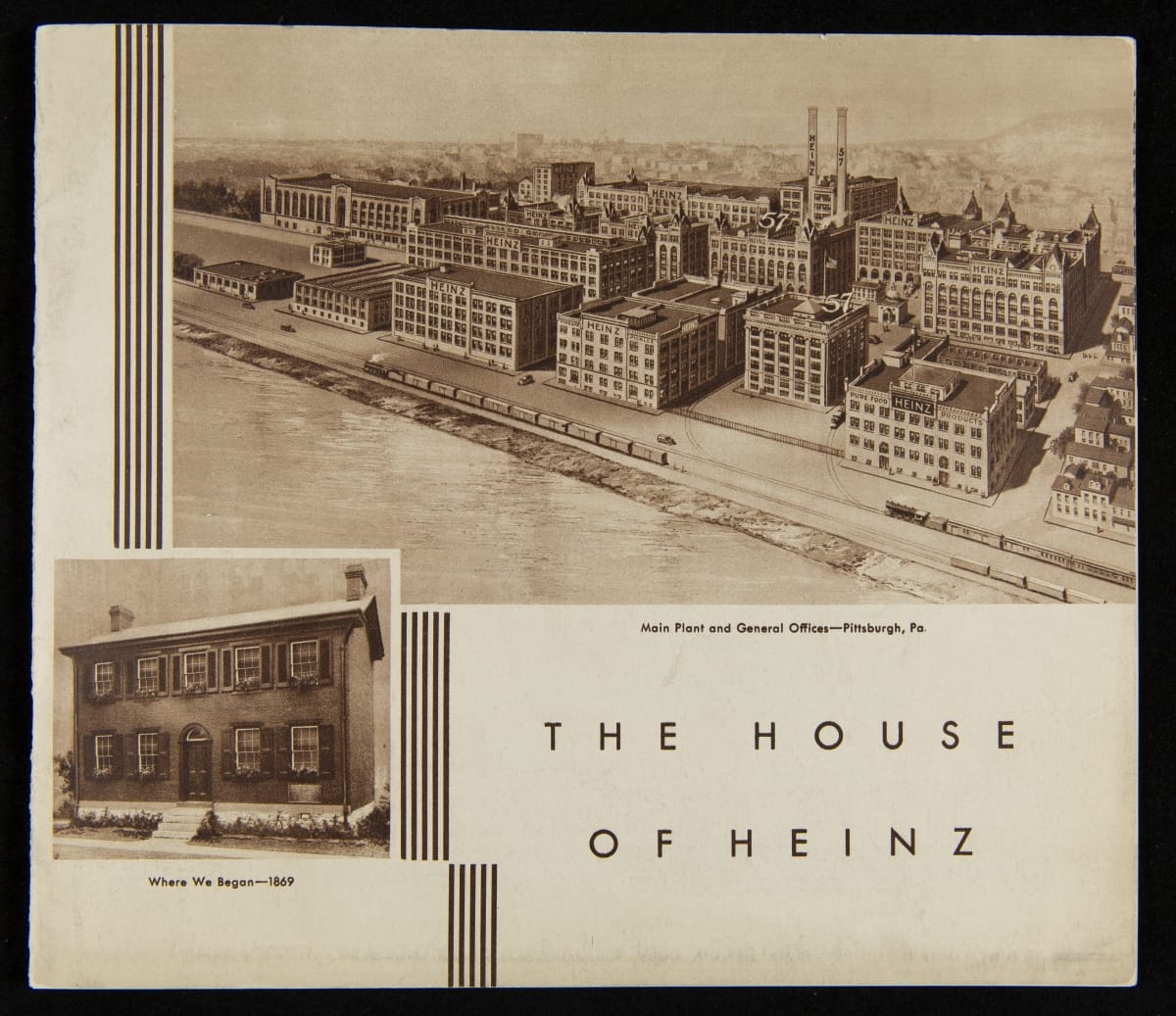
- The House of Heinz, circa 1929 - The H.J. Heinz Company was founded from humble beginnings in 1869. By the turn of the century it had become a well-known manufacturer of processed food. Its rapid success resulted in the expansion of its operations at home and abroad. This booklet from 1929 provides an overview of the many branch factories and buildings operated by the company, referred to as "The House of Heinz."
- circa 1929
- Collections - Artifact
The House of Heinz, circa 1929
The H.J. Heinz Company was founded from humble beginnings in 1869. By the turn of the century it had become a well-known manufacturer of processed food. Its rapid success resulted in the expansion of its operations at home and abroad. This booklet from 1929 provides an overview of the many branch factories and buildings operated by the company, referred to as "The House of Heinz."
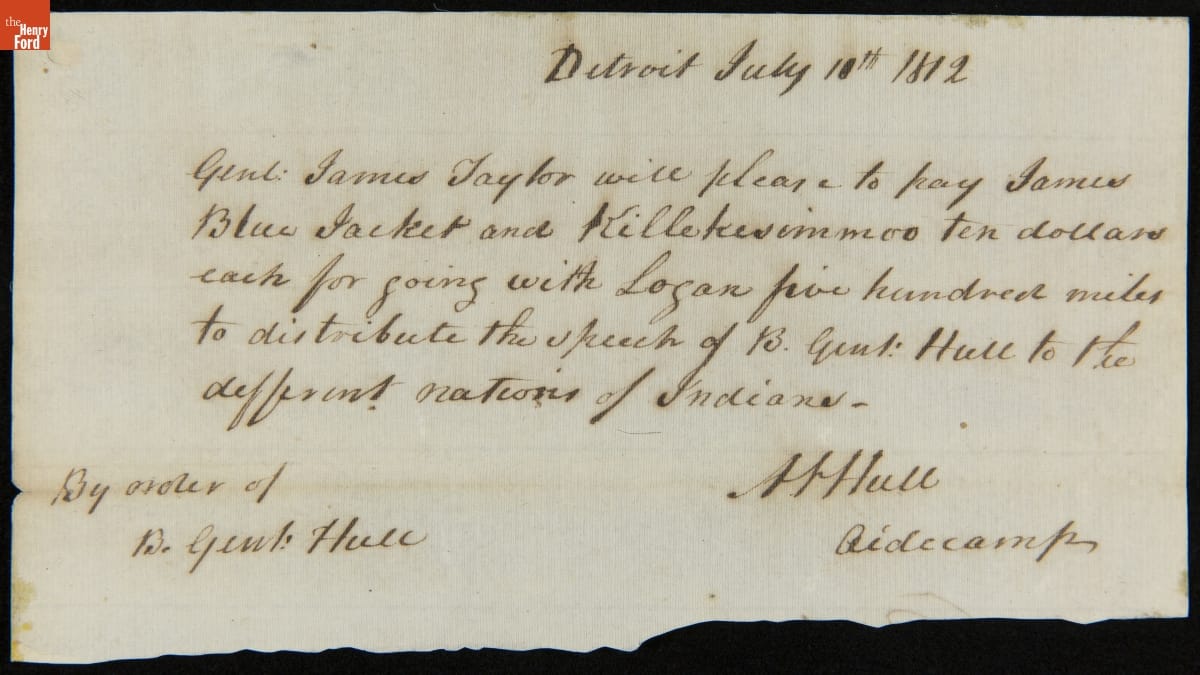
- Promissory Note by Order of General Hull to Pay James Blue Jacket and Killekesimmoo, July 18, 1812 -
- July 18, 1812
- Collections - Artifact
Promissory Note by Order of General Hull to Pay James Blue Jacket and Killekesimmoo, July 18, 1812
- Trade Card for E.R. Hull & Co. and Dedication of the Garfield Monument, 1890 - In the last third of the nineteenth century, promoters used a popular medium--trade cards--to announce shows, activities, and community events. Americans enjoyed and often saved the vibrant little advertisements, which survive as historical records of leisure in the United States.
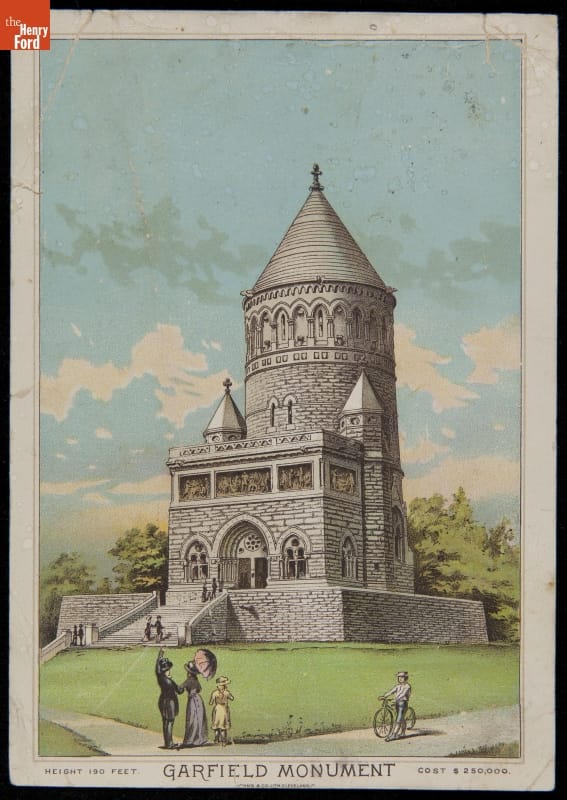
- May 30, 1890
- Collections - Artifact
Trade Card for E.R. Hull & Co. and Dedication of the Garfield Monument, 1890
In the last third of the nineteenth century, promoters used a popular medium--trade cards--to announce shows, activities, and community events. Americans enjoyed and often saved the vibrant little advertisements, which survive as historical records of leisure in the United States.
- Employee Driving Ore Tractor inside Hull of Ford Freighter "Henry Ford II" at the Ford Rouge Plant, October 7, 1924 - Henry Ford had two ore freighters built in 1924 and named them after his grandsons, Henry Ford II and Benson Ford. The vessels, owned and operated by Ford Motor Company, primarily carried ore from western Lake Superior to the steel mill at Ford's River Rouge Plant near Detroit. This photograph shows a tractor moving the remaining ore inside one of the <em>Henry Ford II</em>'s hold compartments.
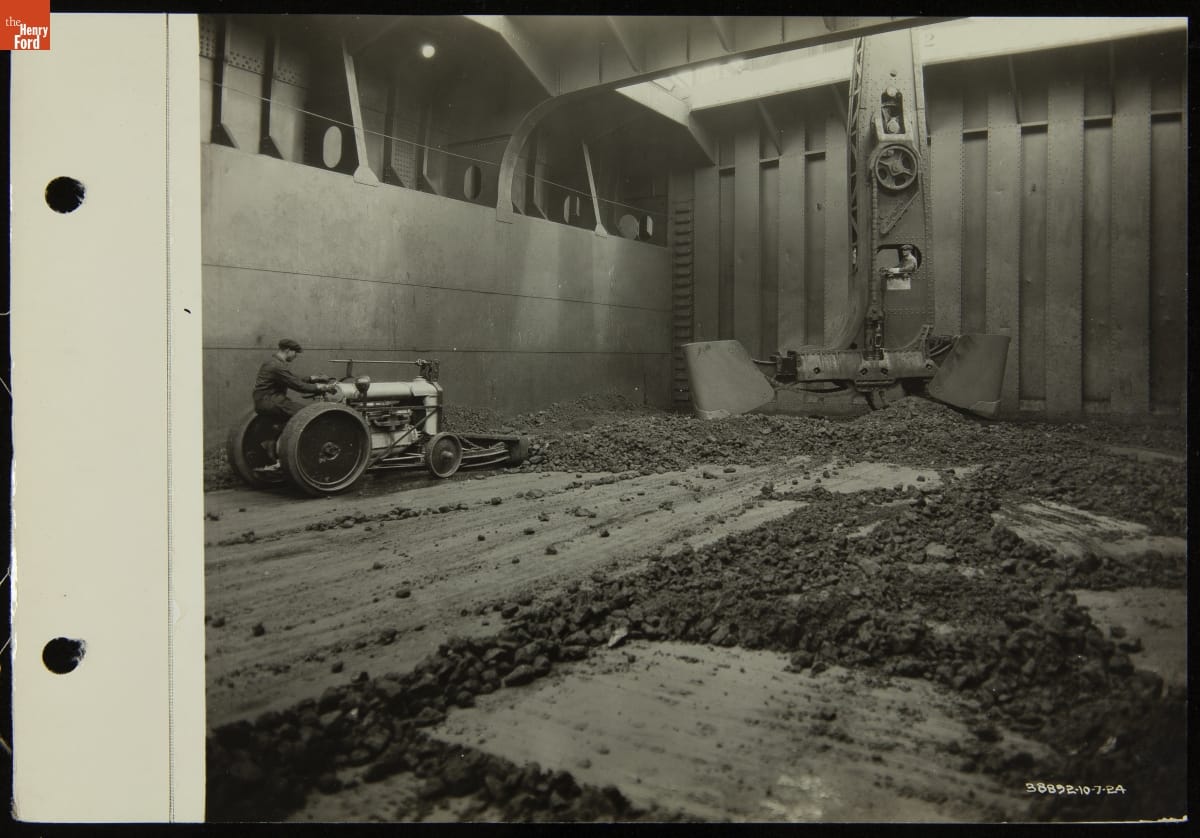
- October 07, 1924
- Collections - Artifact
Employee Driving Ore Tractor inside Hull of Ford Freighter "Henry Ford II" at the Ford Rouge Plant, October 7, 1924
Henry Ford had two ore freighters built in 1924 and named them after his grandsons, Henry Ford II and Benson Ford. The vessels, owned and operated by Ford Motor Company, primarily carried ore from western Lake Superior to the steel mill at Ford's River Rouge Plant near Detroit. This photograph shows a tractor moving the remaining ore inside one of the Henry Ford II's hold compartments.
- Broadside Notice of Naval Battle during the War of 1812, "Captain Hull's Victory" -
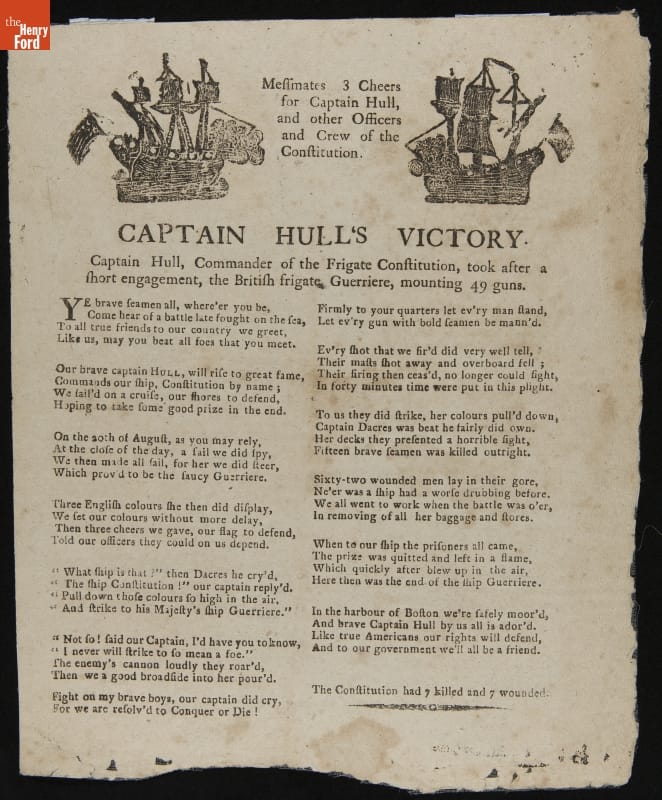
- August 19, 1812
- Collections - Artifact
Broadside Notice of Naval Battle during the War of 1812, "Captain Hull's Victory"
- Aaron Greeley's Deposition following Ship Capture at Brownstown, Michigan, July 29, 1812 -
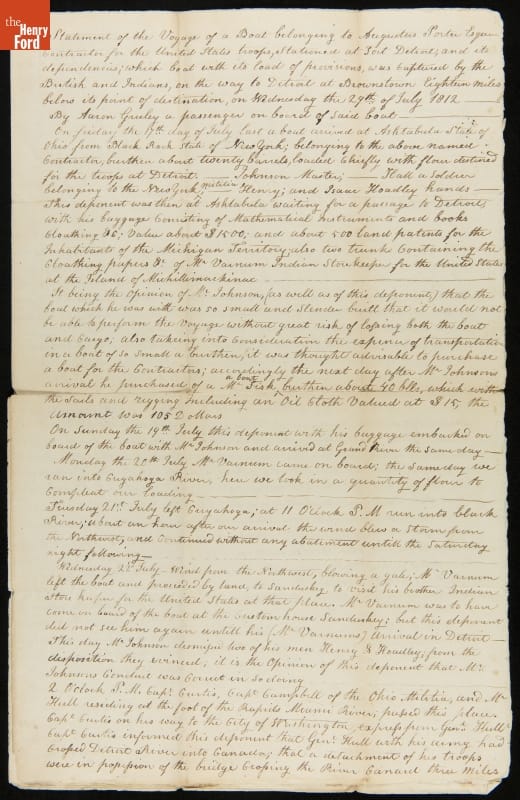
- July 01, 1812
- Collections - Artifact
Aaron Greeley's Deposition following Ship Capture at Brownstown, Michigan, July 29, 1812
- "The Ross Hull Safety Campaign," Artificial Respiration Instructional Card, circa 1935 -
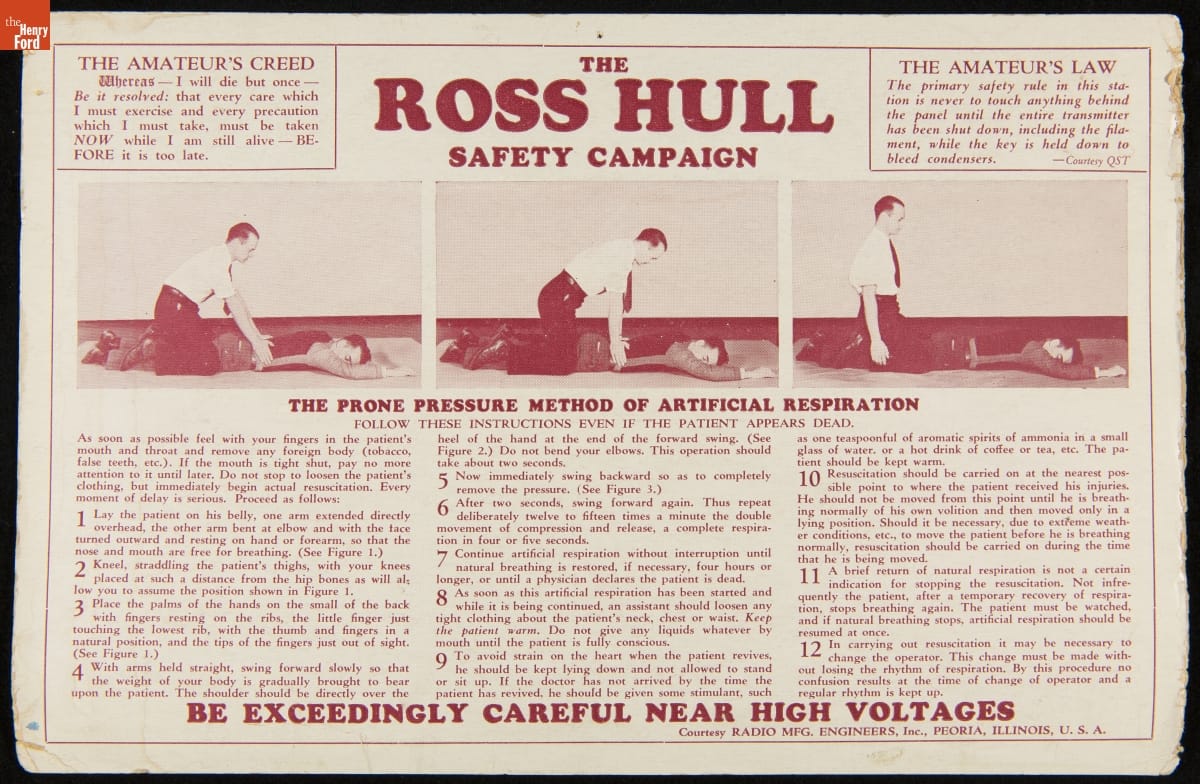
- circa 1935
- Collections - Artifact
"The Ross Hull Safety Campaign," Artificial Respiration Instructional Card, circa 1935