
Search
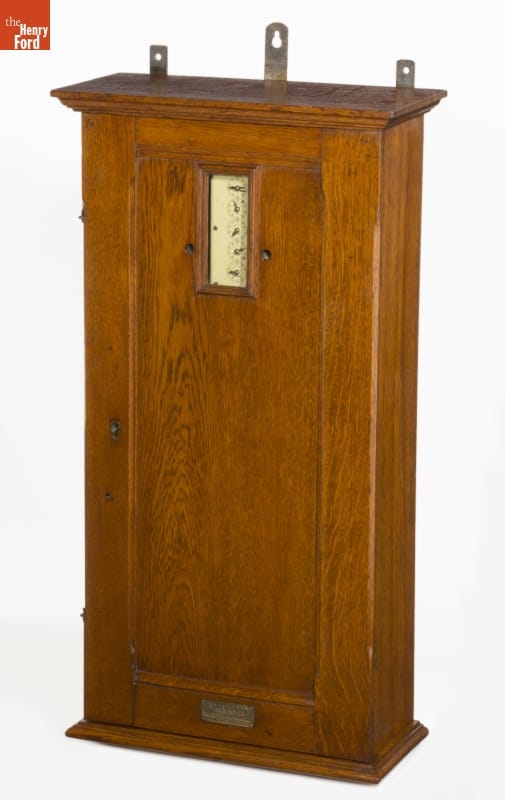
- H. Aron Meter, Used by Budapest General Electric Company, 1898 - Hermann Aron, a German physicist and lecturer-turned-manufacturer, developed a pendulum watt-hour meter in the 1880s for companies that supplied electricity to consumers in Europe's growing urban areas. Swinging pendulums turned hands on dials that accurately registered how much electricity customers used--so companies could charge appropriate rates. Aron's pendulum meters remained practical until less expensive motor meters became standard.
- 1898
- Collections - Artifact
H. Aron Meter, Used by Budapest General Electric Company, 1898
Hermann Aron, a German physicist and lecturer-turned-manufacturer, developed a pendulum watt-hour meter in the 1880s for companies that supplied electricity to consumers in Europe's growing urban areas. Swinging pendulums turned hands on dials that accurately registered how much electricity customers used--so companies could charge appropriate rates. Aron's pendulum meters remained practical until less expensive motor meters became standard.
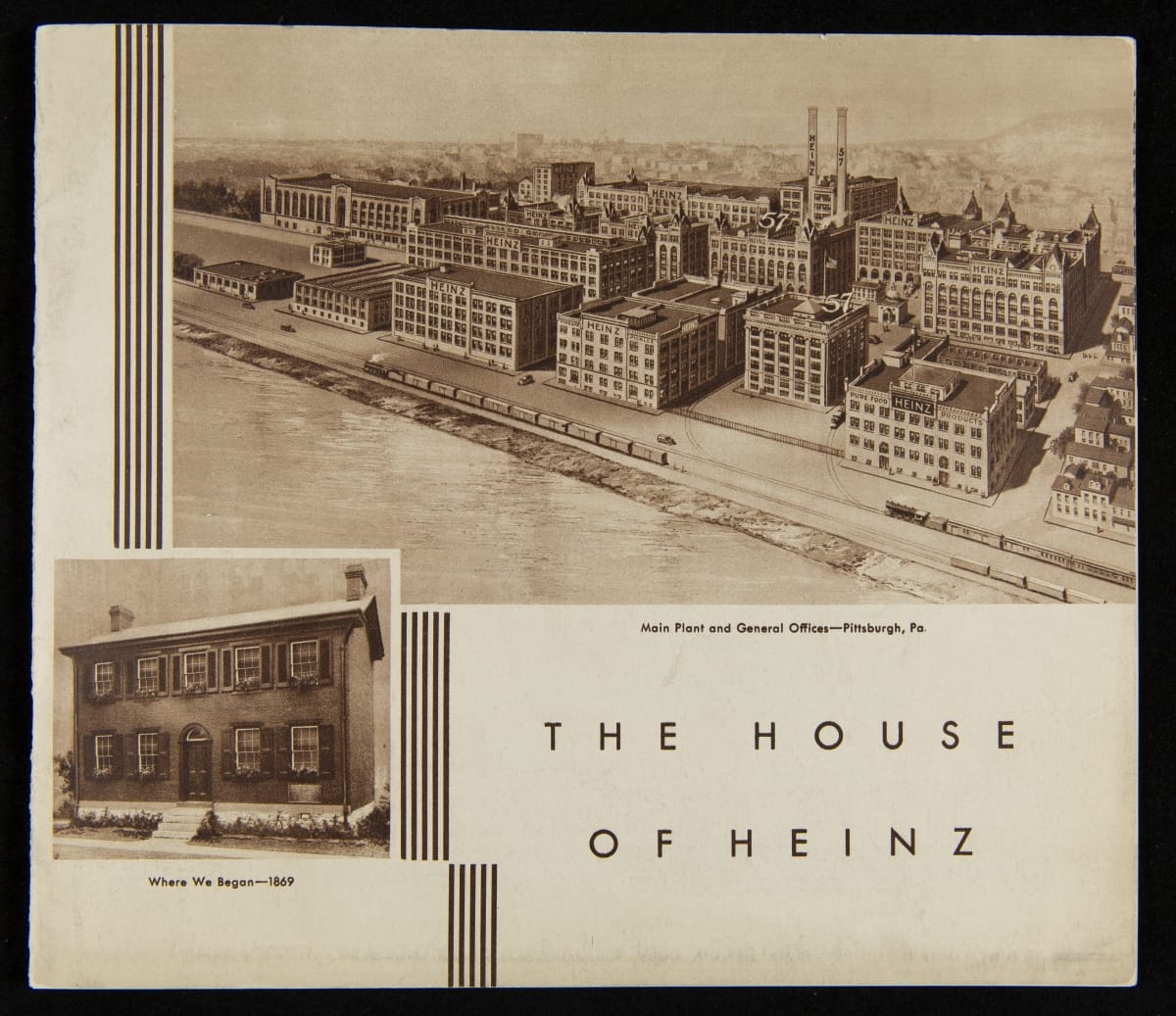
- The House of Heinz, circa 1929 - The H.J. Heinz Company was founded from humble beginnings in 1869. By the turn of the century it had become a well-known manufacturer of processed food. Its rapid success resulted in the expansion of its operations at home and abroad. This booklet from 1929 provides an overview of the many branch factories and buildings operated by the company, referred to as "The House of Heinz."
- circa 1929
- Collections - Artifact
The House of Heinz, circa 1929
The H.J. Heinz Company was founded from humble beginnings in 1869. By the turn of the century it had become a well-known manufacturer of processed food. Its rapid success resulted in the expansion of its operations at home and abroad. This booklet from 1929 provides an overview of the many branch factories and buildings operated by the company, referred to as "The House of Heinz."
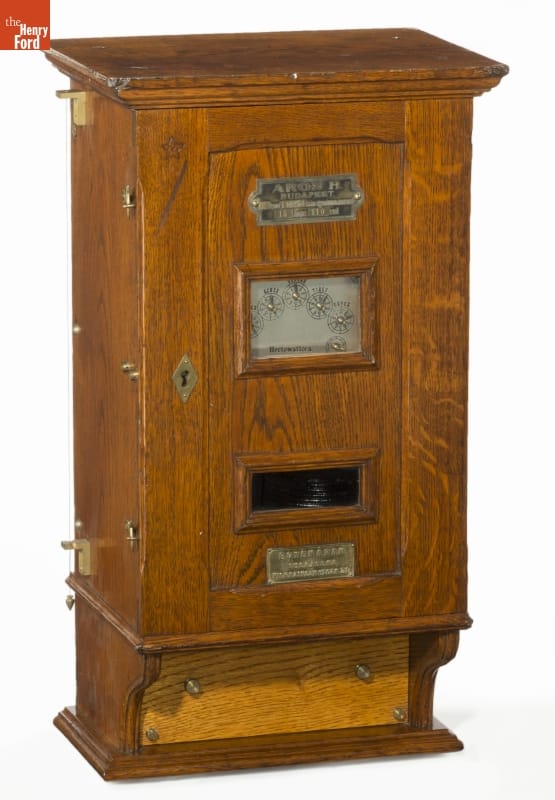
- H. Aron Type K Meter, Used by Budapest General Electric Company, 1903 - Hermann Aron, a German physicist and lecturer-turned-manufacturer, developed a pendulum watt-hour meter in the 1880s for companies that supplied electricity to consumers in Europe's growing urban areas. Swinging pendulums turned hands on dials that accurately registered how much electricity customers used--so companies could charge appropriate rates. Aron's pendulum meters remained practical until less expensive motor meters became standard.
- 1903
- Collections - Artifact
H. Aron Type K Meter, Used by Budapest General Electric Company, 1903
Hermann Aron, a German physicist and lecturer-turned-manufacturer, developed a pendulum watt-hour meter in the 1880s for companies that supplied electricity to consumers in Europe's growing urban areas. Swinging pendulums turned hands on dials that accurately registered how much electricity customers used--so companies could charge appropriate rates. Aron's pendulum meters remained practical until less expensive motor meters became standard.
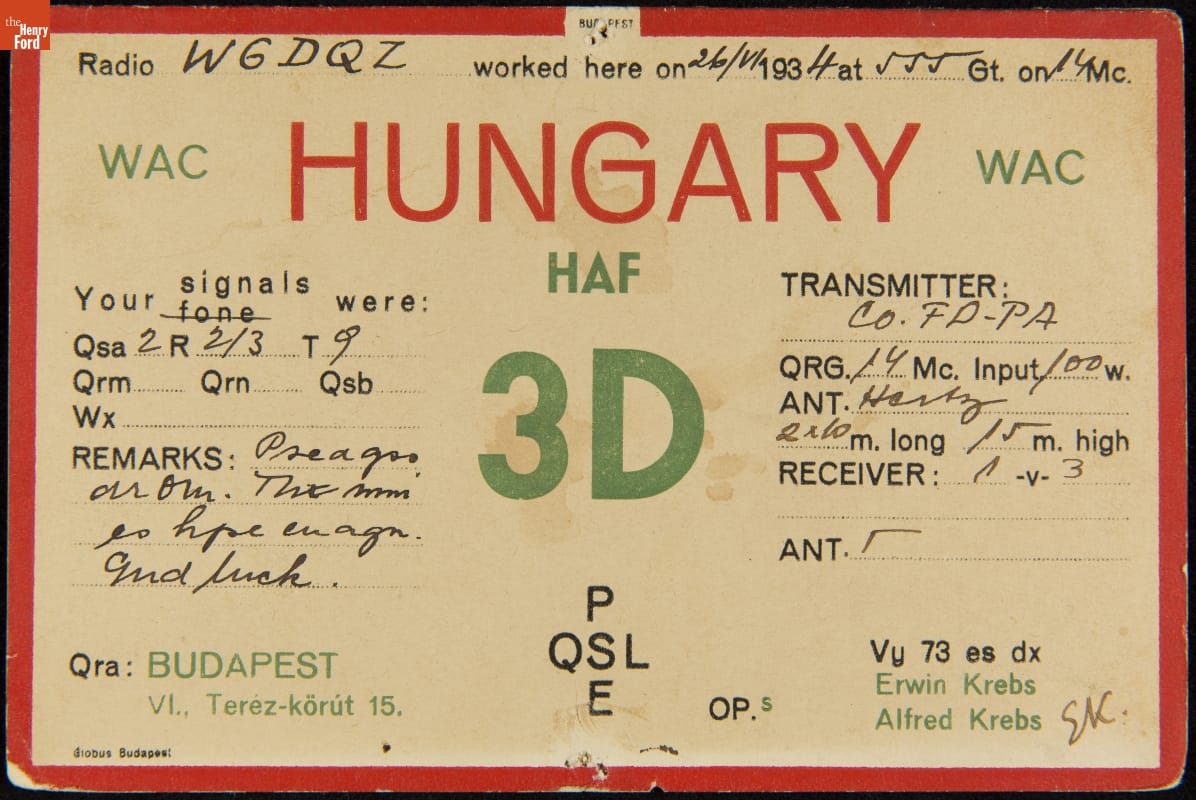
- Elisabeth Bridge Depicted on QSL Card from HAF3D (Budapest, Hungary) to W6DQZ (Hamid Durmisevich, Los Angeles), June 26, 1934 - It was customary for ham radio operators (hams) to exchange these "QSL cards" with one another through the mail after their first conversation. Long-time hams amassed collections of thousands of cards, some from far-flung places. There is a story embedded in each example: the ham's call sign dominates the design, with additional details about location, reception reports, and weather conditions.
- June 26, 1934
- Collections - Artifact
Elisabeth Bridge Depicted on QSL Card from HAF3D (Budapest, Hungary) to W6DQZ (Hamid Durmisevich, Los Angeles), June 26, 1934
It was customary for ham radio operators (hams) to exchange these "QSL cards" with one another through the mail after their first conversation. Long-time hams amassed collections of thousands of cards, some from far-flung places. There is a story embedded in each example: the ham's call sign dominates the design, with additional details about location, reception reports, and weather conditions.
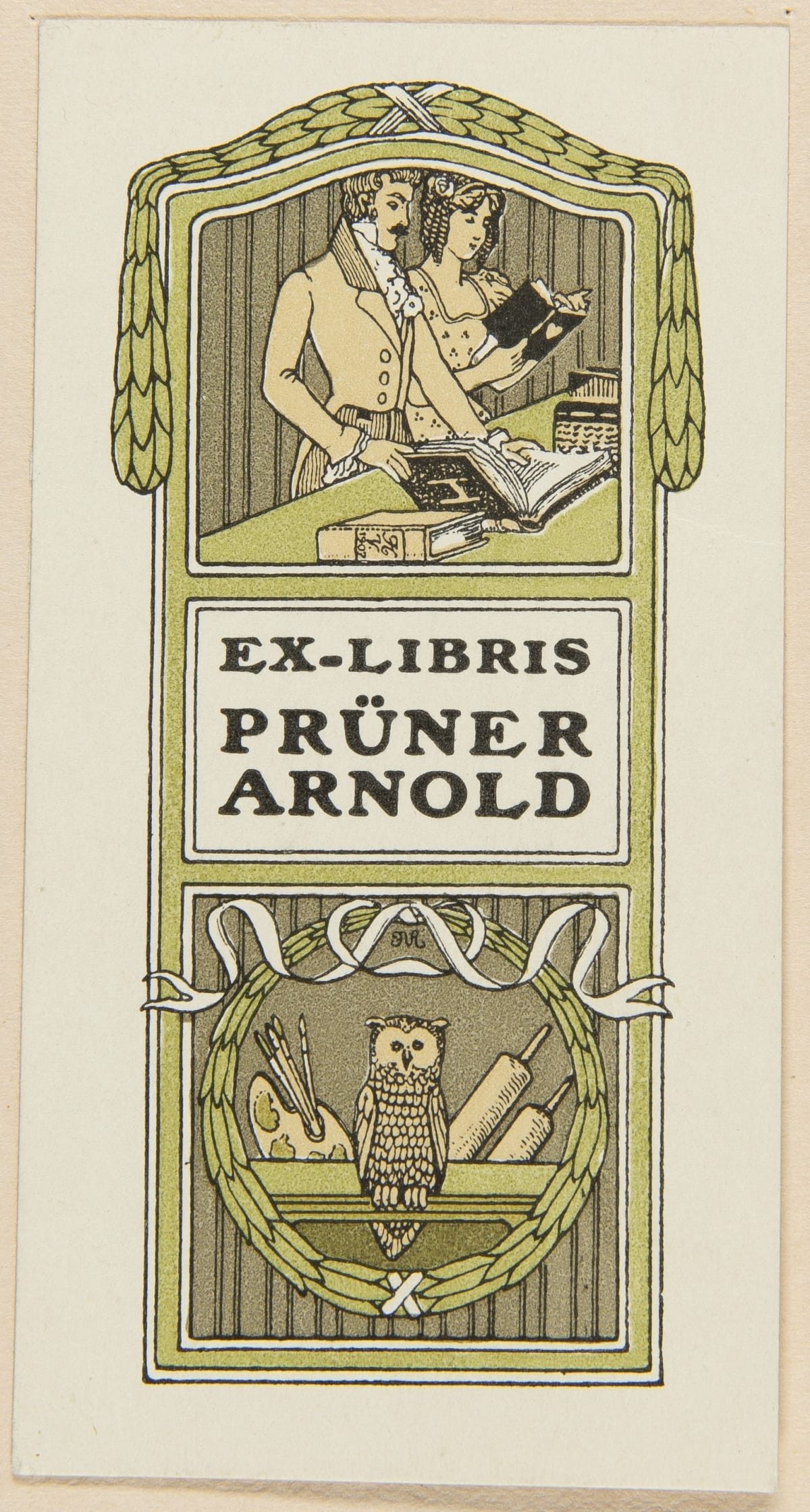
- Bookplate of Pruner Arnold, circa 1907 - Bookplates show ownership, but they can also tell us more. Often pasted on the inside of a book's front cover or endpaper, these printed labels contain the owner's name and sometimes the words "ex-libris" (Latin for "from the library of"). Coats of arms, crests, other decorative images, poems, mottoes, and even font type provide insight into the beliefs, passions, and interests of the book's owner.
- circa 1907
- Collections - Artifact
Bookplate of Pruner Arnold, circa 1907
Bookplates show ownership, but they can also tell us more. Often pasted on the inside of a book's front cover or endpaper, these printed labels contain the owner's name and sometimes the words "ex-libris" (Latin for "from the library of"). Coats of arms, crests, other decorative images, poems, mottoes, and even font type provide insight into the beliefs, passions, and interests of the book's owner.
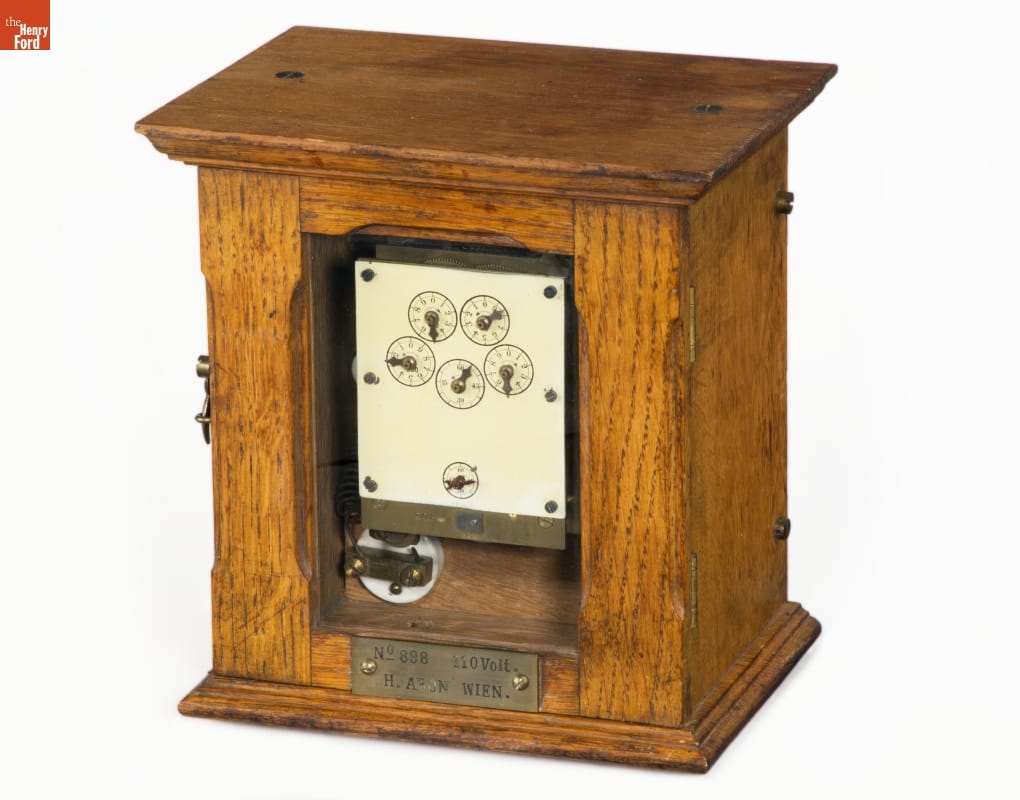
- H. Aron Meter, Used by the Budapest General Electric Company, 1899 - Hermann Aron, a German physicist and lecturer-turned-manufacturer, developed a pendulum watt-hour meter in the 1880s for companies that supplied electricity to consumers in Europe's growing urban areas. Swinging pendulums turned hands on dials that accurately registered how much electricity customers used--so companies could charge appropriate rates. Aron's pendulum meters remained practical until less expensive motor meters became standard.
- 1899
- Collections - Artifact
H. Aron Meter, Used by the Budapest General Electric Company, 1899
Hermann Aron, a German physicist and lecturer-turned-manufacturer, developed a pendulum watt-hour meter in the 1880s for companies that supplied electricity to consumers in Europe's growing urban areas. Swinging pendulums turned hands on dials that accurately registered how much electricity customers used--so companies could charge appropriate rates. Aron's pendulum meters remained practical until less expensive motor meters became standard.