
Search
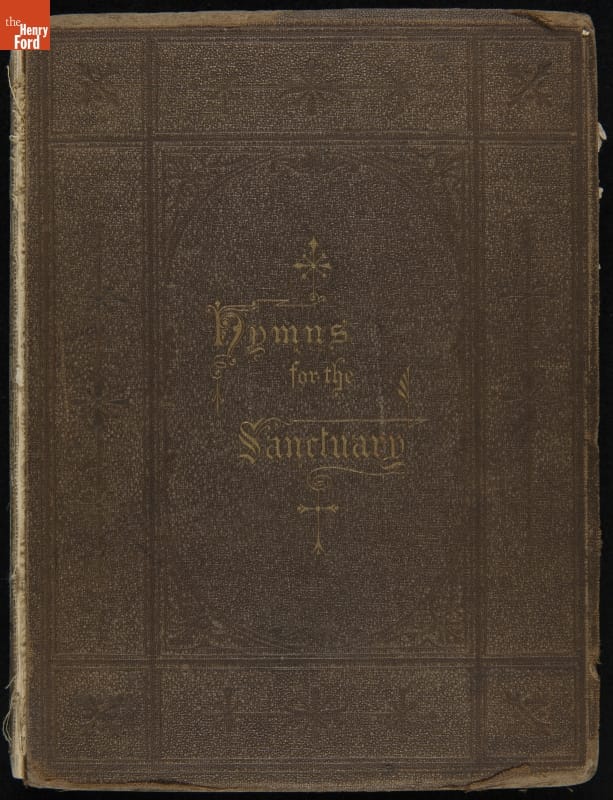
- Book Used by Milton Wright, "Hymns for the Sanctuary," 1874 - Milton Wright maintained an extensive library in his Dayton, Ohio, home. Wright was a Bishop of the Church of the United Brethren in Christ, so it's not surprising that religious studies, hymnals, and rhetoric guides were among his volumes. Wright's sons, Wilbur and Orville, used the bishop's books on physics and ornithology to start their research on the problem of human flight.
- 1874
- Collections - Artifact
Book Used by Milton Wright, "Hymns for the Sanctuary," 1874
Milton Wright maintained an extensive library in his Dayton, Ohio, home. Wright was a Bishop of the Church of the United Brethren in Christ, so it's not surprising that religious studies, hymnals, and rhetoric guides were among his volumes. Wright's sons, Wilbur and Orville, used the bishop's books on physics and ornithology to start their research on the problem of human flight.
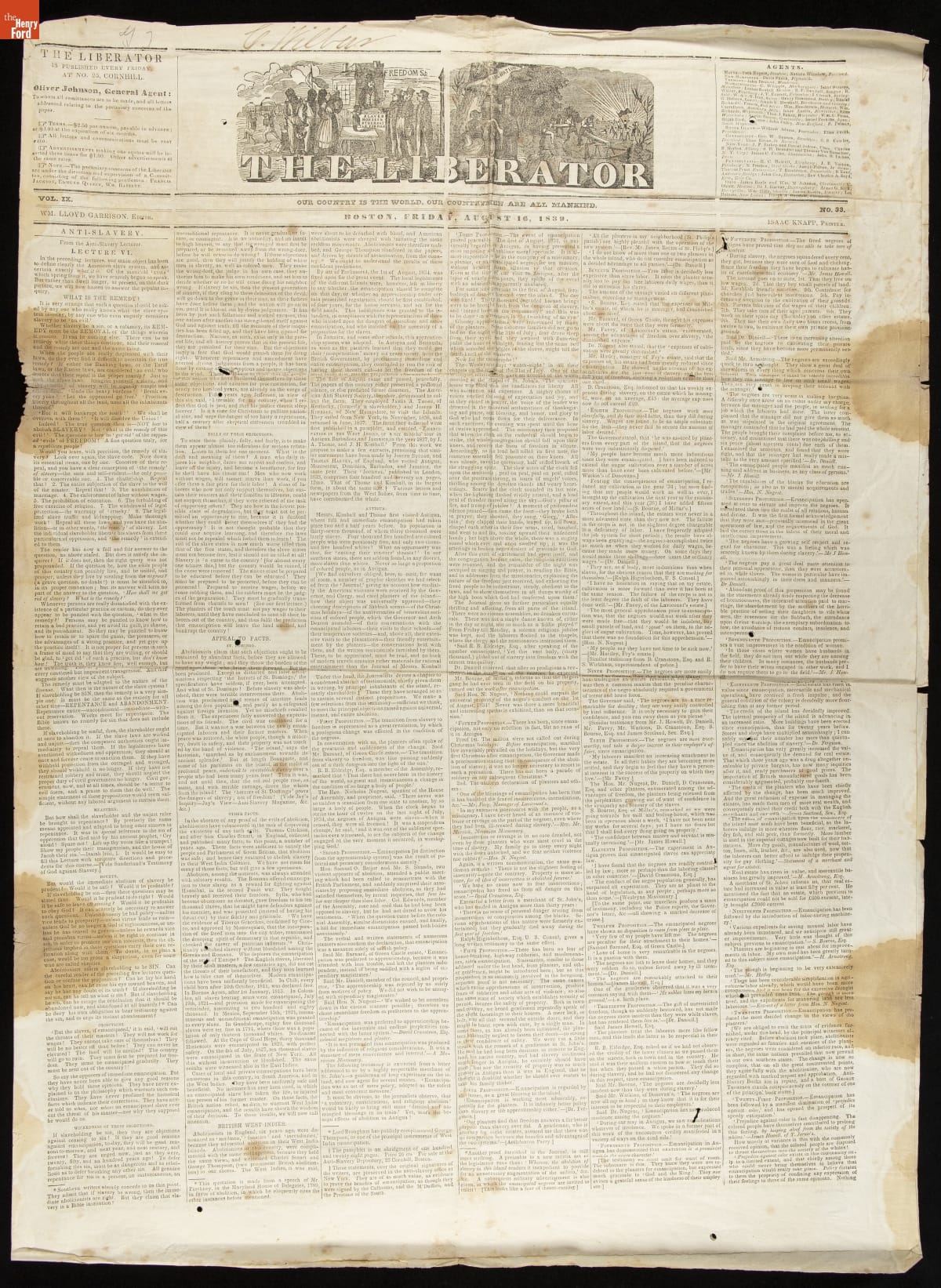
- The Liberator, Vol. 9, No. 33, August 16, 1839 -
- August 16, 1839
- Collections - Artifact
The Liberator, Vol. 9, No. 33, August 16, 1839
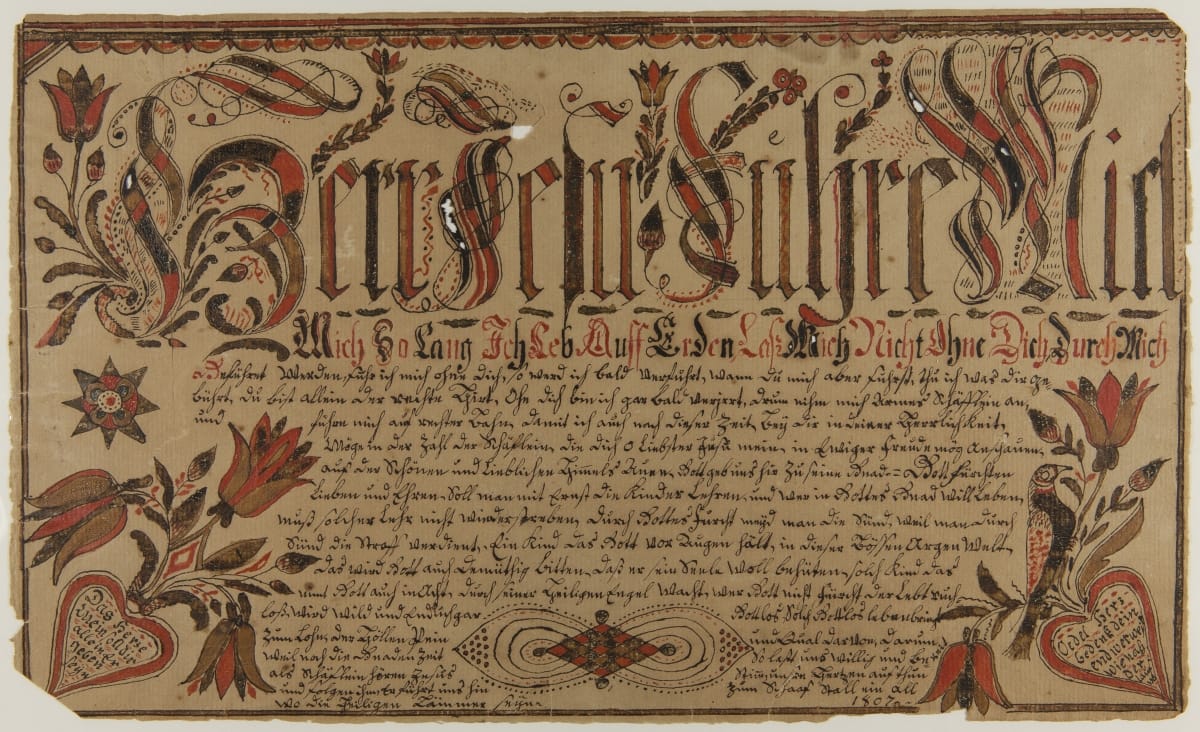
- Fraktur, 1807 - Early German immigrants created decorative documents, known as Fraktur, for a variety of reasons. Many commemorated a child's birth and baptism. Others were made as keepsakes, symbols of achievement or expressions of the immigrant's heritage or religion. These documents usually incorporated intricate lettering, elaborate borders and colorful drawings. In 1807, Susanna Hubner created this manuscript and embellished it with stylized flowers, hearts and a bird.
- August 29, 1807
- Collections - Artifact
Fraktur, 1807
Early German immigrants created decorative documents, known as Fraktur, for a variety of reasons. Many commemorated a child's birth and baptism. Others were made as keepsakes, symbols of achievement or expressions of the immigrant's heritage or religion. These documents usually incorporated intricate lettering, elaborate borders and colorful drawings. In 1807, Susanna Hubner created this manuscript and embellished it with stylized flowers, hearts and a bird.
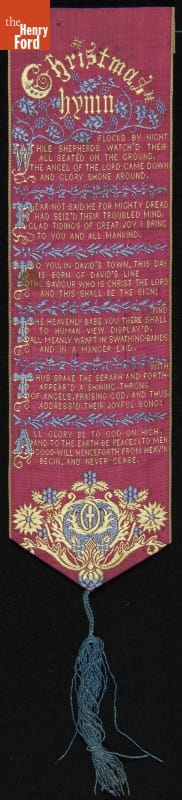
- Stevengraph Bookmark, "Christmas Hymn," 1860-1890 -
- 1860-1890
- Collections - Artifact
Stevengraph Bookmark, "Christmas Hymn," 1860-1890
- Season's Greetings, From Our House to Your House, 1954 -
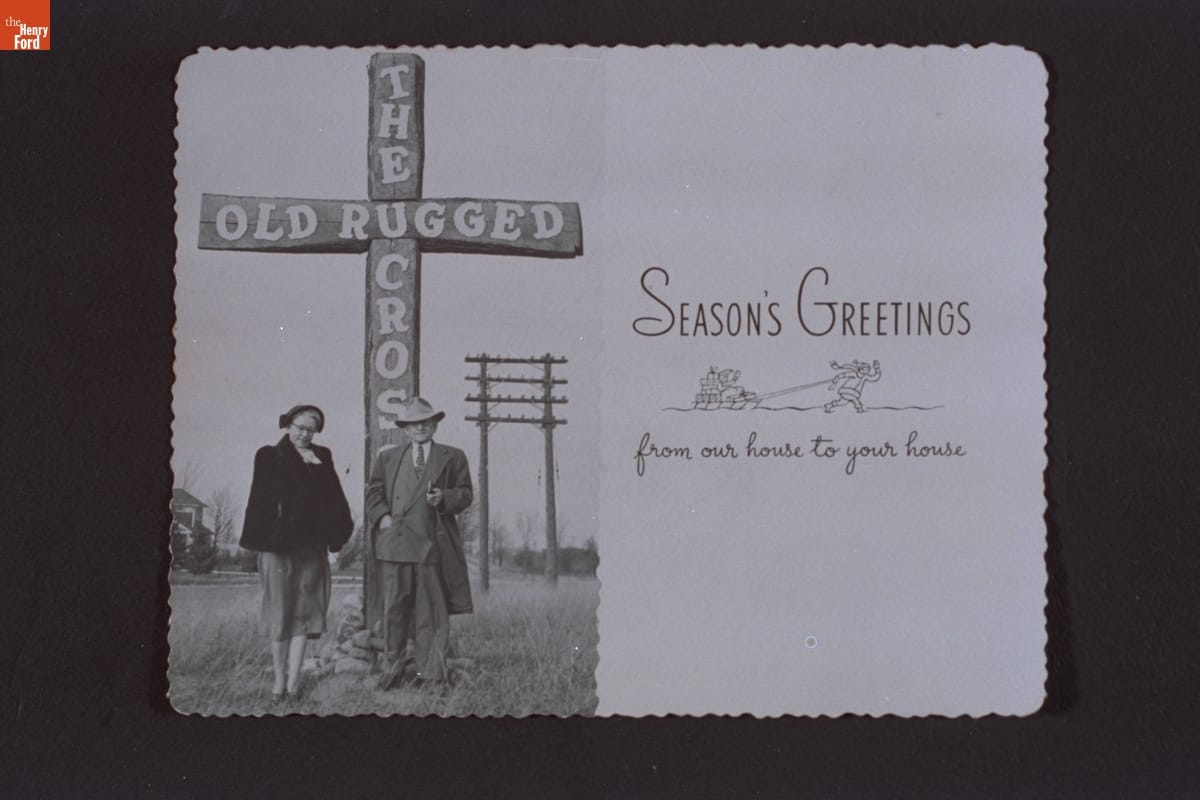
- September 01, 1954
- Collections - Artifact
Season's Greetings, From Our House to Your House, 1954
- "The Pilgrim Hymnal," Revised Edition, copyright 1935 -
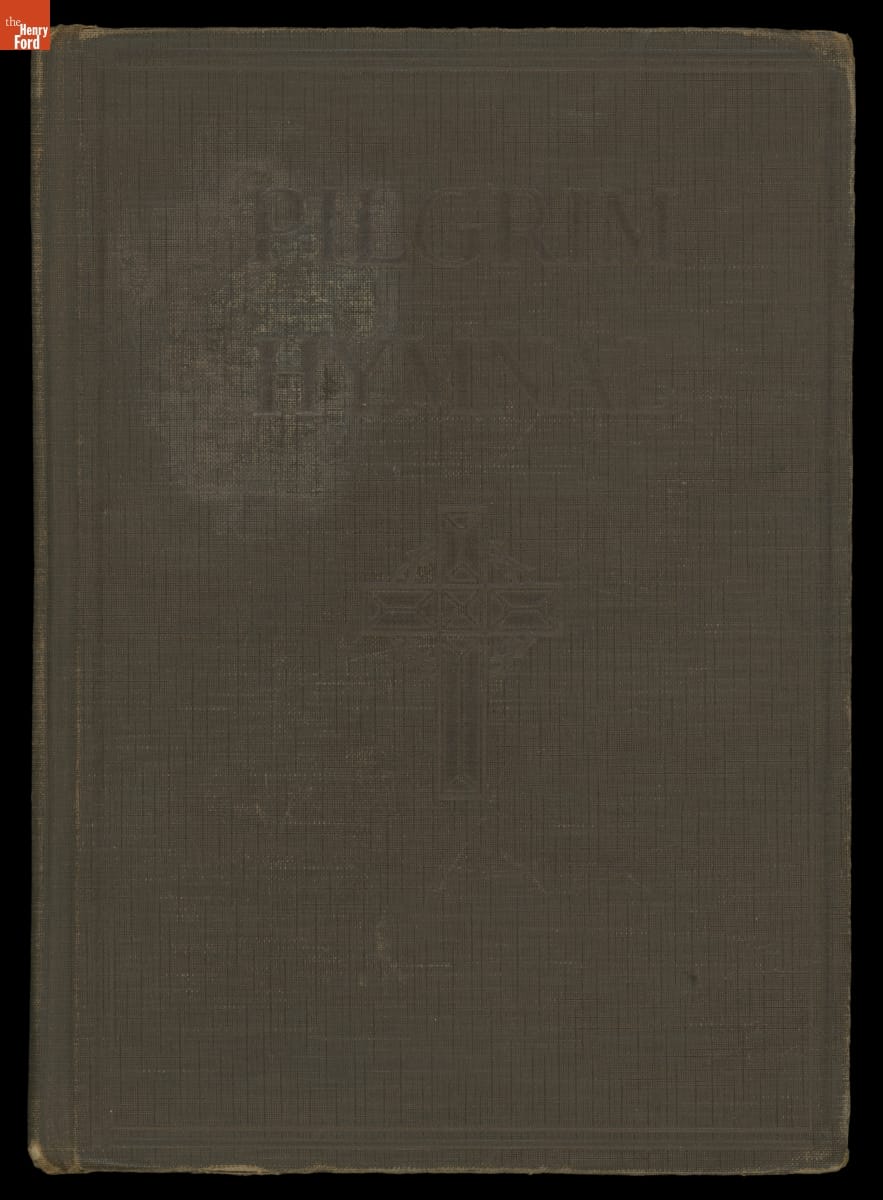
- 1931-1935
- Collections - Artifact
"The Pilgrim Hymnal," Revised Edition, copyright 1935
- "That This World's Empty Glory is Costing Me Too Dear," Drawing for the Magic Lantern Slide Series "Tell Me the Old, Old Story," 1899 - Joseph Boggs Beale created artwork that was reproduced to make magic lantern slides. His works include some of the most artistic slide illustrations made in the late-19th and early-20th centuries. Beale was also prolific, producing more than 2000 images used in over 250 different lantern slide sets. Beale made this drawing to illustrate a verse from the religious hymn, "Tell Me the Old, Old Story."
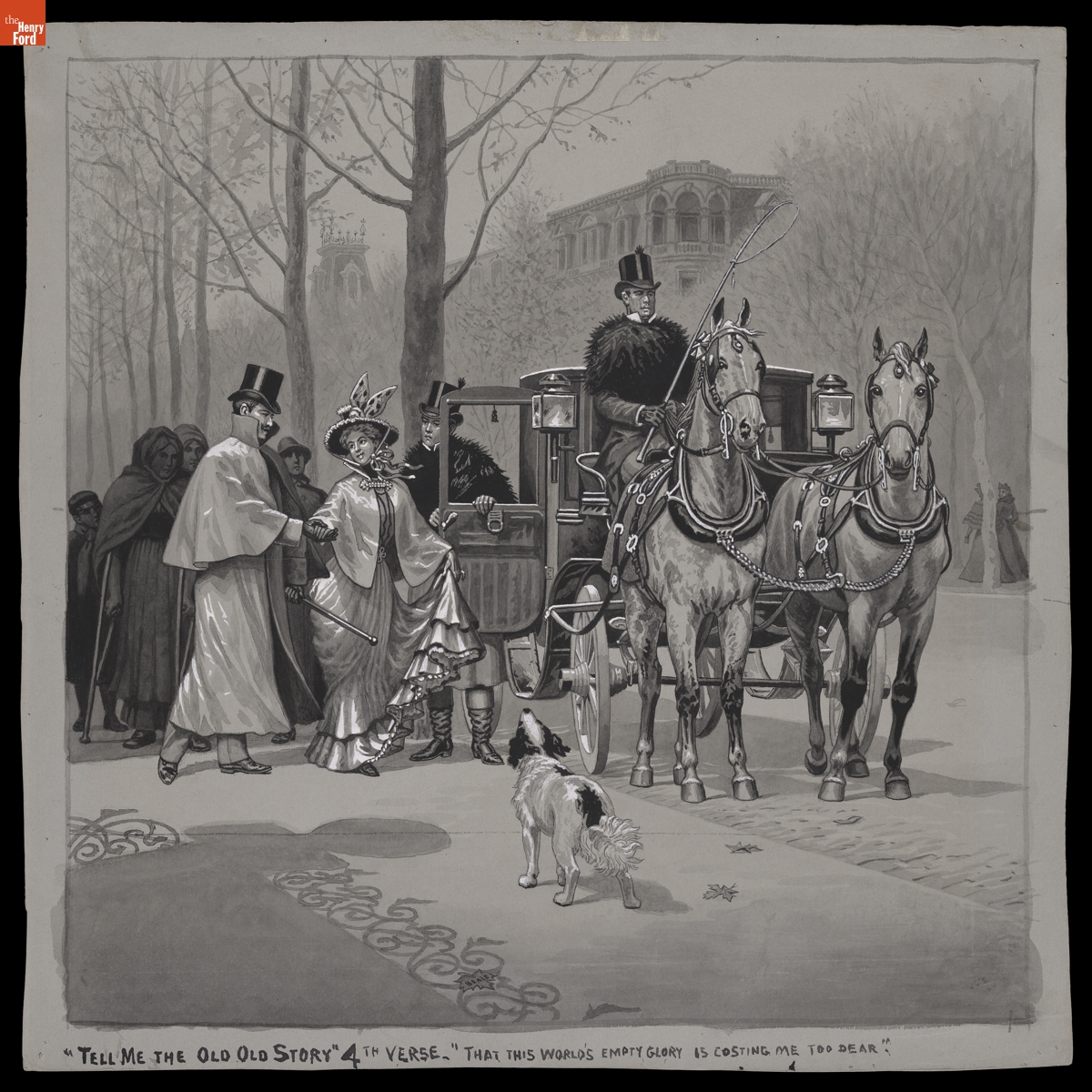
- 1899
- Collections - Artifact
"That This World's Empty Glory is Costing Me Too Dear," Drawing for the Magic Lantern Slide Series "Tell Me the Old, Old Story," 1899
Joseph Boggs Beale created artwork that was reproduced to make magic lantern slides. His works include some of the most artistic slide illustrations made in the late-19th and early-20th centuries. Beale was also prolific, producing more than 2000 images used in over 250 different lantern slide sets. Beale made this drawing to illustrate a verse from the religious hymn, "Tell Me the Old, Old Story."
- Hallmark "Praise the Day" Christmas Ornament, 1999 - Already known for greeting cards, Hallmark introduced a line of Christmas ornaments in 1973. The company's annual release of an increasing array of ornaments revolutionized Christmas decorating, appealing to customers' interest in marking memories and milestones as well as expressing one's personality and unique tastes.
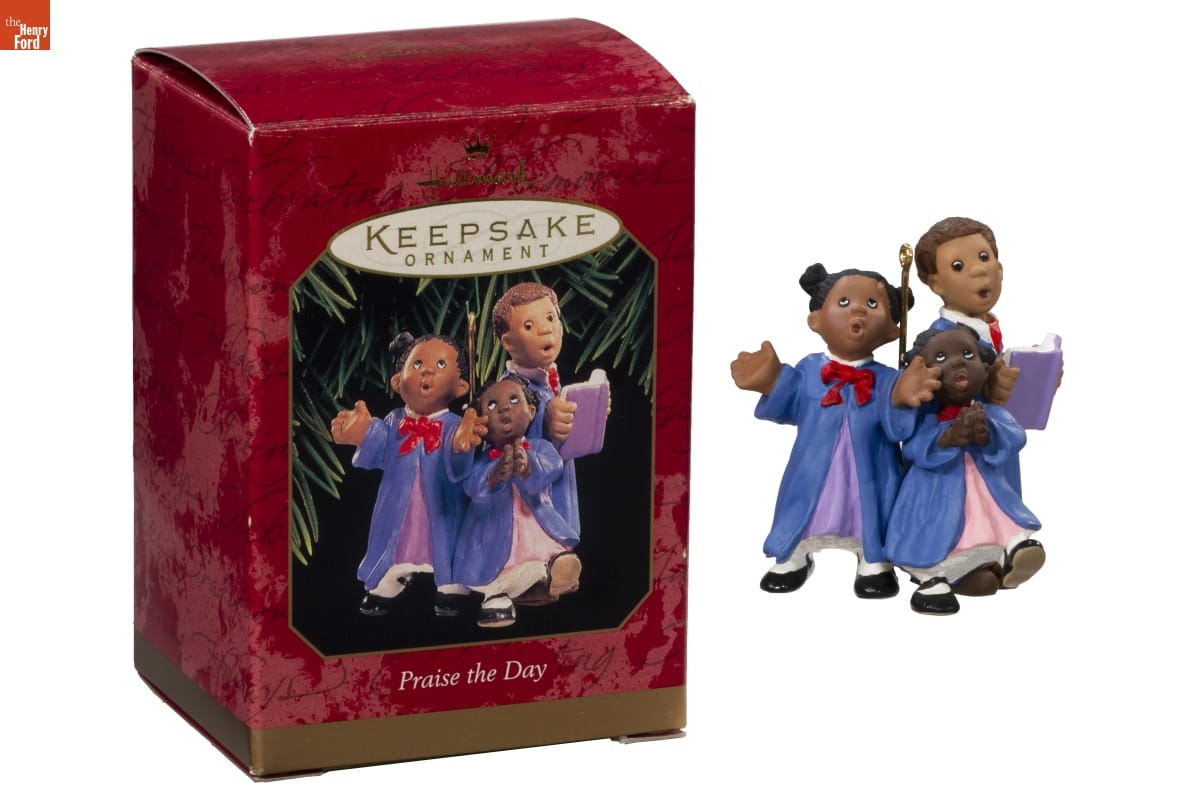
- 1999
- Collections - Artifact
Hallmark "Praise the Day" Christmas Ornament, 1999
Already known for greeting cards, Hallmark introduced a line of Christmas ornaments in 1973. The company's annual release of an increasing array of ornaments revolutionized Christmas decorating, appealing to customers' interest in marking memories and milestones as well as expressing one's personality and unique tastes.
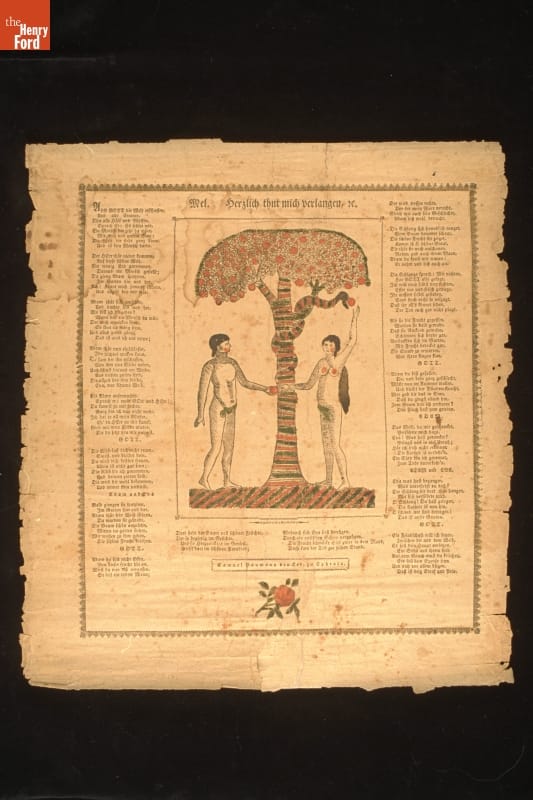
- Hymn, "Als Gott die Welt erschaffen," circa 1811 - Early German immigrants created decorative documents, known as Fraktur, for a variety of reasons. Many commemorated a child's birth and baptism. Others were made as keepsakes, symbols of achievement or expressions of the immigrant's heritage or religion. This broadside contains a hand-colored print and hymn recounting the creation of Adam and Eve and their fall into sin.
- circa 1811
- Collections - Artifact
Hymn, "Als Gott die Welt erschaffen," circa 1811
Early German immigrants created decorative documents, known as Fraktur, for a variety of reasons. Many commemorated a child's birth and baptism. Others were made as keepsakes, symbols of achievement or expressions of the immigrant's heritage or religion. This broadside contains a hand-colored print and hymn recounting the creation of Adam and Eve and their fall into sin.
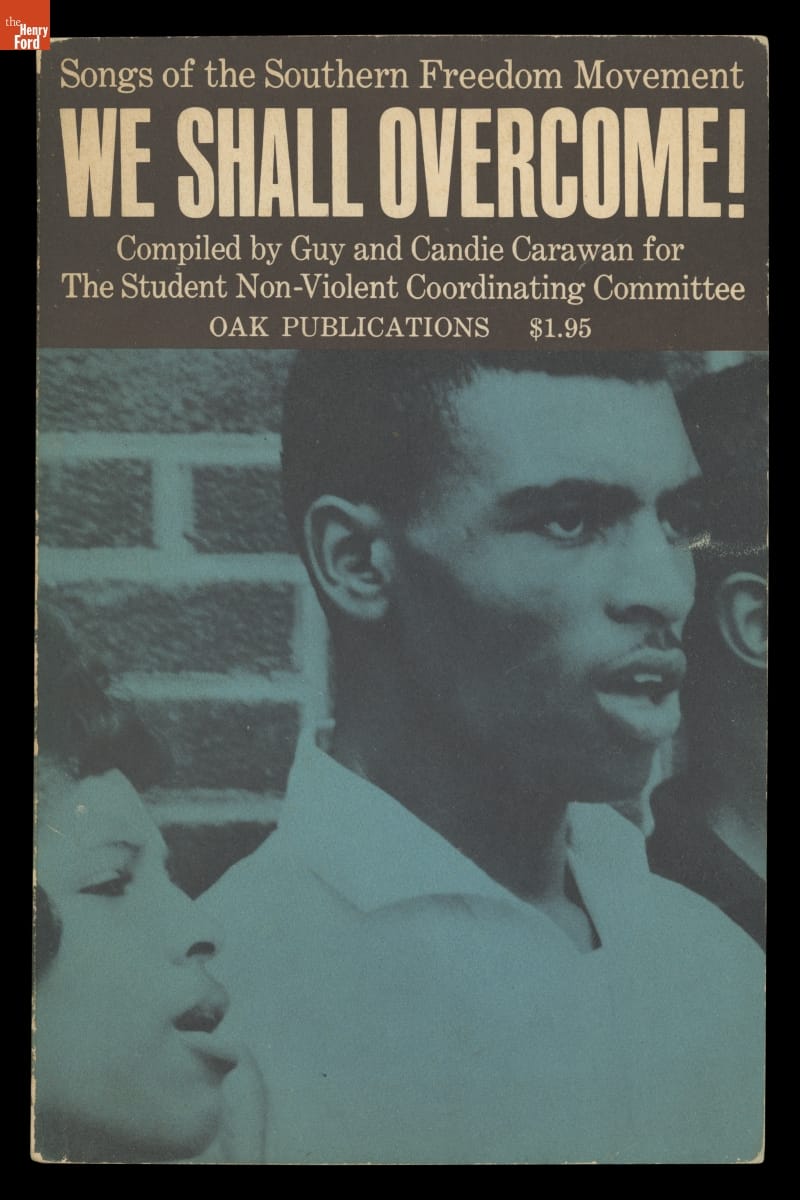
- "Songs of the Southern Freedom Movement: We Shall Overcome!," 1963 -
- 1963
- Collections - Artifact
"Songs of the Southern Freedom Movement: We Shall Overcome!," 1963