
Search
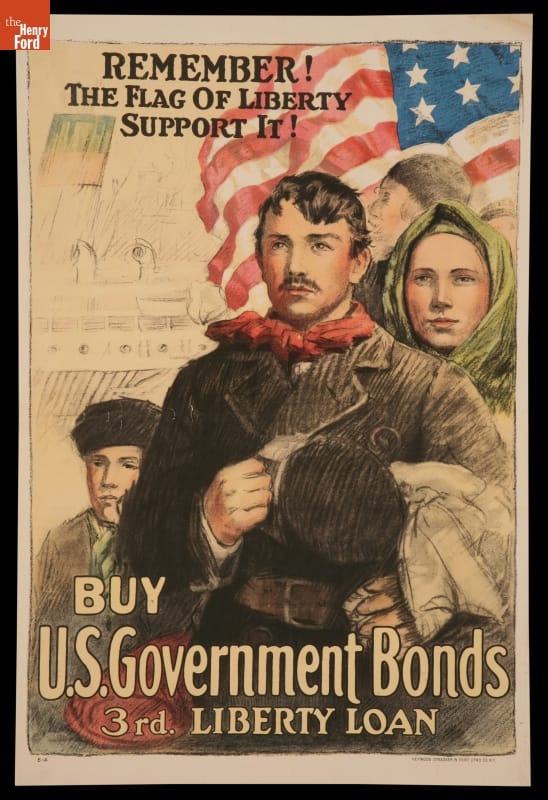
- World War I Poster, "Remember the Flag of Liberty, Support It!," 1918 -
- 1918
- Collections - Artifact
World War I Poster, "Remember the Flag of Liberty, Support It!," 1918
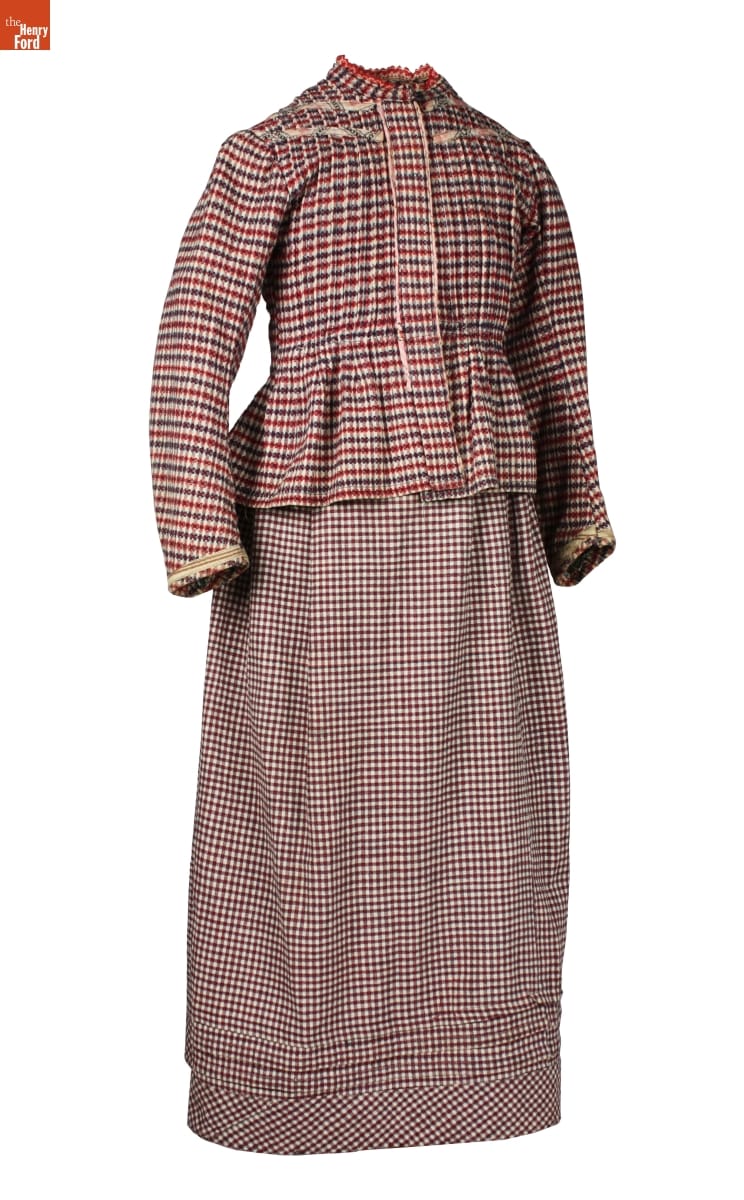
- Dress Worn by Anastasia Tournas, 1914 -
- 1914
- Collections - Artifact
Dress Worn by Anastasia Tournas, 1914
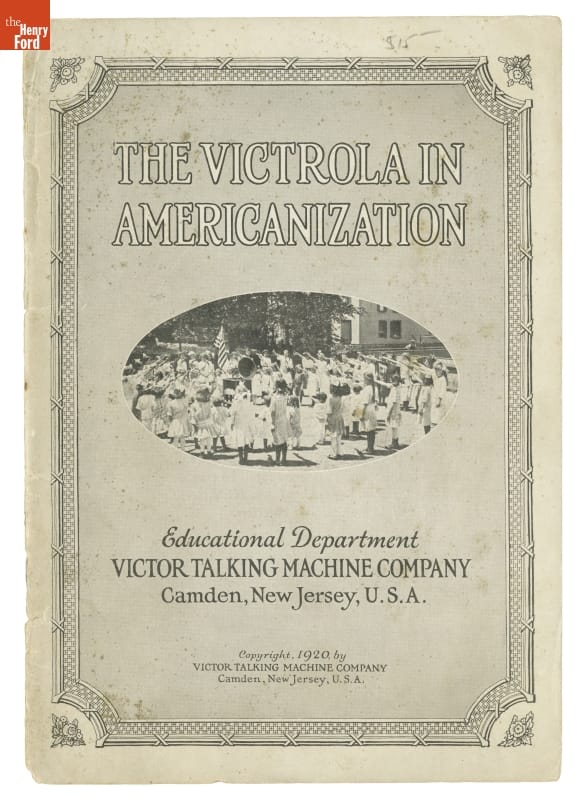
- Victor Talking Machine Company Sales Catalog, "The Victrola in Americanization," 1920 - The Victor Talking Machine Company, founded by Eldridge R. Johnson in 1901 was a leading American producer of phonographs and phonograph recordings. In 1911, Victor established an educational department headed by Mrs. Frances Elliot Clark with the goal to develop early music appreciation. This educational catalog explained how Victor's Victrola phonographs could help recent immigrants assimilate into American society.
- 1920
- Collections - Artifact
Victor Talking Machine Company Sales Catalog, "The Victrola in Americanization," 1920
The Victor Talking Machine Company, founded by Eldridge R. Johnson in 1901 was a leading American producer of phonographs and phonograph recordings. In 1911, Victor established an educational department headed by Mrs. Frances Elliot Clark with the goal to develop early music appreciation. This educational catalog explained how Victor's Victrola phonographs could help recent immigrants assimilate into American society.
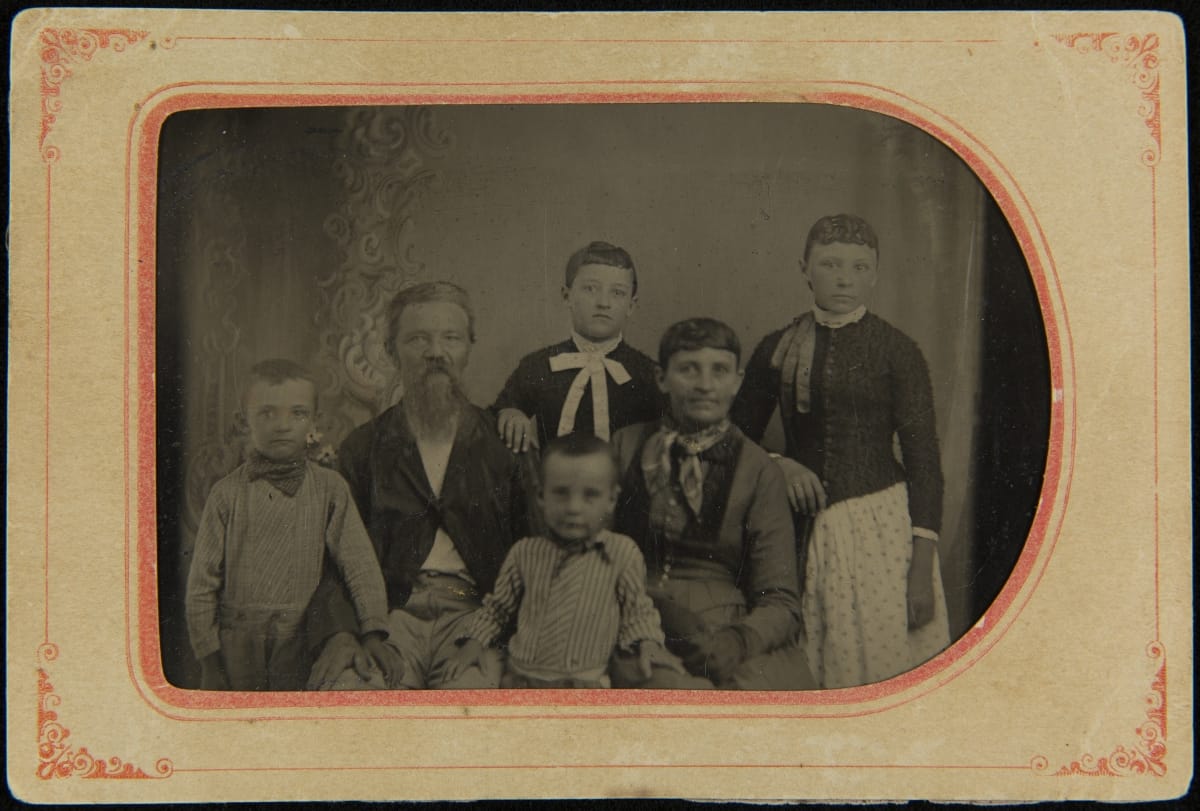
- George Koohns' Family Portrait, Union Township, Perry County, Indiana, circa 1890 - Tintypes, the popular "instant photographs" of the 19th century, could be produced in a matter of minutes at a price most people could afford. Tintypes democratized photography. Beginning in the mid-1850s, they gave more people than ever before the chance to have a real likeness of themselves--capturing unique glimpses of how everyday Americans looked and lived.
- circa 1890
- Collections - Artifact
George Koohns' Family Portrait, Union Township, Perry County, Indiana, circa 1890
Tintypes, the popular "instant photographs" of the 19th century, could be produced in a matter of minutes at a price most people could afford. Tintypes democratized photography. Beginning in the mid-1850s, they gave more people than ever before the chance to have a real likeness of themselves--capturing unique glimpses of how everyday Americans looked and lived.
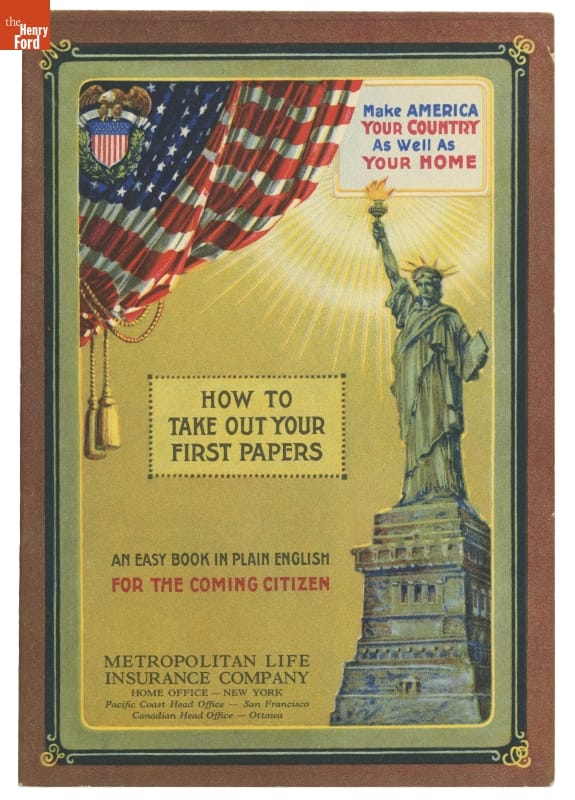
- "How to Take Out Your First Papers: An Easy Book in Plain English for the Coming Citizen," circa 1923 - In the early 20th century, mass immigration posed the challenge of integrating, or assimilating, immigrants into American society. Anglo-Americans believed that Americanization was the first step towards assimilation into a greater nation. This pamphlet is an example of a private agency that established an Americanization program to help immigrants learn American values and ultimately gain United States citizenship.
- circa 1923
- Collections - Artifact
"How to Take Out Your First Papers: An Easy Book in Plain English for the Coming Citizen," circa 1923
In the early 20th century, mass immigration posed the challenge of integrating, or assimilating, immigrants into American society. Anglo-Americans believed that Americanization was the first step towards assimilation into a greater nation. This pamphlet is an example of a private agency that established an Americanization program to help immigrants learn American values and ultimately gain United States citizenship.
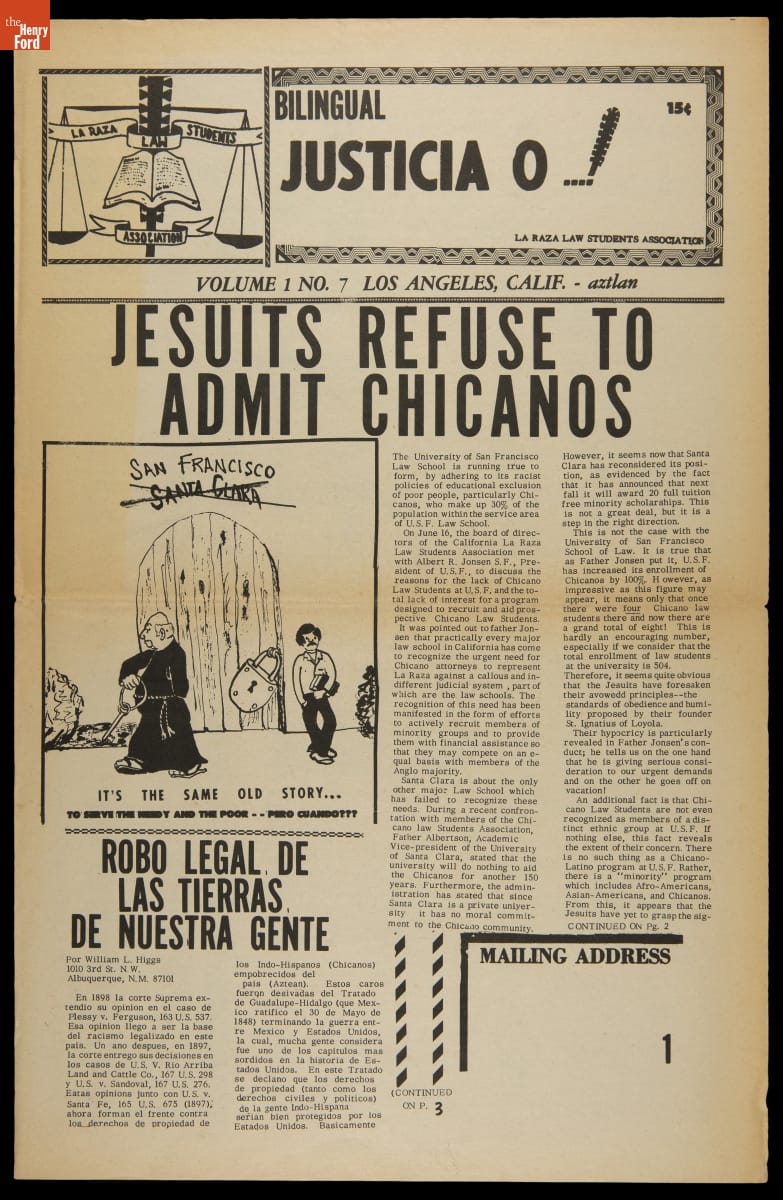
- "Justicia O..!" Vol. 1 No. 7 -
- Collections - Artifact
"Justicia O..!" Vol. 1 No. 7
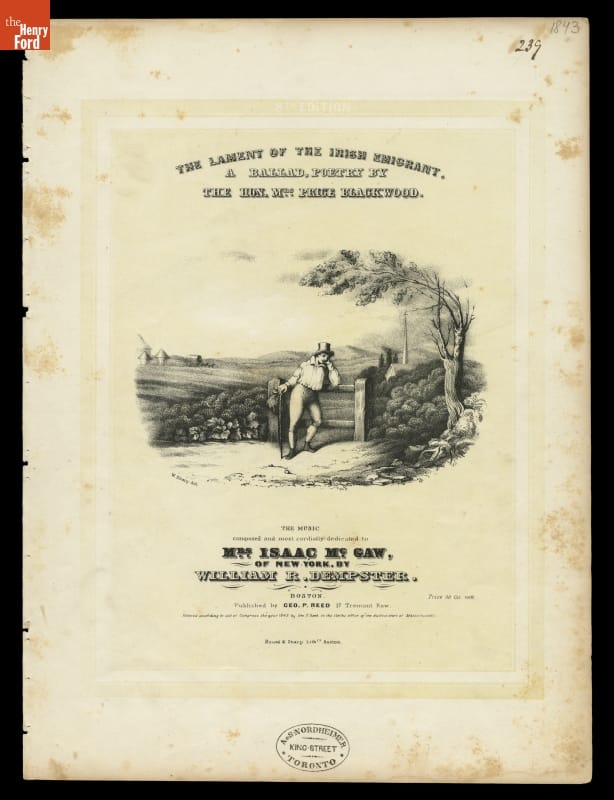
- Music Sheet, "Lament of the Irish Emigrant," 1843 -
- 1843
- Collections - Artifact
Music Sheet, "Lament of the Irish Emigrant," 1843
- New York City Skyline and Harbor from Brooklyn, Panoramic View, circa 1900 - From 1895 to 1924, the Detroit Publishing Company was one of the major image publishers in the world. The company's wide-ranging stock of original photographs documented life and landscapes from across the nation and around the globe. From the tens of thousands of negatives, the company created prints, postcards, lantern slides, panoramas, and other merchandise for sale to educators, businessmen, advertisers, homeowners and travelers.

- circa 1900
- Collections - Artifact
New York City Skyline and Harbor from Brooklyn, Panoramic View, circa 1900
From 1895 to 1924, the Detroit Publishing Company was one of the major image publishers in the world. The company's wide-ranging stock of original photographs documented life and landscapes from across the nation and around the globe. From the tens of thousands of negatives, the company created prints, postcards, lantern slides, panoramas, and other merchandise for sale to educators, businessmen, advertisers, homeowners and travelers.
- New York City Skyline and Harbor from Brooklyn, Panoramic View, circa 1903 - From 1895 to 1924, the Detroit Publishing Company was one of the major image publishers in the world. The company's wide-ranging stock of original photographs documented life and landscapes from across the nation and around the globe. From the tens of thousands of negatives, the company created prints, postcards, lantern slides, panoramas, and other merchandise for sale to educators, businessmen, advertisers, homeowners and travelers.

- circa 1903
- Collections - Artifact
New York City Skyline and Harbor from Brooklyn, Panoramic View, circa 1903
From 1895 to 1924, the Detroit Publishing Company was one of the major image publishers in the world. The company's wide-ranging stock of original photographs documented life and landscapes from across the nation and around the globe. From the tens of thousands of negatives, the company created prints, postcards, lantern slides, panoramas, and other merchandise for sale to educators, businessmen, advertisers, homeowners and travelers.
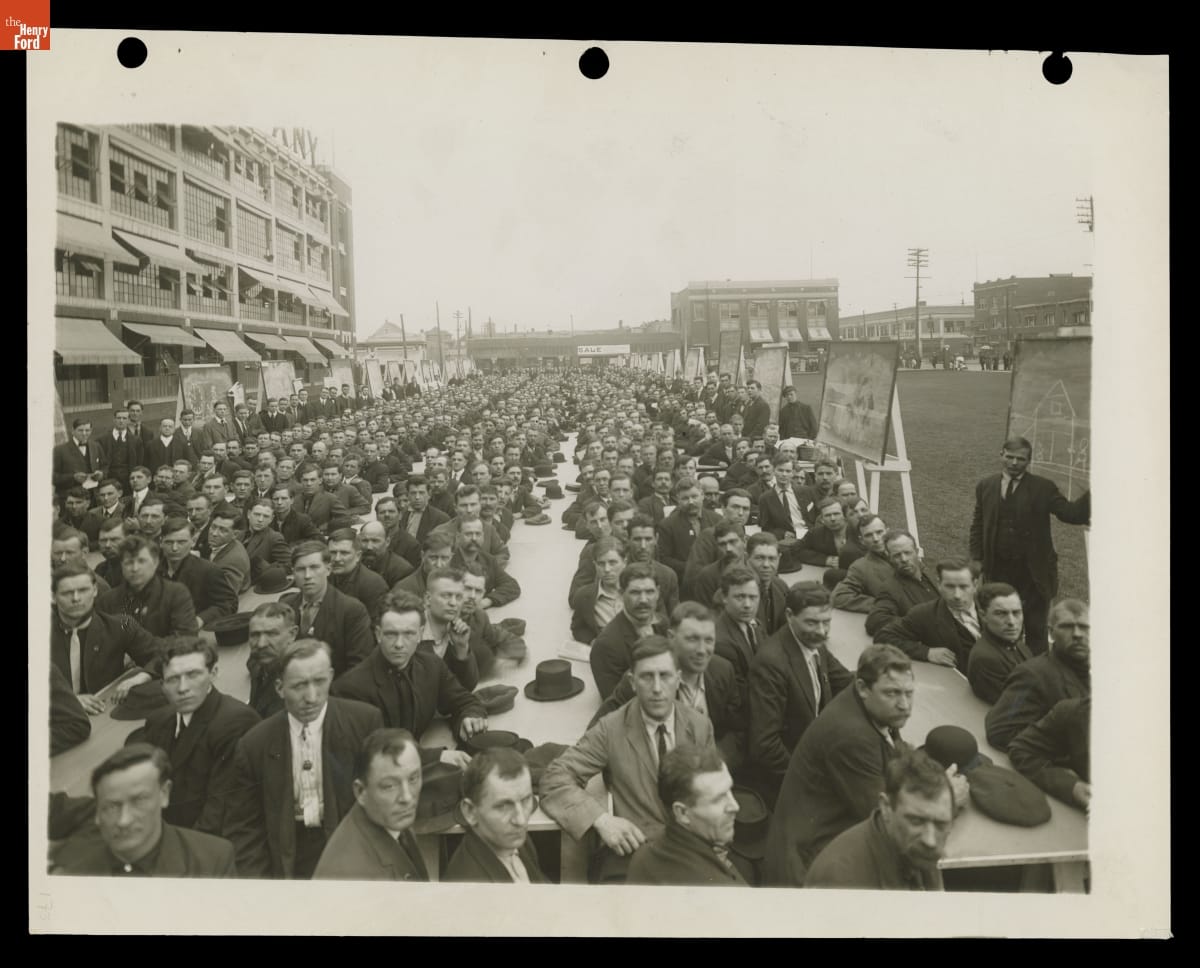
- Ford Motor Company Employees in an English Language Class, Highland Park Plant, 1915 - Founded in 1914, the Ford English School taught foreign-born Ford Motor Company employees to read, write and speak English. The instructors were foremen, clerks and workmen from the Highland Park plant who volunteered their time to teach their co-workers. The school began with 20 students and one instructor, and it grew to more than 2,200 students and nearly 150 instructors by 1916.
- 1915
- Collections - Artifact
Ford Motor Company Employees in an English Language Class, Highland Park Plant, 1915
Founded in 1914, the Ford English School taught foreign-born Ford Motor Company employees to read, write and speak English. The instructors were foremen, clerks and workmen from the Highland Park plant who volunteered their time to teach their co-workers. The school began with 20 students and one instructor, and it grew to more than 2,200 students and nearly 150 instructors by 1916.