
Search
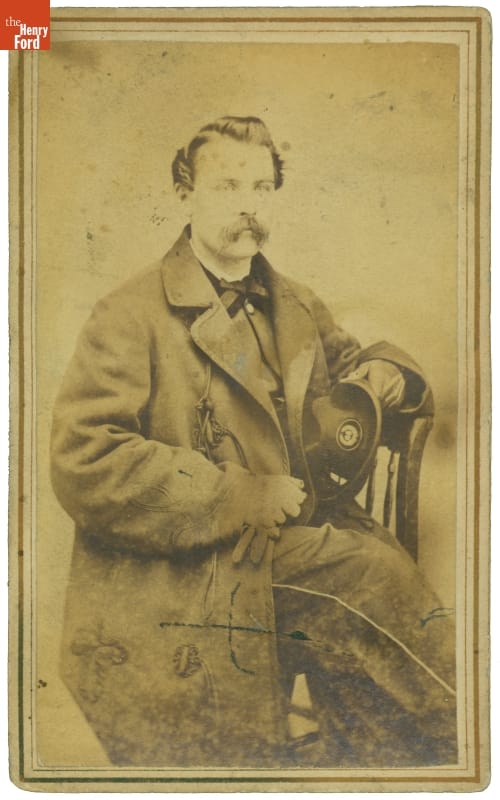
- Portrait of 1st Lieutenant DeLoss C. LeBaron, 18th Michigan Infantry, Company B, 1865 - A.J. Hoag of Tecumseh, Michigan, made this bust portrait of Union Army infantry officer DeLoss C. LeBaron. Professional photographers made cartes-de-visite beginning in the 1860s. Mounted on small cardboard stock, these early photographic prints proved popular in the United States from the Civil War through the 1880s. Americans exchanged and collected CdVs to help them remember family and celebrities.
- 1865
- Collections - Artifact
Portrait of 1st Lieutenant DeLoss C. LeBaron, 18th Michigan Infantry, Company B, 1865
A.J. Hoag of Tecumseh, Michigan, made this bust portrait of Union Army infantry officer DeLoss C. LeBaron. Professional photographers made cartes-de-visite beginning in the 1860s. Mounted on small cardboard stock, these early photographic prints proved popular in the United States from the Civil War through the 1880s. Americans exchanged and collected CdVs to help them remember family and celebrities.
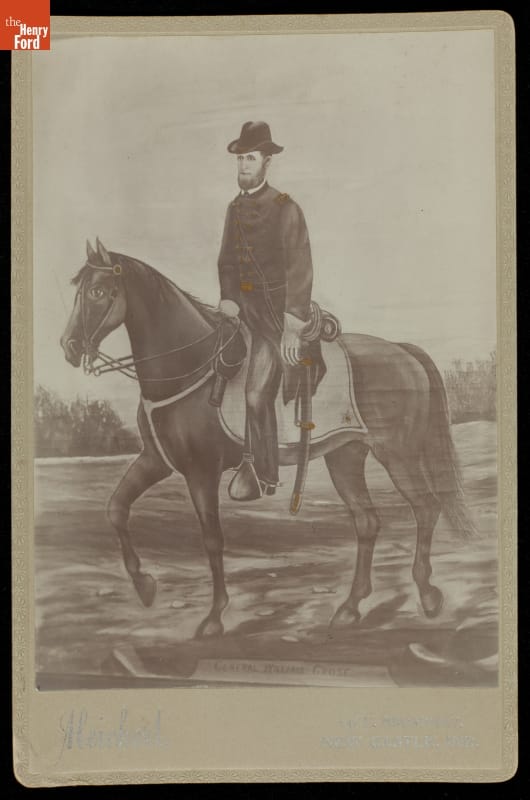
- Thomas Clarkson Gordon's Painting of Civil War General William Grose, 1861-1865 -
- 1861-1865
- Collections - Artifact
Thomas Clarkson Gordon's Painting of Civil War General William Grose, 1861-1865
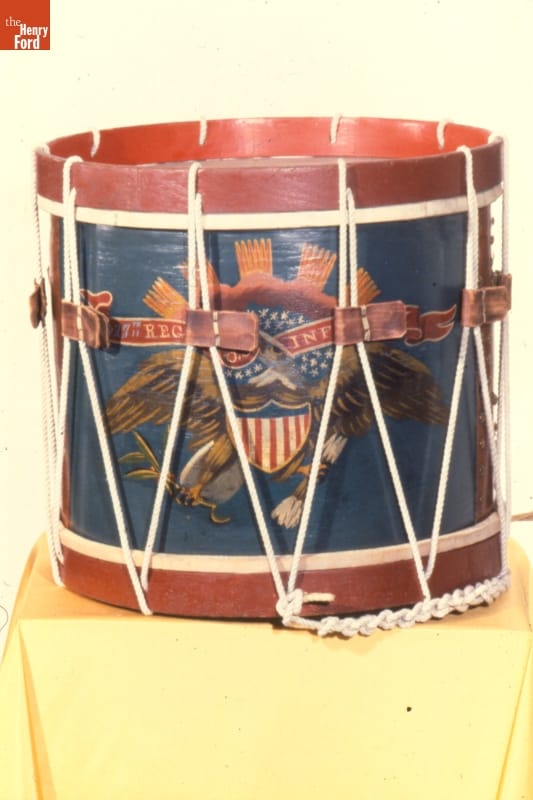
- Snare Drum Used by Frank G. Campbell, 17th Michigan Infantry Regiment, 1864 - A military drum provided rhythm for marching and was an important signaling device for troops in battle. This Civil War drum belonged to Frank G. Campbell, a member of the 17th Michigan Volunteer Infantry. The names of the battles in which his unit participated are painted on the side of the drum.
- 1864
- Collections - Artifact
Snare Drum Used by Frank G. Campbell, 17th Michigan Infantry Regiment, 1864
A military drum provided rhythm for marching and was an important signaling device for troops in battle. This Civil War drum belonged to Frank G. Campbell, a member of the 17th Michigan Volunteer Infantry. The names of the battles in which his unit participated are painted on the side of the drum.
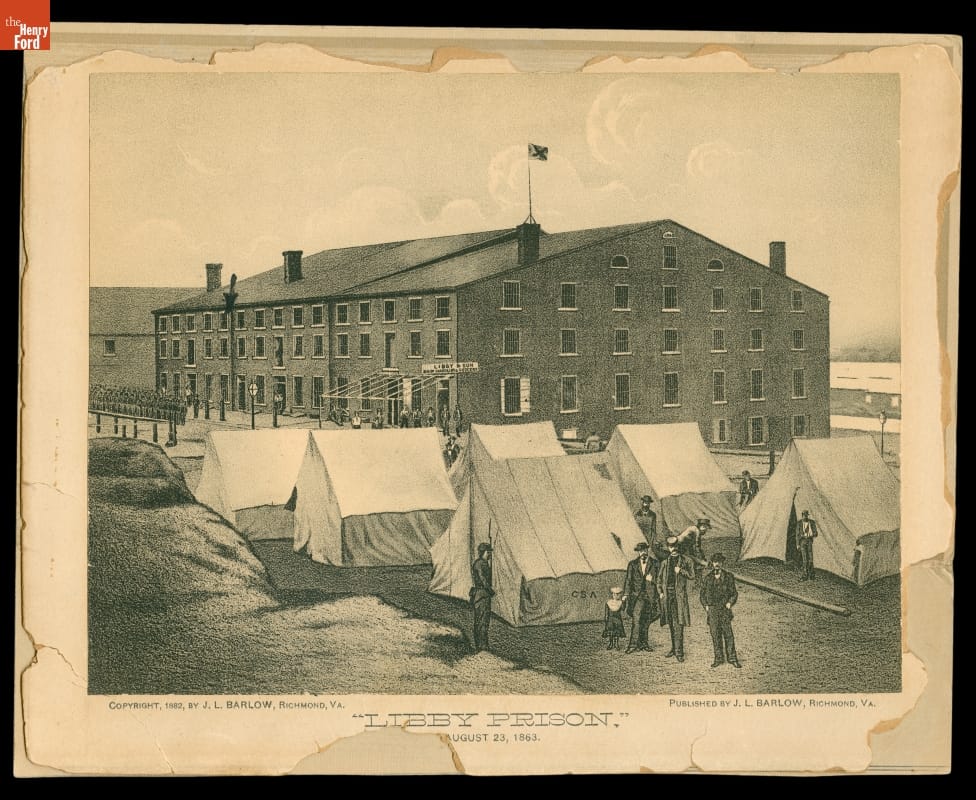
- Lithograph, Libby Prison as it Appeared on August 23, 1863 - This 1880s print is based on an 1863 photograph of the infamous Libby Prison in Richmond, Virginia. It belonged to Union Army Captain Milton Russell, who spent a year in the harsh conditions of this warehouse-turned-prison as a prisoner of war. Russell drew the arrow to mark the top floor room where he was allotted living space during his imprisonment.
- August 23, 1863
- Collections - Artifact
Lithograph, Libby Prison as it Appeared on August 23, 1863
This 1880s print is based on an 1863 photograph of the infamous Libby Prison in Richmond, Virginia. It belonged to Union Army Captain Milton Russell, who spent a year in the harsh conditions of this warehouse-turned-prison as a prisoner of war. Russell drew the arrow to mark the top floor room where he was allotted living space during his imprisonment.
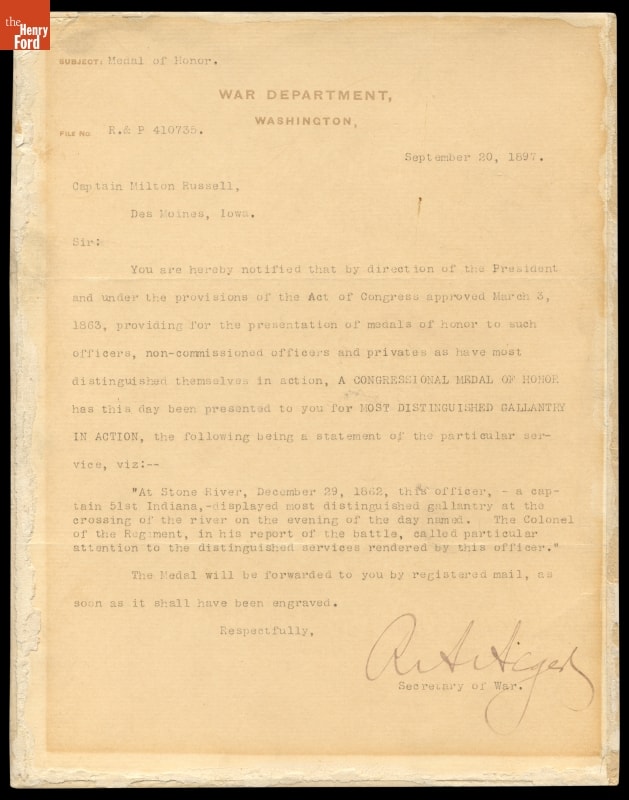
- Letter to Milton Russell Notifying Him of Congressional Medal of Honor Award, 1897 - Imagine Milton Russell's great surprise and delight when he received this letter from Russell Alger, the United States Secretary of War, in September 1897. It notified the former Union captain that he was to receive the Medal of Honor for valor shown during the Civil War Battle of Stones River in Tennessee, 35 years earlier.
- 1897
- Collections - Artifact
Letter to Milton Russell Notifying Him of Congressional Medal of Honor Award, 1897
Imagine Milton Russell's great surprise and delight when he received this letter from Russell Alger, the United States Secretary of War, in September 1897. It notified the former Union captain that he was to receive the Medal of Honor for valor shown during the Civil War Battle of Stones River in Tennessee, 35 years earlier.
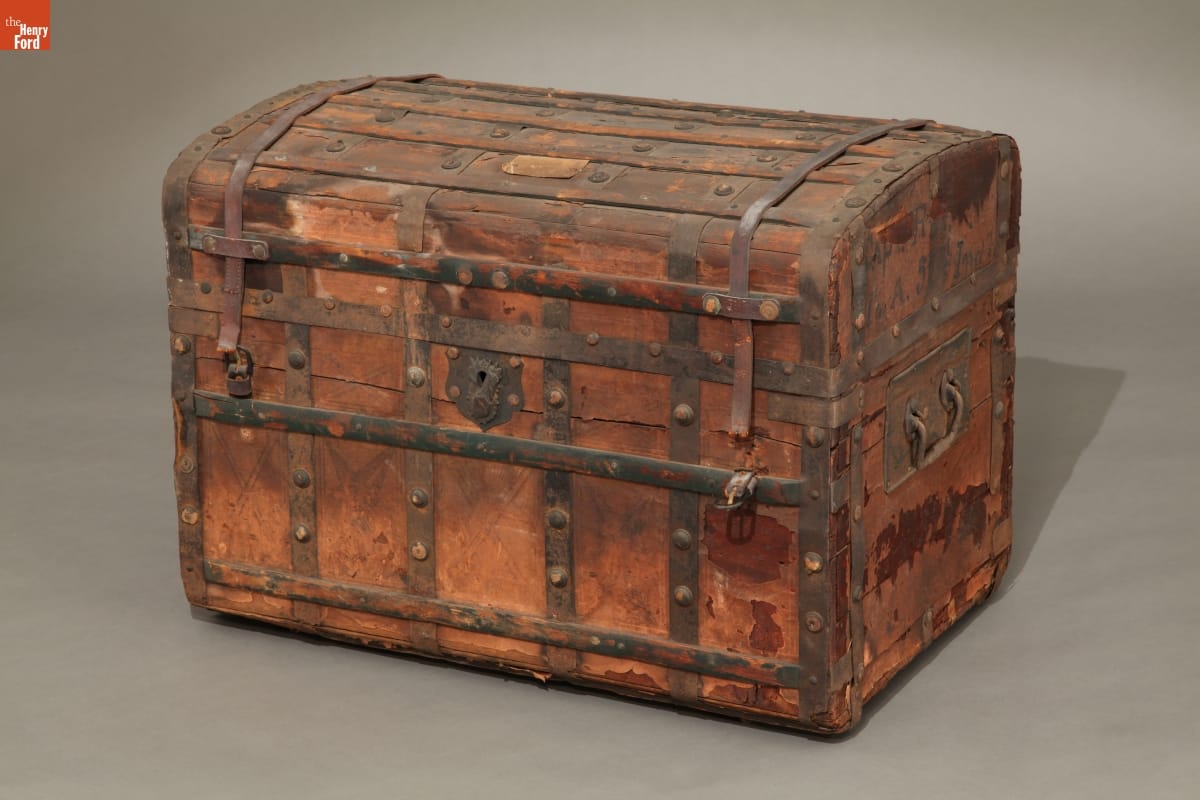
- Trunk Used by Captain Milton Russell during the Civil War - Union Army Captain Milton Russell used this trunk during the Civil War to carry things like clothing, personal effects, and military manuals and documents. Officers like Russell were allotted baggage space on military wagons, but they had to supply their own trunk and risked baggage wagons being separated from their regiments -- a common occurrence when soldiers were on active campaign.
- circa 1860
- Collections - Artifact
Trunk Used by Captain Milton Russell during the Civil War
Union Army Captain Milton Russell used this trunk during the Civil War to carry things like clothing, personal effects, and military manuals and documents. Officers like Russell were allotted baggage space on military wagons, but they had to supply their own trunk and risked baggage wagons being separated from their regiments -- a common occurrence when soldiers were on active campaign.
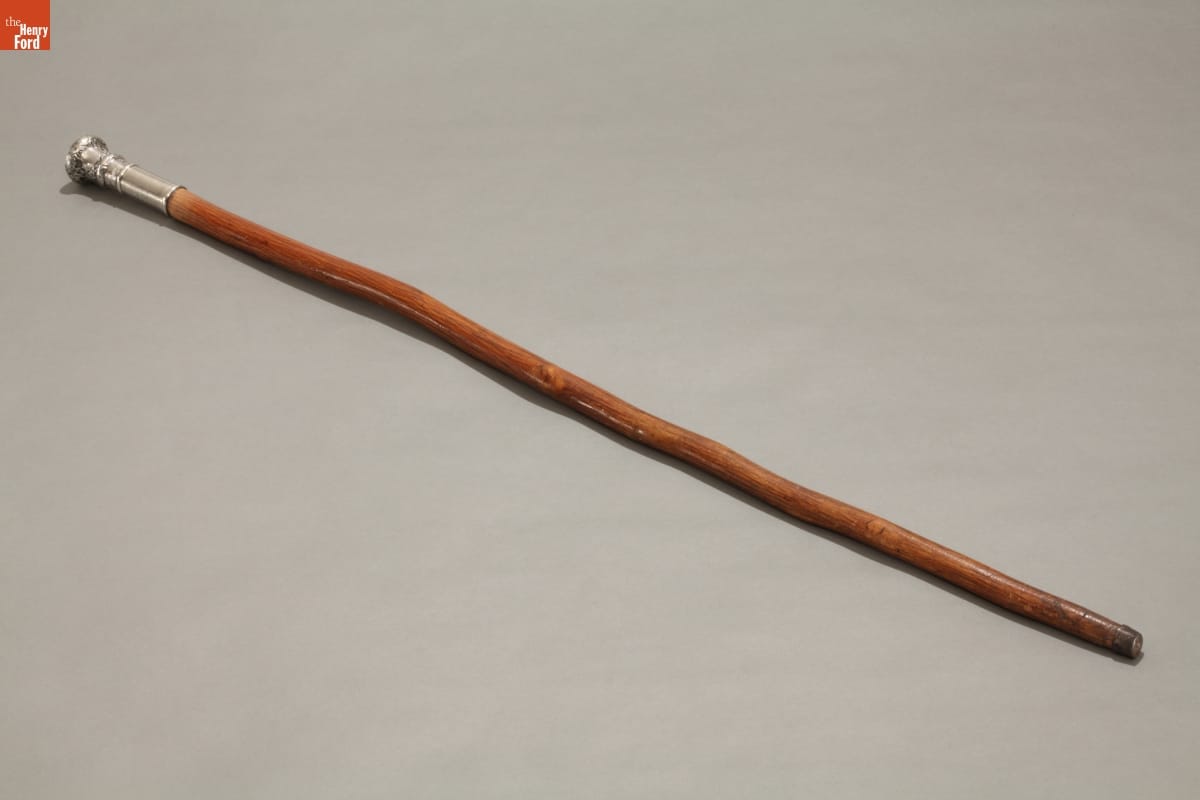
- Walking Stick Commemorating Battle of Shiloh - In April 1862, Union Army Captain Milton Russell retrieved a tree branch from the battlefield just after the fighting ended at Shiloh in Tennessee -- a costly Union victory with a staggering loss of life. Russell sent the branch home to his father in Indiana. It was later made into this walking stick as a memento of the Civil War.
- April 07, 1862
- Collections - Artifact
Walking Stick Commemorating Battle of Shiloh
In April 1862, Union Army Captain Milton Russell retrieved a tree branch from the battlefield just after the fighting ended at Shiloh in Tennessee -- a costly Union victory with a staggering loss of life. Russell sent the branch home to his father in Indiana. It was later made into this walking stick as a memento of the Civil War.
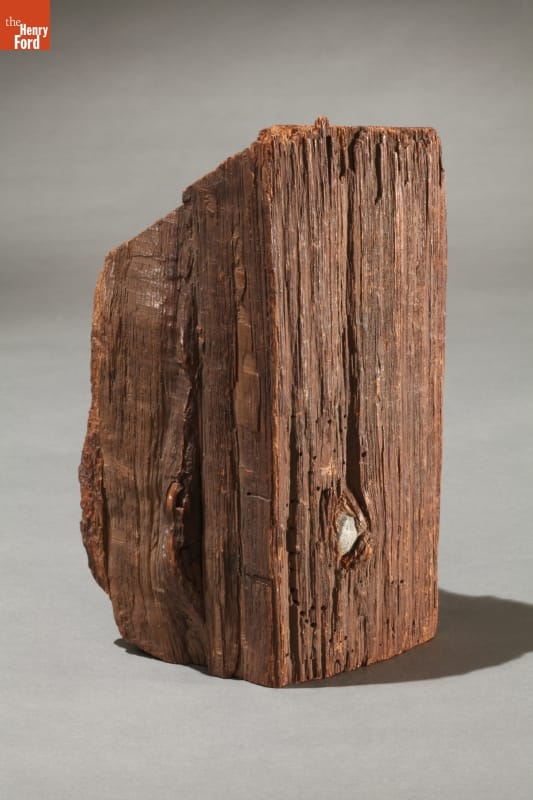
- Souvenir Tree Limb Containing Battlefield Bullet, 1861-1865 - Some Civil War soldiers took home mementos from the battlefield. Others retrieved "souvenirs" during visits to the site of an earlier battle. These bullet-pierced pieces of wood belonged to Union Army Captain Milton Russell.
- 1861-1865
- Collections - Artifact
Souvenir Tree Limb Containing Battlefield Bullet, 1861-1865
Some Civil War soldiers took home mementos from the battlefield. Others retrieved "souvenirs" during visits to the site of an earlier battle. These bullet-pierced pieces of wood belonged to Union Army Captain Milton Russell.
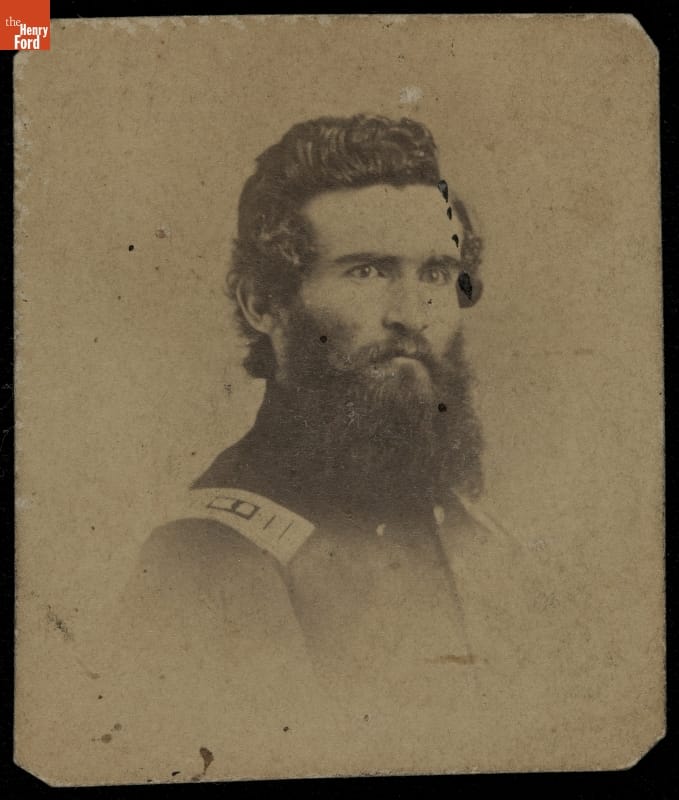
- Portrait of Charles A. Miller, a Union Army Assistant Surgeon, 34th Regiment, Ohio Volunteer Infantry, 1861-1865 -
- 1861-1865
- Collections - Artifact
Portrait of Charles A. Miller, a Union Army Assistant Surgeon, 34th Regiment, Ohio Volunteer Infantry, 1861-1865
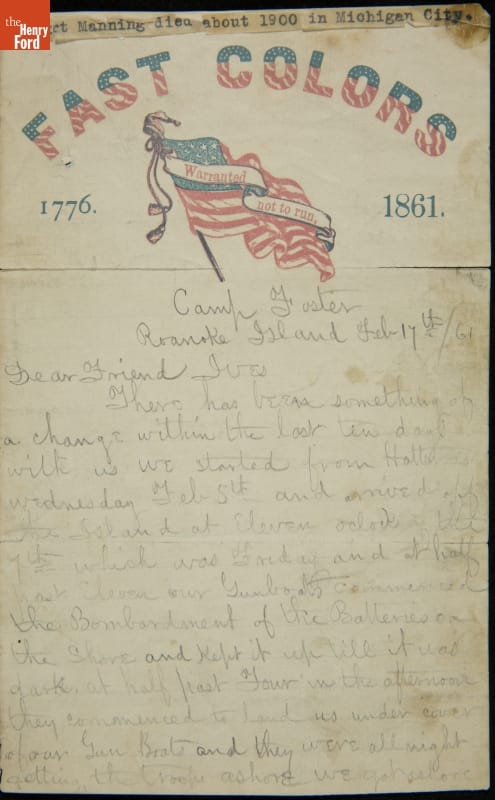
- Letter Written by Union Army Private Albert Manning from "Camp Foster," Roanoke Island, North Carolina, February 17, 1862 -
- February 17, 1862
- Collections - Artifact
Letter Written by Union Army Private Albert Manning from "Camp Foster," Roanoke Island, North Carolina, February 17, 1862