
Search
- Vanderbilt Cup Race Lapel Pin, 1908 - William K. Vanderbilt, Jr., launched America's first great automobile race, the Vanderbilt Cup, in 1904. Top American and European drivers and cars came to Long Island, New York, for the annual event. After three consecutive victories by French cars, an American-built Locomobile won in 1908. Driver George Robertson and mechanician Glenn Ethridge earned the prize with their car "Old 16."
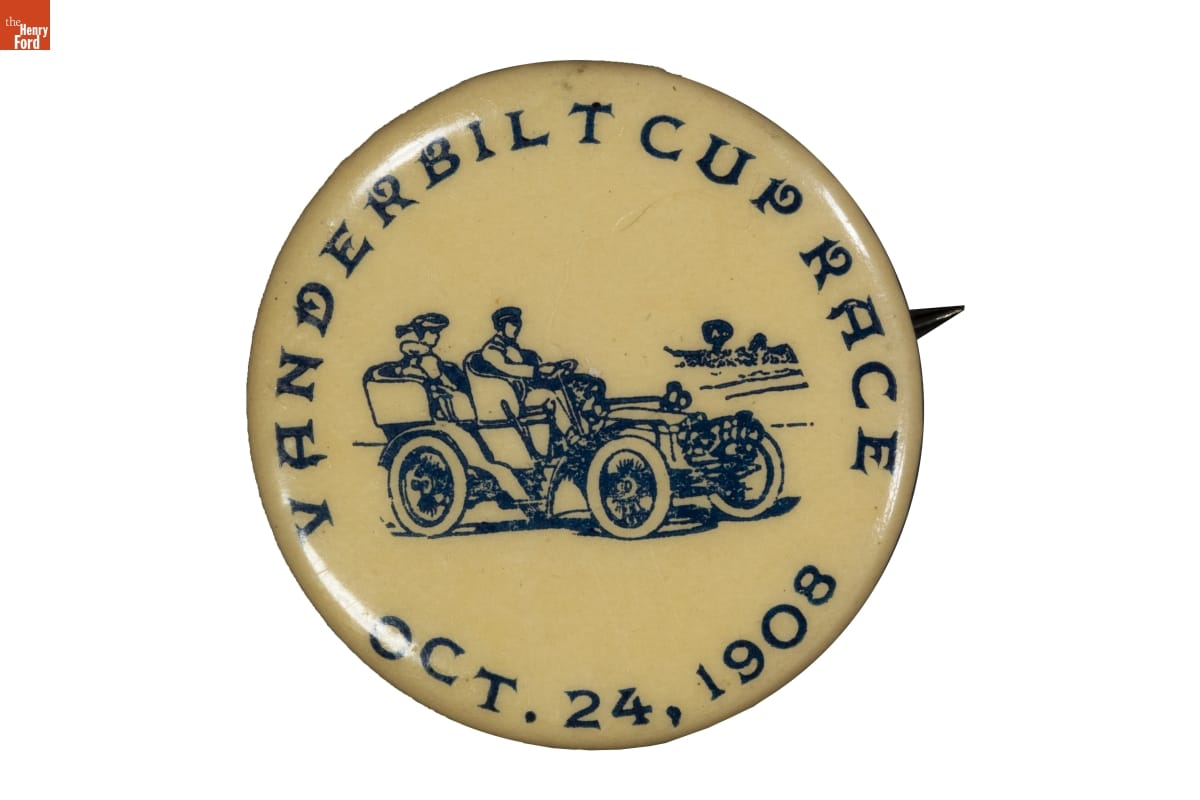
- October 24, 1908
- Collections - Artifact
Vanderbilt Cup Race Lapel Pin, 1908
William K. Vanderbilt, Jr., launched America's first great automobile race, the Vanderbilt Cup, in 1904. Top American and European drivers and cars came to Long Island, New York, for the annual event. After three consecutive victories by French cars, an American-built Locomobile won in 1908. Driver George Robertson and mechanician Glenn Ethridge earned the prize with their car "Old 16."
- Souvenir Card, "A Sleighride Dance at the Wayside Inn," 1927 -
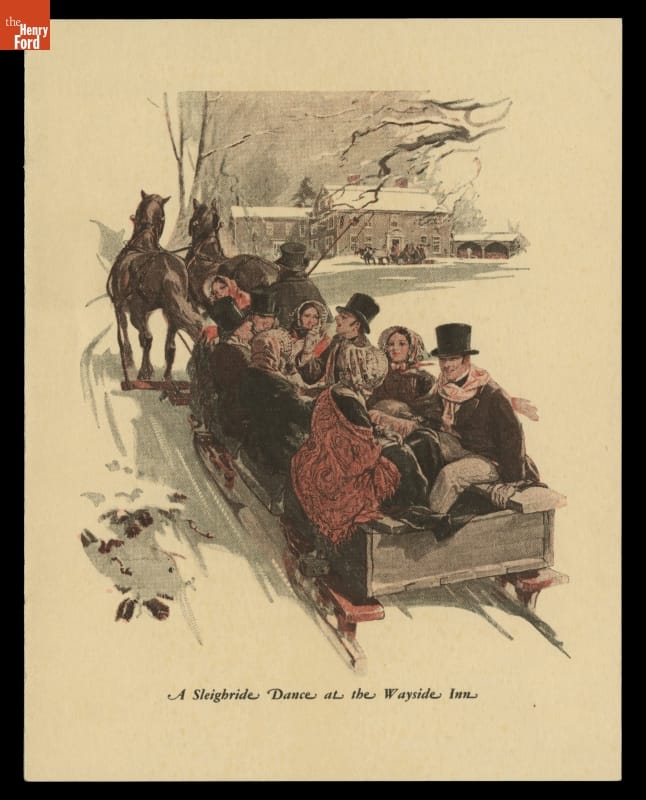
- January 18, 1927
- Collections - Artifact
Souvenir Card, "A Sleighride Dance at the Wayside Inn," 1927
- Newspaper Article, "Old-Fashioned Dance to Stay in Dearborn...Dearborn Backs Up School Dance," 1926 - As Henry Ford extended his traditional American dance classes to local Dearborn schoolchildren, some parents grew alarmed--they weren't sure they approved of boys and girls dancing together. A dance demonstration by the children soon set most of the parents' minds at ease. They quickly realized the benefit of having their children learn these old-time dances--and the good manners that went along with them.
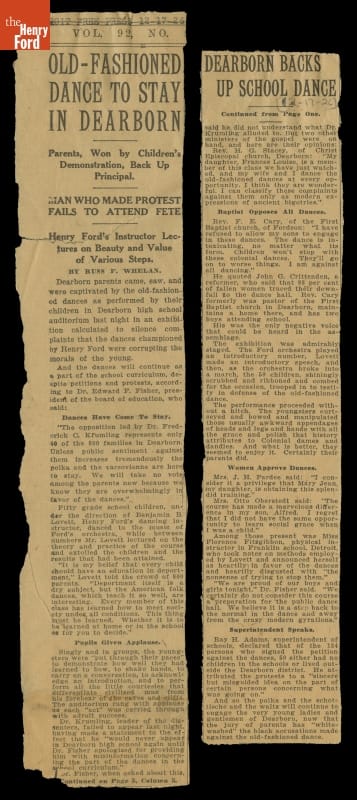
- December 17, 1926
- Collections - Artifact
Newspaper Article, "Old-Fashioned Dance to Stay in Dearborn...Dearborn Backs Up School Dance," 1926
As Henry Ford extended his traditional American dance classes to local Dearborn schoolchildren, some parents grew alarmed--they weren't sure they approved of boys and girls dancing together. A dance demonstration by the children soon set most of the parents' minds at ease. They quickly realized the benefit of having their children learn these old-time dances--and the good manners that went along with them.
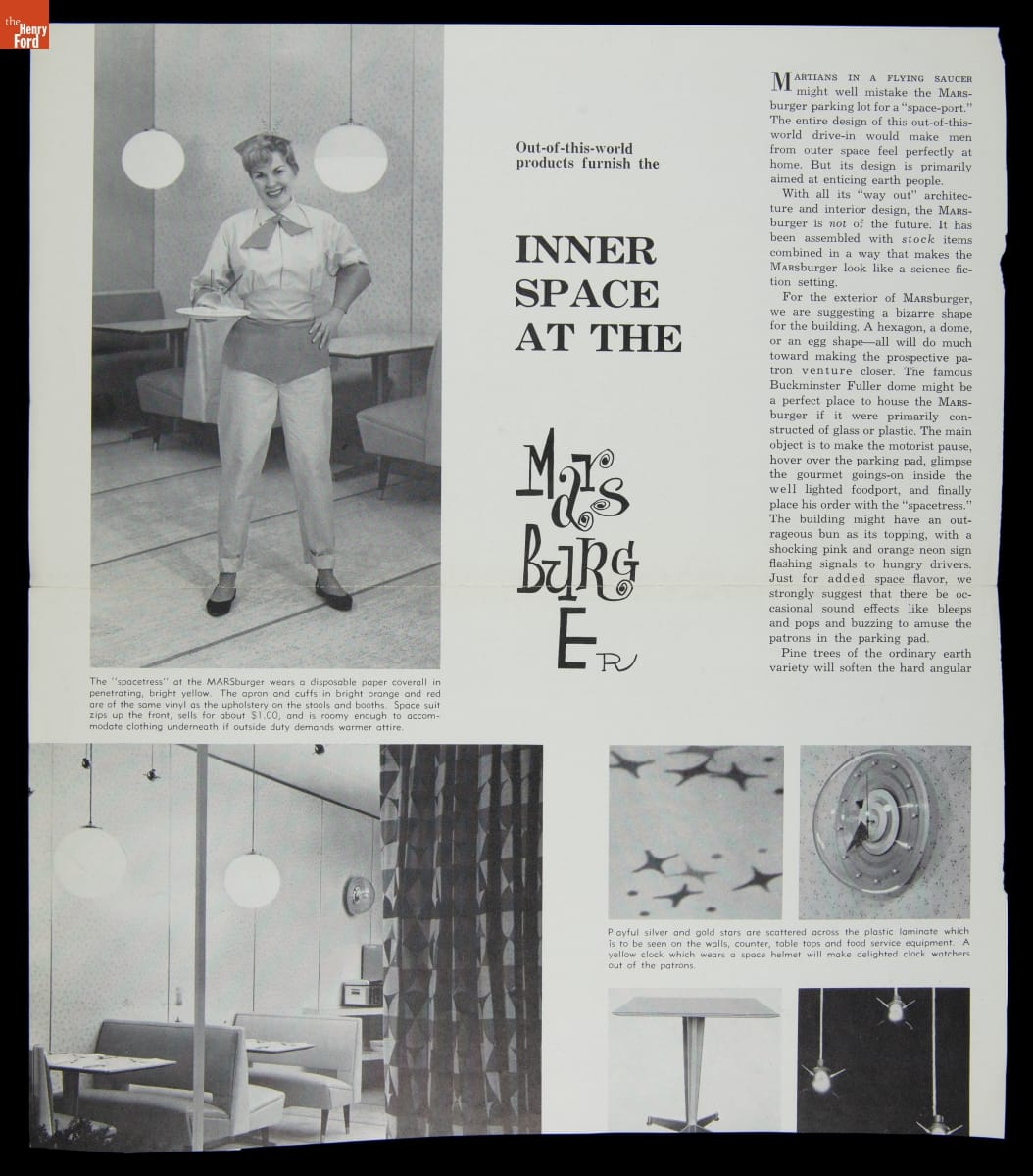
- "Out-of-this-world Products Furnish the Inner Space at the Marsburger" -
- Collections - Artifact
"Out-of-this-world Products Furnish the Inner Space at the Marsburger"
- "Writers Guild of America On Strike" Sign, 2023 -
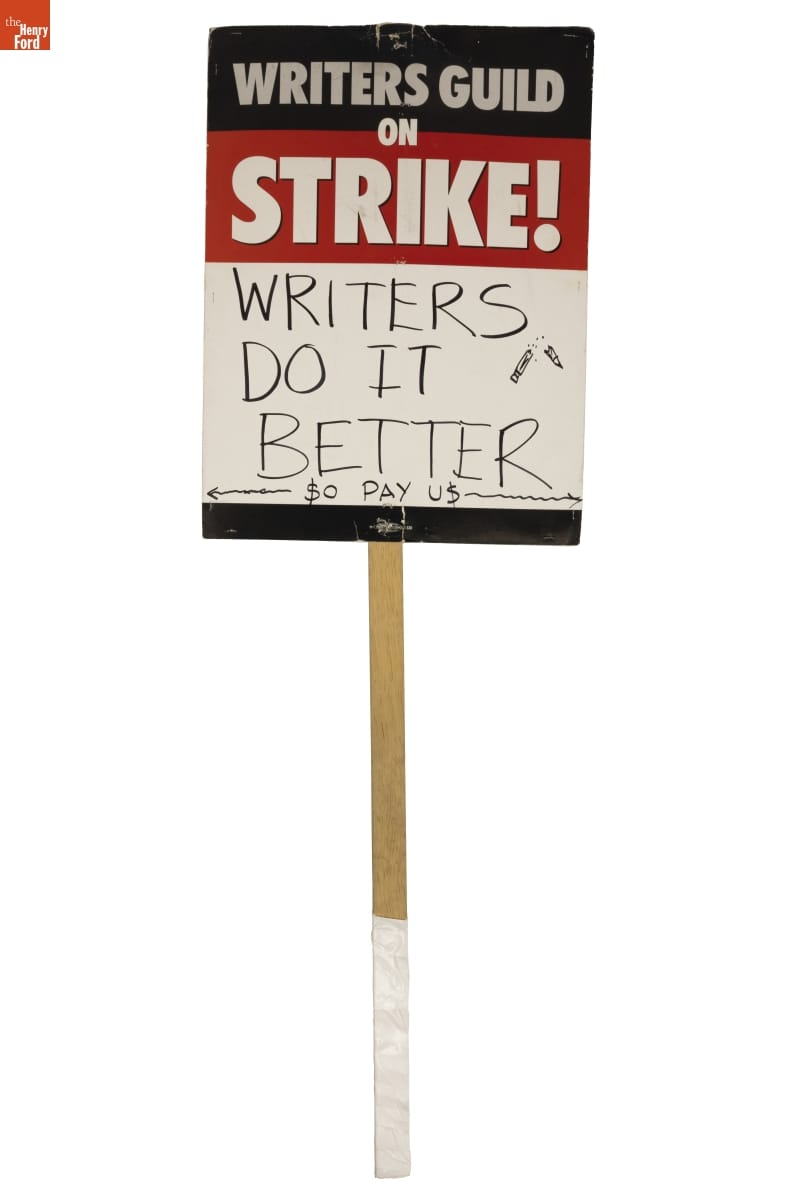
- May 2023-June 2023
- Collections - Artifact
"Writers Guild of America On Strike" Sign, 2023
- Instructions for Setting Up and Operating the Regina Hexaphone, circa 1912 -
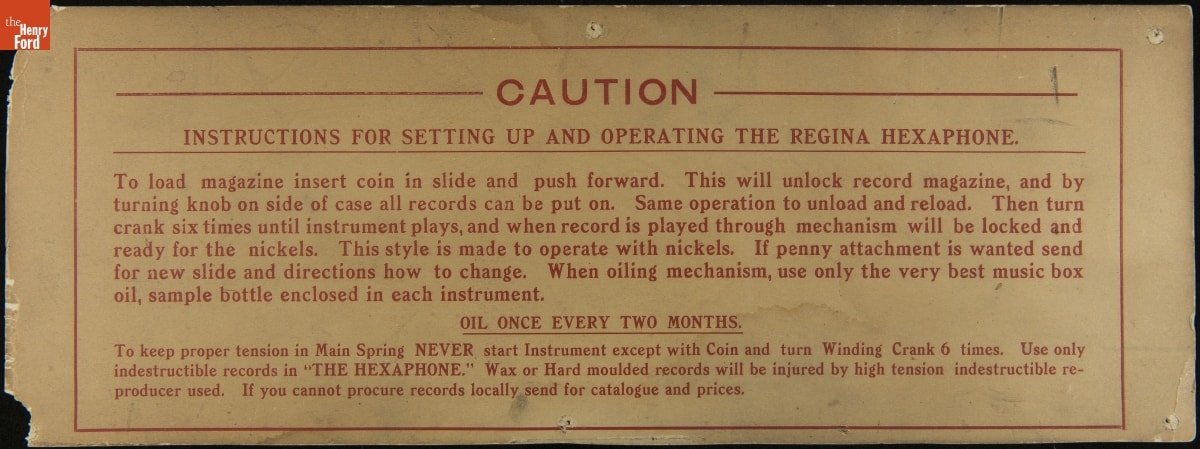
- circa 1912
- Collections - Artifact
Instructions for Setting Up and Operating the Regina Hexaphone, circa 1912
- The Print, "Dance in a Country Tavern," Offered for Sale in "The Old Print Shop Portfolio" Catalog, December 1948 - In the late 1810s, German-born Philadelphia artist John Lewis Krimmel (1786-1821) depicted the people and events at a country tavern. Krimmel's richly detailed portrait holds many clues to the lives of Americans in the early republic. Printmakers created prints of this drawing years after Krimmel's death.
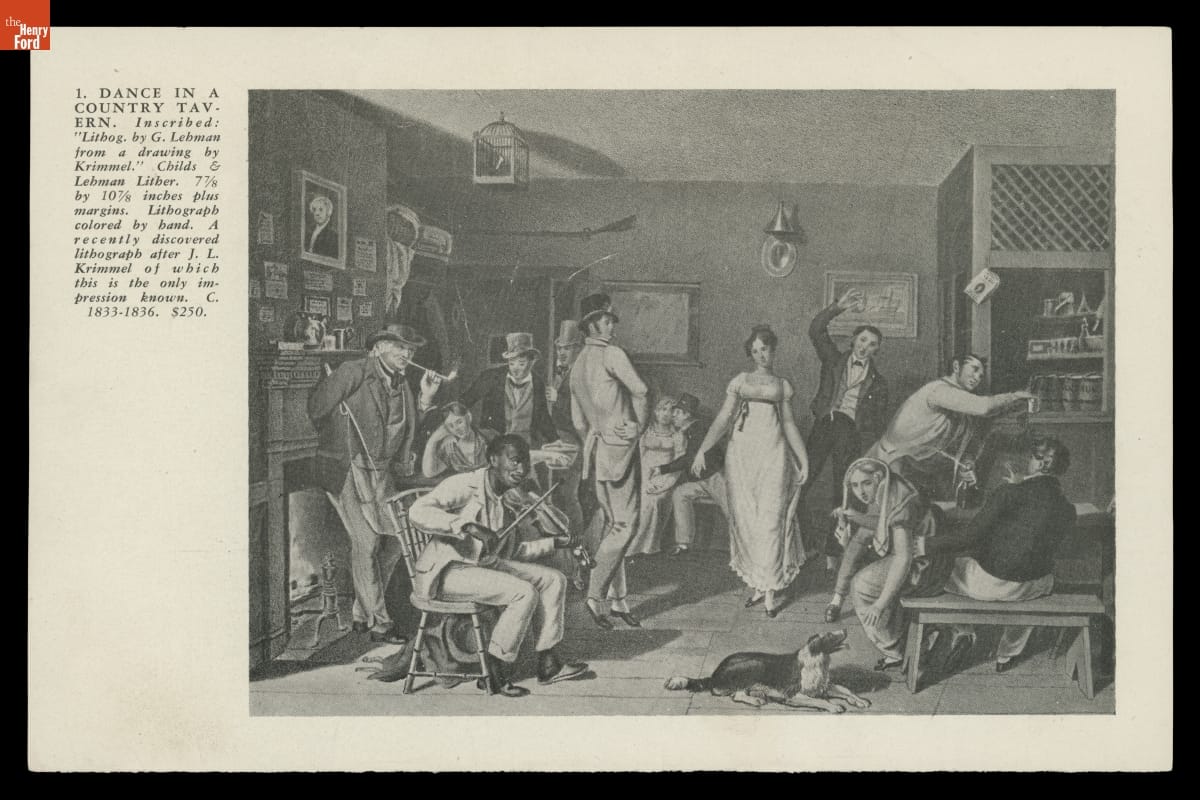
- December 01, 1948
- Collections - Artifact
The Print, "Dance in a Country Tavern," Offered for Sale in "The Old Print Shop Portfolio" Catalog, December 1948
In the late 1810s, German-born Philadelphia artist John Lewis Krimmel (1786-1821) depicted the people and events at a country tavern. Krimmel's richly detailed portrait holds many clues to the lives of Americans in the early republic. Printmakers created prints of this drawing years after Krimmel's death.
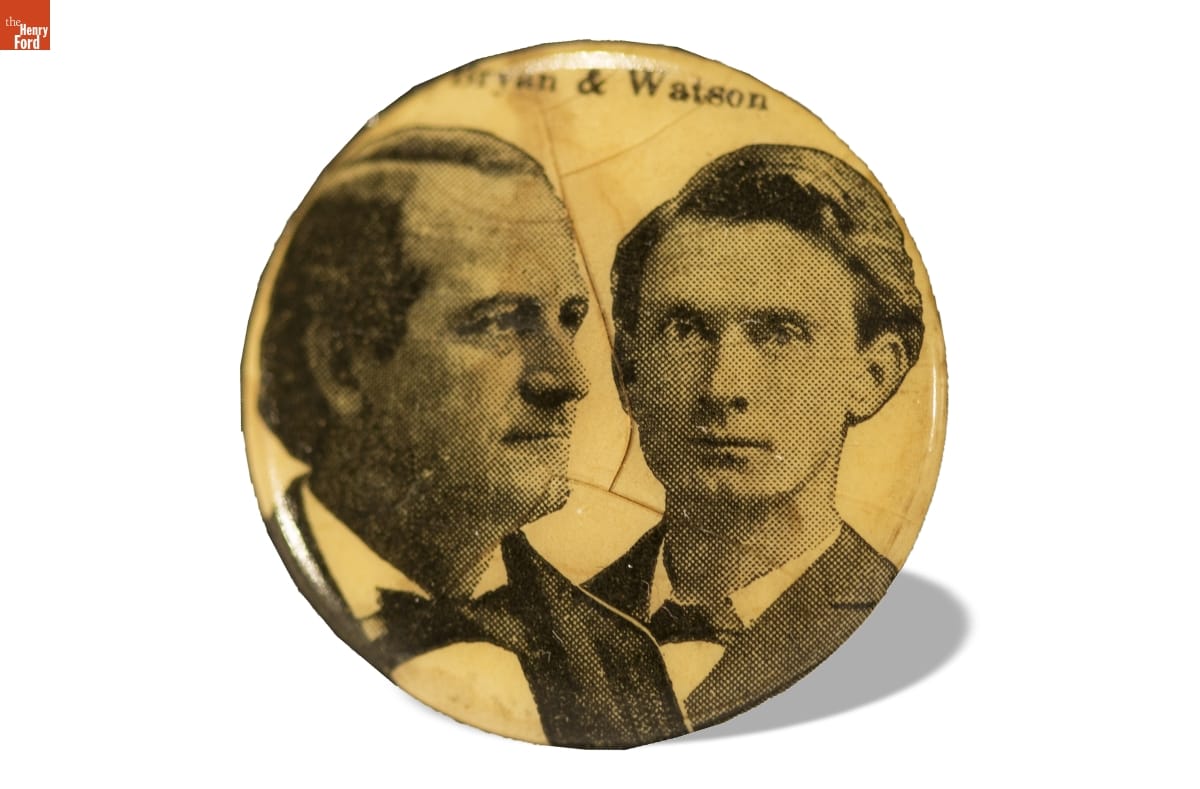
- Bryan-Watson Campaign Button, 1896 - In 1896, William Jennings Bryan captured both the Democratic and Populist Party's presidential nominations. Each party, however, nominated their own vice presidential candidates. The Democrats chose Arthur Sewall. The Populists chose Thomas E. Watson--pictured with Bryan on this campaign button. Neither ticket won. Bryan lost to the Republican nominee, William McKinley.
- 1896
- Collections - Artifact
Bryan-Watson Campaign Button, 1896
In 1896, William Jennings Bryan captured both the Democratic and Populist Party's presidential nominations. Each party, however, nominated their own vice presidential candidates. The Democrats chose Arthur Sewall. The Populists chose Thomas E. Watson--pictured with Bryan on this campaign button. Neither ticket won. Bryan lost to the Republican nominee, William McKinley.
- William Bryan Campaign Button, 1908 - William Jennings Bryan made his third and last attempt to become president in 1908. Bryan and his running mate, Indiana Senator John Kern, tried to distinguish themselves from their Republican opponents by championing a variety of domestic reforms. It didn't work. Voters chose the safe, well-qualified William Howard Taft -- President Roosevelt's hand-picked successor.
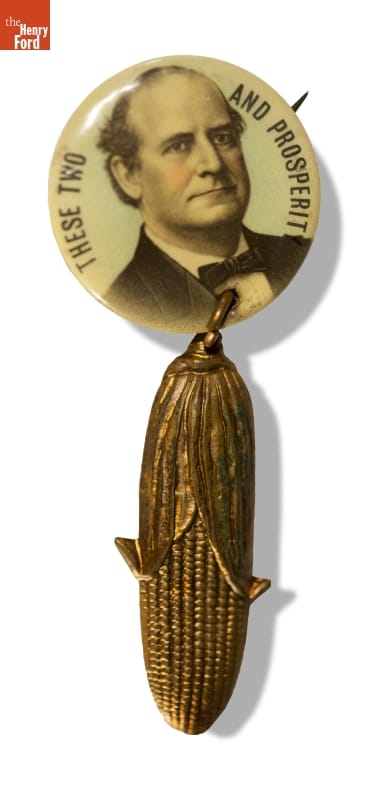
- 1908
- Collections - Artifact
William Bryan Campaign Button, 1908
William Jennings Bryan made his third and last attempt to become president in 1908. Bryan and his running mate, Indiana Senator John Kern, tried to distinguish themselves from their Republican opponents by championing a variety of domestic reforms. It didn't work. Voters chose the safe, well-qualified William Howard Taft -- President Roosevelt's hand-picked successor.
- William Linton Campaign Button, 1896 -
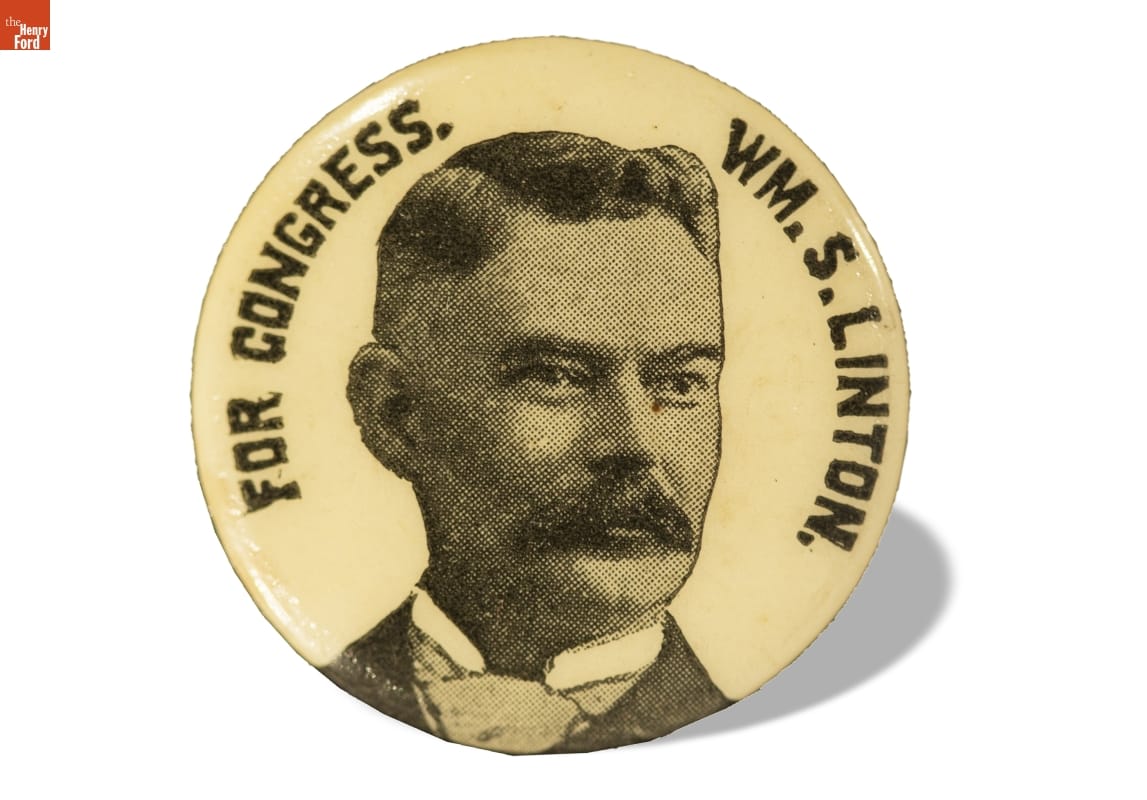
- 1896
- Collections - Artifact
William Linton Campaign Button, 1896