
Search
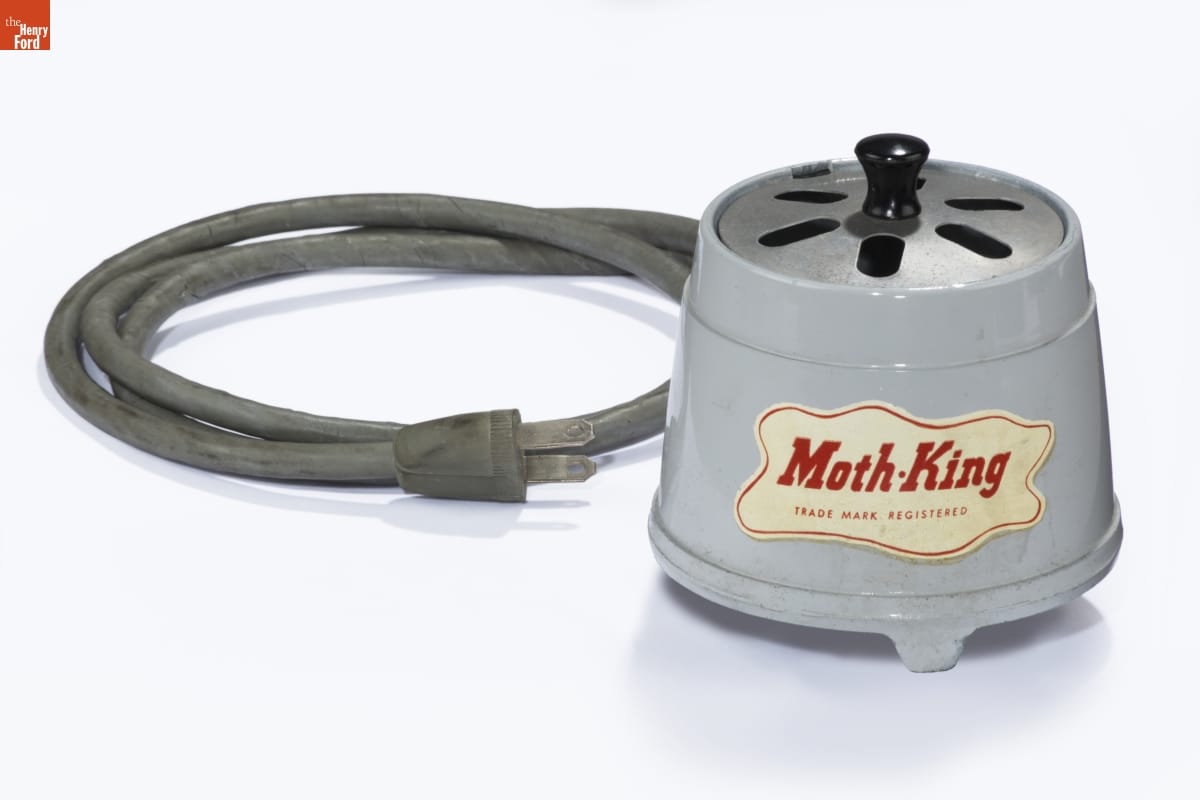
- Moth King Insecticide Vaporizer, Used by the Harvey S. Firestone Family, circa 1947 -
- circa 1947
- Collections - Artifact
Moth King Insecticide Vaporizer, Used by the Harvey S. Firestone Family, circa 1947
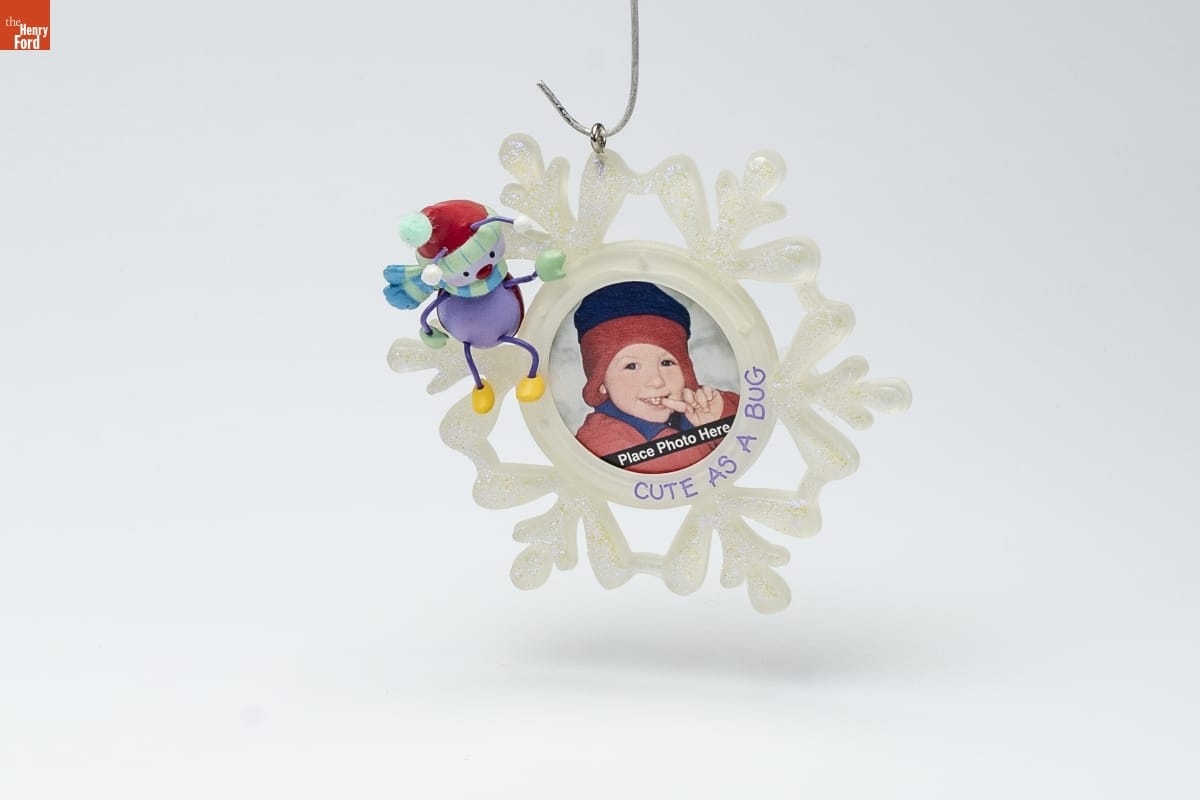
- Hallmark "Toddler Photo Holder" Christmas Ornament, 2003 - Already known for greeting cards, Hallmark introduced a line of Christmas ornaments in 1973. The company's annual release of an increasing array of ornaments revolutionized Christmas decorating, appealing to customers' interest in marking memories and milestones as well as expressing one's personality and unique tastes.
- 2003
- Collections - Artifact
Hallmark "Toddler Photo Holder" Christmas Ornament, 2003
Already known for greeting cards, Hallmark introduced a line of Christmas ornaments in 1973. The company's annual release of an increasing array of ornaments revolutionized Christmas decorating, appealing to customers' interest in marking memories and milestones as well as expressing one's personality and unique tastes.
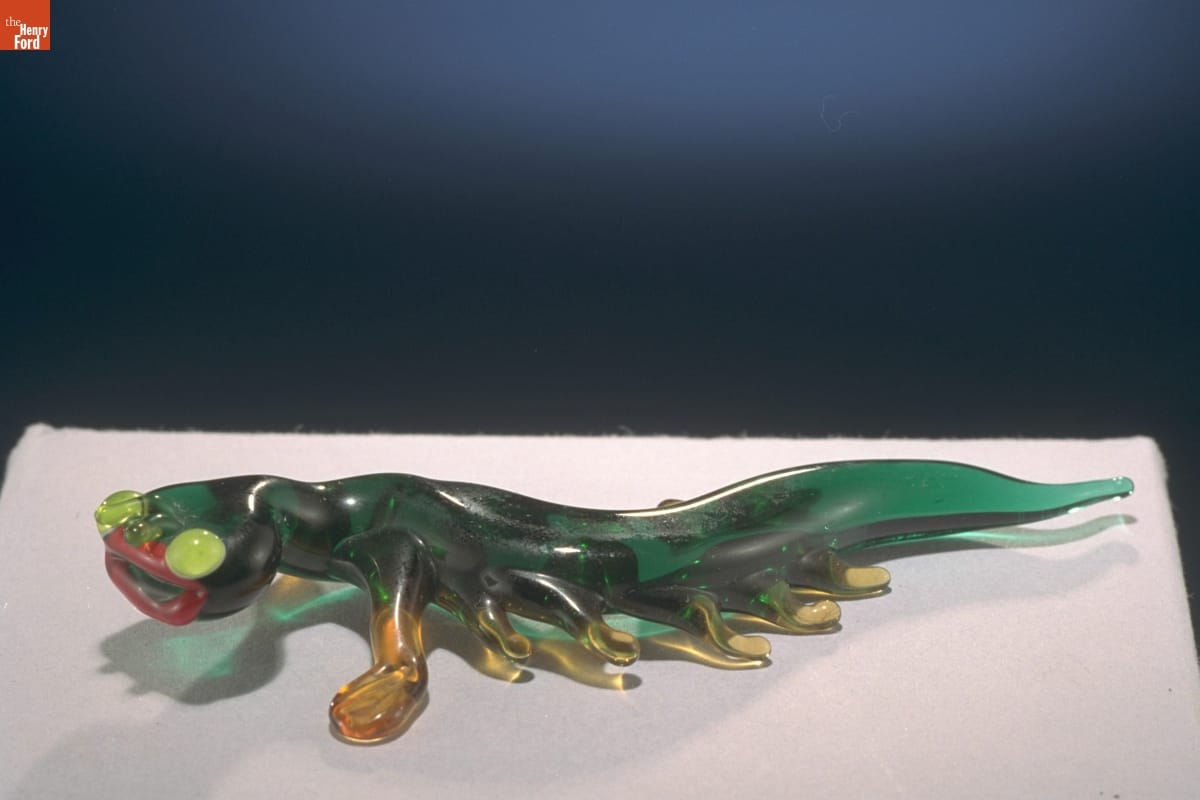
- Miniature Glass Figure, Insect, 1955-1985 - For visitors to the resort towns around Pentwater, Michigan, a trip to Henry Carter Johnson's "Glass Menagerie" was a cherished vacation ritual. For over forty years, beginning in 1952, Johnson heated colored glass rods and fashioned them into multicolored figures. His whimsical creatures captured the imaginations of children and adults who purchased them, providing a tangible reminder of an enjoyable Michigan summer.
- 1955-1985
- Collections - Artifact
Miniature Glass Figure, Insect, 1955-1985
For visitors to the resort towns around Pentwater, Michigan, a trip to Henry Carter Johnson's "Glass Menagerie" was a cherished vacation ritual. For over forty years, beginning in 1952, Johnson heated colored glass rods and fashioned them into multicolored figures. His whimsical creatures captured the imaginations of children and adults who purchased them, providing a tangible reminder of an enjoyable Michigan summer.
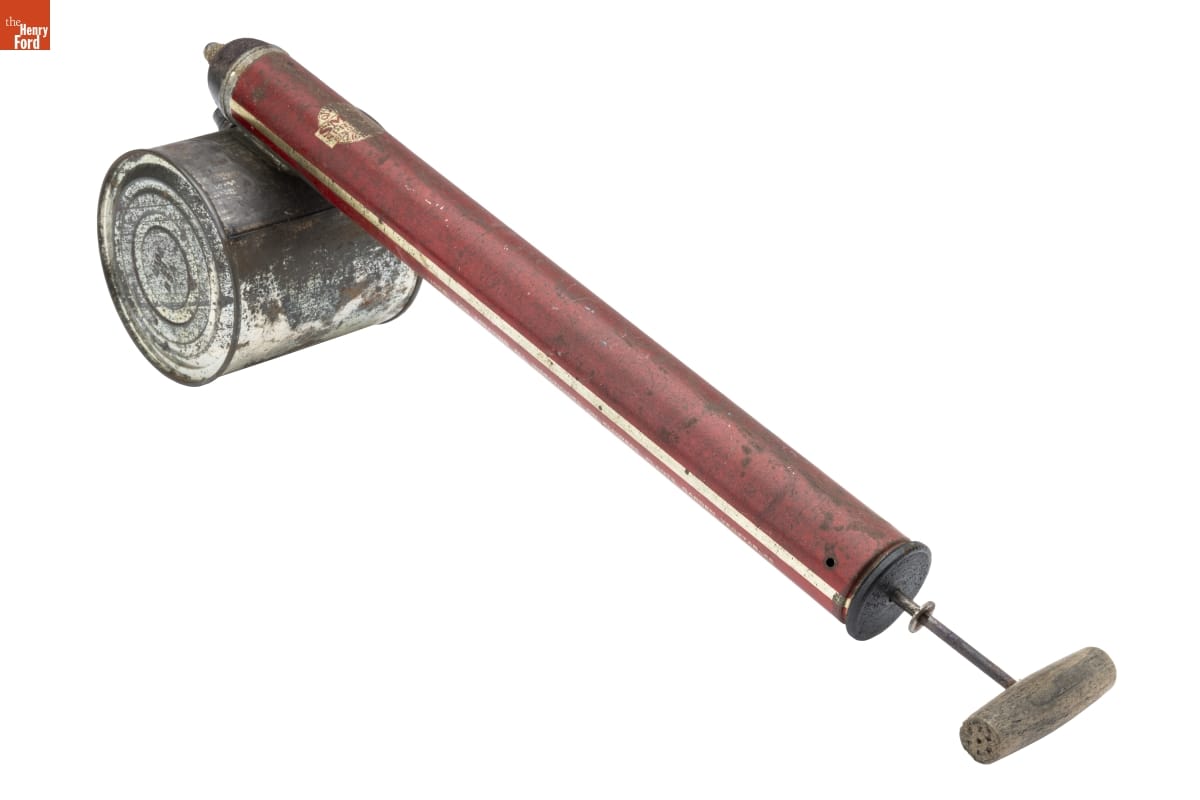
- Hand Sprayer -
- Collections - Artifact
Hand Sprayer
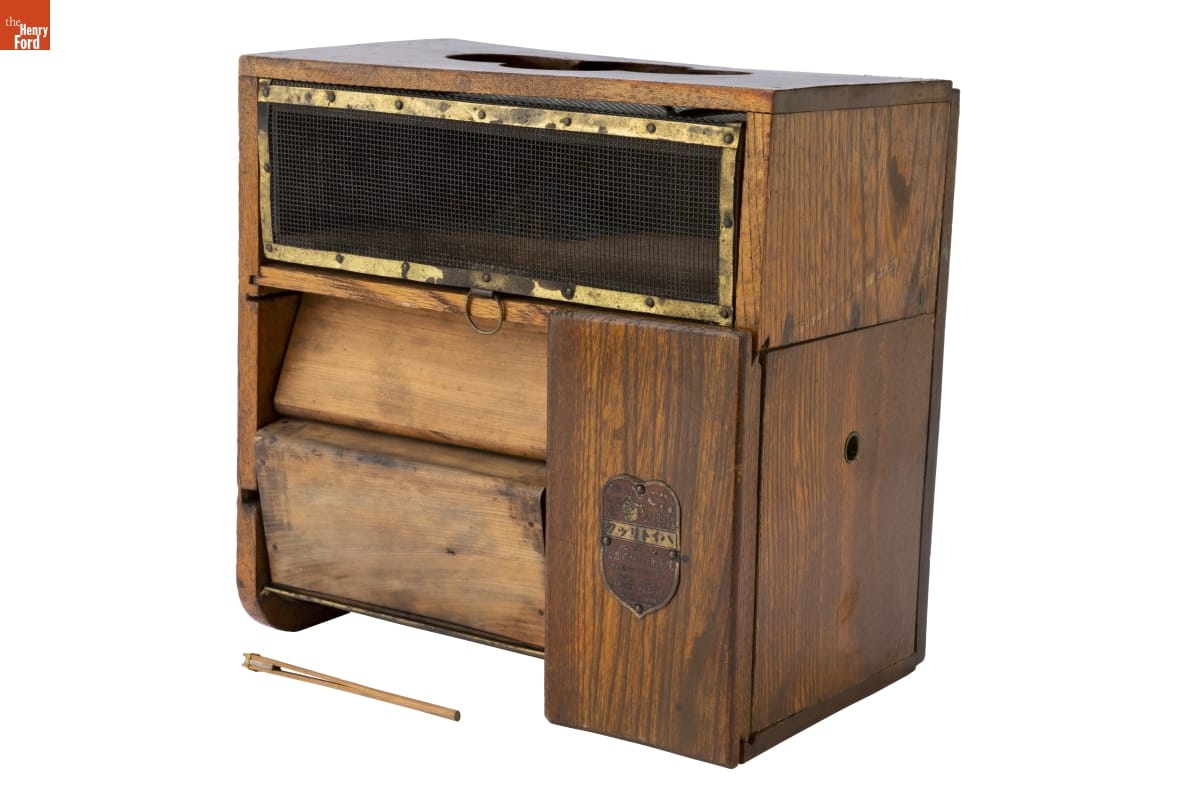
- Owari Tokei Kabushiki Kwaisha Mechanical Fly Catcher, 1915-1920 - Japanese inventor Owari Tokei Kabushiki Kwaisha designed this mechanical flycatcher. The device uses a clockwork mechanism to rotate a wooden drum coated with a substance to lure flies into the trap. Once captured, homeowners could feed the live flies to koi fish or other animals commonly kept as pets in Japan.
- 1915-1920
- Collections - Artifact
Owari Tokei Kabushiki Kwaisha Mechanical Fly Catcher, 1915-1920
Japanese inventor Owari Tokei Kabushiki Kwaisha designed this mechanical flycatcher. The device uses a clockwork mechanism to rotate a wooden drum coated with a substance to lure flies into the trap. Once captured, homeowners could feed the live flies to koi fish or other animals commonly kept as pets in Japan.
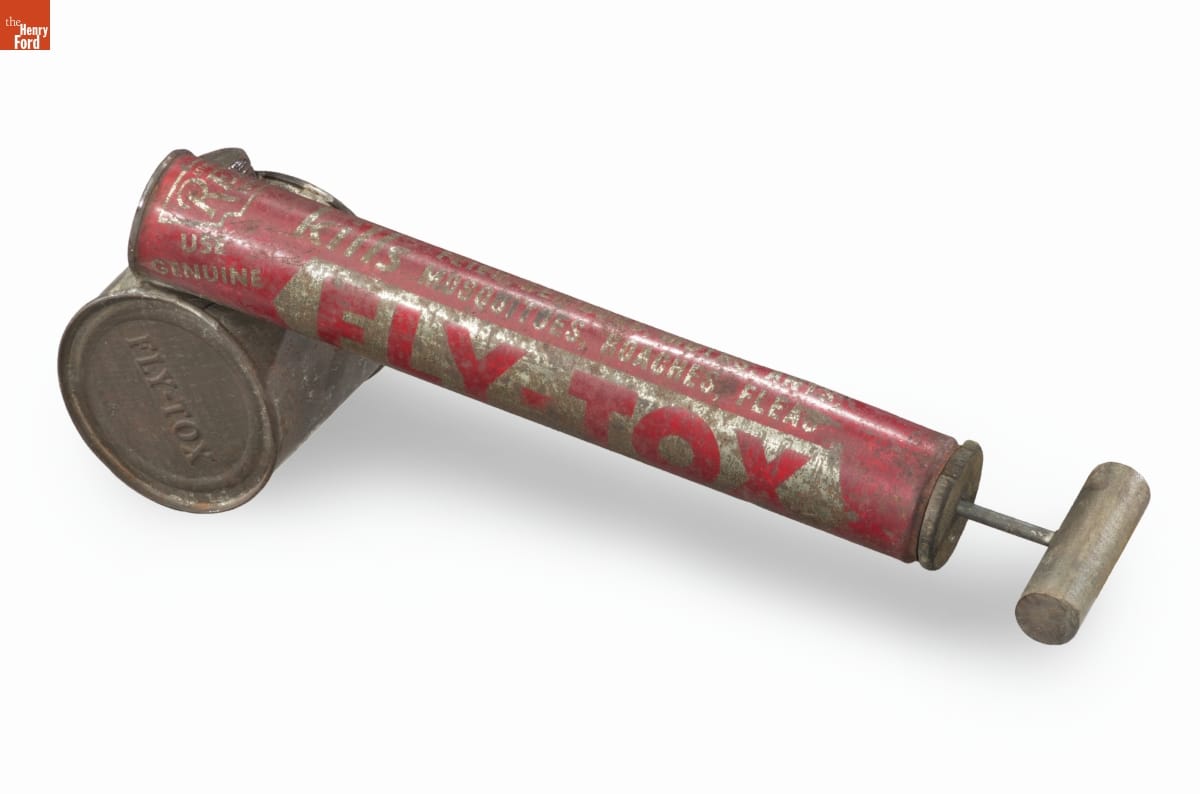
- Fly-Tox Hand Sprayer, 1940-1950 - The Toledo Rex Spray Company trademarked "Fly-Tox" in 1923. The Rex Company (later Rex Research Corporation) marketed Fly-Tox to kill common household pests. As the organochlorine Dichlorodiphenyltrichloroethane (DDT) gained creditability after World War II as a less-toxic compound, Fly-Tox incorporated DDT. Widespread use of DDT and its documented negative effects on ecosystems led U.S. legislators to ban the chemical in 1972.
- 1940-1950
- Collections - Artifact
Fly-Tox Hand Sprayer, 1940-1950
The Toledo Rex Spray Company trademarked "Fly-Tox" in 1923. The Rex Company (later Rex Research Corporation) marketed Fly-Tox to kill common household pests. As the organochlorine Dichlorodiphenyltrichloroethane (DDT) gained creditability after World War II as a less-toxic compound, Fly-Tox incorporated DDT. Widespread use of DDT and its documented negative effects on ecosystems led U.S. legislators to ban the chemical in 1972.
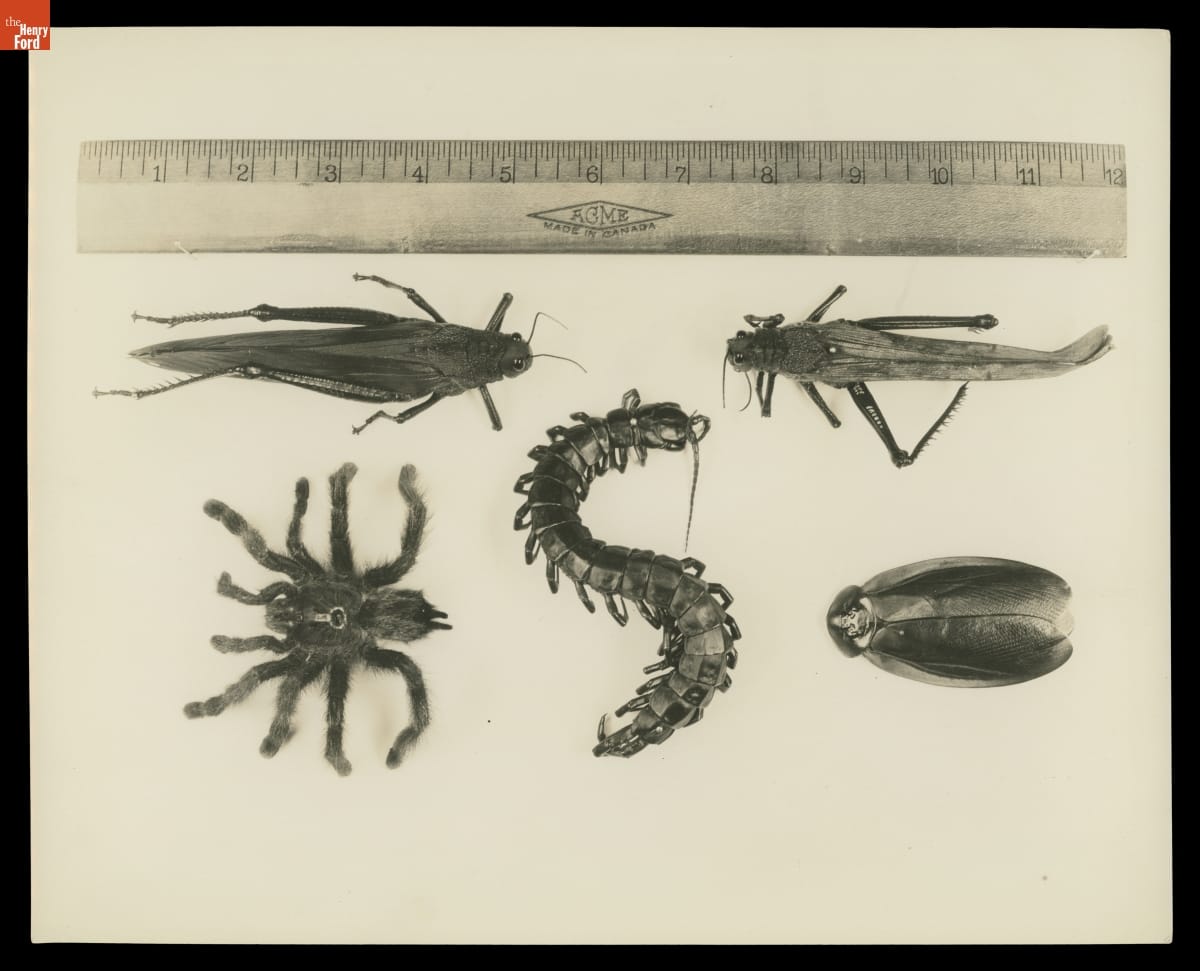
- Native Fauna Found at Fordlandia Rubber Plantation, Boa Vista, Brazil, 1928-1931 -
- 1928-1931
- Collections - Artifact
Native Fauna Found at Fordlandia Rubber Plantation, Boa Vista, Brazil, 1928-1931
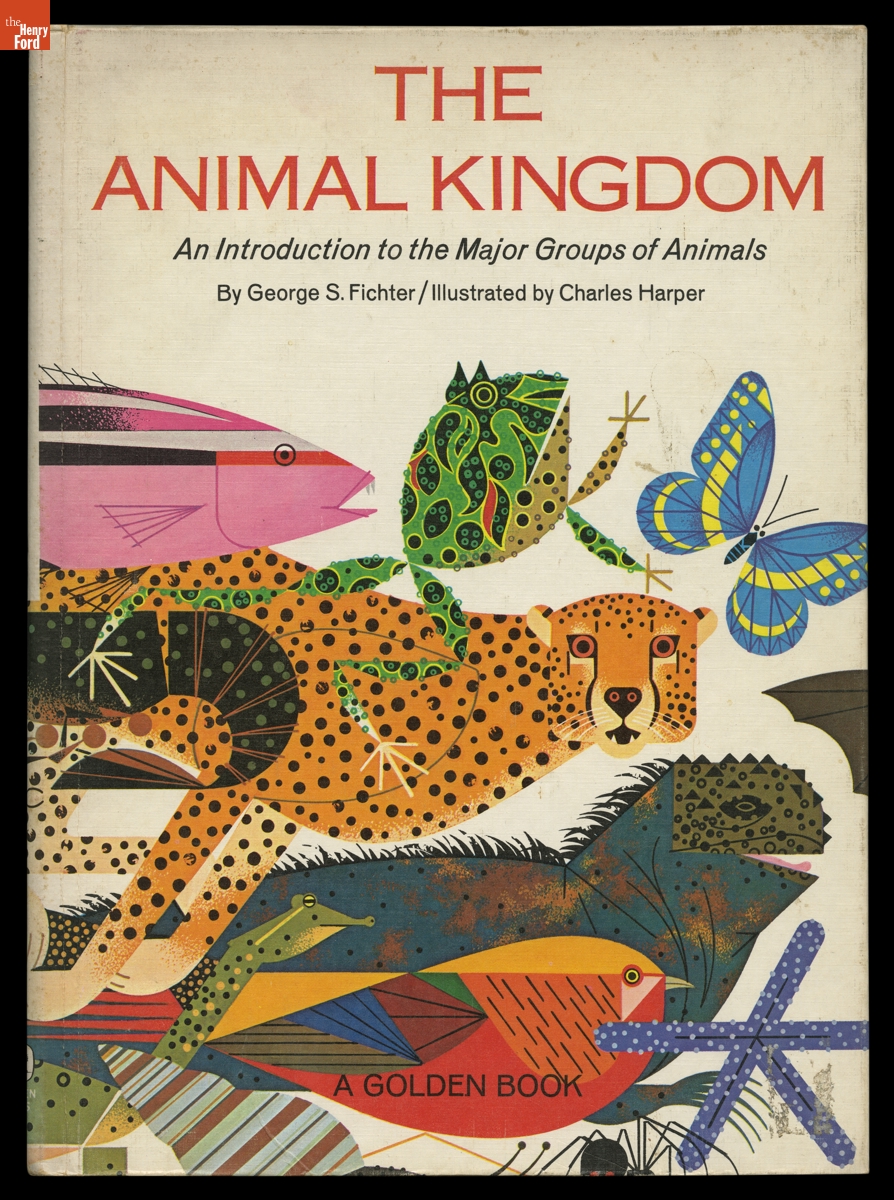
- "The Animal Kingdom: An Introduction to the Major Groups of Animals," 1968 -
- 1968
- Collections - Artifact
"The Animal Kingdom: An Introduction to the Major Groups of Animals," 1968
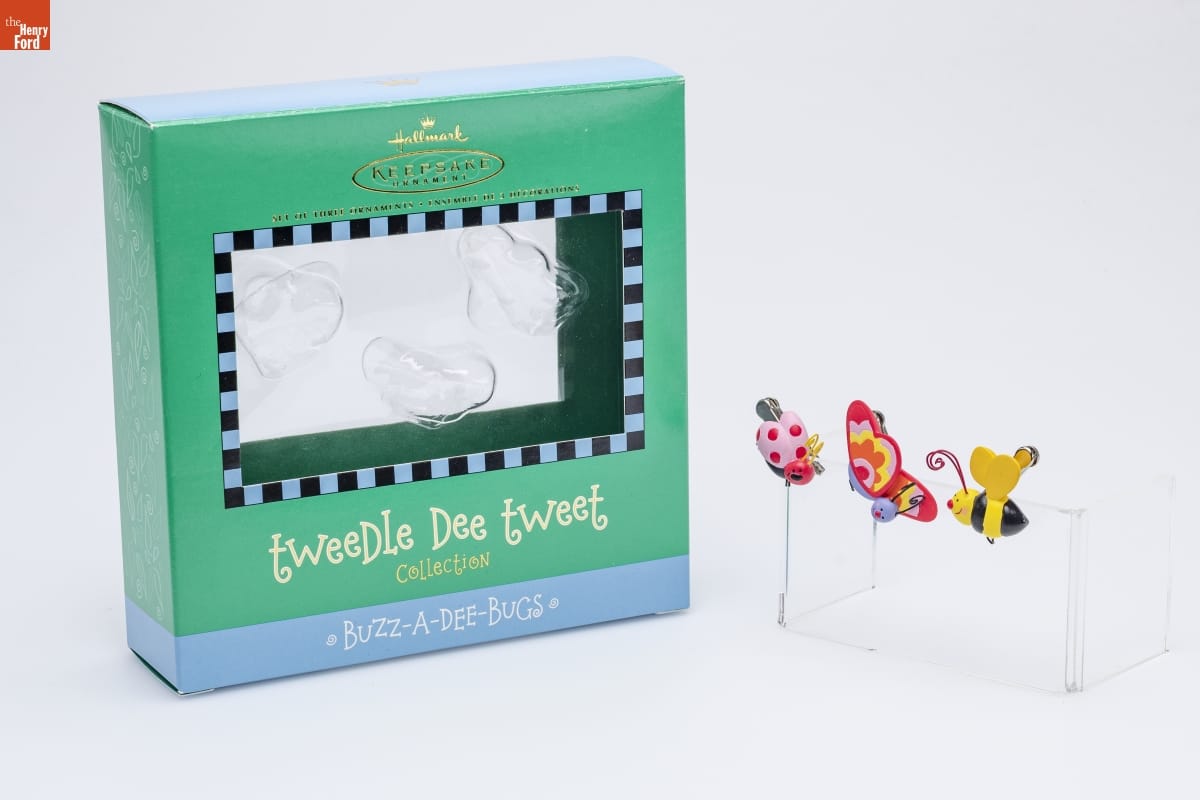
- Hallmark "Tweedle Dee Tweet Collection: Buzz-A-Dee-Bugs" Spring Ornaments, 2003 - Hallmark introduced a line of Christmas ornaments in 1973. These ornaments appealed to customers' interest in marking memories, commemorating milestones, and expressing one's personality and unique tastes. This success led the company to produce ornaments for other holidays. Hallmark marketed and sold Easter and springtime ornaments in several series dating back to the 1990s.
- 2003
- Collections - Artifact
Hallmark "Tweedle Dee Tweet Collection: Buzz-A-Dee-Bugs" Spring Ornaments, 2003
Hallmark introduced a line of Christmas ornaments in 1973. These ornaments appealed to customers' interest in marking memories, commemorating milestones, and expressing one's personality and unique tastes. This success led the company to produce ornaments for other holidays. Hallmark marketed and sold Easter and springtime ornaments in several series dating back to the 1990s.
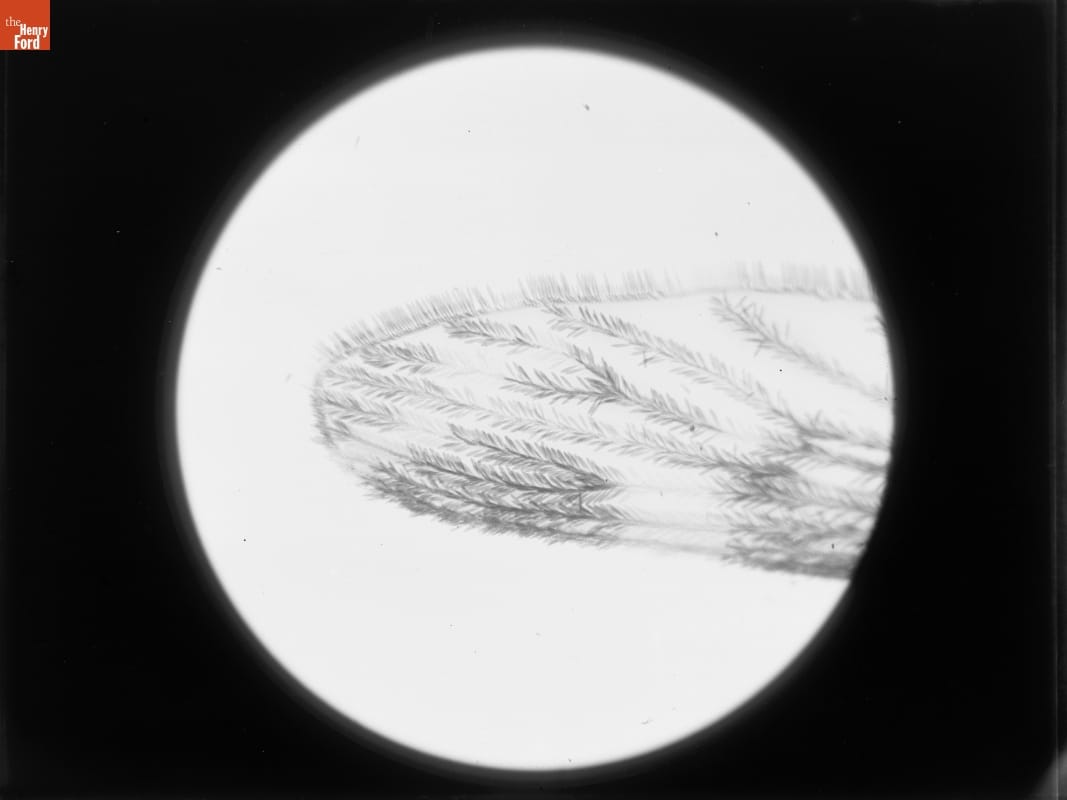
- Photomicrographs, Wing of Mosquito, 1890-1915 - In 1890, Jenny Young Chandler, 25 years old and recently widowed, began working for the <EM>New York Herald</EM>. As a photojournalist and feature writer, Chandler captured life in Brooklyn, New York, and vicinity. She also documented collections of private individuals and museums -- some of which were featured in magazine articles for collectors. By 1922, the time of her death, she had produced over 800 glass plate negatives.
- 1890-1915
- Collections - Artifact
Photomicrographs, Wing of Mosquito, 1890-1915
In 1890, Jenny Young Chandler, 25 years old and recently widowed, began working for the New York Herald. As a photojournalist and feature writer, Chandler captured life in Brooklyn, New York, and vicinity. She also documented collections of private individuals and museums -- some of which were featured in magazine articles for collectors. By 1922, the time of her death, she had produced over 800 glass plate negatives.