
Search
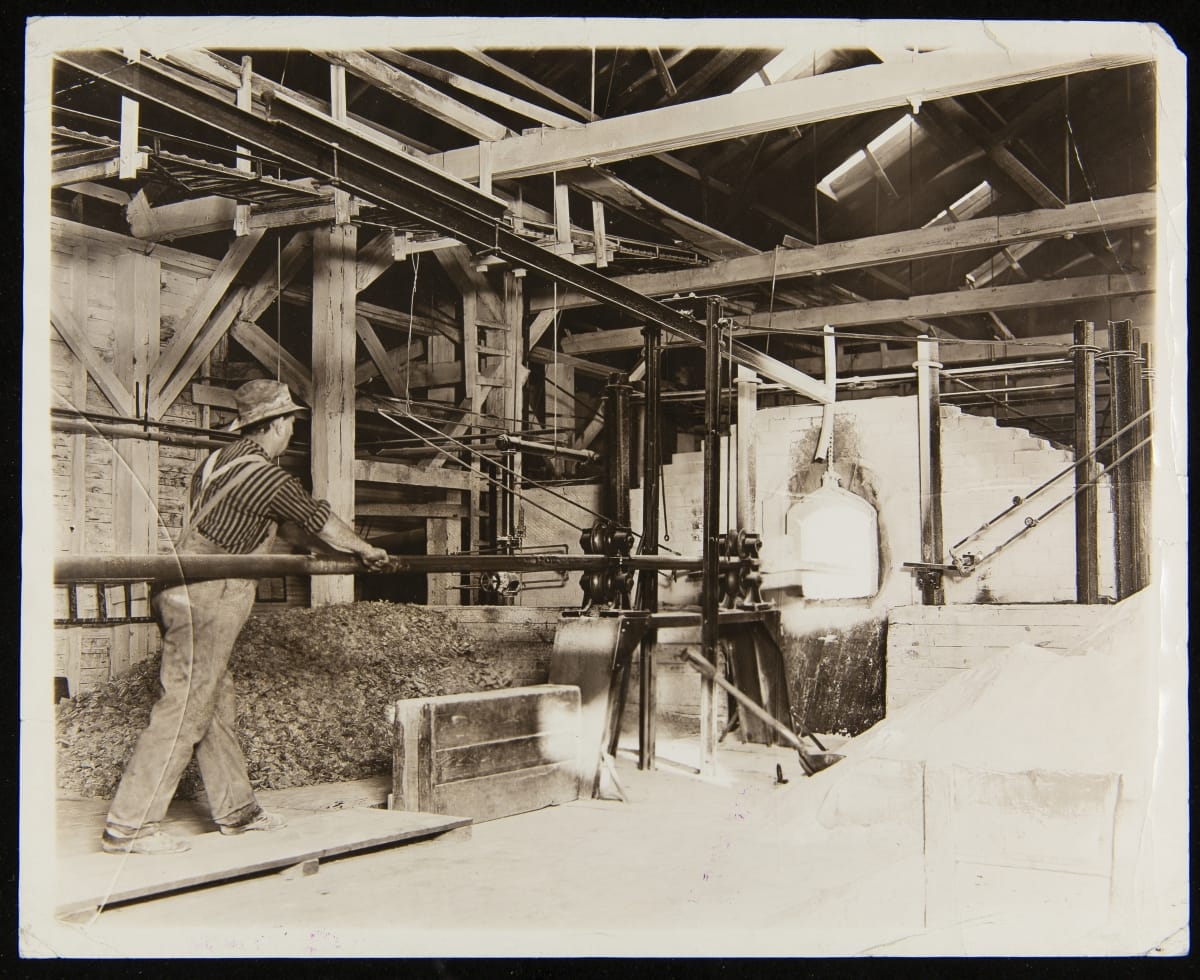
- Employee Working at Heinz Glass Factory, Sharpsburg, Pennsylvania, 1885-1910 - Before complete mechanization of the manufacturing process, many tasks at the Heinz factory were done by hand. The H.J. Heinz Company made their own boxes, glassware, cans, advertisements, and labels, allowing most production to be completed in-house. This photograph features a worker at the Heinz Glass Factory.
- 1885-1910
- Collections - Artifact
Employee Working at Heinz Glass Factory, Sharpsburg, Pennsylvania, 1885-1910
Before complete mechanization of the manufacturing process, many tasks at the Heinz factory were done by hand. The H.J. Heinz Company made their own boxes, glassware, cans, advertisements, and labels, allowing most production to be completed in-house. This photograph features a worker at the Heinz Glass Factory.
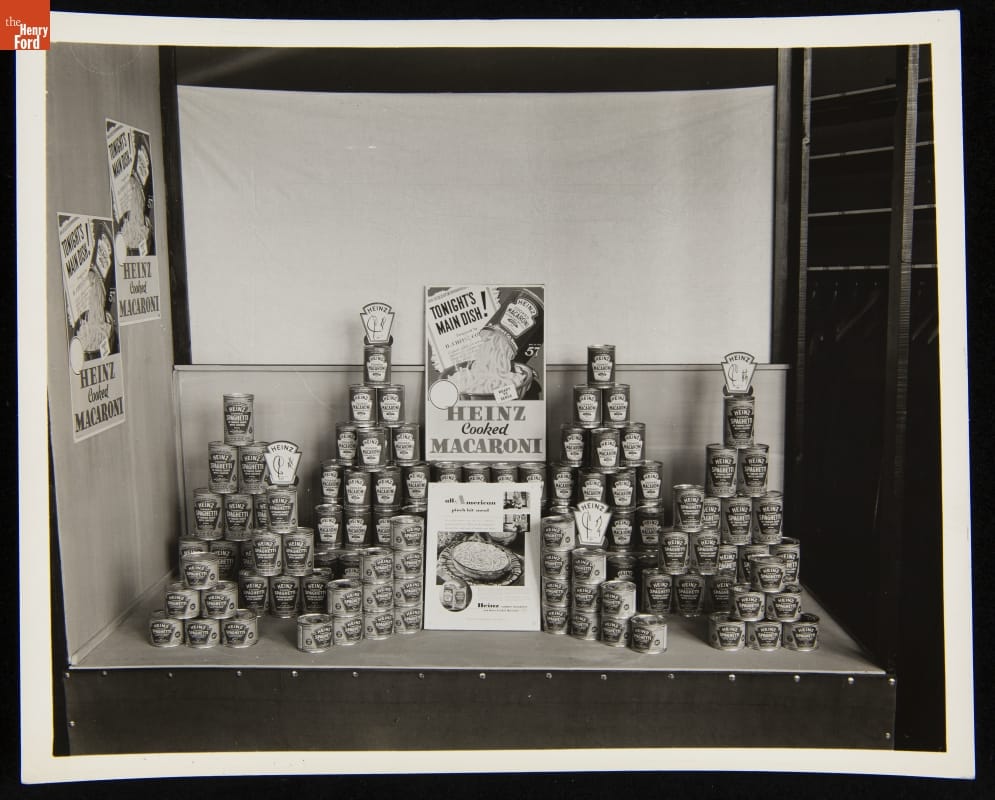
- Table Display of Heinz Products, circa 1930 - The H.J. Heinz Company was at the forefront of creative marketing in the manufactured food industry. Its comprehensive advertising strategy included elaborate product displays in local grocery stores where shoppers were greeted with colorful posters and meticulously designed arrangements of canned and jarred products. This photograph shows an example of such product displays.
- circa 1930
- Collections - Artifact
Table Display of Heinz Products, circa 1930
The H.J. Heinz Company was at the forefront of creative marketing in the manufactured food industry. Its comprehensive advertising strategy included elaborate product displays in local grocery stores where shoppers were greeted with colorful posters and meticulously designed arrangements of canned and jarred products. This photograph shows an example of such product displays.
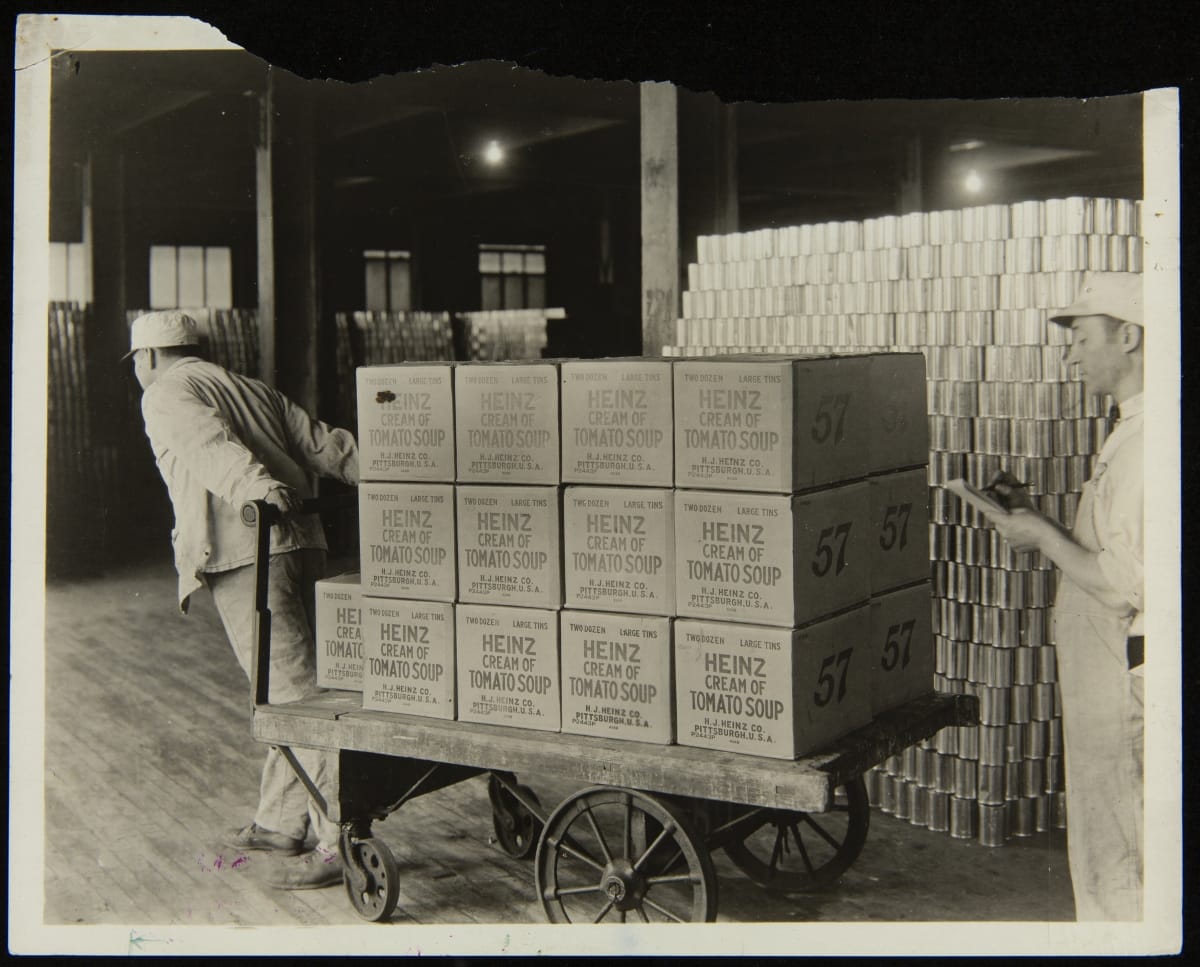
- Employee Moving Boxes of H. J. Heinz Cream of Tomato Soup, Pittsburgh, Pennsylvania, circa 1920 - Before complete mechanization of the manufacturing process, many tasks at the Heinz factory were done by hand. The H.J. Heinz Company documented the many departments of the manufacturing process through photographs. This photograph shows an employee moving boxes. These boxes were possibly heading for the shipping dock to be loaded onto a train or truck.
- circa 1920
- Collections - Artifact
Employee Moving Boxes of H. J. Heinz Cream of Tomato Soup, Pittsburgh, Pennsylvania, circa 1920
Before complete mechanization of the manufacturing process, many tasks at the Heinz factory were done by hand. The H.J. Heinz Company documented the many departments of the manufacturing process through photographs. This photograph shows an employee moving boxes. These boxes were possibly heading for the shipping dock to be loaded onto a train or truck.
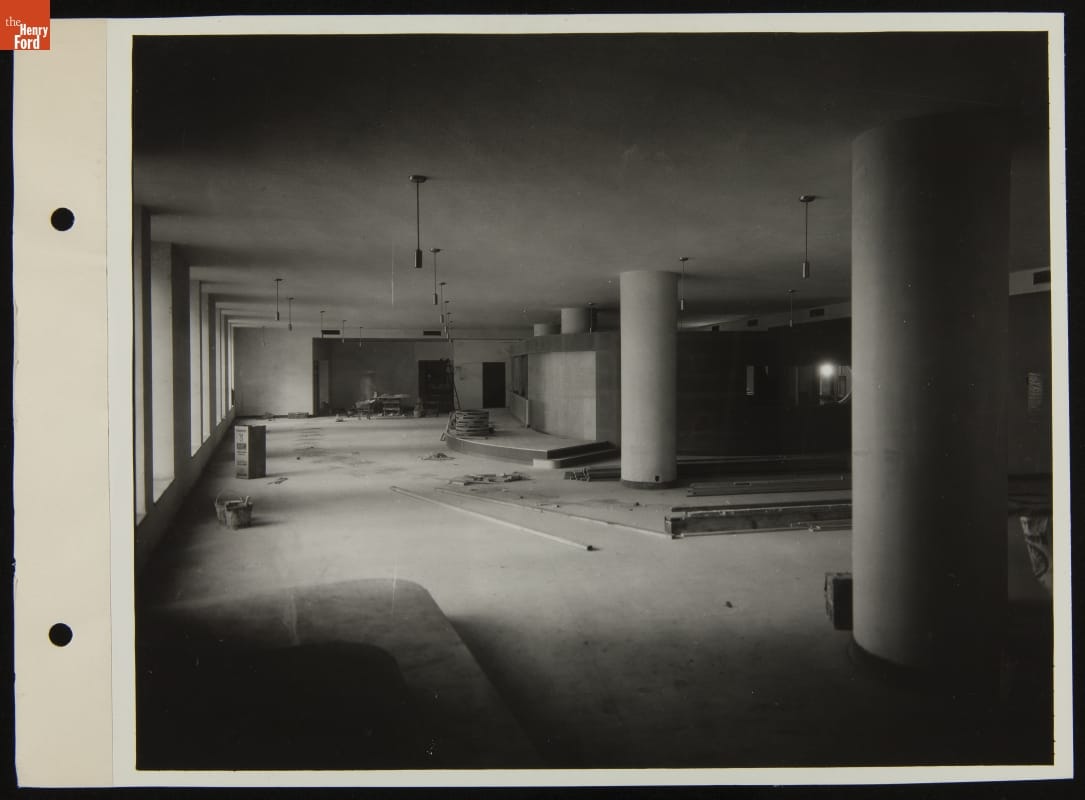
- Interior Remodeling in Progress, Ford Motor Company's New York City Branch, July 1937 - Ford Motor Company operated sales and service branches throughout the United States -- and ultimately around the world. Architect Albert Kahn designed this building for Ford's showroom, parts department, and offices on Broadway in New York City. It opened in 1919, and it was thoroughly remodeled in 1937. Ford sold the building to the International Ladies' Garment Workers' Union in 1943.
- July 15, 1937
- Collections - Artifact
Interior Remodeling in Progress, Ford Motor Company's New York City Branch, July 1937
Ford Motor Company operated sales and service branches throughout the United States -- and ultimately around the world. Architect Albert Kahn designed this building for Ford's showroom, parts department, and offices on Broadway in New York City. It opened in 1919, and it was thoroughly remodeled in 1937. Ford sold the building to the International Ladies' Garment Workers' Union in 1943.
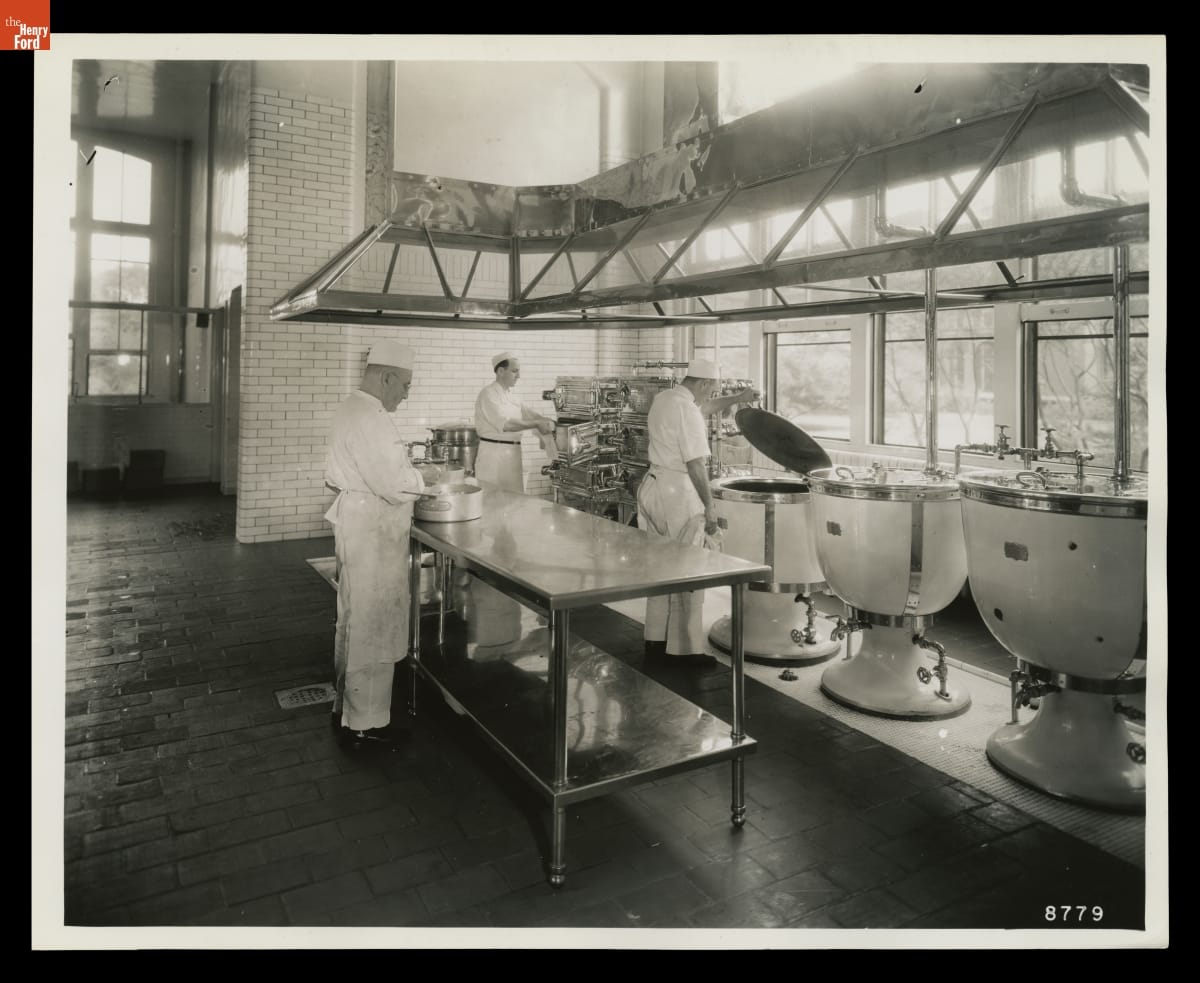
- Kitchen at Henry Ford Hospital, Detroit, Michigan, April 1931 - In 1915, Henry Ford funded a new hospital for Detroit. Designed and built in consultation with leading medical experts, Henry Ford Hospital employed salaried doctors and charged low, fixed fees to patients. In 1929, the hospital's kitchens prepared nearly 1,200 meals each day. By that point in its history, Henry Ford Hospital had registered more than 132,000 patients.
- April 29, 1931
- Collections - Artifact
Kitchen at Henry Ford Hospital, Detroit, Michigan, April 1931
In 1915, Henry Ford funded a new hospital for Detroit. Designed and built in consultation with leading medical experts, Henry Ford Hospital employed salaried doctors and charged low, fixed fees to patients. In 1929, the hospital's kitchens prepared nearly 1,200 meals each day. By that point in its history, Henry Ford Hospital had registered more than 132,000 patients.
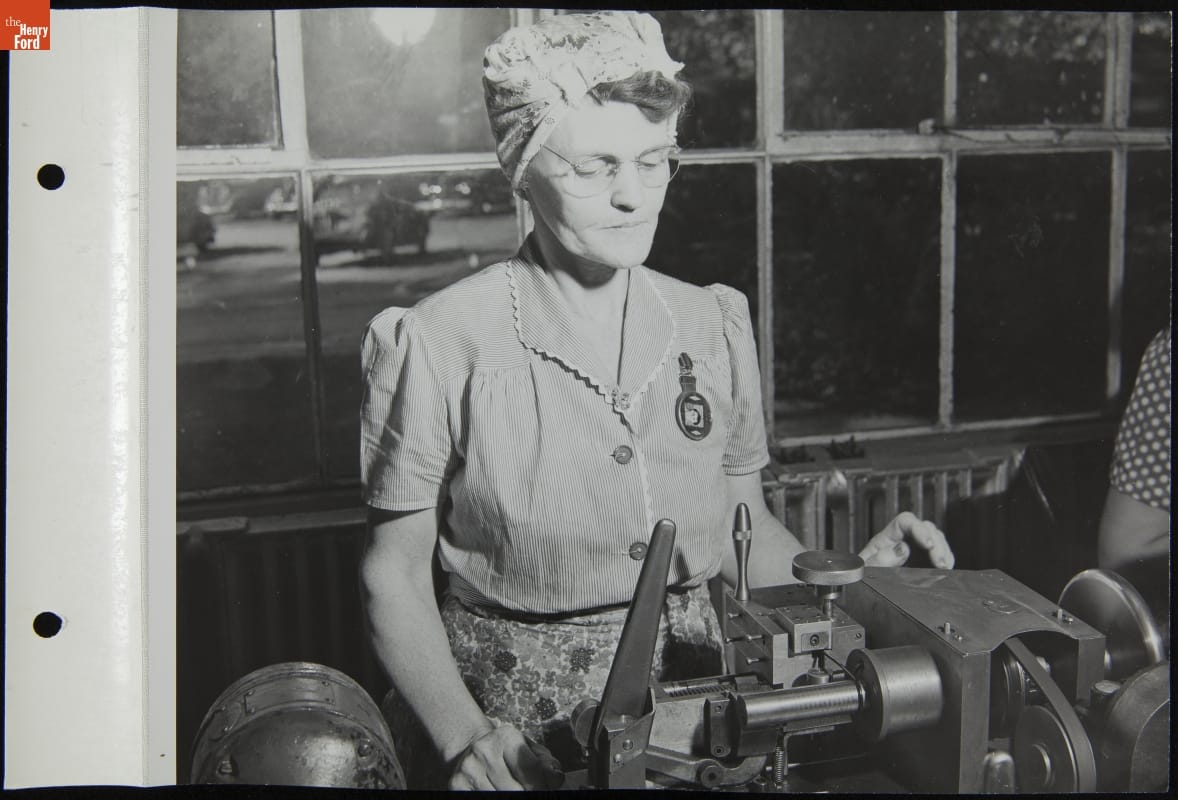
- Women Making Electric Harnesses for B-24 Bombers at Phoenix Mills, September 1944 - In the early 1920s, Henry Ford began locating small hydroelectrically powered plants in rural southeast Michigan. These "Village Industries" employed local people who could maintain farms while working at the factory. Women represented most of the workforce at Phoenix Mill. During World War II, they manufactured electrical harnesses for B-24 bomber airplanes assembled at Ford's nearby Willow Run plant.
- September 25, 1944
- Collections - Artifact
Women Making Electric Harnesses for B-24 Bombers at Phoenix Mills, September 1944
In the early 1920s, Henry Ford began locating small hydroelectrically powered plants in rural southeast Michigan. These "Village Industries" employed local people who could maintain farms while working at the factory. Women represented most of the workforce at Phoenix Mill. During World War II, they manufactured electrical harnesses for B-24 bomber airplanes assembled at Ford's nearby Willow Run plant.
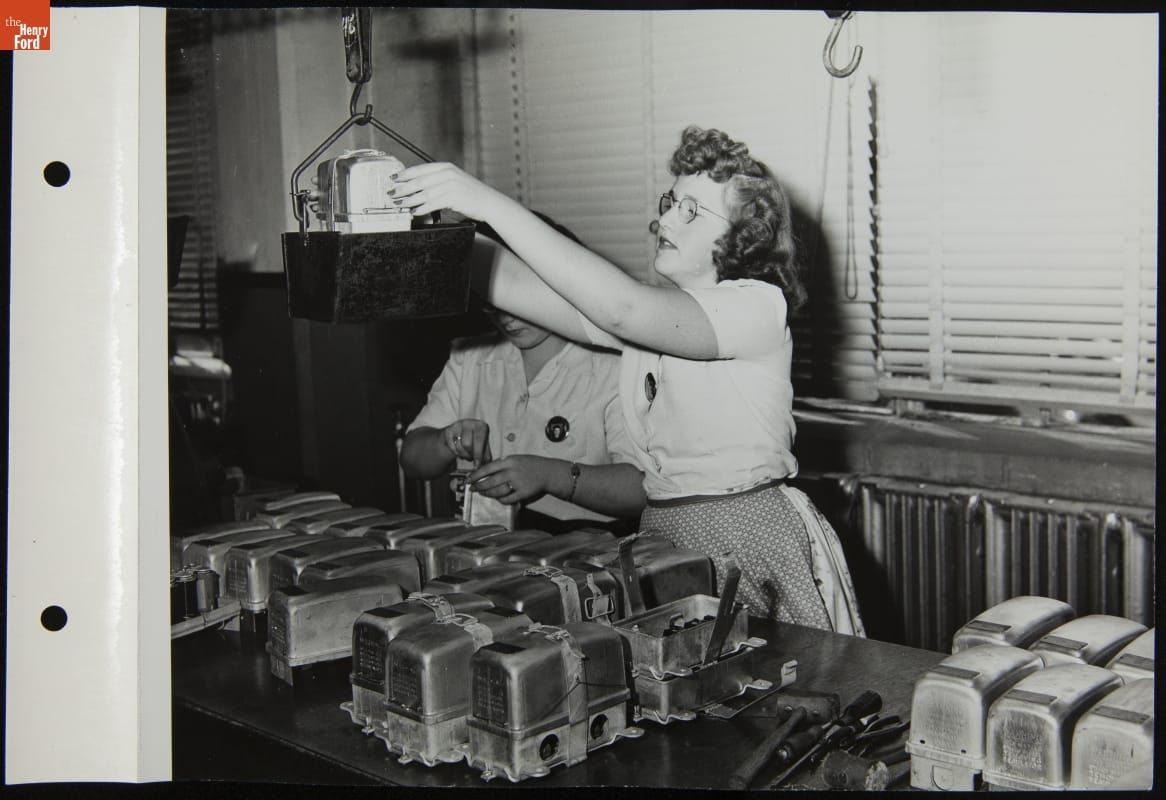
- Women Making Electric Harnesses for B-24 Bombers at Phoenix Mills, September 1944 - In the early 1920s, Henry Ford began locating small hydroelectrically powered plants in rural southeast Michigan. These "Village Industries" employed local people who could maintain farms while working at the factory. Women represented most of the workforce at Phoenix Mill. During World War II, they manufactured electrical harnesses for B-24 bomber airplanes assembled at Ford's nearby Willow Run plant.
- September 25, 1944
- Collections - Artifact
Women Making Electric Harnesses for B-24 Bombers at Phoenix Mills, September 1944
In the early 1920s, Henry Ford began locating small hydroelectrically powered plants in rural southeast Michigan. These "Village Industries" employed local people who could maintain farms while working at the factory. Women represented most of the workforce at Phoenix Mill. During World War II, they manufactured electrical harnesses for B-24 bomber airplanes assembled at Ford's nearby Willow Run plant.
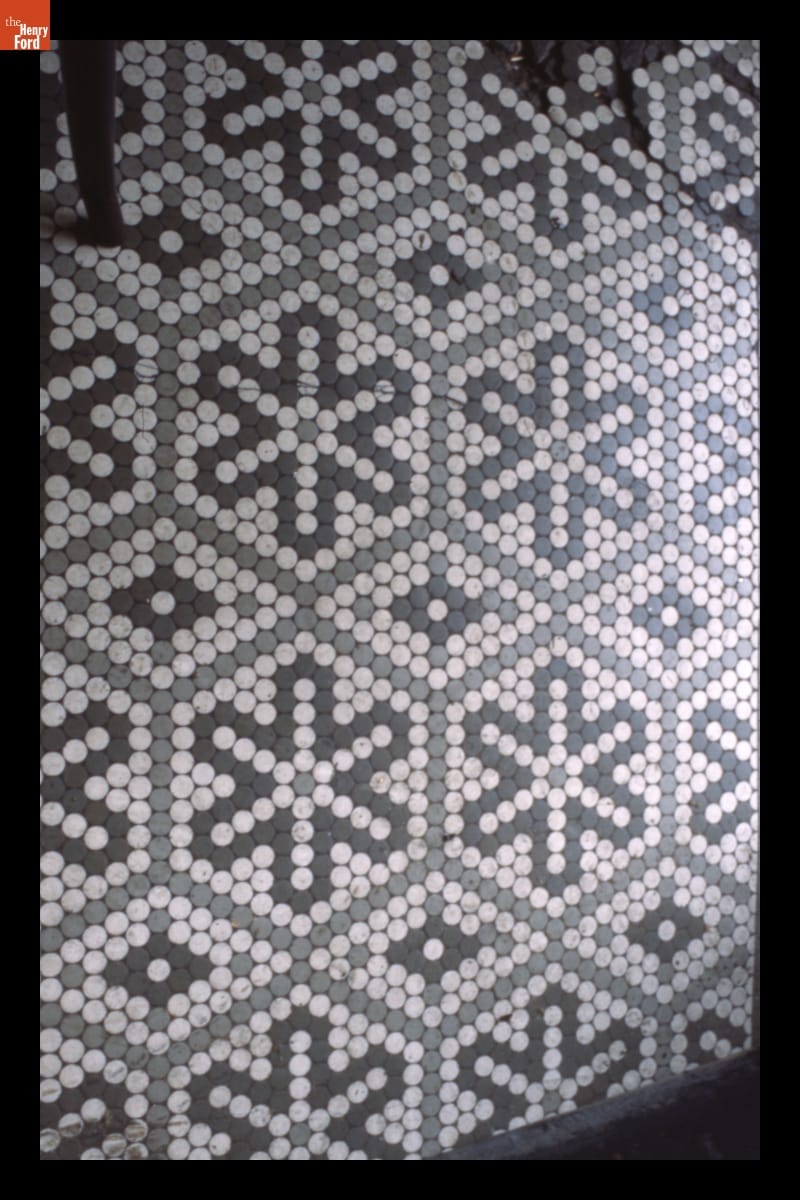
- Floor Tile in Georgia-Pacific (G-P) Diner, Jarratt, Virginia, June 1991 -
- June 01, 1991
- Collections - Artifact
Floor Tile in Georgia-Pacific (G-P) Diner, Jarratt, Virginia, June 1991
- Employees with the 4,000,000th Ford Tractor and a Fordson Tractor at the Highland Park Plant, 1972 -
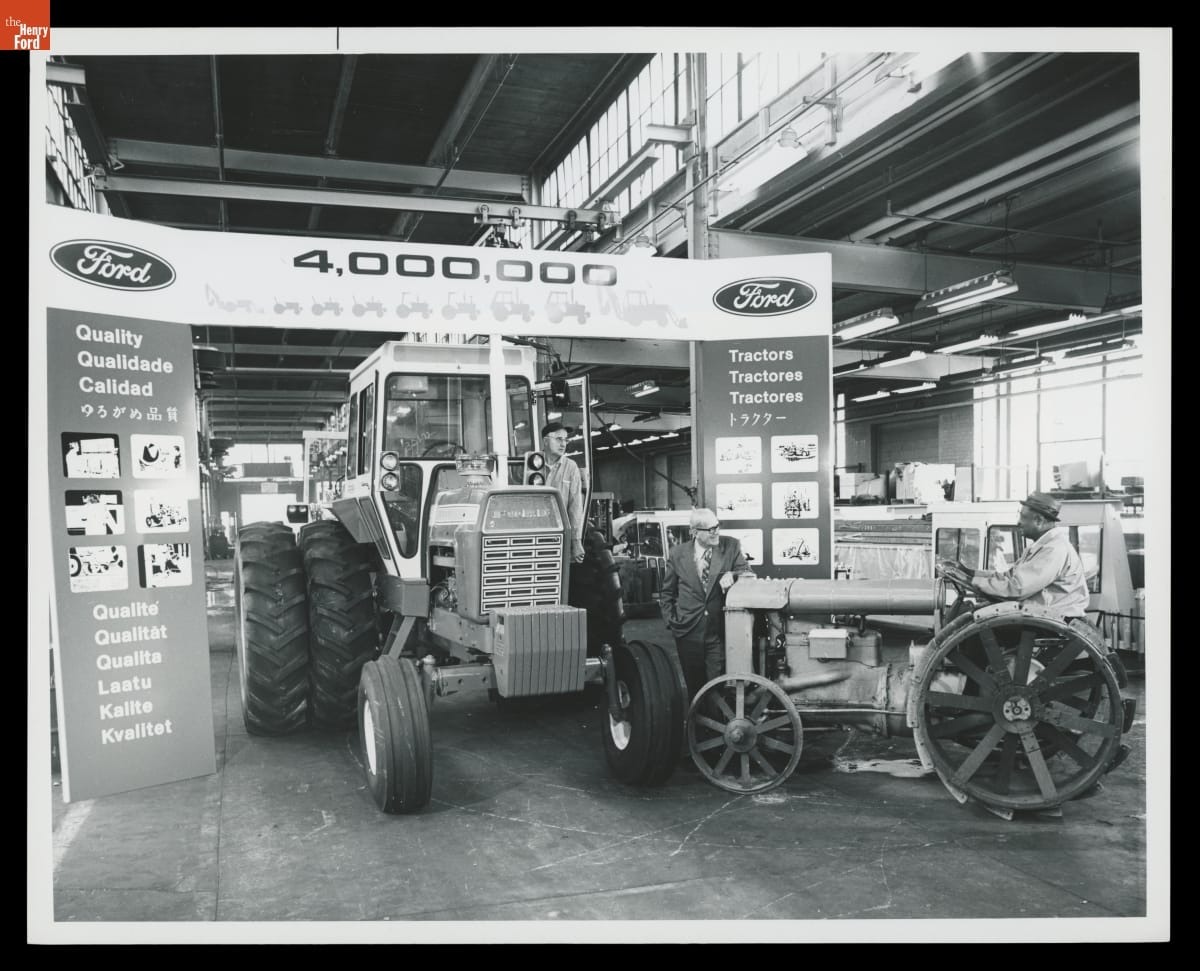
- 1972
- Collections - Artifact
Employees with the 4,000,000th Ford Tractor and a Fordson Tractor at the Highland Park Plant, 1972
- Ford Motor Company Advanced Styling Section, circa 1953 -
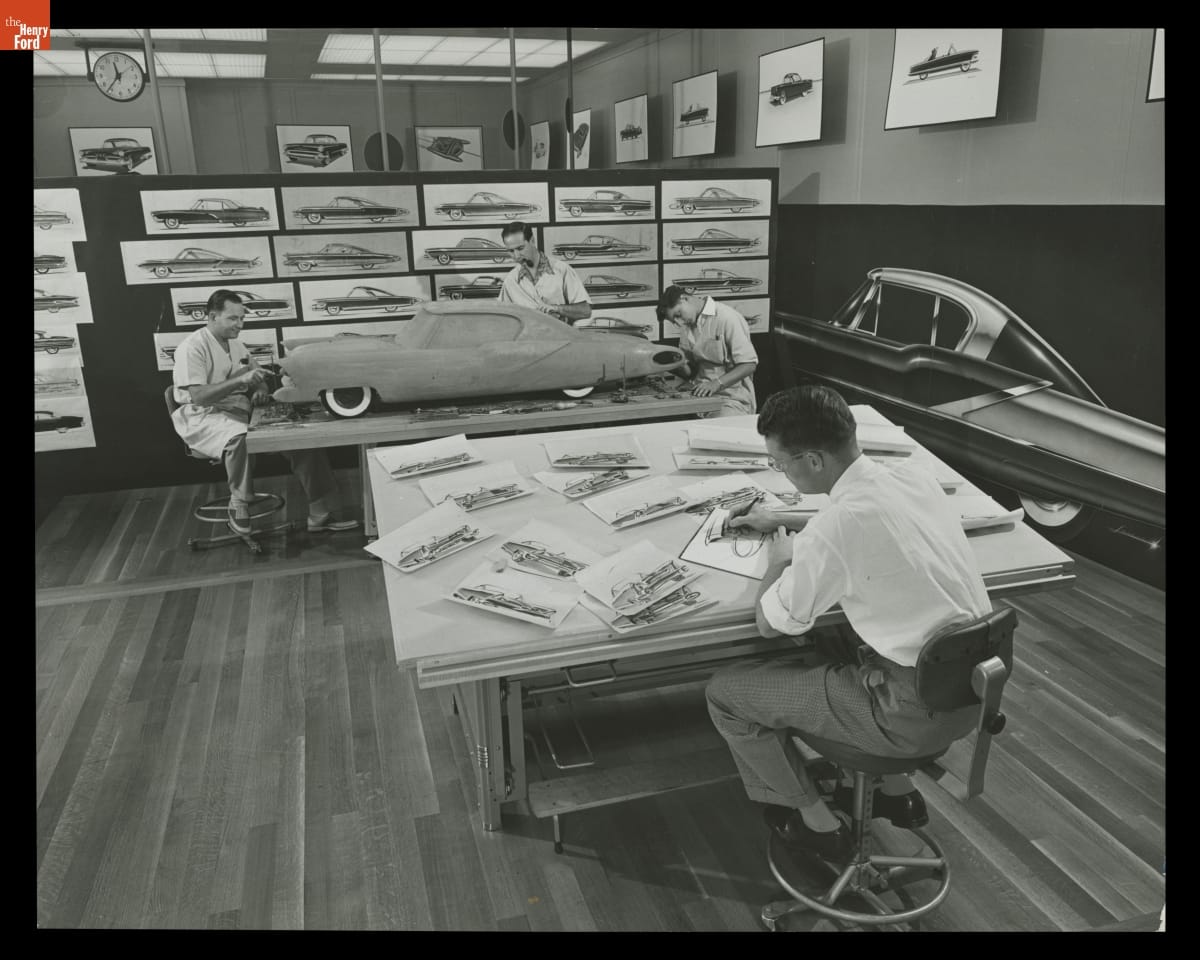
- circa 1953
- Collections - Artifact
Ford Motor Company Advanced Styling Section, circa 1953