
Search
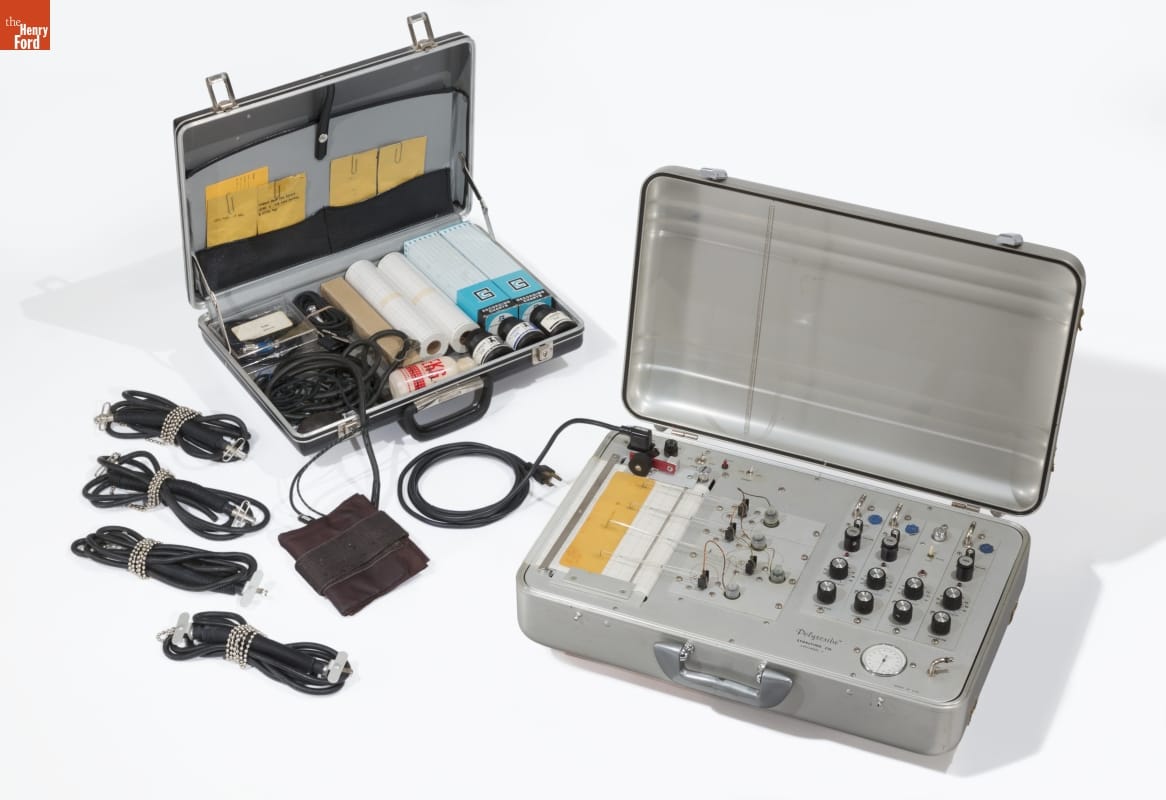
- Polyscribe Model 22770 Polygraph Machine and Accessories Kit, 1974-1977 - Polygraphs are more popularly known as "lie detector" machines. They measure a person's pulse, breathing rate, perspiration, and blood pressure. Polygraphs convert this data into electronic signals; inking arms output this information onto paper charts. Trained examiners interpret the results, to determine guilt or innocence. The polygraph has been called out as unethical and legally inadmissible in some cases.
- 1974-1977
- Collections - Artifact
Polyscribe Model 22770 Polygraph Machine and Accessories Kit, 1974-1977
Polygraphs are more popularly known as "lie detector" machines. They measure a person's pulse, breathing rate, perspiration, and blood pressure. Polygraphs convert this data into electronic signals; inking arms output this information onto paper charts. Trained examiners interpret the results, to determine guilt or innocence. The polygraph has been called out as unethical and legally inadmissible in some cases.
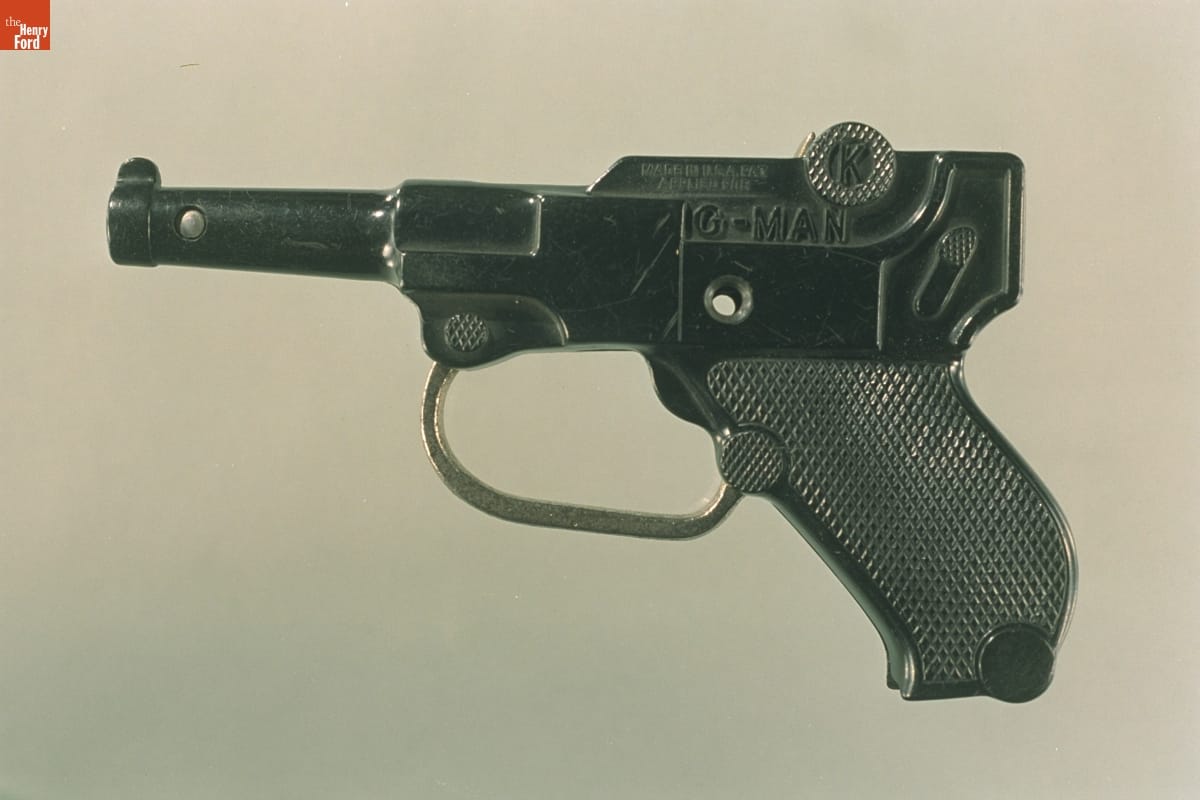
- Toy "G-Man" Cap Pistol, Used by James Greenhoe, 1937-1946 -
- 1937-1946
- Collections - Artifact
Toy "G-Man" Cap Pistol, Used by James Greenhoe, 1937-1946
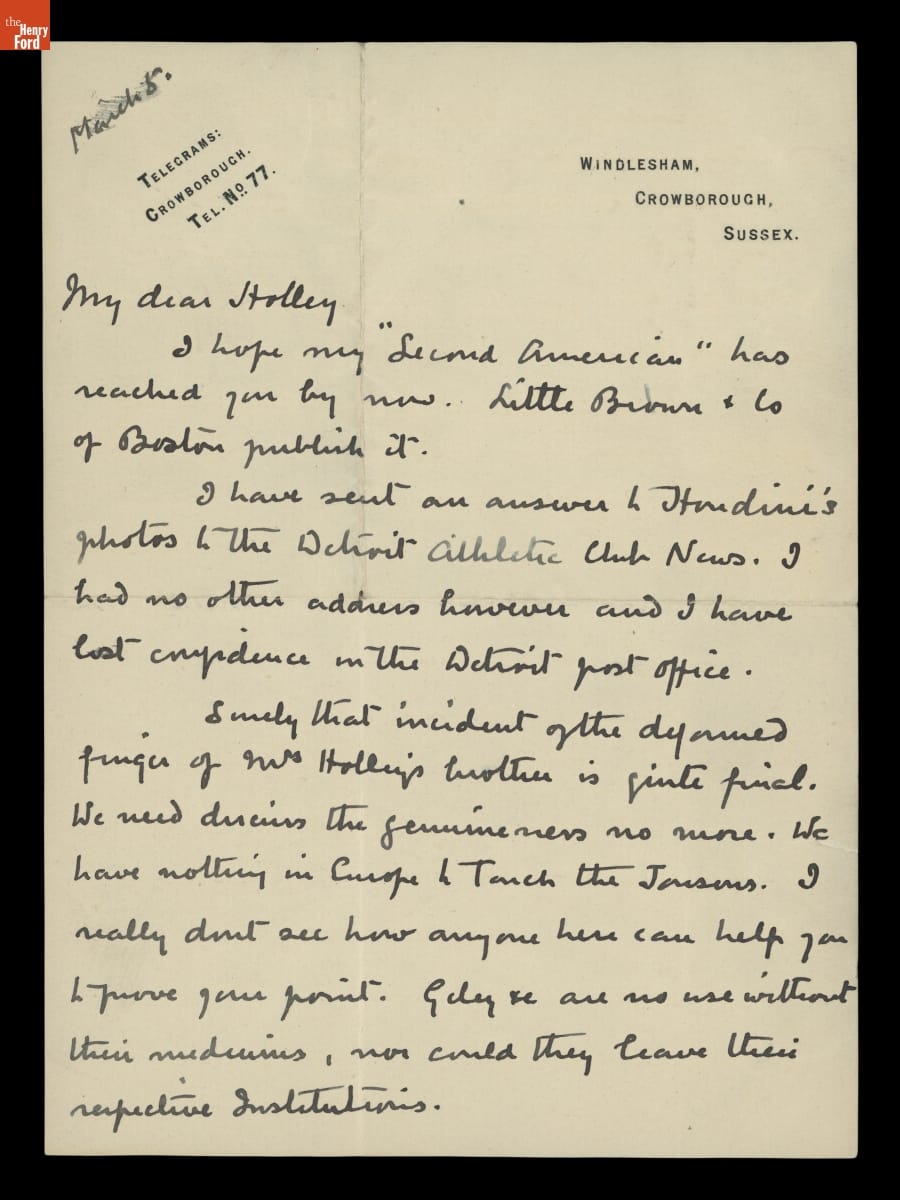
- Letter from Arthur Conan Doyle to George M. Holley, March 5, 1924 - George Holley, founder of Holley Motor Company, and Sir Arthur Conan Doyle, famed author, became acquainted after Holley attended one of Doyle's lectures in Detroit. From 1923 to 1929, the two maintained a robust correspondence. Spiritualism was a frequent topic as they traded recommendations of mediums, bemoaned skeptics like Harry Houdini, and discussed the state of belief on both sides of the Atlantic.
- March 05, 1924
- Collections - Artifact
Letter from Arthur Conan Doyle to George M. Holley, March 5, 1924
George Holley, founder of Holley Motor Company, and Sir Arthur Conan Doyle, famed author, became acquainted after Holley attended one of Doyle's lectures in Detroit. From 1923 to 1929, the two maintained a robust correspondence. Spiritualism was a frequent topic as they traded recommendations of mediums, bemoaned skeptics like Harry Houdini, and discussed the state of belief on both sides of the Atlantic.
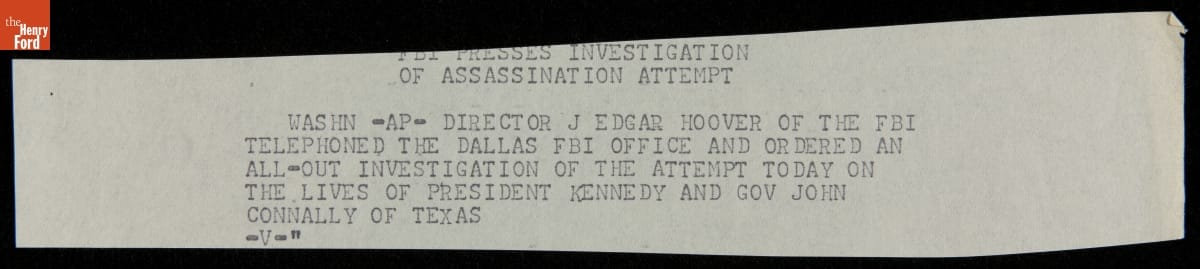
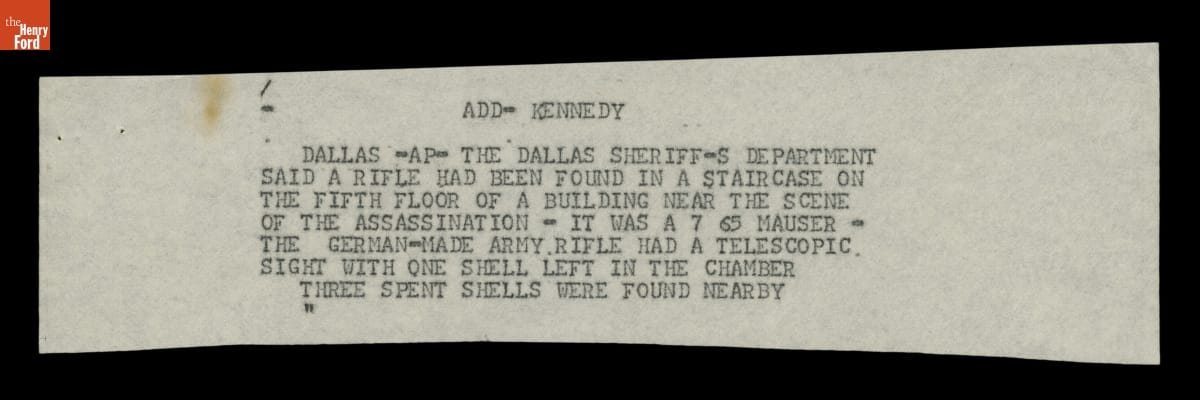
- Teletype Message with Wire Service News Coverage of John F. Kennedy Assassination, November 22, 1963 - In the routine course of business, Ford Motor Company received a steady flow of news and financial reports from the Wall Street Journal. These dispatches came over the teletype machine on November 22, 1963 describing events from the arrival of President John F. Kennedy and his wife Jacqueline in Dallas through the official report of his death several hours later.
- November 22, 1963
- Collections - Artifact
Teletype Message with Wire Service News Coverage of John F. Kennedy Assassination, November 22, 1963
In the routine course of business, Ford Motor Company received a steady flow of news and financial reports from the Wall Street Journal. These dispatches came over the teletype machine on November 22, 1963 describing events from the arrival of President John F. Kennedy and his wife Jacqueline in Dallas through the official report of his death several hours later.
- Teletype Message with Wire Service News Coverage of John F. Kennedy Assassination, November 22, 1963 - In the routine course of business, Ford Motor Company received a steady flow of news and financial reports from the Wall Street Journal. These dispatches came over the teletype machine on November 22, 1963 describing events from the arrival of President John F. Kennedy and his wife Jacqueline in Dallas through the official report of his death several hours later.
- November 22, 1963
- Collections - Artifact
Teletype Message with Wire Service News Coverage of John F. Kennedy Assassination, November 22, 1963
In the routine course of business, Ford Motor Company received a steady flow of news and financial reports from the Wall Street Journal. These dispatches came over the teletype machine on November 22, 1963 describing events from the arrival of President John F. Kennedy and his wife Jacqueline in Dallas through the official report of his death several hours later.
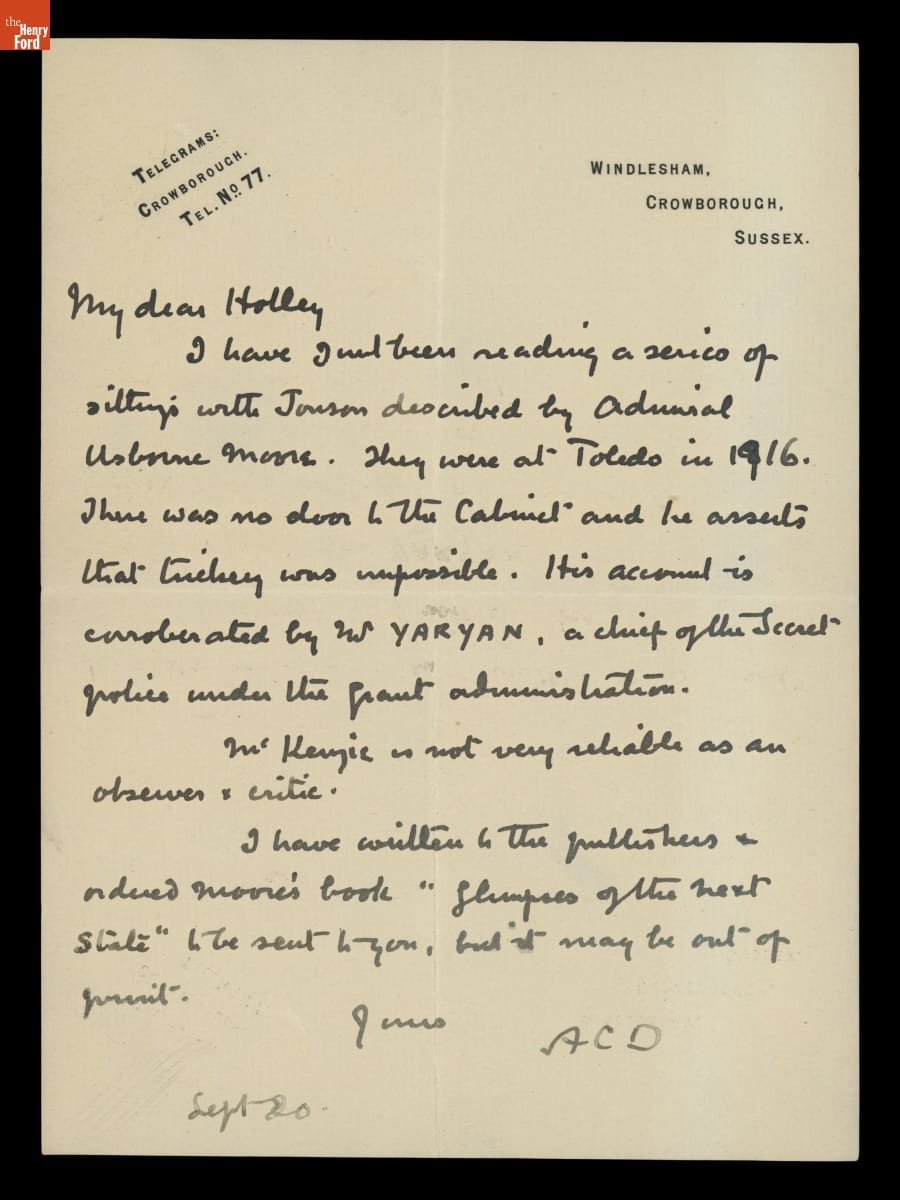
- Letter from Arthur Conan Doyle to George M. Holley, September 20 - George Holley, founder of Holley Motor Company, and Sir Arthur Conan Doyle, famed author, became acquainted after Holley attended one of Doyle's lectures in Detroit. From 1923 to 1929, the two maintained a robust correspondence. Spiritualism was a frequent topic as they traded recommendations of mediums, bemoaned skeptics like Harry Houdini, and discussed the state of belief on both sides of the Atlantic.
- Collections - Artifact
Letter from Arthur Conan Doyle to George M. Holley, September 20
George Holley, founder of Holley Motor Company, and Sir Arthur Conan Doyle, famed author, became acquainted after Holley attended one of Doyle's lectures in Detroit. From 1923 to 1929, the two maintained a robust correspondence. Spiritualism was a frequent topic as they traded recommendations of mediums, bemoaned skeptics like Harry Houdini, and discussed the state of belief on both sides of the Atlantic.
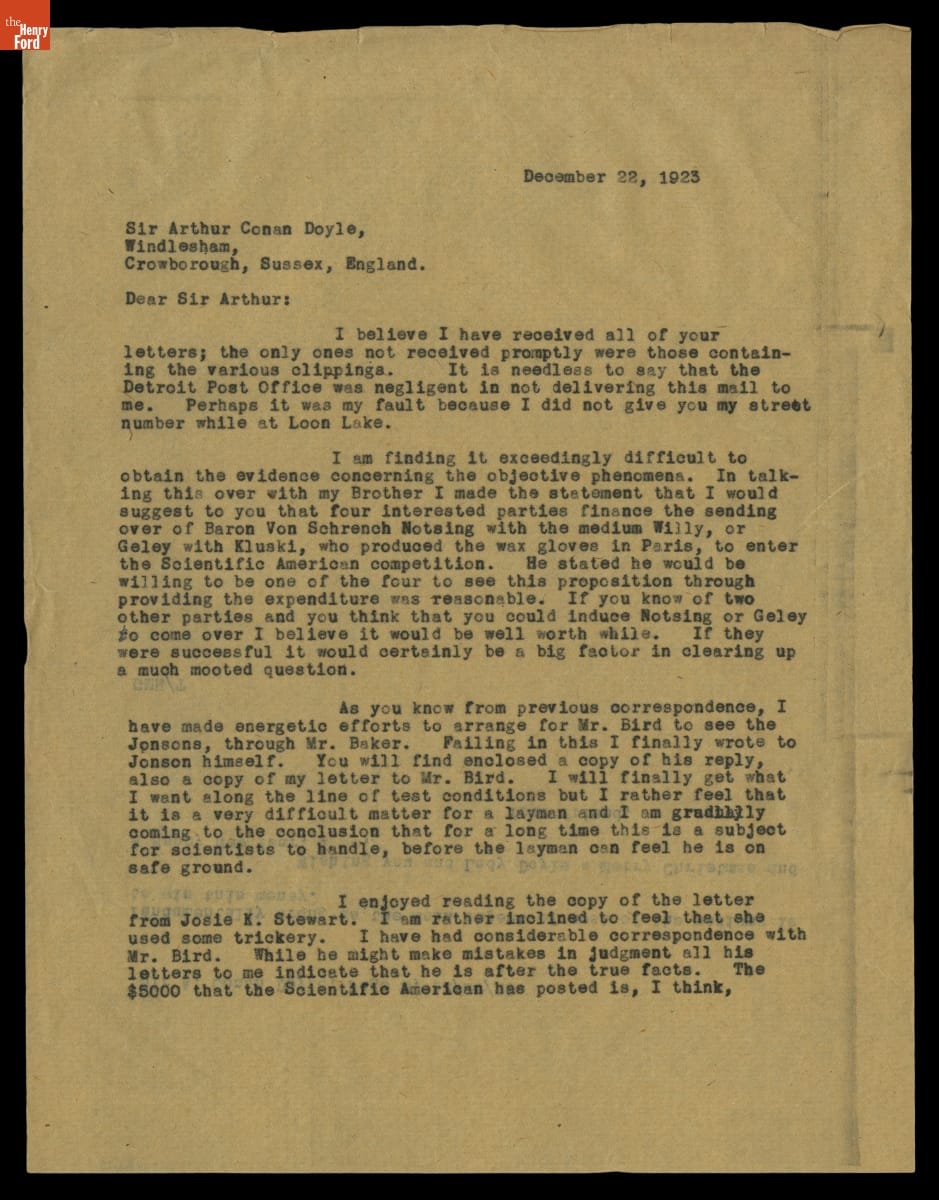
- Letter from George M. Holley to Arthur Conan Doyle, December 22, 1923 - George Holley, founder of Holley Motor Company, and Sir Arthur Conan Doyle, famed author, became acquainted after Holley attended one of Doyle's lectures in Detroit. From 1923 to 1929, the two maintained a robust correspondence. Spiritualism was a frequent topic as they traded recommendations of mediums, bemoaned skeptics like Harry Houdini, and discussed the state of belief on both sides of the Atlantic.
- December 22, 1923
- Collections - Artifact
Letter from George M. Holley to Arthur Conan Doyle, December 22, 1923
George Holley, founder of Holley Motor Company, and Sir Arthur Conan Doyle, famed author, became acquainted after Holley attended one of Doyle's lectures in Detroit. From 1923 to 1929, the two maintained a robust correspondence. Spiritualism was a frequent topic as they traded recommendations of mediums, bemoaned skeptics like Harry Houdini, and discussed the state of belief on both sides of the Atlantic.
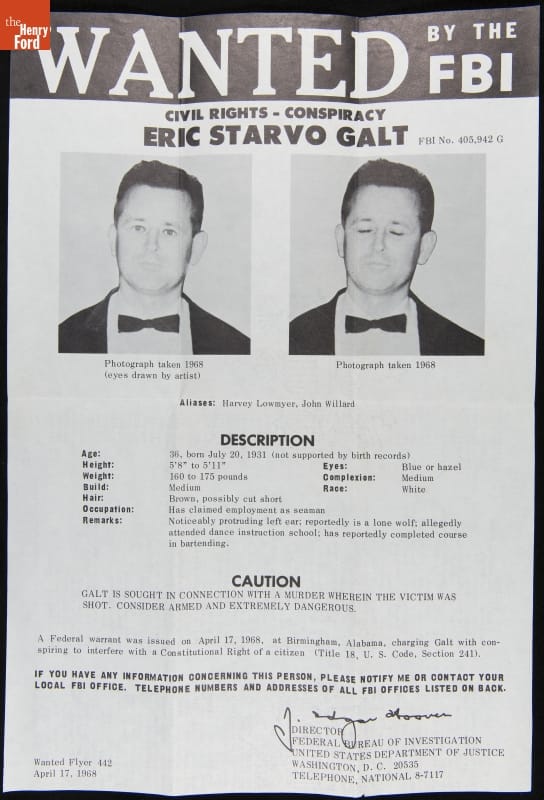
- Wanted Flyer 442, Wanted by the FBI for Civil Rights - Conspiracy, Eric Starvo Galt, April 17, 1968 - A nationwide manhunt began after Dr. Martin Luther King, Jr. was fatally shot on April 4, 1968. The FBI at first identified the assassin as Eric Starvo Galt -- an alias of James Earl Ray -- and issued posters with that name to various law enforcement agencies. On June 8, 1968, British police apprehended Ray at a London airport as he tried to flee to Rhodesia.
- April 17, 1968
- Collections - Artifact
Wanted Flyer 442, Wanted by the FBI for Civil Rights - Conspiracy, Eric Starvo Galt, April 17, 1968
A nationwide manhunt began after Dr. Martin Luther King, Jr. was fatally shot on April 4, 1968. The FBI at first identified the assassin as Eric Starvo Galt -- an alias of James Earl Ray -- and issued posters with that name to various law enforcement agencies. On June 8, 1968, British police apprehended Ray at a London airport as he tried to flee to Rhodesia.
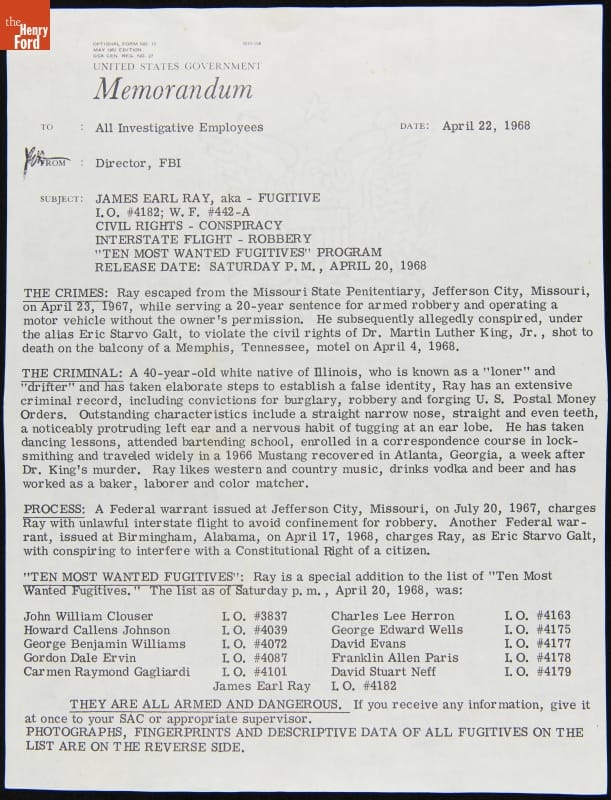
- FBI Director Memorandum to All Investigative Employees regarding James Earl Ray, Fugitive, April 22, 1968 - A nationwide manhunt began after Dr. Martin Luther King, Jr. was fatally shot on April 4, 1968. The FBI identified James Earl Ray as the assassin and issued dispatches and memorandums to its national branches and other law enforcement agencies. On June 8, 1968, British police apprehended Ray at a London airport as he tried to flee to Rhodesia.
- April 22, 1968
- Collections - Artifact
FBI Director Memorandum to All Investigative Employees regarding James Earl Ray, Fugitive, April 22, 1968
A nationwide manhunt began after Dr. Martin Luther King, Jr. was fatally shot on April 4, 1968. The FBI identified James Earl Ray as the assassin and issued dispatches and memorandums to its national branches and other law enforcement agencies. On June 8, 1968, British police apprehended Ray at a London airport as he tried to flee to Rhodesia.
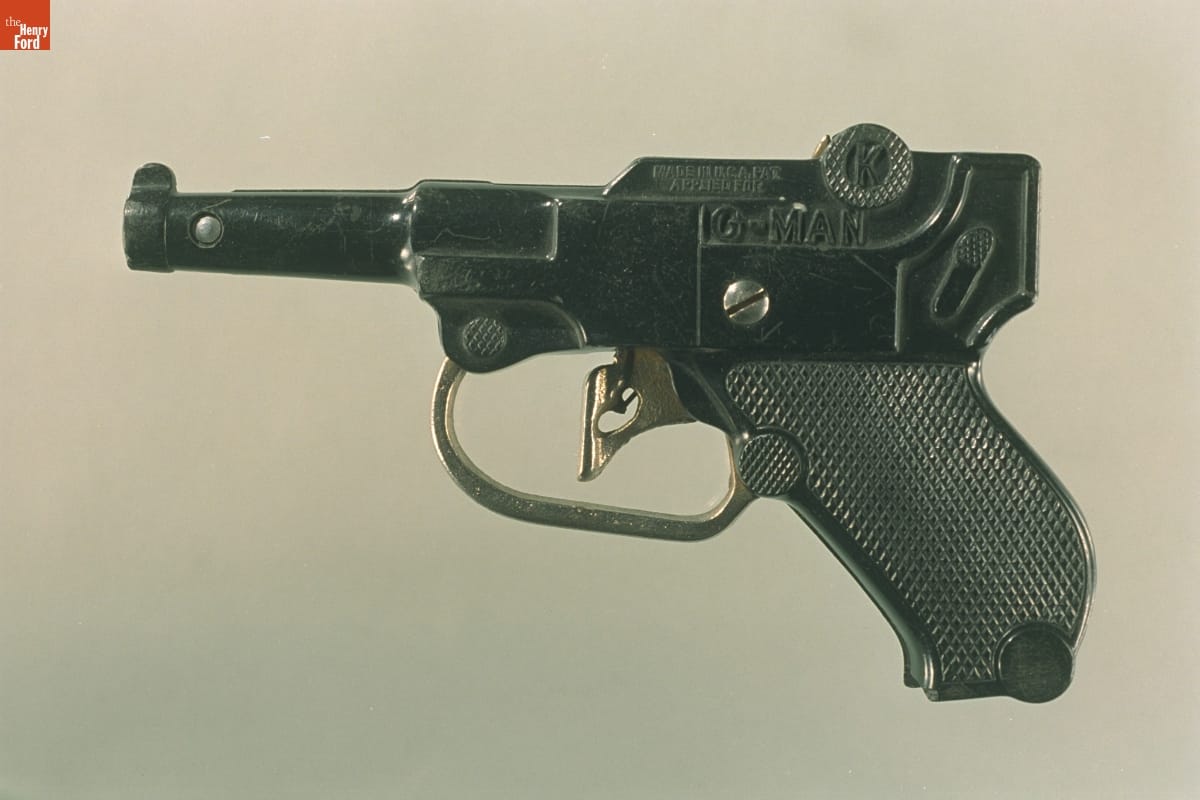
- Toy "G-Man" Cap Pistol, Used by James Greenhoe, 1937-1946 -
- 1937-1946
- Collections - Artifact
Toy "G-Man" Cap Pistol, Used by James Greenhoe, 1937-1946