
Search
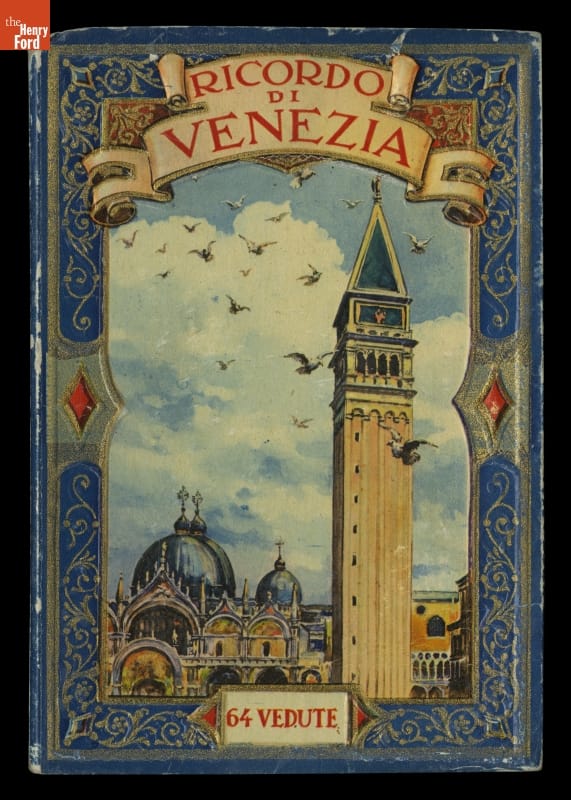
- "Ricordo Di Venezia, 64 Vedute," 1928 -
- 1928
- Collections - Artifact
"Ricordo Di Venezia, 64 Vedute," 1928
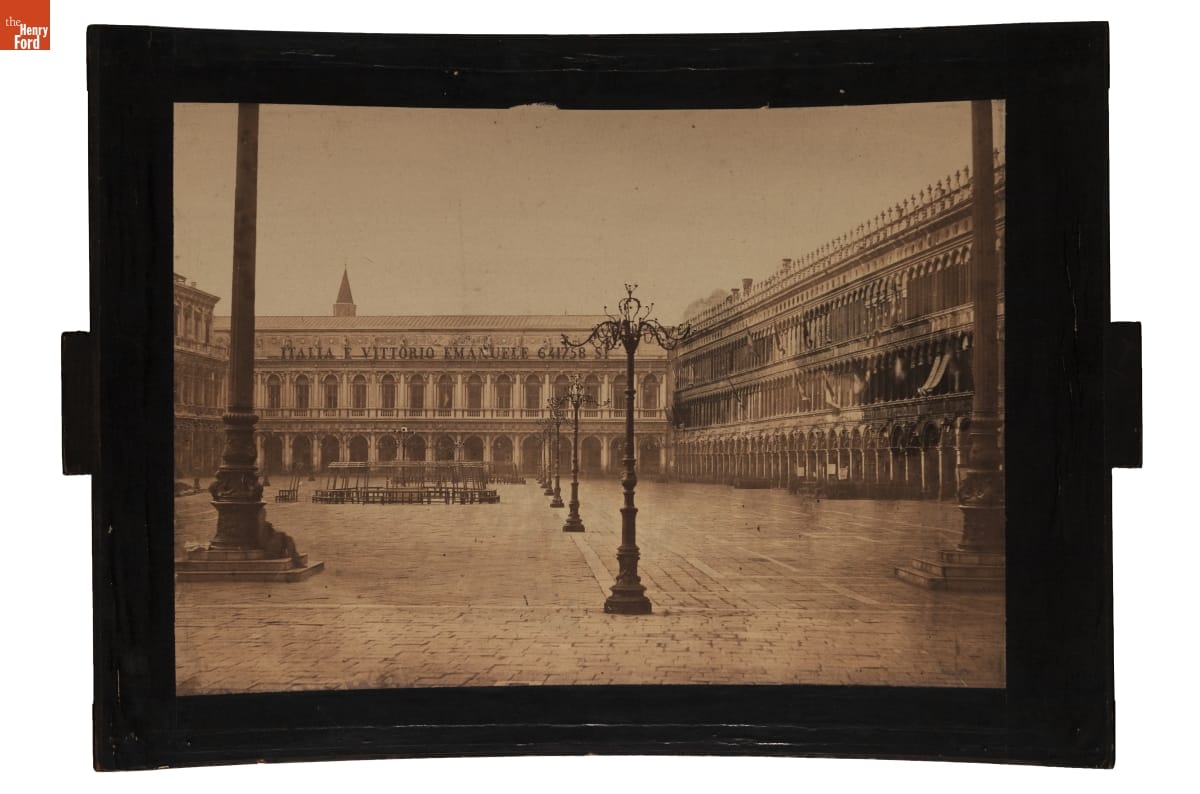
- Megalethoscope Slide, "St. Mark's Square" - Invented by Carlo Ponti in the early 1860s, a megalethoscope is a device used to view a translucent, multilayered photograph. By opening or closing various panels, a person saw the image change. When lit from behind, pinpricks and paint or colored tissue applied to the back or a secondary layer of the photograph transform the scene to reveal hidden images and create an illusion of nighttime.
- Collections - Artifact
Megalethoscope Slide, "St. Mark's Square"
Invented by Carlo Ponti in the early 1860s, a megalethoscope is a device used to view a translucent, multilayered photograph. By opening or closing various panels, a person saw the image change. When lit from behind, pinpricks and paint or colored tissue applied to the back or a secondary layer of the photograph transform the scene to reveal hidden images and create an illusion of nighttime.
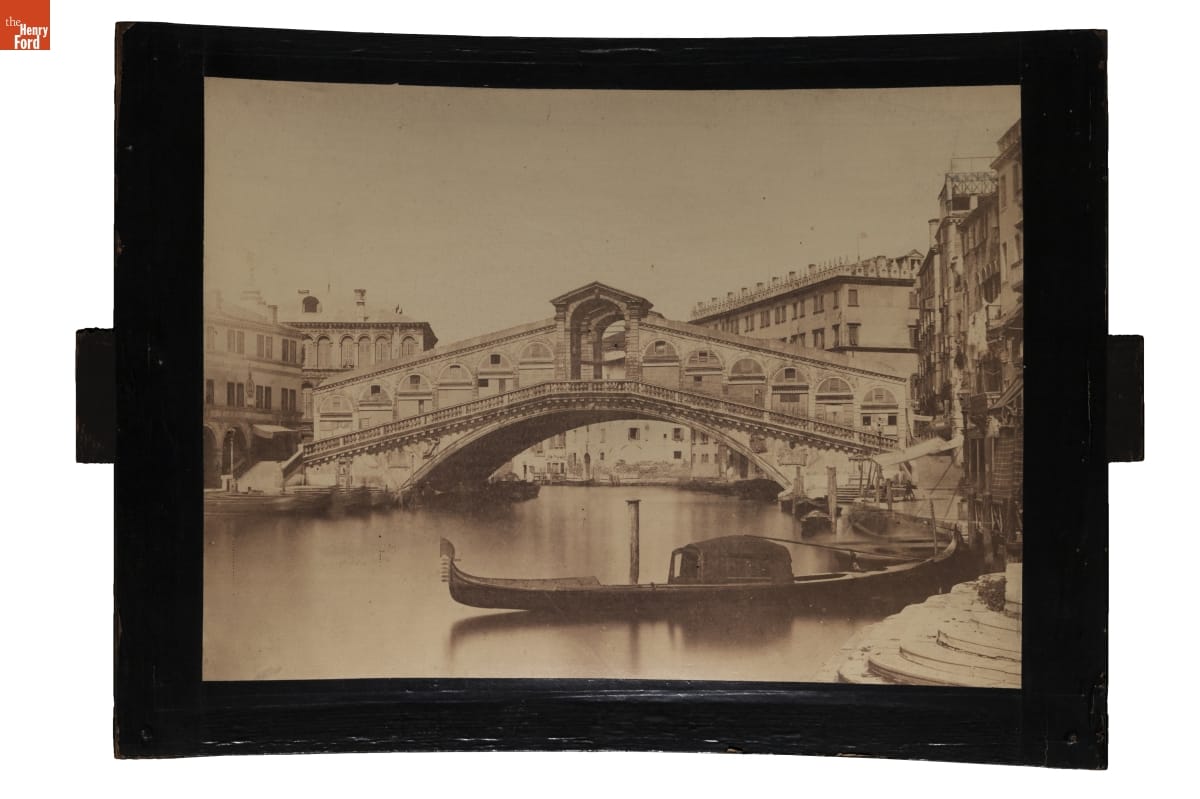
- Megalethoscope Slide, "Rialto" - Invented by Carlo Ponti in the early 1860s, a megalethoscope is a device used to view a translucent, multilayered photograph. By opening or closing various panels, a person saw the image change. When lit from behind, pinpricks and paint or colored tissue applied to the back or a secondary layer of the photograph transform the scene to reveal hidden images and create an illusion of nighttime.
- Collections - Artifact
Megalethoscope Slide, "Rialto"
Invented by Carlo Ponti in the early 1860s, a megalethoscope is a device used to view a translucent, multilayered photograph. By opening or closing various panels, a person saw the image change. When lit from behind, pinpricks and paint or colored tissue applied to the back or a secondary layer of the photograph transform the scene to reveal hidden images and create an illusion of nighttime.
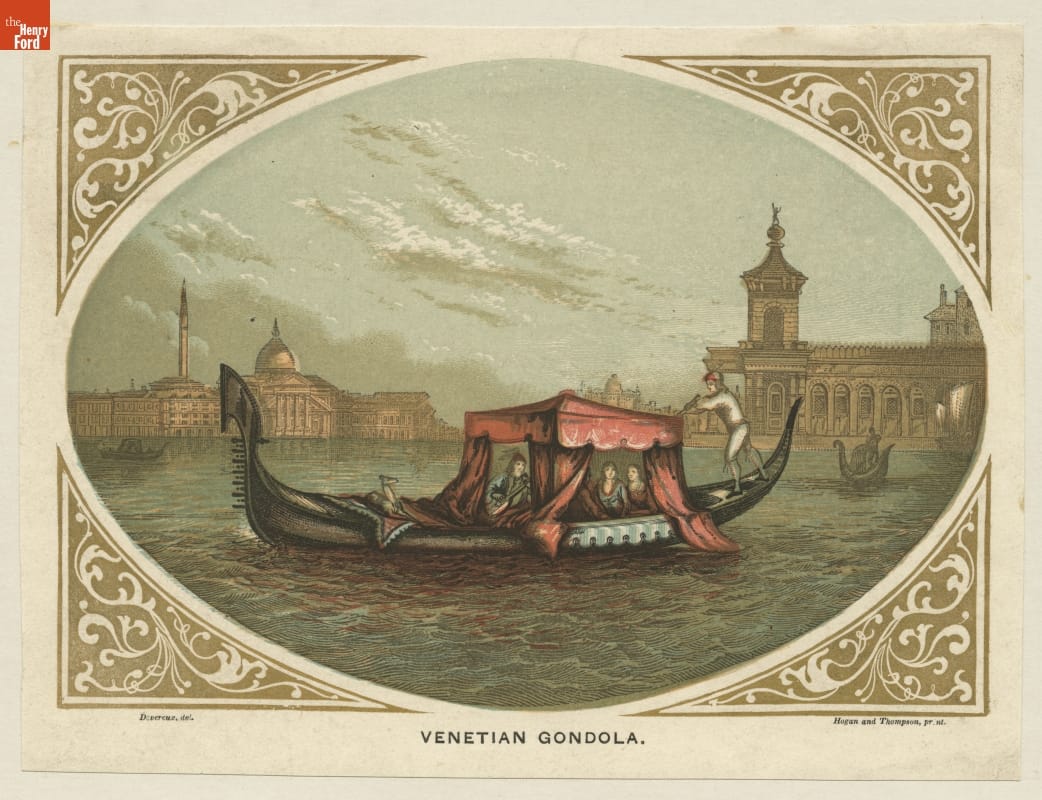
- Chromolithograph, "Venetian Gondola," circa 1845 -
- circa 1845
- Collections - Artifact
Chromolithograph, "Venetian Gondola," circa 1845
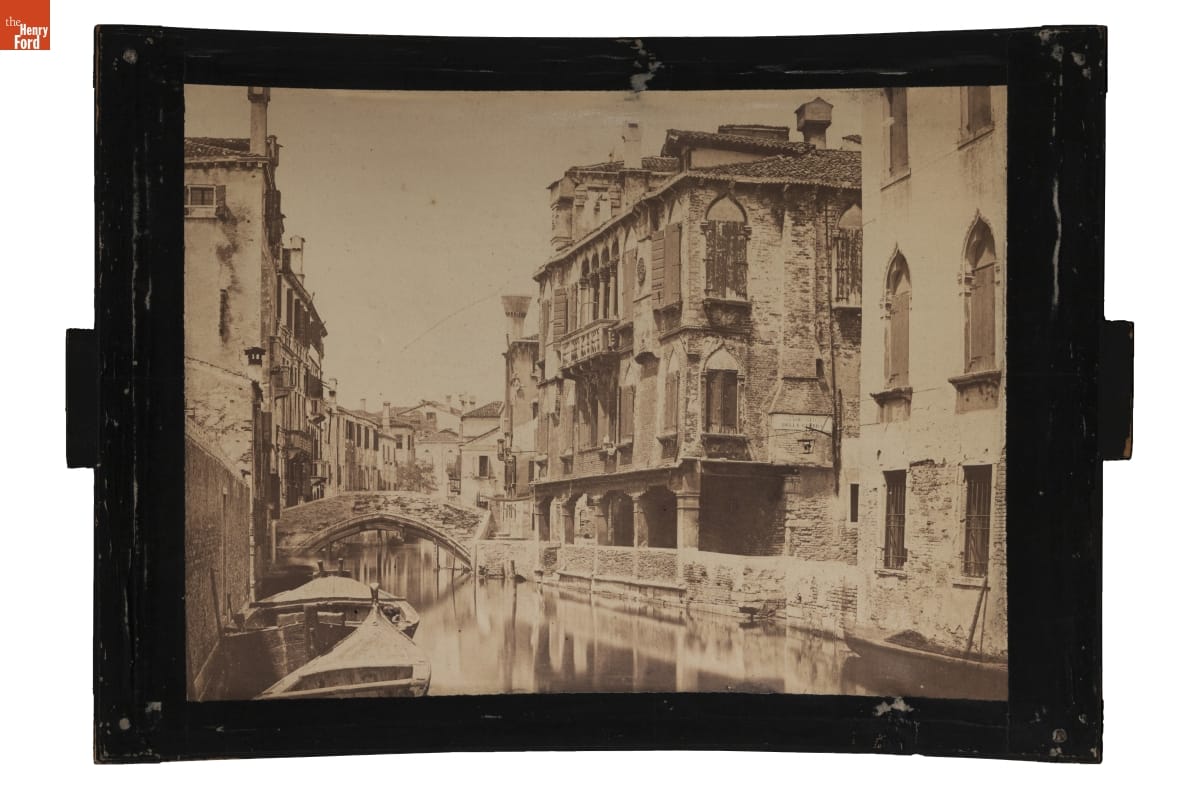
- Megalethoscope Slide, "Rio dei Santi Apostoli" - Invented by Carlo Ponti in the early 1860s, a megalethoscope is a device used to view a translucent, multilayered photograph. By opening or closing various panels, a person saw the image change. When lit from behind, pinpricks and paint or colored tissue applied to the back or a secondary layer of the photograph transform the scene to reveal hidden images and create an illusion of nighttime.
- 1860-1865
- Collections - Artifact
Megalethoscope Slide, "Rio dei Santi Apostoli"
Invented by Carlo Ponti in the early 1860s, a megalethoscope is a device used to view a translucent, multilayered photograph. By opening or closing various panels, a person saw the image change. When lit from behind, pinpricks and paint or colored tissue applied to the back or a secondary layer of the photograph transform the scene to reveal hidden images and create an illusion of nighttime.
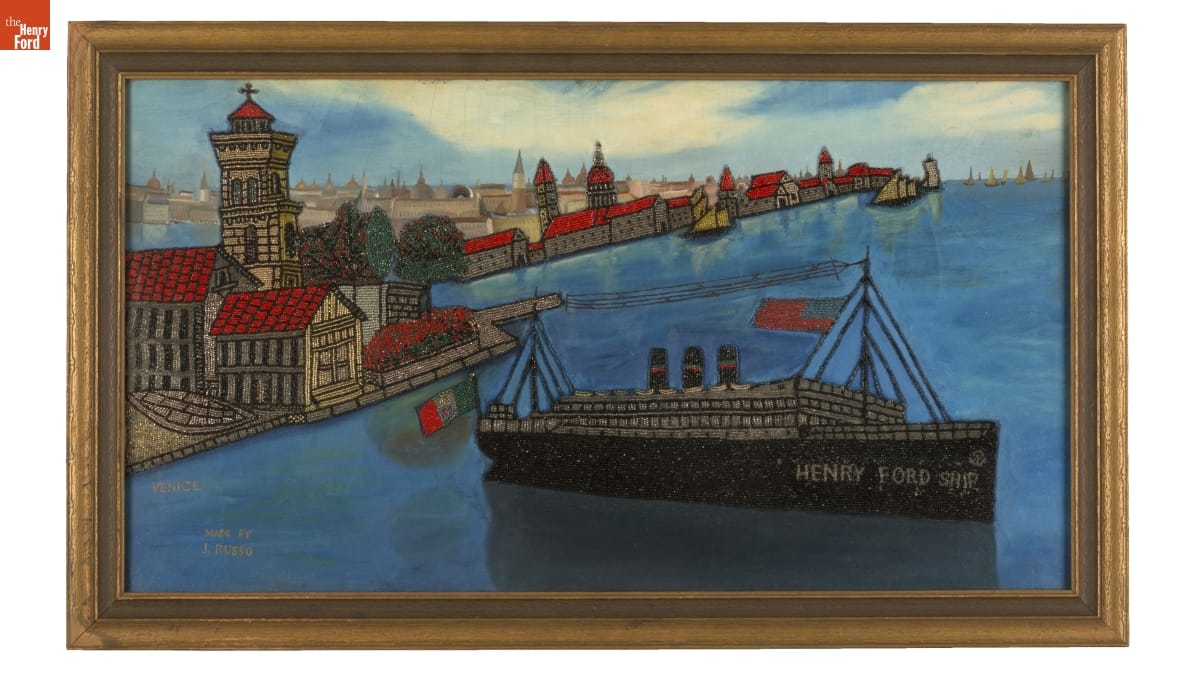
- Beadwork Painting, Gift to Henry Ford, 1930-1935 - Acknowledging Henry Ford's innovative spirit, individuals employing their own original and imaginative efforts bestowed hundreds of handmade gifts upon him. This elaborate beaded painting was created by an employee of the Ford Highland Park factory. It was perhaps influenced by Henry Ford's Peace Ship Expedition; an initiative he began in 1915 in the hopes of avoiding world conflict.
- 1930-1935
- Collections - Artifact
Beadwork Painting, Gift to Henry Ford, 1930-1935
Acknowledging Henry Ford's innovative spirit, individuals employing their own original and imaginative efforts bestowed hundreds of handmade gifts upon him. This elaborate beaded painting was created by an employee of the Ford Highland Park factory. It was perhaps influenced by Henry Ford's Peace Ship Expedition; an initiative he began in 1915 in the hopes of avoiding world conflict.
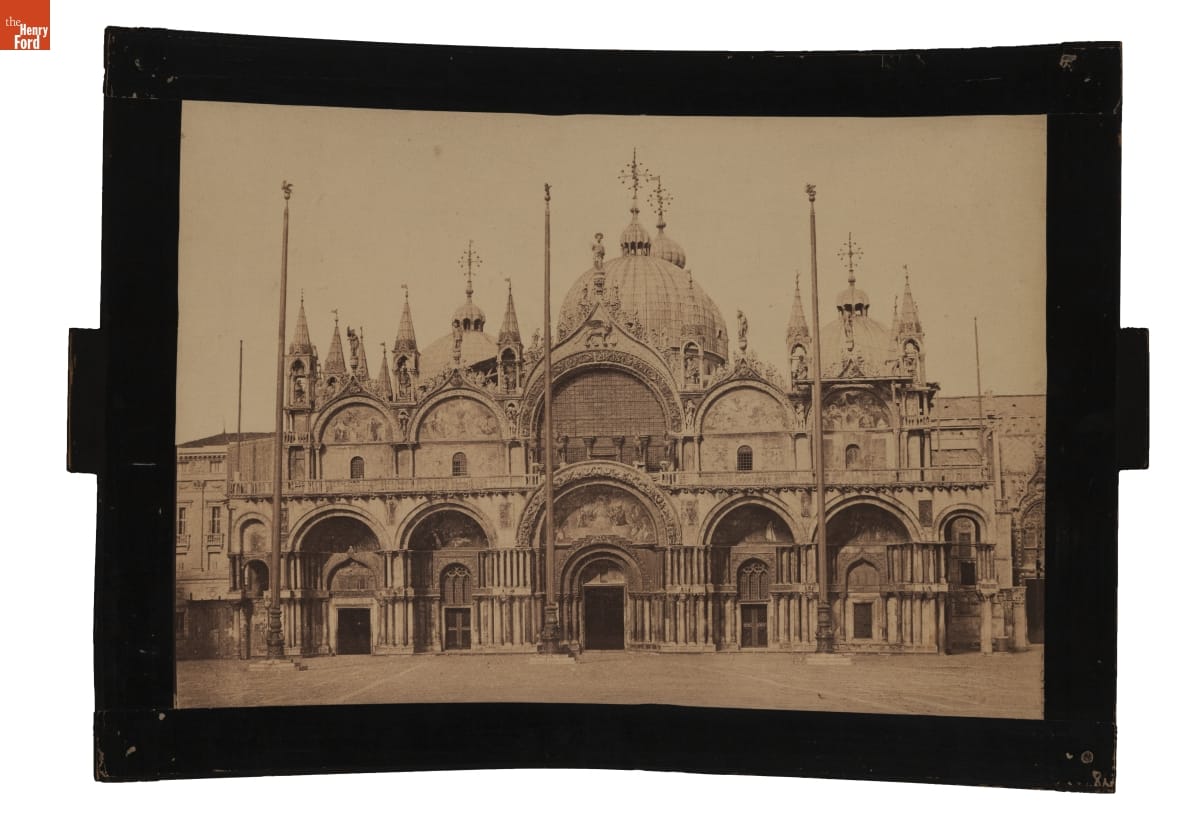
- Megalethoscope Slide, "The Facade of St. Mark's Church" - Invented by Carlo Ponti in the early 1860s, a megalethoscope is a device used to view a translucent, multilayered photograph. By opening or closing various panels, a person saw the image change. When lit from behind, pinpricks and paint or colored tissue applied to the back or a secondary layer of the photograph transform the scene to reveal hidden images and create an illusion of nighttime.
- Collections - Artifact
Megalethoscope Slide, "The Facade of St. Mark's Church"
Invented by Carlo Ponti in the early 1860s, a megalethoscope is a device used to view a translucent, multilayered photograph. By opening or closing various panels, a person saw the image change. When lit from behind, pinpricks and paint or colored tissue applied to the back or a secondary layer of the photograph transform the scene to reveal hidden images and create an illusion of nighttime.
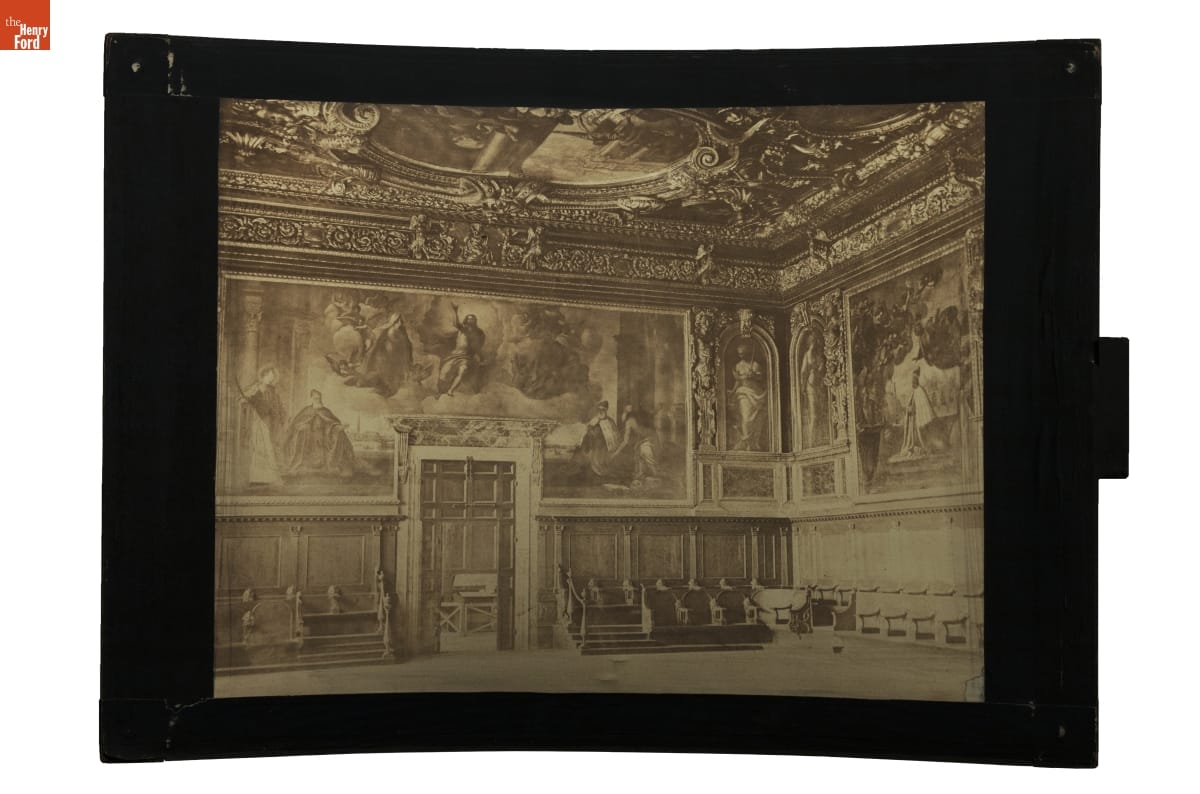
- Megalethoscope Slide, "The Senate's Hall" - Invented by Carlo Ponti in the early 1860s, a megalethoscope is a device used to view a translucent, multilayered photograph. By opening or closing various panels, a person saw the image change. When lit from behind, pinpricks and paint or colored tissue applied to the back or a secondary layer of the photograph transform the scene to reveal hidden images and create an illusion of nighttime.
- Collections - Artifact
Megalethoscope Slide, "The Senate's Hall"
Invented by Carlo Ponti in the early 1860s, a megalethoscope is a device used to view a translucent, multilayered photograph. By opening or closing various panels, a person saw the image change. When lit from behind, pinpricks and paint or colored tissue applied to the back or a secondary layer of the photograph transform the scene to reveal hidden images and create an illusion of nighttime.
- Megalethoscope Slide, "The Little Square of St. George's Church" - Invented by Carlo Ponti in the early 1860s, a megalethoscope is a device used to view a translucent, multilayered photograph. By opening or closing various panels, a person saw the image change. When lit from behind, pinpricks and paint or colored tissue applied to the back or a secondary layer of the photograph transform the scene to reveal hidden images and create an illusion of nighttime.
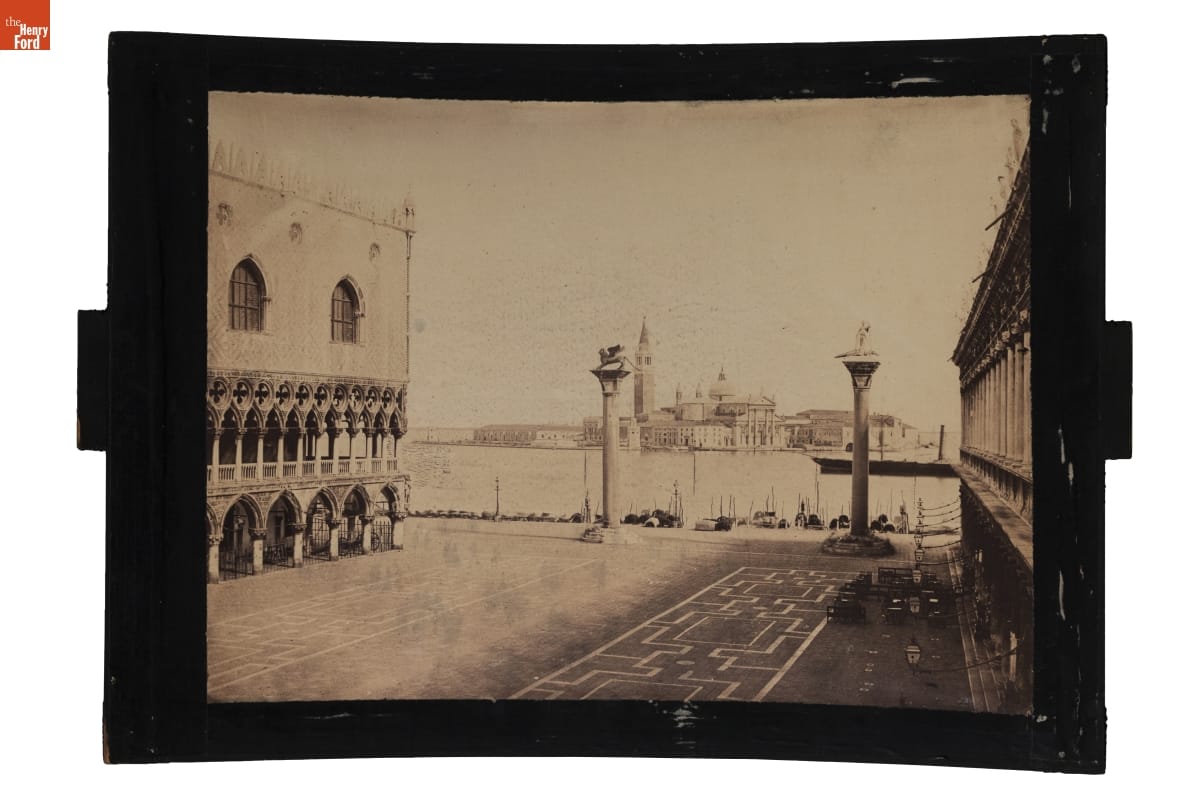
- Collections - Artifact
Megalethoscope Slide, "The Little Square of St. George's Church"
Invented by Carlo Ponti in the early 1860s, a megalethoscope is a device used to view a translucent, multilayered photograph. By opening or closing various panels, a person saw the image change. When lit from behind, pinpricks and paint or colored tissue applied to the back or a secondary layer of the photograph transform the scene to reveal hidden images and create an illusion of nighttime.
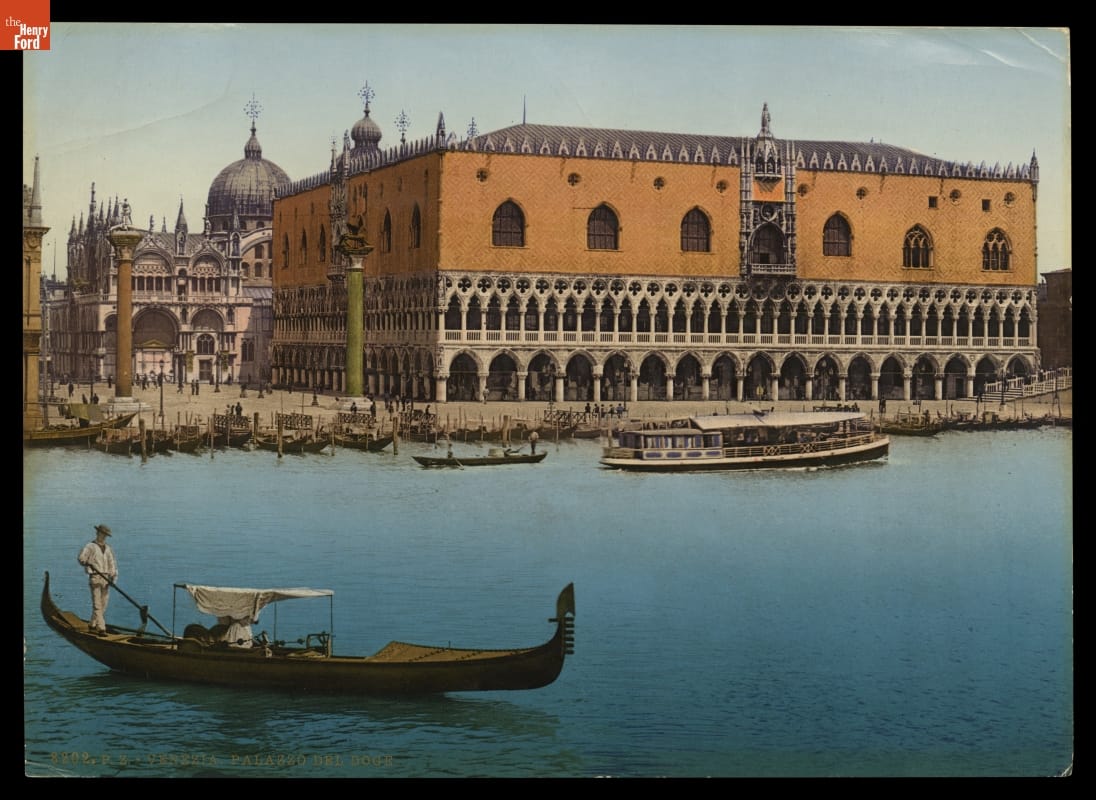
- "Venezia, Palazzo Del Doge," Italy, circa 1905 - From 1895 to 1924, the Detroit Publishing Company was one of the major image publishers in the world. The company had a wide-ranging stock of original photographs, including many scenes from around the world. These colorful prints were reproduced for ads, purchased to decorate homes and offices, bought as souvenirs, and used as teaching tools in schools and libraries.
- circa 1905
- Collections - Artifact
"Venezia, Palazzo Del Doge," Italy, circa 1905
From 1895 to 1924, the Detroit Publishing Company was one of the major image publishers in the world. The company had a wide-ranging stock of original photographs, including many scenes from around the world. These colorful prints were reproduced for ads, purchased to decorate homes and offices, bought as souvenirs, and used as teaching tools in schools and libraries.