
Search
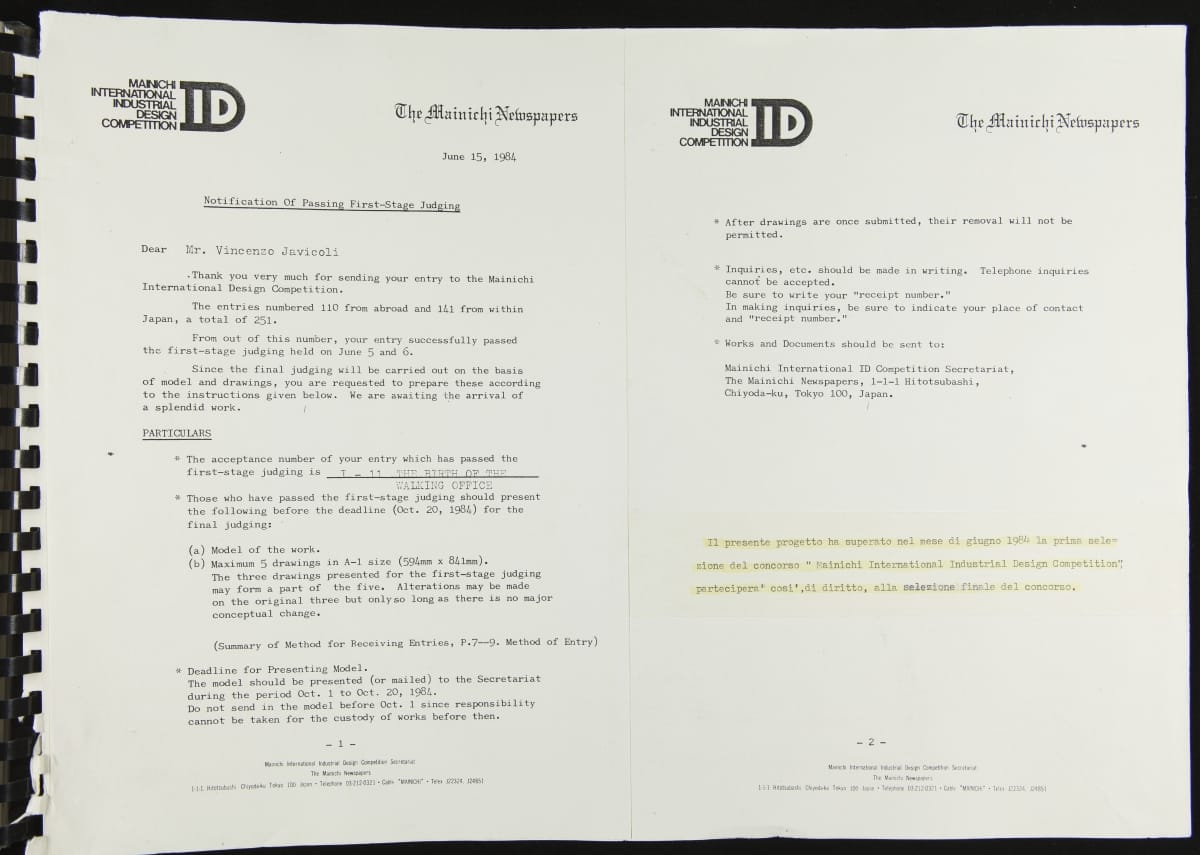
- Clippings Portfolio, "The Walking Office" Winning Entry in the 30th Mainich Industrial Design Competition, 1985 - The Walking Office Wearable Computer is a prototype model created by the design group Salotto Dinamico. This proposed device subverted where (and when) the office could be by turning the human body into a mobile workstation. Combining 1980s Italian design aesthetic with high-tech materials, the Walking Office is unapologetically cyberpunk-chic. It received global attention in design, fashion, and technology publications.
- 1985
- Collections - Artifact
Clippings Portfolio, "The Walking Office" Winning Entry in the 30th Mainich Industrial Design Competition, 1985
The Walking Office Wearable Computer is a prototype model created by the design group Salotto Dinamico. This proposed device subverted where (and when) the office could be by turning the human body into a mobile workstation. Combining 1980s Italian design aesthetic with high-tech materials, the Walking Office is unapologetically cyberpunk-chic. It received global attention in design, fashion, and technology publications.
- Xbox 360 "Import Tuner Challenge" Game, 2006 - Players customize their virtual import sports car in the video game, Import Tuner Challenge. Once customized, players race them against others on the streets of Tokyo.

- 2006
- Collections - Artifact
Xbox 360 "Import Tuner Challenge" Game, 2006
Players customize their virtual import sports car in the video game, Import Tuner Challenge. Once customized, players race them against others on the streets of Tokyo.
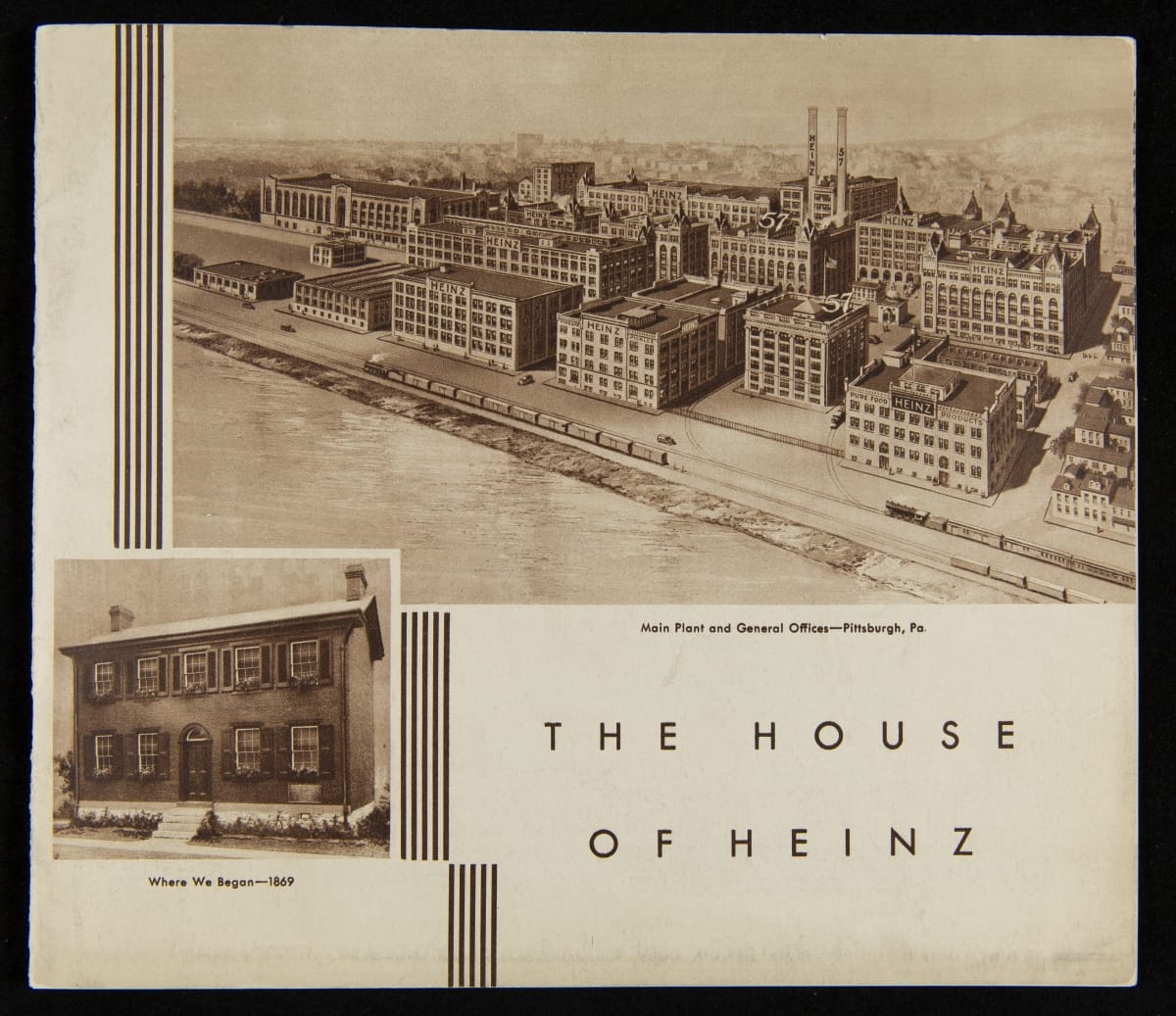
- The House of Heinz, circa 1929 - The H.J. Heinz Company was founded from humble beginnings in 1869. By the turn of the century it had become a well-known manufacturer of processed food. Its rapid success resulted in the expansion of its operations at home and abroad. This booklet from 1929 provides an overview of the many branch factories and buildings operated by the company, referred to as "The House of Heinz."
- circa 1929
- Collections - Artifact
The House of Heinz, circa 1929
The H.J. Heinz Company was founded from humble beginnings in 1869. By the turn of the century it had become a well-known manufacturer of processed food. Its rapid success resulted in the expansion of its operations at home and abroad. This booklet from 1929 provides an overview of the many branch factories and buildings operated by the company, referred to as "The House of Heinz."
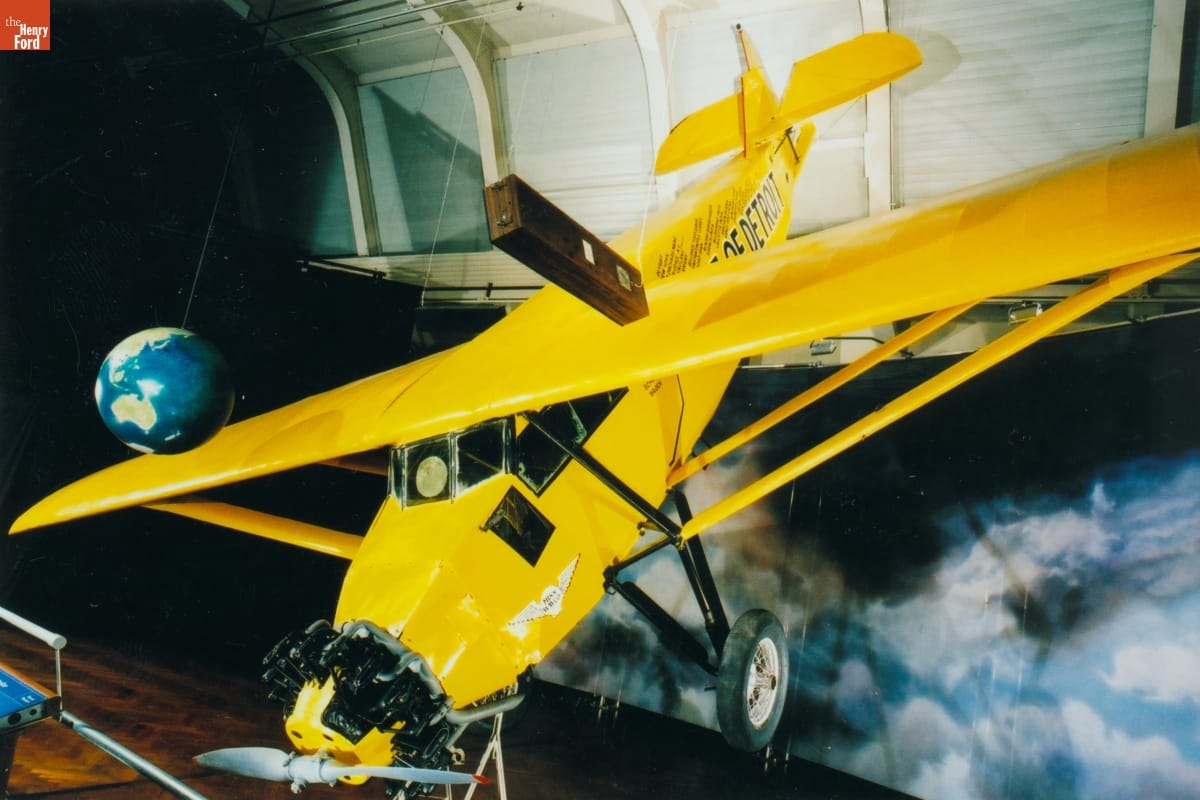
- 1927 Stinson SM-1 Detroiter Monoplane, "The Pride of Detroit" - William S. Brock and Detroit businessman Edward F. Schlee tried to fly this airplane around the world in 1927. Starting from Harbour Grace, Canada, they flew east for 12,295 miles. At Tokyo, Japan, a typhoon -- and worried telegrams from family and friends -- convinced them to end the attempt. Nevertheless, they were celebrated as heroes when they returned to the United States -- by ship.
- 1927
- Collections - Artifact
1927 Stinson SM-1 Detroiter Monoplane, "The Pride of Detroit"
William S. Brock and Detroit businessman Edward F. Schlee tried to fly this airplane around the world in 1927. Starting from Harbour Grace, Canada, they flew east for 12,295 miles. At Tokyo, Japan, a typhoon -- and worried telegrams from family and friends -- convinced them to end the attempt. Nevertheless, they were celebrated as heroes when they returned to the United States -- by ship.
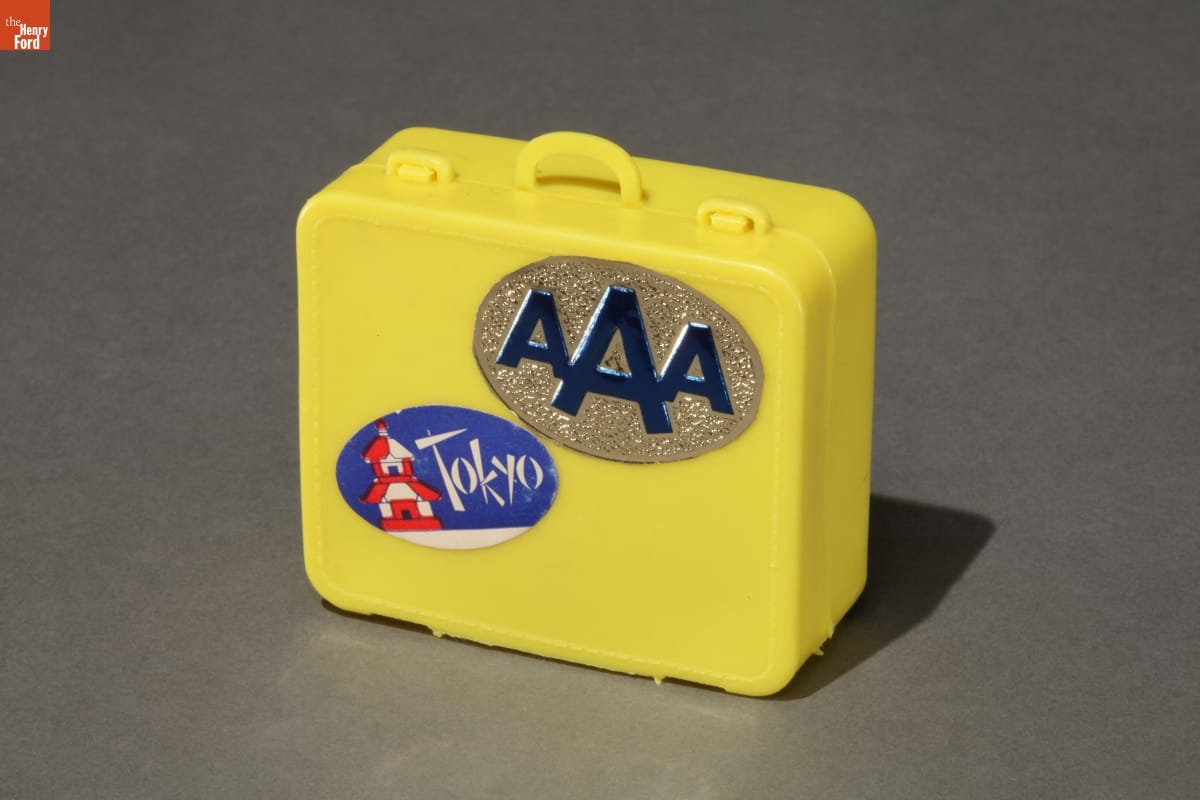
- AAA Souvenir Toy Suitcase, 1955-1975 -
- 1955-1975
- Collections - Artifact
AAA Souvenir Toy Suitcase, 1955-1975
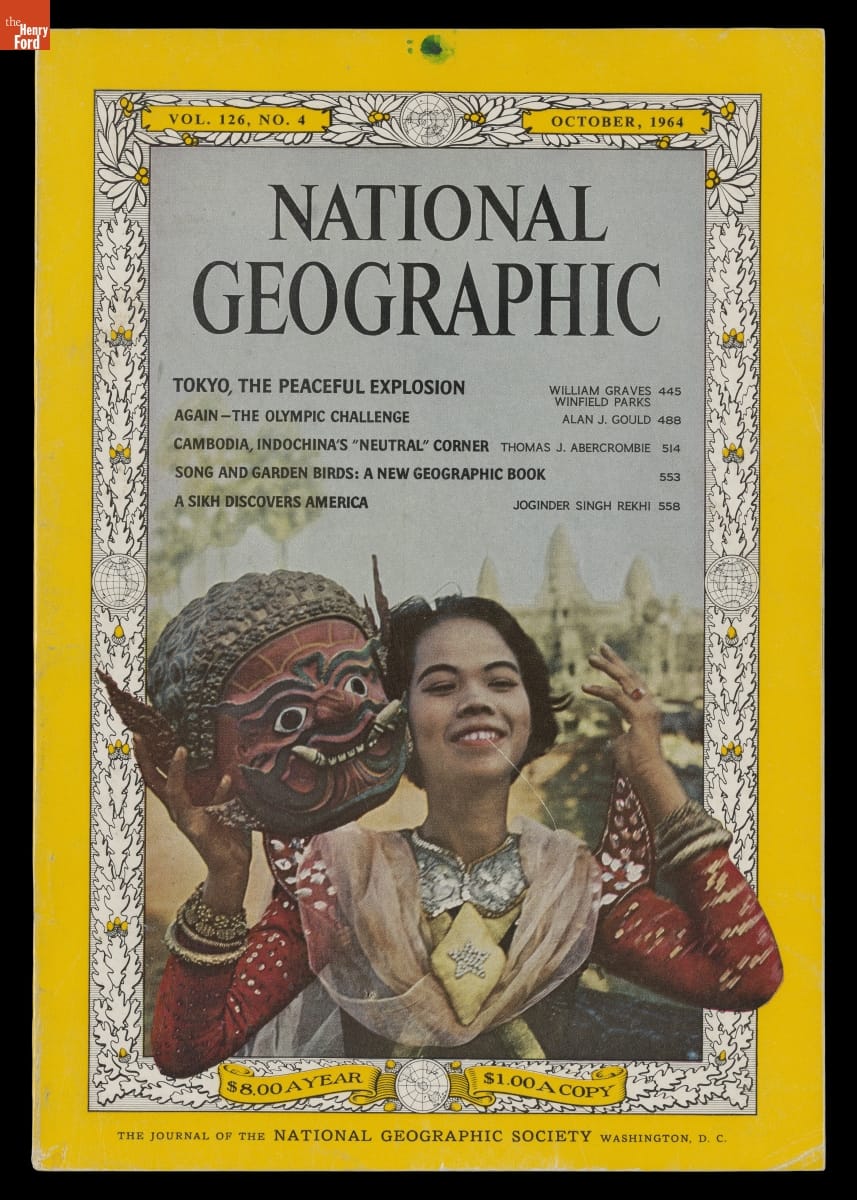
- "National Geographic," Vol. 126, No. 4, October 1964 - The National Geographic Society published the first issue of its magazine in the fall of 1888, within a year of its founding. <i>National Geographic</i>, initially a scholarly magazine for the Society's members, would not include a photograph in its pages until 1905; its distinctive yellow border would not appear until 1910. By 2024, more than one-and-a-half million subscribers received a digital or print version.
- October 01, 1964
- Collections - Artifact
"National Geographic," Vol. 126, No. 4, October 1964
The National Geographic Society published the first issue of its magazine in the fall of 1888, within a year of its founding. National Geographic, initially a scholarly magazine for the Society's members, would not include a photograph in its pages until 1905; its distinctive yellow border would not appear until 1910. By 2024, more than one-and-a-half million subscribers received a digital or print version.
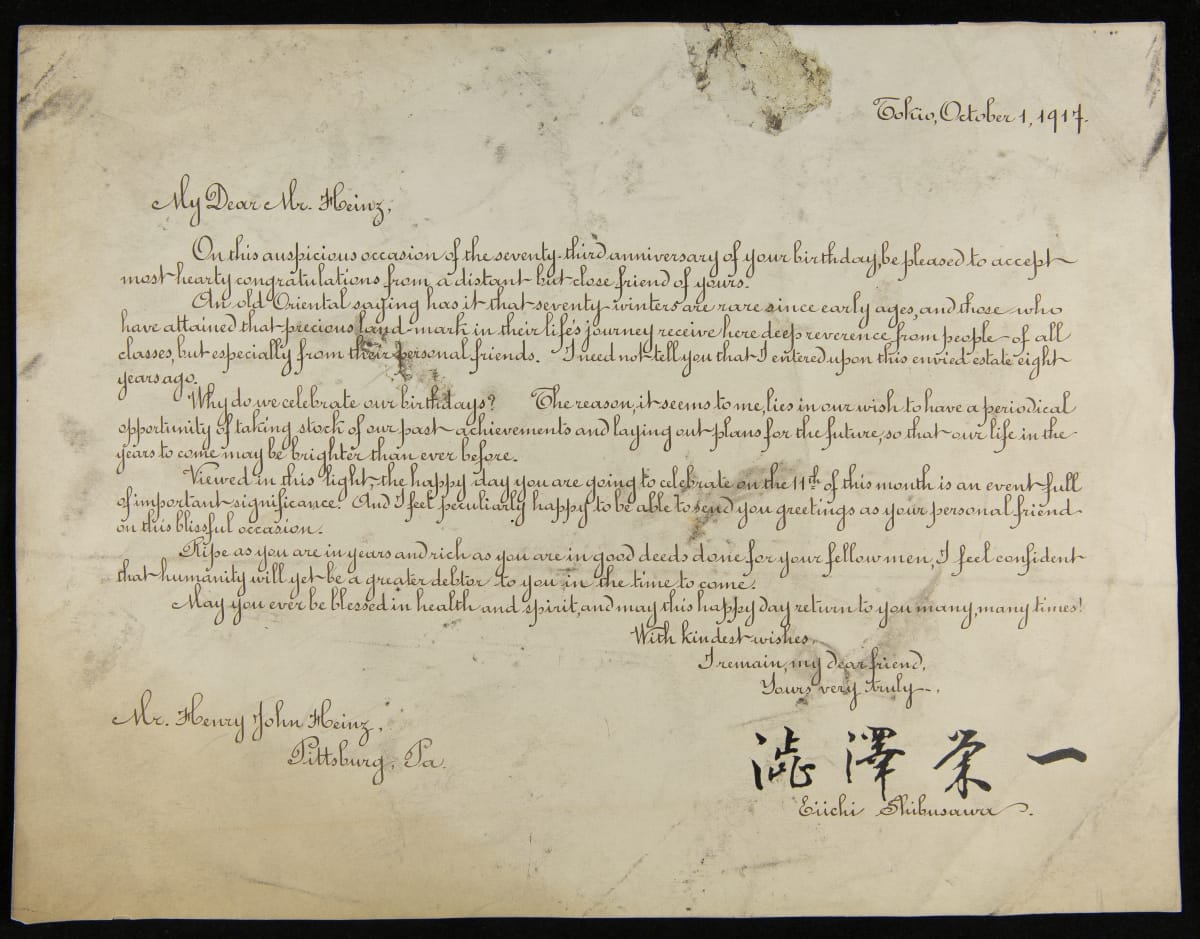
- 73rd Birthday Greetings to H. J. Heinz from Shibusawa Eiichi, Tokyo, Japan, October 1, 1917 - The H.J. Heinz Company had humble beginnings in 1869 and has since become one of the most recognized names in the food industry today. This artifact, from the H.J. Heinz Company Collection, is one from The Henry Ford's sizeable collection of material dedicated to telling the company's history of innovative business practices and marketing techniques.
- October 01, 1917
- Collections - Artifact
73rd Birthday Greetings to H. J. Heinz from Shibusawa Eiichi, Tokyo, Japan, October 1, 1917
The H.J. Heinz Company had humble beginnings in 1869 and has since become one of the most recognized names in the food industry today. This artifact, from the H.J. Heinz Company Collection, is one from The Henry Ford's sizeable collection of material dedicated to telling the company's history of innovative business practices and marketing techniques.
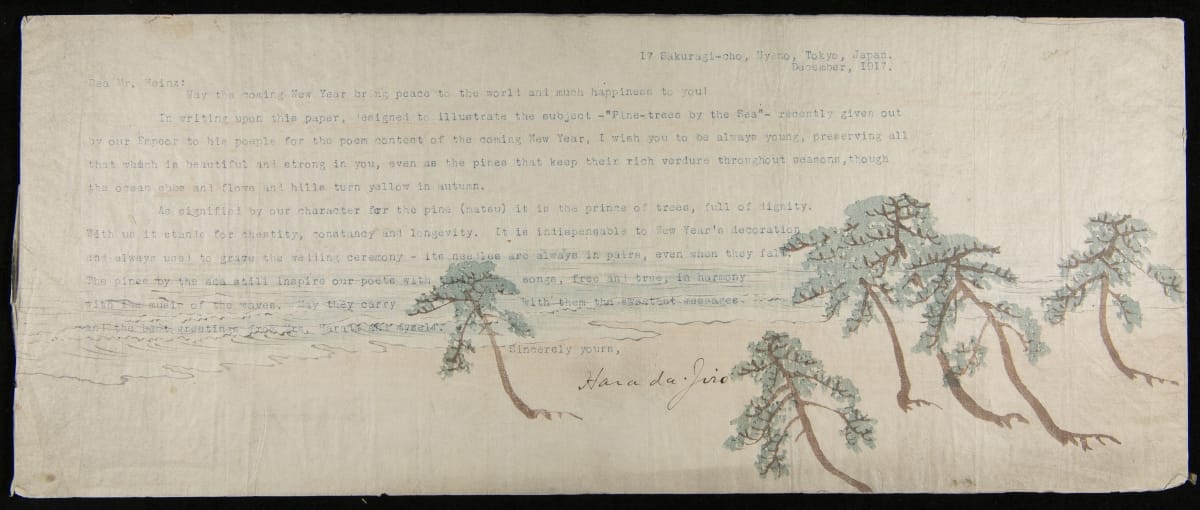
- New Year's Day Greetings to H. J. Heinz from Hara da Jiro, Tokyo, Japan, December 1917 - The H.J. Heinz Company had humble beginnings in 1869 and has since become one of the most recognized names in the food industry today. This artifact, from the H.J. Heinz Company Collection, is one from The Henry Ford's sizeable collection of material dedicated to telling the company's history of innovative business practices and marketing techniques.
- December 01, 1917
- Collections - Artifact
New Year's Day Greetings to H. J. Heinz from Hara da Jiro, Tokyo, Japan, December 1917
The H.J. Heinz Company had humble beginnings in 1869 and has since become one of the most recognized names in the food industry today. This artifact, from the H.J. Heinz Company Collection, is one from The Henry Ford's sizeable collection of material dedicated to telling the company's history of innovative business practices and marketing techniques.
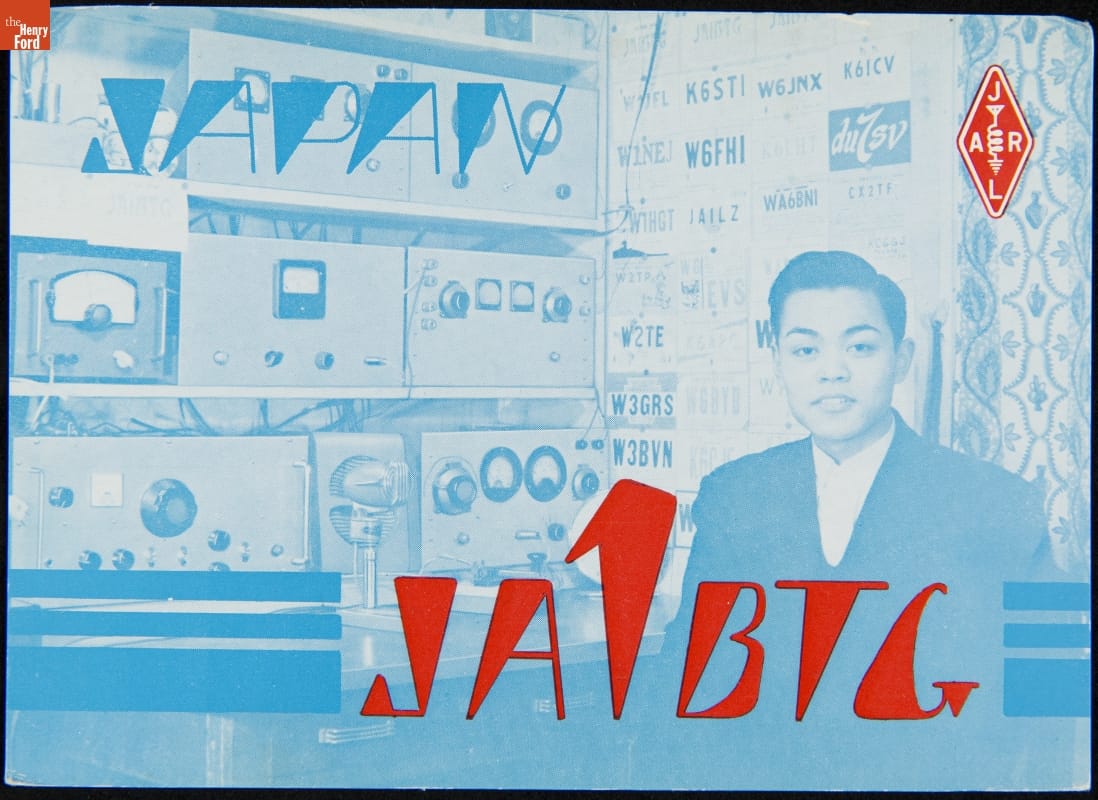
- QSL Card from JA1BTG (Tokyo, Japan) to W6DQZ (Hamid Durmisevich, Los Angeles, California), October 24, 1960 - It was customary for ham radio operators (hams) to exchange these "QSL cards" with one another through the mail after their first conversation. Long-time hams amassed collections of thousands of cards, some from far-flung places. There is a story embedded in each example: the ham's call sign dominates the design, with additional details about location, reception reports, and weather conditions.
- October 24, 1960
- Collections - Artifact
QSL Card from JA1BTG (Tokyo, Japan) to W6DQZ (Hamid Durmisevich, Los Angeles, California), October 24, 1960
It was customary for ham radio operators (hams) to exchange these "QSL cards" with one another through the mail after their first conversation. Long-time hams amassed collections of thousands of cards, some from far-flung places. There is a story embedded in each example: the ham's call sign dominates the design, with additional details about location, reception reports, and weather conditions.
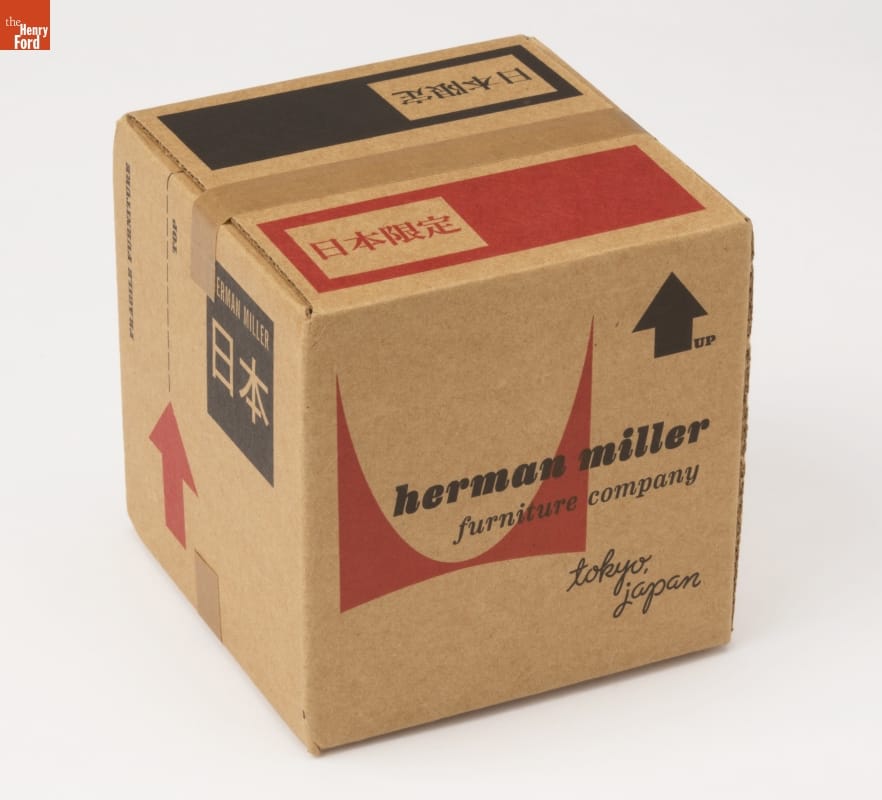
- Herman Miller Shipping Blocks by House Industries, 2010 -
- 2010
- Collections - Artifact
Herman Miller Shipping Blocks by House Industries, 2010