
Search
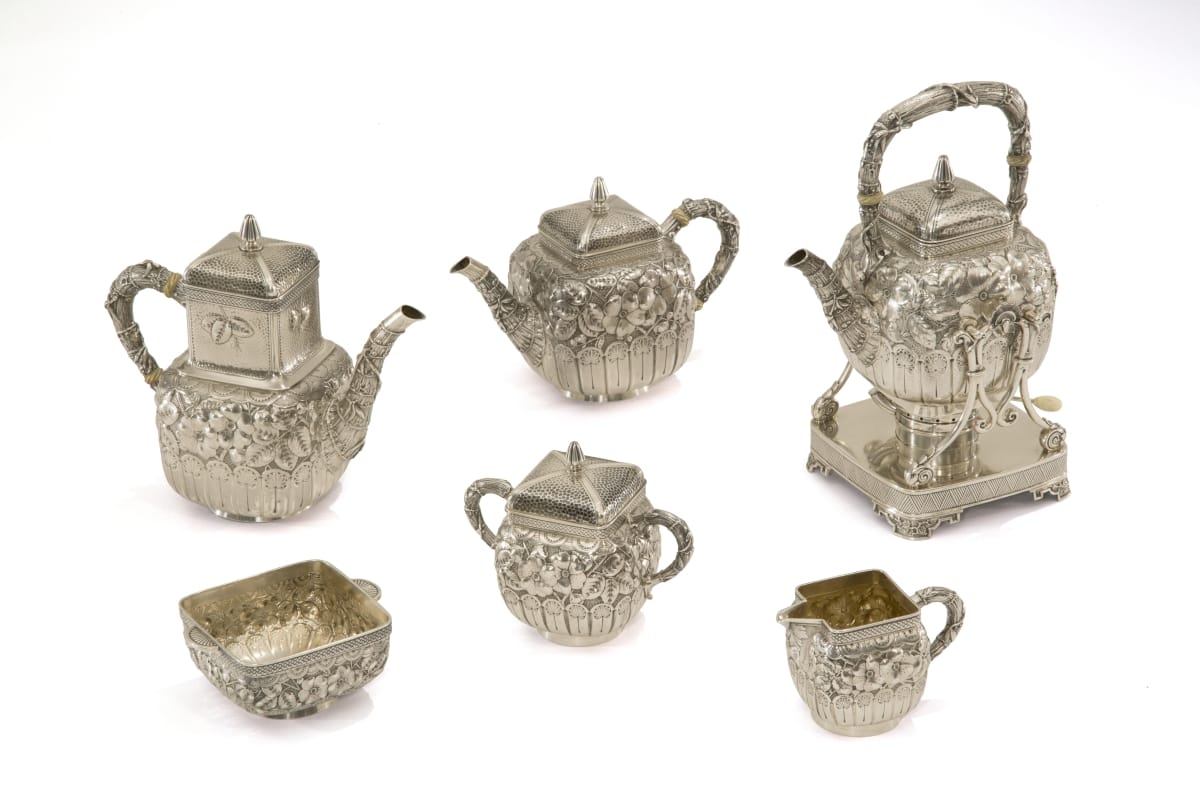
- Tea and Coffee Service, Made by Gorham Manufacturing Company, 1883-1884 -
- 1883-1884
- Collections - Artifact
Tea and Coffee Service, Made by Gorham Manufacturing Company, 1883-1884
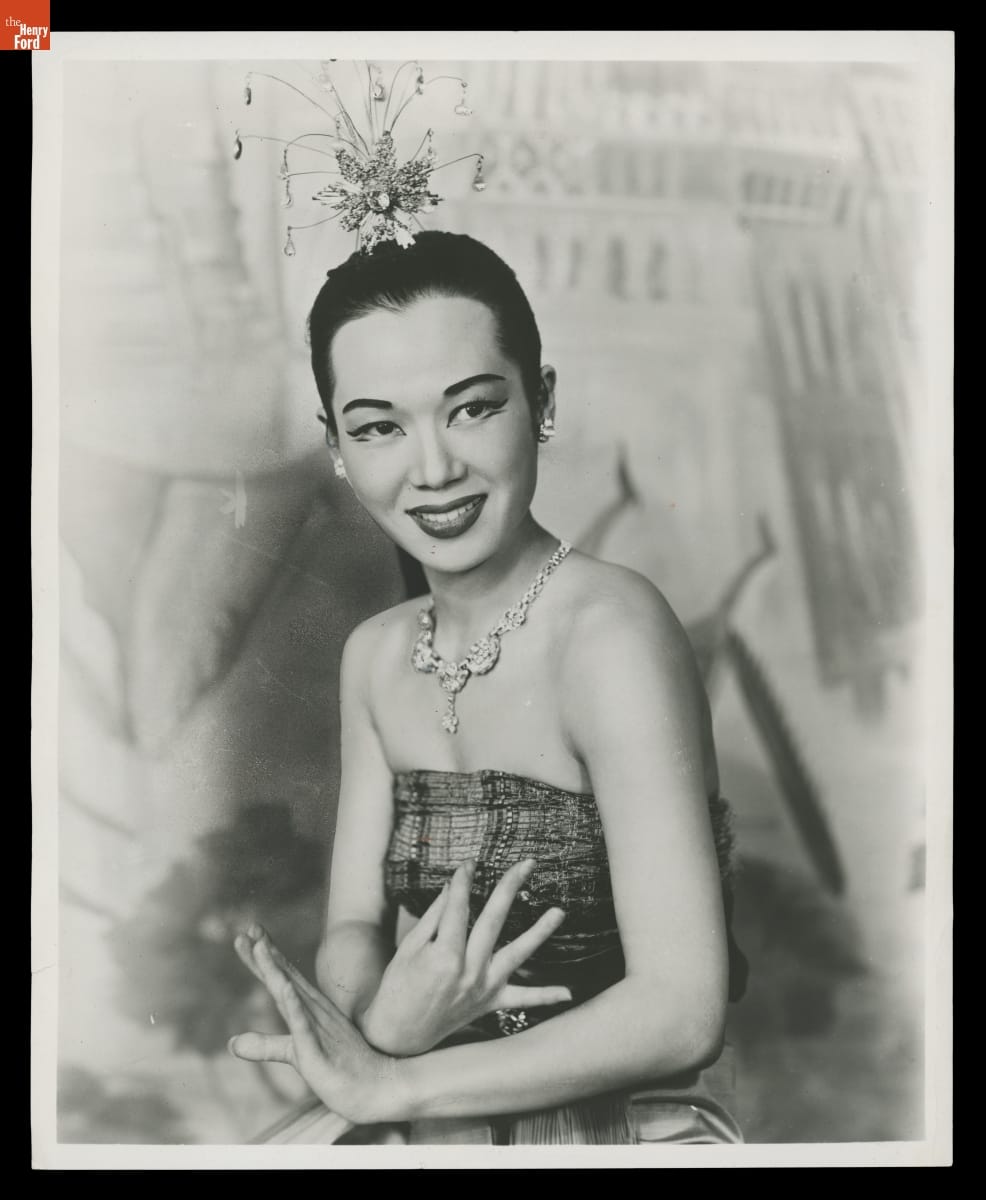
- Michiko Iseri, Choreographer and Dancer in Rodgers & Hammerstein's "The King and I," 1955 - American-born Michiko Iseri (1923-2024) studied traditional Asian dance from an early age. Interned in a relocation camp with others of Japanese ancestry during World War II and released in 1944, Iseri moved to New York and continued teaching. Iseri is remembered as a featured dancer and choreographer in Rodgers and Hammerstein's musical <em>The King and I</em> in the 1950s, bringing greater authenticity to the production.
- 1955
- Collections - Artifact
Michiko Iseri, Choreographer and Dancer in Rodgers & Hammerstein's "The King and I," 1955
American-born Michiko Iseri (1923-2024) studied traditional Asian dance from an early age. Interned in a relocation camp with others of Japanese ancestry during World War II and released in 1944, Iseri moved to New York and continued teaching. Iseri is remembered as a featured dancer and choreographer in Rodgers and Hammerstein's musical The King and I in the 1950s, bringing greater authenticity to the production.
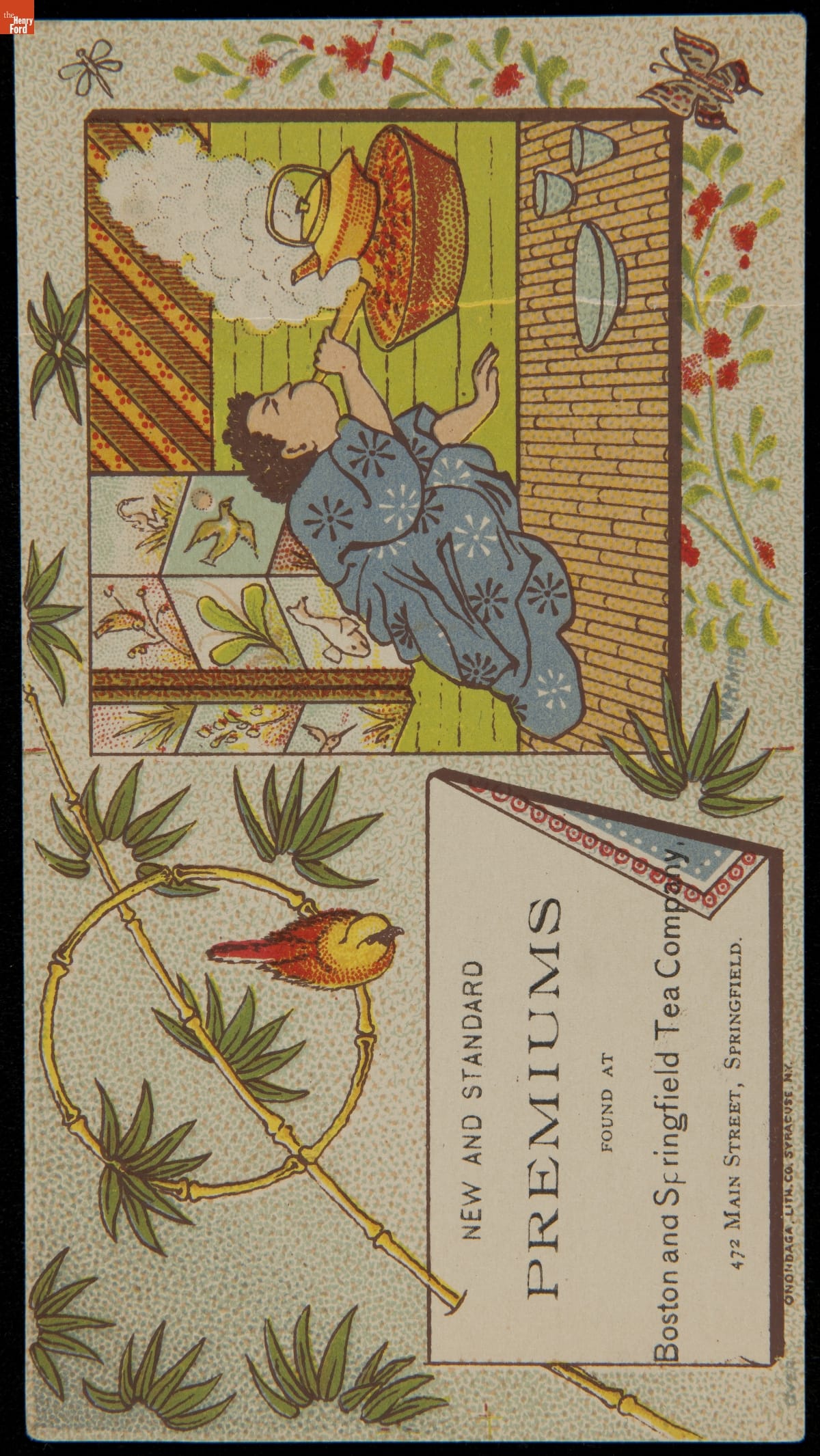
- Trade Card for Boston and Springfield Tea Company, circa 1895 - In the last third of the nineteenth century, an unprecedented variety of consumer goods and services flooded the American market. Advertisers, armed with new methods of color printing, bombarded potential customers with trade cards. Americans enjoyed and often saved the vibrant little advertisements found in product packages or distributed by local merchants. Many survive as historical records of commercialism in the United States.
- circa 1895
- Collections - Artifact
Trade Card for Boston and Springfield Tea Company, circa 1895
In the last third of the nineteenth century, an unprecedented variety of consumer goods and services flooded the American market. Advertisers, armed with new methods of color printing, bombarded potential customers with trade cards. Americans enjoyed and often saved the vibrant little advertisements found in product packages or distributed by local merchants. Many survive as historical records of commercialism in the United States.
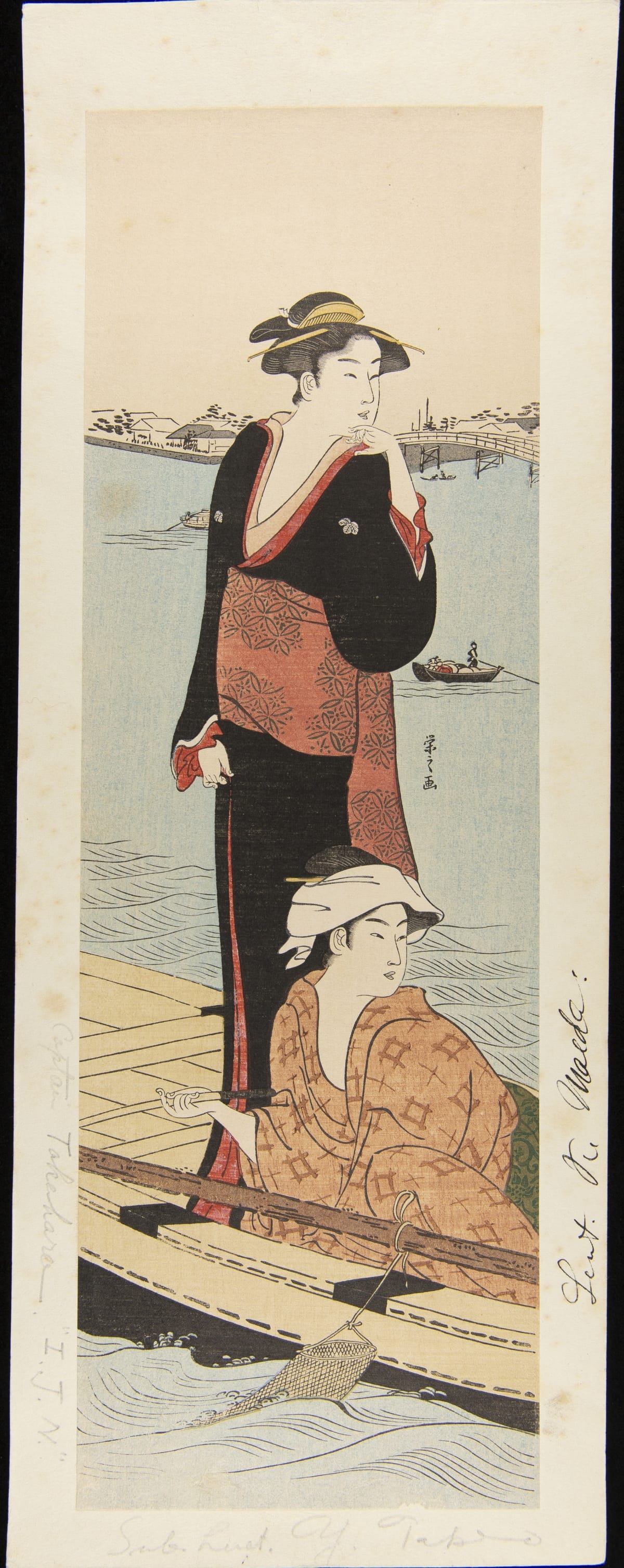
- Japanese Women Fishing, 1900-1929 -
- 1900-1929
- Collections - Artifact
Japanese Women Fishing, 1900-1929
- Japanese Women with Umbrella, 1900-1929 -
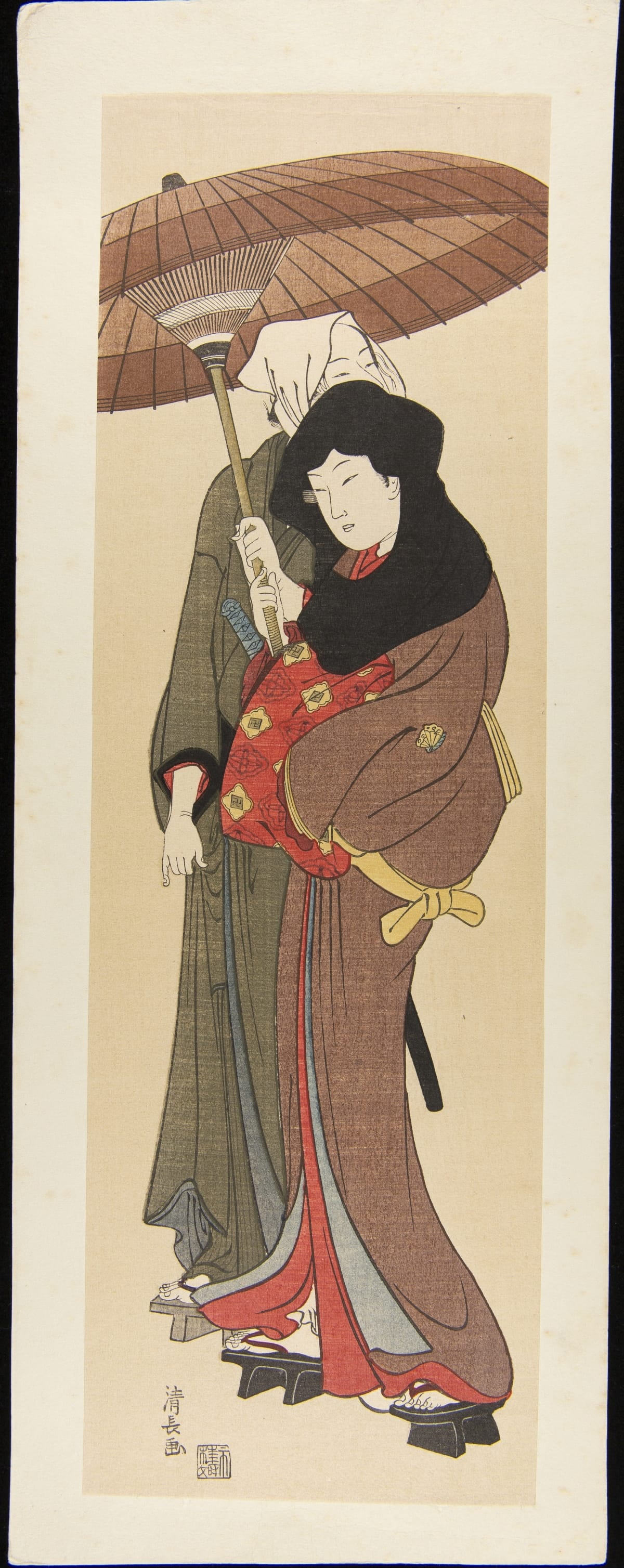
- 1900-1929
- Collections - Artifact
Japanese Women with Umbrella, 1900-1929
- Japanese Woman Looking at a Figure in a Spider Web, 1900-1929 -
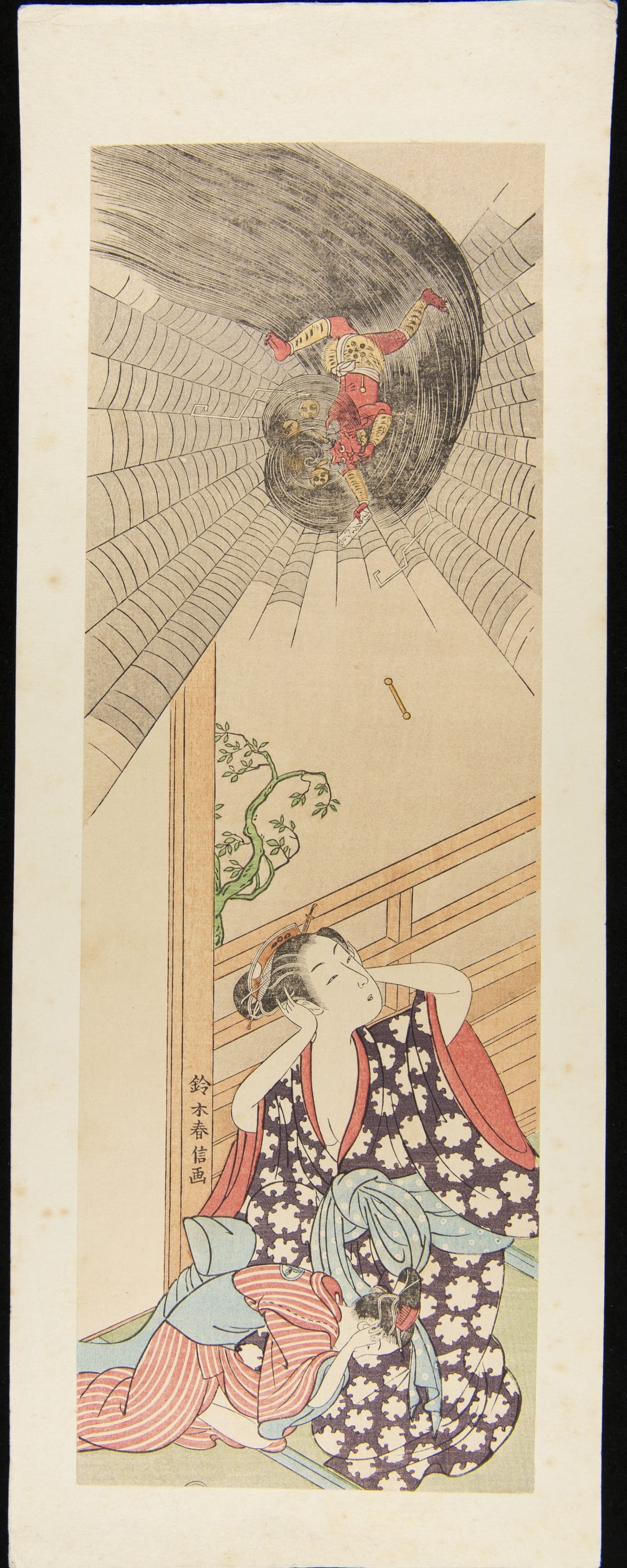
- 1900-1929
- Collections - Artifact
Japanese Woman Looking at a Figure in a Spider Web, 1900-1929
- 73rd Birthday Greetings to H. J. Heinz from Shibusawa Eiichi, Tokyo, Japan, October 1, 1917 - The H.J. Heinz Company had humble beginnings in 1869 and has since become one of the most recognized names in the food industry today. This artifact, from the H.J. Heinz Company Collection, is one from The Henry Ford's sizeable collection of material dedicated to telling the company's history of innovative business practices and marketing techniques.
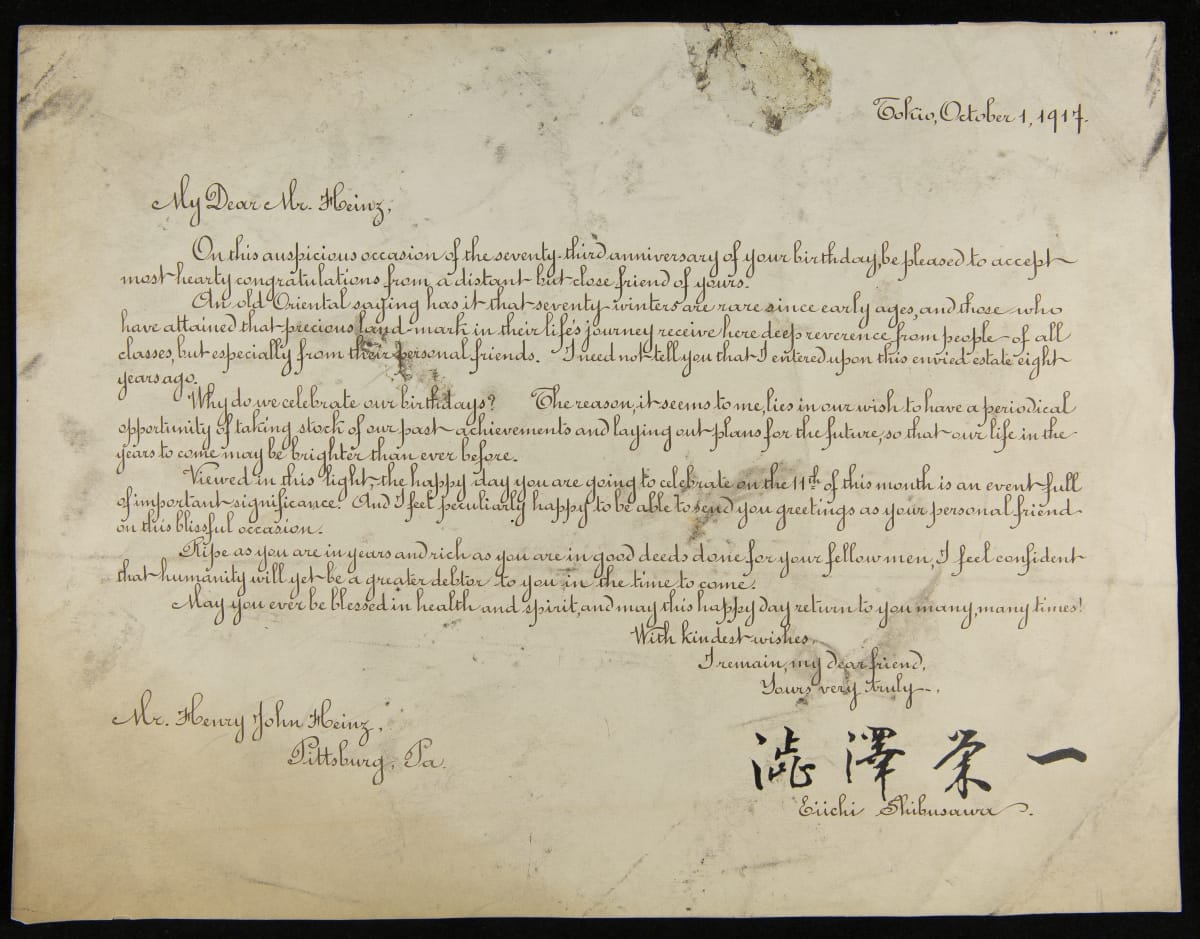
- October 01, 1917
- Collections - Artifact
73rd Birthday Greetings to H. J. Heinz from Shibusawa Eiichi, Tokyo, Japan, October 1, 1917
The H.J. Heinz Company had humble beginnings in 1869 and has since become one of the most recognized names in the food industry today. This artifact, from the H.J. Heinz Company Collection, is one from The Henry Ford's sizeable collection of material dedicated to telling the company's history of innovative business practices and marketing techniques.
- Envelope Sent from M. Nakata at Minidoka Japanese Internment Camp to Marjorie Konishi at Heart Mountain Camp, 1943 - During World War II, the War Relocation Authority removed and unjustly incarcerated more than 120,000 Americans of Japanese ancestry in War Relocation Camps. Entire communities were shipped to one of ten camps in remote areas of the West. Fourteen-year-old Marjorie Konishi, held at the Heart Mountain, Wyoming, camp, received this from M. Nakata, living at Minidoka internment camp in Idaho.
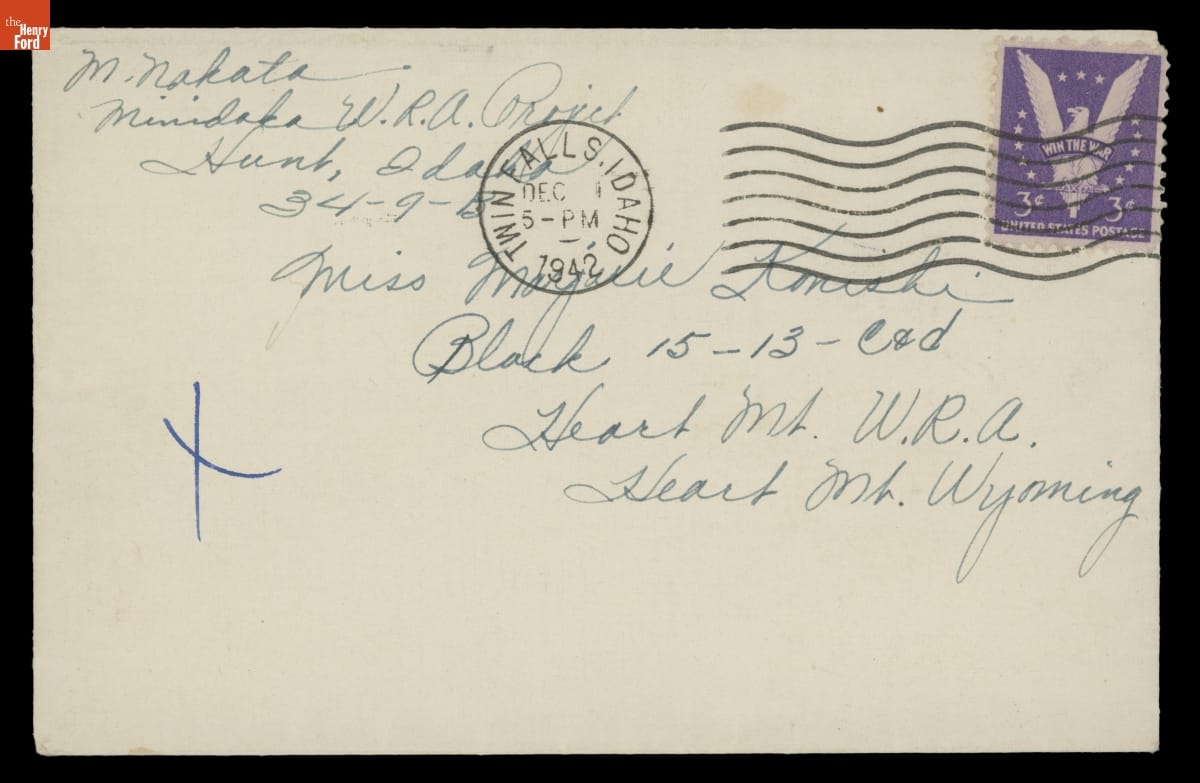
- December 01, 1943
- Collections - Artifact
Envelope Sent from M. Nakata at Minidoka Japanese Internment Camp to Marjorie Konishi at Heart Mountain Camp, 1943
During World War II, the War Relocation Authority removed and unjustly incarcerated more than 120,000 Americans of Japanese ancestry in War Relocation Camps. Entire communities were shipped to one of ten camps in remote areas of the West. Fourteen-year-old Marjorie Konishi, held at the Heart Mountain, Wyoming, camp, received this from M. Nakata, living at Minidoka internment camp in Idaho.
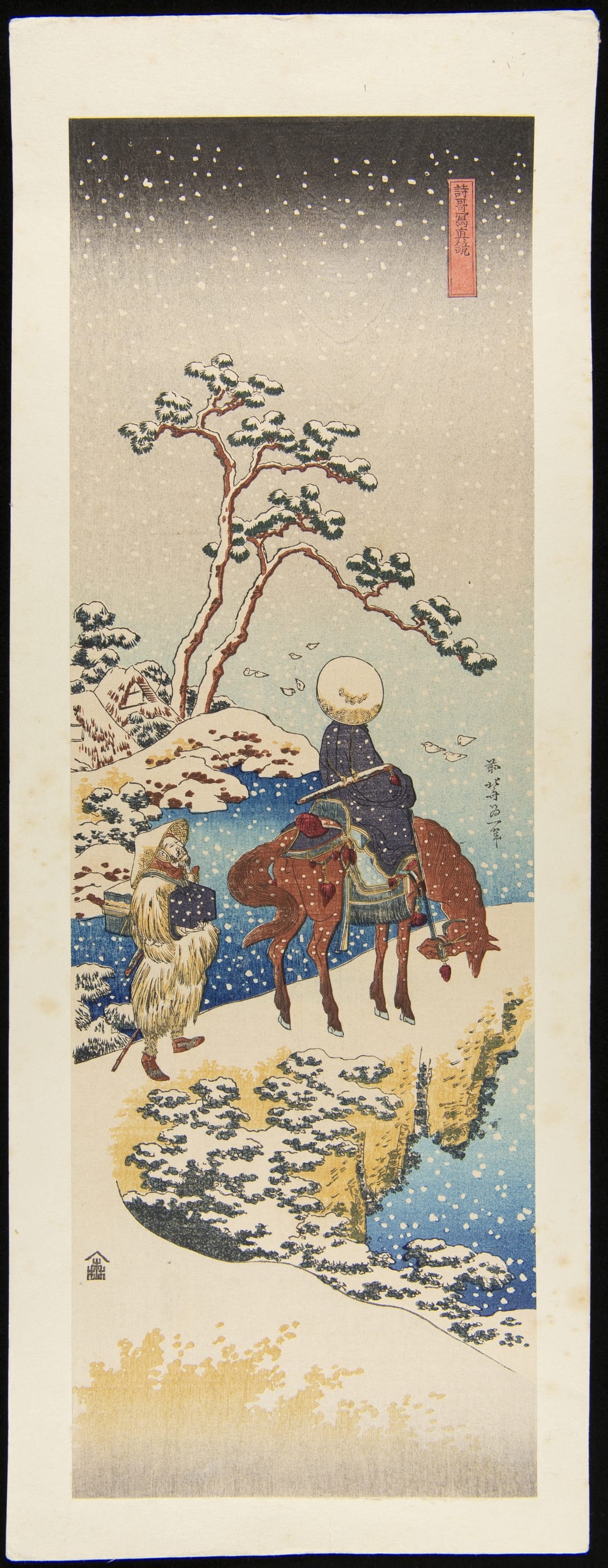
- Japanese Travelers in a Snow Storm, 1900-1929 -
- 1900-1929
- Collections - Artifact
Japanese Travelers in a Snow Storm, 1900-1929
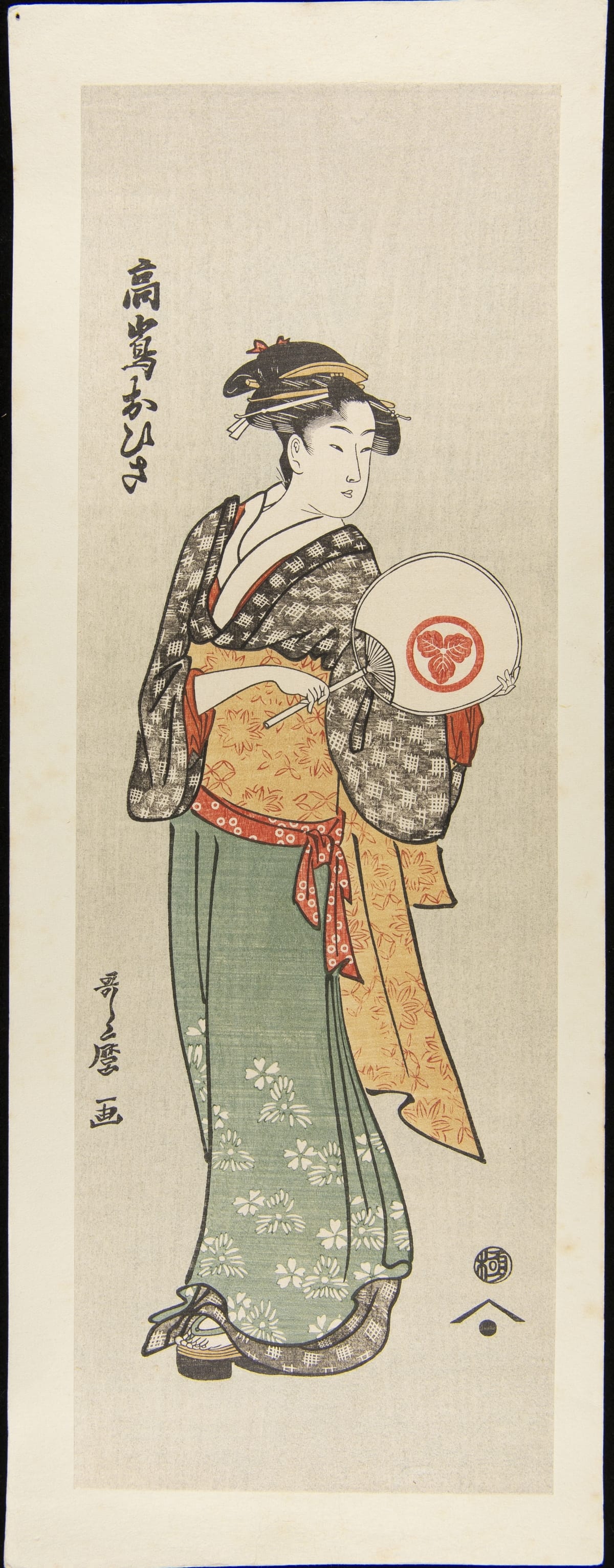
- Japanese Woman Holding a Fan, 1900-1929 -
- 1900-1929
- Collections - Artifact
Japanese Woman Holding a Fan, 1900-1929