
Search
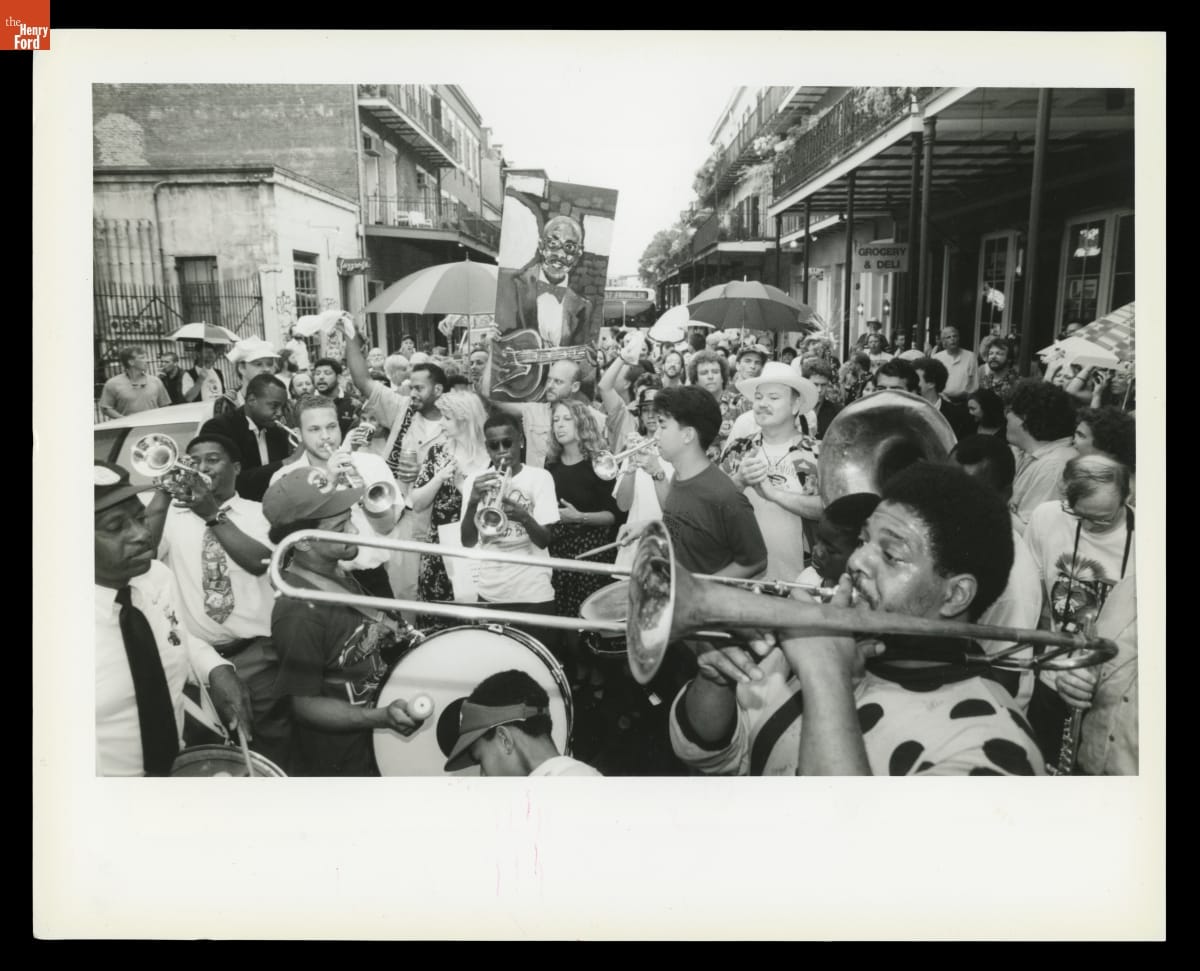
- Second Line Funeral Parade Honoring Danny Barker, New Orleans, Louisiana, May 3, 1995 -
- May 03, 1995
- Collections - Artifact
Second Line Funeral Parade Honoring Danny Barker, New Orleans, Louisiana, May 3, 1995
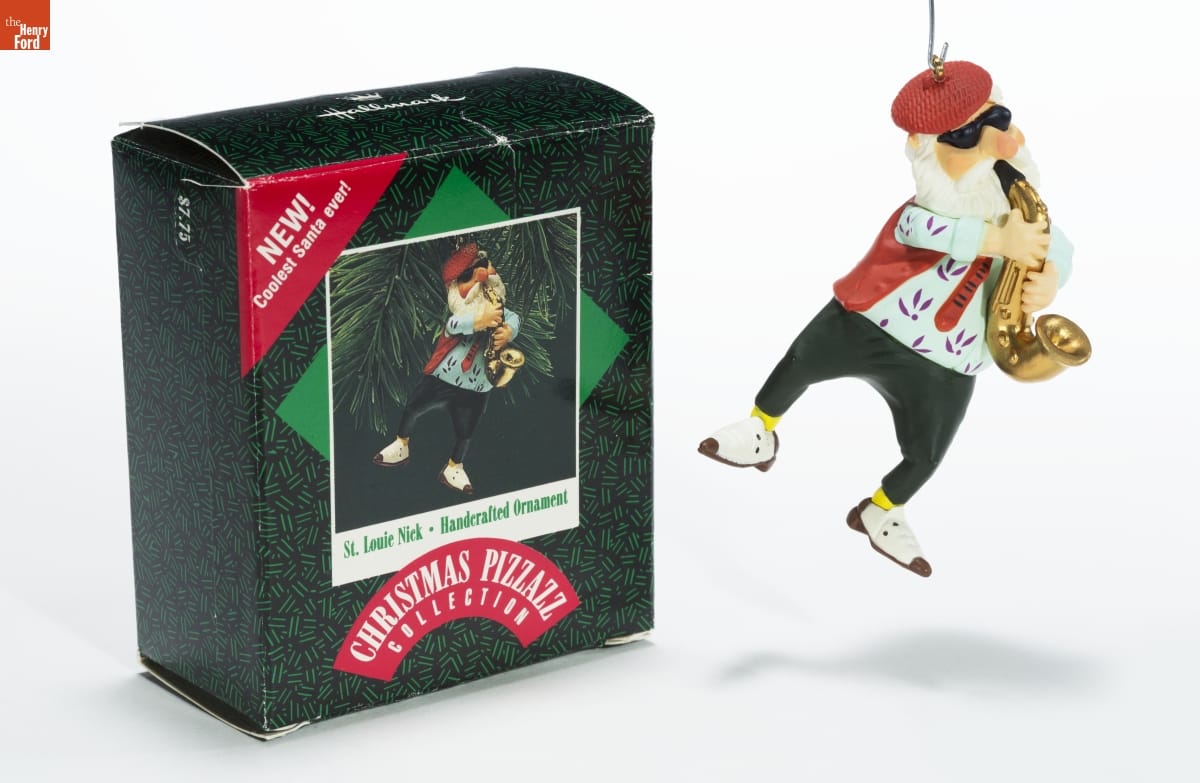
- Hallmark "Christmas Pizzazz Collection: St. Louie Nick" Christmas Ornament, 1987 - Already known for greeting cards, Hallmark introduced a line of Christmas ornaments in 1973. The company's annual release of an increasing array of ornaments revolutionized Christmas decorating, appealing to customers' interest in marking memories and milestones as well as expressing one's personality and unique tastes.
- 1987
- Collections - Artifact
Hallmark "Christmas Pizzazz Collection: St. Louie Nick" Christmas Ornament, 1987
Already known for greeting cards, Hallmark introduced a line of Christmas ornaments in 1973. The company's annual release of an increasing array of ornaments revolutionized Christmas decorating, appealing to customers' interest in marking memories and milestones as well as expressing one's personality and unique tastes.
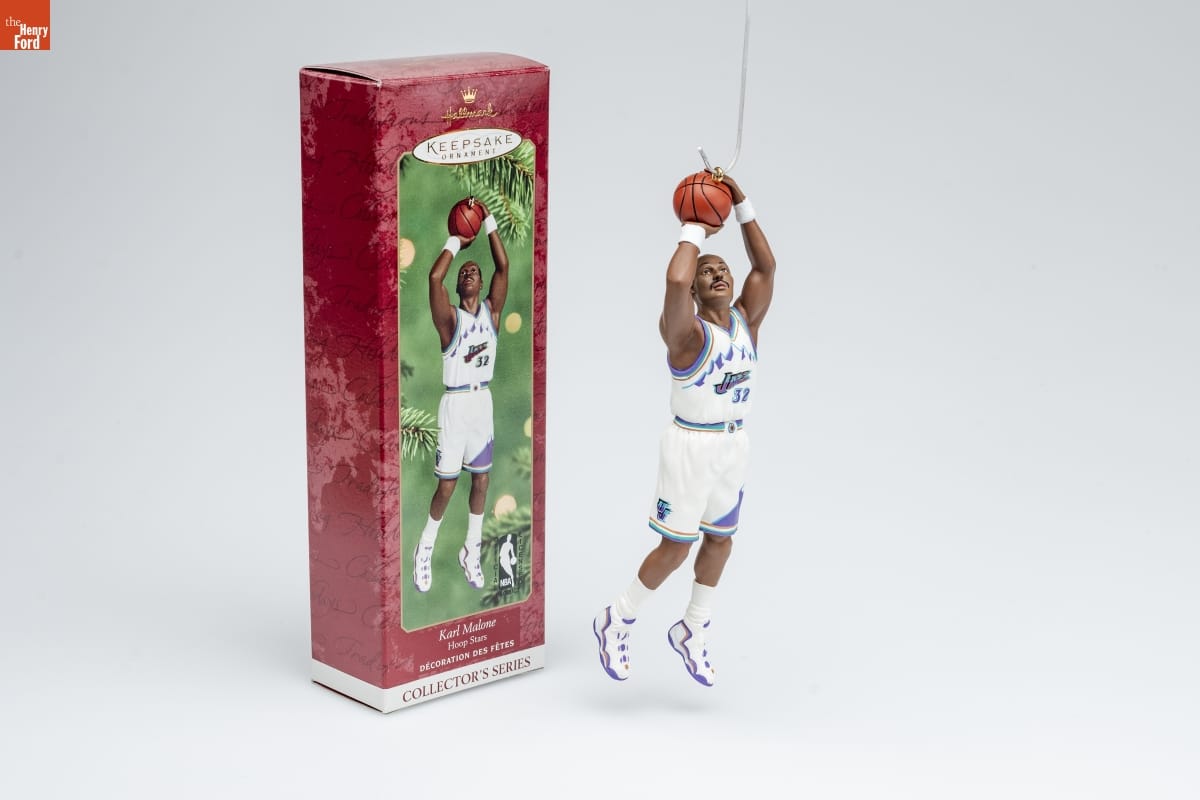
- Hallmark "Hoop Stars Series: Karl Malone" Christmas Ornament, 2000 - Already known for greeting cards, Hallmark introduced a line of Christmas ornaments in 1973. The company's annual release of an increasing array of ornaments revolutionized Christmas decorating, appealing to customers' interest in marking memories and milestones as well as expressing one's personality and unique tastes.
- 2000
- Collections - Artifact
Hallmark "Hoop Stars Series: Karl Malone" Christmas Ornament, 2000
Already known for greeting cards, Hallmark introduced a line of Christmas ornaments in 1973. The company's annual release of an increasing array of ornaments revolutionized Christmas decorating, appealing to customers' interest in marking memories and milestones as well as expressing one's personality and unique tastes.
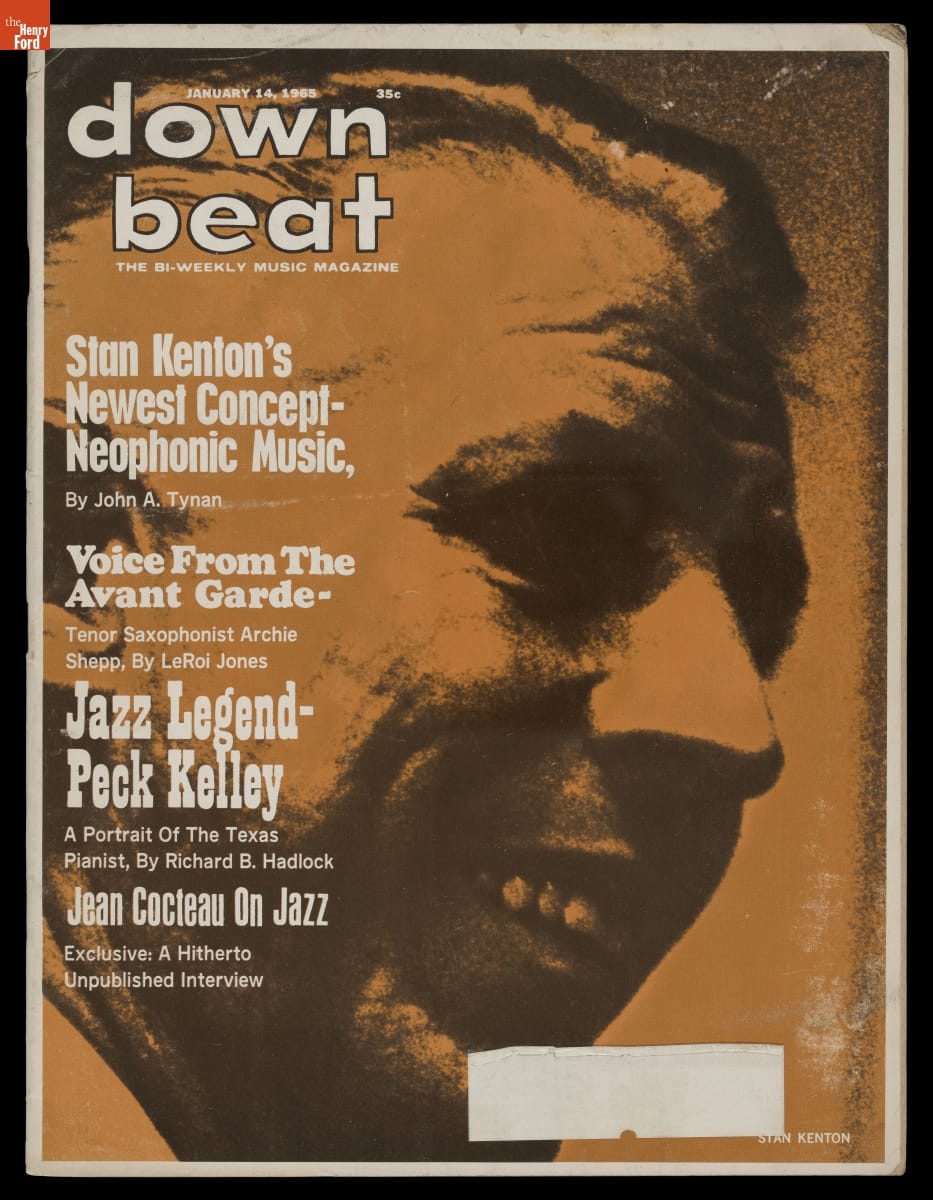
- "DownBeat," January 14, 1965 -
- January 14, 1965
- Collections - Artifact
"DownBeat," January 14, 1965
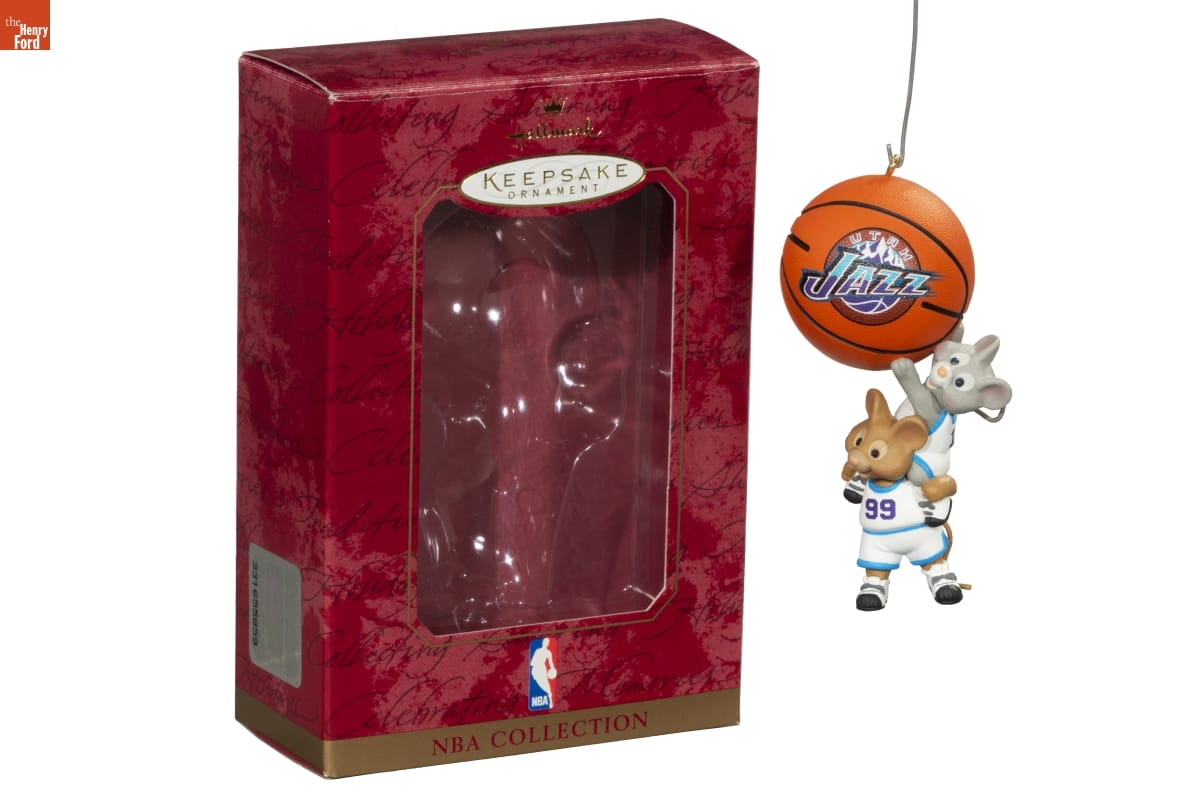
- Hallmark "NBA Collection: Utah Jazz" Christmas Ornament, 1999 - Already known for greeting cards, Hallmark introduced a line of Christmas ornaments in 1973. The company's annual release of an increasing array of ornaments revolutionized Christmas decorating, appealing to customers' interest in marking memories and milestones as well as expressing one's personality and unique tastes.
- 1999
- Collections - Artifact
Hallmark "NBA Collection: Utah Jazz" Christmas Ornament, 1999
Already known for greeting cards, Hallmark introduced a line of Christmas ornaments in 1973. The company's annual release of an increasing array of ornaments revolutionized Christmas decorating, appealing to customers' interest in marking memories and milestones as well as expressing one's personality and unique tastes.
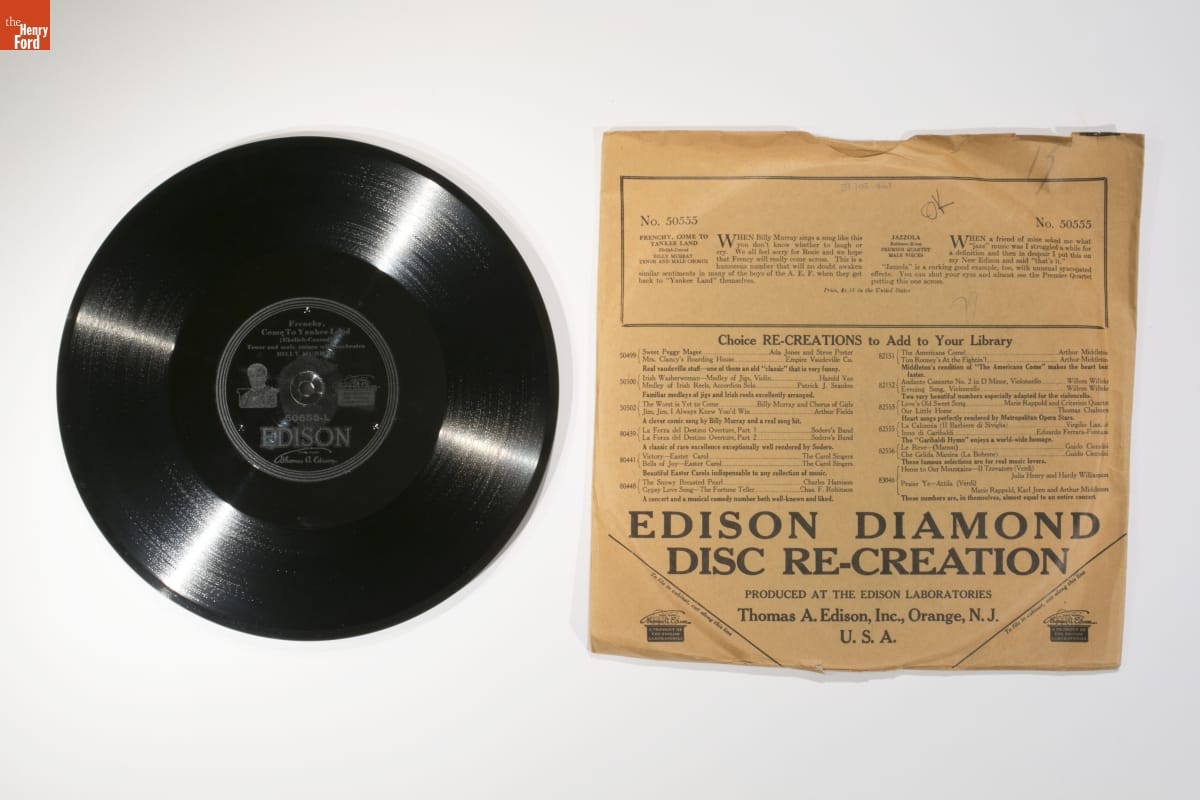
- Edison Diamond Disc Record, "Jazzola" / "Frenchie Come to Yankee Land," 1919 - Jazz was new in the 1910s -- a musical sound different than anything before. Early jazz songs like this one attempted to explain what jazz was all about: "Nobody knows its origination. Jazzola. It's just a dance full of syncopation, and if you crave a new sensation..."
- April 03, 1919
- Collections - Artifact
Edison Diamond Disc Record, "Jazzola" / "Frenchie Come to Yankee Land," 1919
Jazz was new in the 1910s -- a musical sound different than anything before. Early jazz songs like this one attempted to explain what jazz was all about: "Nobody knows its origination. Jazzola. It's just a dance full of syncopation, and if you crave a new sensation..."
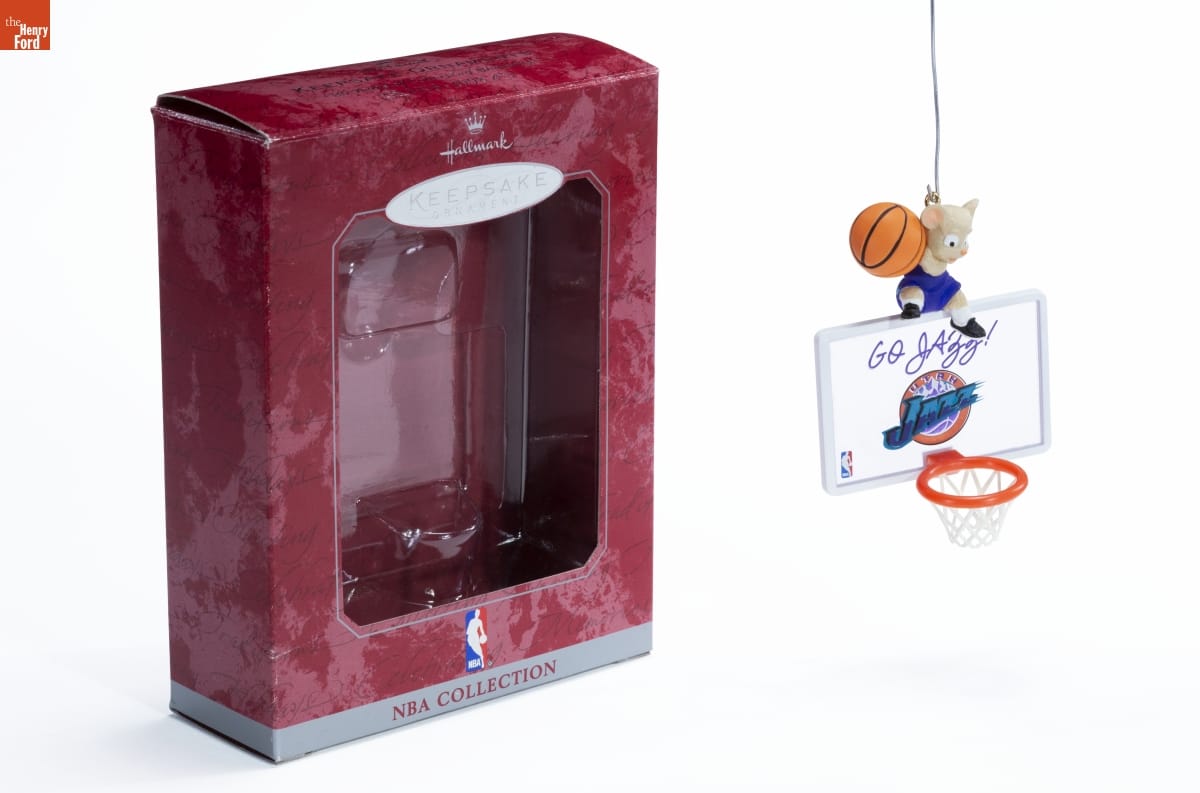
- Hallmark "NBA Collection: Utah Jazz" Christmas Ornament, 1998 - Already known for greeting cards, Hallmark introduced a line of Christmas ornaments in 1973. The company's annual release of an increasing array of ornaments revolutionized Christmas decorating, appealing to customers' interest in marking memories and milestones as well as expressing one's personality and unique tastes.
- 1998
- Collections - Artifact
Hallmark "NBA Collection: Utah Jazz" Christmas Ornament, 1998
Already known for greeting cards, Hallmark introduced a line of Christmas ornaments in 1973. The company's annual release of an increasing array of ornaments revolutionized Christmas decorating, appealing to customers' interest in marking memories and milestones as well as expressing one's personality and unique tastes.
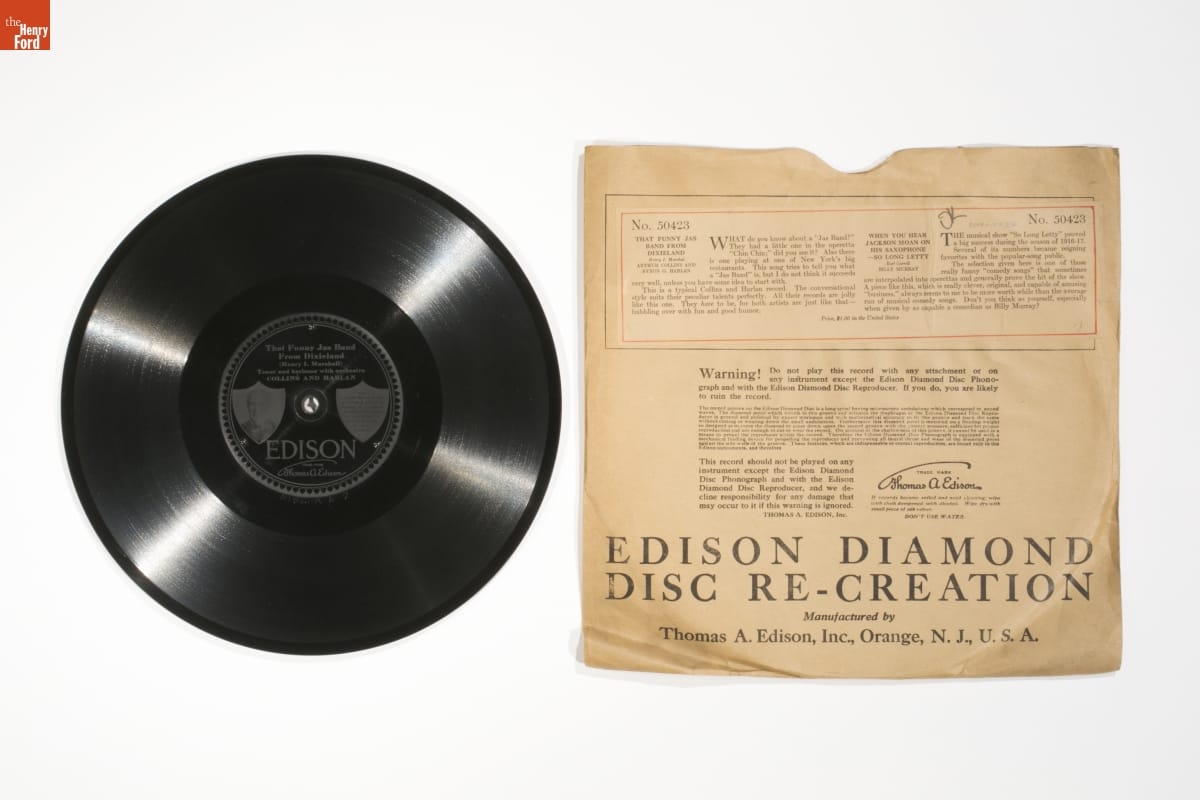
- Edison Diamond Disc Record, "That Funny Jas Band from Dixieland" / "When You Hear Jackson Moan on his Saxophone," 1916 -
- December 01, 1916
- Collections - Artifact
Edison Diamond Disc Record, "That Funny Jas Band from Dixieland" / "When You Hear Jackson Moan on his Saxophone," 1916
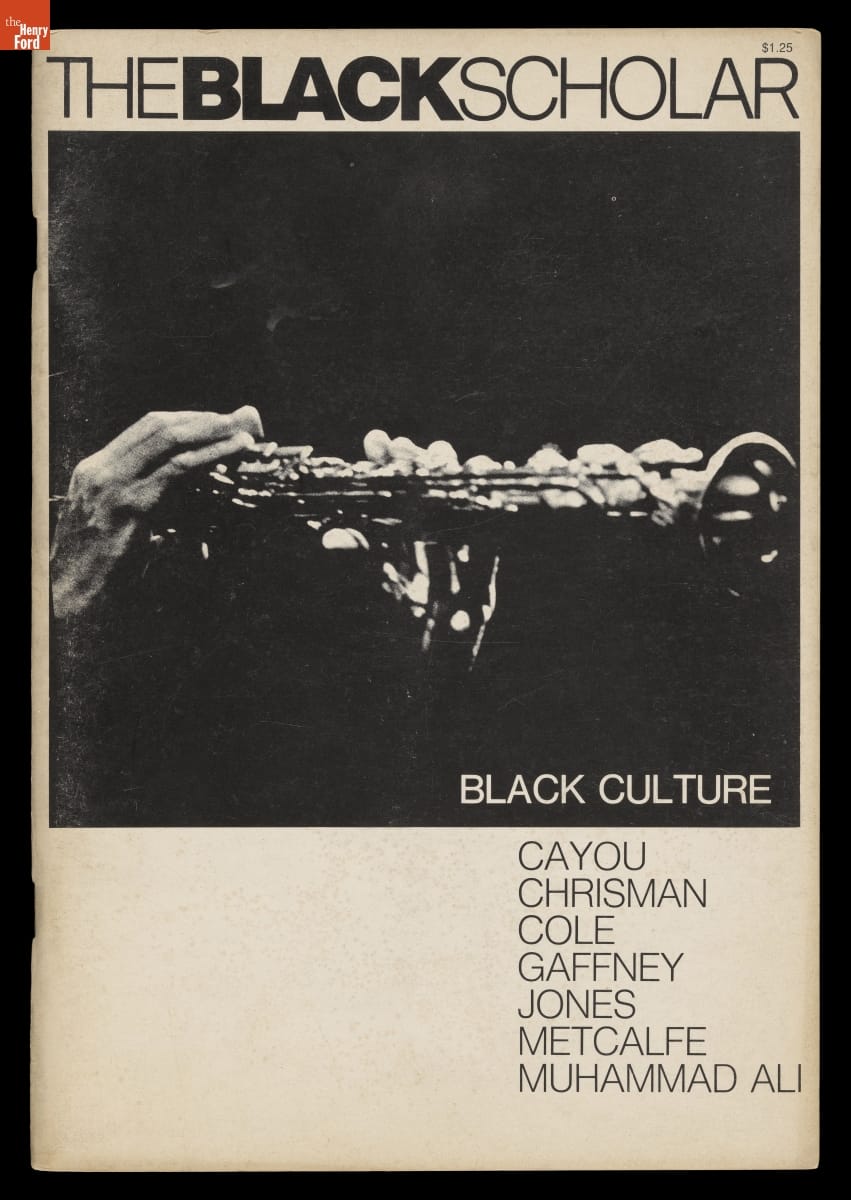
- "The Black Scholar," June 1970 Issue, "Black Culture" - In 1969, in the wake of a growing interest in Black American history and culture, Robert Christman and Nathan Hare -- former professors from San Francisco State College -- started <i>The Black Scholar</i>. It was the first scholastic journal that focused on Black, Africana, and Diaspora studies. <i>The Black Scholar</i> has published papers and other works by famous academics, political thinkers, and authors.
- June 01, 1970
- Collections - Artifact
"The Black Scholar," June 1970 Issue, "Black Culture"
In 1969, in the wake of a growing interest in Black American history and culture, Robert Christman and Nathan Hare -- former professors from San Francisco State College -- started The Black Scholar. It was the first scholastic journal that focused on Black, Africana, and Diaspora studies. The Black Scholar has published papers and other works by famous academics, political thinkers, and authors.
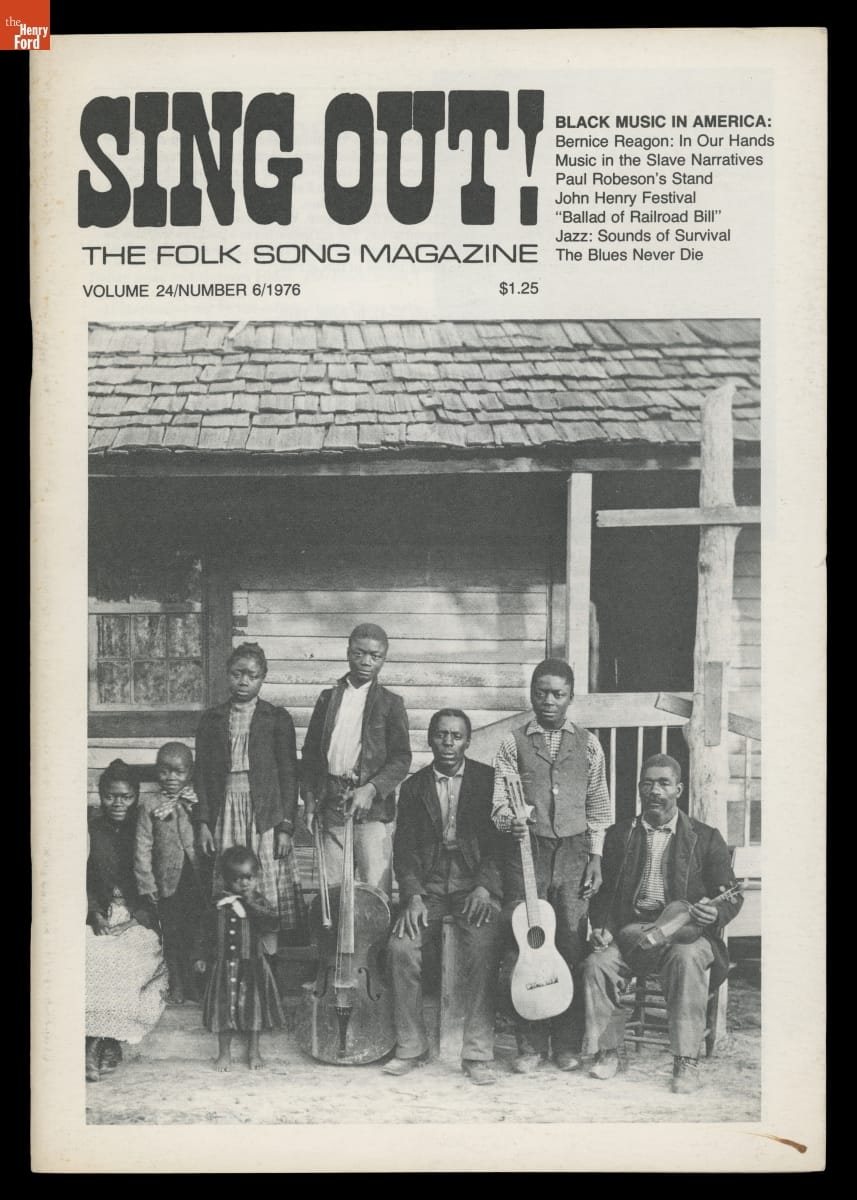
- "Sing Out! The Folk Song Magazine," 1976 -
- 1976
- Collections - Artifact
"Sing Out! The Folk Song Magazine," 1976