
Search
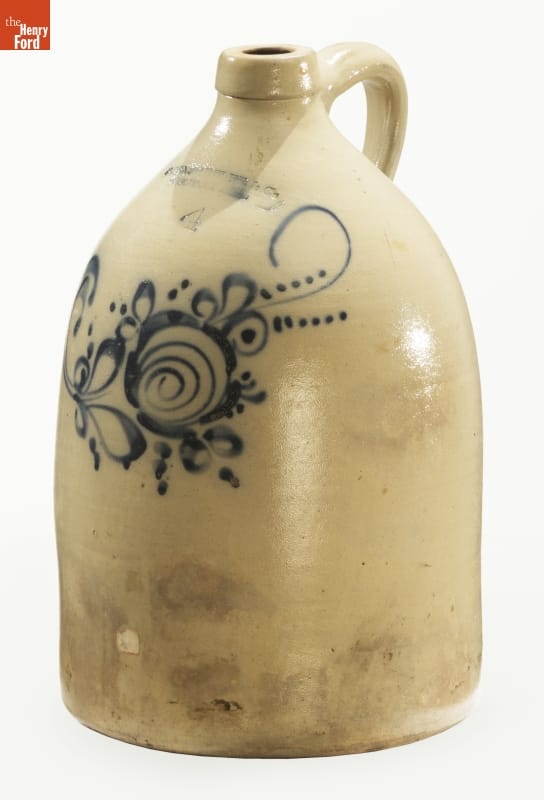
- Four Gallon Stoneware Jug, 1850-1875 - This jug was made of a durable, leak-proof pottery called stoneware, shaped on a potter's wheel. The orange-peel-like outer glaze was created when the potter threw handfuls of common rock salt into a white-hot kiln during the piece's firing. Salt-glazed stoneware pieces were decorated with an amazing array of designs, including the flower and other embellishments on this piece.
- 1850-1875
- Collections - Artifact
Four Gallon Stoneware Jug, 1850-1875
This jug was made of a durable, leak-proof pottery called stoneware, shaped on a potter's wheel. The orange-peel-like outer glaze was created when the potter threw handfuls of common rock salt into a white-hot kiln during the piece's firing. Salt-glazed stoneware pieces were decorated with an amazing array of designs, including the flower and other embellishments on this piece.
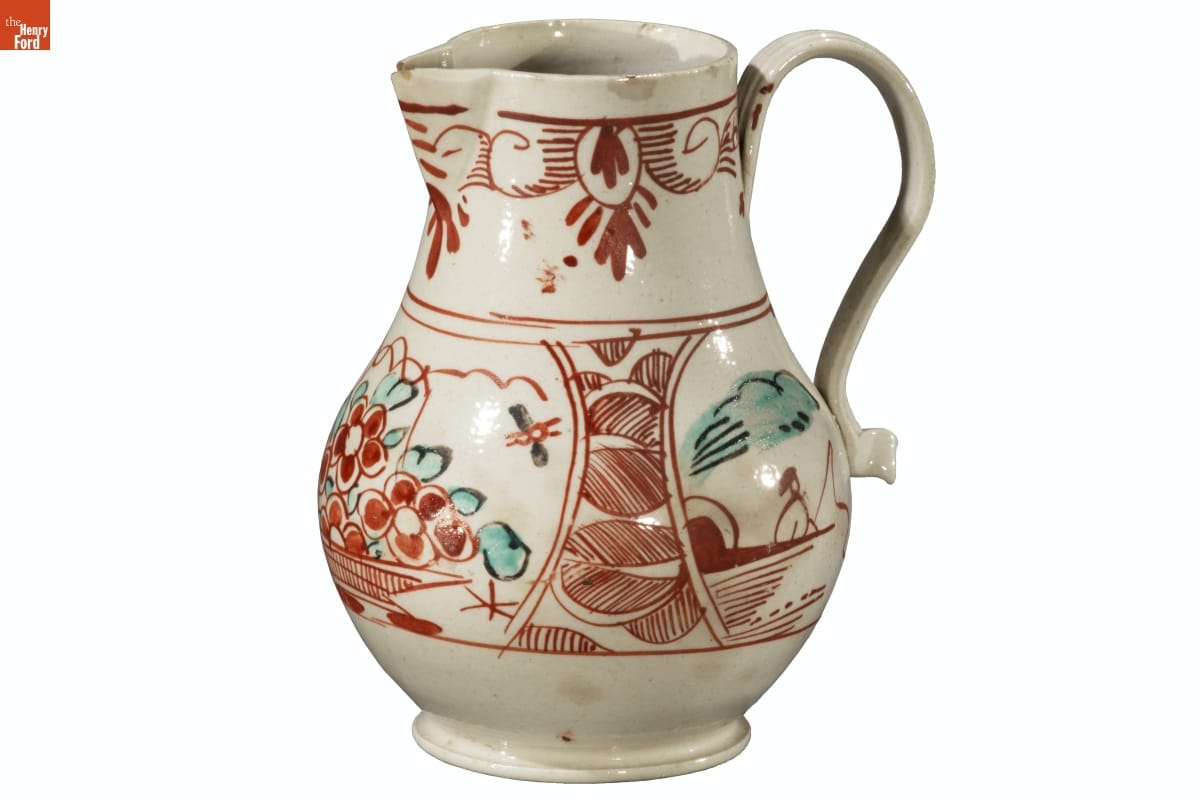
- Jug, 1760-1770 -
- 1765
- Collections - Artifact
Jug, 1760-1770
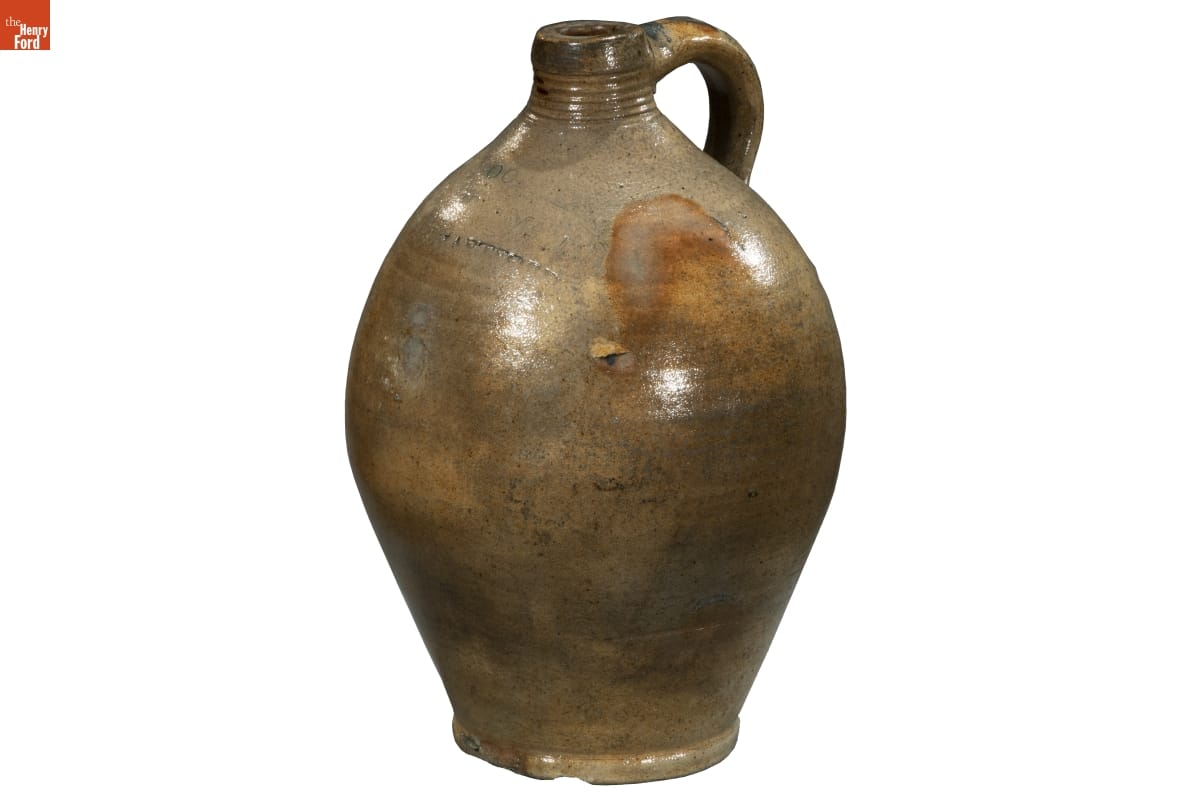
- Jug, 1822-1825 - Daniel Goodale, Jr. and Absolom Stedman produced this stoneware jug in the early 1820s. The partnership formed a pottery company in Hartford, Connecticut, in 1822, and they stayed in business over the next three years. In 1825, Goodale bought out his partner. Stedman remained in the pottery business, working with other stoneware manufacturers in Connecticut.
- 1822-1825
- Collections - Artifact
Jug, 1822-1825
Daniel Goodale, Jr. and Absolom Stedman produced this stoneware jug in the early 1820s. The partnership formed a pottery company in Hartford, Connecticut, in 1822, and they stayed in business over the next three years. In 1825, Goodale bought out his partner. Stedman remained in the pottery business, working with other stoneware manufacturers in Connecticut.
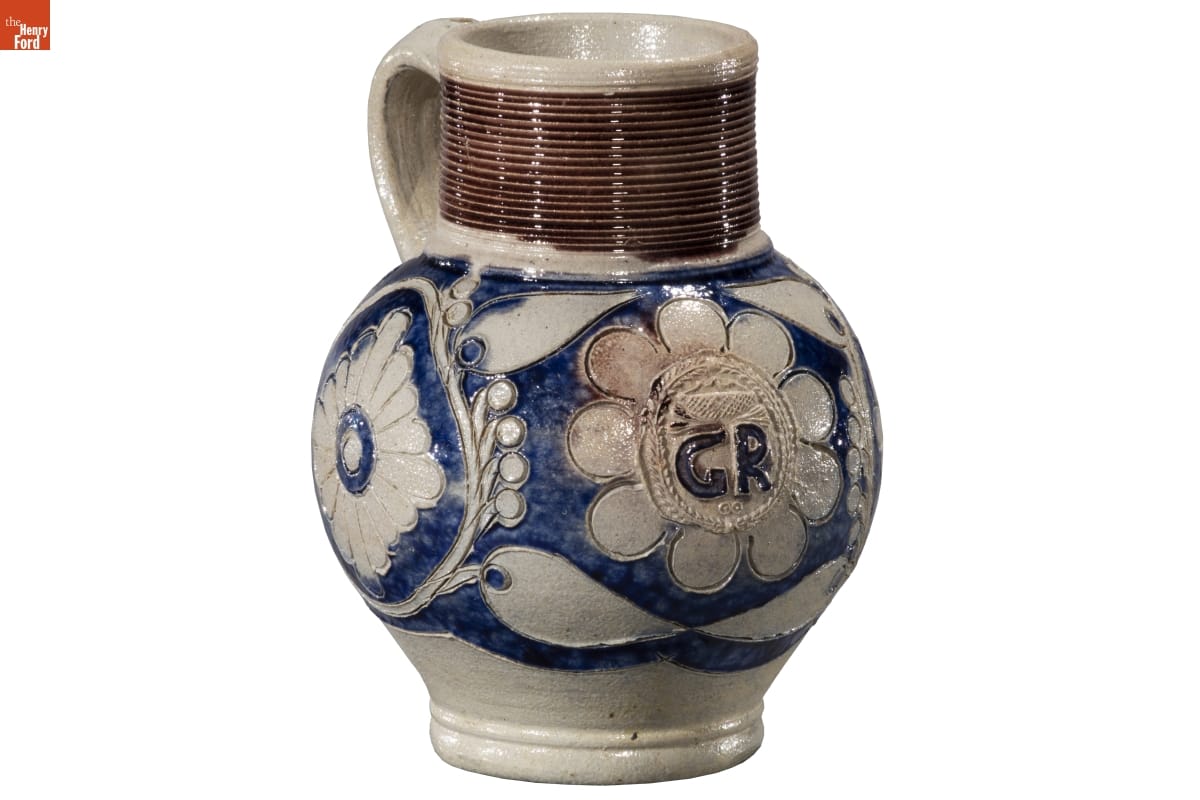
- Jug, 1730-1775 -
- 1730-1775
- Collections - Artifact
Jug, 1730-1775
- PCR-MATE Model 391 DNA/RNA Synthesizer, 1991-1993 -
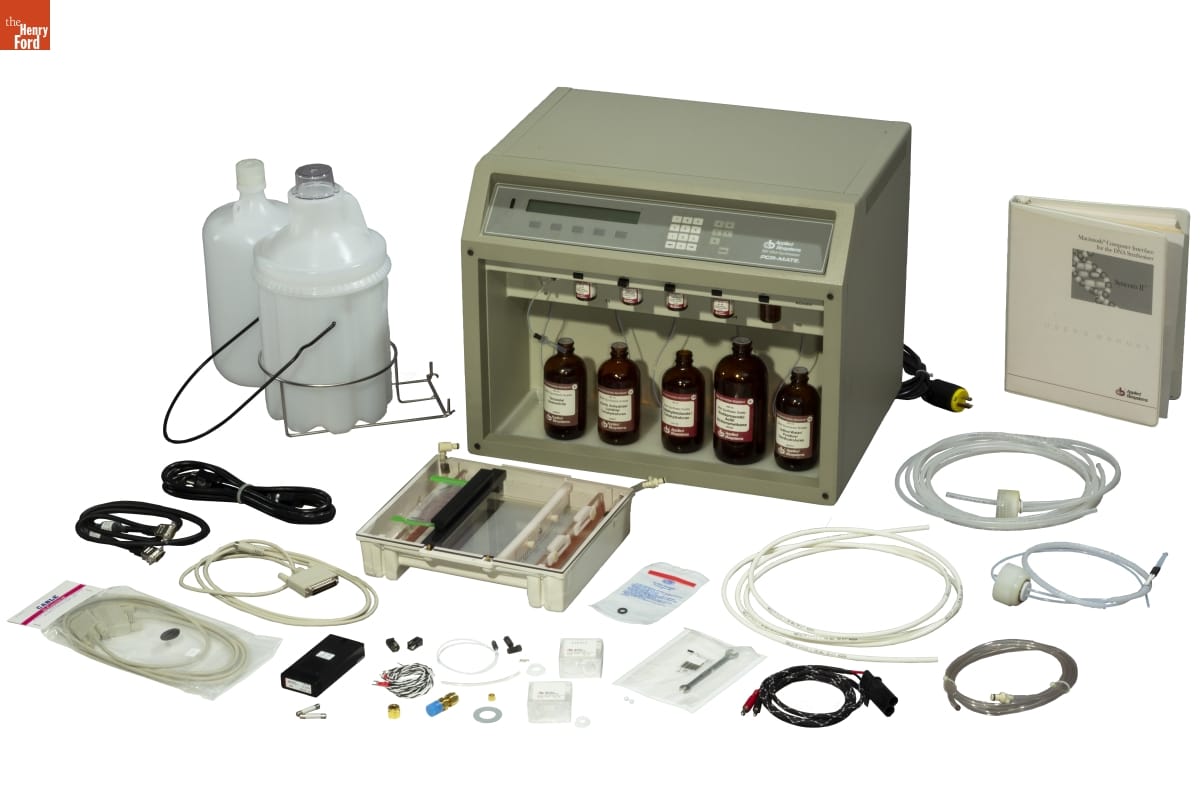
- 1991-1993
- Collections - Artifact
PCR-MATE Model 391 DNA/RNA Synthesizer, 1991-1993
- Face Jug, 1880-1900 -
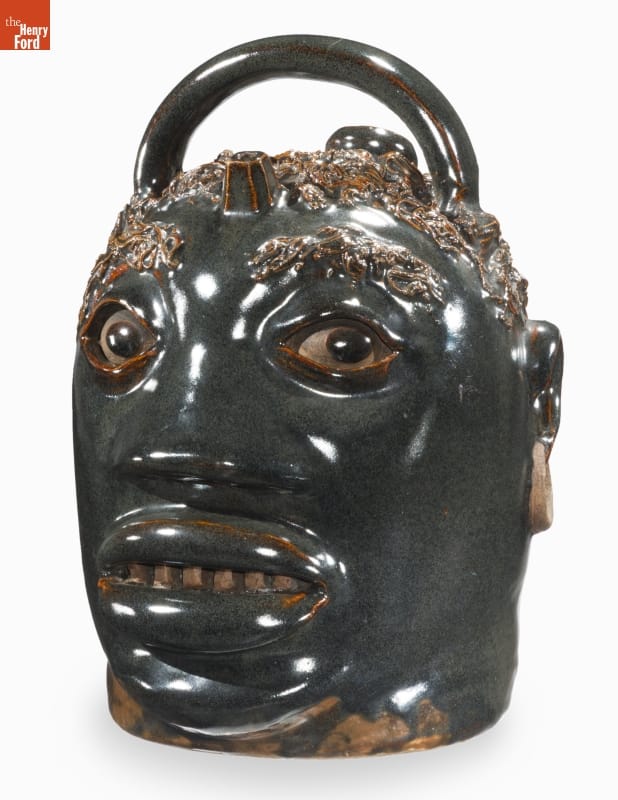
- 1880-1900
- Collections - Artifact
Face Jug, 1880-1900
- Syrup Jug, 1885-1893 - Nineteenth-century Americans who could not afford refined white sugar found a sweet alternative with molasses or maple syrup. Syrup jugs or pitchers with their dripless metal pouring spouts held the slow-pouring, sugary liquid. These pressed or mold-blown glass containers became a common fixture on many middle-class Victorian Americans' tables.
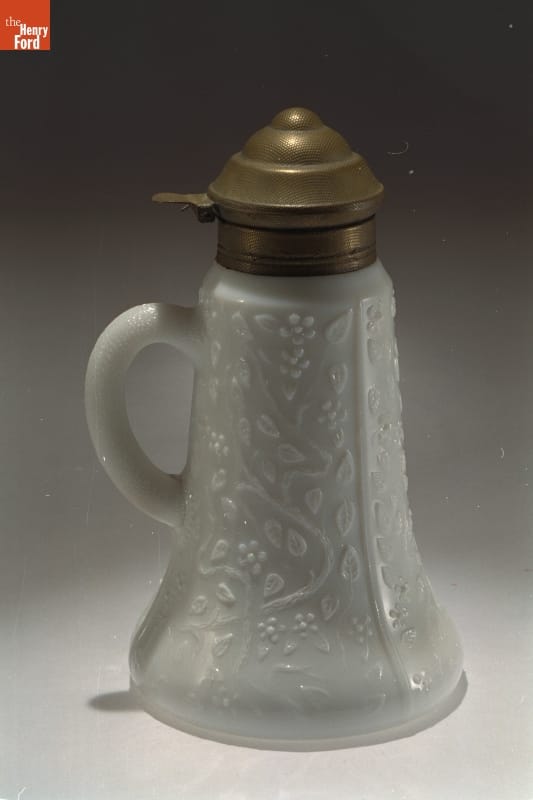
- 1885-1893
- Collections - Artifact
Syrup Jug, 1885-1893
Nineteenth-century Americans who could not afford refined white sugar found a sweet alternative with molasses or maple syrup. Syrup jugs or pitchers with their dripless metal pouring spouts held the slow-pouring, sugary liquid. These pressed or mold-blown glass containers became a common fixture on many middle-class Victorian Americans' tables.
- Menlo Park Relic, Excavated in 1928 from the Original Site of Thomas Edison's Menlo Park Laboratory -
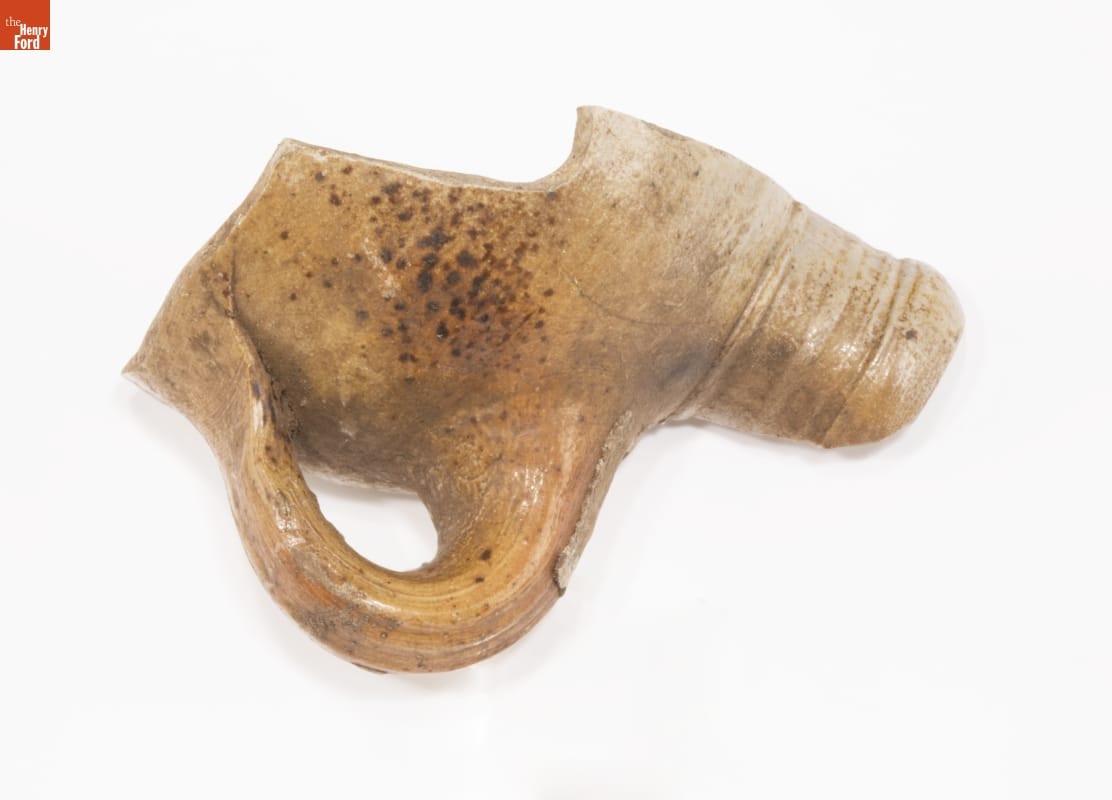
- 1928
- Collections - Artifact
Menlo Park Relic, Excavated in 1928 from the Original Site of Thomas Edison's Menlo Park Laboratory
- Stoneware Jug, 1880-1920 -
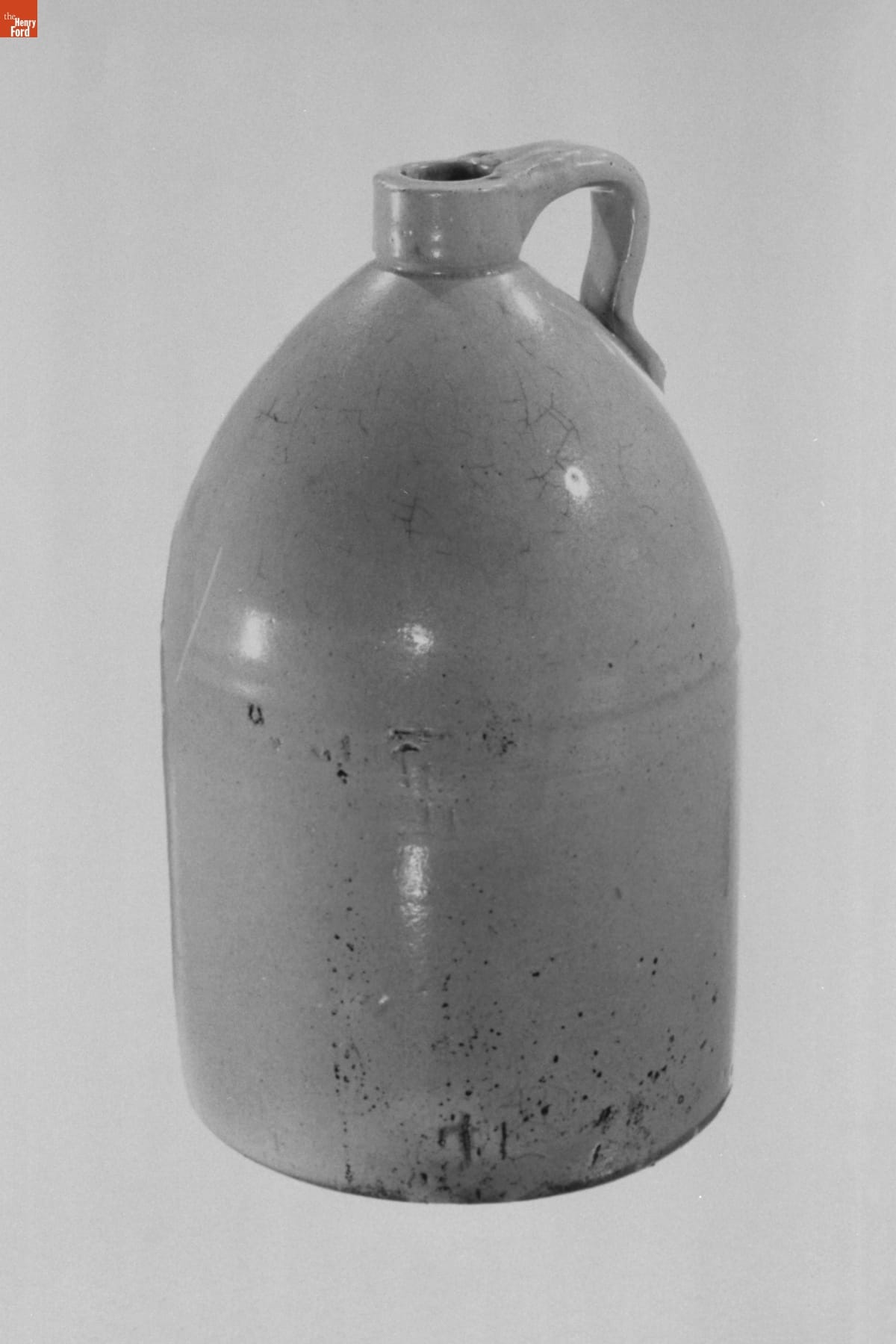
- 1880-1920
- Collections - Artifact
Stoneware Jug, 1880-1920
- Jug, 1550-1600 -
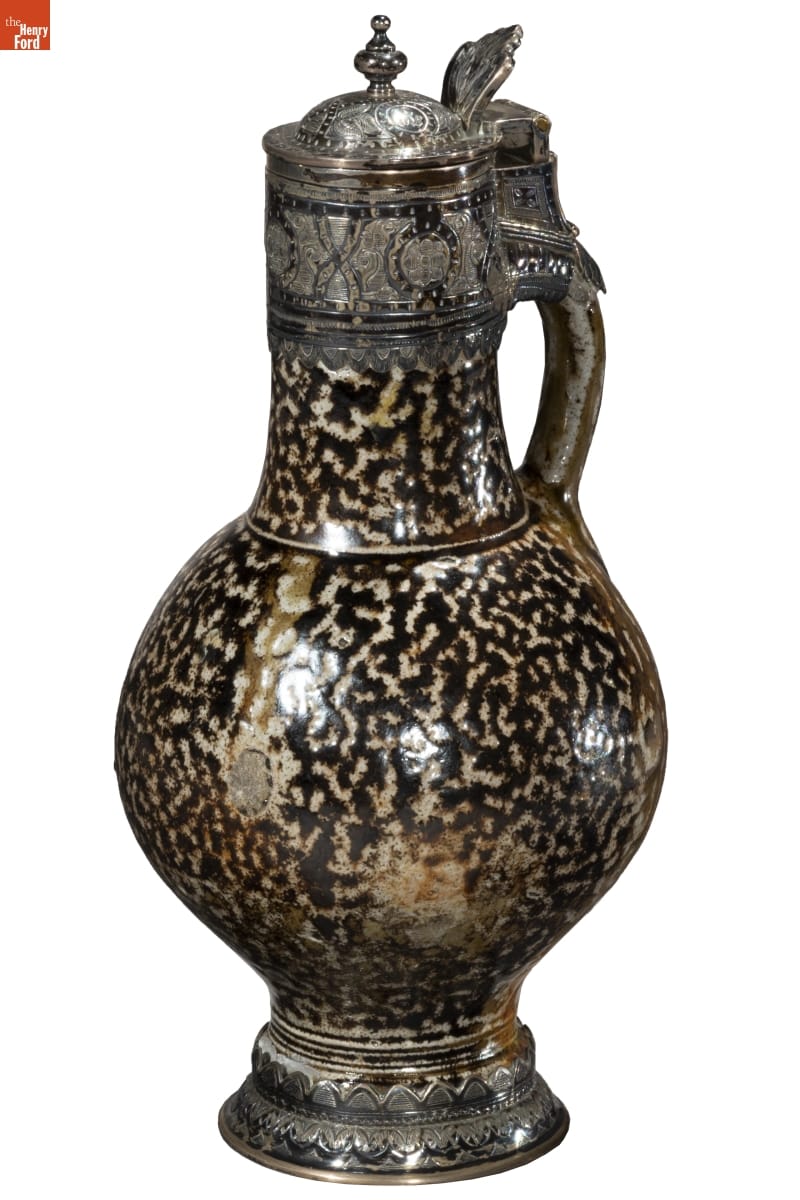
- 1550-1600
- Collections - Artifact
Jug, 1550-1600