
Search
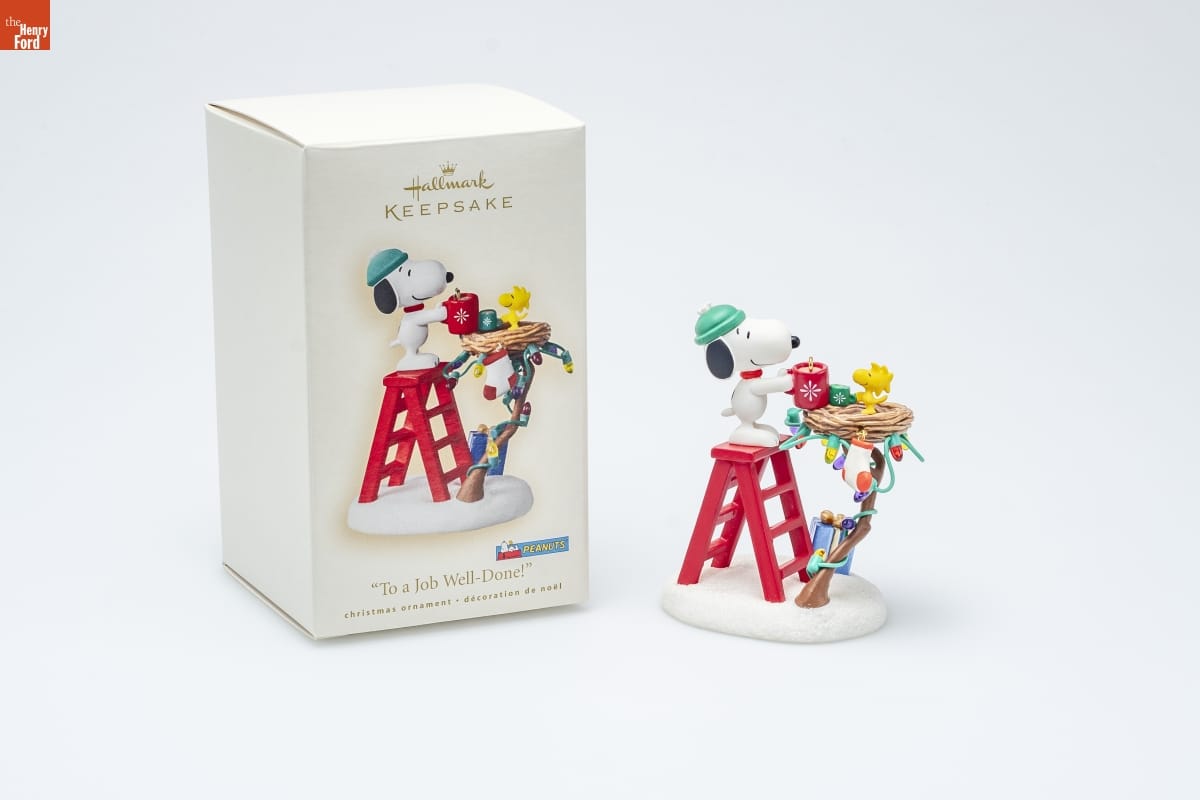
- Hallmark "To a Job Well Done!" Christmas Ornament, 2007 - Already known for greeting cards, Hallmark introduced a line of Christmas ornaments in 1973. The company's annual release of an increasing array of ornaments revolutionized Christmas decorating, appealing to customers' interest in marking memories and milestones as well as expressing one's personality and unique tastes.
- 2007
- Collections - Artifact
Hallmark "To a Job Well Done!" Christmas Ornament, 2007
Already known for greeting cards, Hallmark introduced a line of Christmas ornaments in 1973. The company's annual release of an increasing array of ornaments revolutionized Christmas decorating, appealing to customers' interest in marking memories and milestones as well as expressing one's personality and unique tastes.
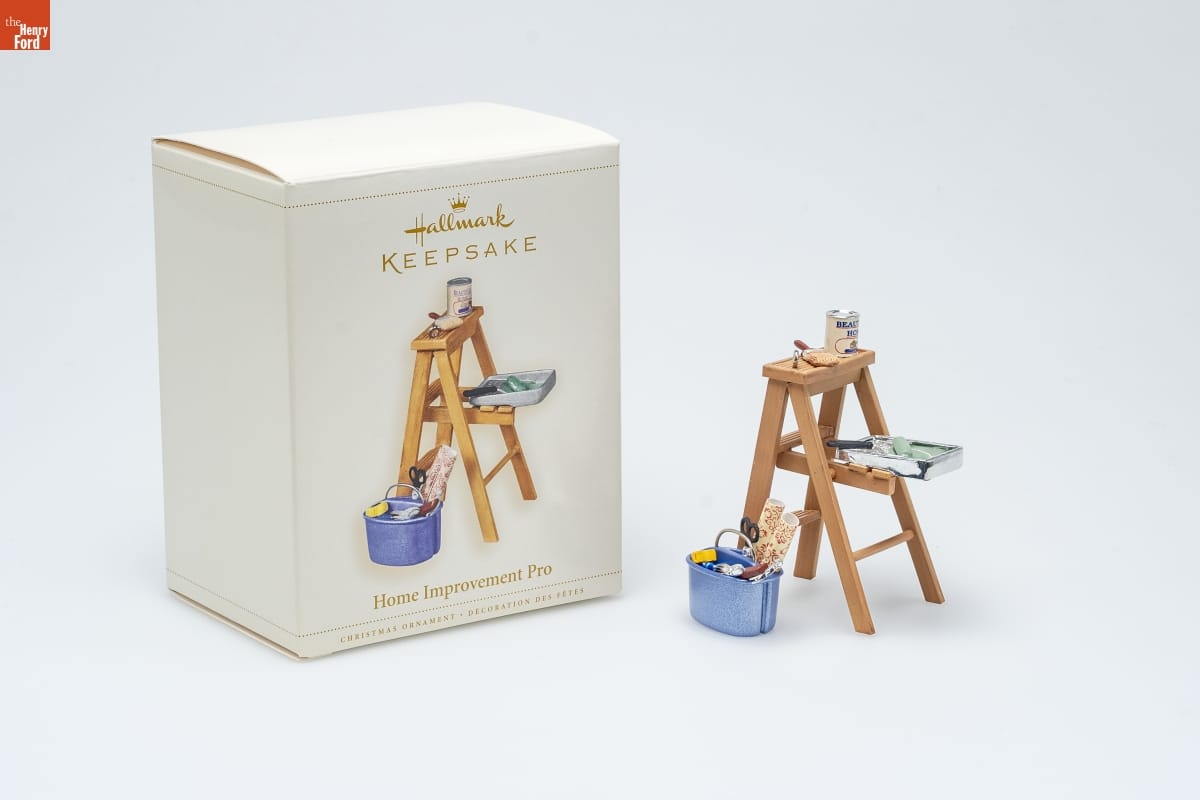
- Hallmark "Home Improvement Pro" Christmas Ornament, 2006 - Already known for greeting cards, Hallmark introduced a line of Christmas ornaments in 1973. The company's annual release of an increasing array of ornaments revolutionized Christmas decorating, appealing to customers' interest in marking memories and milestones as well as expressing one's personality and unique tastes.
- 2006
- Collections - Artifact
Hallmark "Home Improvement Pro" Christmas Ornament, 2006
Already known for greeting cards, Hallmark introduced a line of Christmas ornaments in 1973. The company's annual release of an increasing array of ornaments revolutionized Christmas decorating, appealing to customers' interest in marking memories and milestones as well as expressing one's personality and unique tastes.
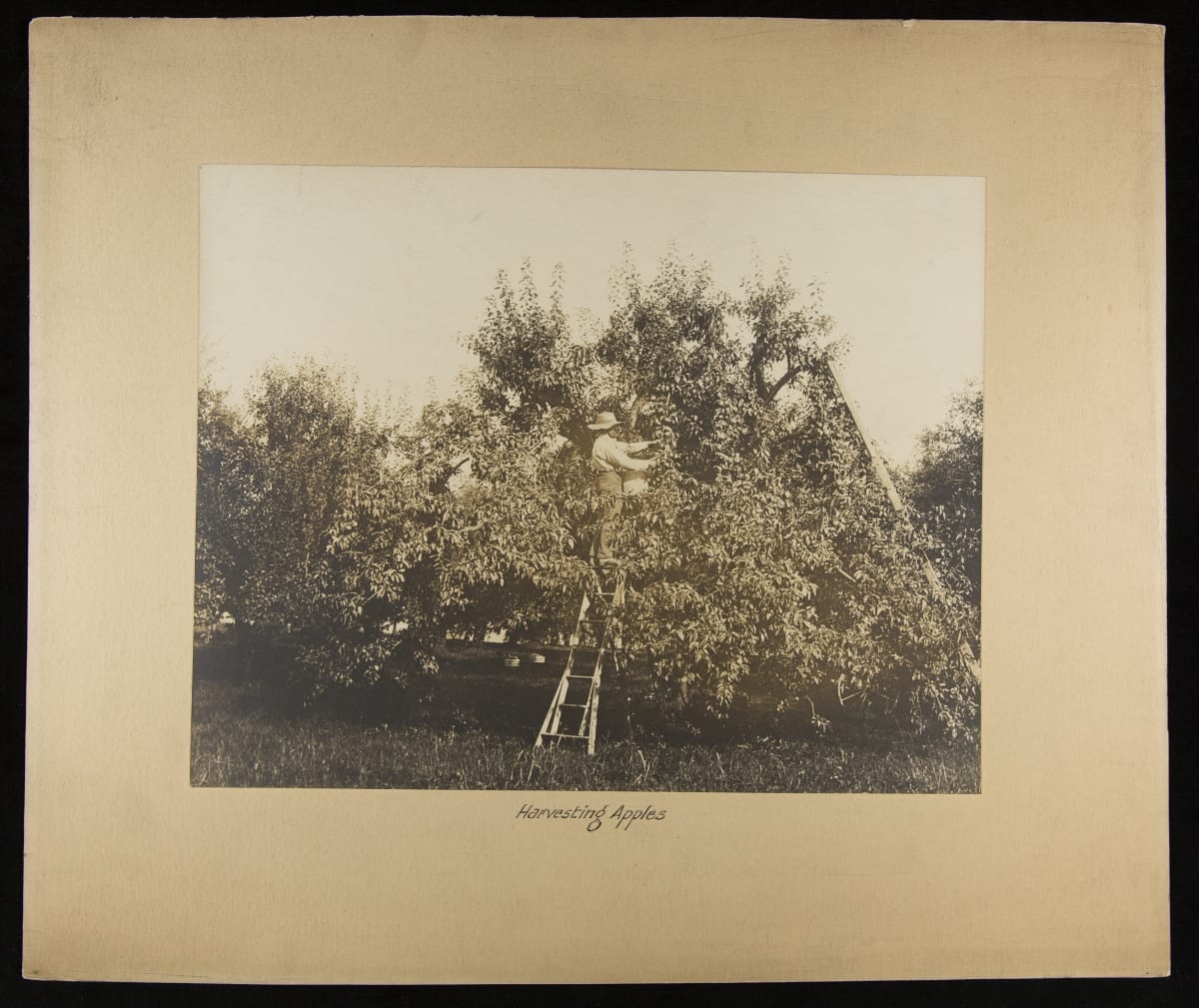
- Worker Harvesting Apples, circa 1925 - Entrepreneur H.J. Heinz recognized that producing the highest quality products began with where the ingredients were grown and how they were harvested. He took great care in managing every aspect of the process to ensure the best ingredients for his line of pickled foods, preserves, and condiments. This photograph shows one step in the apple harvesting process.
- circa 1925
- Collections - Artifact
Worker Harvesting Apples, circa 1925
Entrepreneur H.J. Heinz recognized that producing the highest quality products began with where the ingredients were grown and how they were harvested. He took great care in managing every aspect of the process to ensure the best ingredients for his line of pickled foods, preserves, and condiments. This photograph shows one step in the apple harvesting process.
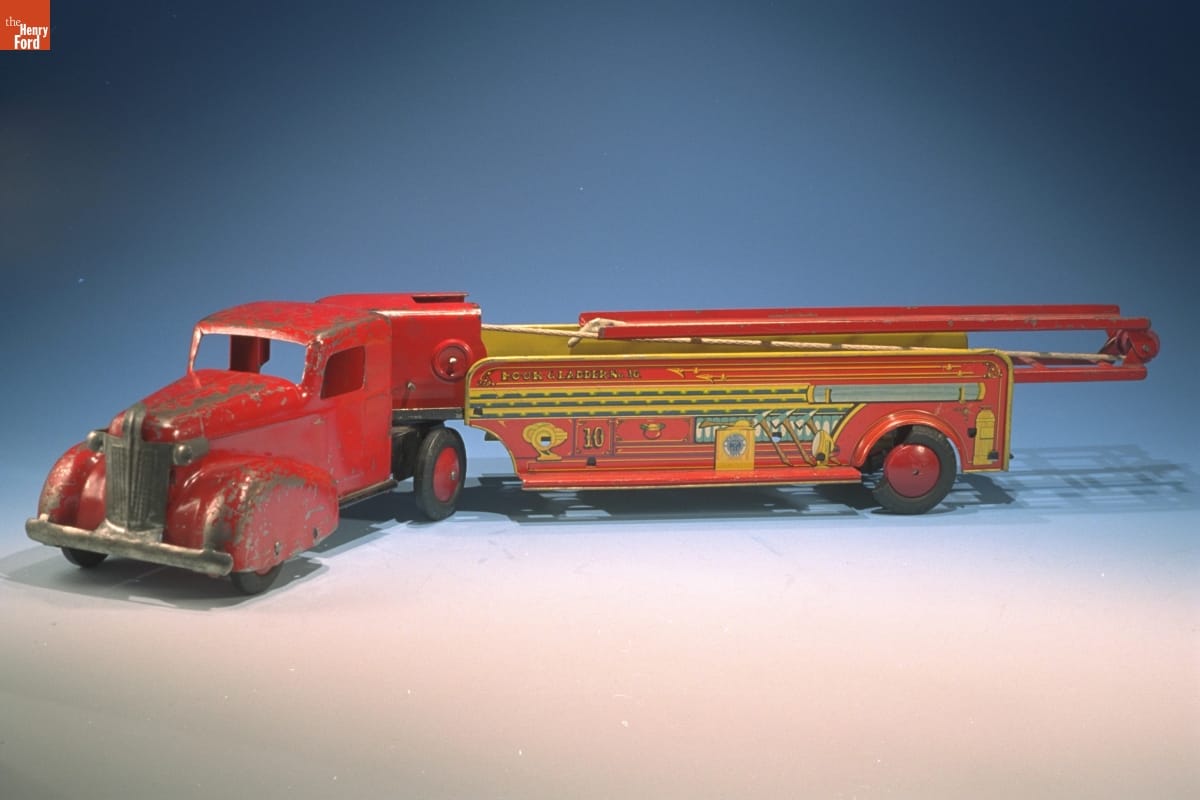
- Toy Hook and Ladder Truck, Used by James Greenhoe, 1937-1946 -
- 1937-1946
- Collections - Artifact
Toy Hook and Ladder Truck, Used by James Greenhoe, 1937-1946
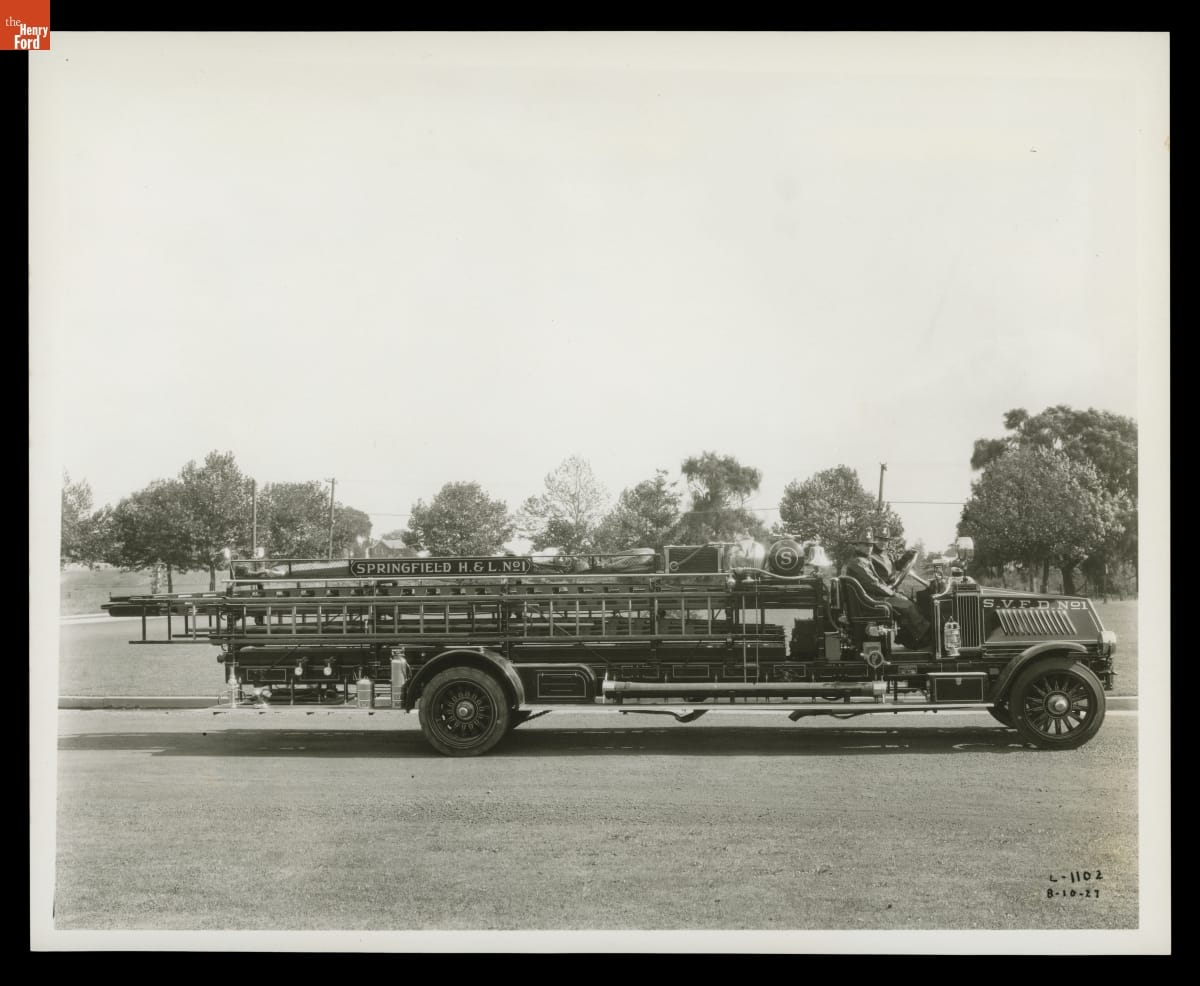
- Mack Fire Truck, August, 1927 - Founded in Brooklyn, New York, in 1900, Mack Brothers Company relocated to Allentown, Pennsylvania, five years later. The company renamed itself Mack Trucks and chose a bulldog as its mascot in 1922. Mack built its first firefighting equipment around 1911. Mack itself stopped building complete fire trucks in 1990, but Mack's chassis continued to be used by other builders.
- August 10, 1927
- Collections - Artifact
Mack Fire Truck, August, 1927
Founded in Brooklyn, New York, in 1900, Mack Brothers Company relocated to Allentown, Pennsylvania, five years later. The company renamed itself Mack Trucks and chose a bulldog as its mascot in 1922. Mack built its first firefighting equipment around 1911. Mack itself stopped building complete fire trucks in 1990, but Mack's chassis continued to be used by other builders.
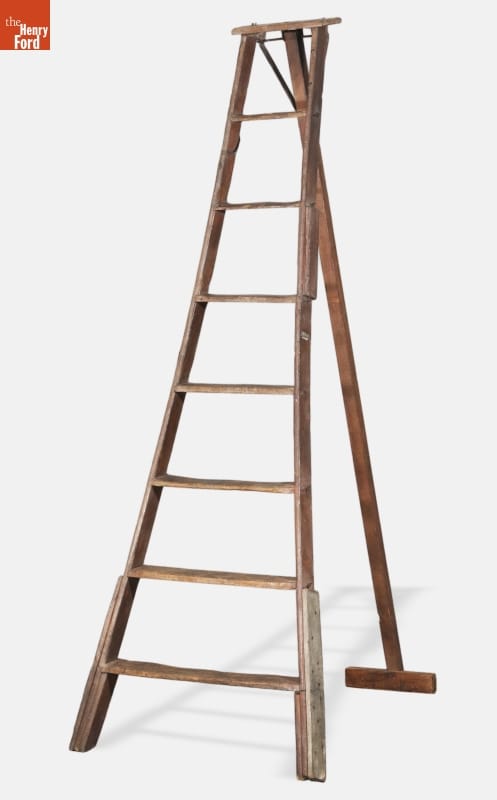
- Ladder, Used by Luther Burbank, circa 1910 - Luther Burbank (1849-1926), an American horticulturalist and author, gained a reputation for selective breeding that yielded more than 800 new fruits, vegetables, flowers, and other plants. He used traditional gardening tools in his plant research, like this ladder designed for use with fruit trees. With it he could climb into the limbs bearing fruit and clip buds or twigs for grafting.
- circa 1910
- Collections - Artifact
Ladder, Used by Luther Burbank, circa 1910
Luther Burbank (1849-1926), an American horticulturalist and author, gained a reputation for selective breeding that yielded more than 800 new fruits, vegetables, flowers, and other plants. He used traditional gardening tools in his plant research, like this ladder designed for use with fruit trees. With it he could climb into the limbs bearing fruit and clip buds or twigs for grafting.
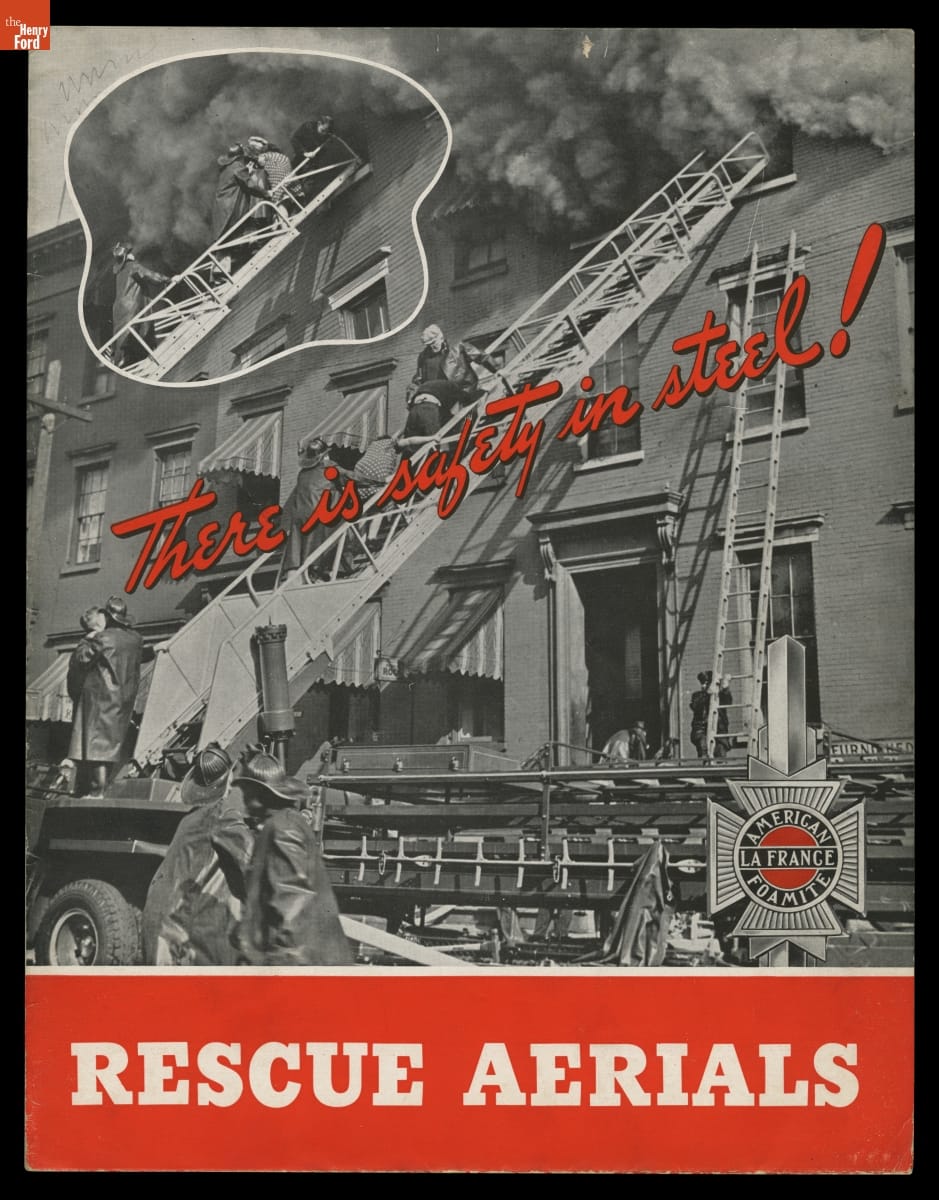
- American-LaFrance and Foamite Corporation Catalog, "Rescue Aerials: There is Safety in Steel," circa 1942 - American LaFrance was formed in 1873 to produce hand-powered firefighting equipment. The company built its first motorized fire apparatus in 1907. American LaFrance grew into one of the largest manufacturers of fire engines and emergency vehicles in the United States and -- under the Foamite name -- Canada. After several changes in ownership, American LaFrance ended operations in 2014.
- circa 1942
- Collections - Artifact
American-LaFrance and Foamite Corporation Catalog, "Rescue Aerials: There is Safety in Steel," circa 1942
American LaFrance was formed in 1873 to produce hand-powered firefighting equipment. The company built its first motorized fire apparatus in 1907. American LaFrance grew into one of the largest manufacturers of fire engines and emergency vehicles in the United States and -- under the Foamite name -- Canada. After several changes in ownership, American LaFrance ended operations in 2014.
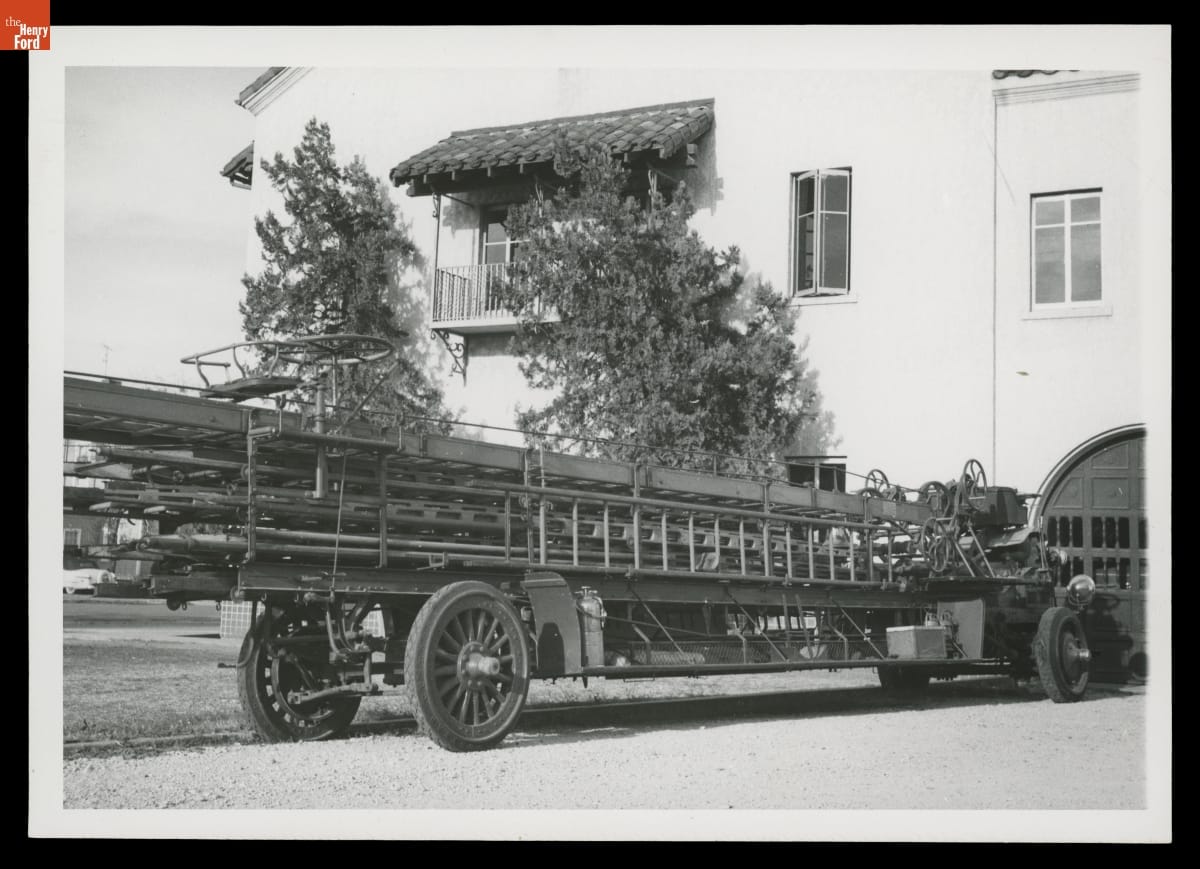
- Fire Engine, 1950-1959 - Different fire trucks served different purposes. Water tenders carried water to the scene of a fire. Pumpers forced water, under pressure, through hoses and nozzles directed at the fire. Hook-and-ladder trucks, like the one pictured here, carried additional firefighting equipment like hooks, to tear down potential fire fuel, and ladders, to reach people trapped on upper floors.
- 1950-1959
- Collections - Artifact
Fire Engine, 1950-1959
Different fire trucks served different purposes. Water tenders carried water to the scene of a fire. Pumpers forced water, under pressure, through hoses and nozzles directed at the fire. Hook-and-ladder trucks, like the one pictured here, carried additional firefighting equipment like hooks, to tear down potential fire fuel, and ladders, to reach people trapped on upper floors.
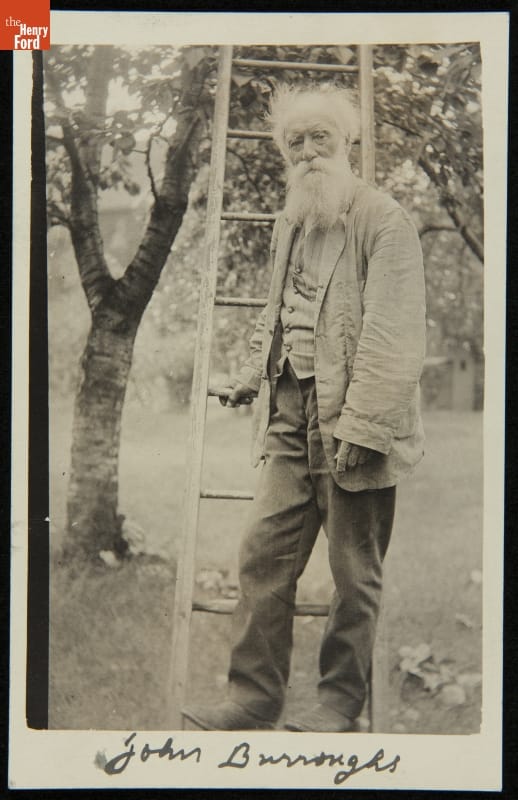
- John Burroughs Holding a Ladder near Riverby, circa 1909 - John Burroughs (1837-1921) was an internationally known naturalist and essayist who wrote about accessible and familiar landscapes. In 1873, Burroughs bought a plot of land overlooking the Hudson in the Catskills of upstate New York and named it Riverby. Here, he farmed and cultivated grapes and fruit trees. He also erected a family home and built secluded retreats where he penned some of his most famous works.
- circa 1909
- Collections - Artifact
John Burroughs Holding a Ladder near Riverby, circa 1909
John Burroughs (1837-1921) was an internationally known naturalist and essayist who wrote about accessible and familiar landscapes. In 1873, Burroughs bought a plot of land overlooking the Hudson in the Catskills of upstate New York and named it Riverby. Here, he farmed and cultivated grapes and fruit trees. He also erected a family home and built secluded retreats where he penned some of his most famous works.
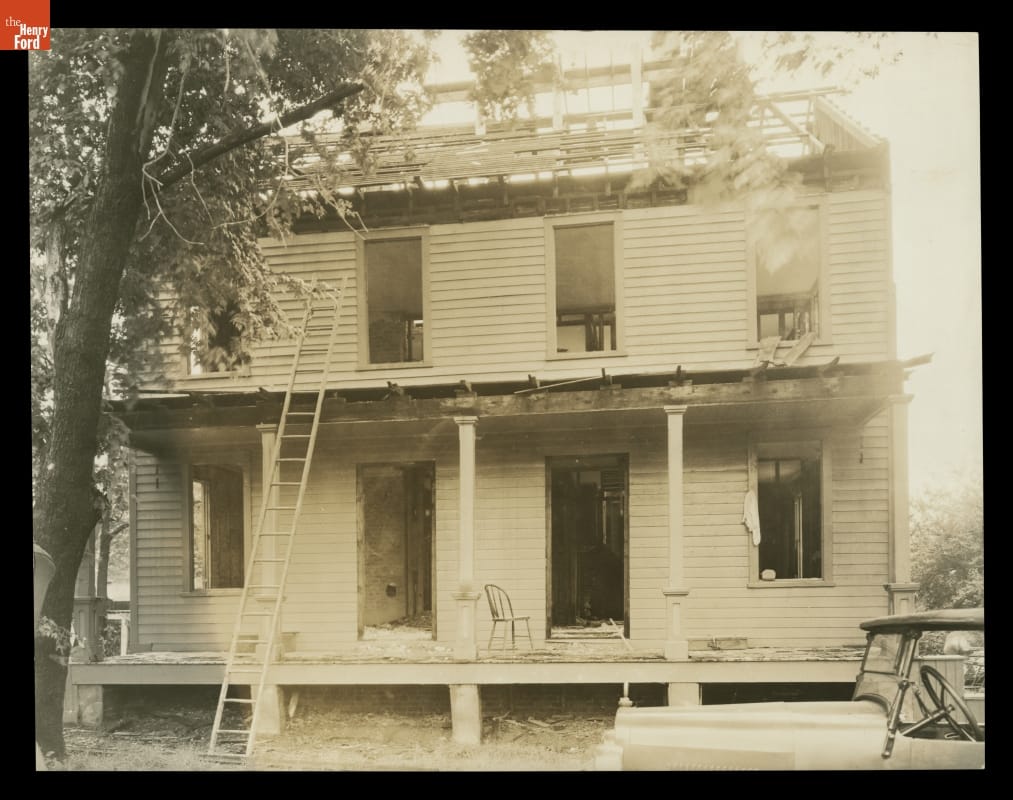
- Dismantling Sarah Jordan Boarding House in Menlo Park, New Jersey for Move to Greenfield Village, 1928 -
- 1928
- Collections - Artifact
Dismantling Sarah Jordan Boarding House in Menlo Park, New Jersey for Move to Greenfield Village, 1928