
Search
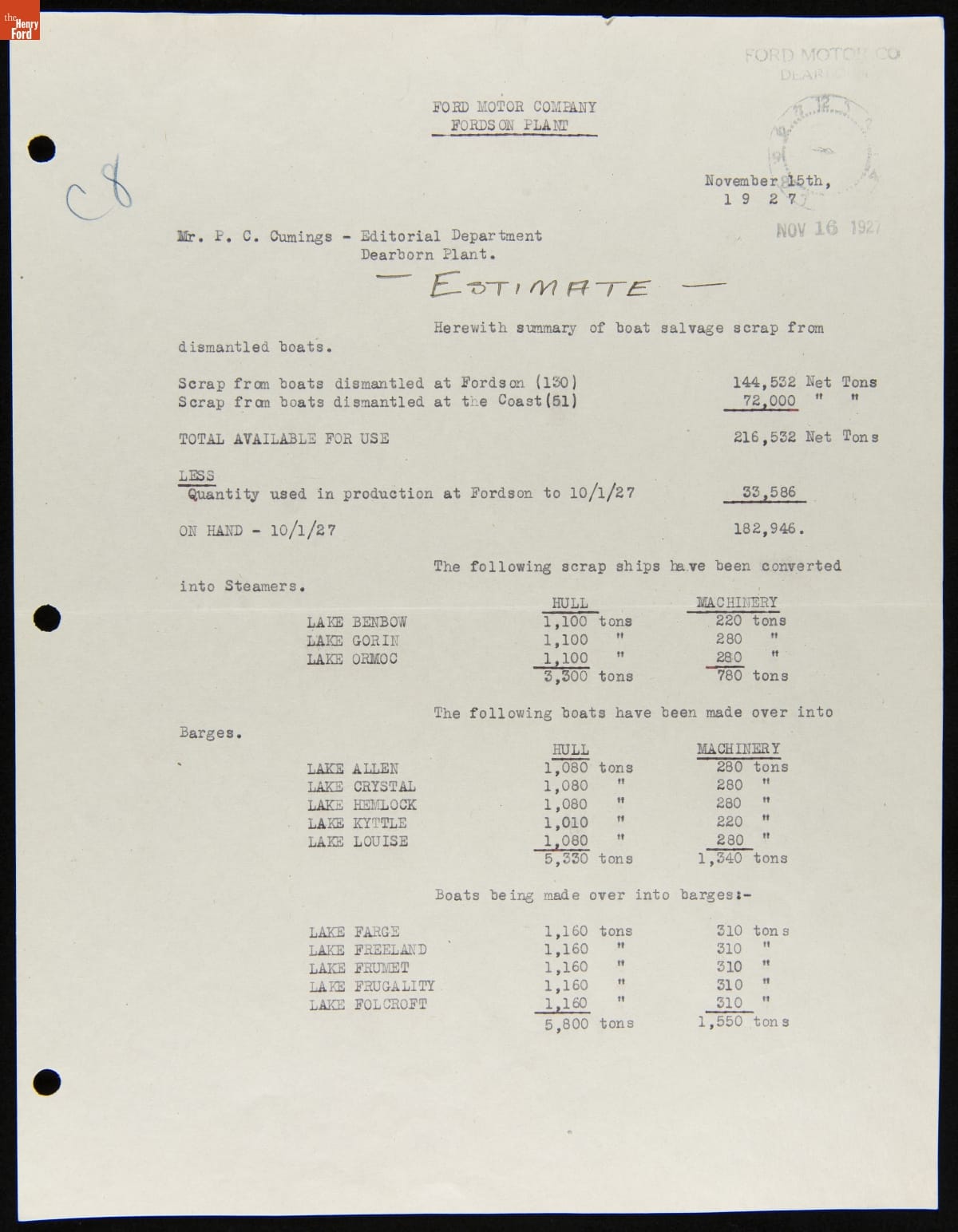
- Summary of Scrap from Dismantled Boats in the Ford Motor Company Ship Salvage Program, November 15, 1927 - Henry Ford purchased 199 surplus World War I merchant ships from the United States government in 1925. Many of these ships were towed to Ford's River Rouge Plant and dismantled -- their steel, metal, and salvageable parts were recycled. The other vessels were refurbished or converted to help transport raw materials and finished products as part of Ford's operations.
- October 01, 1927
- Collections - Artifact
Summary of Scrap from Dismantled Boats in the Ford Motor Company Ship Salvage Program, November 15, 1927
Henry Ford purchased 199 surplus World War I merchant ships from the United States government in 1925. Many of these ships were towed to Ford's River Rouge Plant and dismantled -- their steel, metal, and salvageable parts were recycled. The other vessels were refurbished or converted to help transport raw materials and finished products as part of Ford's operations.
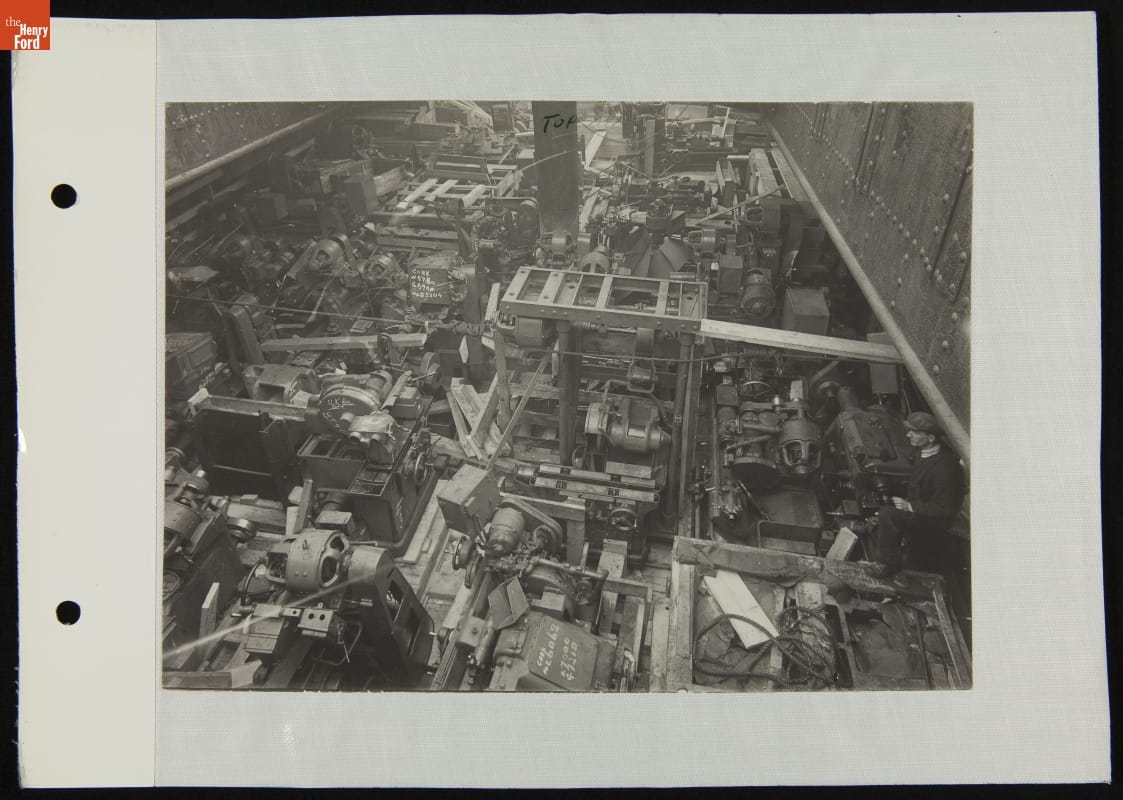
- Material Stowed in the Cargo Hold of SS Lake Gorin, Cork, Ireland, circa 1928 - Henry Ford purchased 199 surplus World War I merchant ships from the United States government in 1925. Most of these ships were scrapped. But a few, like the <em>Lake Gorin</em>, were refitted into ocean-going freighters. The freighters transported parts and supplies between Ford facilities located in cities along the American seaboard and to Ford plants in England and Ireland.
- circa 1928
- Collections - Artifact
Material Stowed in the Cargo Hold of SS Lake Gorin, Cork, Ireland, circa 1928
Henry Ford purchased 199 surplus World War I merchant ships from the United States government in 1925. Most of these ships were scrapped. But a few, like the Lake Gorin, were refitted into ocean-going freighters. The freighters transported parts and supplies between Ford facilities located in cities along the American seaboard and to Ford plants in England and Ireland.
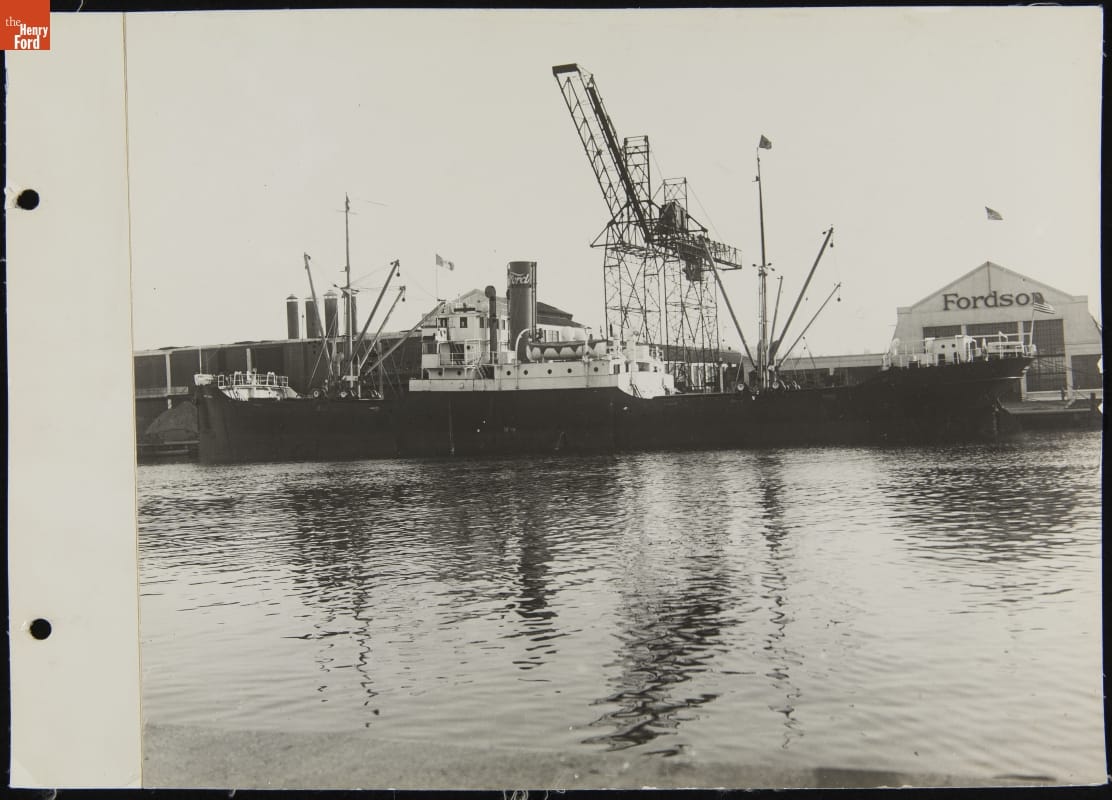
- SS Lake Gorin at Wharf of the Ford Plant at Cork, Ireland, November 1928 - Henry Ford formed an Irish subsidiary company, Henry Ford & Son Limited, in 1917. Two years later, he opened a tractor plant in County Cork, Ireland -- his father's birthplace. Soon the factory began producing automobile engines and parts for Ford factories in England. Apart from a temporary closure during World War II, the plant remained in operation until 1984.
- November 08, 1928
- Collections - Artifact
SS Lake Gorin at Wharf of the Ford Plant at Cork, Ireland, November 1928
Henry Ford formed an Irish subsidiary company, Henry Ford & Son Limited, in 1917. Two years later, he opened a tractor plant in County Cork, Ireland -- his father's birthplace. Soon the factory began producing automobile engines and parts for Ford factories in England. Apart from a temporary closure during World War II, the plant remained in operation until 1984.
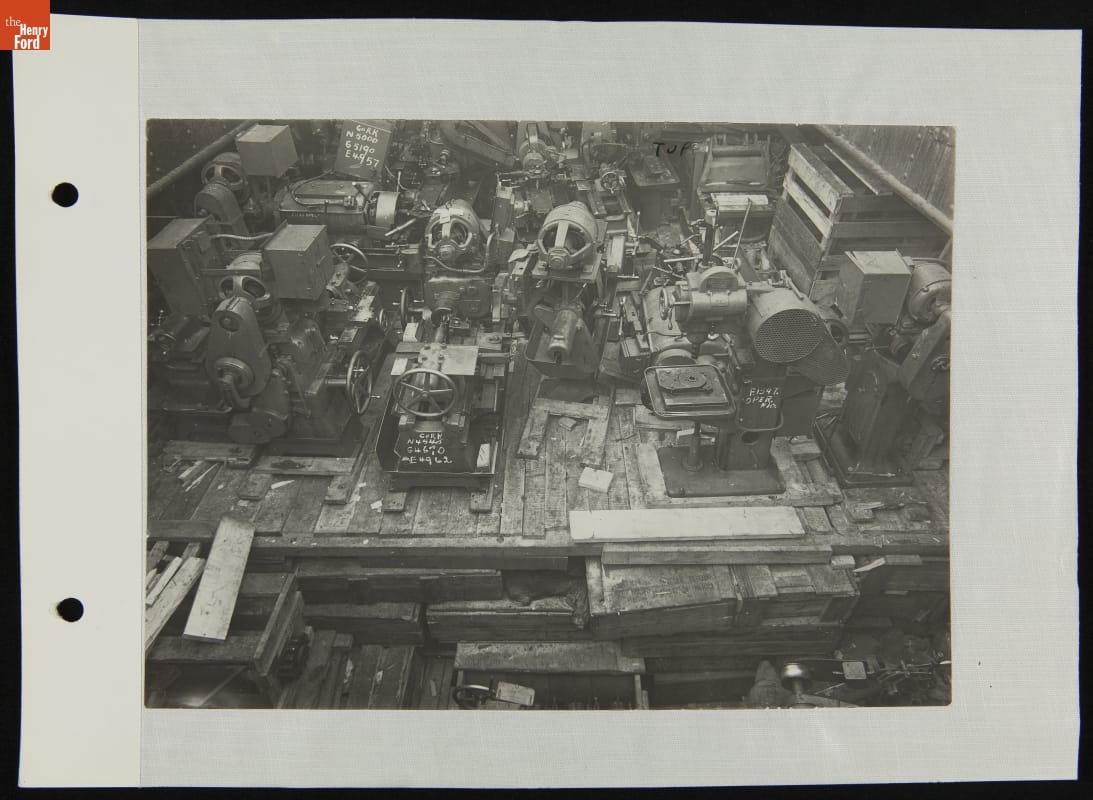
- Material Stowed in the Cargo Hold of SS Lake Gorin, Cork, Ireland, circa 1928 - Henry Ford purchased 199 surplus World War I merchant ships from the United States government in 1925. Most of these ships were scrapped. But a few, like the <em>Lake Gorin</em>, were refitted into ocean-going freighters. The freighters transported parts and supplies between Ford facilities located in cities along the American seaboard and to Ford plants in England and Ireland.
- circa 1928
- Collections - Artifact
Material Stowed in the Cargo Hold of SS Lake Gorin, Cork, Ireland, circa 1928
Henry Ford purchased 199 surplus World War I merchant ships from the United States government in 1925. Most of these ships were scrapped. But a few, like the Lake Gorin, were refitted into ocean-going freighters. The freighters transported parts and supplies between Ford facilities located in cities along the American seaboard and to Ford plants in England and Ireland.
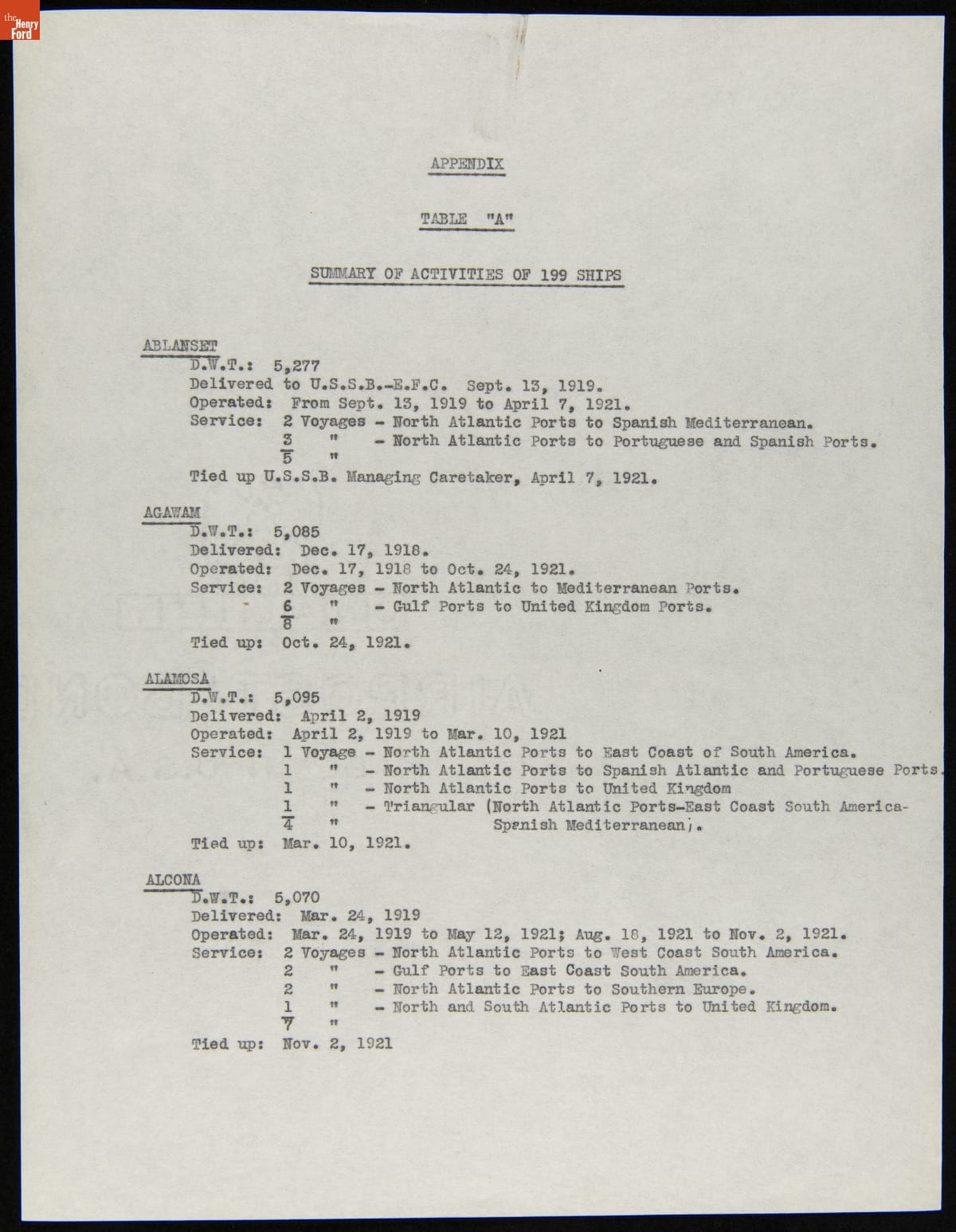
- Summary of Activity for 199 Ships Purchased for the Ford Ship Salvage Program, 1926 - Henry Ford purchased 199 surplus World War I merchant ships from the United States government in 1925. Many of these ships were towed to Ford's River Rouge Plant and dismantled -- their steel, metal, and salvageable parts were recycled. The other vessels were refurbished or converted to help transport raw materials and finished products as part of Ford's operations.
- circa 1926
- Collections - Artifact
Summary of Activity for 199 Ships Purchased for the Ford Ship Salvage Program, 1926
Henry Ford purchased 199 surplus World War I merchant ships from the United States government in 1925. Many of these ships were towed to Ford's River Rouge Plant and dismantled -- their steel, metal, and salvageable parts were recycled. The other vessels were refurbished or converted to help transport raw materials and finished products as part of Ford's operations.
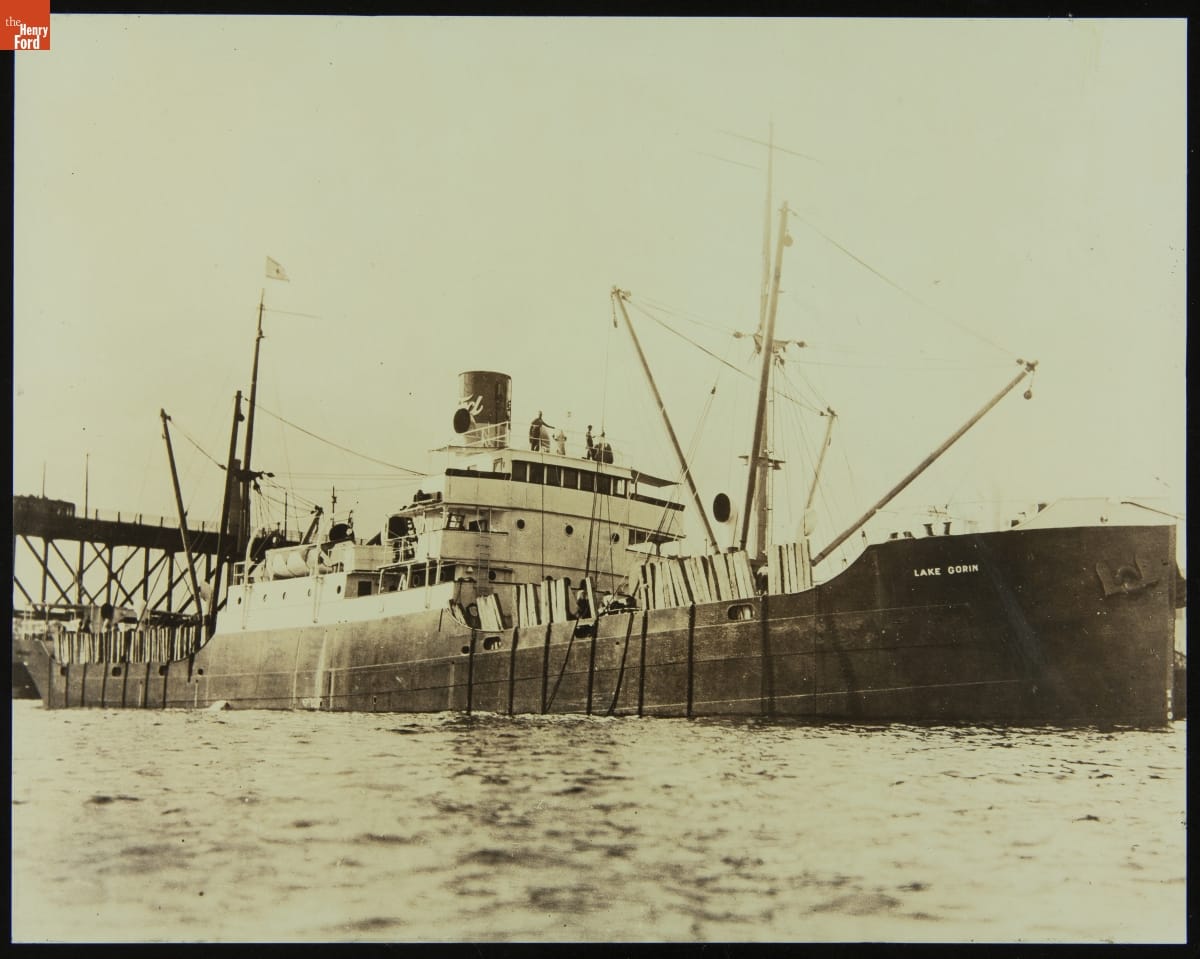
- Ford Barge "Lake Gorin" Unloading Ties in Jacksonville, January 11, 1928 - Henry Ford purchased 199 surplus World War I merchant ships from the United States government in 1925. Most of these ships were scrapped. But a few, like the <em>Lake Gorin</em>, were refitted into ocean-going freighters. The freighters transported parts and supplies between Ford facilities located in cities along the American seaboard and to Ford plants in England and Ireland.
- January 11, 1928
- Collections - Artifact
Ford Barge "Lake Gorin" Unloading Ties in Jacksonville, January 11, 1928
Henry Ford purchased 199 surplus World War I merchant ships from the United States government in 1925. Most of these ships were scrapped. But a few, like the Lake Gorin, were refitted into ocean-going freighters. The freighters transported parts and supplies between Ford facilities located in cities along the American seaboard and to Ford plants in England and Ireland.