
Search
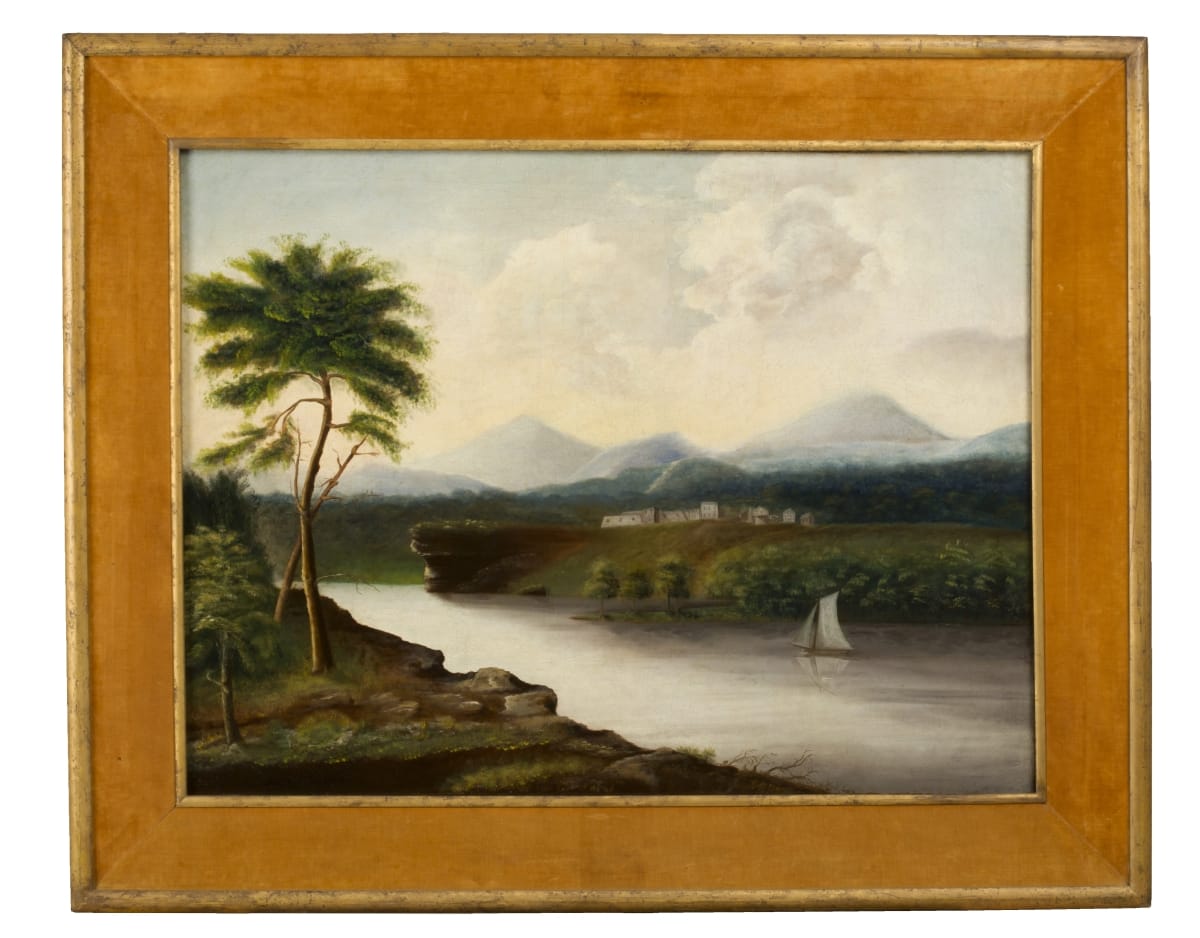
- Oil Painting, Fort Ticonderoga by George Washington Mark, circa 1845 - George Washington Mark was a successful house, sign, and furniture painter in Greenfield, Massachusetts, in the early 1800s. Sometime in the 1830s and 40s, he tried his hand at more artistic endeavors creating paintings of local interest -- generally landscapes and historic subjects. Around 1845, Mark painted this work depicting the ruins of New York's historic Fort Ticonderoga.
- circa 1845
- Collections - Artifact
Oil Painting, Fort Ticonderoga by George Washington Mark, circa 1845
George Washington Mark was a successful house, sign, and furniture painter in Greenfield, Massachusetts, in the early 1800s. Sometime in the 1830s and 40s, he tried his hand at more artistic endeavors creating paintings of local interest -- generally landscapes and historic subjects. Around 1845, Mark painted this work depicting the ruins of New York's historic Fort Ticonderoga.
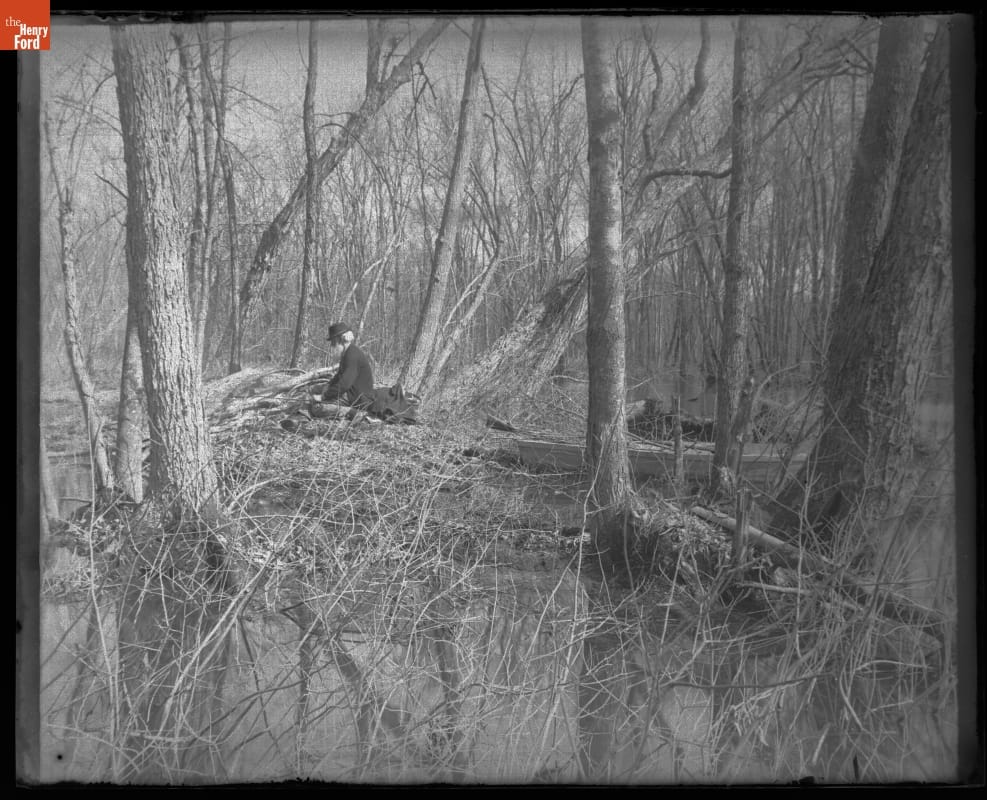
- John Burroughs Sitting in Black Creek Swamp, West Park, New York, 1900 - John Burroughs (1837-1921) was an internationally known naturalist and writer whose nature essays were well-received in both literary and scientific circles. From his home in the Catskills of upstate New York, Burroughs wrote mostly about what could be found in accessible and familiar landscapes. He wanted his readers to appreciate the natural world that surrounded them.
- March 01, 1900
- Collections - Artifact
John Burroughs Sitting in Black Creek Swamp, West Park, New York, 1900
John Burroughs (1837-1921) was an internationally known naturalist and writer whose nature essays were well-received in both literary and scientific circles. From his home in the Catskills of upstate New York, Burroughs wrote mostly about what could be found in accessible and familiar landscapes. He wanted his readers to appreciate the natural world that surrounded them.
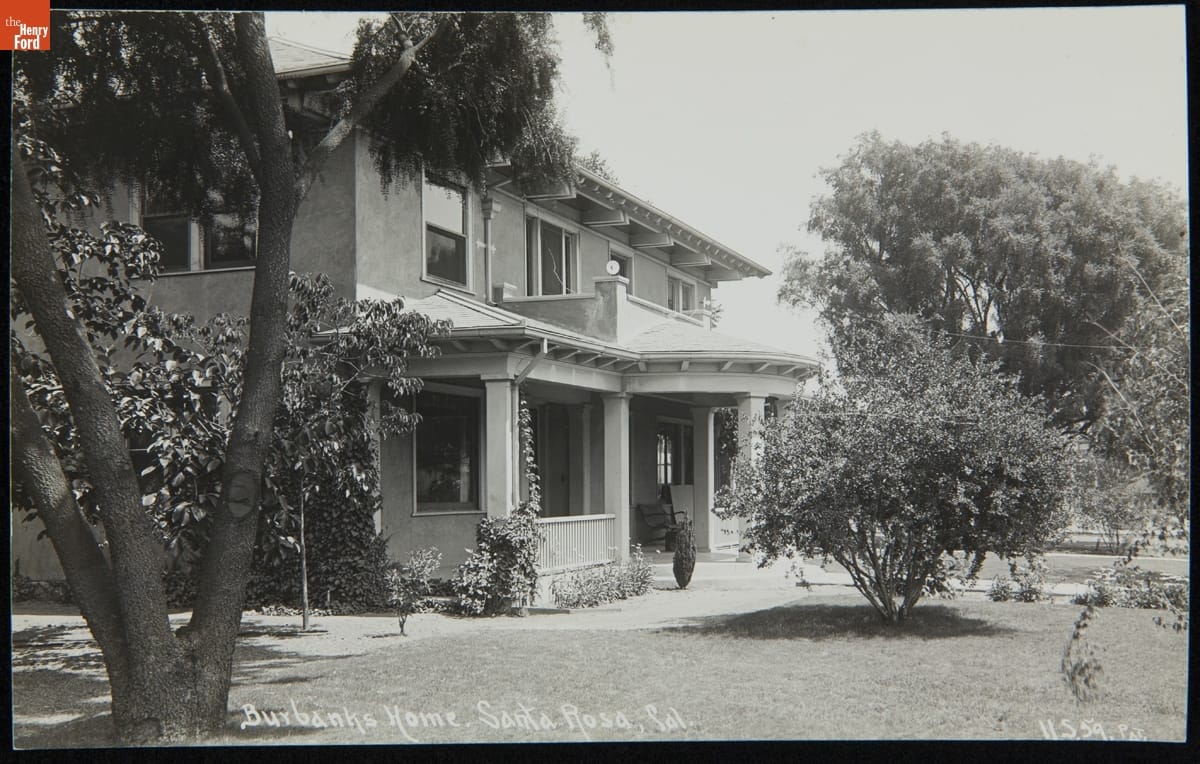
- Luther Burbank Home, Santa Rosa, California, 1928-1940 - Luther Burbank moved into his new and spacious 12-room home in December 1906, just months after the San Francisco earthquake. The Mission and Colonial Revival design suited popular tastes at the times, while the furnishings ensured Burbank's comfort. His private den opened onto the balcony above the porch which offered a breath of air and a view of staff at work in his experimental gardens.
- 1928-1940
- Collections - Artifact
Luther Burbank Home, Santa Rosa, California, 1928-1940
Luther Burbank moved into his new and spacious 12-room home in December 1906, just months after the San Francisco earthquake. The Mission and Colonial Revival design suited popular tastes at the times, while the furnishings ensured Burbank's comfort. His private den opened onto the balcony above the porch which offered a breath of air and a view of staff at work in his experimental gardens.
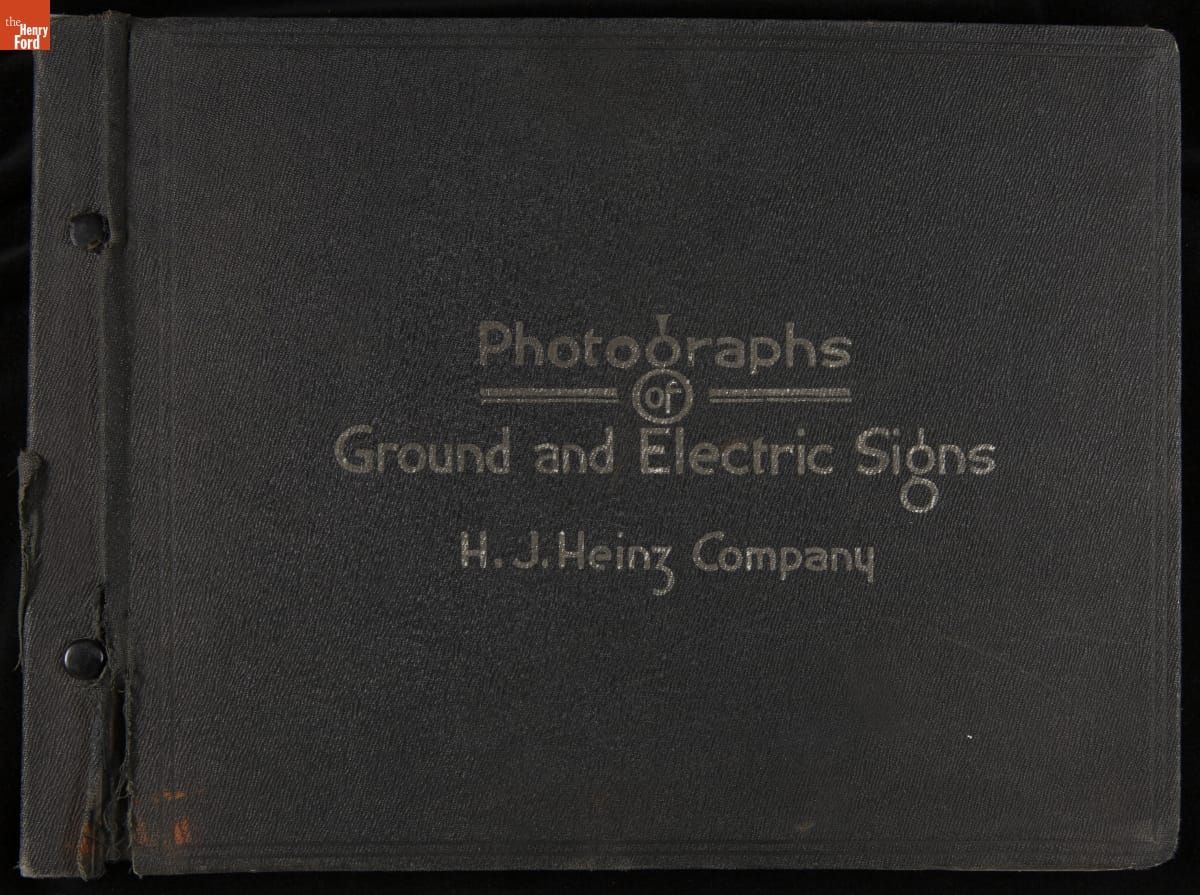
- Photograph Album of Heinz Company Ground and Electric Signs, 1908-1945 - Company scrapbooks are often reminders of the company's history, significant moments in time, and the employees who worked there. This album, compiled by the H. J. Heinz Company, includes photographs of various ground and electric signs. Heinz never missed an opportunity to promote his products. These signs were erected to encourage customers to buy his products and contributed in making Heinz a household name.
- 1908-1945
- Collections - Artifact
Photograph Album of Heinz Company Ground and Electric Signs, 1908-1945
Company scrapbooks are often reminders of the company's history, significant moments in time, and the employees who worked there. This album, compiled by the H. J. Heinz Company, includes photographs of various ground and electric signs. Heinz never missed an opportunity to promote his products. These signs were erected to encourage customers to buy his products and contributed in making Heinz a household name.
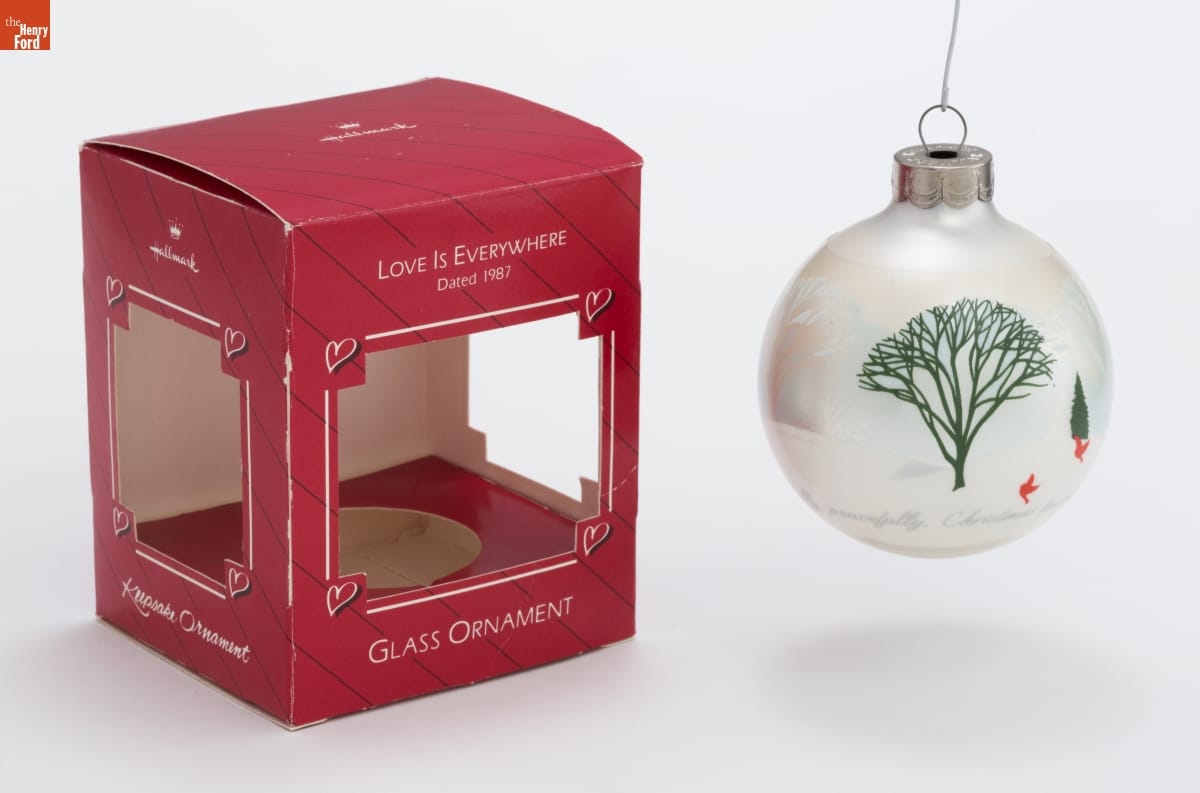
- Hallmark "Love Is Everywhere" Christmas Ornament, 1987 - Already known for greeting cards, Hallmark introduced a line of Christmas ornaments in 1973. The company's annual release of an increasing array of ornaments revolutionized Christmas decorating, appealing to customers' interest in marking memories and milestones as well as expressing one's personality and unique tastes.
- 1987
- Collections - Artifact
Hallmark "Love Is Everywhere" Christmas Ornament, 1987
Already known for greeting cards, Hallmark introduced a line of Christmas ornaments in 1973. The company's annual release of an increasing array of ornaments revolutionized Christmas decorating, appealing to customers' interest in marking memories and milestones as well as expressing one's personality and unique tastes.
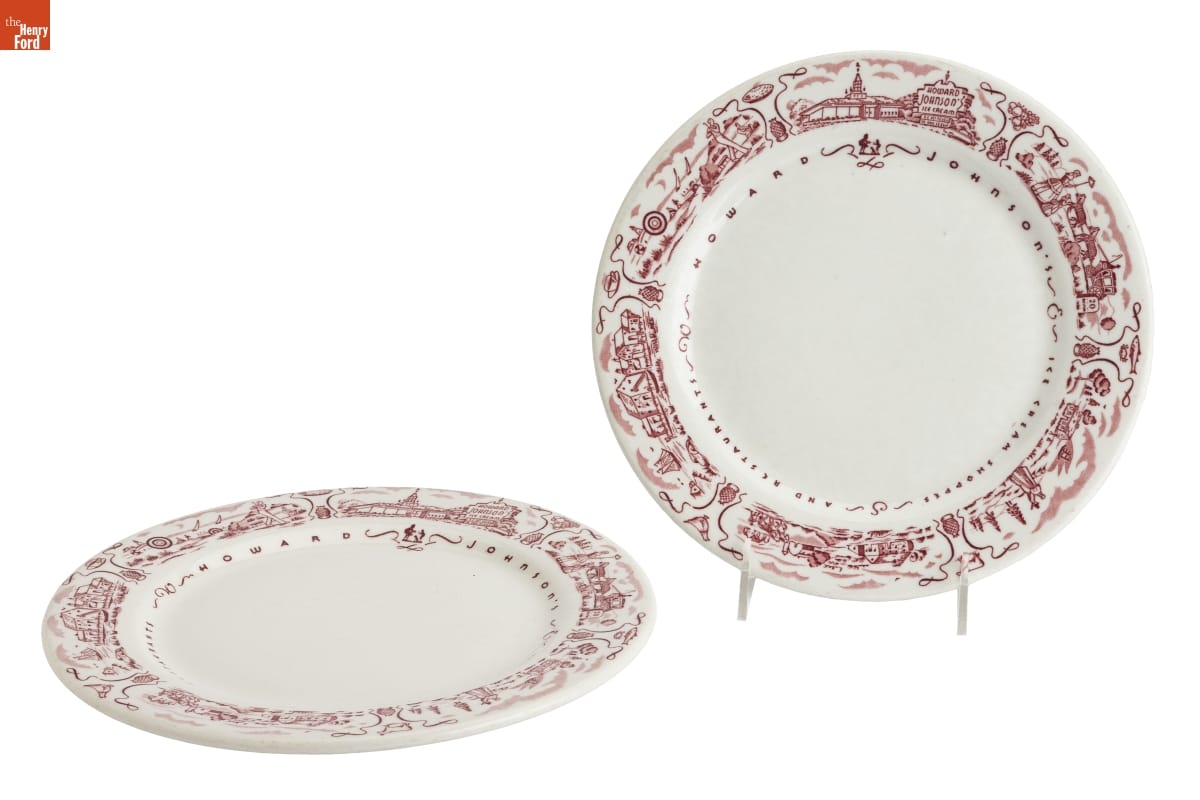
- Howard Johnson's Plates, 1951-1954 - In the 1920s, Howard Deering Johnson began selling ice cream from food stands around Boston, Massachusetts. Johnson later expanded his business to full-service restaurants. He franchised these orange-roofed establishments across America, locating them along highways to cater to the traveling public. This plate celebrates America's growth with idyllic scenes on the rim, including one of a Howard Johnson's restaurant.
- 1951-1954
- Collections - Artifact
Howard Johnson's Plates, 1951-1954
In the 1920s, Howard Deering Johnson began selling ice cream from food stands around Boston, Massachusetts. Johnson later expanded his business to full-service restaurants. He franchised these orange-roofed establishments across America, locating them along highways to cater to the traveling public. This plate celebrates America's growth with idyllic scenes on the rim, including one of a Howard Johnson's restaurant.
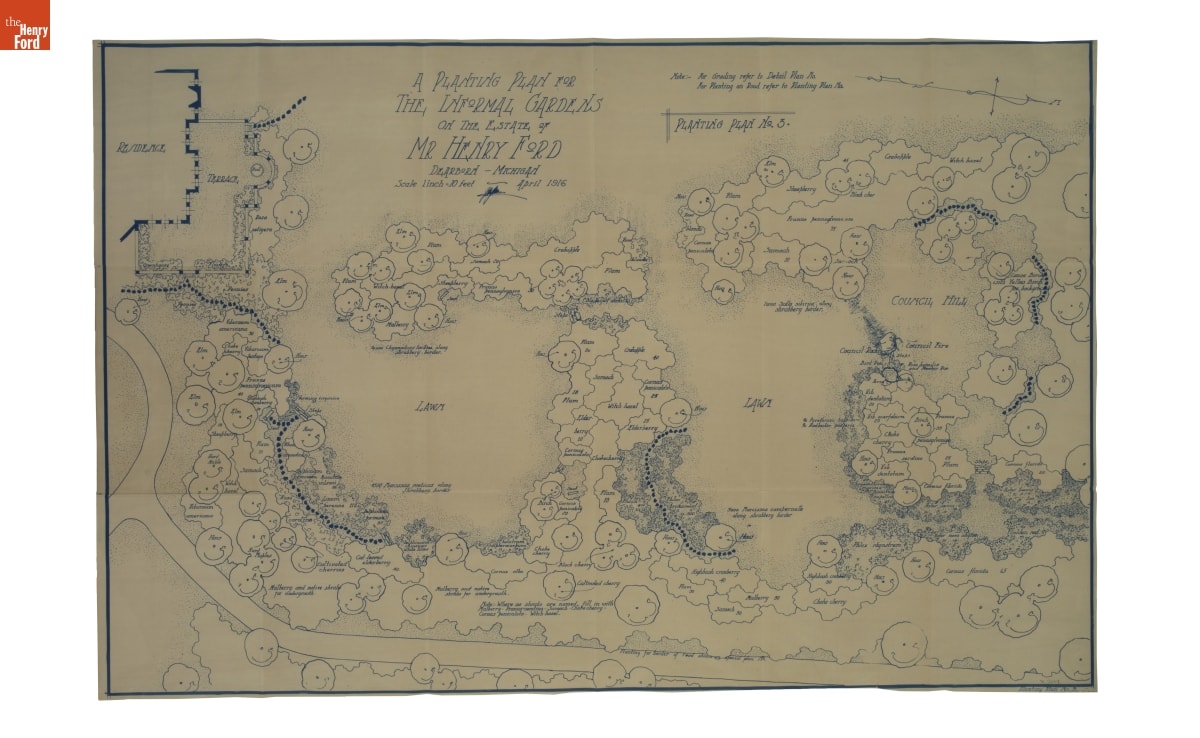
- Landscape Architecture Drawing for Fair Lane, "A Planting Plan No. 3 for the Informal Gardens," April 1920 - Henry and Clara Ford hired landscape architect Jens Jensen to design the grounds surrounding Fair Lane -- the Fords' 1300-acre Rouge River estate. Jensen envisioned naturalistic meadows, gardens, orchards, grottoes, and wandering paths for the nature-loving couple to enjoy. This drawing shows the proposed plans for several gardens near the couple's 56-room mansion.
- April 01, 1920
- Collections - Artifact
Landscape Architecture Drawing for Fair Lane, "A Planting Plan No. 3 for the Informal Gardens," April 1920
Henry and Clara Ford hired landscape architect Jens Jensen to design the grounds surrounding Fair Lane -- the Fords' 1300-acre Rouge River estate. Jensen envisioned naturalistic meadows, gardens, orchards, grottoes, and wandering paths for the nature-loving couple to enjoy. This drawing shows the proposed plans for several gardens near the couple's 56-room mansion.
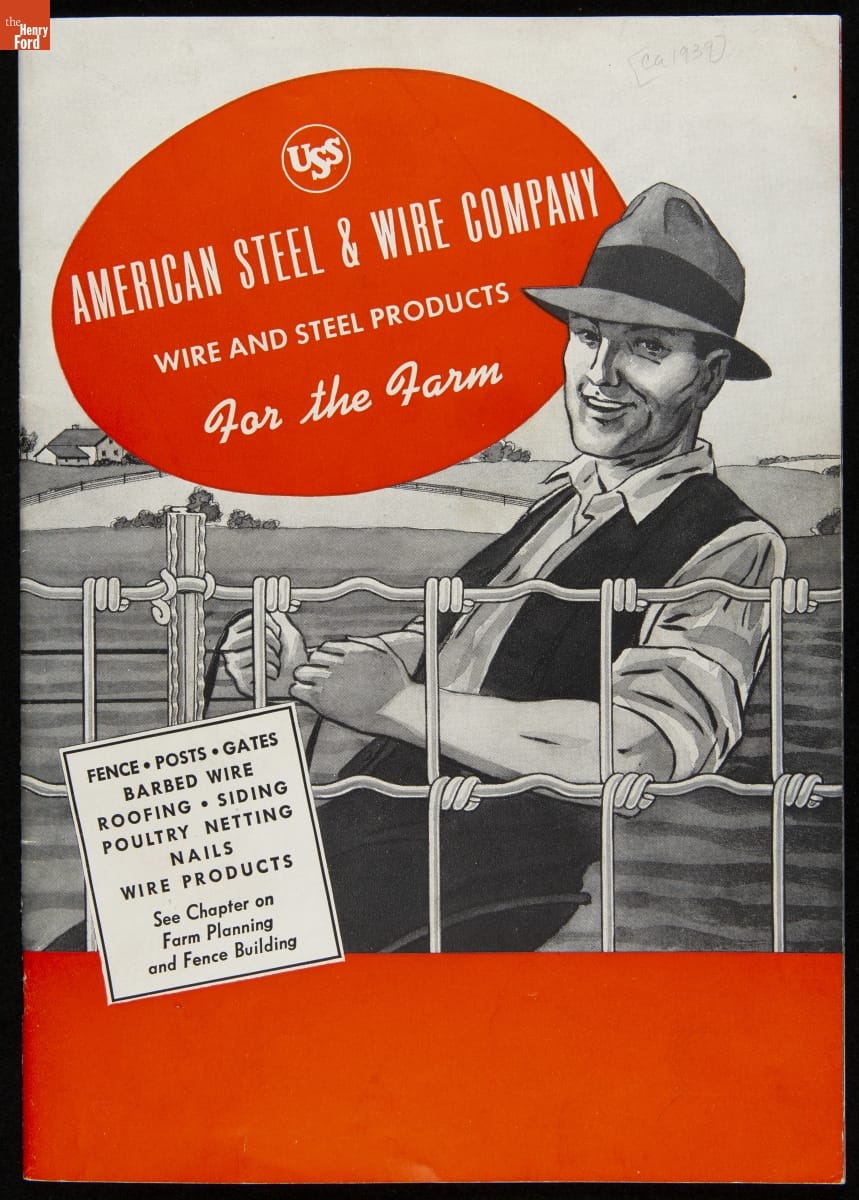
- American Steel & Wire Company Trade Catalog, "Wire and Steel Products for the Farm," circa 1939 -
- circa 1939
- Collections - Artifact
American Steel & Wire Company Trade Catalog, "Wire and Steel Products for the Farm," circa 1939
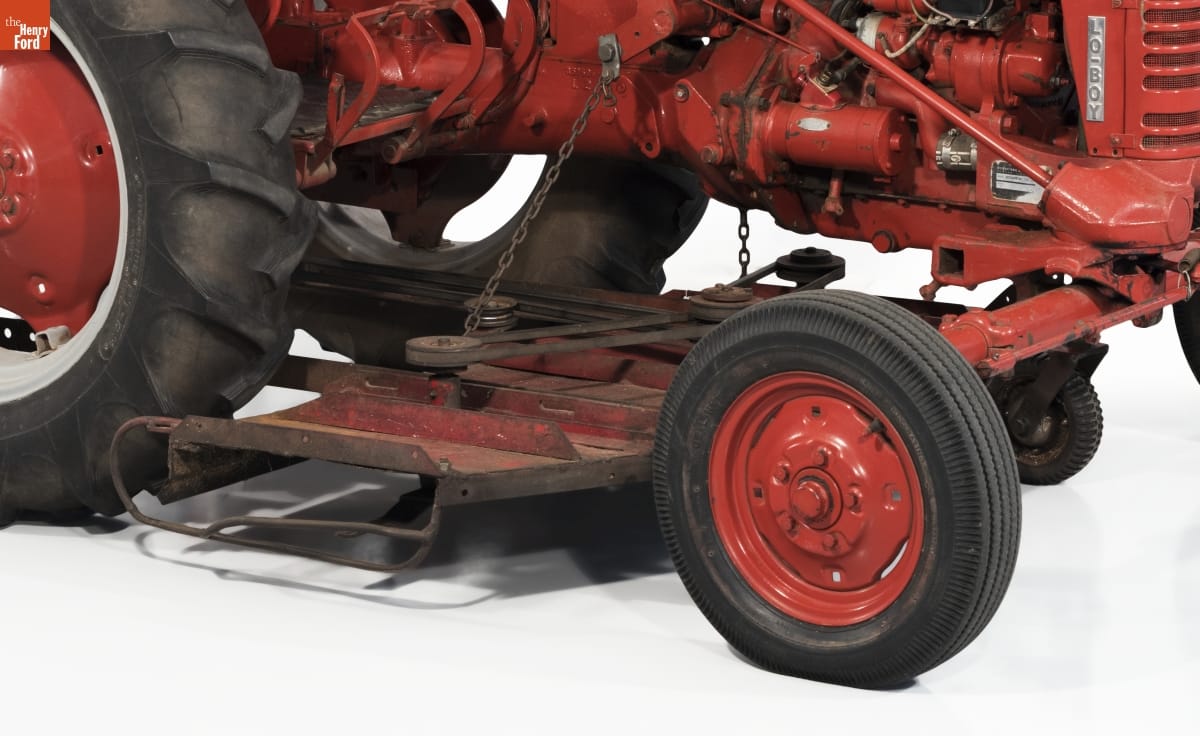
- Prototype Lawn Mower, Designed by Norman Swanson, circa 1956 - Norman Swanson created this prototype lawn mower that he used to mow his family's land in suburban Warrenville, Illinois. He configured a multiple-cutter system and mounted it under his International Harvester Cub Lo-Boy tractor. He also designed a deflector above the blades to better pulverize the grass clippings. Swanson received patents for these two lawn mowing innovations in 1959.
- circa 1956
- Collections - Artifact
Prototype Lawn Mower, Designed by Norman Swanson, circa 1956
Norman Swanson created this prototype lawn mower that he used to mow his family's land in suburban Warrenville, Illinois. He configured a multiple-cutter system and mounted it under his International Harvester Cub Lo-Boy tractor. He also designed a deflector above the blades to better pulverize the grass clippings. Swanson received patents for these two lawn mowing innovations in 1959.
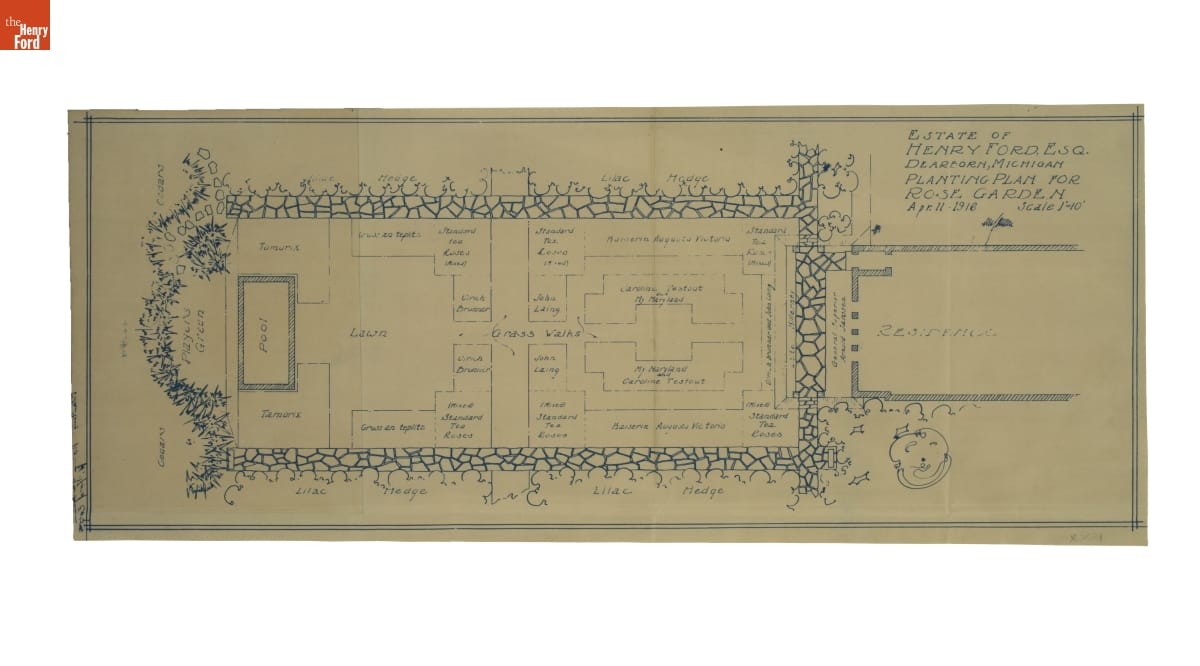
- Landscape Architecture Drawing for Fair Lane, "Planting Plan for Rose Garden," April 1916 - Henry and Clara Ford hired landscape architect Jens Jensen to design the grounds surrounding Fair Lane -- the Fords' 1300-acre Rouge River estate. Jensen envisioned naturalistic meadows, gardens, orchards, grottoes, and wandering paths for the nature-loving couple to enjoy. Jensen suggested this planting plan for a more formal rose garden near the house.
- April 01, 1916
- Collections - Artifact
Landscape Architecture Drawing for Fair Lane, "Planting Plan for Rose Garden," April 1916
Henry and Clara Ford hired landscape architect Jens Jensen to design the grounds surrounding Fair Lane -- the Fords' 1300-acre Rouge River estate. Jensen envisioned naturalistic meadows, gardens, orchards, grottoes, and wandering paths for the nature-loving couple to enjoy. Jensen suggested this planting plan for a more formal rose garden near the house.