
Search
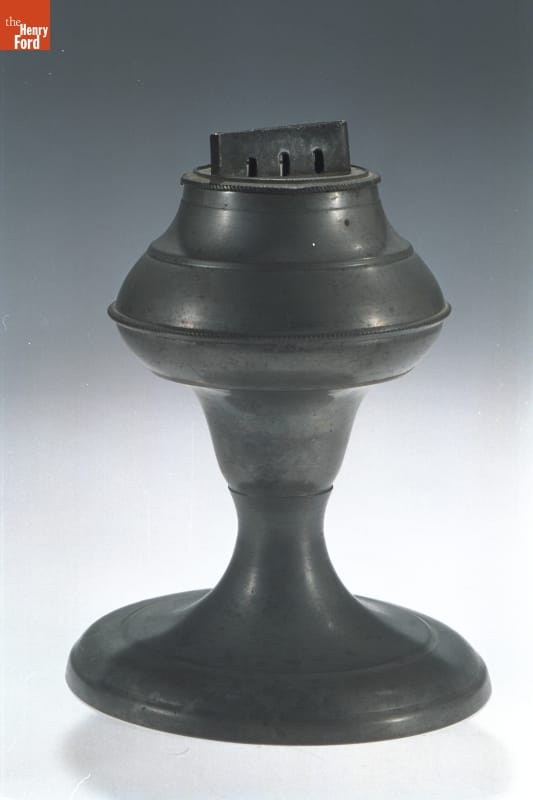
- Lard Lamp, 1840-1860 - Pewter goods could be found in many American homes and public buildings in the late 18th and early 19th centuries. Most Americans of modest means could afford to buy pewter spoons, tankards, dishes, plates, porringers, or other household items. Oil or burning fluid lamps provided light on cloudy days or after the sun went down.
- 1840-1860
- Collections - Artifact
Lard Lamp, 1840-1860
Pewter goods could be found in many American homes and public buildings in the late 18th and early 19th centuries. Most Americans of modest means could afford to buy pewter spoons, tankards, dishes, plates, porringers, or other household items. Oil or burning fluid lamps provided light on cloudy days or after the sun went down.
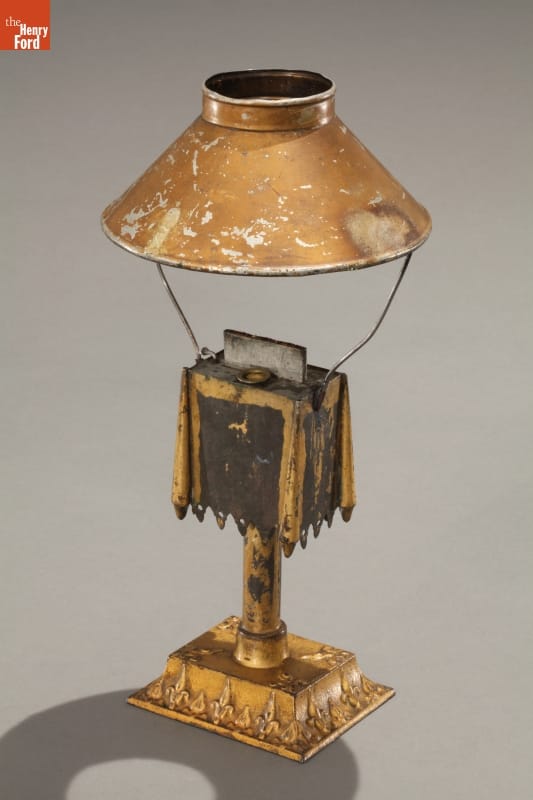
- Stimpson's Grease Lamp, circa 1856 - This lamp is significant because few decorative, inexpensive lamps survive. Lard was among a variety of cheap fuels used for lighting in the mid nineteenth century. The stamped base and gold paint made it appear more upscale than it was. The piercings at the base of the reservoir may have held pendants. These elements made it appealing and affordable to middle class consumers.
- circa 1856
- Collections - Artifact
Stimpson's Grease Lamp, circa 1856
This lamp is significant because few decorative, inexpensive lamps survive. Lard was among a variety of cheap fuels used for lighting in the mid nineteenth century. The stamped base and gold paint made it appear more upscale than it was. The piercings at the base of the reservoir may have held pendants. These elements made it appealing and affordable to middle class consumers.
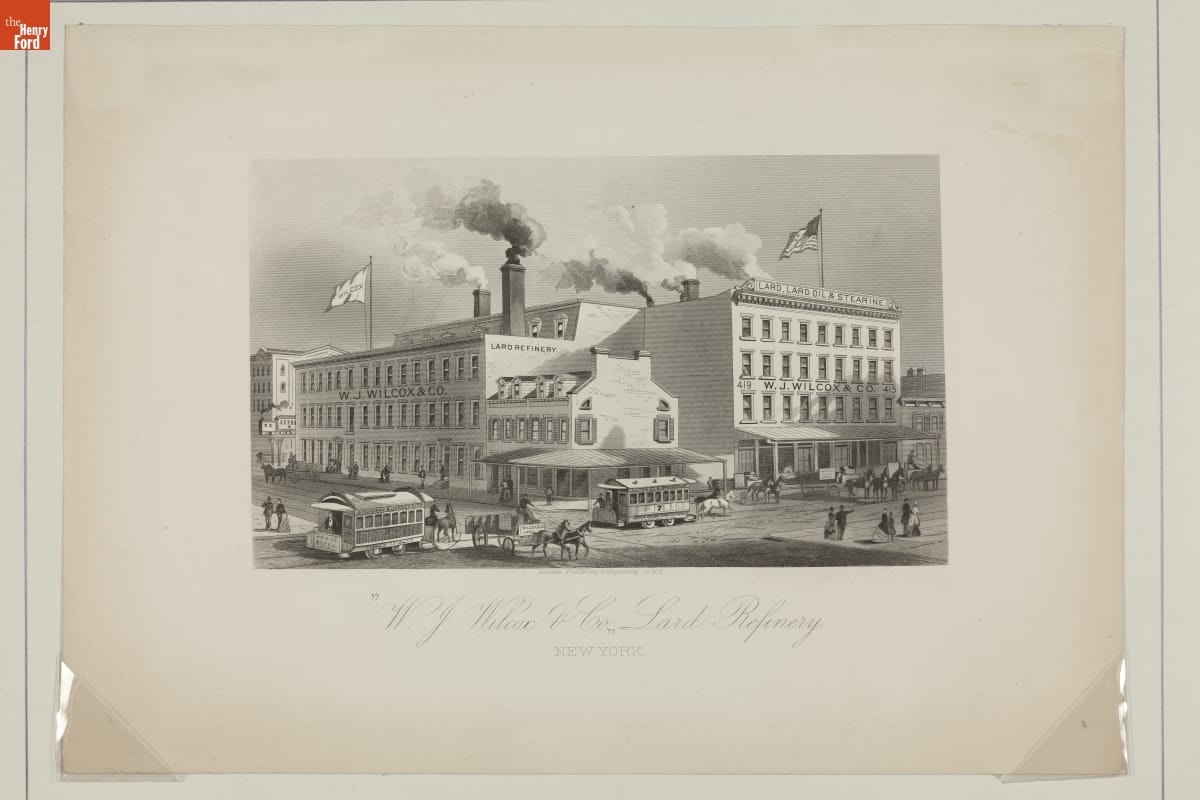
- "W.J. Wilcox & Co., Lard Refinery. New York," circa 1876 - W. J. Wilcox and Company's refined lard (hog fat) and sent its products throughout the world. The company was one of the largest lard refiner and exporter in the late 1800s. The massive factory building and the bustling New York City street scene -- with a variety of transportation options -- depicted in this print conveys the company's commercial importance.
- circa 1876
- Collections - Artifact
"W.J. Wilcox & Co., Lard Refinery. New York," circa 1876
W. J. Wilcox and Company's refined lard (hog fat) and sent its products throughout the world. The company was one of the largest lard refiner and exporter in the late 1800s. The massive factory building and the bustling New York City street scene -- with a variety of transportation options -- depicted in this print conveys the company's commercial importance.
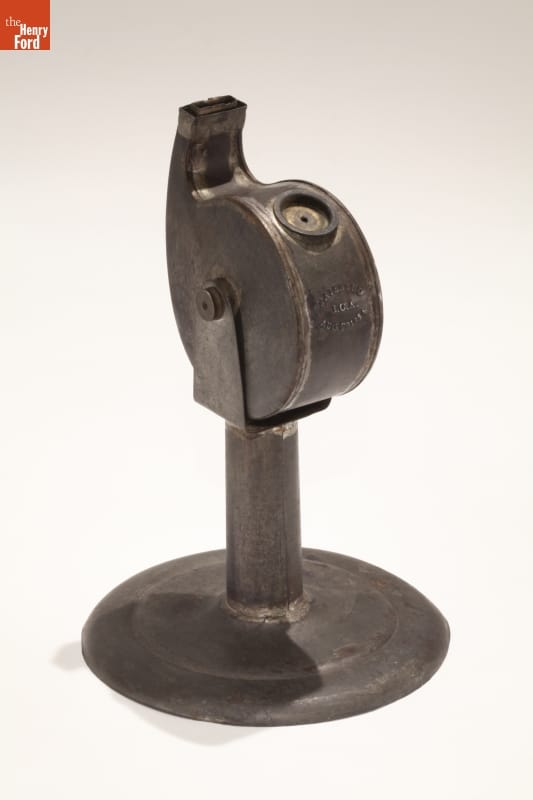
- Lard Canting Lamp, 1854 -
- August 29, 1854
- Collections - Artifact
Lard Canting Lamp, 1854
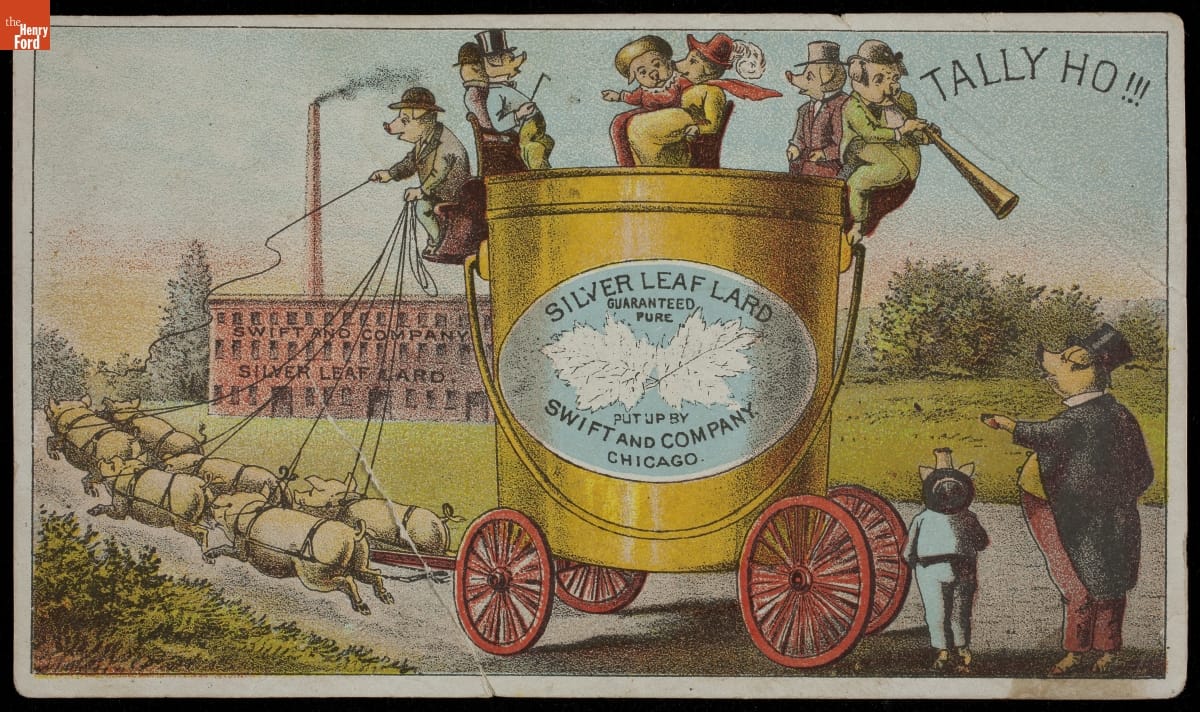
- Trade Card for Silver Leaf Lard, Swift & Company, 1870-1900 - In the last third of the nineteenth century, an unprecedented variety of consumer goods and services flooded the American market. Advertisers, armed with new methods of color printing, bombarded potential customers with trade cards. Americans enjoyed and often saved the vibrant little advertisements found in product packages or distributed by local merchants. Many survive as historical records of commercialism in the United States.
- 1880-1900
- Collections - Artifact
Trade Card for Silver Leaf Lard, Swift & Company, 1870-1900
In the last third of the nineteenth century, an unprecedented variety of consumer goods and services flooded the American market. Advertisers, armed with new methods of color printing, bombarded potential customers with trade cards. Americans enjoyed and often saved the vibrant little advertisements found in product packages or distributed by local merchants. Many survive as historical records of commercialism in the United States.
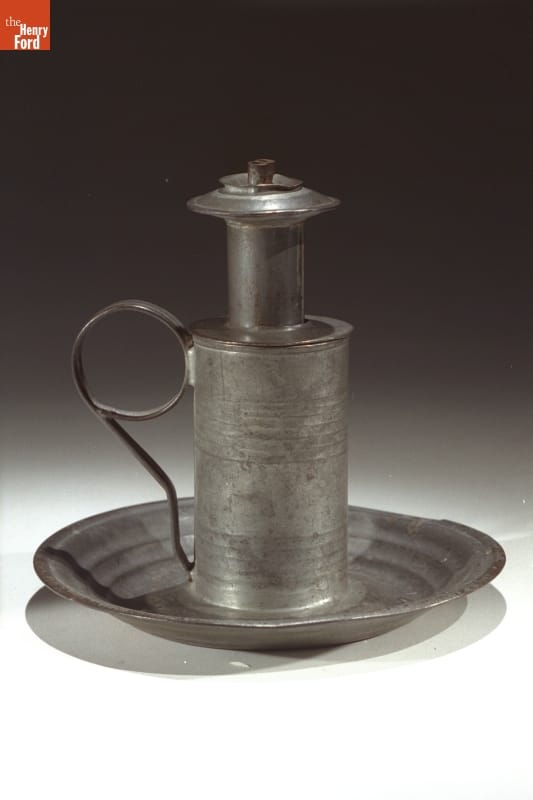
- Lard Lamp, 1842-1860 - Tin-plated iron, commonly called "tin," was the dominant material for utilitarian items in 19th-century America. It was lightweight, inexpensive, easy to clean, non-toxic, and durable. Tinware also resisted corrosion and had a pleasing silvery appearance that could be enhanced through decoration. Middle-class Americans happily purchased tinware in place of goods made from earlier materials, like wood or pottery.
- 1842-1860
- Collections - Artifact
Lard Lamp, 1842-1860
Tin-plated iron, commonly called "tin," was the dominant material for utilitarian items in 19th-century America. It was lightweight, inexpensive, easy to clean, non-toxic, and durable. Tinware also resisted corrosion and had a pleasing silvery appearance that could be enhanced through decoration. Middle-class Americans happily purchased tinware in place of goods made from earlier materials, like wood or pottery.
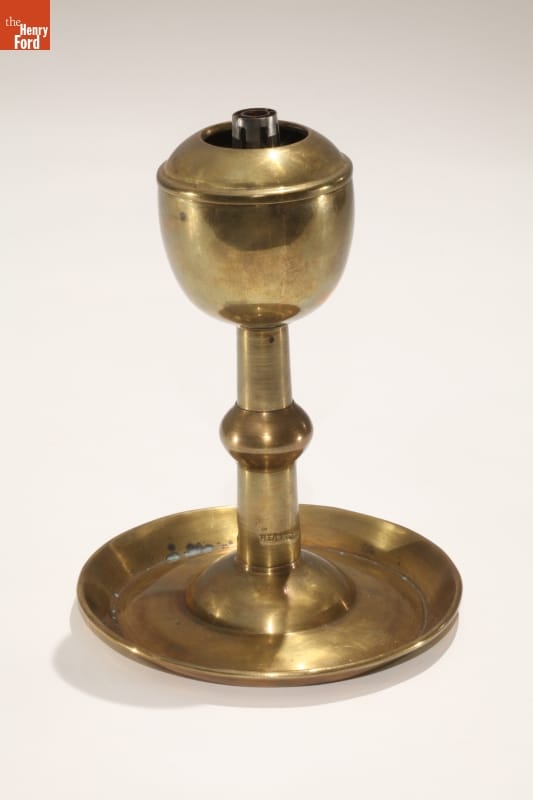
- Patent Model of Lard Lamp, 1856 - From 1790 to 1880, the U.S. Patent Office required applicants to submit a miniature model along with diagrams and written descriptions detailing the operation of their invention. Patent models could be no larger than 12" by 12" by 12". Though they were usually not operational, these models helped explain an inventor's idea and protect it from competitors.
- May 06, 1856
- Collections - Artifact
Patent Model of Lard Lamp, 1856
From 1790 to 1880, the U.S. Patent Office required applicants to submit a miniature model along with diagrams and written descriptions detailing the operation of their invention. Patent models could be no larger than 12" by 12" by 12". Though they were usually not operational, these models helped explain an inventor's idea and protect it from competitors.
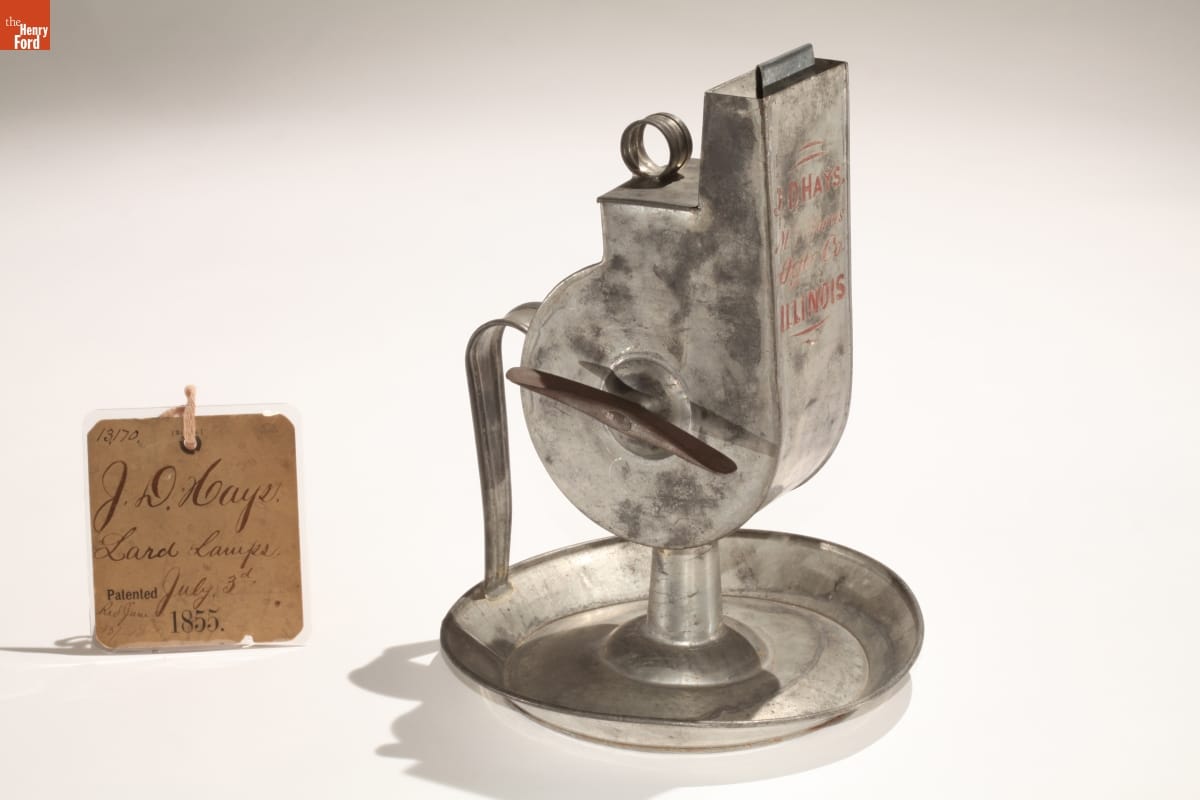
- Patent Model of Lard Lamp, 1855 - From 1790 to 1880, the U.S. Patent Office required applicants to submit a miniature model along with diagrams and written descriptions detailing the operation of their invention. Patent models could be no larger than 12" by 12" by 12". Though they were usually not operational, these models helped explain an inventor's idea and protect it from competitors.
- July 03, 1855
- Collections - Artifact
Patent Model of Lard Lamp, 1855
From 1790 to 1880, the U.S. Patent Office required applicants to submit a miniature model along with diagrams and written descriptions detailing the operation of their invention. Patent models could be no larger than 12" by 12" by 12". Though they were usually not operational, these models helped explain an inventor's idea and protect it from competitors.