
Search
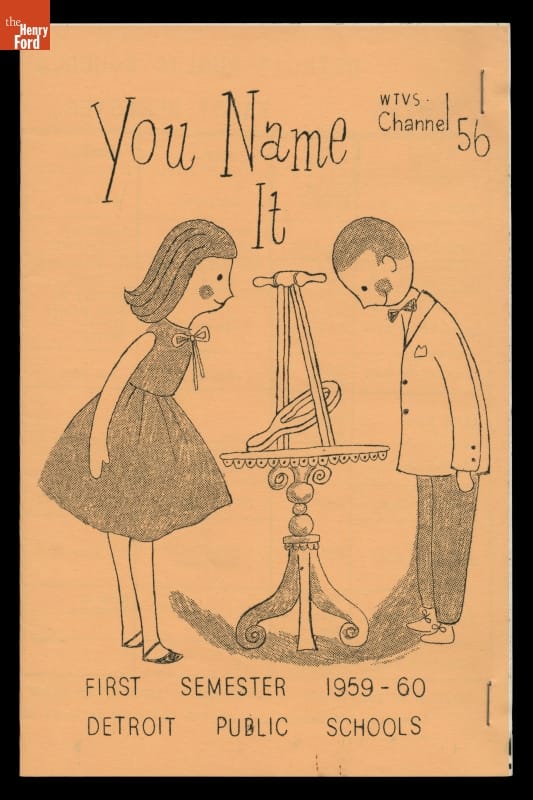
- "WTVS Channel 56 'You Name It,' 1st Semester 1959-1960, Detroit Public Schools" - Beginning in the 1950s, Henry Ford Museum and Greenfield Village partnered with WTVS, Detroit's local educational television station, to bring American history into the classroom. Marion Corwell, the museum's Manager of Educational Television, produced and hosted <EM>You Name It</EM> -- a half-hour quiz show. Students from grades 5 to 8 tried to identify and give the historical significance of objects from the museum's collection.
- 1959-1960
- Collections - Artifact
"WTVS Channel 56 'You Name It,' 1st Semester 1959-1960, Detroit Public Schools"
Beginning in the 1950s, Henry Ford Museum and Greenfield Village partnered with WTVS, Detroit's local educational television station, to bring American history into the classroom. Marion Corwell, the museum's Manager of Educational Television, produced and hosted You Name It -- a half-hour quiz show. Students from grades 5 to 8 tried to identify and give the historical significance of objects from the museum's collection.
- Slauson Middle School Yearbook, 2020-2021 -
- 2020-2021
- Collections - Artifact
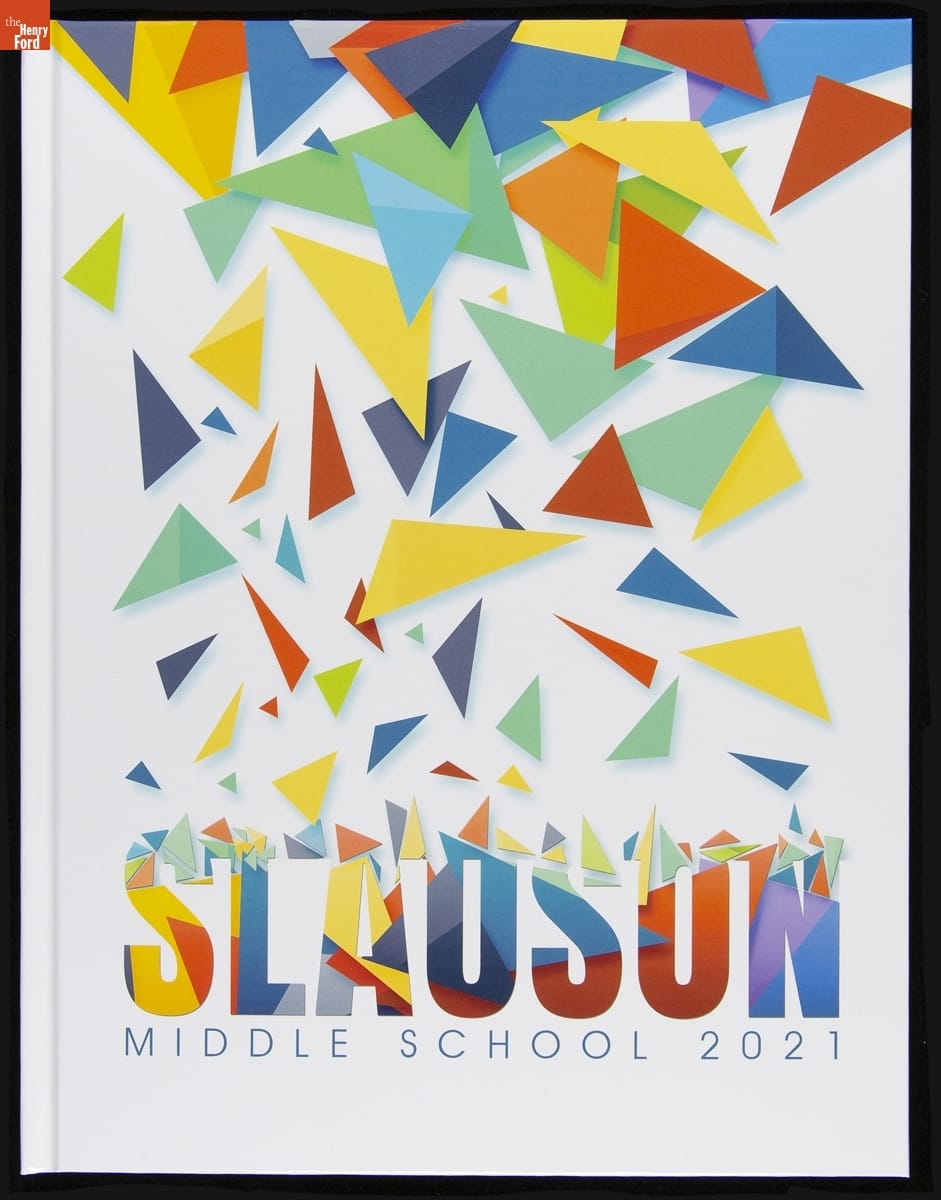
Slauson Middle School Yearbook, 2020-2021
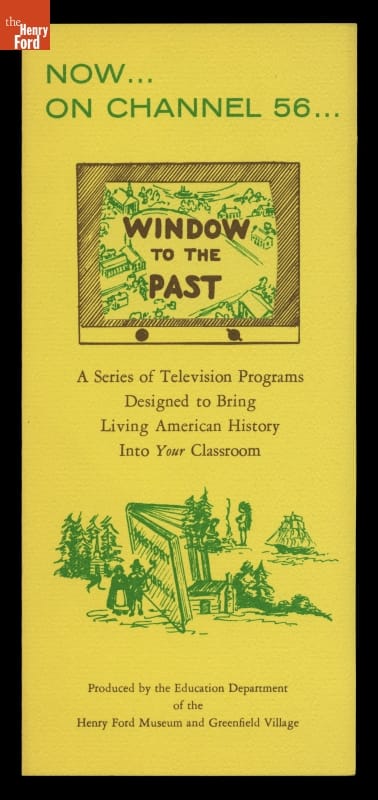
- "Window to the Past," Presented by Henry Ford Museum and Greenfield Village, 1955 - Beginning in the 1950s, Henry Ford Museum and Greenfield Village partnered with WTVS, Detroit's local educational television station, to bring American history into the classroom. Marion Corwell, the museum's Manager of Educational Television created and hosted the first program for this collaboration, <EM>Window to the Past</EM>. This 15-minute weekly series showcased the museum's collections and taught students about historic people, places and events.
- 1955
- Collections - Artifact
"Window to the Past," Presented by Henry Ford Museum and Greenfield Village, 1955
Beginning in the 1950s, Henry Ford Museum and Greenfield Village partnered with WTVS, Detroit's local educational television station, to bring American history into the classroom. Marion Corwell, the museum's Manager of Educational Television created and hosted the first program for this collaboration, Window to the Past. This 15-minute weekly series showcased the museum's collections and taught students about historic people, places and events.
- Family History of the Ebenezer Tracy Writing-Arm Windsor Chair in the Collection of The Henry Ford -
- circa 1950
- Collections - Artifact
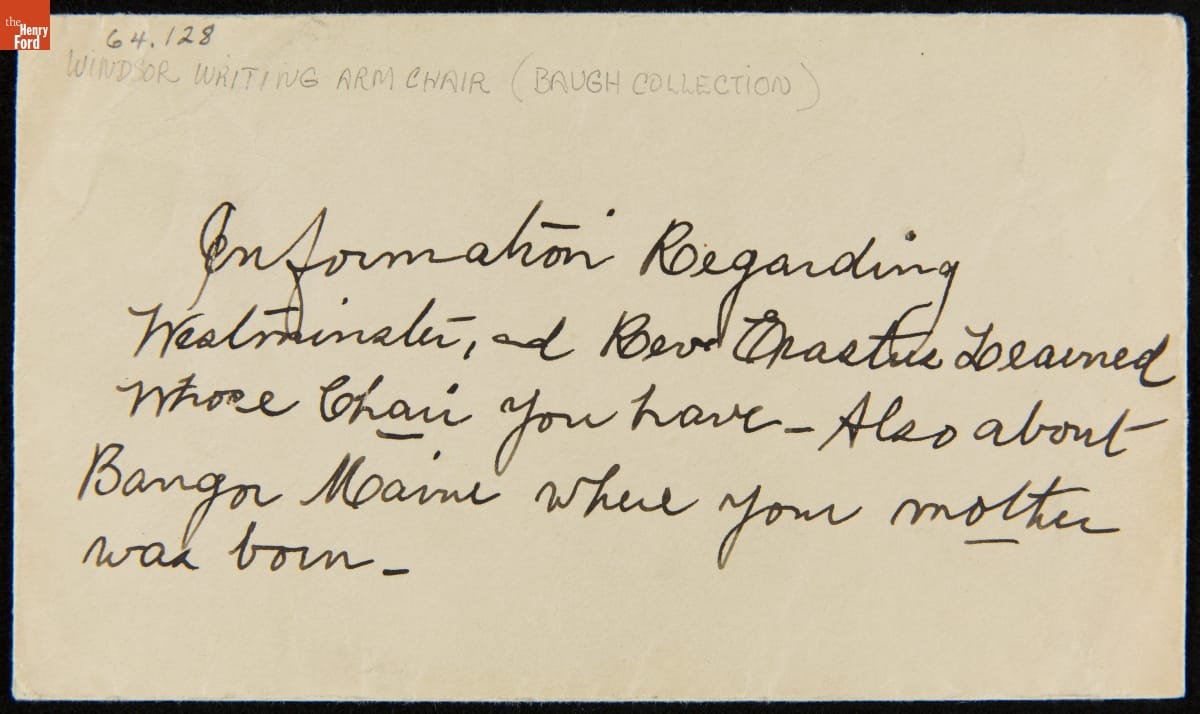
Family History of the Ebenezer Tracy Writing-Arm Windsor Chair in the Collection of The Henry Ford
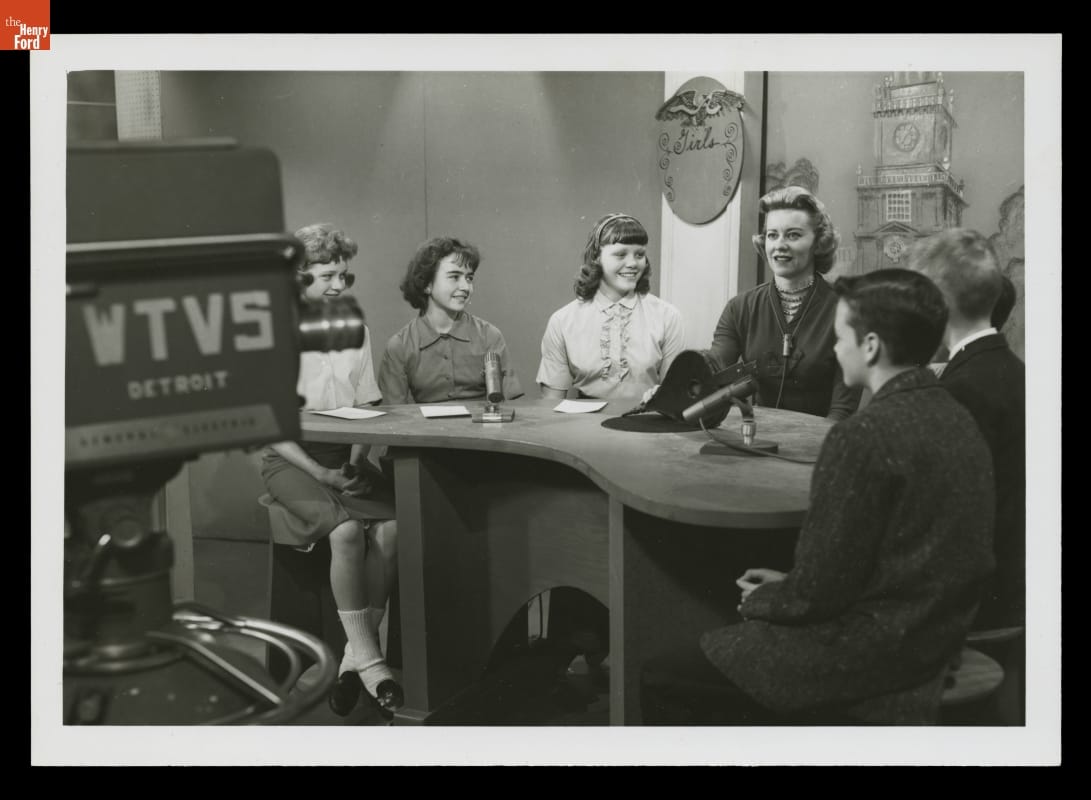
- Host Marion Corwell and Sixth-Graders on Educational TV Show, "You Name It," WTVS-Detroit, March 1960 - Beginning in the 1950s, Henry Ford Museum and Greenfield Village partnered with WTVS, Detroit's local educational television station, to bring American history into the classroom. Marion Corwell, the museum's Manager of Educational Television, produced and hosted <EM>You Name It</EM> -- a half-hour quiz show. Students from grades 5 to 8 tried to identify and give the historical significance of objects from the museum's collection.
- March 01, 1960
- Collections - Artifact
Host Marion Corwell and Sixth-Graders on Educational TV Show, "You Name It," WTVS-Detroit, March 1960
Beginning in the 1950s, Henry Ford Museum and Greenfield Village partnered with WTVS, Detroit's local educational television station, to bring American history into the classroom. Marion Corwell, the museum's Manager of Educational Television, produced and hosted You Name It -- a half-hour quiz show. Students from grades 5 to 8 tried to identify and give the historical significance of objects from the museum's collection.
- "One Fish, Two Fish, Red Fish, Blue Fish," 1960 -
- 1960
- Collections - Artifact
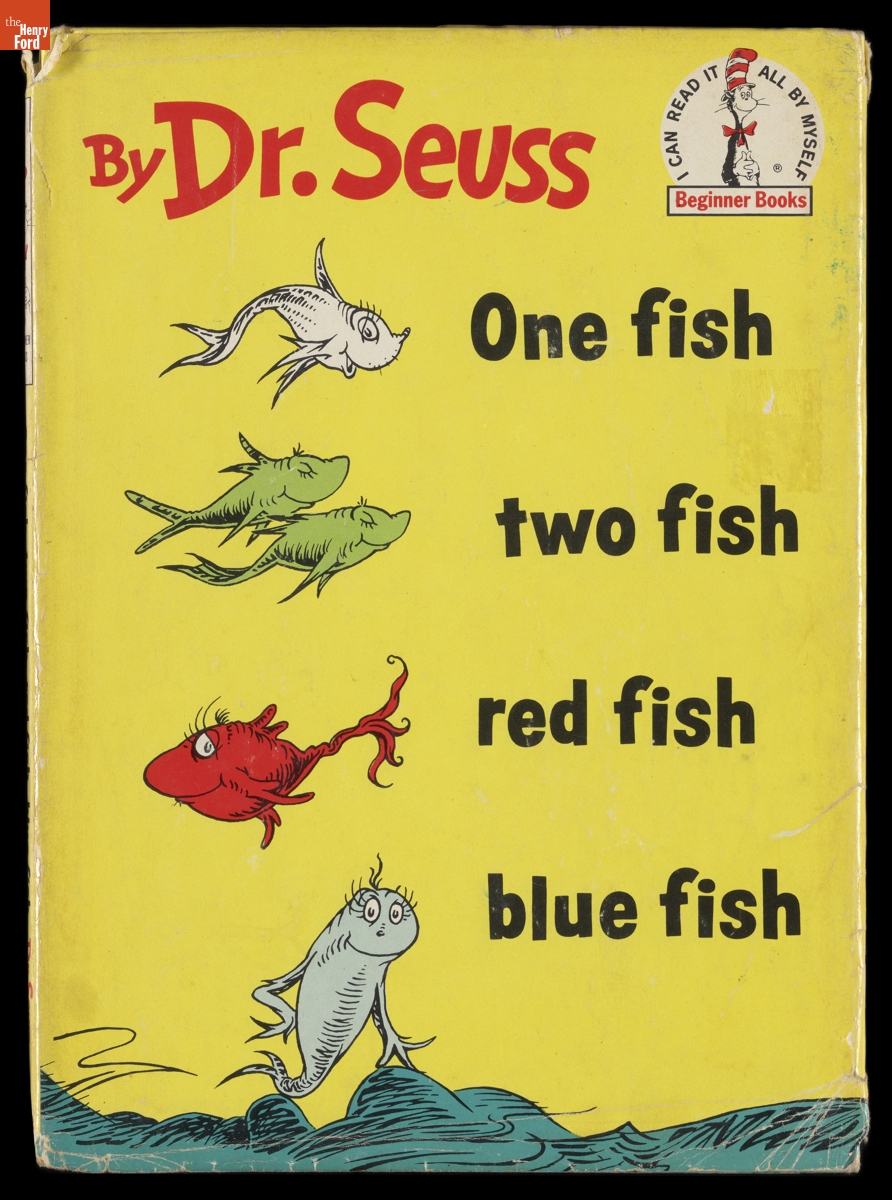
"One Fish, Two Fish, Red Fish, Blue Fish," 1960
- Richie Jean Jackson with Other Women Working at Computers -
- Collections - Artifact
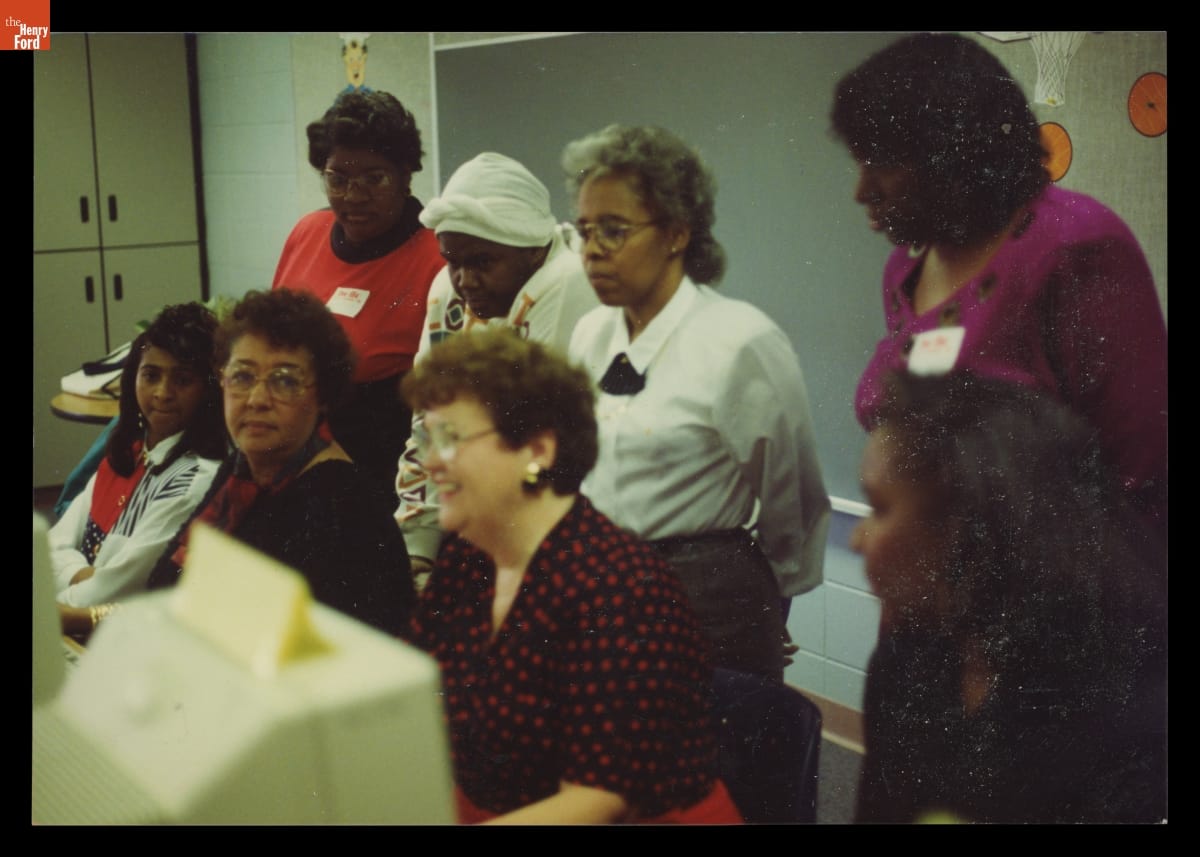
Richie Jean Jackson with Other Women Working at Computers
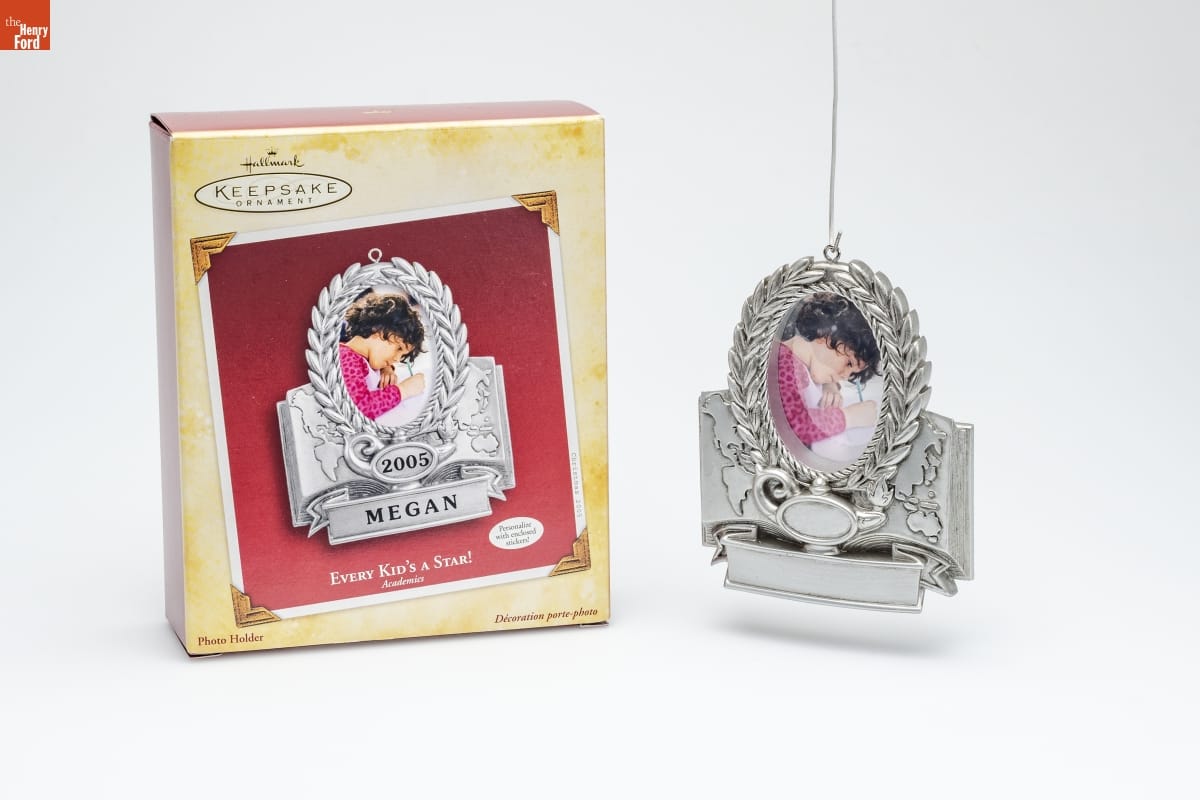
- Hallmark "Every Kid's a Star!: Academics" Christmas Ornament, 2005 - Already known for greeting cards, Hallmark introduced a line of Christmas ornaments in 1973. The company's annual release of an increasing array of ornaments revolutionized Christmas decorating, appealing to customers' interest in marking memories and milestones as well as expressing one's personality and unique tastes.
- 2005
- Collections - Artifact
Hallmark "Every Kid's a Star!: Academics" Christmas Ornament, 2005
Already known for greeting cards, Hallmark introduced a line of Christmas ornaments in 1973. The company's annual release of an increasing array of ornaments revolutionized Christmas decorating, appealing to customers' interest in marking memories and milestones as well as expressing one's personality and unique tastes.
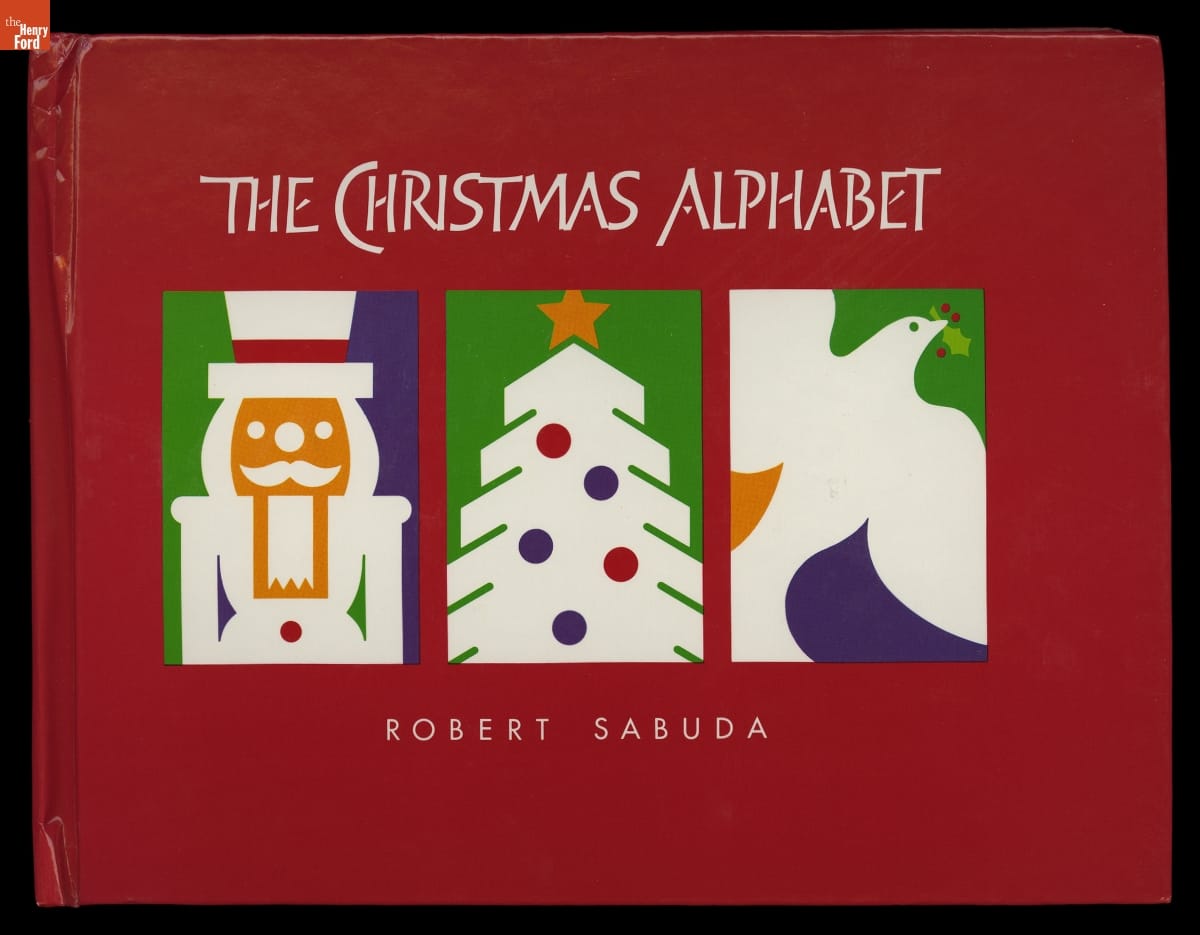
- "The Christmas Alphabet," 1994 - Robert Sabuda has always considered himself an artist, making models, dioramas, and other 3-dimensional works, including paper pop-up books. Born in Michigan in 1965, he attended the Pratt Institute in New York, where he continued his exploration of paper and paper crafts. <em>The Christmas Alphabet</em> is one of Sabuda's earliest commercial pop-up creations, exhibiting his artistry and love for pop-up paper engineering.
- 1994
- Collections - Artifact
"The Christmas Alphabet," 1994
Robert Sabuda has always considered himself an artist, making models, dioramas, and other 3-dimensional works, including paper pop-up books. Born in Michigan in 1965, he attended the Pratt Institute in New York, where he continued his exploration of paper and paper crafts. The Christmas Alphabet is one of Sabuda's earliest commercial pop-up creations, exhibiting his artistry and love for pop-up paper engineering.
- "ABC Coloring Book," 1961 -
- 1961
- Collections - Artifact
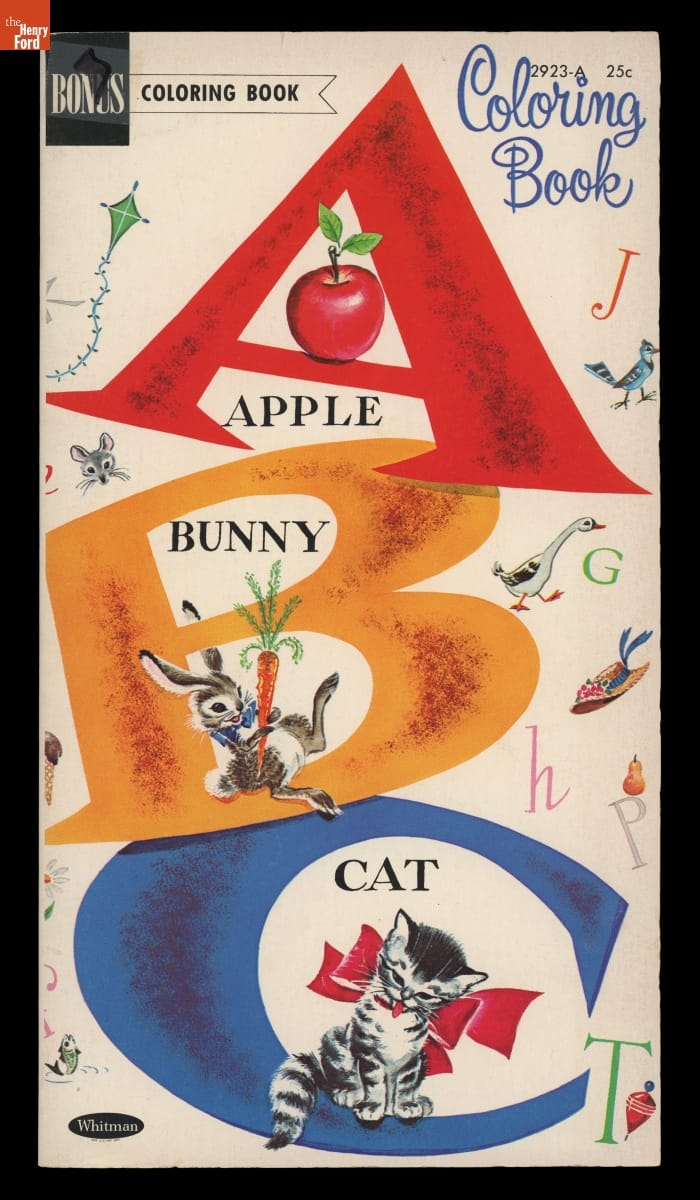
"ABC Coloring Book," 1961