
Search
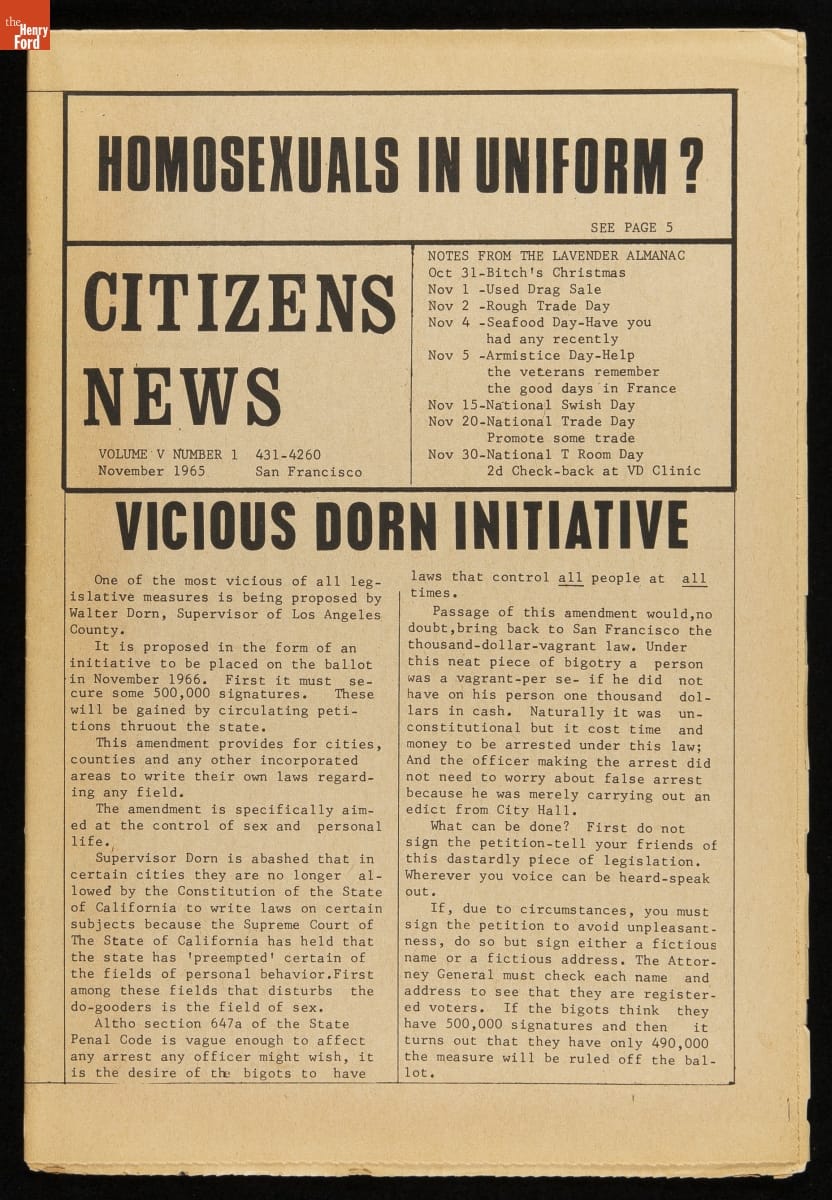
- Citizens News, Volume V, Number 1, November 1965 - LGBTQ+ newspapers became more available beginning in the 1950s as organizations added print media to their activist tool kit. These newspapers were a regionally focused way to rally the LGBTQ+ community, share information, and fight discrimination. Many of these newspapers came to rely on gay bars as a location for disbursement as they were among the only private gay spaces in many cities.
- November 01, 1965
- Collections - Artifact
Citizens News, Volume V, Number 1, November 1965
LGBTQ+ newspapers became more available beginning in the 1950s as organizations added print media to their activist tool kit. These newspapers were a regionally focused way to rally the LGBTQ+ community, share information, and fight discrimination. Many of these newspapers came to rely on gay bars as a location for disbursement as they were among the only private gay spaces in many cities.
- "All the Way to the Top: How One Girl's Fight for Americans with Disabilities Changed Everything," 2020 -
- 1990
- Collections - Artifact
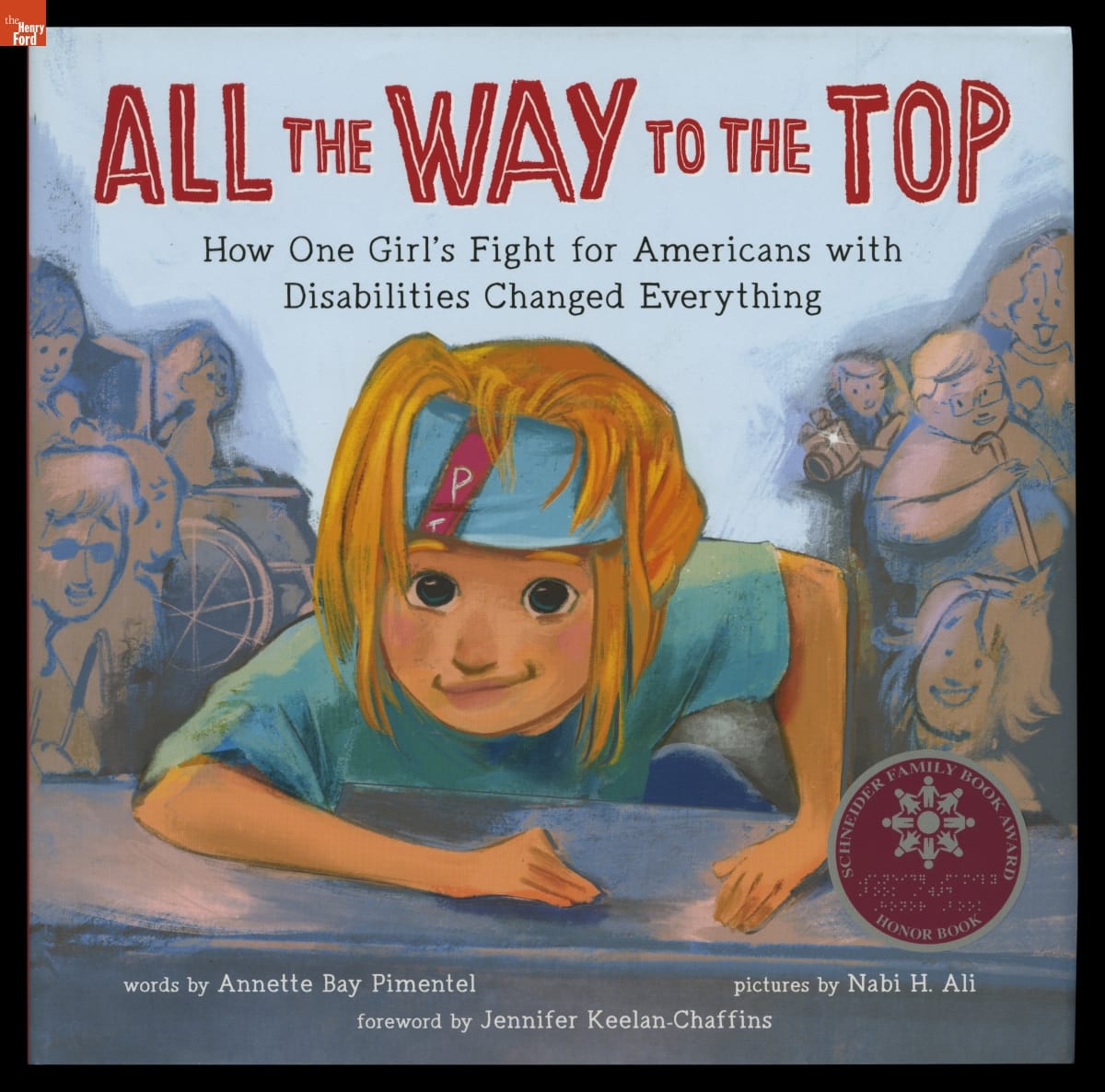
"All the Way to the Top: How One Girl's Fight for Americans with Disabilities Changed Everything," 2020
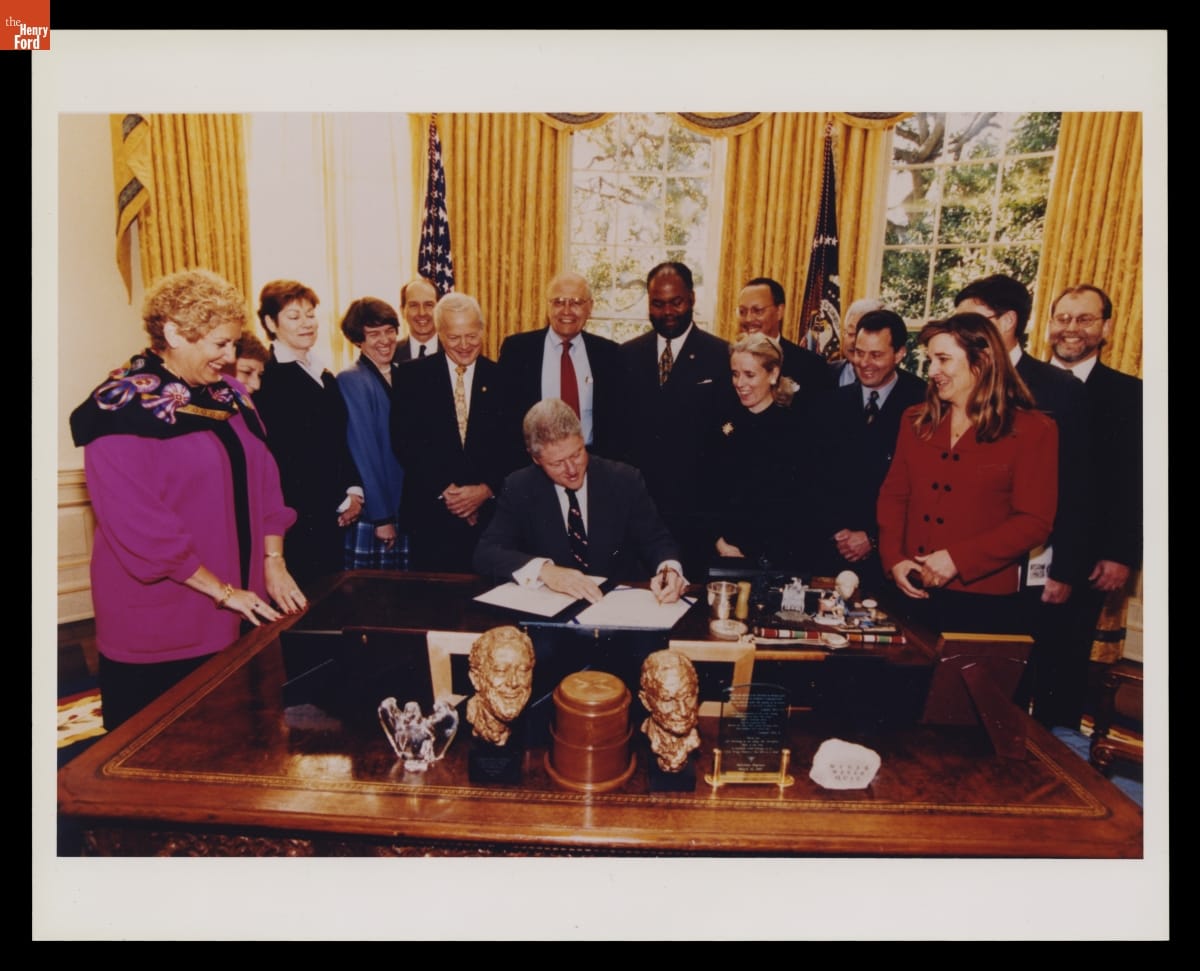
- President Bill Clinton Signing the Automobile National Heritage Area Act, November 6, 1998 - When President Bill Clinton signed the National Automobile Heritage Act of 1998, he paved the way for what became the MotorCities National Heritage Area. The organization, an affiliate of the National Park Service, grew to include more than 1,200 automotive-related sides in metro Detroit and throughout portions of 16 counties in southern Michigan.
- November 06, 1998
- Collections - Artifact
President Bill Clinton Signing the Automobile National Heritage Area Act, November 6, 1998
When President Bill Clinton signed the National Automobile Heritage Act of 1998, he paved the way for what became the MotorCities National Heritage Area. The organization, an affiliate of the National Park Service, grew to include more than 1,200 automotive-related sides in metro Detroit and throughout portions of 16 counties in southern Michigan.
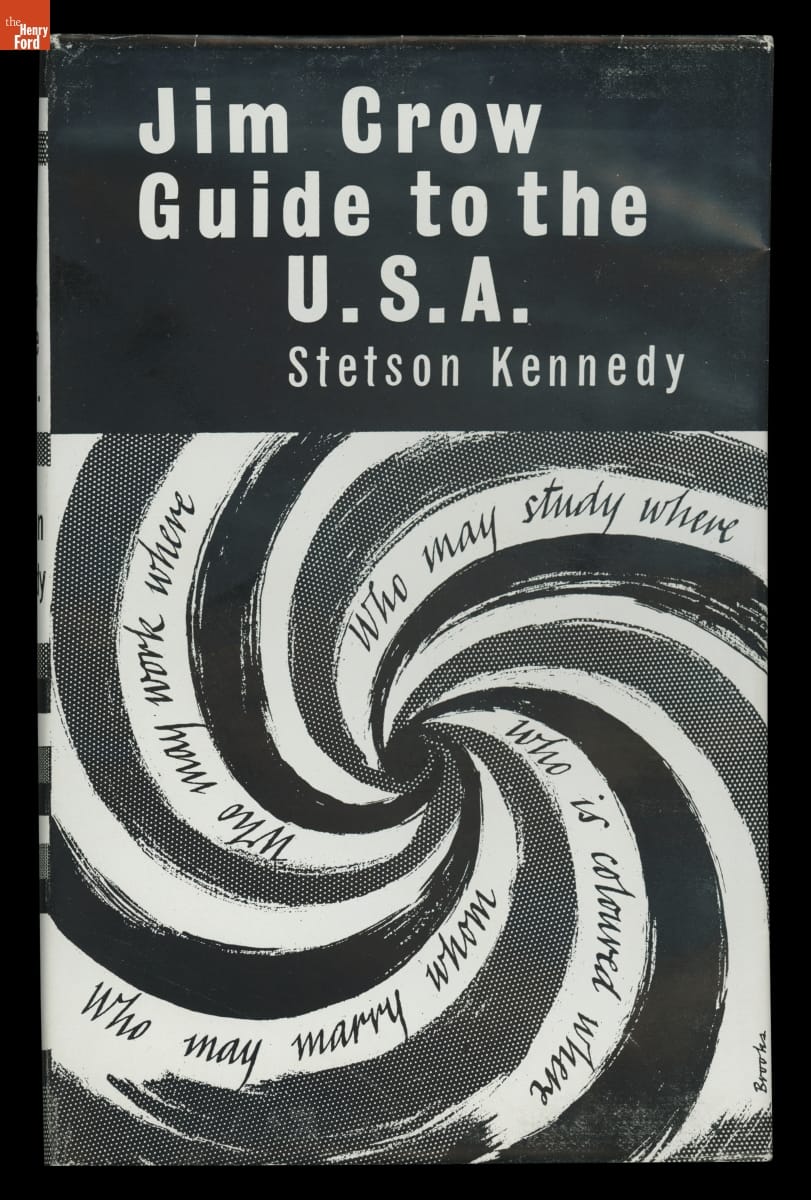
- "Jim Crow Guide to the U.S.A.," 1959 - Activist, folklorist and author Stetson Kennedy exposed American racism in his book <EM>Jim Crow Guide to the U.S.A.</EM> First published in France in 1956 -- he could find no American publisher to take on the project -- this mock guidebook uncovered the reach of Jim Crow inequality. Kennedy examined a number of areas including where one could live, work, travel, eat, sleep or study.
- 1959
- Collections - Artifact
"Jim Crow Guide to the U.S.A.," 1959
Activist, folklorist and author Stetson Kennedy exposed American racism in his book Jim Crow Guide to the U.S.A. First published in France in 1956 -- he could find no American publisher to take on the project -- this mock guidebook uncovered the reach of Jim Crow inequality. Kennedy examined a number of areas including where one could live, work, travel, eat, sleep or study.
- "Life" Magazine, March 19, 1965 -
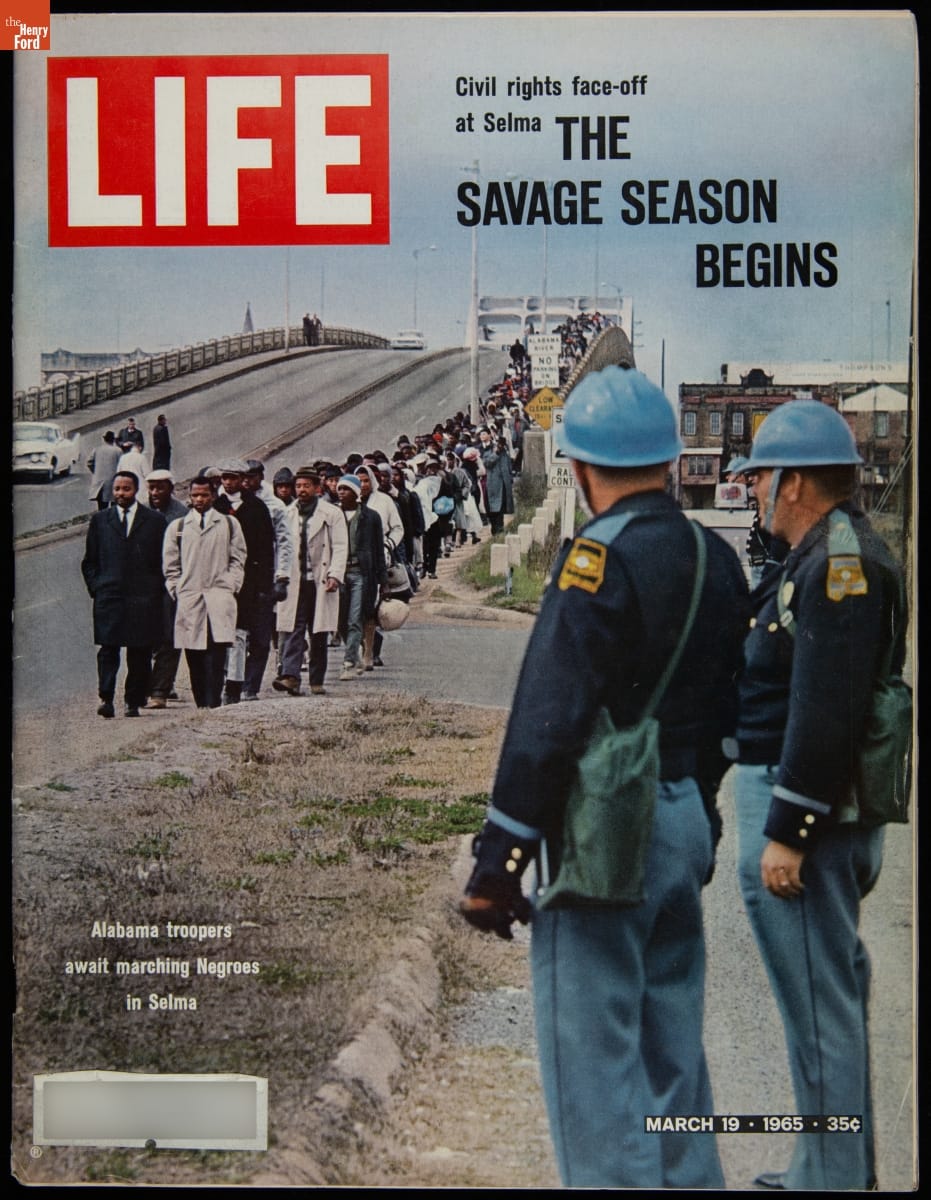
- March 19, 1965
- Collections - Artifact
"Life" Magazine, March 19, 1965
- March in Downtown Seattle for Equal Rights Amendment, May 16, 1976 -
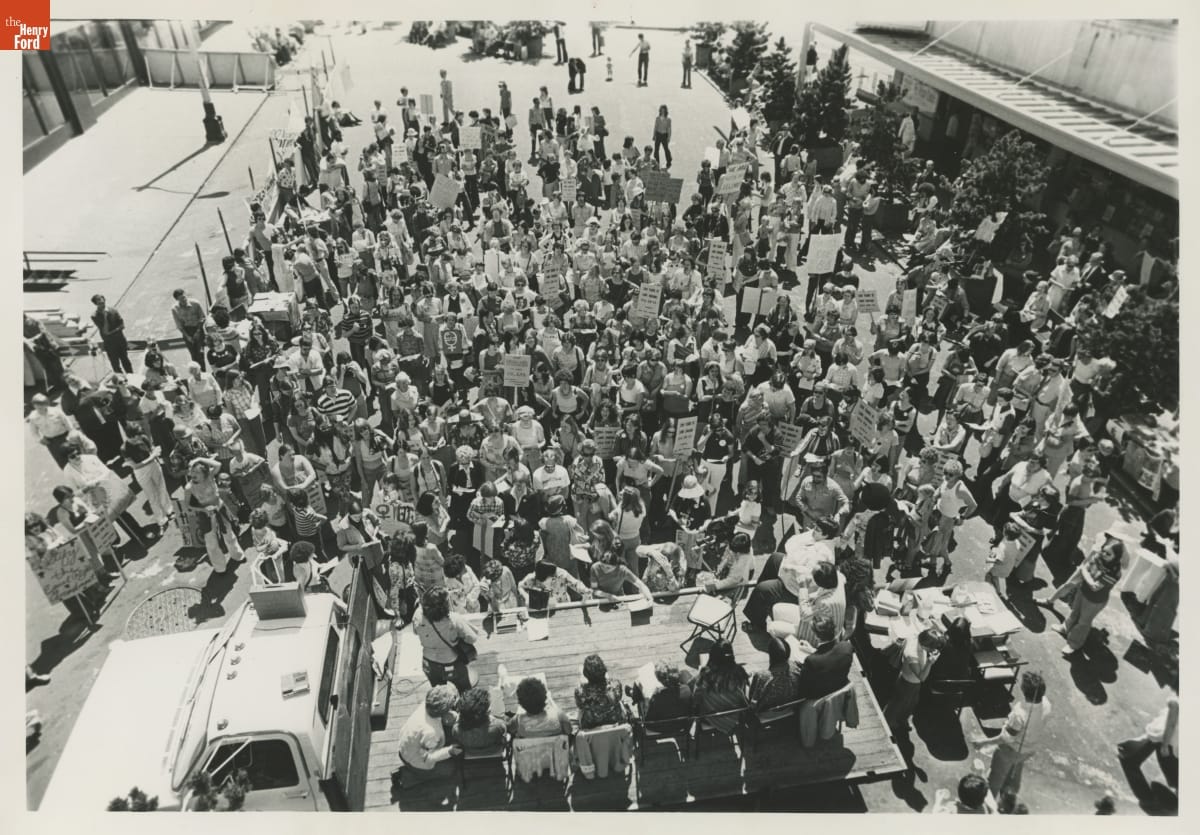
- May 16, 1976
- Collections - Artifact
March in Downtown Seattle for Equal Rights Amendment, May 16, 1976
- More than 3,000 People March in Washington, D.C. in Support of the Equal Rights Amendment, August 1977 -
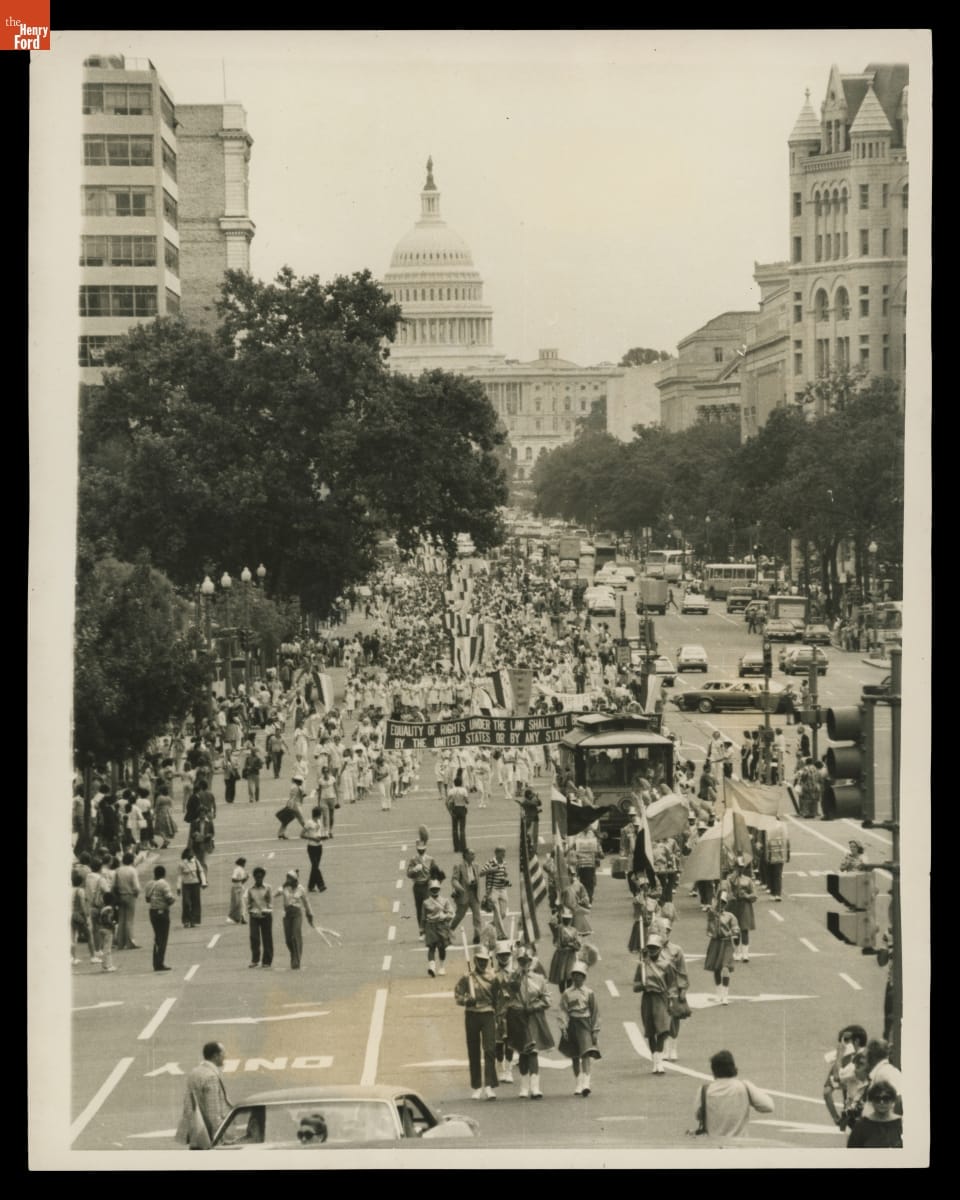
- August 31, 1977
- Collections - Artifact
More than 3,000 People March in Washington, D.C. in Support of the Equal Rights Amendment, August 1977
- "The Black Scholar," April 1970 Issue, "Colonies or City States?" - In 1969, in the wake of a growing interest in Black American history and culture, Robert Christman and Nathan Hare -- former professors from San Francisco State College -- started <i>The Black Scholar</i>. It was the first scholastic journal that focused on Black, Africana, and Diaspora studies. <i>The Black Scholar</i> has published papers and other works by famous academics, political thinkers, and authors.
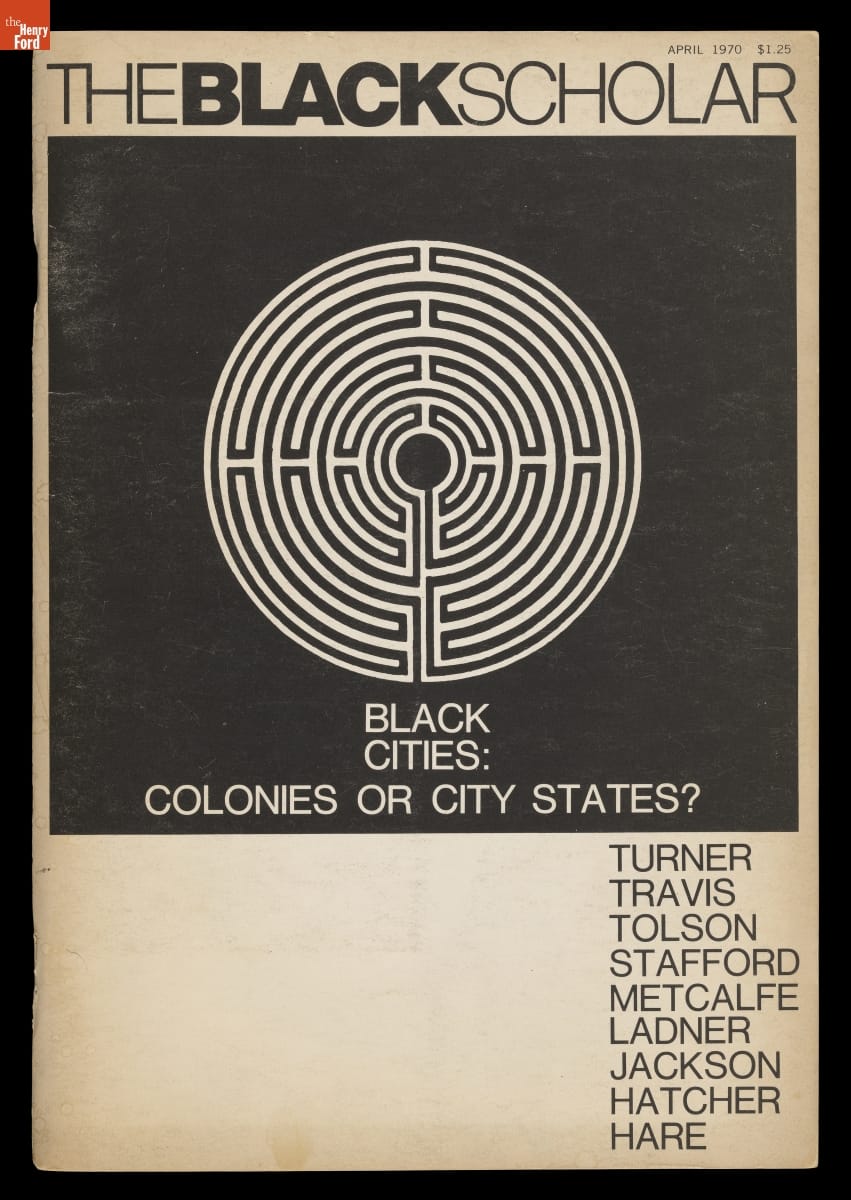
- April 01, 1970
- Collections - Artifact
"The Black Scholar," April 1970 Issue, "Colonies or City States?"
In 1969, in the wake of a growing interest in Black American history and culture, Robert Christman and Nathan Hare -- former professors from San Francisco State College -- started The Black Scholar. It was the first scholastic journal that focused on Black, Africana, and Diaspora studies. The Black Scholar has published papers and other works by famous academics, political thinkers, and authors.
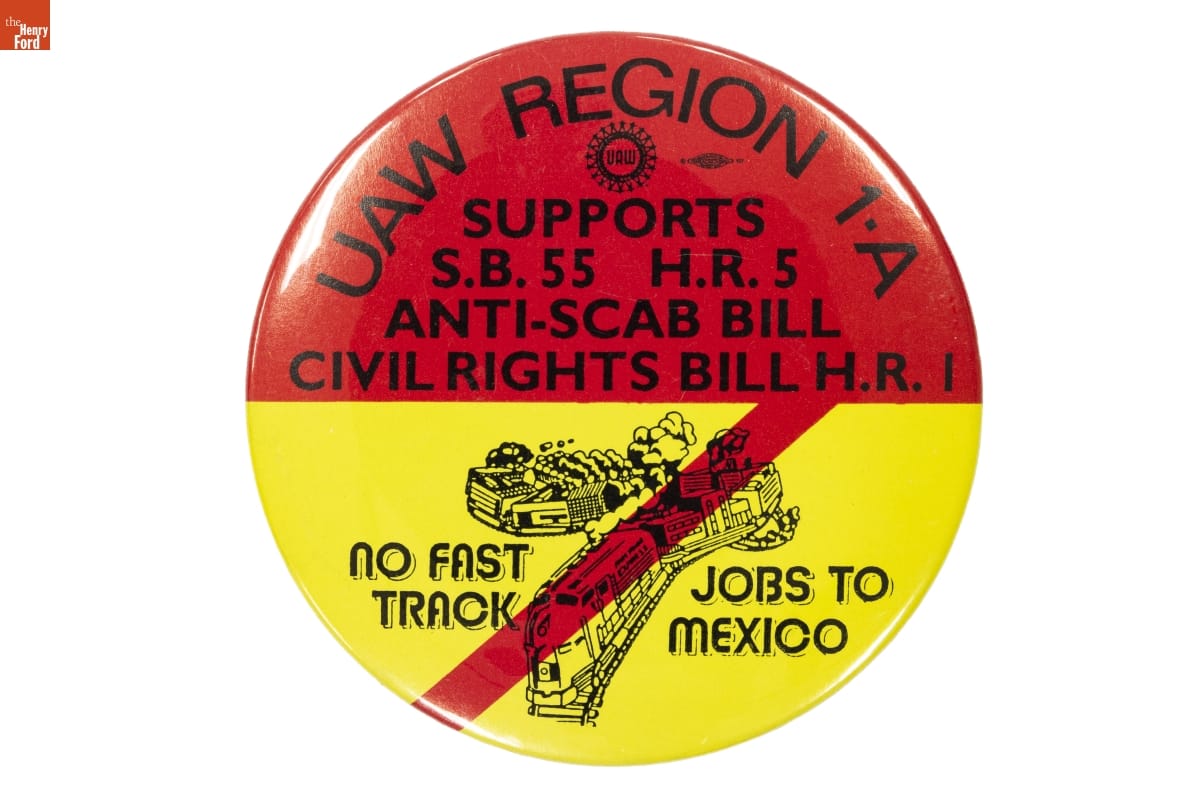
- "UAW Region 1A Supports S.B.55, H.R.5" Button, 1987 -
- circa 1987
- Collections - Artifact
"UAW Region 1A Supports S.B.55, H.R.5" Button, 1987
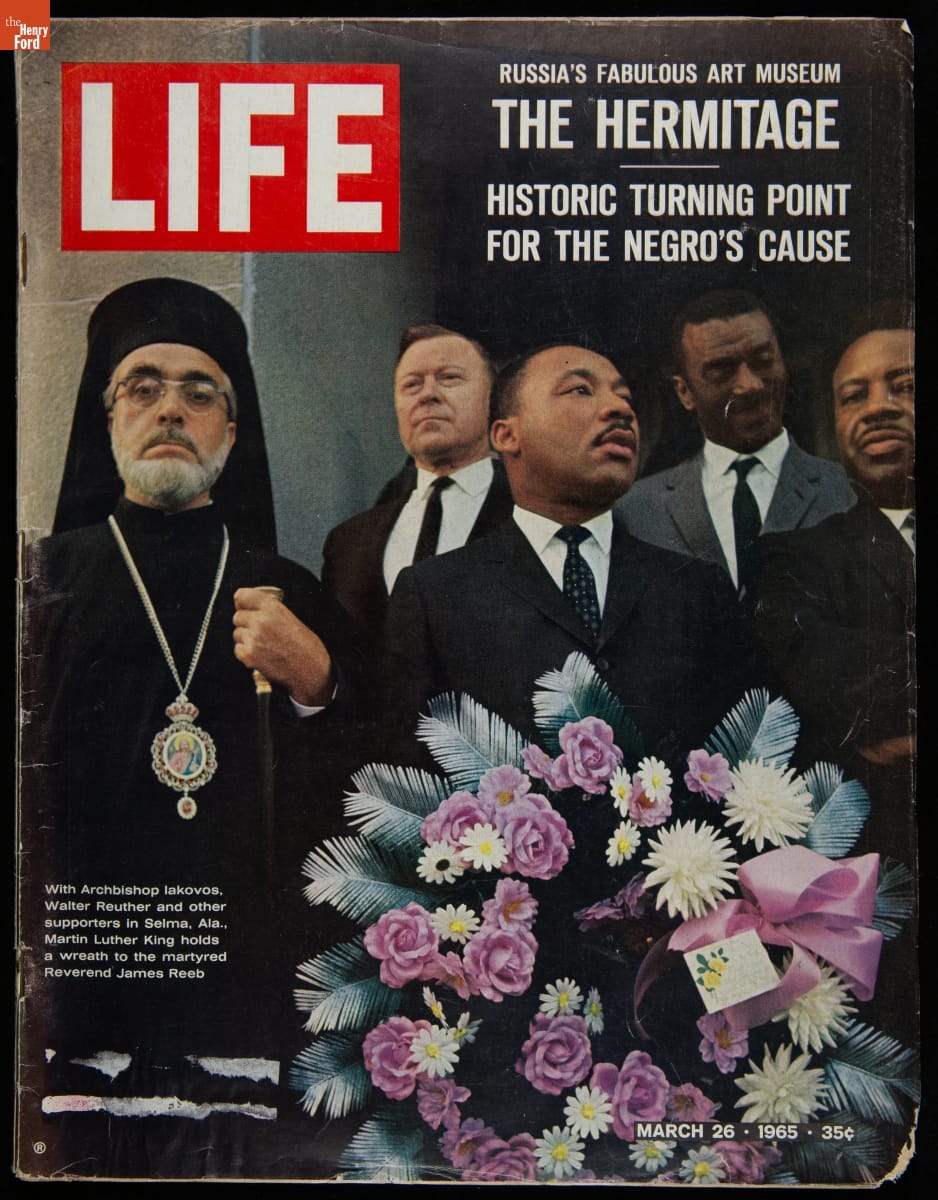
- "Life" Magazine, March 26, 1965 -
- March 26, 1965
- Collections - Artifact
"Life" Magazine, March 26, 1965