
Search
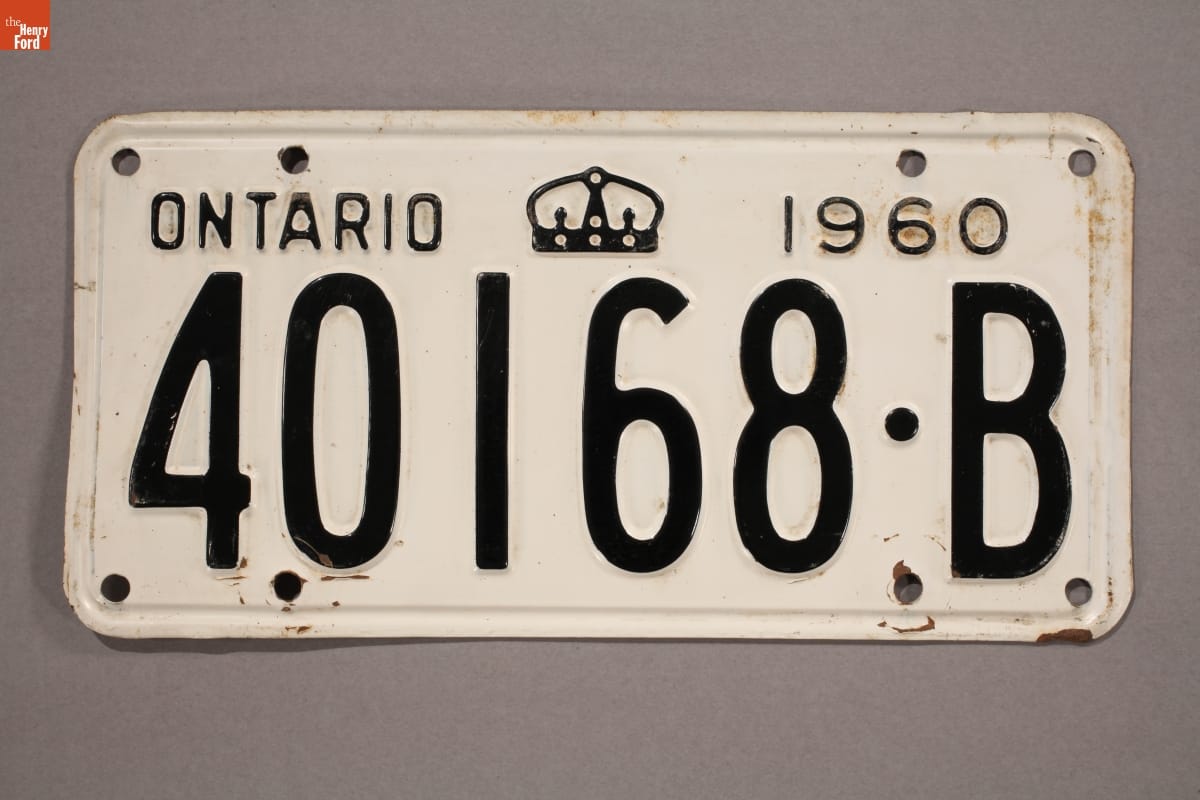
- Pair of Ontario License Plates, 1960 - Ontario's provincial government began registering motor vehicles in 1903. During the first decades of the 20th century, the province issued license plates made out of leather, rubber, porcelain, or flat steel. Embossed steel plates, like this one from 1960, were introduced in the 1920s.
- 1960
- Collections - Artifact
Pair of Ontario License Plates, 1960
Ontario's provincial government began registering motor vehicles in 1903. During the first decades of the 20th century, the province issued license plates made out of leather, rubber, porcelain, or flat steel. Embossed steel plates, like this one from 1960, were introduced in the 1920s.
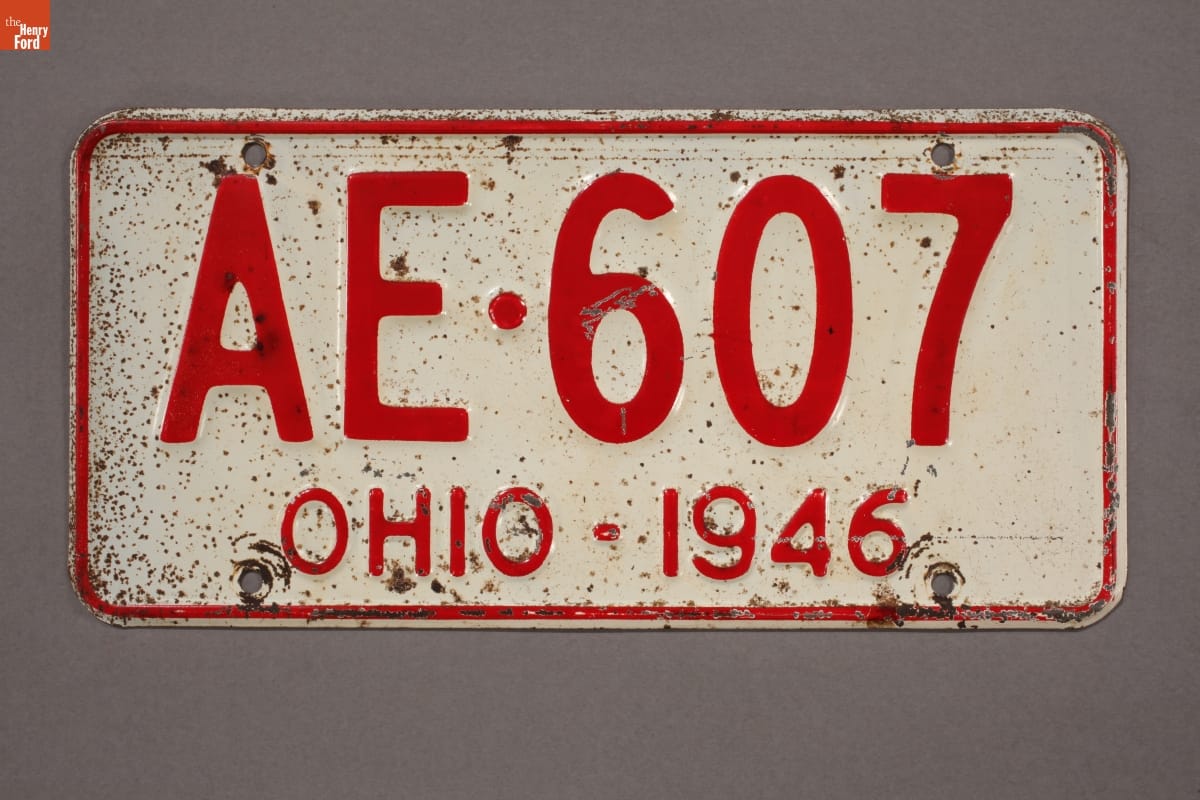
- Ohio License Plate, 1946 - Early state-issued license plates were made of porcelain-coated iron. Later, states stamped tin, steel, or even copper to make plates. During the Second World War several states used fiberboard. Plate colors varied and some states added symbols, mottoes, or other design elements. Today, states use reflective sheeting to coat a standard-sized aluminum blank which is then stamped and decorated.
- 1946
- Collections - Artifact
Ohio License Plate, 1946
Early state-issued license plates were made of porcelain-coated iron. Later, states stamped tin, steel, or even copper to make plates. During the Second World War several states used fiberboard. Plate colors varied and some states added symbols, mottoes, or other design elements. Today, states use reflective sheeting to coat a standard-sized aluminum blank which is then stamped and decorated.
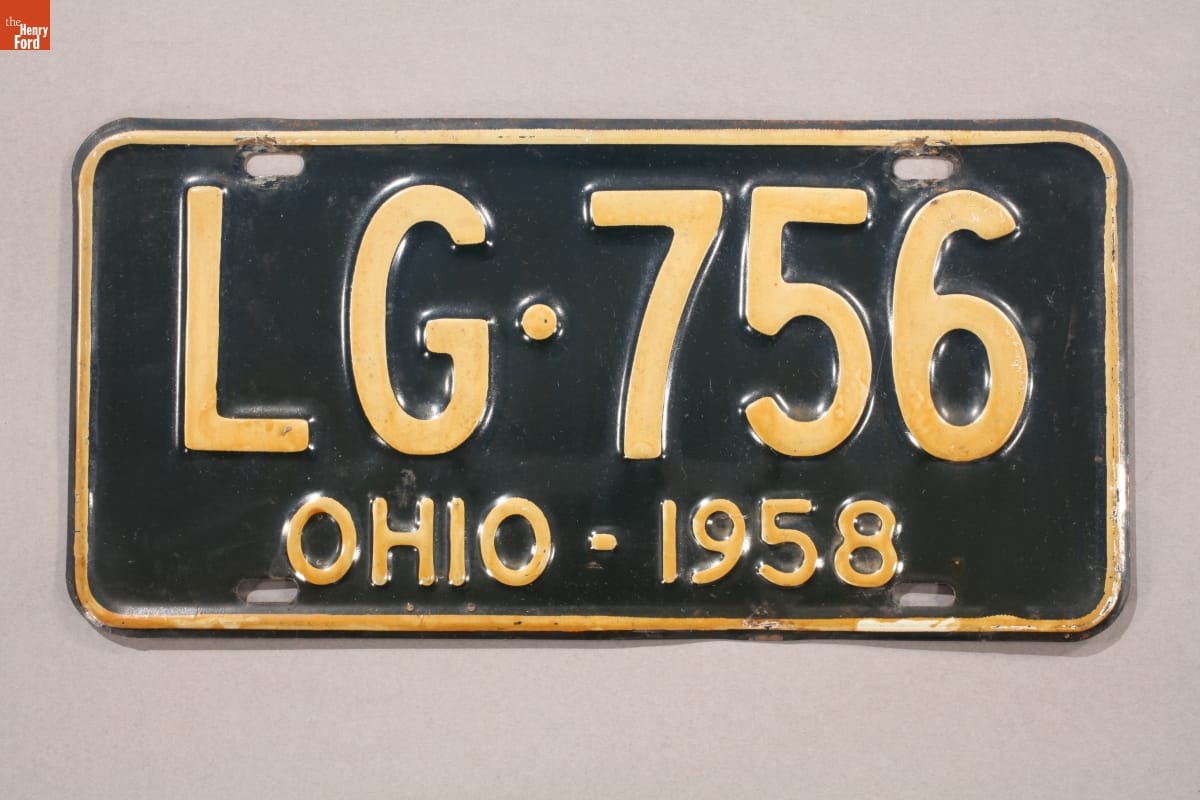
- Ohio License Plate, 1958 - Early state-issued license plates were made of porcelain-coated iron. Later, states stamped tin, steel, or even copper to make plates. During the Second World War several states used fiberboard. Plate colors varied and some states added symbols, mottoes, or other design elements. Today, states use reflective sheeting to coat a standard-sized aluminum blank which is then stamped and decorated.
- 1958
- Collections - Artifact
Ohio License Plate, 1958
Early state-issued license plates were made of porcelain-coated iron. Later, states stamped tin, steel, or even copper to make plates. During the Second World War several states used fiberboard. Plate colors varied and some states added symbols, mottoes, or other design elements. Today, states use reflective sheeting to coat a standard-sized aluminum blank which is then stamped and decorated.
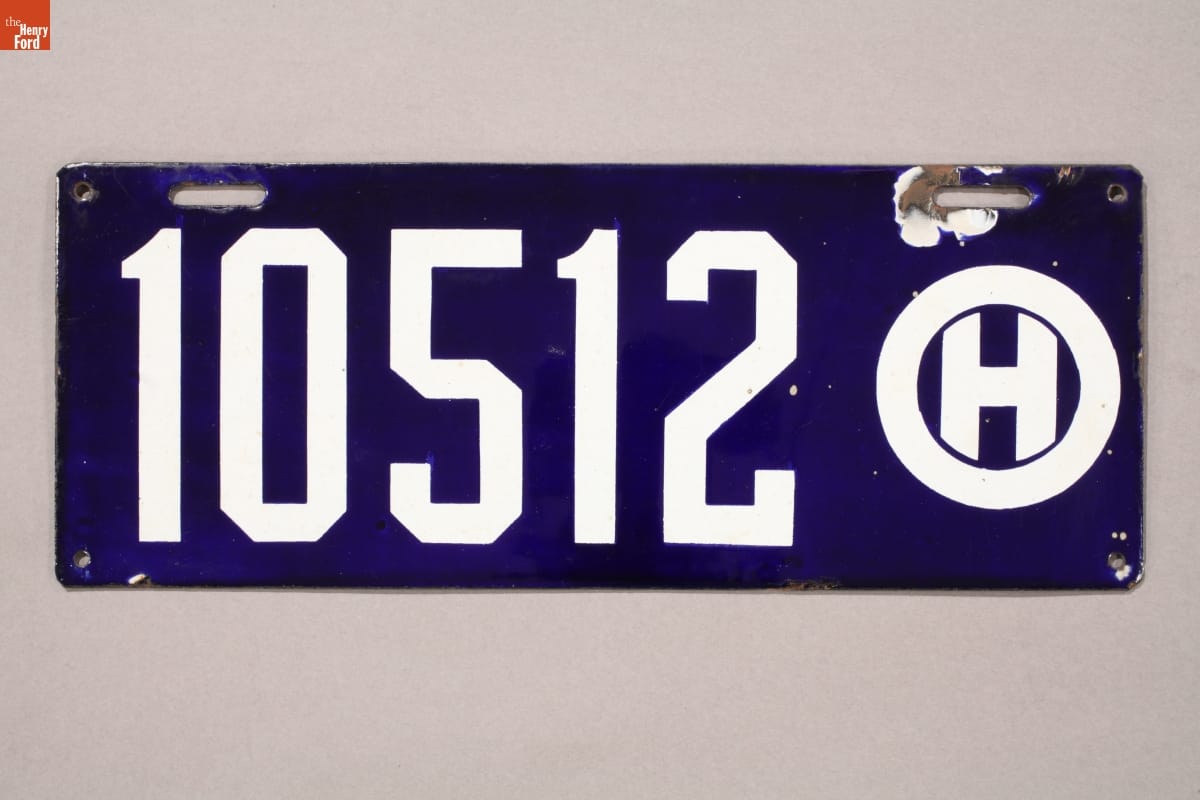
- Ohio License Plate, 1908-1909 - Early state-issued license plates were made of porcelain-coated iron. Later, states stamped tin, steel, or even copper to make plates. During the Second World War several states used fiberboard. Plate colors varied and some states added symbols, mottoes, or other design elements. Today, states use reflective sheeting to coat a standard-sized aluminum blank which is then stamped and decorated.
- 1908-1909
- Collections - Artifact
Ohio License Plate, 1908-1909
Early state-issued license plates were made of porcelain-coated iron. Later, states stamped tin, steel, or even copper to make plates. During the Second World War several states used fiberboard. Plate colors varied and some states added symbols, mottoes, or other design elements. Today, states use reflective sheeting to coat a standard-sized aluminum blank which is then stamped and decorated.
- Ohio License Plate, 1956 - Early state-issued license plates were made of porcelain-coated iron. Later, states stamped tin, steel, or even copper to make plates. During the Second World War several states used fiberboard. Plate colors varied and some states added symbols, mottoes, or other design elements. Today, states use reflective sheeting to coat a standard-sized aluminum blank which is then stamped and decorated.
- 1956
- Collections - Artifact
Ohio License Plate, 1956
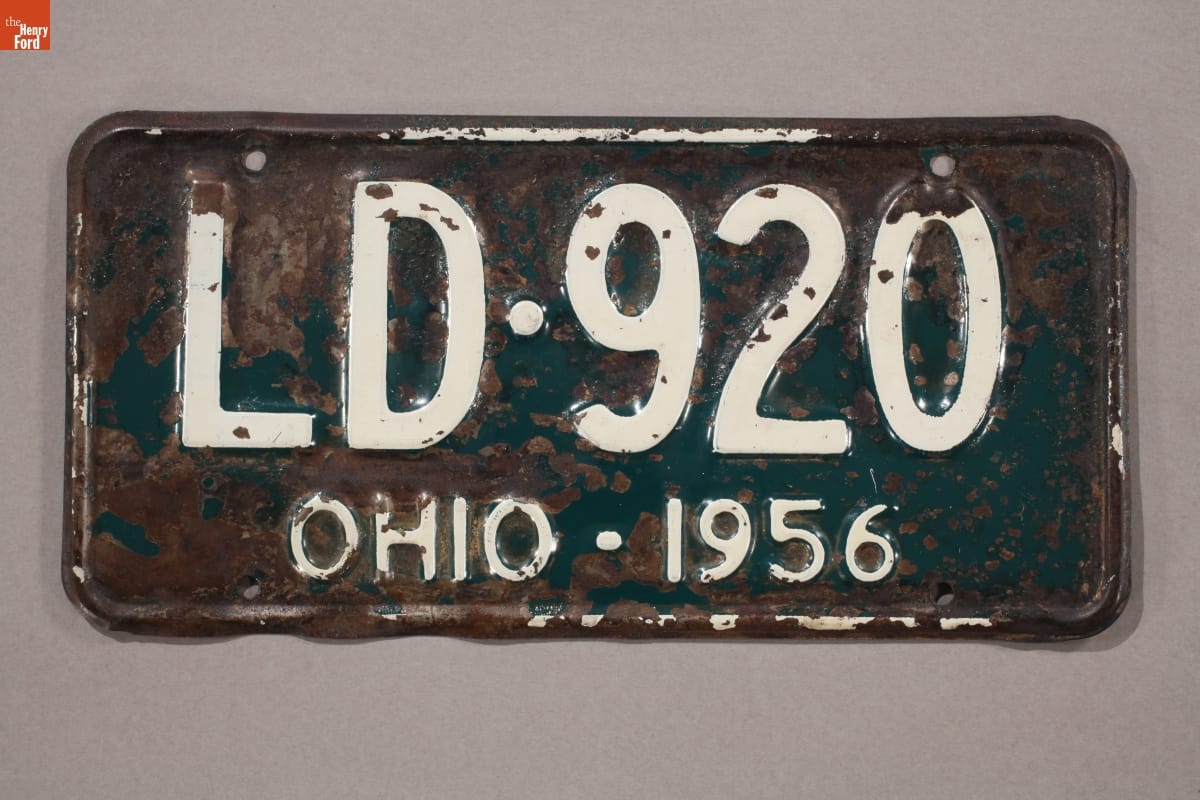
Early state-issued license plates were made of porcelain-coated iron. Later, states stamped tin, steel, or even copper to make plates. During the Second World War several states used fiberboard. Plate colors varied and some states added symbols, mottoes, or other design elements. Today, states use reflective sheeting to coat a standard-sized aluminum blank which is then stamped and decorated.
- Iowa License Plate, 1986 - Early state-issued license plates were made of porcelain-coated iron. Later, states stamped tin, steel, or even copper to make plates. During the Second World War several states used fiberboard. Plate colors varied and some states added symbols, mottoes, or other design elements. Today, states use reflective sheeting to coat a standard-sized aluminum blank which is then stamped and decorated.
- 1986
- Collections - Artifact
Iowa License Plate, 1986
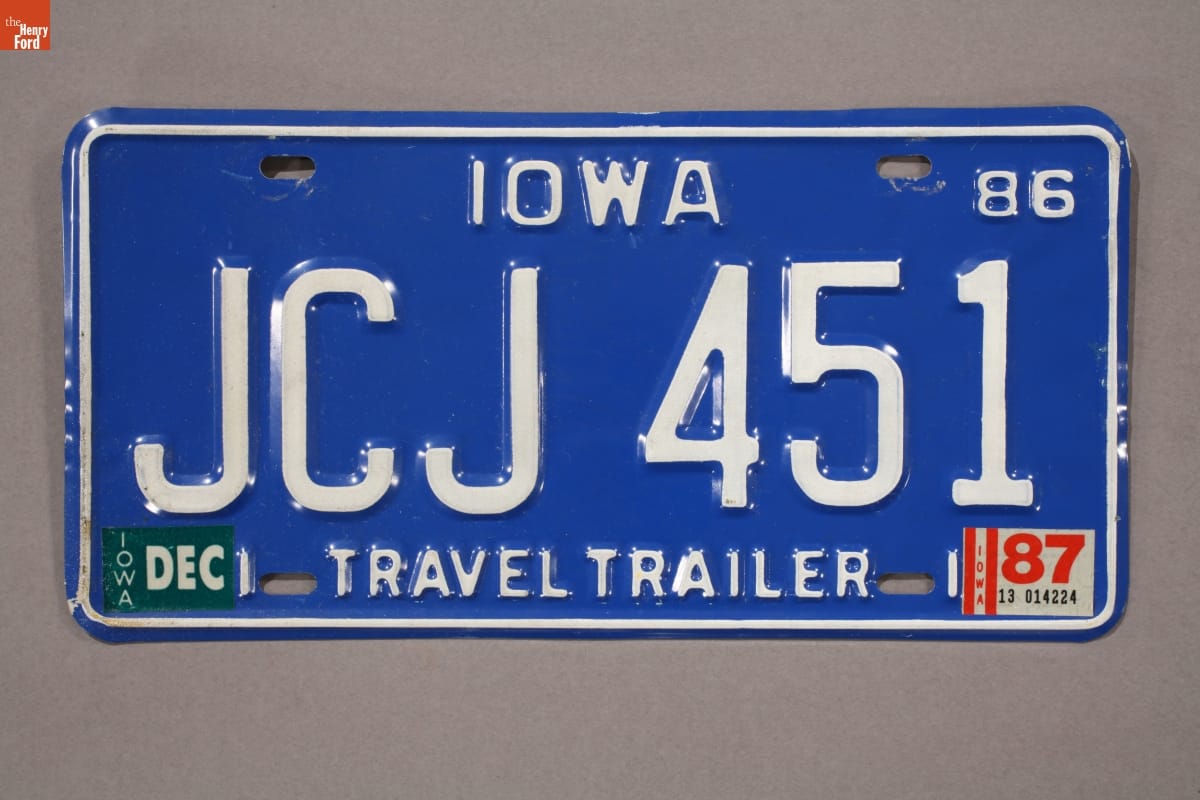
Early state-issued license plates were made of porcelain-coated iron. Later, states stamped tin, steel, or even copper to make plates. During the Second World War several states used fiberboard. Plate colors varied and some states added symbols, mottoes, or other design elements. Today, states use reflective sheeting to coat a standard-sized aluminum blank which is then stamped and decorated.
- Oral History Interview with Carroll Shelby, August, 2008--Photographs--Digital Images--Item 115 - Carroll Shelby is synonymous with performance automobiles. His Cobras, with Ford V-8 engines dropped into lightweight British AC sports cars, took the racing world by storm in the 1960s. His collaborations with Ford and Chrysler continue to inspire auto enthusiasts. The Henry Ford interviewed Shelby in 2008 as a part of the Collecting Innovation Today Oral History Project.
- August 19, 2008
- Collections - Artifact
Oral History Interview with Carroll Shelby, August, 2008--Photographs--Digital Images--Item 115
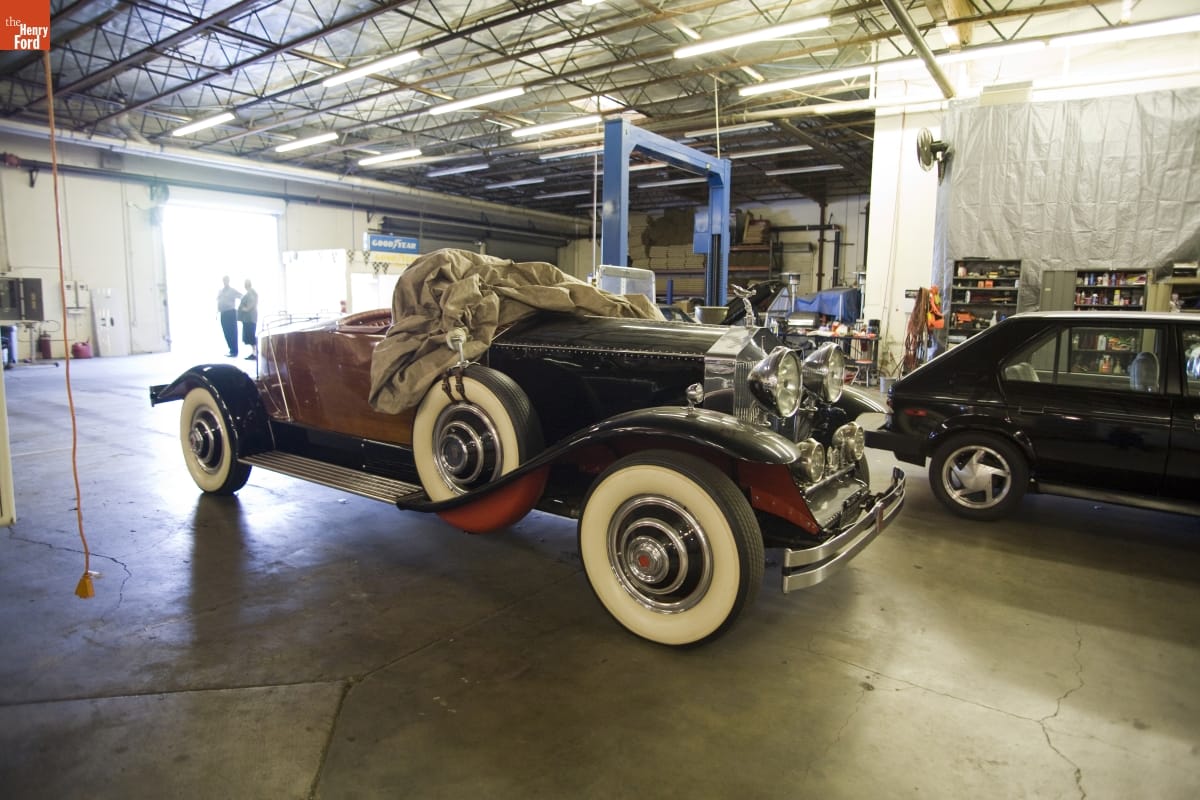
Carroll Shelby is synonymous with performance automobiles. His Cobras, with Ford V-8 engines dropped into lightweight British AC sports cars, took the racing world by storm in the 1960s. His collaborations with Ford and Chrysler continue to inspire auto enthusiasts. The Henry Ford interviewed Shelby in 2008 as a part of the Collecting Innovation Today Oral History Project.
- Oral History Interview with Carroll Shelby, August, 2008--Photographs--Digital Images--Item 122 - Carroll Shelby is synonymous with performance automobiles. His Cobras, with Ford V-8 engines dropped into lightweight British AC sports cars, took the racing world by storm in the 1960s. His collaborations with Ford and Chrysler continue to inspire auto enthusiasts. The Henry Ford interviewed Shelby in 2008 as a part of the Collecting Innovation Today Oral History Project.
- August 19, 2008
- Collections - Artifact
Oral History Interview with Carroll Shelby, August, 2008--Photographs--Digital Images--Item 122
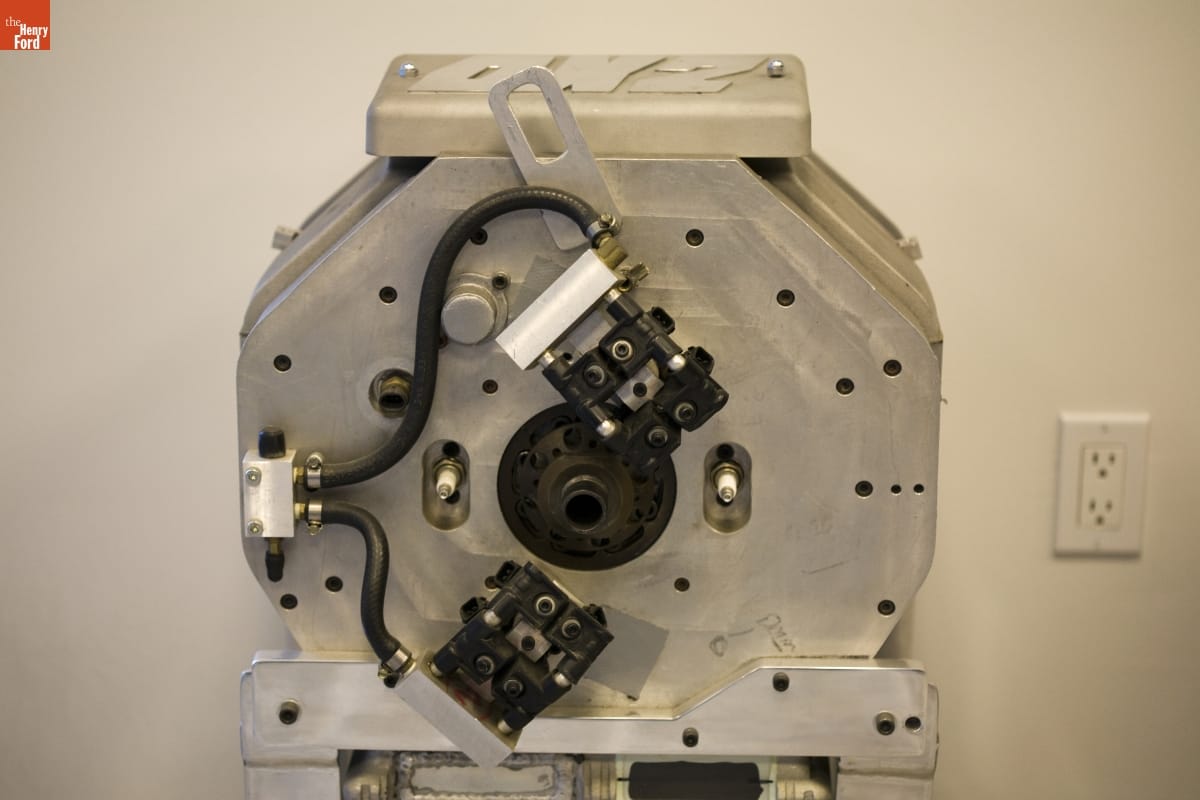
Carroll Shelby is synonymous with performance automobiles. His Cobras, with Ford V-8 engines dropped into lightweight British AC sports cars, took the racing world by storm in the 1960s. His collaborations with Ford and Chrysler continue to inspire auto enthusiasts. The Henry Ford interviewed Shelby in 2008 as a part of the Collecting Innovation Today Oral History Project.
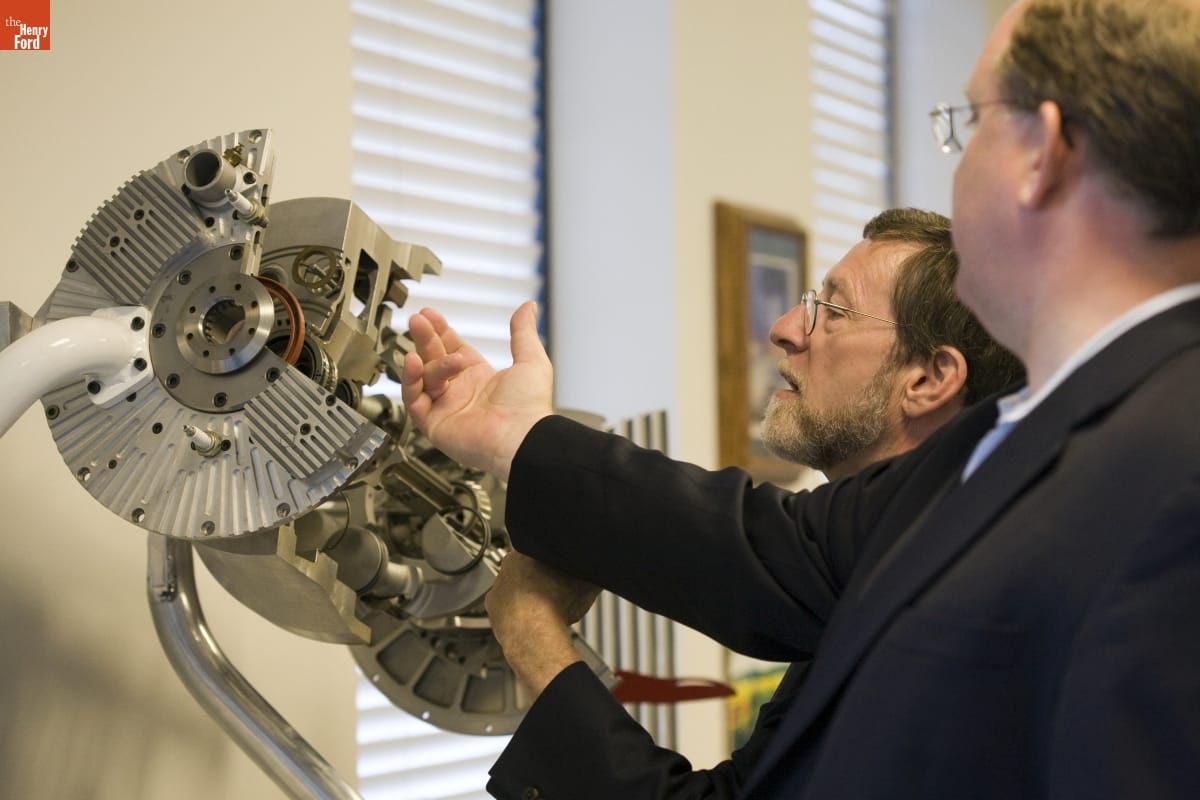
- Oral History Interview with Carroll Shelby, August, 2008--Photographs--Digital Images--Item 127 - Carroll Shelby is synonymous with performance automobiles. His Cobras, with Ford V-8 engines dropped into lightweight British AC sports cars, took the racing world by storm in the 1960s. His collaborations with Ford and Chrysler continue to inspire auto enthusiasts. The Henry Ford interviewed Shelby in 2008 as a part of the Collecting Innovation Today Oral History Project.
- August 19, 2008
- Collections - Artifact
Oral History Interview with Carroll Shelby, August, 2008--Photographs--Digital Images--Item 127
Carroll Shelby is synonymous with performance automobiles. His Cobras, with Ford V-8 engines dropped into lightweight British AC sports cars, took the racing world by storm in the 1960s. His collaborations with Ford and Chrysler continue to inspire auto enthusiasts. The Henry Ford interviewed Shelby in 2008 as a part of the Collecting Innovation Today Oral History Project.
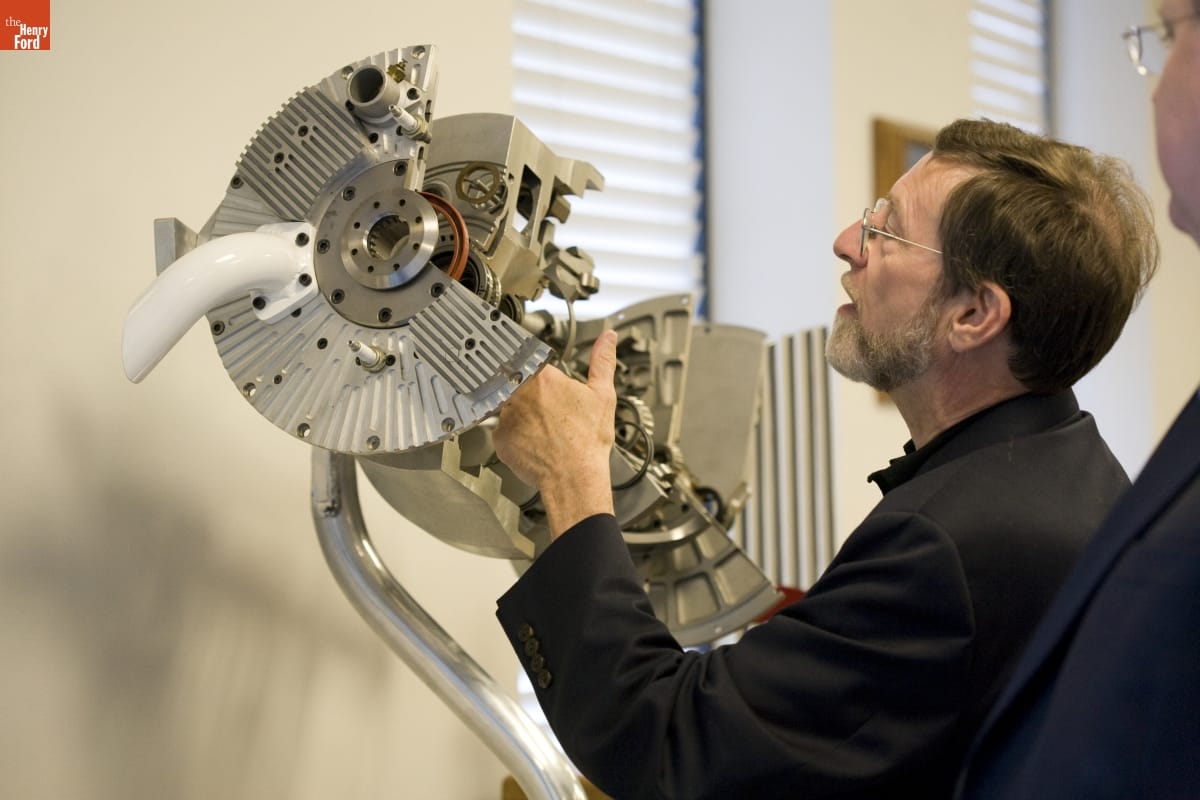
- Oral History Interview with Carroll Shelby, August, 2008--Photographs--Digital Images--Item 128 - Carroll Shelby is synonymous with performance automobiles. His Cobras, with Ford V-8 engines dropped into lightweight British AC sports cars, took the racing world by storm in the 1960s. His collaborations with Ford and Chrysler continue to inspire auto enthusiasts. The Henry Ford interviewed Shelby in 2008 as a part of the Collecting Innovation Today Oral History Project.
- August 19, 2008
- Collections - Artifact
Oral History Interview with Carroll Shelby, August, 2008--Photographs--Digital Images--Item 128
Carroll Shelby is synonymous with performance automobiles. His Cobras, with Ford V-8 engines dropped into lightweight British AC sports cars, took the racing world by storm in the 1960s. His collaborations with Ford and Chrysler continue to inspire auto enthusiasts. The Henry Ford interviewed Shelby in 2008 as a part of the Collecting Innovation Today Oral History Project.