
Search
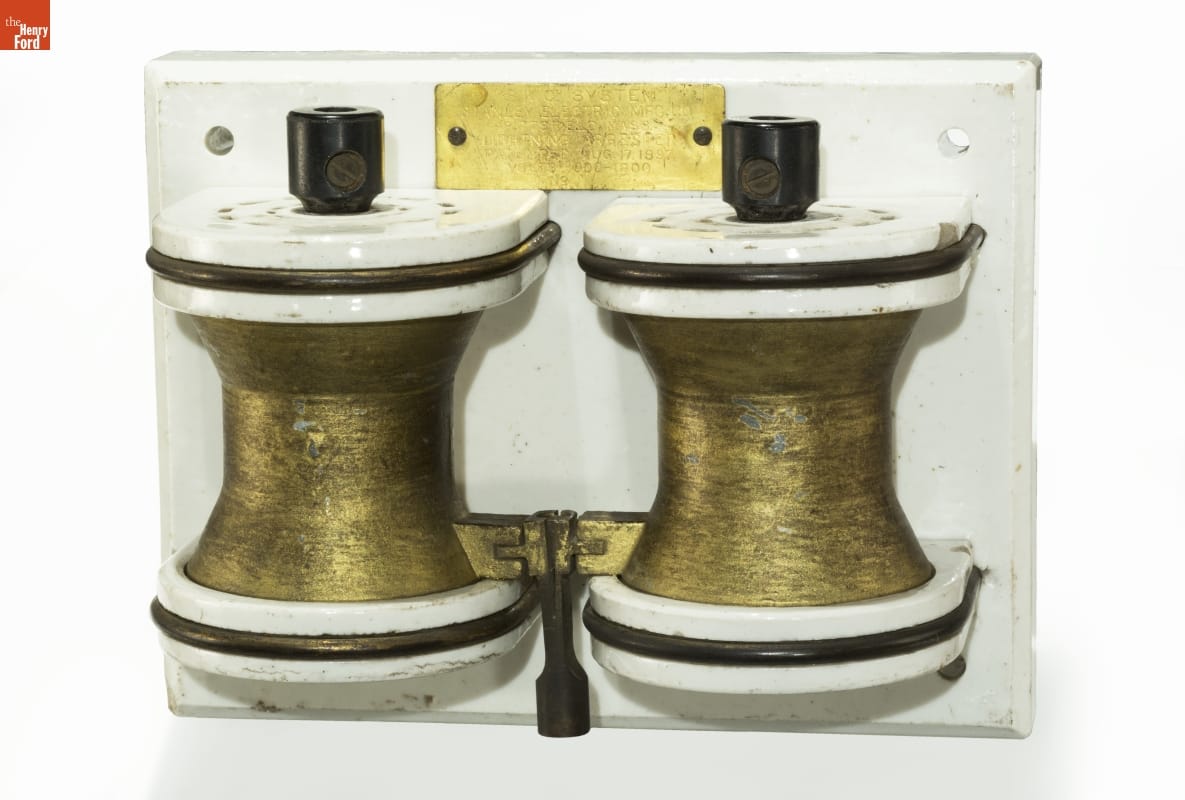
- Stanley S.K.C. System Lightning Arrester, 1897-1905 - In the late 1800s, companies began producing electricity to light cities, run streetcars, and power factories, homes and offices. A potential danger to this power system and its apparatus was lightning and other large discharges of electricity. A lightning arrester diverts the surges and protects valuable equipment from damage.
- 1897-1905
- Collections - Artifact
Stanley S.K.C. System Lightning Arrester, 1897-1905
In the late 1800s, companies began producing electricity to light cities, run streetcars, and power factories, homes and offices. A potential danger to this power system and its apparatus was lightning and other large discharges of electricity. A lightning arrester diverts the surges and protects valuable equipment from damage.
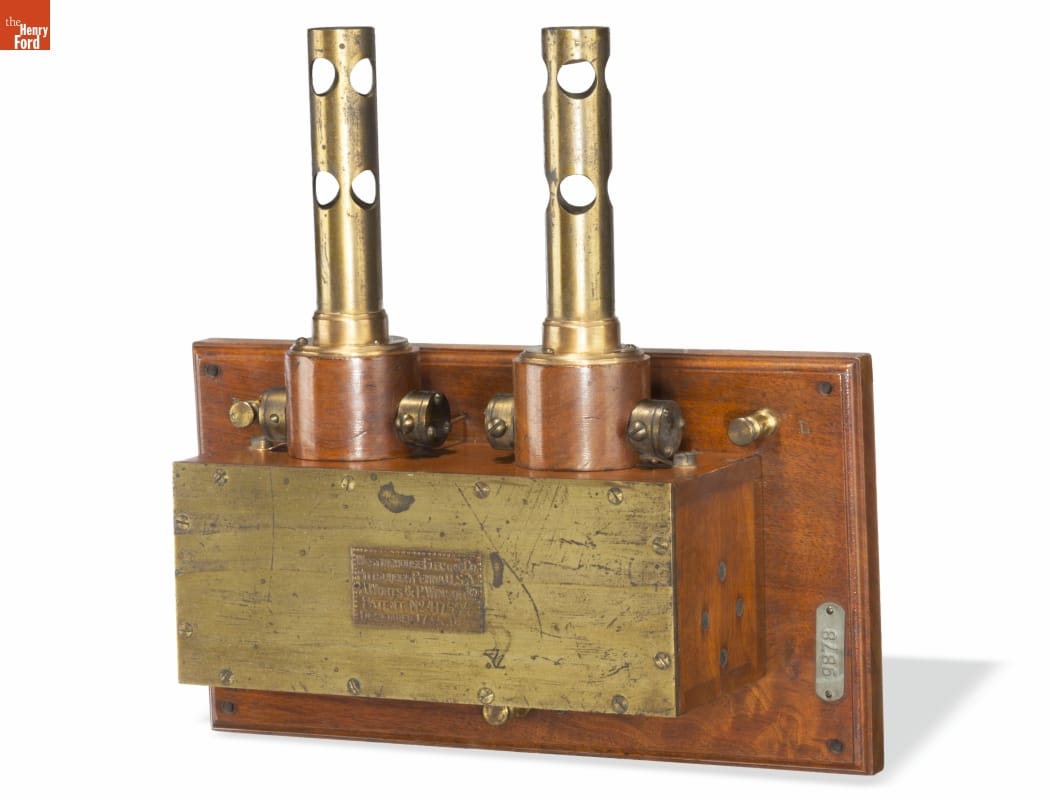
- Westinghouse Lightning Arrester, circa 1889 - Lightning and other large surges of electricity can damage power systems and electrical apparatus. A lightning arrester diverts these surges and protects equipment. This lightning arrester made by Westinghouse Electric Company was patterned after one patented by Paul Winsor and Alexander Wurts in 1889. Wurts was one of the leaders in lightning arrester development.
- circa 1889
- Collections - Artifact
Westinghouse Lightning Arrester, circa 1889
Lightning and other large surges of electricity can damage power systems and electrical apparatus. A lightning arrester diverts these surges and protects equipment. This lightning arrester made by Westinghouse Electric Company was patterned after one patented by Paul Winsor and Alexander Wurts in 1889. Wurts was one of the leaders in lightning arrester development.
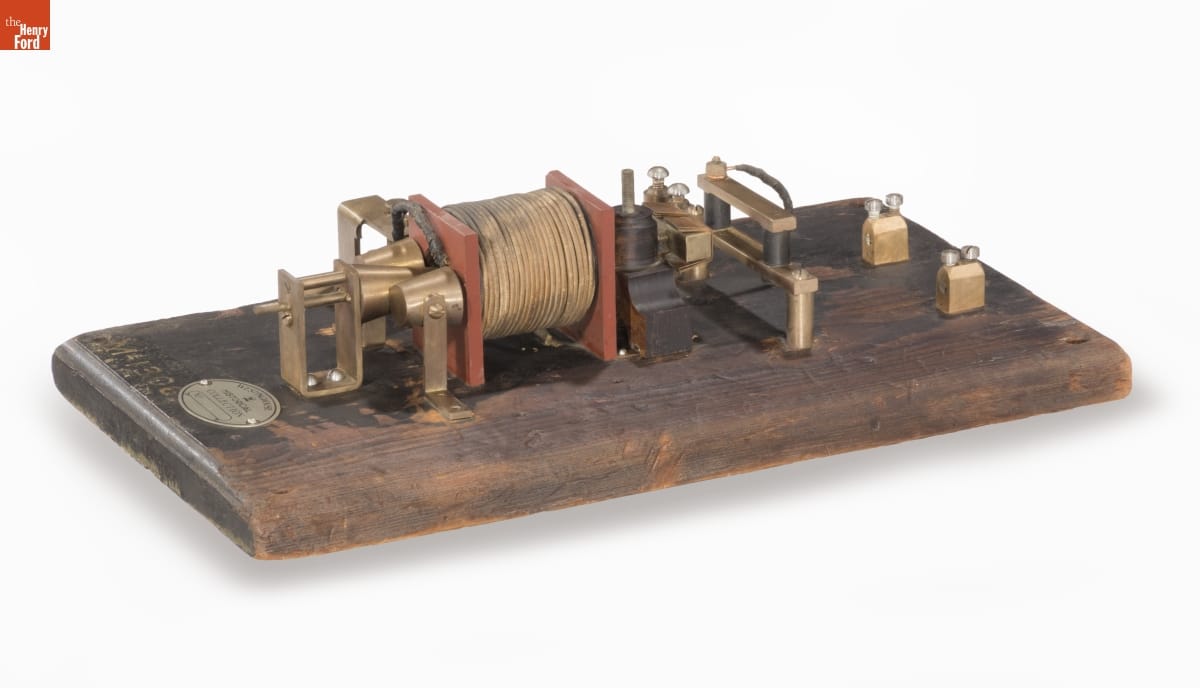
- Experimental Lightning Arrester, 1910-1920 - In the late 1800s, companies began producing electricity to light cities, run streetcars, and power factories, homes and offices. A potential danger to this power system and its apparatus was lightning and other large discharges of electricity. A lightning arrester diverts the surges and protects valuable equipment from damage.
- 1910-1920
- Collections - Artifact
Experimental Lightning Arrester, 1910-1920
In the late 1800s, companies began producing electricity to light cities, run streetcars, and power factories, homes and offices. A potential danger to this power system and its apparatus was lightning and other large discharges of electricity. A lightning arrester diverts the surges and protects valuable equipment from damage.
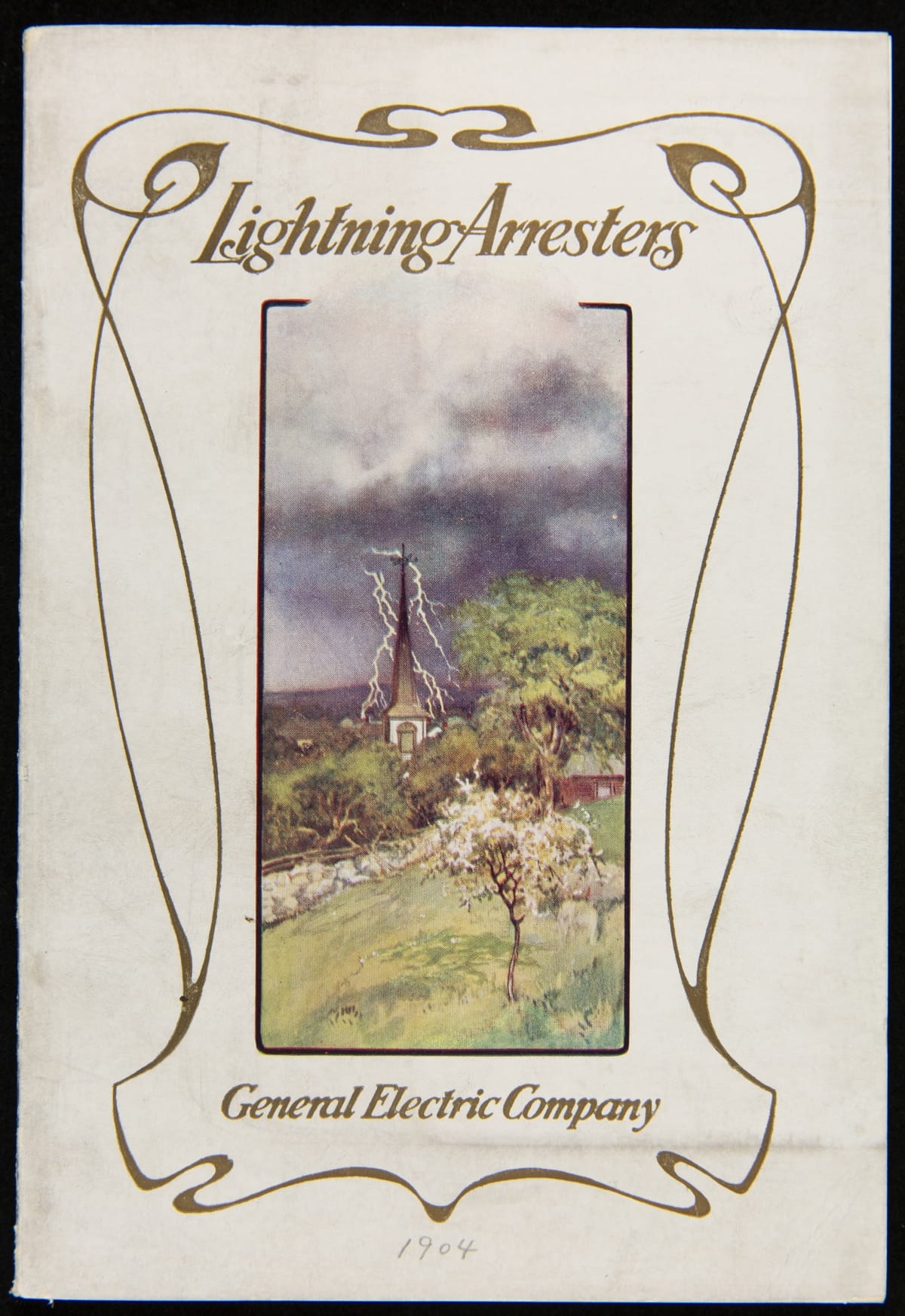
- Lightning Arresters, General Electric Company, 1904 - The explosion of the electrical industry in the 1890s generated new design needs. Electrical corporations hired artists working in the style of the day -- Art Nouveau -- to design their buildings, products, and communications. This marked the beginnings of industrial design.
- May 01, 1904
- Collections - Artifact
Lightning Arresters, General Electric Company, 1904
The explosion of the electrical industry in the 1890s generated new design needs. Electrical corporations hired artists working in the style of the day -- Art Nouveau -- to design their buildings, products, and communications. This marked the beginnings of industrial design.
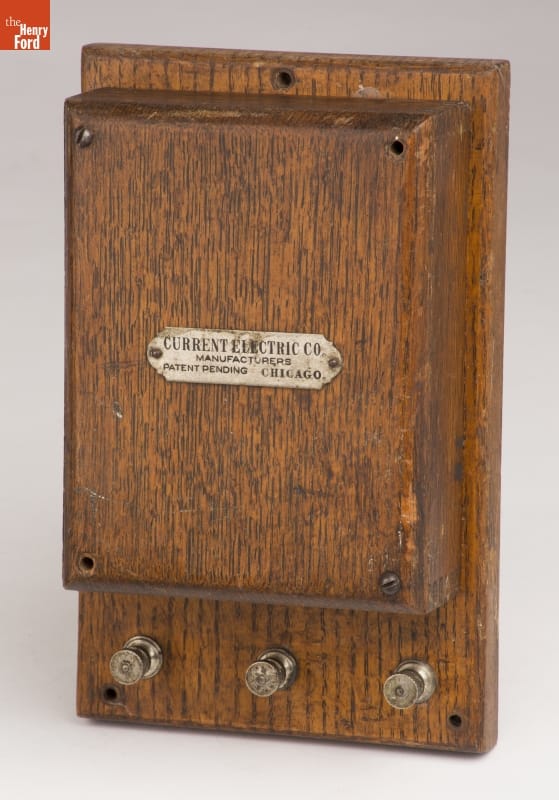
- Lightning-Arrester, circa 1900 - In the late 1800s, companies began producing electricity to light cities, run streetcars, and power factories, homes and offices. A potential danger to this power system and its apparatus was lightning and other large discharges of electricity. A lightning arrester diverts the surges and protects valuable equipment from damage.
- circa 1900
- Collections - Artifact
Lightning-Arrester, circa 1900
In the late 1800s, companies began producing electricity to light cities, run streetcars, and power factories, homes and offices. A potential danger to this power system and its apparatus was lightning and other large discharges of electricity. A lightning arrester diverts the surges and protects valuable equipment from damage.
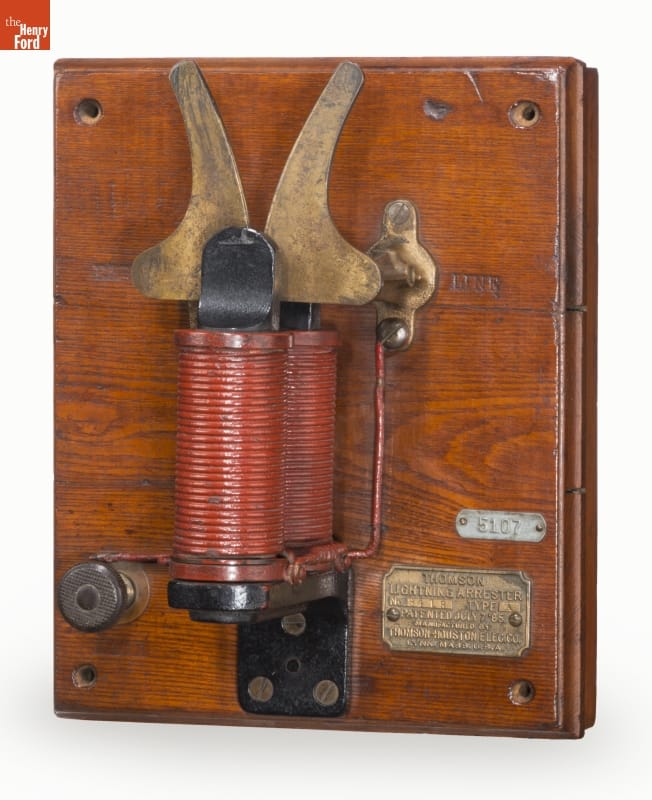
- Thomson-Houston Type A Lightning Arrester, 1885-1892 - In the late 1800s, companies began producing electricity to light cities, run streetcars, and power factories, homes and offices. A potential danger to this power system and its apparatus was lightning and other large discharges of electricity. A lightning arrester diverts the surges and protects valuable equipment from damage.
- 1885-1892
- Collections - Artifact
Thomson-Houston Type A Lightning Arrester, 1885-1892
In the late 1800s, companies began producing electricity to light cities, run streetcars, and power factories, homes and offices. A potential danger to this power system and its apparatus was lightning and other large discharges of electricity. A lightning arrester diverts the surges and protects valuable equipment from damage.
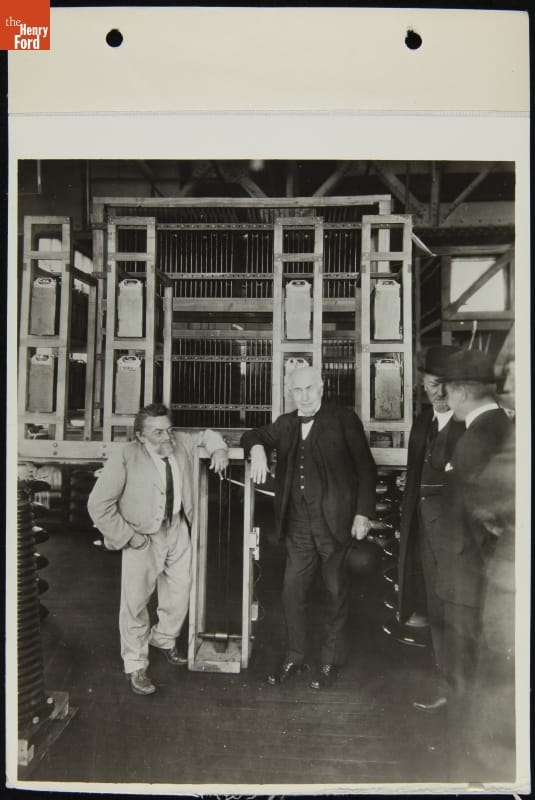
- Charles Steinmetz and Thomas Edison with Steinmetz's Lightning Generator, October 1922 - Charles Steinmetz's electrochemical and high-voltage research at General Electric attracted public attention. The press portrayed Steinmetz as a scientific "wizard" and sensationalized his technical work for popular audiences. During a highly publicized visit in 1922, Thomas Edison observed a lightning generator Steinmetz developed to test new electrical equipment. Newspapers hailed Steinmetz as a "modern Jove," creator of artificial lightning.
- October 01, 1922
- Collections - Artifact
Charles Steinmetz and Thomas Edison with Steinmetz's Lightning Generator, October 1922
Charles Steinmetz's electrochemical and high-voltage research at General Electric attracted public attention. The press portrayed Steinmetz as a scientific "wizard" and sensationalized his technical work for popular audiences. During a highly publicized visit in 1922, Thomas Edison observed a lightning generator Steinmetz developed to test new electrical equipment. Newspapers hailed Steinmetz as a "modern Jove," creator of artificial lightning.
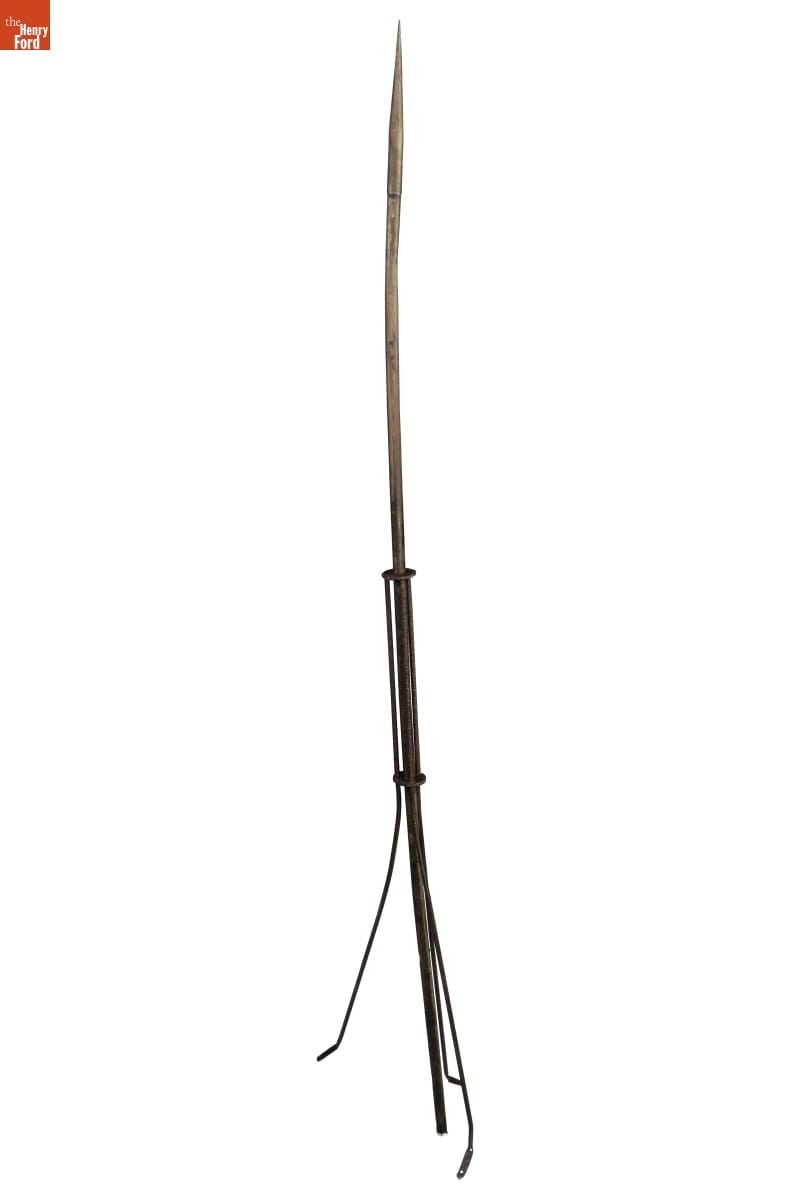
- Lightning Rod Stand, 1900-1920 - Lightning can destroy houses, barns, and other buildings--and their contents. In the early 1900s, building owners installed lighting rods made of conductive metals at the highest point of a building to manage the risk of lightning strikes. The rods--and connected cables that safely channeled the high-voltage energy to the ground--became the first line of defense in the event of a strike.
- 1900-1920
- Collections - Artifact
Lightning Rod Stand, 1900-1920
Lightning can destroy houses, barns, and other buildings--and their contents. In the early 1900s, building owners installed lighting rods made of conductive metals at the highest point of a building to manage the risk of lightning strikes. The rods--and connected cables that safely channeled the high-voltage energy to the ground--became the first line of defense in the event of a strike.
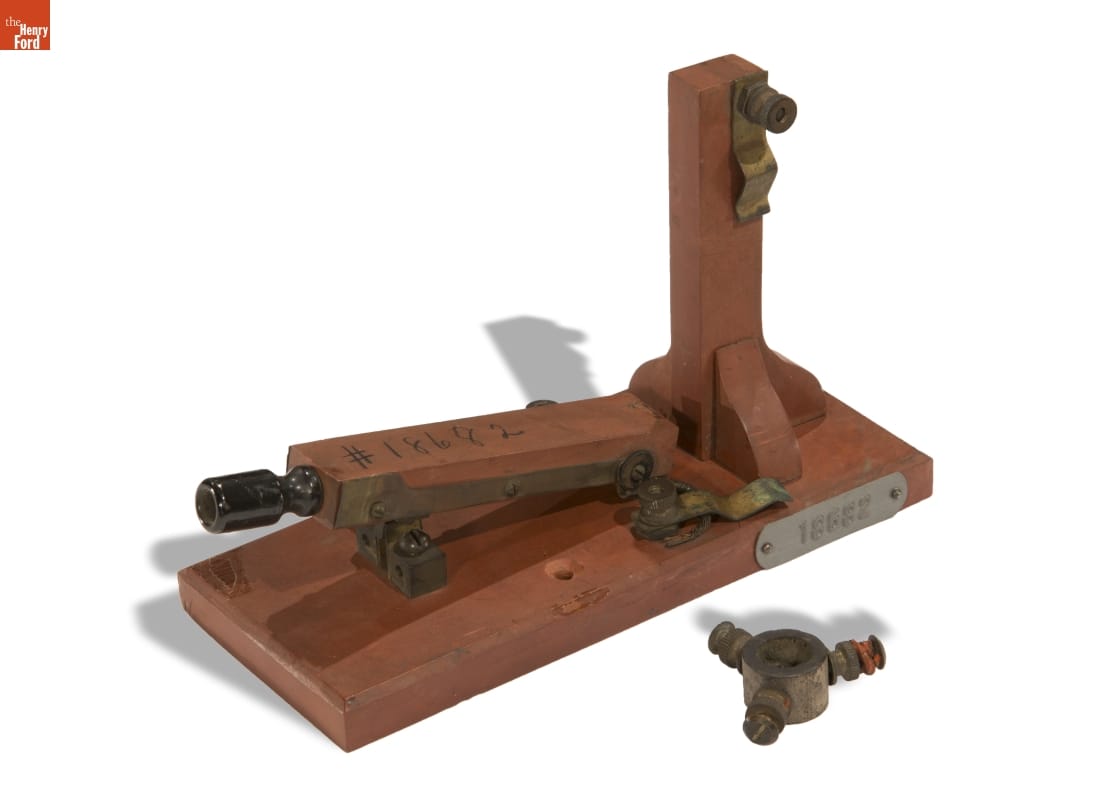
- Homemade Single-Throw Antenna Switch with Lightning Arrester, circa 1900 - An antenna switch allows a radio receiver or transmitter to be connected to more than one antenna. An anchor gap acts like a modern-day surge protector to protect equipment from electrical disturbances. This homemade switch with anchor gap was used in the laboratory of Amos E. Dolbear, a physicist and inventor in the fields of wireless and telephone communication.
- circa 1900
- Collections - Artifact
Homemade Single-Throw Antenna Switch with Lightning Arrester, circa 1900
An antenna switch allows a radio receiver or transmitter to be connected to more than one antenna. An anchor gap acts like a modern-day surge protector to protect equipment from electrical disturbances. This homemade switch with anchor gap was used in the laboratory of Amos E. Dolbear, a physicist and inventor in the fields of wireless and telephone communication.
- Roman Stripe Variation Quilt, circa 1890 -

- circa 1890
- Collections - Artifact
Roman Stripe Variation Quilt, circa 1890