
Search
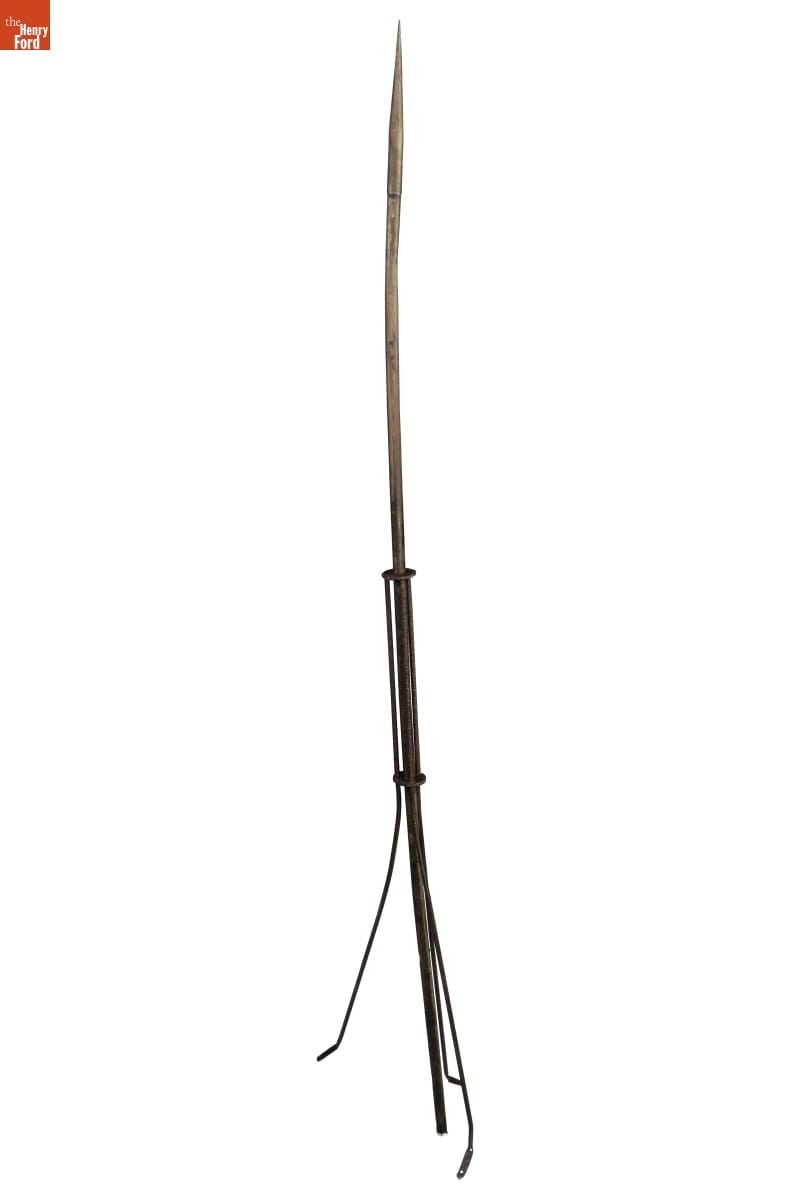
- Lightning Rod Stand, 1900-1920 - Lightning can destroy houses, barns, and other buildings--and their contents. In the early 1900s, building owners installed lighting rods made of conductive metals at the highest point of a building to manage the risk of lightning strikes. The rods--and connected cables that safely channeled the high-voltage energy to the ground--became the first line of defense in the event of a strike.
- 1900-1920
- Collections - Artifact
Lightning Rod Stand, 1900-1920
Lightning can destroy houses, barns, and other buildings--and their contents. In the early 1900s, building owners installed lighting rods made of conductive metals at the highest point of a building to manage the risk of lightning strikes. The rods--and connected cables that safely channeled the high-voltage energy to the ground--became the first line of defense in the event of a strike.
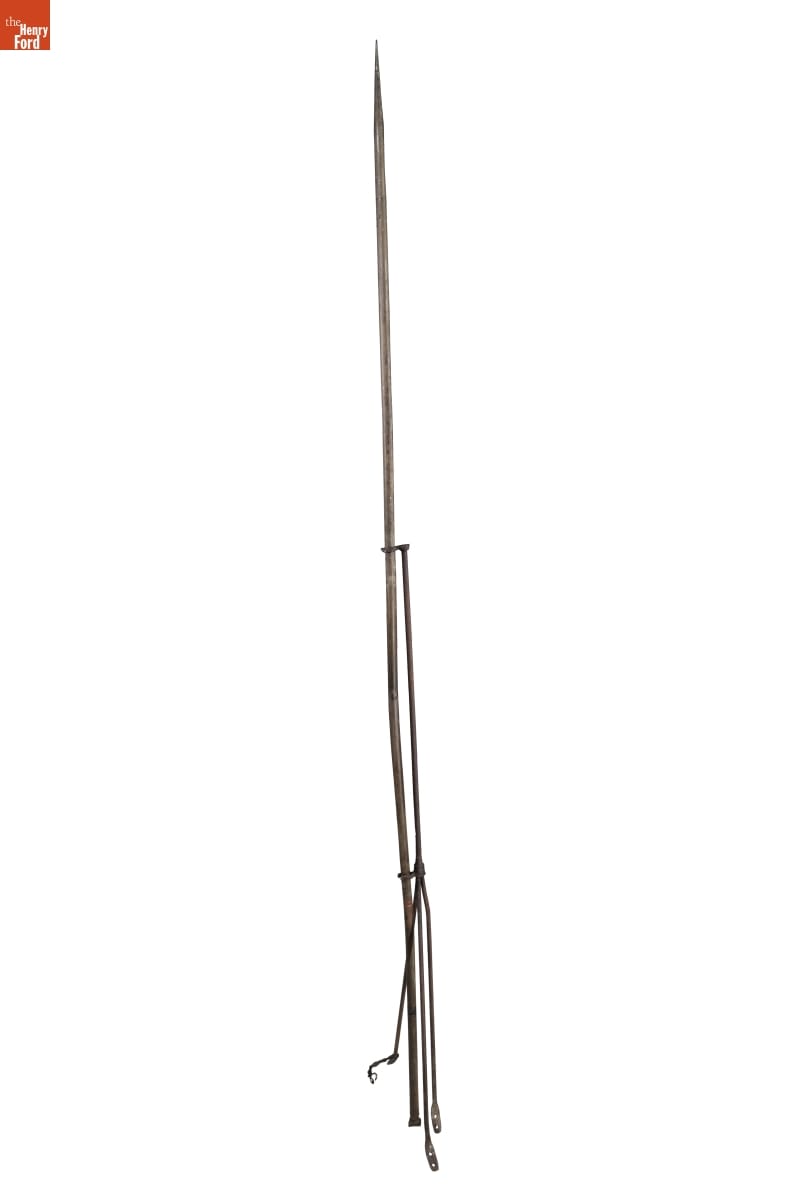
- Lightning Rod Stand, 1900-1920 - Lightning can destroy houses, barns, and other buildings--and their contents. In the early 1900s, building owners installed lighting rods made of conductive metals at the highest point of a building to manage the risk of lightning strikes. The rods--and connected cables that safely channeled the high-voltage energy to the ground--became the first line of defense in the event of a strike.
- 1900-1920
- Collections - Artifact
Lightning Rod Stand, 1900-1920
Lightning can destroy houses, barns, and other buildings--and their contents. In the early 1900s, building owners installed lighting rods made of conductive metals at the highest point of a building to manage the risk of lightning strikes. The rods--and connected cables that safely channeled the high-voltage energy to the ground--became the first line of defense in the event of a strike.
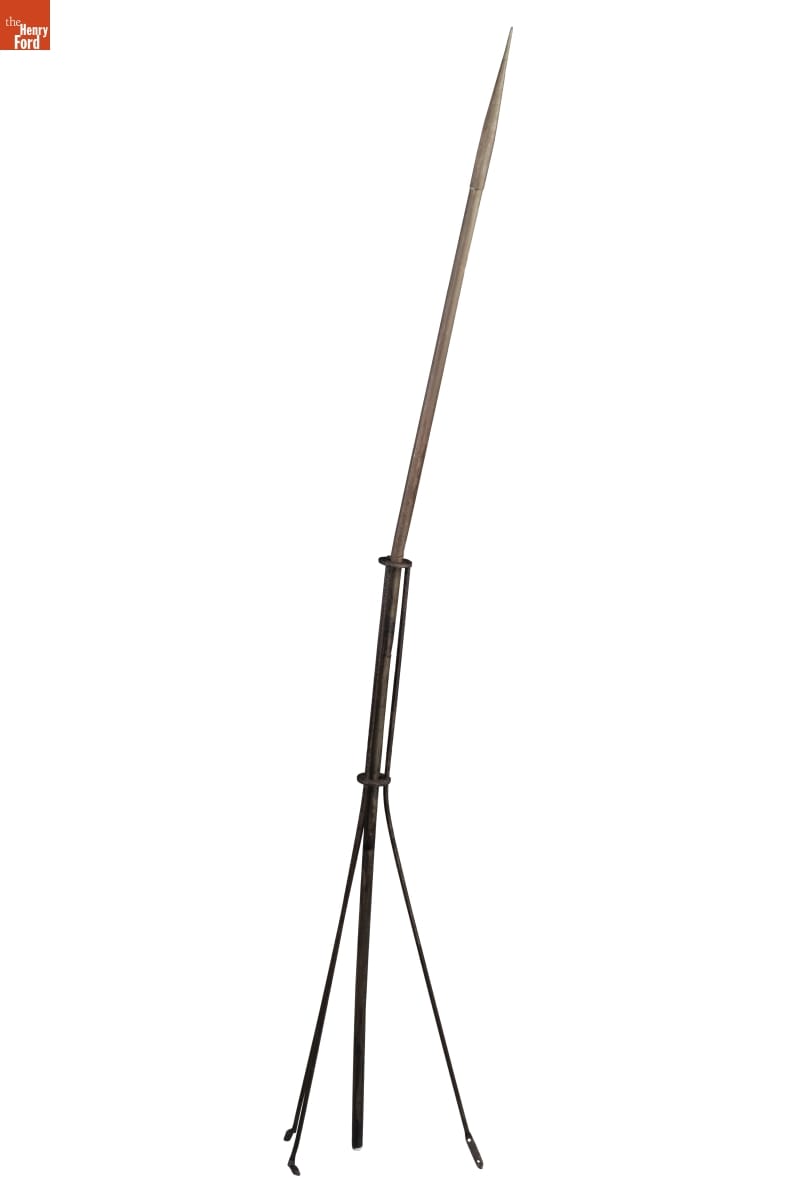
- Lightning Rod Stand, 1900-1920 - Lightning can destroy houses, barns, and other buildings--and their contents. In the early 1900s, building owners installed lighting rods made of conductive metals at the highest point of a building to manage the risk of lightning strikes. The rods--and connected cables that safely channeled the high-voltage energy to the ground--became the first line of defense in the event of a strike.
- 1900-1920
- Collections - Artifact
Lightning Rod Stand, 1900-1920
Lightning can destroy houses, barns, and other buildings--and their contents. In the early 1900s, building owners installed lighting rods made of conductive metals at the highest point of a building to manage the risk of lightning strikes. The rods--and connected cables that safely channeled the high-voltage energy to the ground--became the first line of defense in the event of a strike.
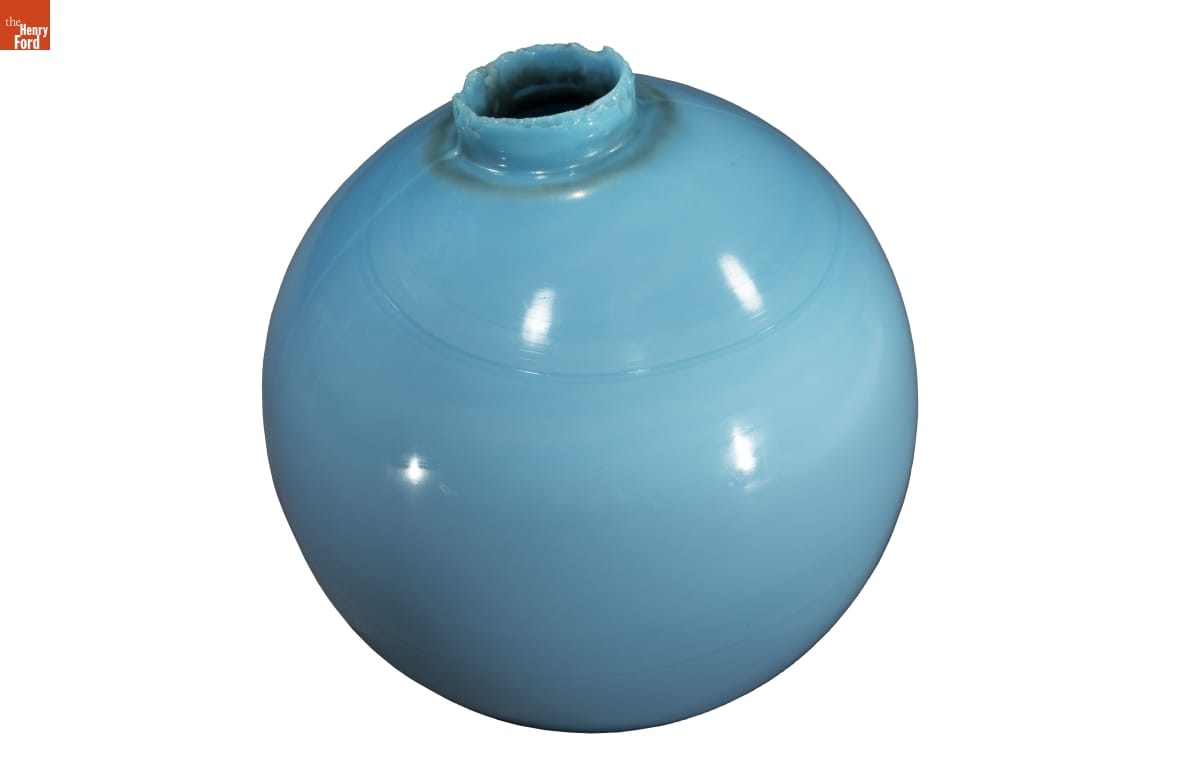
- Lightning Rod Bulb, 1900-1920 - Lightning can destroy houses, barns, and other buildings--and their contents. In the early 1900s, building owners installed lighting rods made of conductive metals at the highest point of a building to manage the risk of lightning strikes. A glass ball mounted on the rod would shatter when lighting struck, alerting the owner to inspect the lightning rod system before another storm.
- 1900-1920
- Collections - Artifact
Lightning Rod Bulb, 1900-1920
Lightning can destroy houses, barns, and other buildings--and their contents. In the early 1900s, building owners installed lighting rods made of conductive metals at the highest point of a building to manage the risk of lightning strikes. A glass ball mounted on the rod would shatter when lighting struck, alerting the owner to inspect the lightning rod system before another storm.
- Lightning Rod Bulb, 1900-1920 - Lightning can destroy houses, barns, and other buildings--and their contents. In the early 1900s, building owners installed lighting rods made of conductive metals at the highest point of a building to manage the risk of lightning strikes. A glass ball mounted on the rod would shatter when lighting struck, alerting the owner to inspect the lightning rod system before another storm.
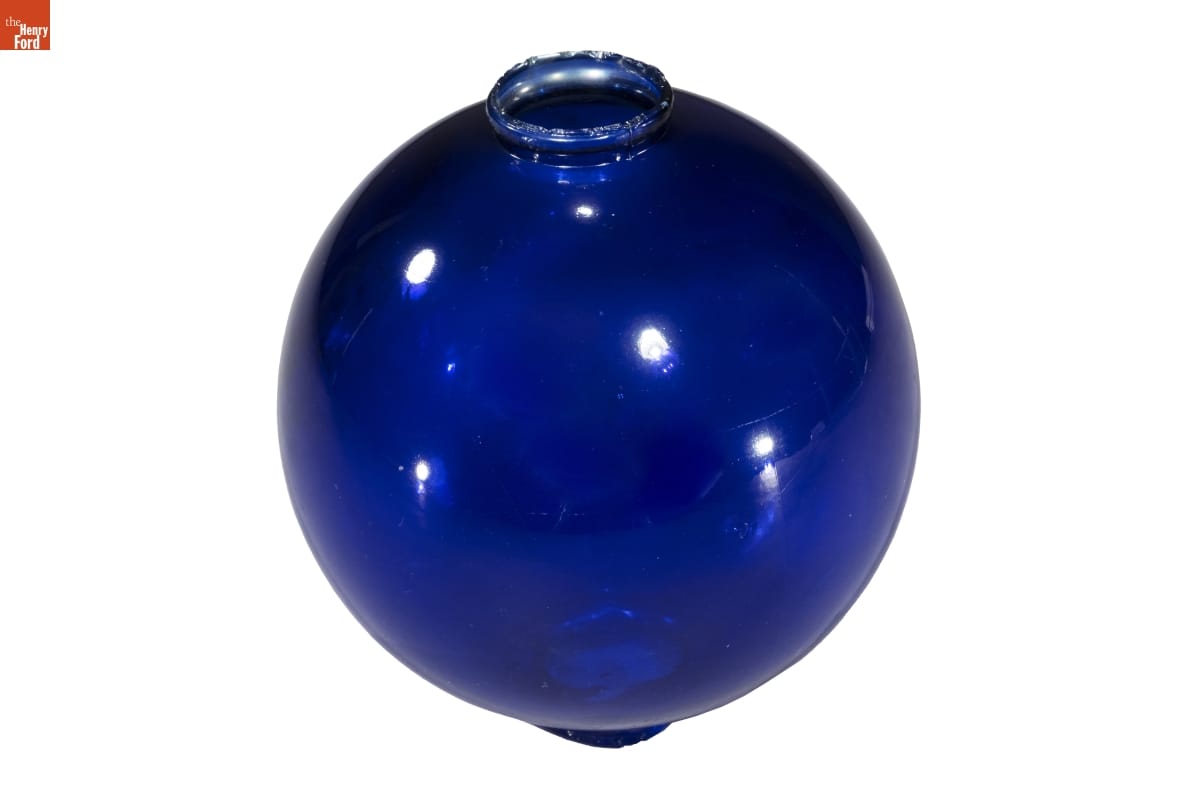
- 1900-1920
- Collections - Artifact
Lightning Rod Bulb, 1900-1920
Lightning can destroy houses, barns, and other buildings--and their contents. In the early 1900s, building owners installed lighting rods made of conductive metals at the highest point of a building to manage the risk of lightning strikes. A glass ball mounted on the rod would shatter when lighting struck, alerting the owner to inspect the lightning rod system before another storm.