
Search
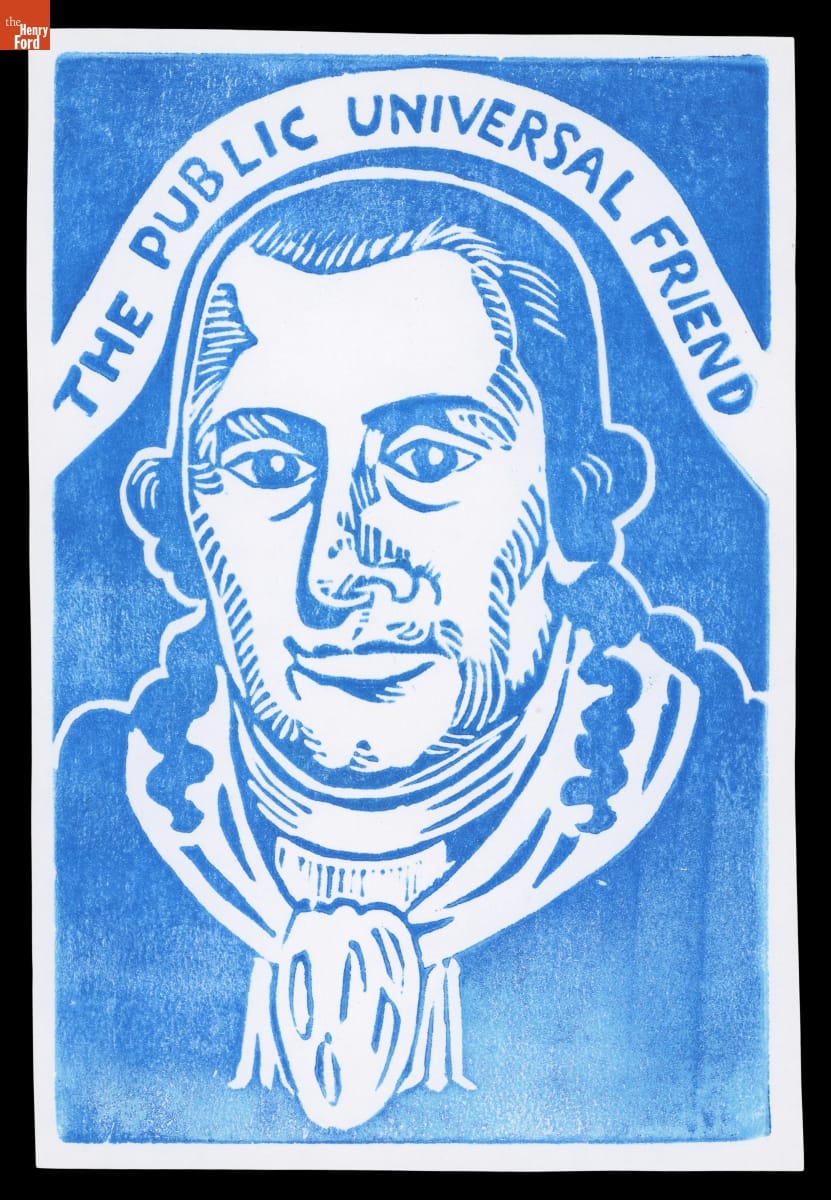
- "The Public Universal Friend," Linocut, circa 2020 - Public Universal Friend (1752-1819) defied societal expectations as a genderless Quaker minister. Although assigned female at birth, the Friend assumed their new identity following a 1776 religious epiphany and began preaching across the northeast United States. In 2019, 200 years after the Friend’s death, their life story was spread across social media, and they became emblematic of early American LBGTQIA+ history.
- circa 2020
- Collections - Artifact
"The Public Universal Friend," Linocut, circa 2020
Public Universal Friend (1752-1819) defied societal expectations as a genderless Quaker minister. Although assigned female at birth, the Friend assumed their new identity following a 1776 religious epiphany and began preaching across the northeast United States. In 2019, 200 years after the Friend’s death, their life story was spread across social media, and they became emblematic of early American LBGTQIA+ history.
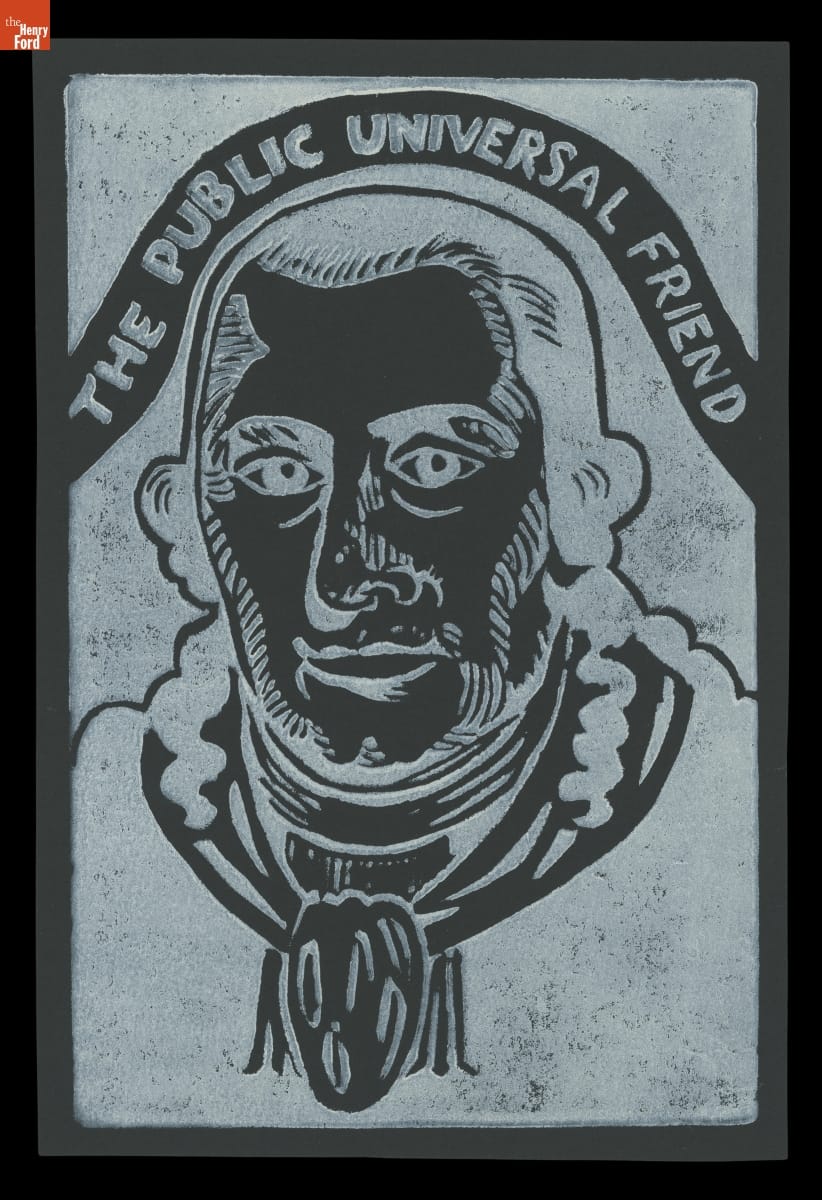
- "The Public Universal Friend," Linocut, circa 2020 - Public Universal Friend (1752-1819) defied societal expectations as a genderless Quaker minister. Although assigned female at birth, the Friend assumed their new identity following a 1776 religious epiphany and began preaching across the northeast United States. In 2019, 200 years after the Friend’s death, their life story was spread across social media, and they became emblematic of early American LBGTQIA+ history.
- circa 2020
- Collections - Artifact
"The Public Universal Friend," Linocut, circa 2020
Public Universal Friend (1752-1819) defied societal expectations as a genderless Quaker minister. Although assigned female at birth, the Friend assumed their new identity following a 1776 religious epiphany and began preaching across the northeast United States. In 2019, 200 years after the Friend’s death, their life story was spread across social media, and they became emblematic of early American LBGTQIA+ history.
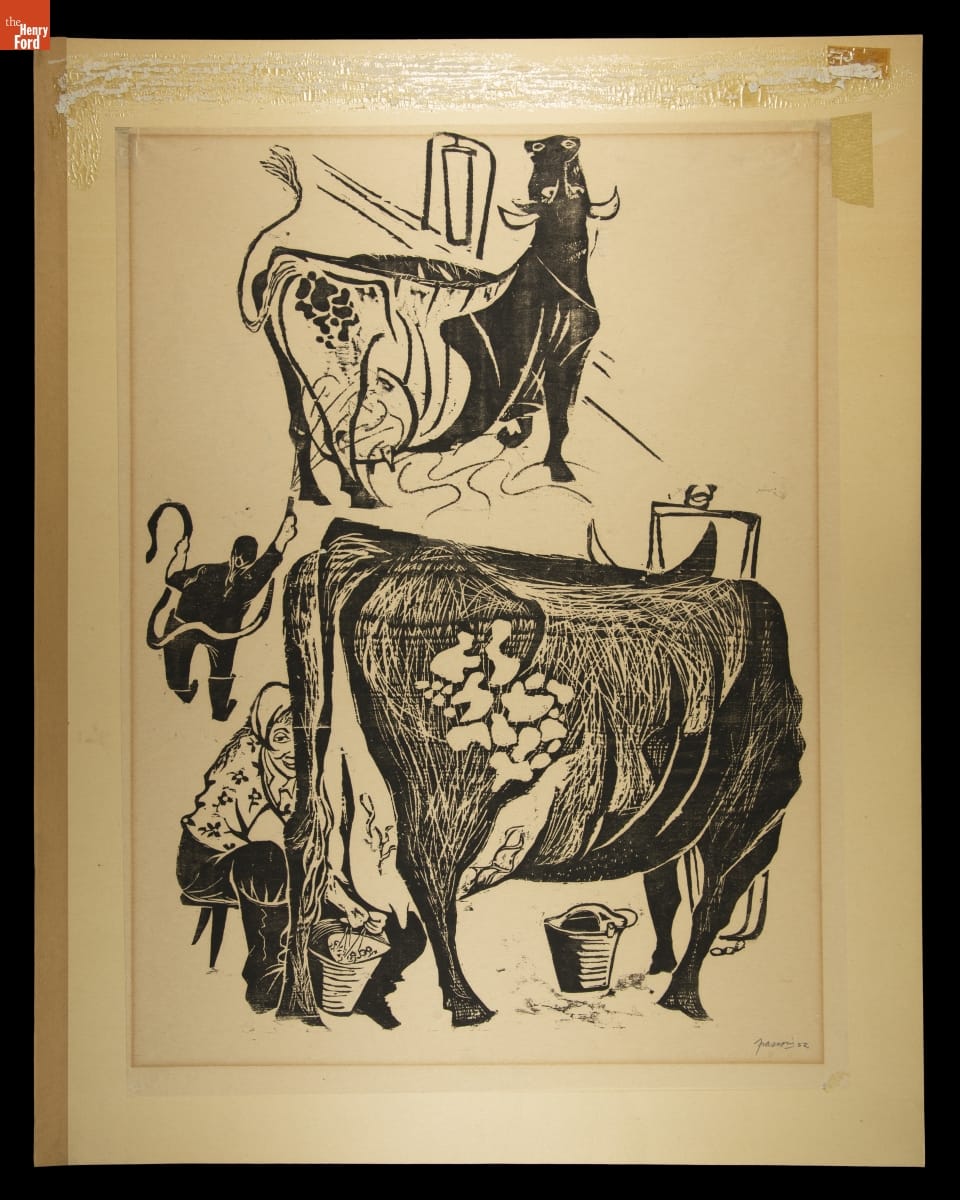
- Linocut, "Milking the Cow," 1952 -
- 1952
- Collections - Artifact
Linocut, "Milking the Cow," 1952
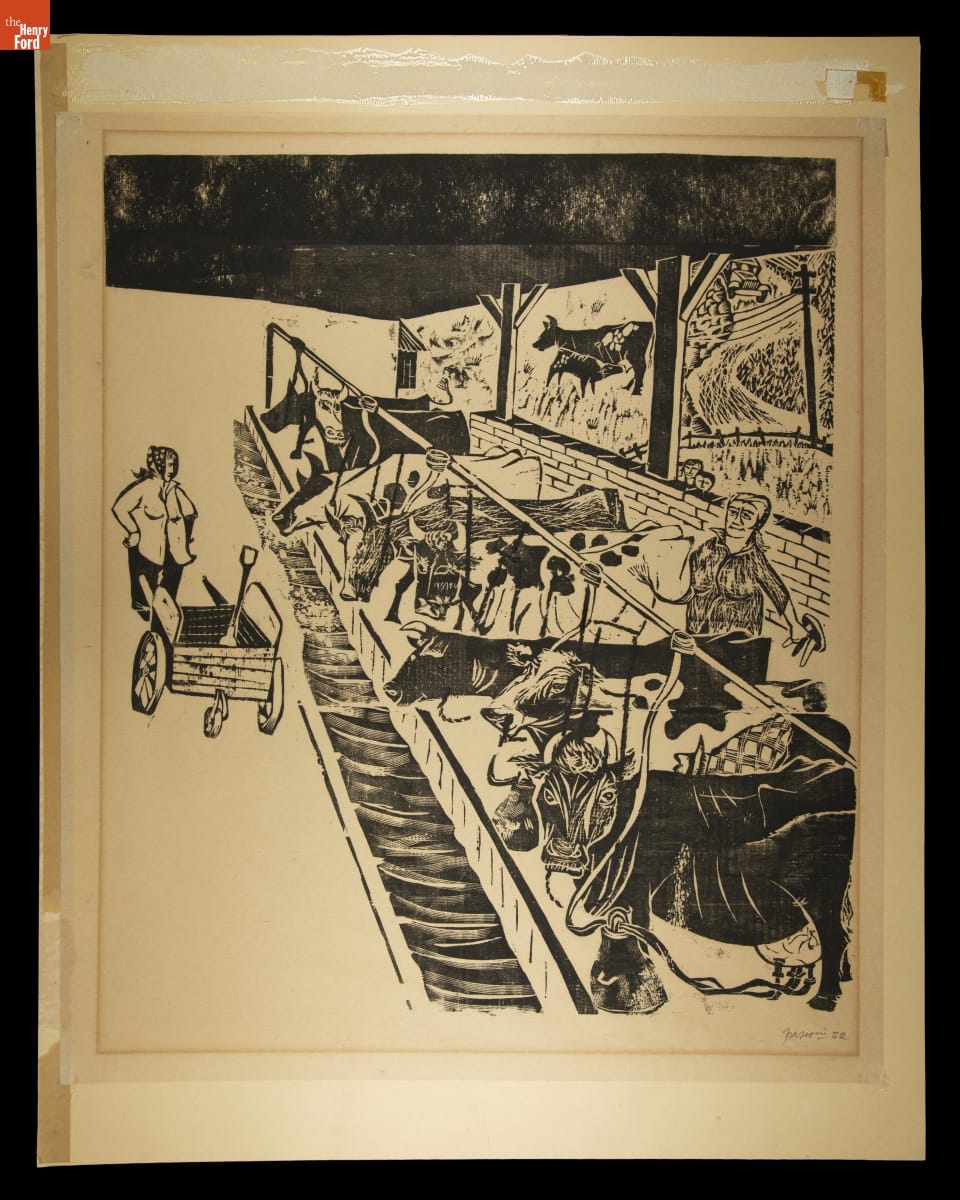
- Linocut, "Woman Milking Cows," 1952 -
- 1952
- Collections - Artifact
Linocut, "Woman Milking Cows," 1952
- Linocut, "Cows Eating," 1952 -
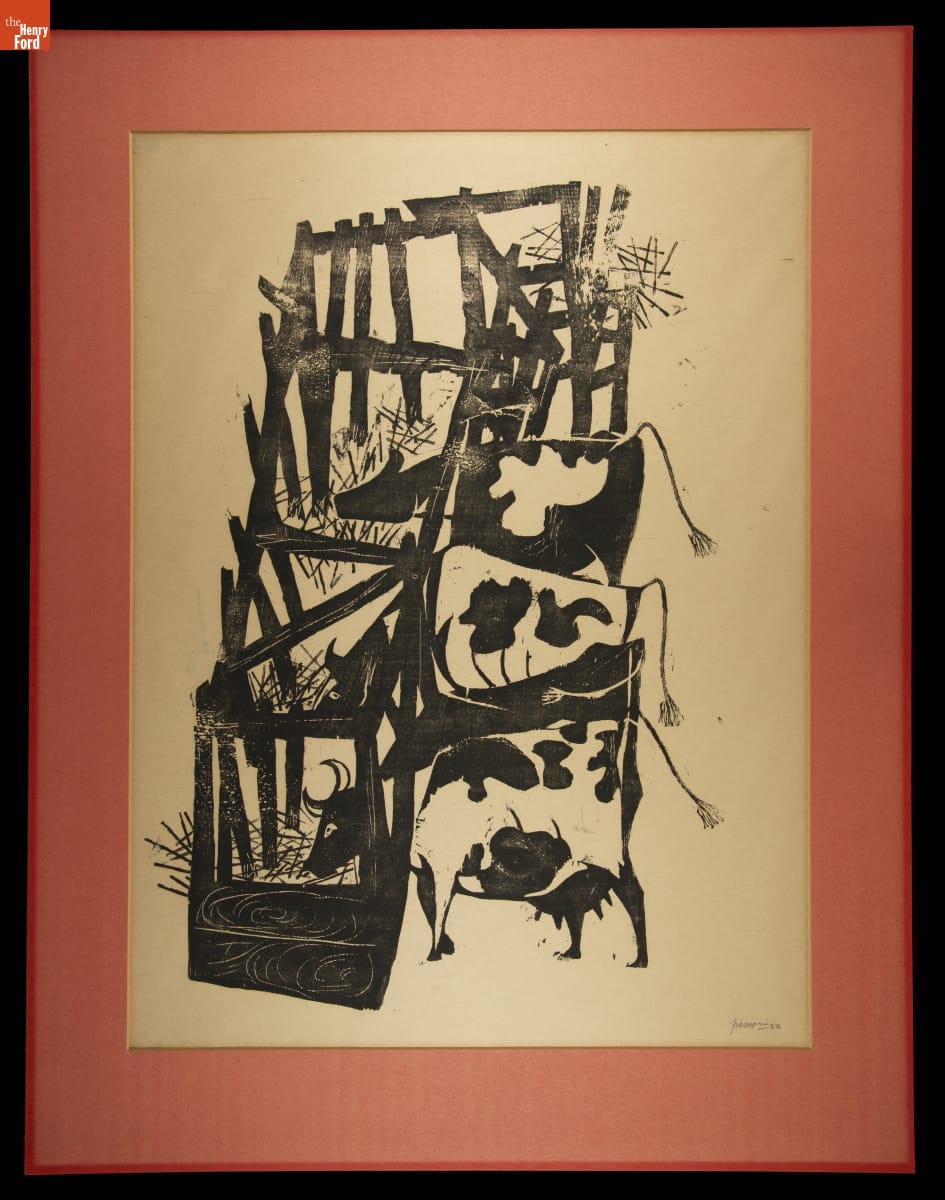
- 1952
- Collections - Artifact
Linocut, "Cows Eating," 1952
- "The Public Universal Friend," Linocut, circa 2020 - Public Universal Friend (1752-1819) defied societal expectations as a genderless Quaker minister. Although assigned female at birth, the Friend assumed their new identity following a 1776 religious epiphany and began preaching across the northeast United States. In 2019, 200 years after the Friend’s death, their life story was spread across social media, and they became emblematic of early American LBGTQIA+ history.
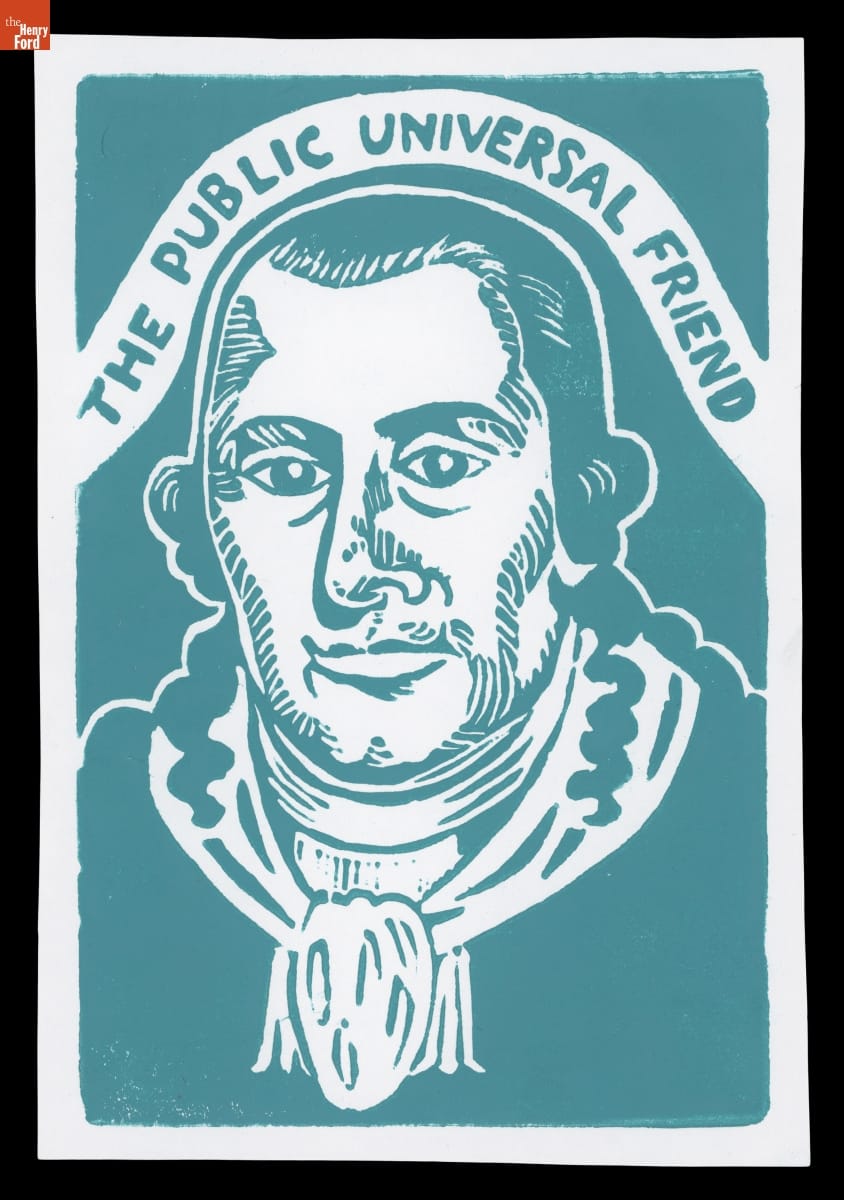
- circa 2020
- Collections - Artifact
"The Public Universal Friend," Linocut, circa 2020
Public Universal Friend (1752-1819) defied societal expectations as a genderless Quaker minister. Although assigned female at birth, the Friend assumed their new identity following a 1776 religious epiphany and began preaching across the northeast United States. In 2019, 200 years after the Friend’s death, their life story was spread across social media, and they became emblematic of early American LBGTQIA+ history.
- "The Public Universal Friend," Linocut, circa 2020 - Public Universal Friend (1752-1819) defied societal expectations as a genderless Quaker minister. Although assigned female at birth, the Friend assumed their new identity following a 1776 religious epiphany and began preaching across the northeast United States. In 2019, 200 years after the Friend’s death, their life story was spread across social media, and they became emblematic of early American LBGTQIA+ history.
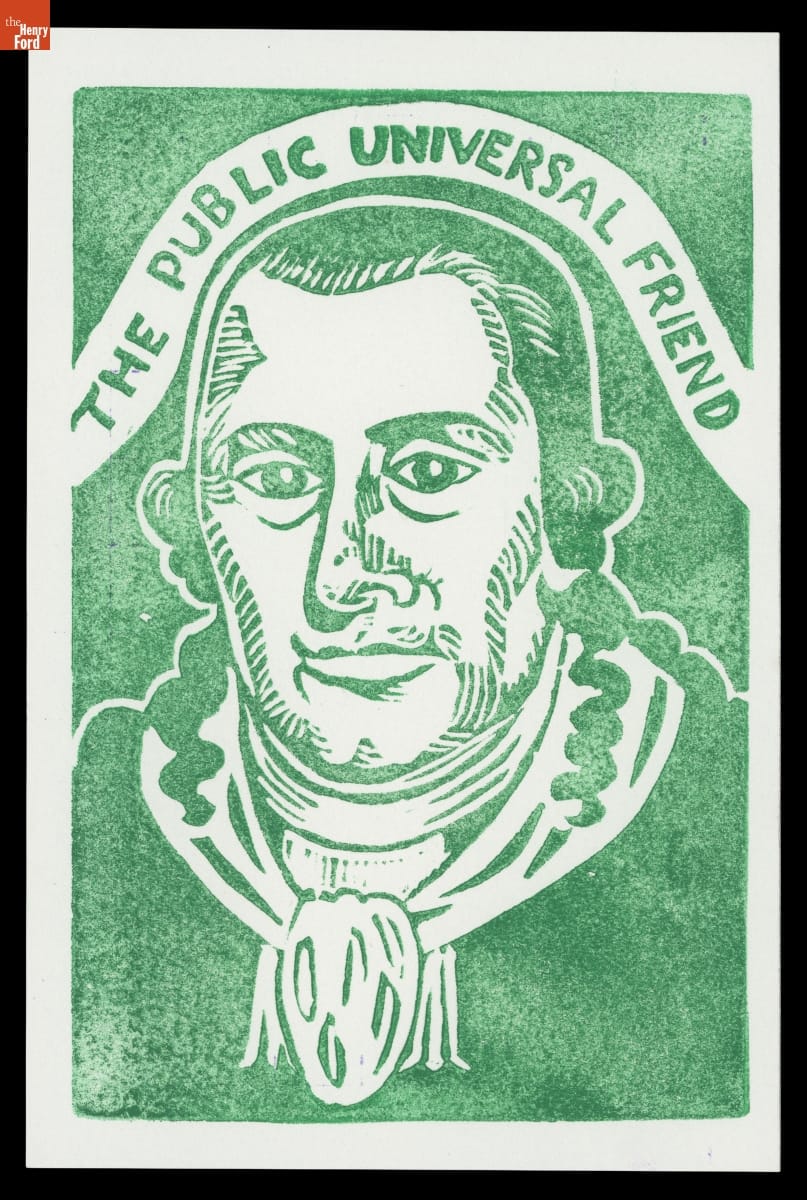
- circa 2020
- Collections - Artifact
"The Public Universal Friend," Linocut, circa 2020
Public Universal Friend (1752-1819) defied societal expectations as a genderless Quaker minister. Although assigned female at birth, the Friend assumed their new identity following a 1776 religious epiphany and began preaching across the northeast United States. In 2019, 200 years after the Friend’s death, their life story was spread across social media, and they became emblematic of early American LBGTQIA+ history.