
Search
- Collier's, Volume XL, January 4-June 27, 1908 -
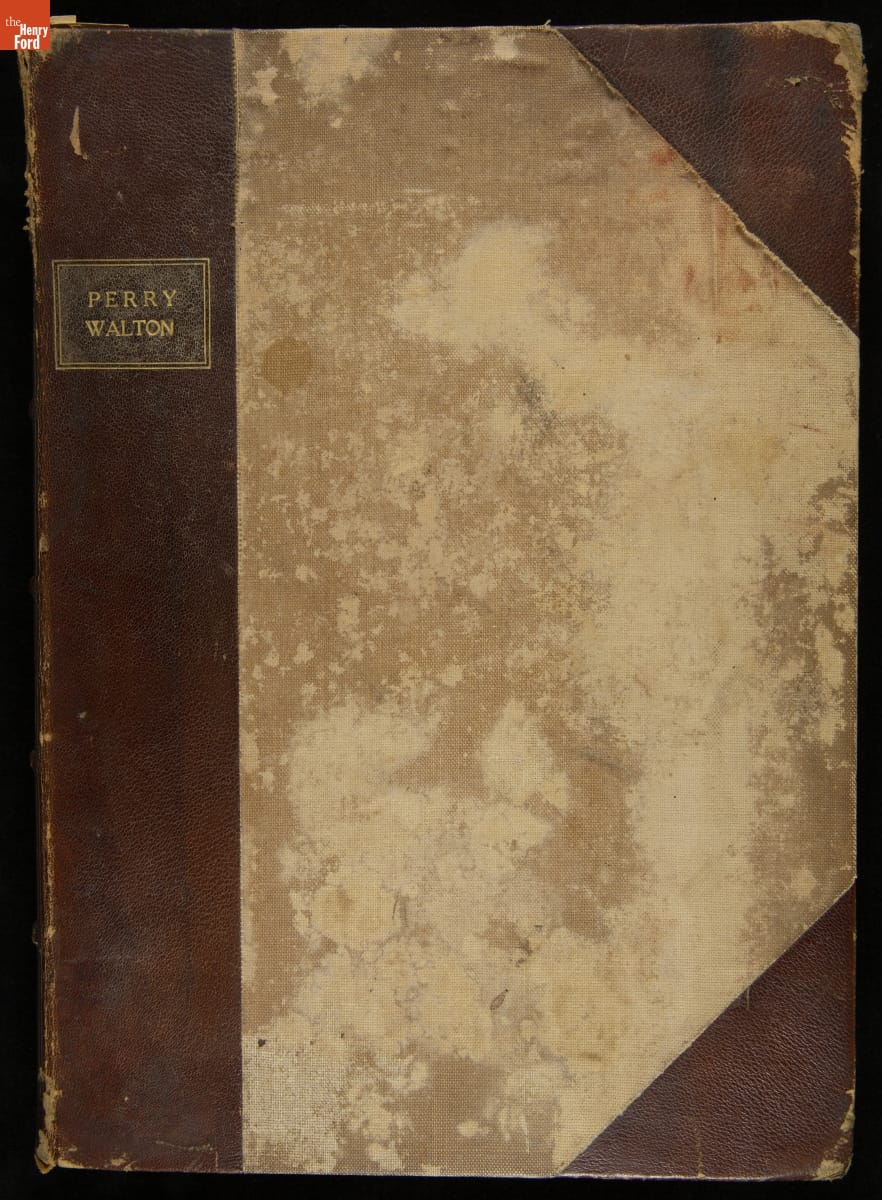
- 04 January 1908-27 June 1908
- Collections - Artifact
Collier's, Volume XL, January 4-June 27, 1908
- Anthology of Writings by John Burroughs Students in Buffalo Grove, Illinois, 1857, "The Snowdrops" - Before John Burroughs (1837-1921) became an internationally known naturalist and writer he earned a living as a teacher. Burroughs began teaching in 1854 at a small district school in New York not far from where he grew up. In late 1856 Burroughs moved to Buffalo Grove, Illinois. He stayed until the spring of 1857. This book of essays and poetry was prepared for him by his students.
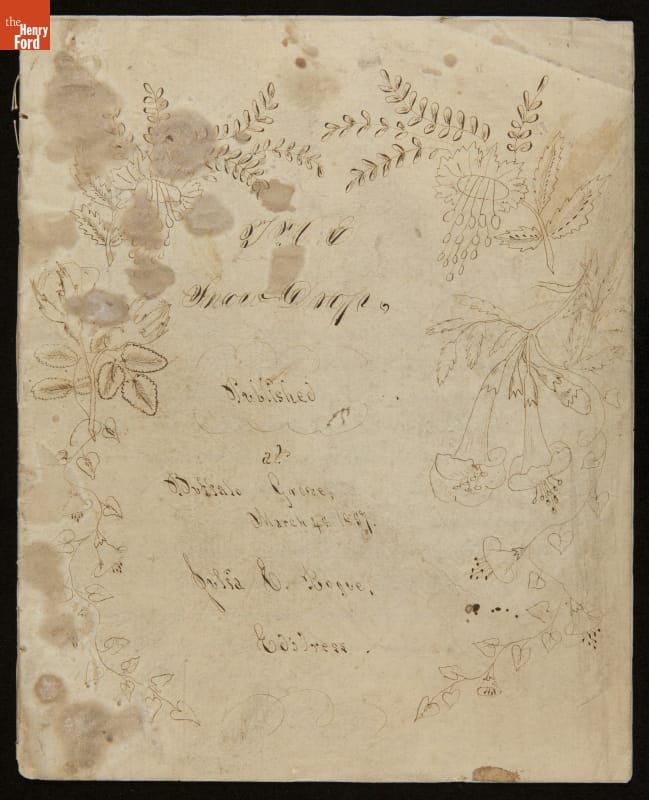
- March 04, 1857
- Collections - Artifact
Anthology of Writings by John Burroughs Students in Buffalo Grove, Illinois, 1857, "The Snowdrops"
Before John Burroughs (1837-1921) became an internationally known naturalist and writer he earned a living as a teacher. Burroughs began teaching in 1854 at a small district school in New York not far from where he grew up. In late 1856 Burroughs moved to Buffalo Grove, Illinois. He stayed until the spring of 1857. This book of essays and poetry was prepared for him by his students.
- Encylopedia Britannica: Or a Dictionary of Arts, Sciences, and Miscellaneous Literature, Volume 5, 1797 -
- 1797
- Collections - Artifact
Encylopedia Britannica: Or a Dictionary of Arts, Sciences, and Miscellaneous Literature, Volume 5, 1797
- Lantern Slide, "Robinson Crusoe, He Starts on his Journey," 1894 - Magic lanterns use a concave mirror and light source to project images on glass slides with painted or photographic scenes. Developed in the 17th century, magic lanterns predate slide projectors and motion pictures. In the hands of magicians, they became "lanterns of fright," projecting wondrous images and apparitions. Slide themes ranged widely: exotic travel, folklore, advertising, history, science, and art.
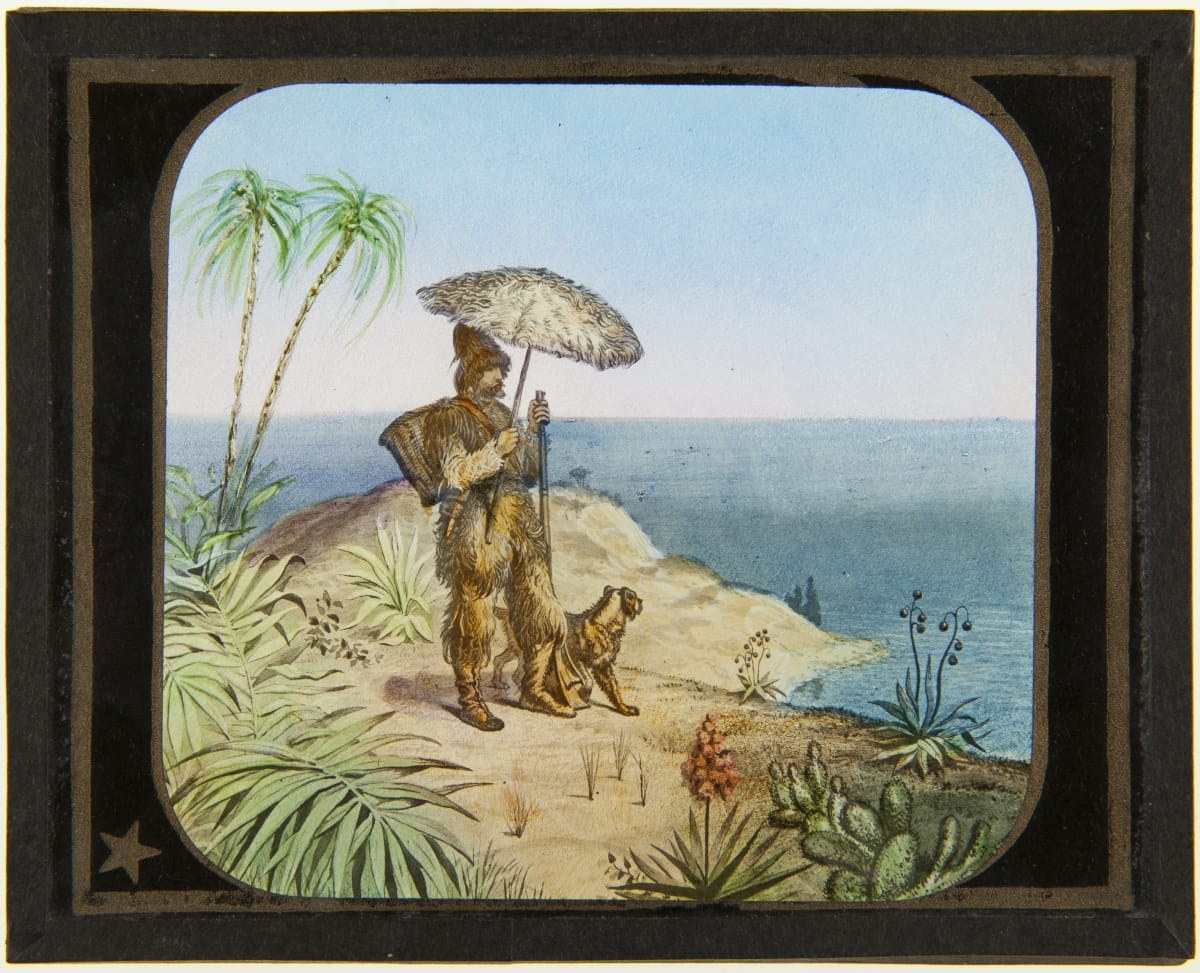
- circa 1720
- Collections - Artifact
Lantern Slide, "Robinson Crusoe, He Starts on his Journey," 1894
Magic lanterns use a concave mirror and light source to project images on glass slides with painted or photographic scenes. Developed in the 17th century, magic lanterns predate slide projectors and motion pictures. In the hands of magicians, they became "lanterns of fright," projecting wondrous images and apparitions. Slide themes ranged widely: exotic travel, folklore, advertising, history, science, and art.
- Lantern Slide, Maud Muller Series, "Alas for the Maiden, Alas for the Judge, for Rich Repiner and Household Drudge," 1894 - Joseph Boggs Beale (1841-1926) created artwork that was reproduced to make magic lantern slides like this one. His illustrations were photographed onto glass then hand colored. Beale was prolific, producing more than 2000 images used in over 250 different lantern slide sets. This slide was one of six created to illustrate John Greenleaf Whittier's poem "Maud Muller."
- 1894
- Collections - Artifact
Lantern Slide, Maud Muller Series, "Alas for the Maiden, Alas for the Judge, for Rich Repiner and Household Drudge," 1894
Joseph Boggs Beale (1841-1926) created artwork that was reproduced to make magic lantern slides like this one. His illustrations were photographed onto glass then hand colored. Beale was prolific, producing more than 2000 images used in over 250 different lantern slide sets. This slide was one of six created to illustrate John Greenleaf Whittier's poem "Maud Muller."
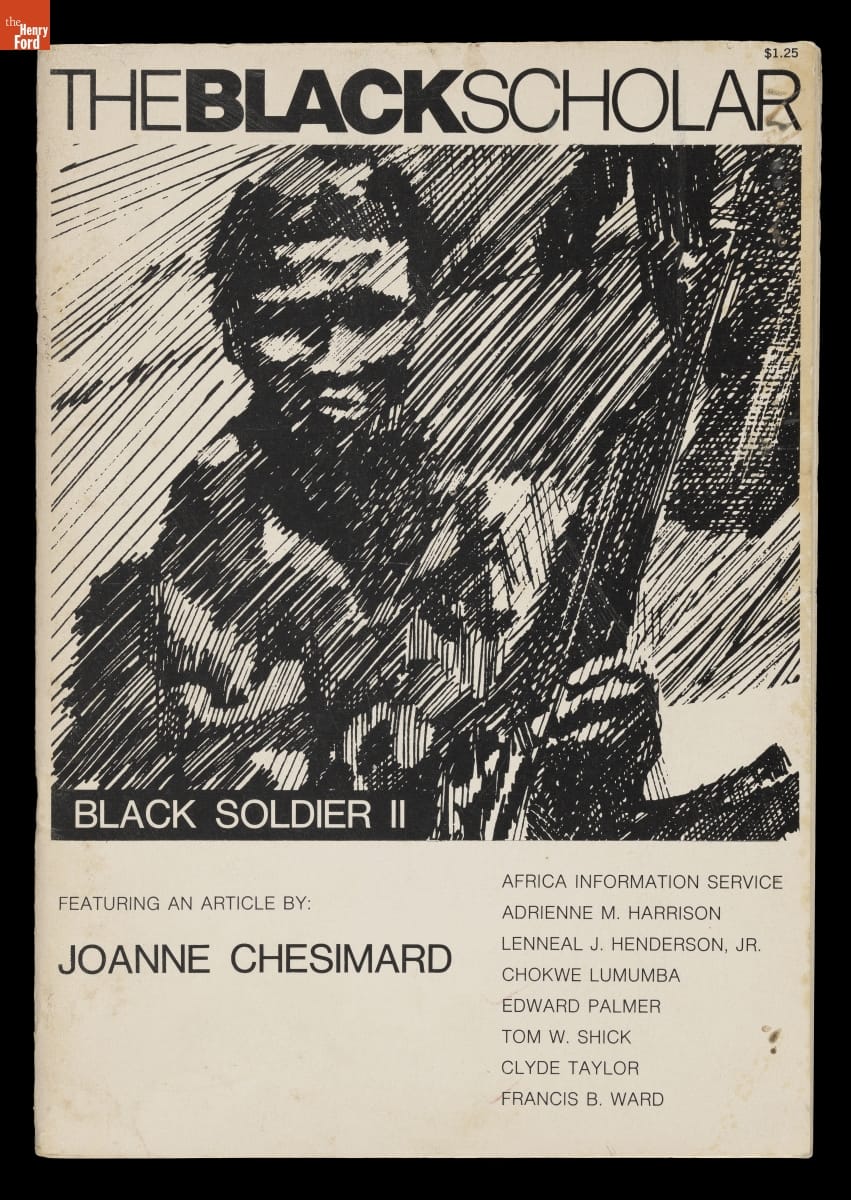
- "The Black Scholar," October 1973 Issue, "Black Soldier II" - In 1969, in the wake of a growing interest in Black American history and culture, Robert Christman and Nathan Hare -- former professors from San Francisco State College -- started <i>The Black Scholar</i>. It was the first scholastic journal that focused on Black, Africana, and Diaspora studies. <i>The Black Scholar</i> has published papers and other works by famous academics, political thinkers, and authors.
- October 01, 1973
- Collections - Artifact
"The Black Scholar," October 1973 Issue, "Black Soldier II"
In 1969, in the wake of a growing interest in Black American history and culture, Robert Christman and Nathan Hare -- former professors from San Francisco State College -- started The Black Scholar. It was the first scholastic journal that focused on Black, Africana, and Diaspora studies. The Black Scholar has published papers and other works by famous academics, political thinkers, and authors.
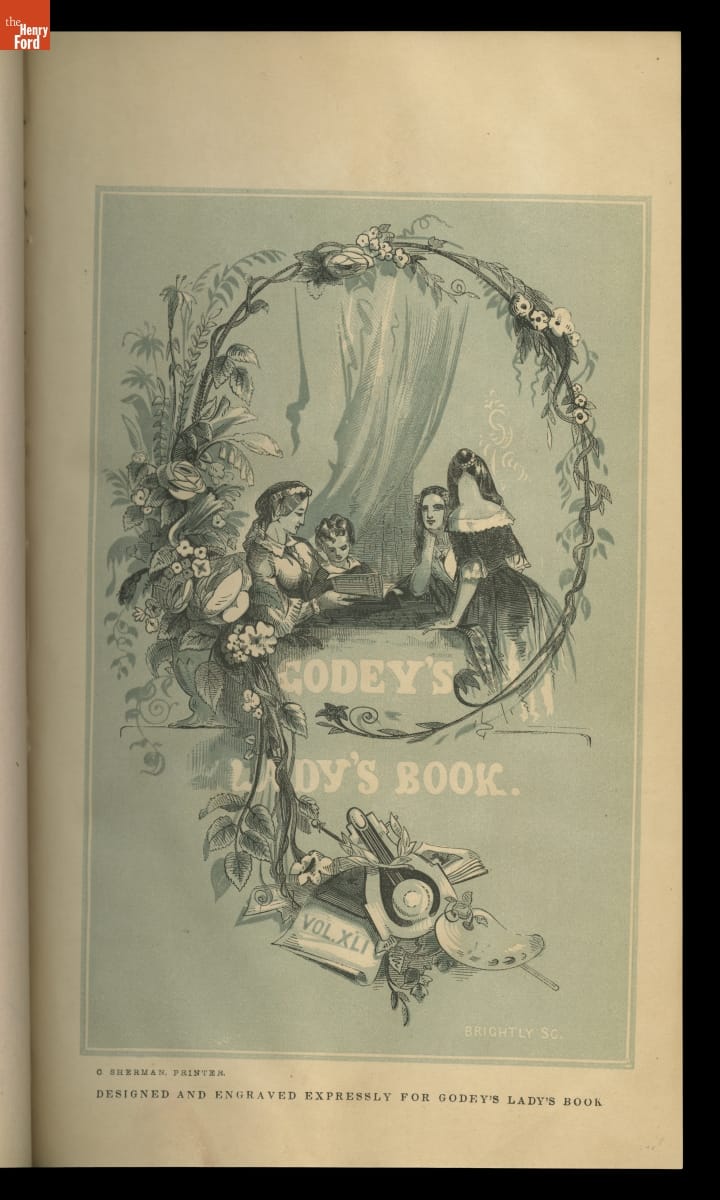
- Godey's Lady's Book, Volume 40-41, 1850 - <body><i>Godey's Lady's Book</i>, later <i>Godey's Magazine</i>, was an American women's magazine published from 1830 to 1896. It featured colored fashion plates, sewing patterns, sheet music, and works by notable authors. Sarah Hale, editor from 1837 to 1877, used the magazine to advance women's causes, particularly in the realm of education. The popularity of<i> Godey's</i> made it an arbiter of American culture. </body>
- January 1850-December 1850
- Collections - Artifact
Godey's Lady's Book, Volume 40-41, 1850
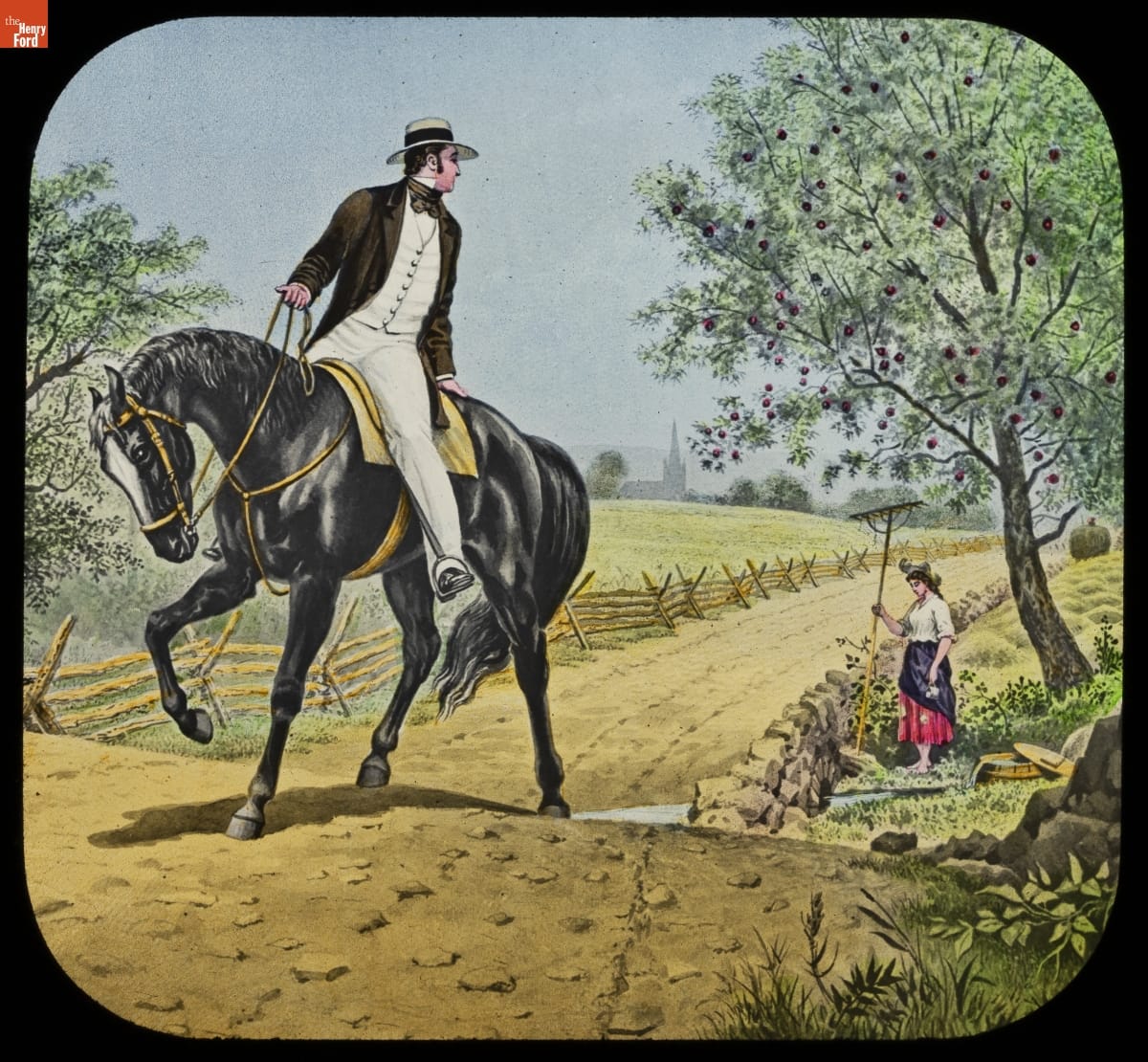
Godey's Lady's Book, later Godey's Magazine, was an American women's magazine published from 1830 to 1896. It featured colored fashion plates, sewing patterns, sheet music, and works by notable authors. Sarah Hale, editor from 1837 to 1877, used the magazine to advance women's causes, particularly in the realm of education. The popularity of Godey's made it an arbiter of American culture. - Lantern Slide, Maud Muller Series, "The Judge Looked Back as He Climbed the Hill, and Saw Maud Muller Standing Still," 1894 - Joseph Boggs Beale (1841-1926) created artwork that was reproduced to make magic lantern slides like this one. His illustrations were photographed onto glass then hand colored. Beale was prolific, producing more than 2000 images used in over 250 different lantern slide sets. This slide was one of six created to illustrate John Greenleaf Whittier's poem "Maud Muller."
- 1894
- Collections - Artifact
Lantern Slide, Maud Muller Series, "The Judge Looked Back as He Climbed the Hill, and Saw Maud Muller Standing Still," 1894
Joseph Boggs Beale (1841-1926) created artwork that was reproduced to make magic lantern slides like this one. His illustrations were photographed onto glass then hand colored. Beale was prolific, producing more than 2000 images used in over 250 different lantern slide sets. This slide was one of six created to illustrate John Greenleaf Whittier's poem "Maud Muller."
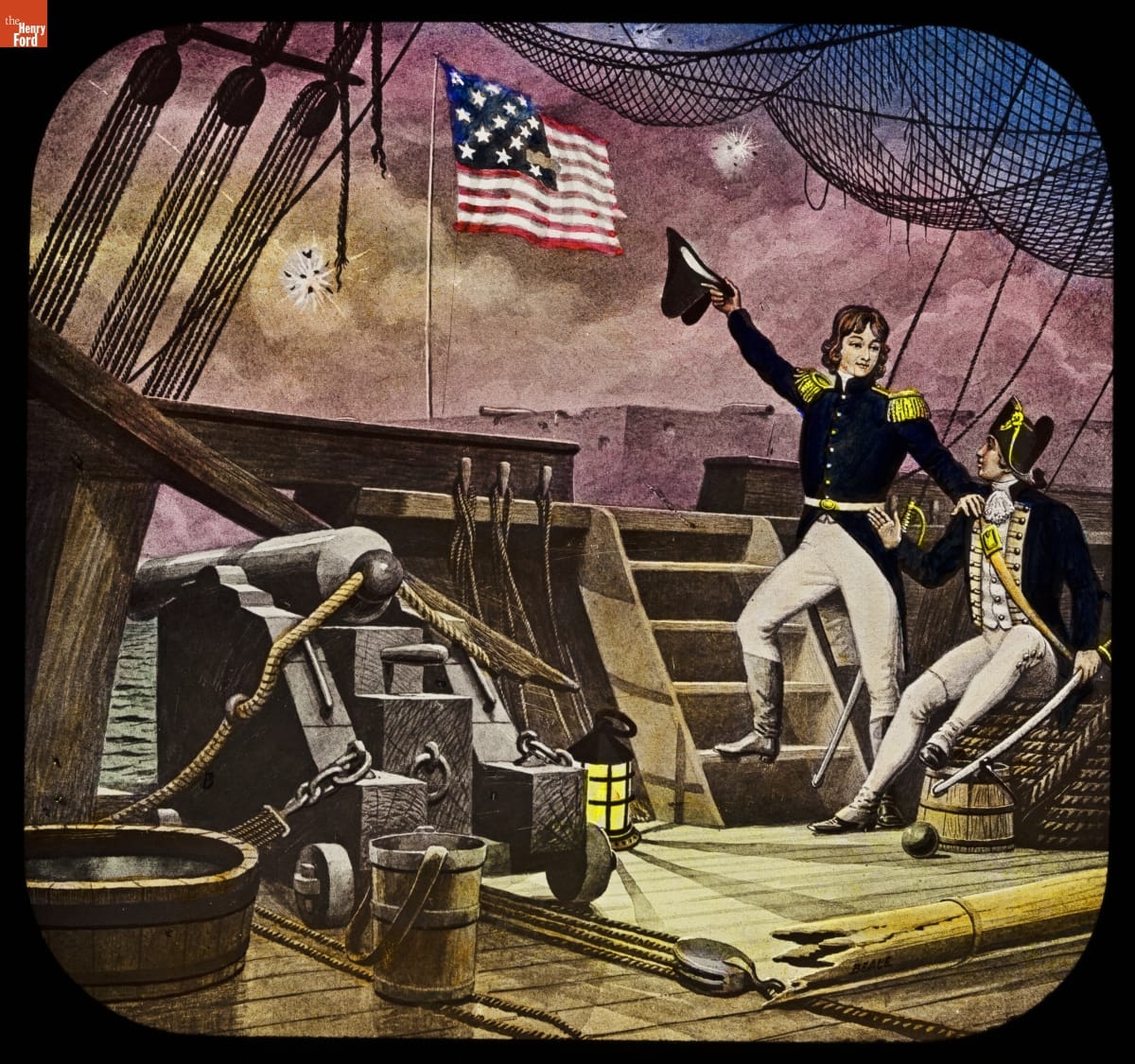
- Lantern Slide, Star-Spangled Banner Series, "Oh, Say Can You See by the Dawn's Early Light," 1896-1897 - Joseph Boggs Beale (1841-1926) created artwork that was reproduced to make magic lantern slides like this one. His illustrations were photographed onto glass then hand colored. Beale was prolific, producing more than 2000 images used in over 250 different lantern slide sets. This slide was one of six created to illustrate Francis Scott Key's poem "The Star-Spangled Banner."
- 1896-1897
- Collections - Artifact
Lantern Slide, Star-Spangled Banner Series, "Oh, Say Can You See by the Dawn's Early Light," 1896-1897
Joseph Boggs Beale (1841-1926) created artwork that was reproduced to make magic lantern slides like this one. His illustrations were photographed onto glass then hand colored. Beale was prolific, producing more than 2000 images used in over 250 different lantern slide sets. This slide was one of six created to illustrate Francis Scott Key's poem "The Star-Spangled Banner."
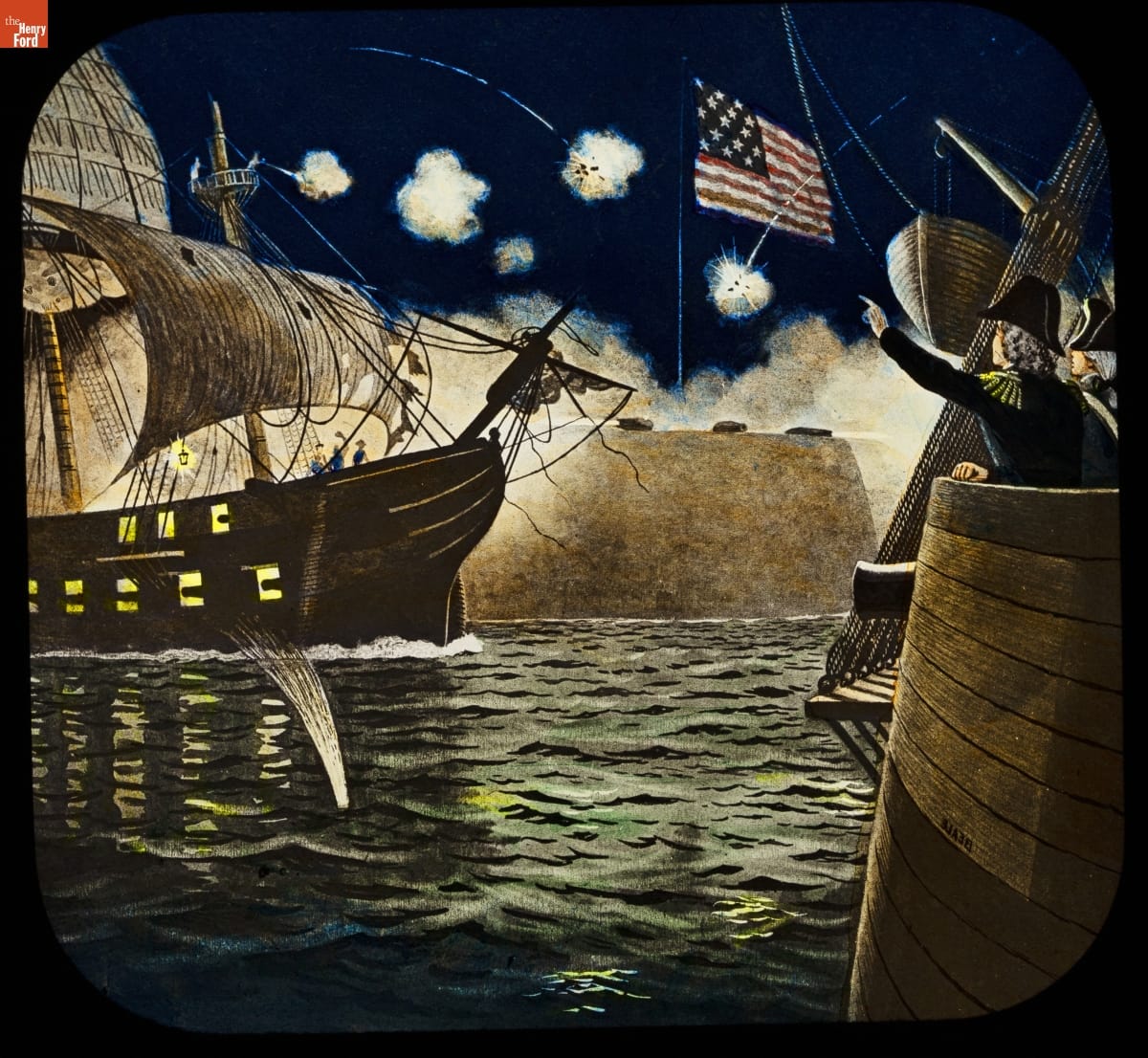
- Lantern Slide, Star-Spangled Banner Series, "And the Rockets' Red Glare, the Bombs Bursting in Air," 1896-1897 - Joseph Boggs Beale (1841-1926) created artwork that was reproduced to make magic lantern slides like this one. His illustrations were photographed onto glass then hand colored. Beale was prolific, producing more than 2000 images used in over 250 different lantern slide sets. This slide was one of six created to illustrate Francis Scott Key's poem "The Star-Spangled Banner."
- 1896-1897
- Collections - Artifact
Lantern Slide, Star-Spangled Banner Series, "And the Rockets' Red Glare, the Bombs Bursting in Air," 1896-1897
Joseph Boggs Beale (1841-1926) created artwork that was reproduced to make magic lantern slides like this one. His illustrations were photographed onto glass then hand colored. Beale was prolific, producing more than 2000 images used in over 250 different lantern slide sets. This slide was one of six created to illustrate Francis Scott Key's poem "The Star-Spangled Banner."