
Search
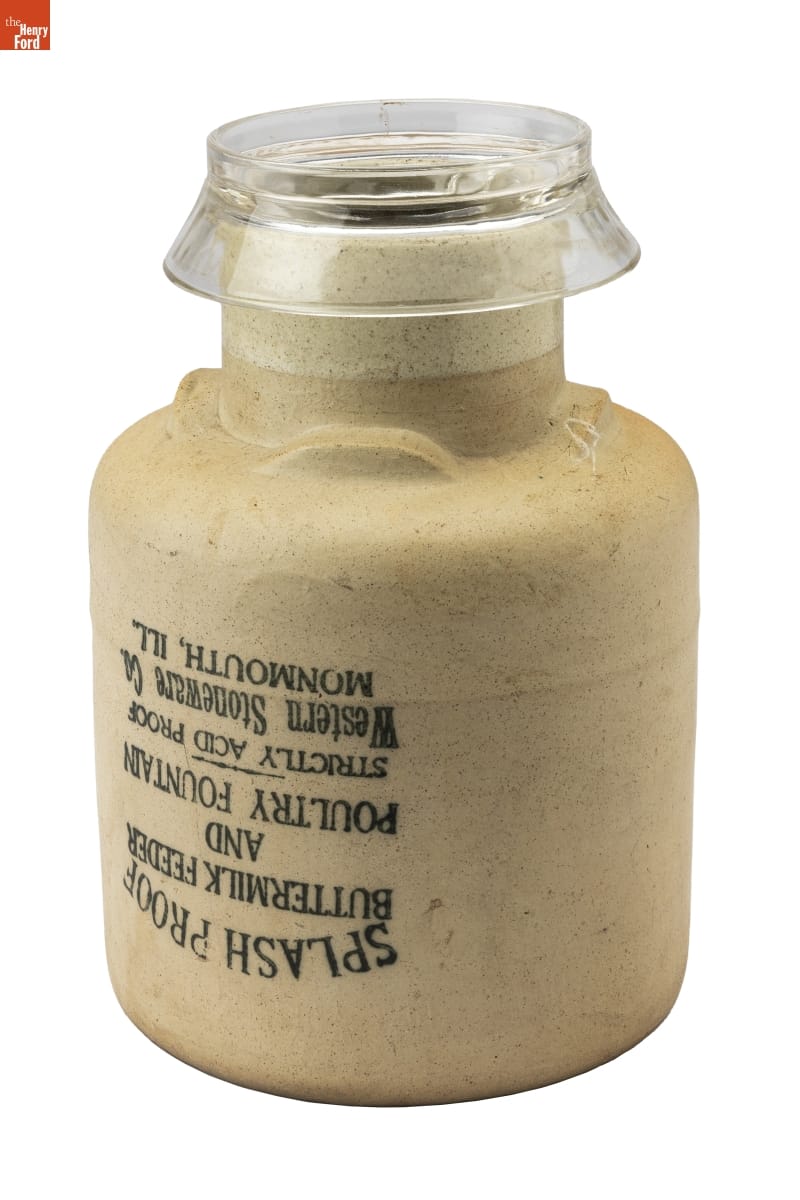
- Poultry Fountain -
- Collections - Artifact
Poultry Fountain
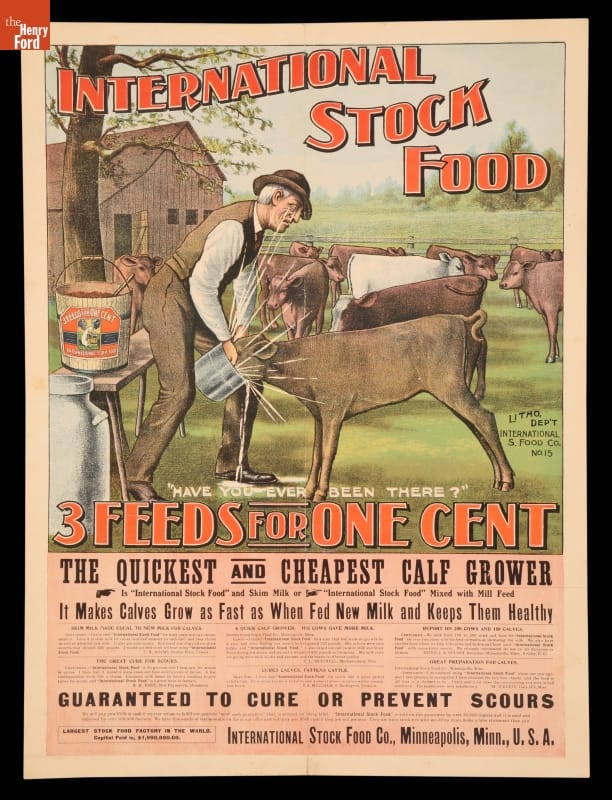
- Advertising Poster, "International Stock Food, 3 Feeds for One Cent," circa 1920 -
- circa 1920
- Collections - Artifact
Advertising Poster, "International Stock Food, 3 Feeds for One Cent," circa 1920
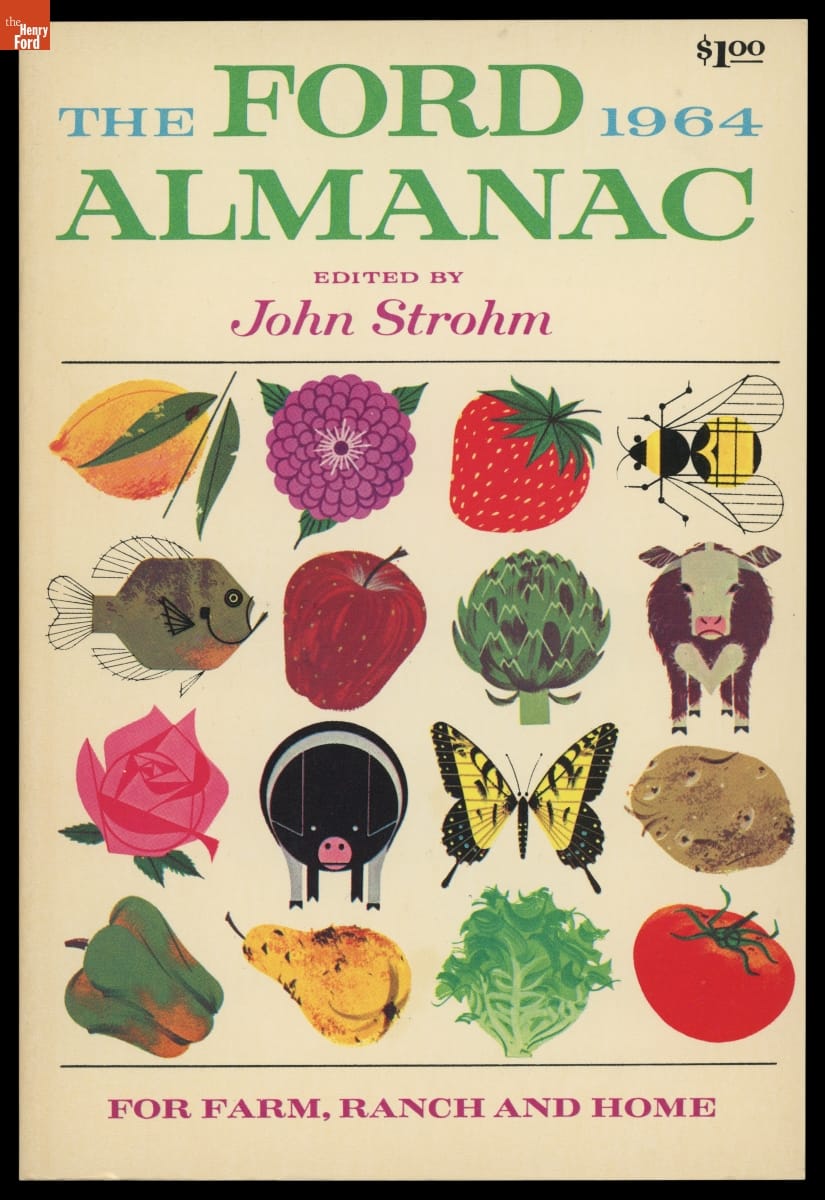
- The Ford Almanac for Farm, Ranch and Home, 1964 - Ford Motor Company published a series of almanacs from the 1950s until at least 1980. Issues covered a range of topics and included weather predictions, gardening and "country living" tips, and suggestions for agricultural mechanization and efficiency. Text and images throughout advertised the ways Ford automobiles, tractors, and agricultural implements might increase farmers' profits and enhance rural customers' lives.
- 1964
- Collections - Artifact
The Ford Almanac for Farm, Ranch and Home, 1964
Ford Motor Company published a series of almanacs from the 1950s until at least 1980. Issues covered a range of topics and included weather predictions, gardening and "country living" tips, and suggestions for agricultural mechanization and efficiency. Text and images throughout advertised the ways Ford automobiles, tractors, and agricultural implements might increase farmers' profits and enhance rural customers' lives.
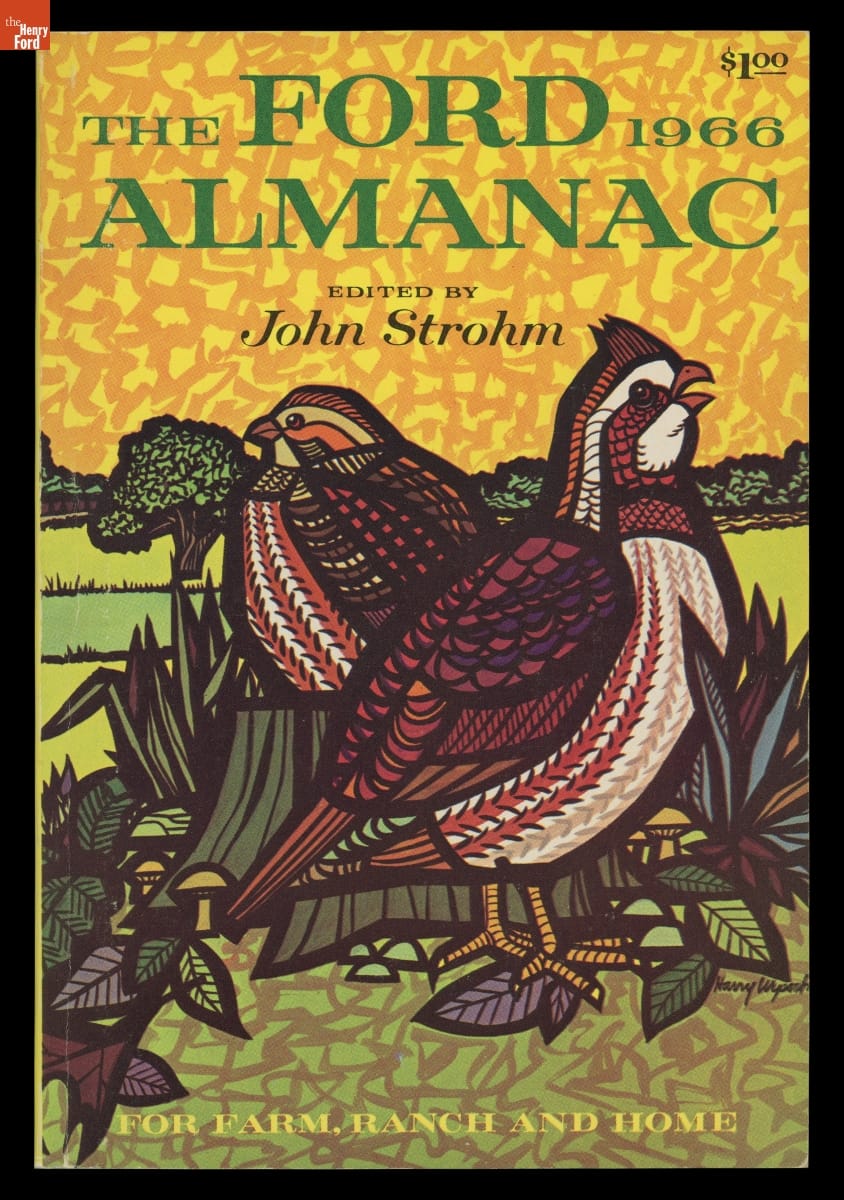
- The Ford Almanac for Farm, Ranch and Home, 1966 - Ford Motor Company published a series of almanacs from the 1950s until at least 1980. Issues covered a range of topics and included weather predictions, gardening and "country living" tips, and suggestions for agricultural mechanization and efficiency. Text and images throughout advertised the ways Ford automobiles, tractors, and agricultural implements might increase farmers' profits and enhance rural customers' lives.
- 1966
- Collections - Artifact
The Ford Almanac for Farm, Ranch and Home, 1966
Ford Motor Company published a series of almanacs from the 1950s until at least 1980. Issues covered a range of topics and included weather predictions, gardening and "country living" tips, and suggestions for agricultural mechanization and efficiency. Text and images throughout advertised the ways Ford automobiles, tractors, and agricultural implements might increase farmers' profits and enhance rural customers' lives.
- The Ford Almanac and Gardener's Guide for Farm, Ranch and Home, 1958 - Ford Motor Company published a series of almanacs from the 1950s until at least 1980. Issues covered a range of topics and included weather predictions, gardening and "country living" tips, and suggestions for agricultural mechanization and efficiency. Text and images throughout advertised the ways Ford automobiles, tractors, and agricultural implements might increase farmers' profits and enhance rural customers' lives.
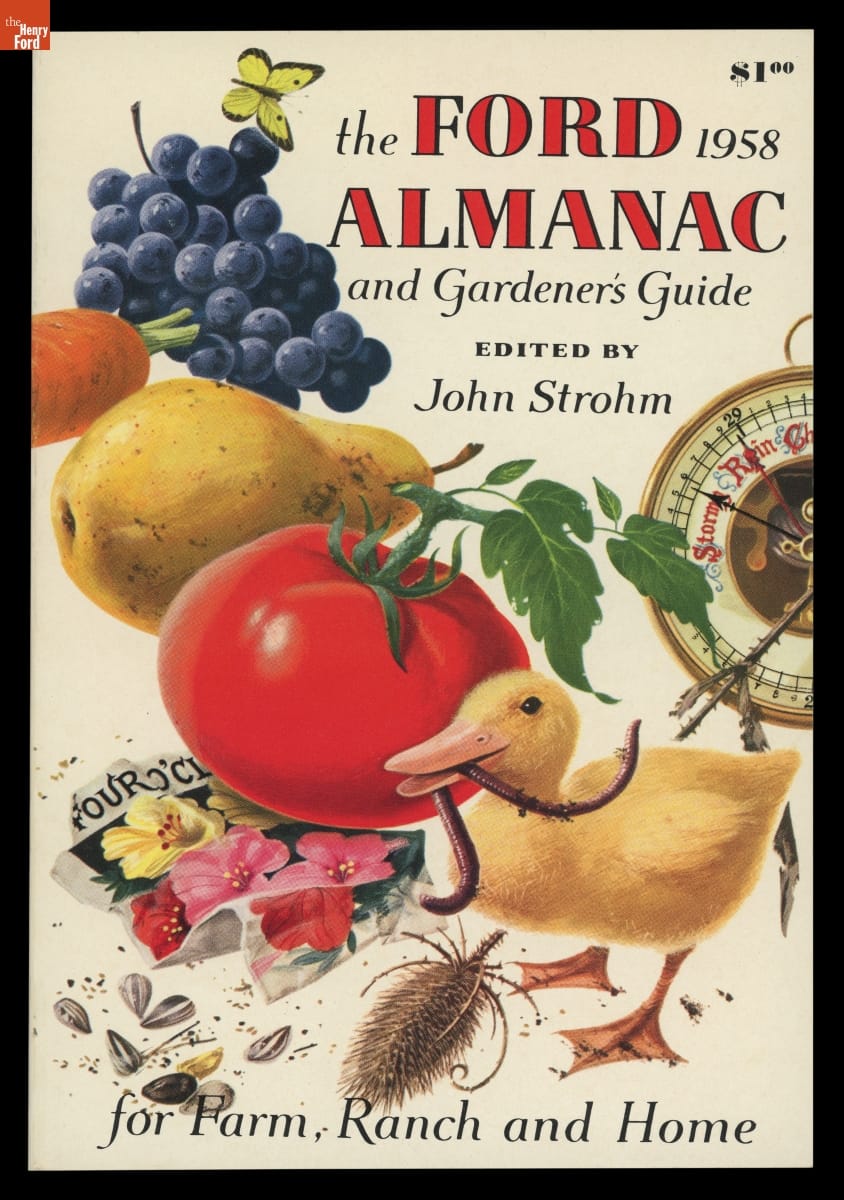
- 1958
- Collections - Artifact
The Ford Almanac and Gardener's Guide for Farm, Ranch and Home, 1958
Ford Motor Company published a series of almanacs from the 1950s until at least 1980. Issues covered a range of topics and included weather predictions, gardening and "country living" tips, and suggestions for agricultural mechanization and efficiency. Text and images throughout advertised the ways Ford automobiles, tractors, and agricultural implements might increase farmers' profits and enhance rural customers' lives.
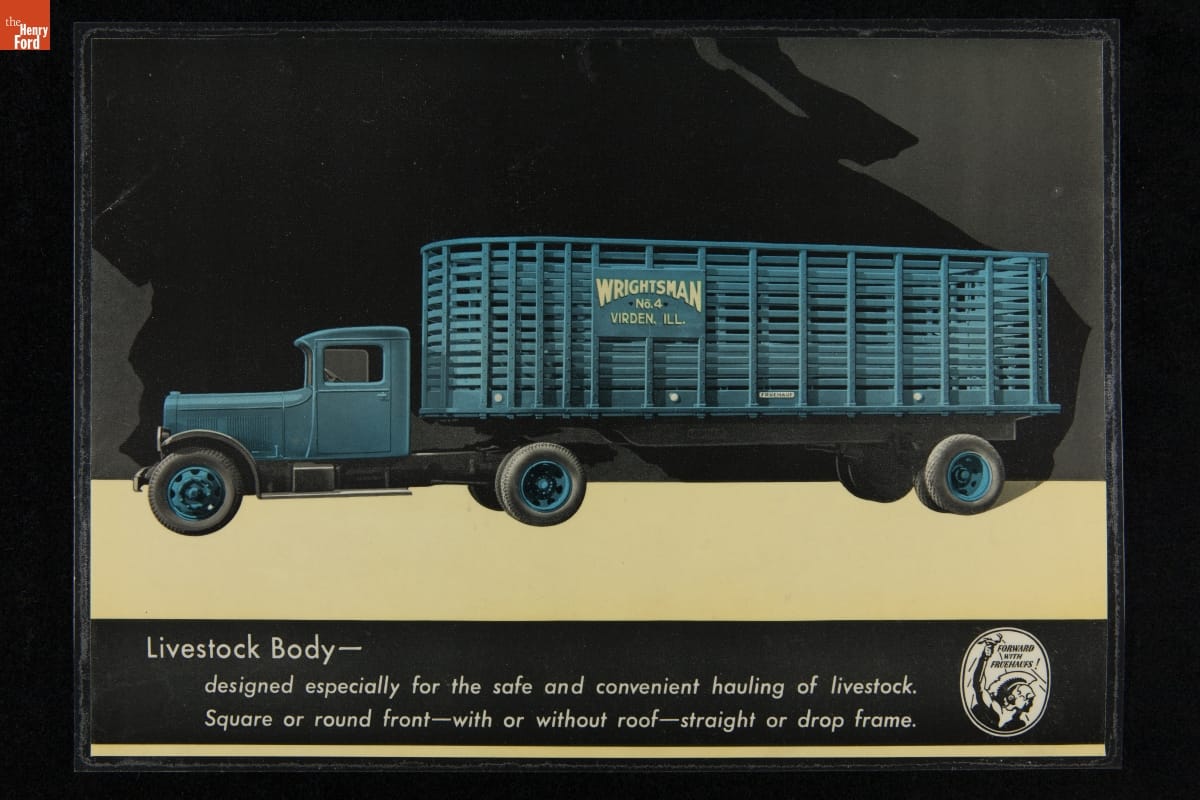
- Fruehauf Trailer Co. Advertising Card, "Livestock Body," 1931-1941 - Founded in Detroit in 1918, the Fruehauf Trailer Company built and sold fifth-wheel semi-trailers that became the prototype for the big freight-hauling trailers seen on American highways today. At its peak, Fruehauf had 16 plants and more than 80 distributors, and it manufactured trailers for civilian and military uses. The company ceased independent operations in 1997.
- 1931-1941
- Collections - Artifact
Fruehauf Trailer Co. Advertising Card, "Livestock Body," 1931-1941
Founded in Detroit in 1918, the Fruehauf Trailer Company built and sold fifth-wheel semi-trailers that became the prototype for the big freight-hauling trailers seen on American highways today. At its peak, Fruehauf had 16 plants and more than 80 distributors, and it manufactured trailers for civilian and military uses. The company ceased independent operations in 1997.
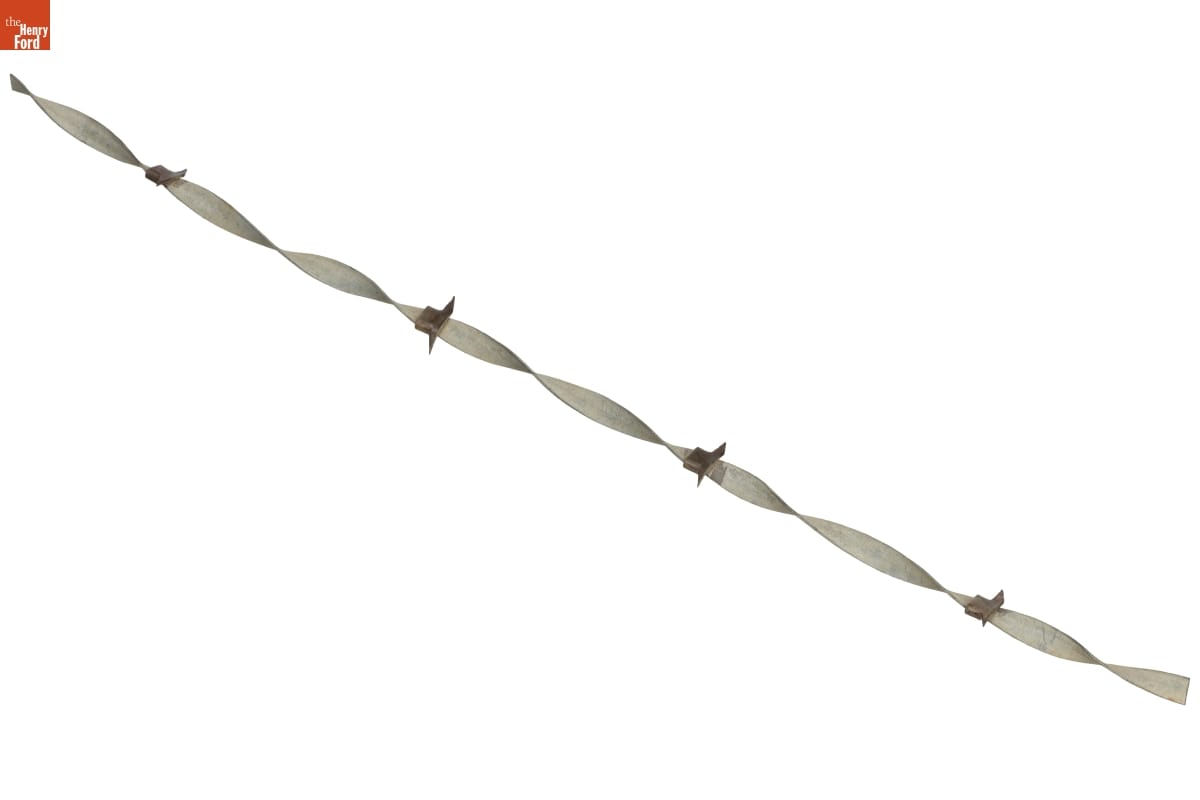
- Brinkerhoff Twist Barbed Wire, Patented 1879 - Inventors received hundreds of patents for barbed wire during the late 1800s. Some innovators created strands of fencing with sharp metal points cut into the wire; others incorporated small wire spurs twisted and attached to the wire to create a painful barrier. Each inventor believed their variation made the best fencing to keep livestock out of crop fields or confine them to pastures.
- 1879
- Collections - Artifact
Brinkerhoff Twist Barbed Wire, Patented 1879
Inventors received hundreds of patents for barbed wire during the late 1800s. Some innovators created strands of fencing with sharp metal points cut into the wire; others incorporated small wire spurs twisted and attached to the wire to create a painful barrier. Each inventor believed their variation made the best fencing to keep livestock out of crop fields or confine them to pastures.
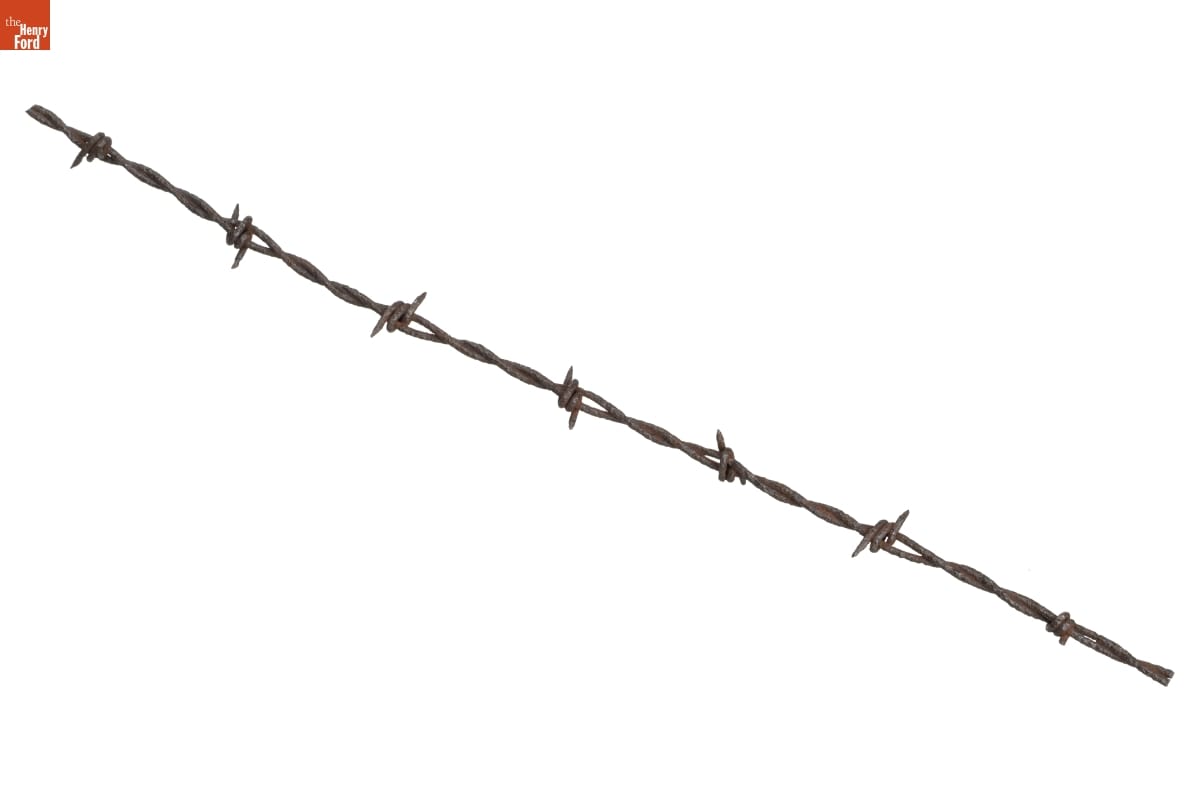
- Brotherton Barb, "Hog Wire" Variation Barbed Wire, Patented 1878 - Inventors received hundreds of patents for barbed wire during the late 1800s. Some innovators created strands of fencing with sharp metal points cut into the wire; others incorporated small wire spurs twisted and attached to the wire to create a painful barrier. Each inventor believed their variation made the best fencing to keep livestock out of crop fields or confine them to pastures.
- 1878
- Collections - Artifact
Brotherton Barb, "Hog Wire" Variation Barbed Wire, Patented 1878
Inventors received hundreds of patents for barbed wire during the late 1800s. Some innovators created strands of fencing with sharp metal points cut into the wire; others incorporated small wire spurs twisted and attached to the wire to create a painful barrier. Each inventor believed their variation made the best fencing to keep livestock out of crop fields or confine them to pastures.
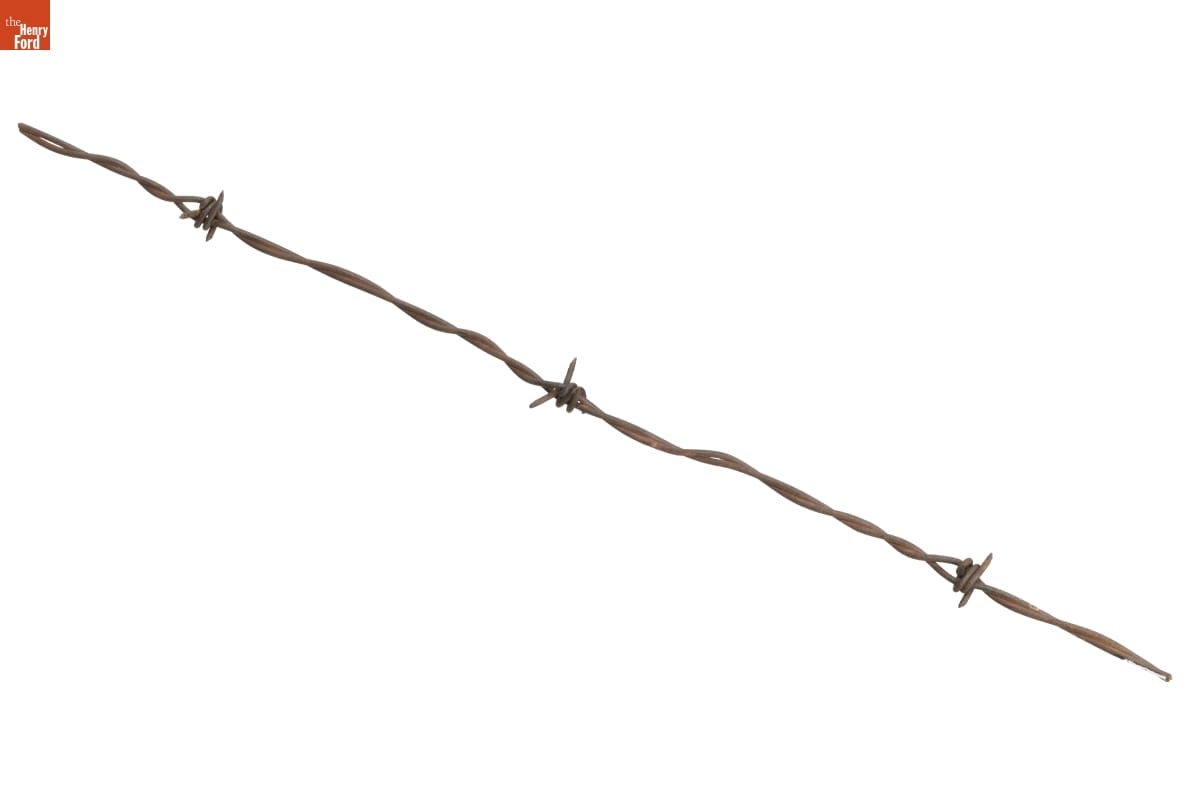
- Burnell's Four-Point Barb Barbed Wire, Patented 1877 - Inventors received hundreds of patents for barbed wire during the late 1800s. Some innovators created strands of fencing with sharp metal points cut into the wire; others incorporated small wire spurs twisted and attached to the wire to create a painful barrier. Each inventor believed their variation made the best fencing to keep livestock out of crop fields or confine them to pastures.
- 1877
- Collections - Artifact
Burnell's Four-Point Barb Barbed Wire, Patented 1877
Inventors received hundreds of patents for barbed wire during the late 1800s. Some innovators created strands of fencing with sharp metal points cut into the wire; others incorporated small wire spurs twisted and attached to the wire to create a painful barrier. Each inventor believed their variation made the best fencing to keep livestock out of crop fields or confine them to pastures.
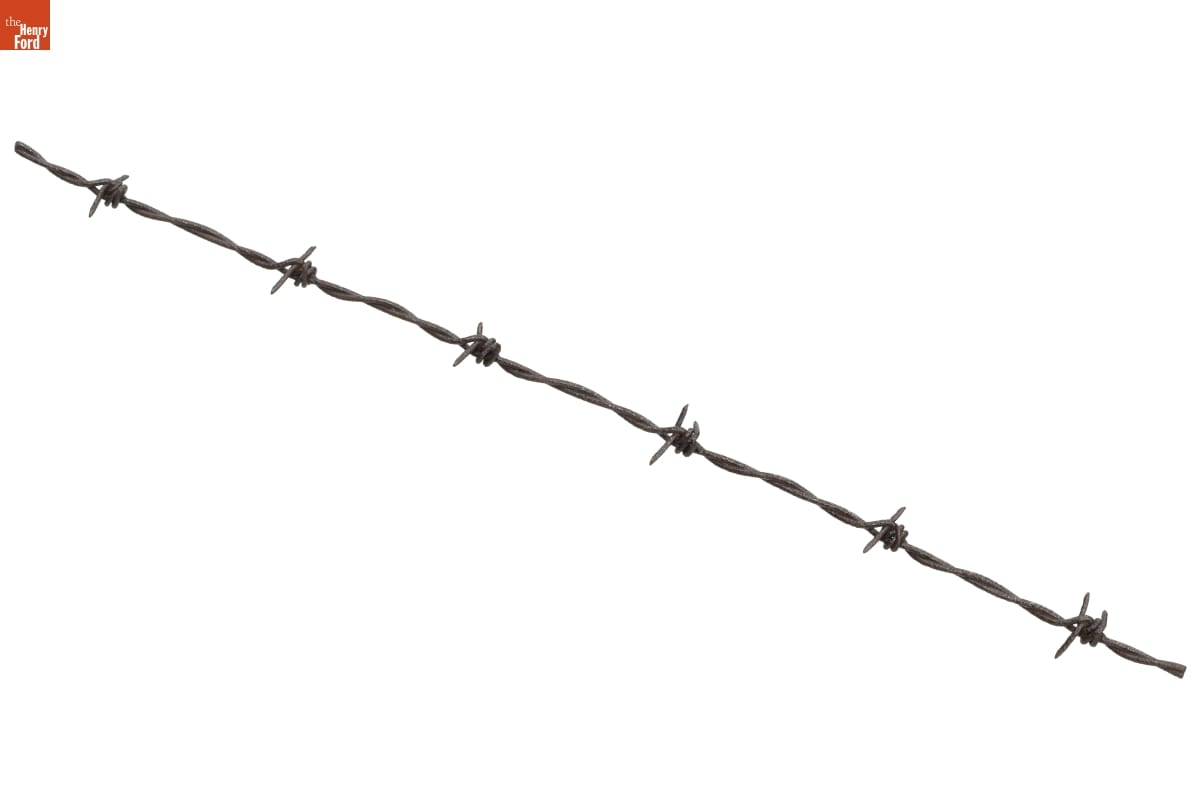
- Burnell's Hooked Four-Point Barb Barbed Wire, Patented 1877 - Inventors received hundreds of patents for barbed wire during the late 1800s. Some innovators created strands of fencing with sharp metal points cut into the wire; others incorporated small wire spurs twisted and attached to the wire to create a painful barrier. Each inventor believed their variation made the best fencing to keep livestock out of crop fields or confine them to pastures.
- 1877
- Collections - Artifact
Burnell's Hooked Four-Point Barb Barbed Wire, Patented 1877
Inventors received hundreds of patents for barbed wire during the late 1800s. Some innovators created strands of fencing with sharp metal points cut into the wire; others incorporated small wire spurs twisted and attached to the wire to create a painful barrier. Each inventor believed their variation made the best fencing to keep livestock out of crop fields or confine them to pastures.