
Search
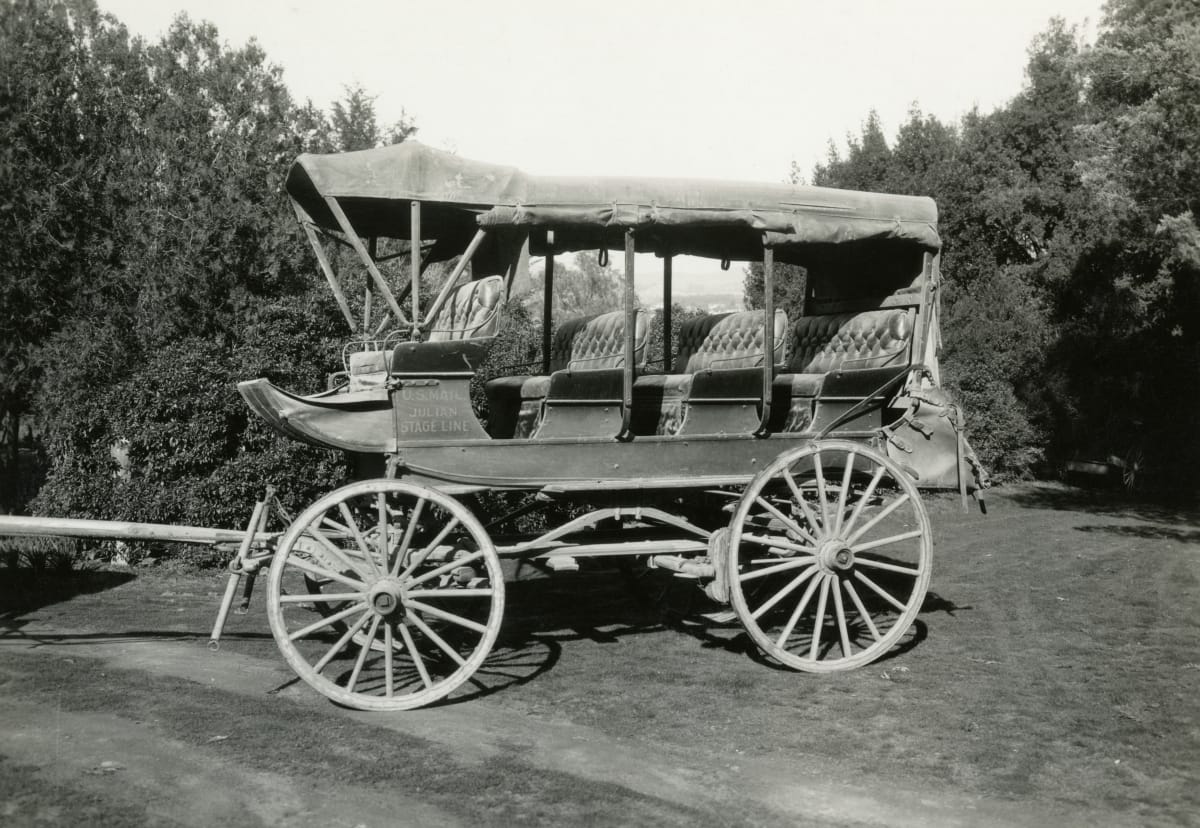
- Julian Stage Line Stage Wagon, circa 1906 - The Julian Stage Line operated from the early 1880s until about 1910, using stage wagons to carry passengers between railroads and to transport U.S. mail. The one pictured here -- one of the last horse-drawn stages used in the United States -- served the communities of Oceanside and Julian in San Diego County, California.
- circa 1906
- Collections - Artifact
Julian Stage Line Stage Wagon, circa 1906
The Julian Stage Line operated from the early 1880s until about 1910, using stage wagons to carry passengers between railroads and to transport U.S. mail. The one pictured here -- one of the last horse-drawn stages used in the United States -- served the communities of Oceanside and Julian in San Diego County, California.
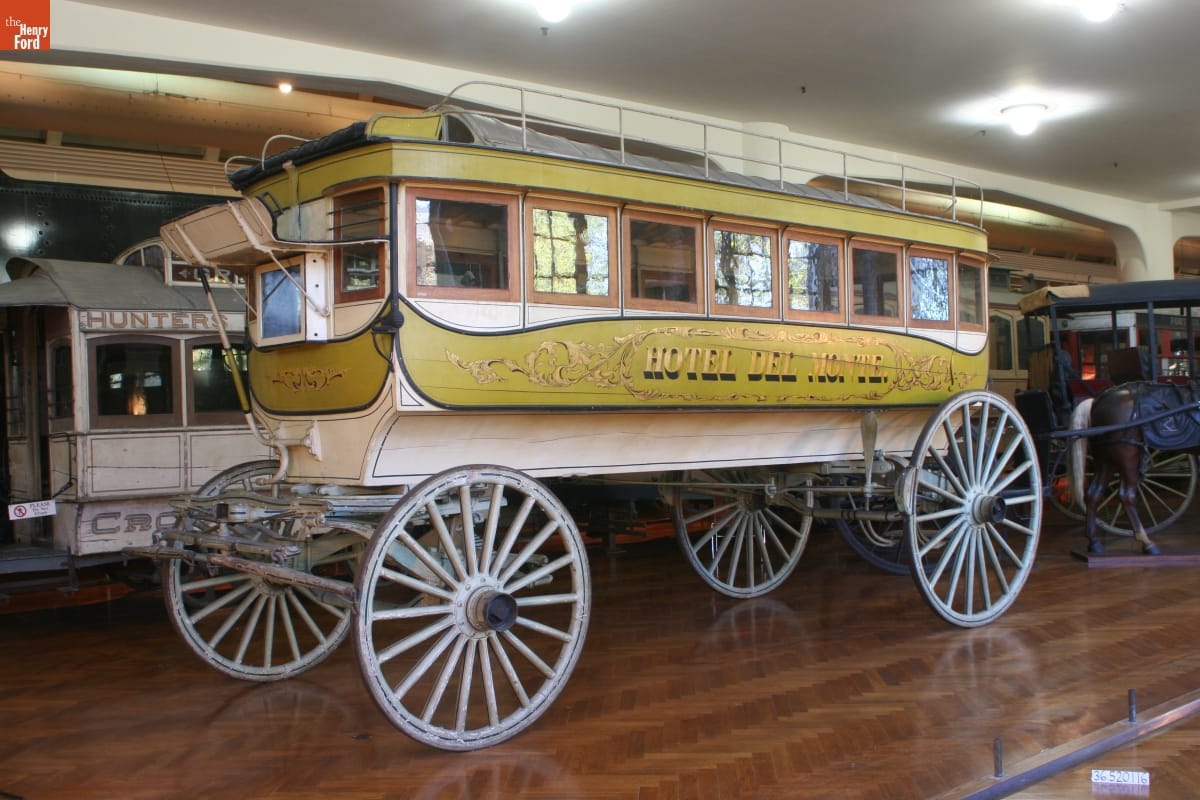
- Hotel Del Monte Omnibus, 1880-1885 - American cities used horse-drawn omnibuses for public transportation from the 1830s into the 1910s. Passengers entered through a rear door and sat on seats that ran lengthwise along each side. Larger hotels, like the fashionable Hotel Del Monte in Monterey, California, used omnibuses to transport guests between railroad station and hotel, or on special excursions during their stay.
- 1880-1885
- Collections - Artifact
Hotel Del Monte Omnibus, 1880-1885
American cities used horse-drawn omnibuses for public transportation from the 1830s into the 1910s. Passengers entered through a rear door and sat on seats that ran lengthwise along each side. Larger hotels, like the fashionable Hotel Del Monte in Monterey, California, used omnibuses to transport guests between railroad station and hotel, or on special excursions during their stay.
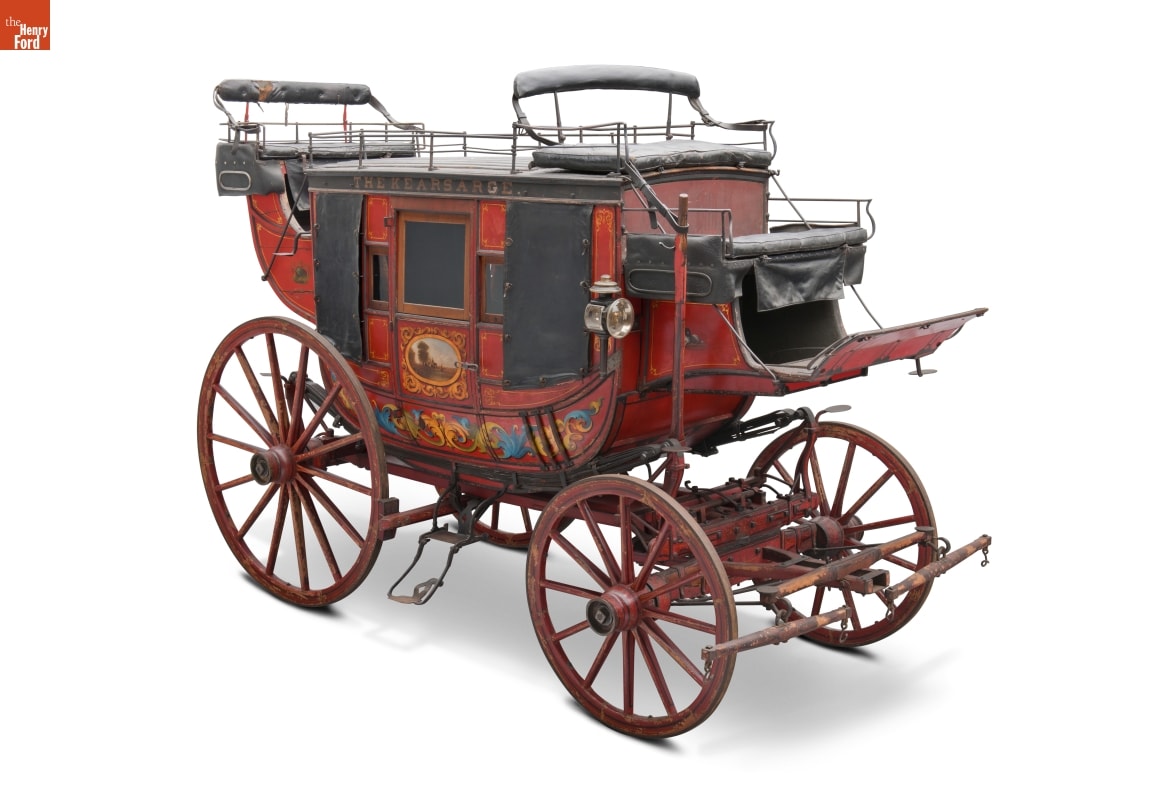
- 1891 Abbot Downing Concord Coach - The stagecoach is a symbol of the American West, but its origins are in New England. First built in the 1820s, Concord coaches featured an innovative leather-strap suspension that produced a rocking motion over rough roads -- easier on passengers and horses alike. This example carried passengers and mail in New Hampshire and Maine before the automobile made it obsolete.
- 1891
- Collections - Artifact
1891 Abbot Downing Concord Coach
The stagecoach is a symbol of the American West, but its origins are in New England. First built in the 1820s, Concord coaches featured an innovative leather-strap suspension that produced a rocking motion over rough roads -- easier on passengers and horses alike. This example carried passengers and mail in New Hampshire and Maine before the automobile made it obsolete.
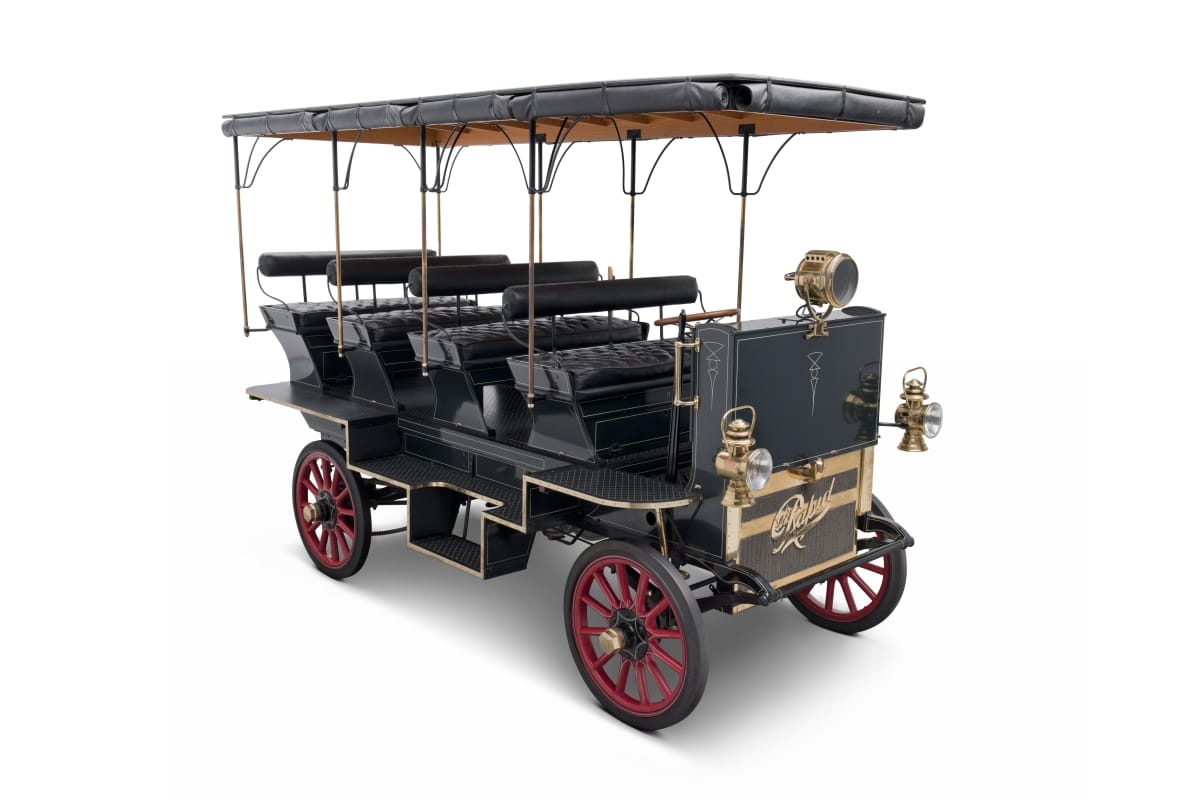
- 1906 Rapid Bus - The Rapid Motor Vehicle Company of Pontiac, Michigan, produced this twelve-passenger vehicle in 1906. The bus could shuttle travelers to and from hotels and rail depots or provide local sightseeing tours. In 1908, General Motors Company began purchasing Rapid's stock. The purchases of Rapid and other commercial truck companies led to the formation of General Motors Truck Company in 1912.
- 1906
- Collections - Artifact
1906 Rapid Bus
The Rapid Motor Vehicle Company of Pontiac, Michigan, produced this twelve-passenger vehicle in 1906. The bus could shuttle travelers to and from hotels and rail depots or provide local sightseeing tours. In 1908, General Motors Company began purchasing Rapid's stock. The purchases of Rapid and other commercial truck companies led to the formation of General Motors Truck Company in 1912.
- Julian Stage Line Stage Wagon, circa 1900 - If they couldn't go by railroad, Americans often traveled by stagecoach -- even into the early 20th century. Stage lines moved their vehicles in "stages" with continual relays of fresh horses. Open-sided wagons were lighter and less expensive than closed coaches. Canvas curtains protected passengers from bad weather. The Julian Stage Line operated in San Diego County, California.
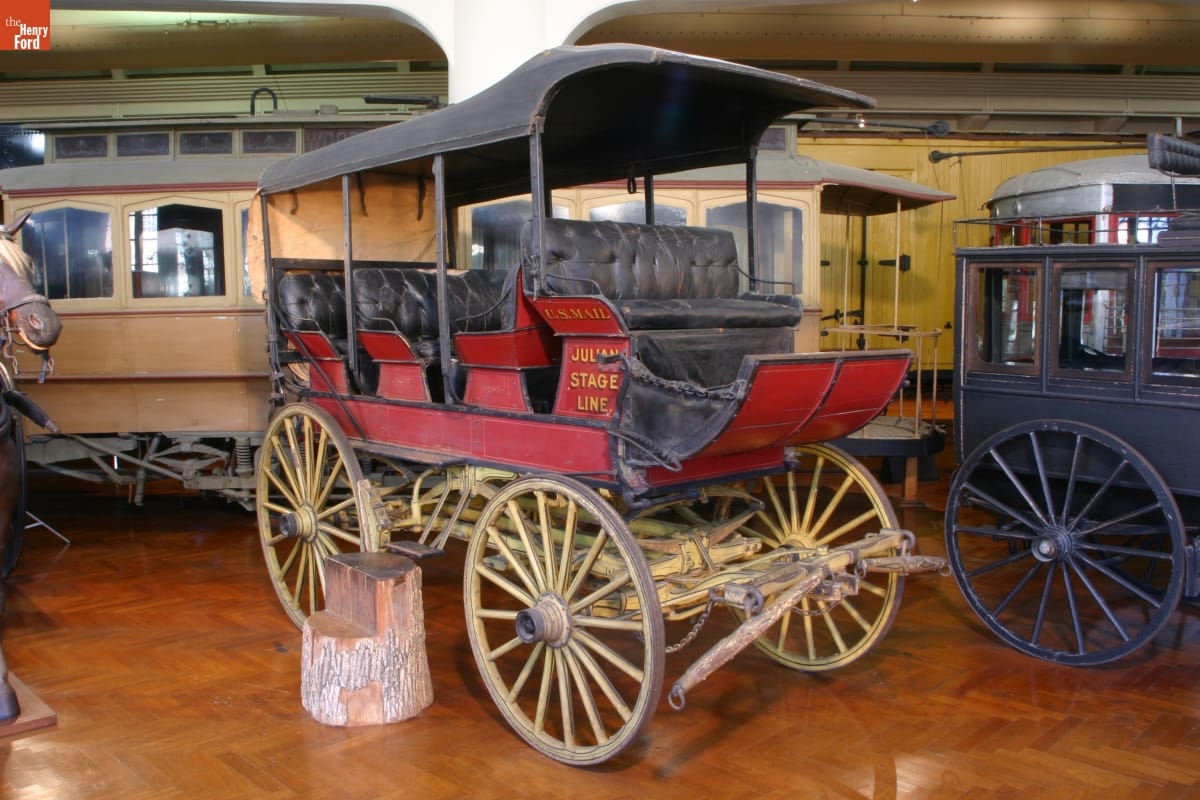
- circa 1900
- Collections - Artifact
Julian Stage Line Stage Wagon, circa 1900
If they couldn't go by railroad, Americans often traveled by stagecoach -- even into the early 20th century. Stage lines moved their vehicles in "stages" with continual relays of fresh horses. Open-sided wagons were lighter and less expensive than closed coaches. Canvas curtains protected passengers from bad weather. The Julian Stage Line operated in San Diego County, California.