
Search
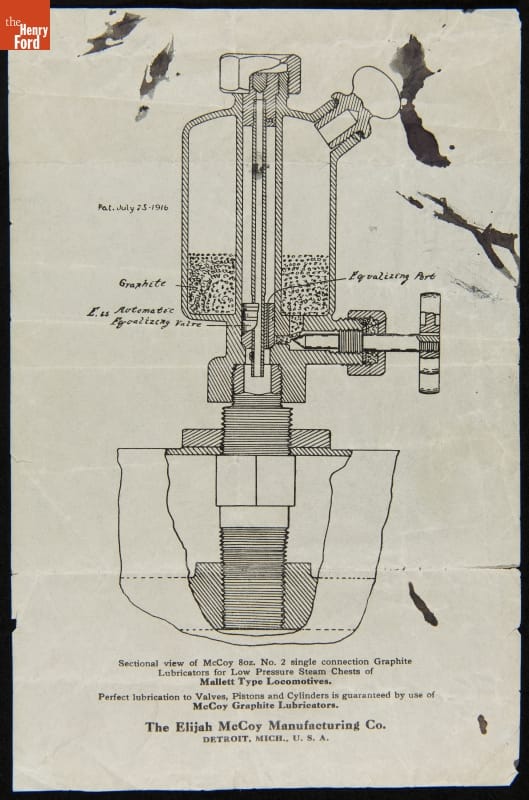
- Single-Connection McCoy Graphite Lubricator for Low-Pressure, Mallet-Type Steam Locomotives, July 1916 - Canadian-American inventor Elijah McCoy developed a mechanical lubricator to oil slide valves on steam locomotives. McCoy's device automatically supplied measured amounts of oil to valves, reducing the need for crews to lubricate them manually. This updated version from 1916 was designed for Mallet compound steam locomotives, which used steam twice -- in high- and low-pressure cylinders.
- July 25, 1916
- Collections - Artifact
Single-Connection McCoy Graphite Lubricator for Low-Pressure, Mallet-Type Steam Locomotives, July 1916
Canadian-American inventor Elijah McCoy developed a mechanical lubricator to oil slide valves on steam locomotives. McCoy's device automatically supplied measured amounts of oil to valves, reducing the need for crews to lubricate them manually. This updated version from 1916 was designed for Mallet compound steam locomotives, which used steam twice -- in high- and low-pressure cylinders.
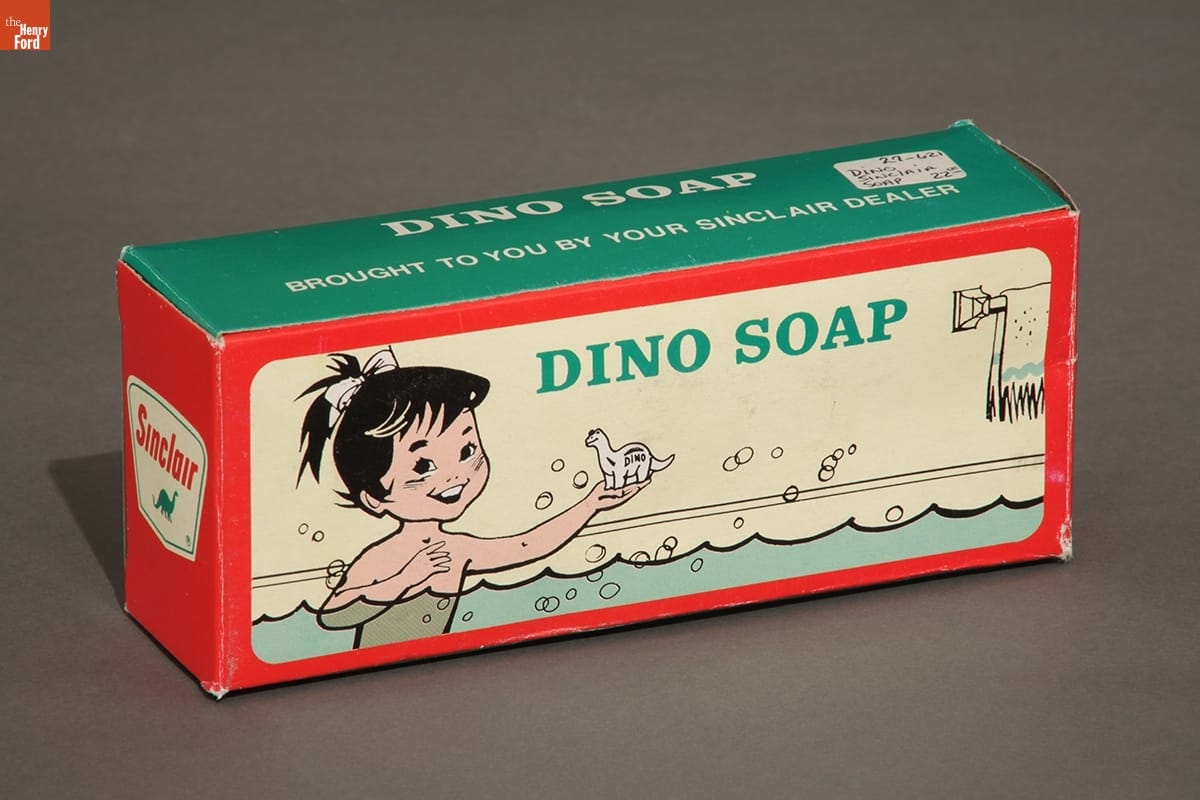
- Sinclair Dino Soap, 1960-1967 -
- 1960-1967
- Collections - Artifact
Sinclair Dino Soap, 1960-1967
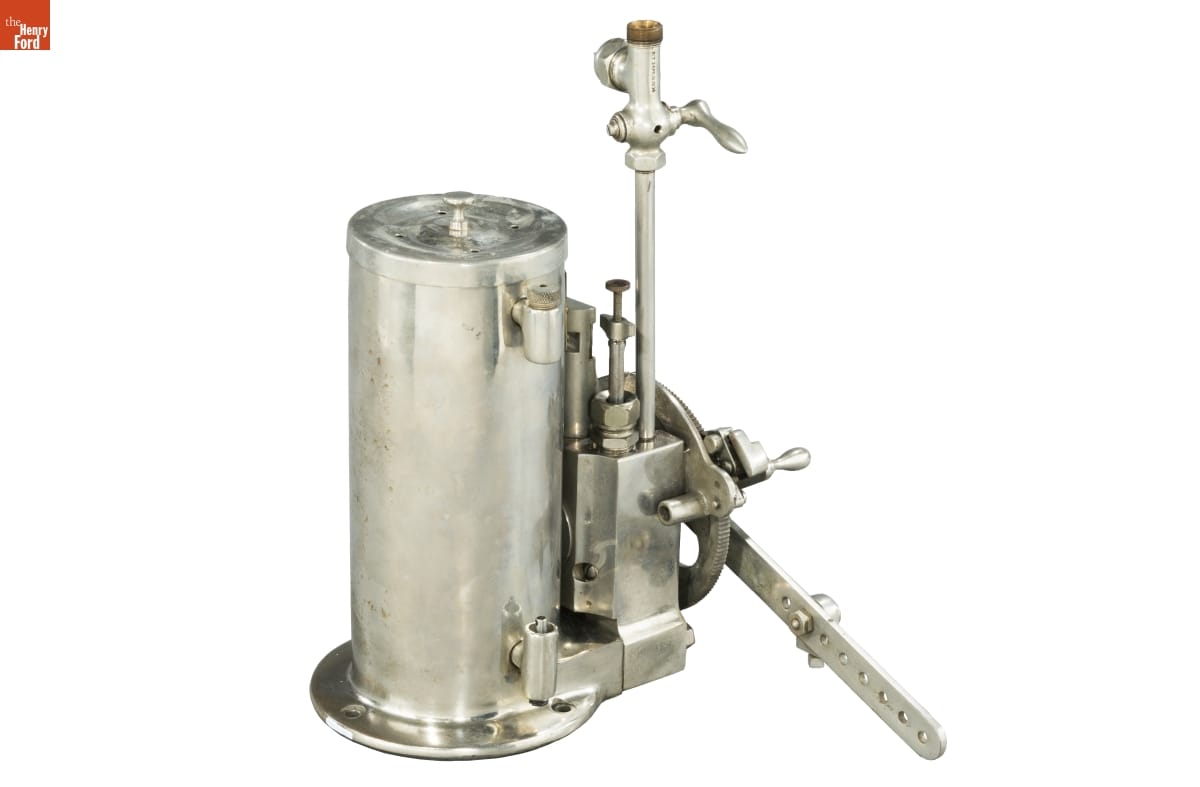
- Rochester Automatic Lubricator -
- Collections - Artifact
Rochester Automatic Lubricator
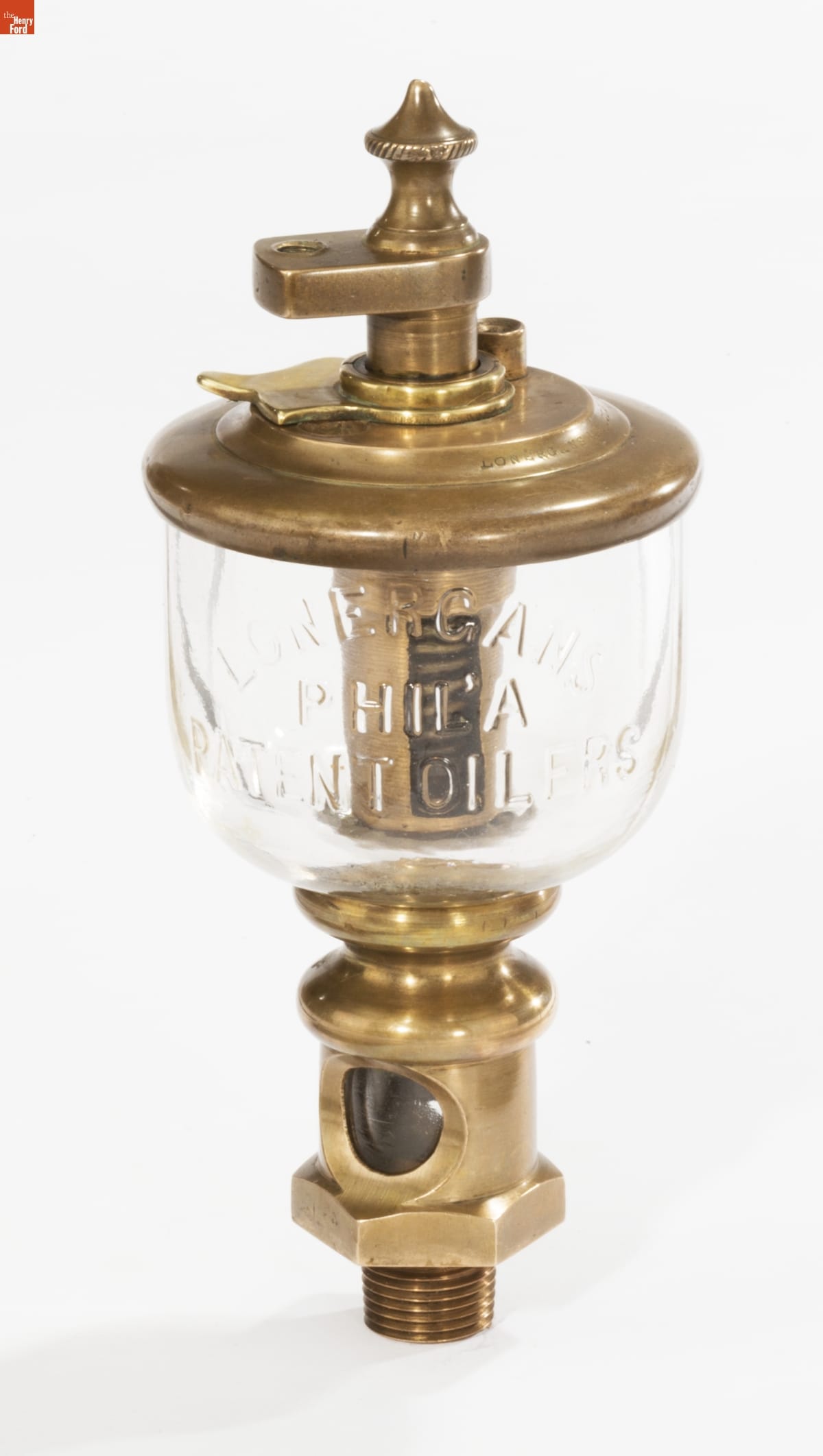
- J. E. Lonergan Company Lubricator Cup, 1880-1890 -
- 1880-1890
- Collections - Artifact
J. E. Lonergan Company Lubricator Cup, 1880-1890
- Lubricator Cup -
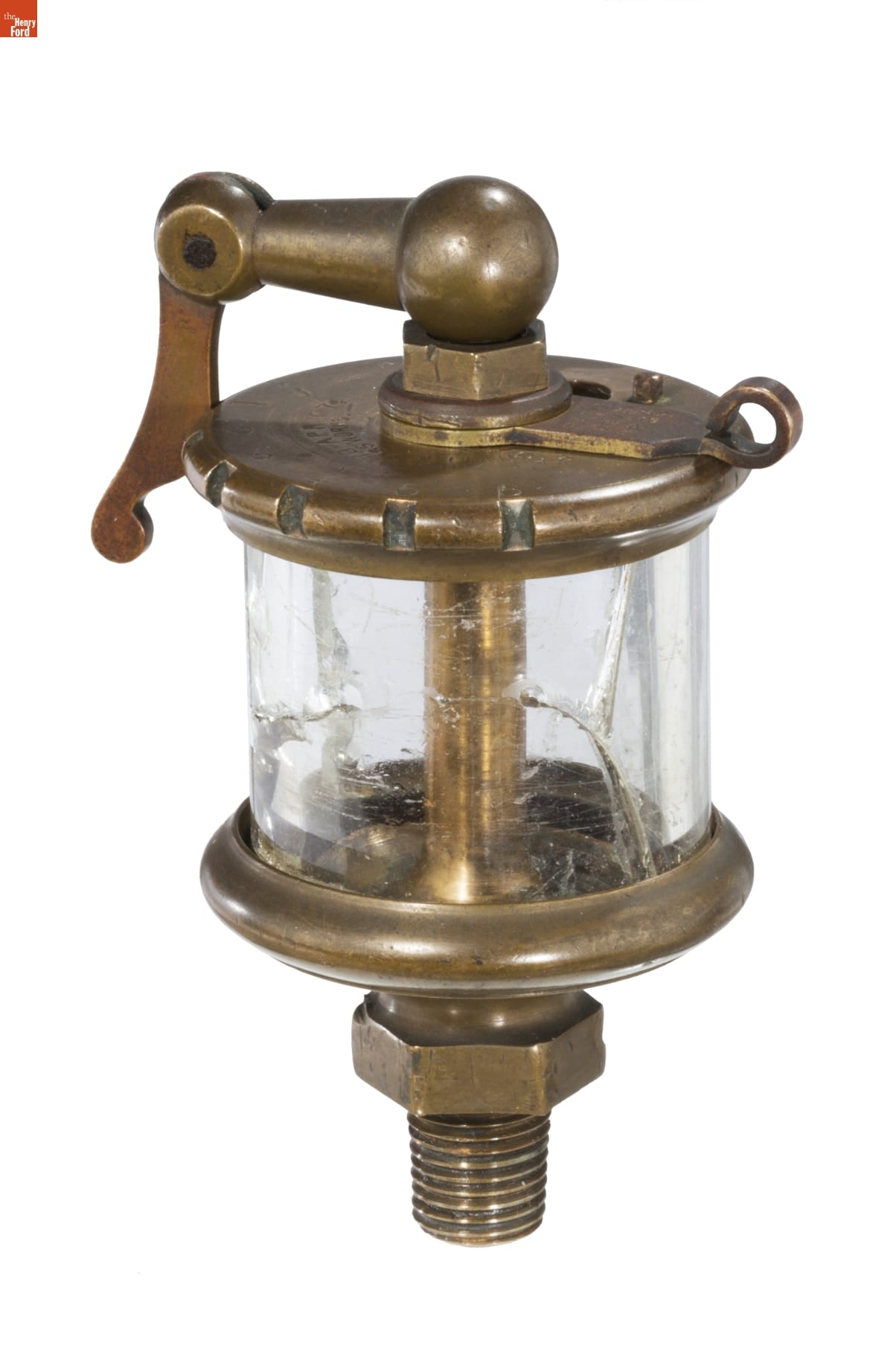
- Collections - Artifact
Lubricator Cup
- Sherwood Manufacturing Company Lubricator -
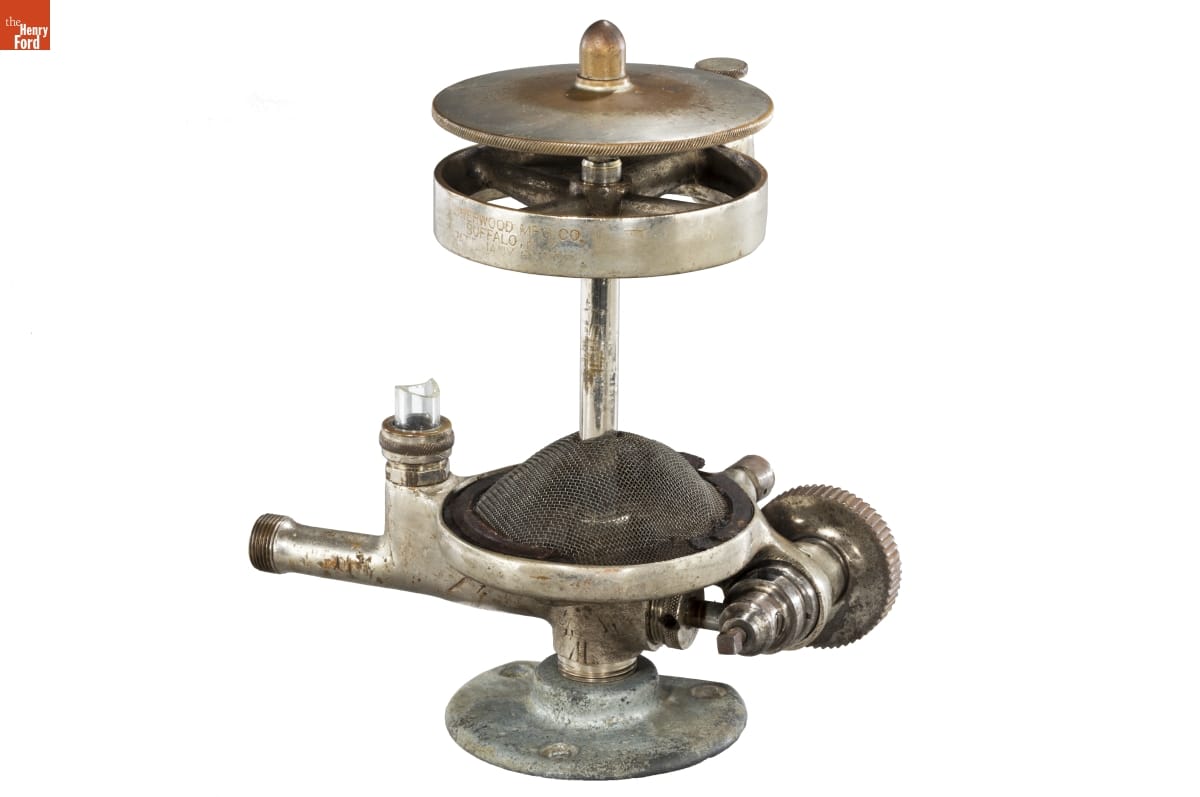
- Collections - Artifact
Sherwood Manufacturing Company Lubricator
- Trade Card for Frank Miller's Filtered Carbonless Motor Oil, Frank Miller Co., 1910-1930 - In the last third of the nineteenth century, American consumers could choose from an unprecedented variety of goods and services. Seeking to distinguish certain products and businesses from the competition, advertisers began to print and distribute trade cards. Though the popularity of these cards diminished after 1900, some companies employed the informative, often vibrant little advertisements well into the twentieth century.
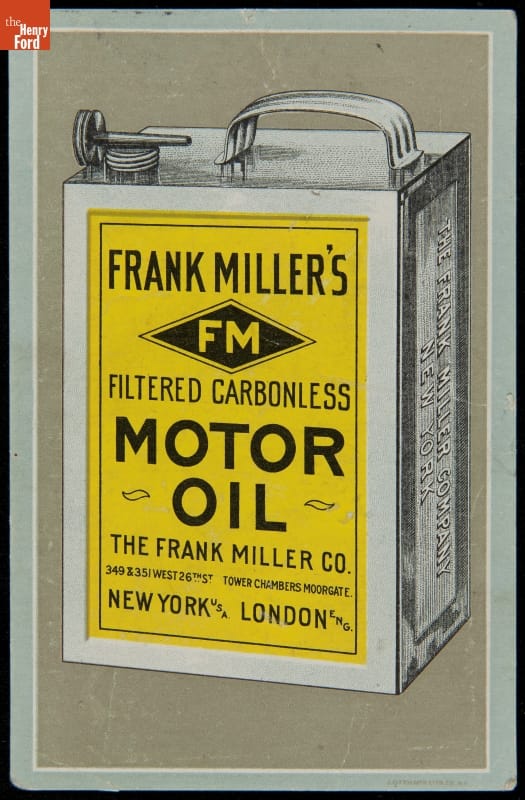
- 1910-1930
- Collections - Artifact
Trade Card for Frank Miller's Filtered Carbonless Motor Oil, Frank Miller Co., 1910-1930
In the last third of the nineteenth century, American consumers could choose from an unprecedented variety of goods and services. Seeking to distinguish certain products and businesses from the competition, advertisers began to print and distribute trade cards. Though the popularity of these cards diminished after 1900, some companies employed the informative, often vibrant little advertisements well into the twentieth century.
- Advertisement for Gulf Motor Oil, "To Keep Your Engine Clean," Gulf Oil Corporation, 1957 - Gulf Oil's origins were in the 1901 Spindletop oil strike at Beaumont, Texas, near the Gulf of Mexico. Gulf built a nationwide presence with its recognizable orange disc logo and products like No-Nox gasoline. The company was active in motorsports, too, using a distinctive blue and orange color scheme on race cars it sponsored. Gulf merged with Chevron in 1985.
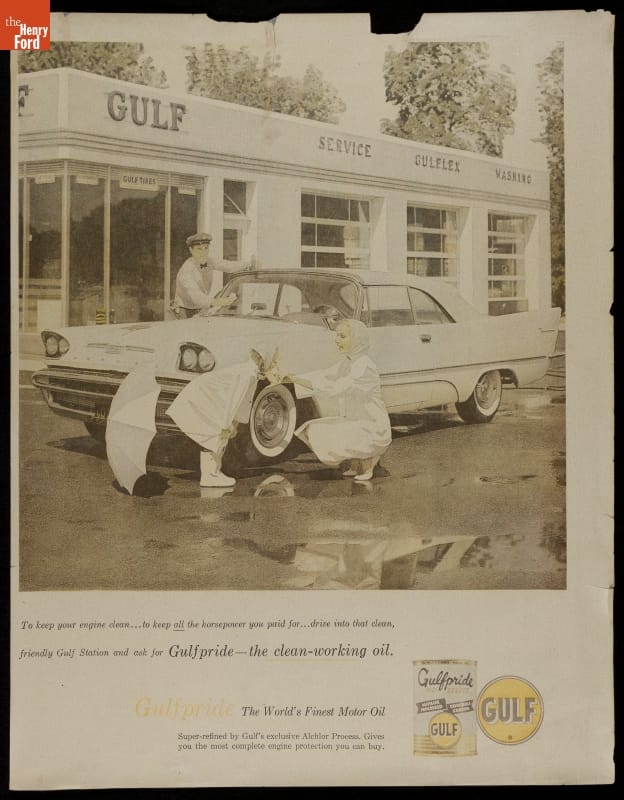
- 1957
- Collections - Artifact
Advertisement for Gulf Motor Oil, "To Keep Your Engine Clean," Gulf Oil Corporation, 1957
Gulf Oil's origins were in the 1901 Spindletop oil strike at Beaumont, Texas, near the Gulf of Mexico. Gulf built a nationwide presence with its recognizable orange disc logo and products like No-Nox gasoline. The company was active in motorsports, too, using a distinctive blue and orange color scheme on race cars it sponsored. Gulf merged with Chevron in 1985.
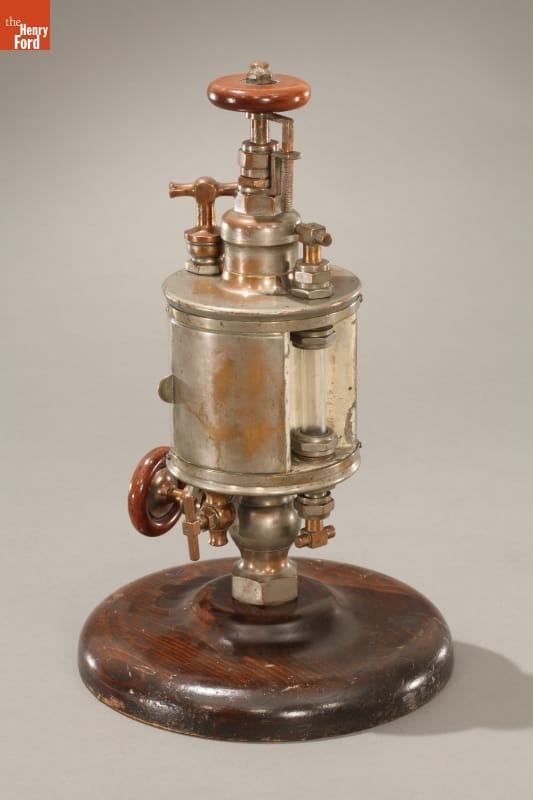
- Steam Engine Lubricator, 1882 - African American mechanical engineer Elijah McCoy patented this version of his of lubricator in 1882. The many moving parts on a steam locomotive required constant lubrication, and crews had to apply oil regularly. McCoy's lubricator automatically deposited metered amounts of oil, reducing the need for manual lubrication.
- 1882
- Collections - Artifact
Steam Engine Lubricator, 1882
African American mechanical engineer Elijah McCoy patented this version of his of lubricator in 1882. The many moving parts on a steam locomotive required constant lubrication, and crews had to apply oil regularly. McCoy's lubricator automatically deposited metered amounts of oil, reducing the need for manual lubrication.
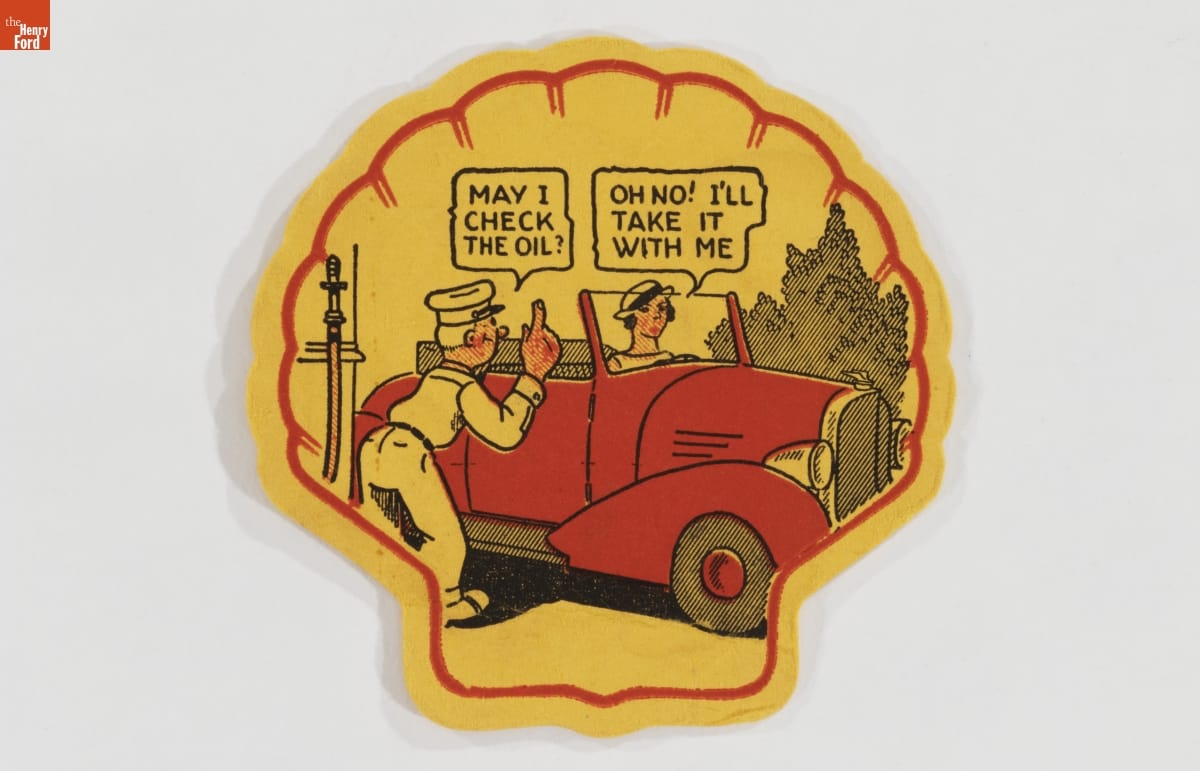
- Shell Coaster, 1934-1939 - The Royal Dutch Shell Group was formed in 1907. From its home market in Europe, Shell came to the United States in stages between 1912 and 1929. The company's distinctive logo, a yellow and red pecten shell, helped establish its identity in America. Shell advertised its fuels and motor oils with promotional giveaways like buttons, coasters, and hang tags.
- 1934-1939
- Collections - Artifact
Shell Coaster, 1934-1939
The Royal Dutch Shell Group was formed in 1907. From its home market in Europe, Shell came to the United States in stages between 1912 and 1929. The company's distinctive logo, a yellow and red pecten shell, helped establish its identity in America. Shell advertised its fuels and motor oils with promotional giveaways like buttons, coasters, and hang tags.