
Search
- Roddis Lumber & Veneer Company, 1915-1930 -
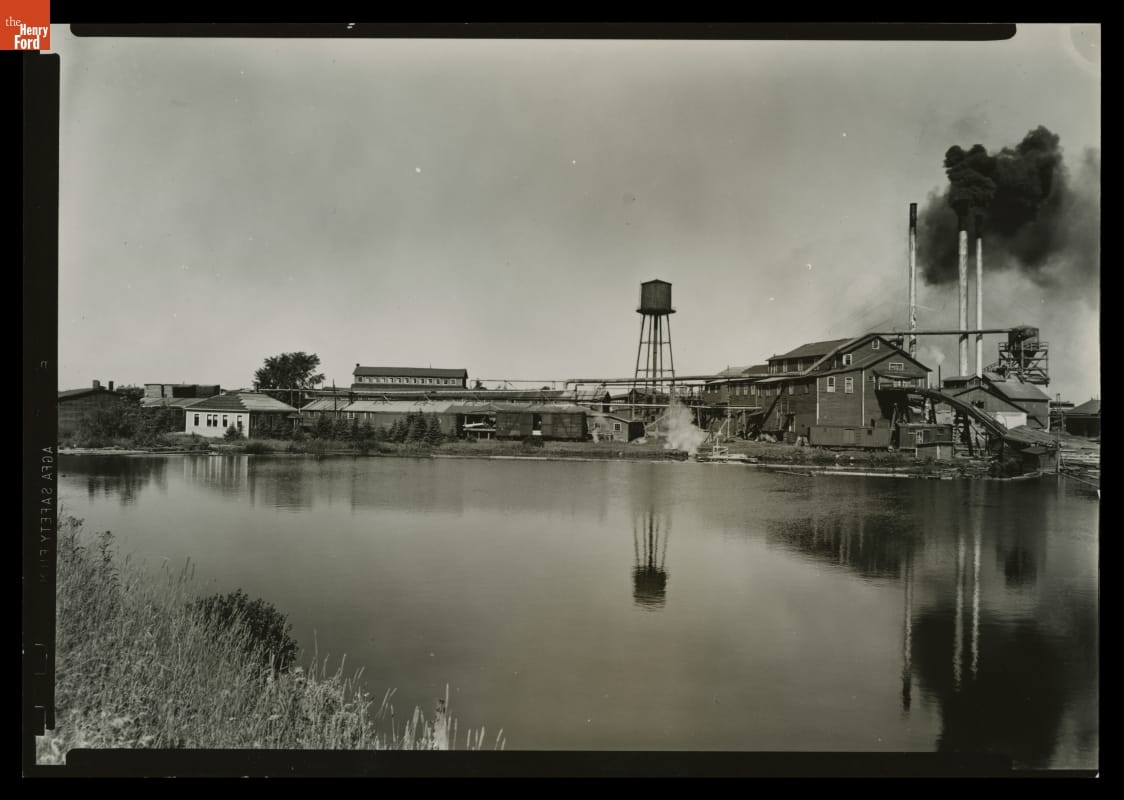
- 1915-1935
- Collections - Artifact
Roddis Lumber & Veneer Company, 1915-1930
- Roddis Lumber & Veneer Company, 1915-1930 -
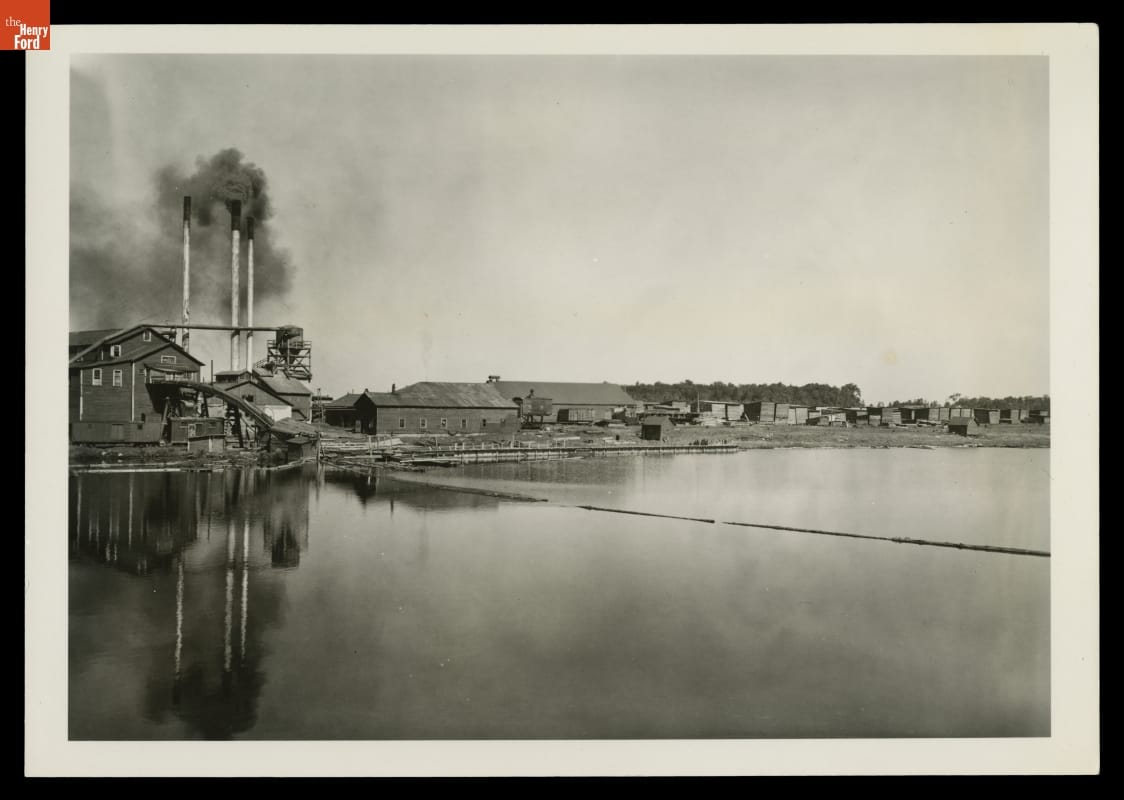
- 1915-1935
- Collections - Artifact
Roddis Lumber & Veneer Company, 1915-1930
- Workers and Horse-drawn Wagons at a Sawmill, 1880-1900 - Tintypes, the popular "instant photographs" of the 19th century, could be produced in a matter of minutes at a price most people could afford. At first, outdoor tintypes were rare. But after a new, more convenient process for making tintypes was introduced in the 1880s, photographs of outdoor scenes became more common.
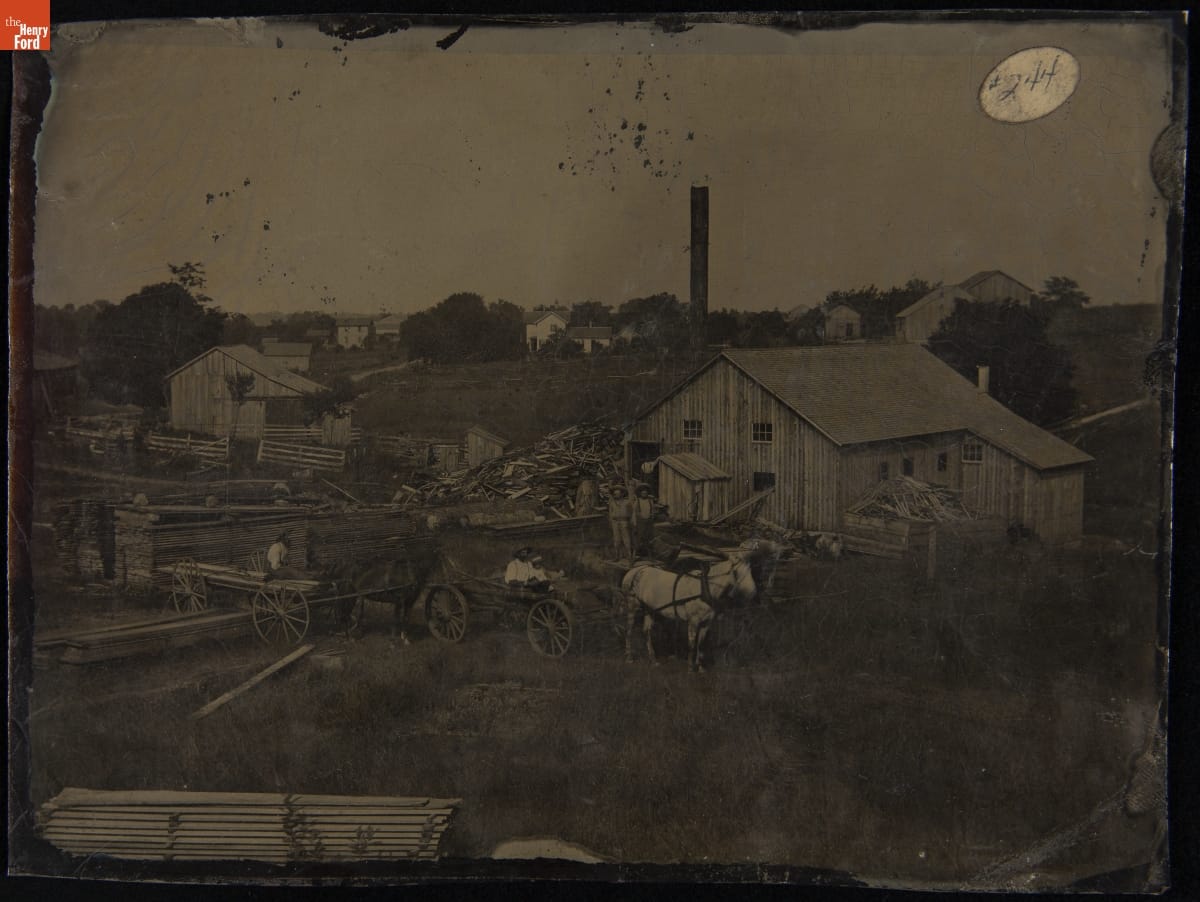
- 1880-1900
- Collections - Artifact
Workers and Horse-drawn Wagons at a Sawmill, 1880-1900
Tintypes, the popular "instant photographs" of the 19th century, could be produced in a matter of minutes at a price most people could afford. At first, outdoor tintypes were rare. But after a new, more convenient process for making tintypes was introduced in the 1880s, photographs of outdoor scenes became more common.
- Moore Dry Kiln Company Fire Prevention Sign, 1936-1969 -
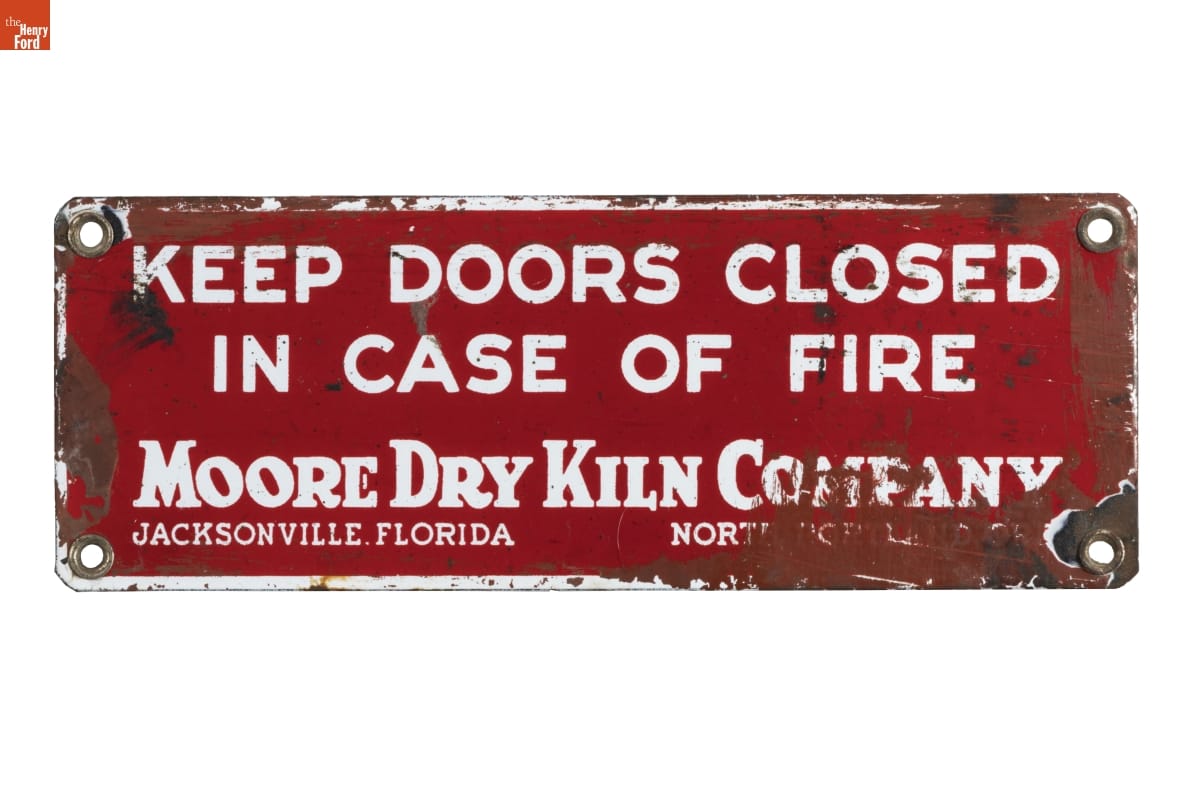
- 1936-1969
- Collections - Artifact
Moore Dry Kiln Company Fire Prevention Sign, 1936-1969
- Logs Pulled by a Fordson Tractor, Ford Lumbering Operations, Sidnaw, Michigan, 1926 - In 1919, Henry Ford began buying vast amounts of forestland in Michigan's Upper Peninsula. These prime hardwood forests supplied the lumber used to create vehicle bodies and parts. Other products such as railroad ties, shipping containers and chemical byproducts were also made -- all to support Ford's automobile operations and his goal of manufacturing self-sufficiency.
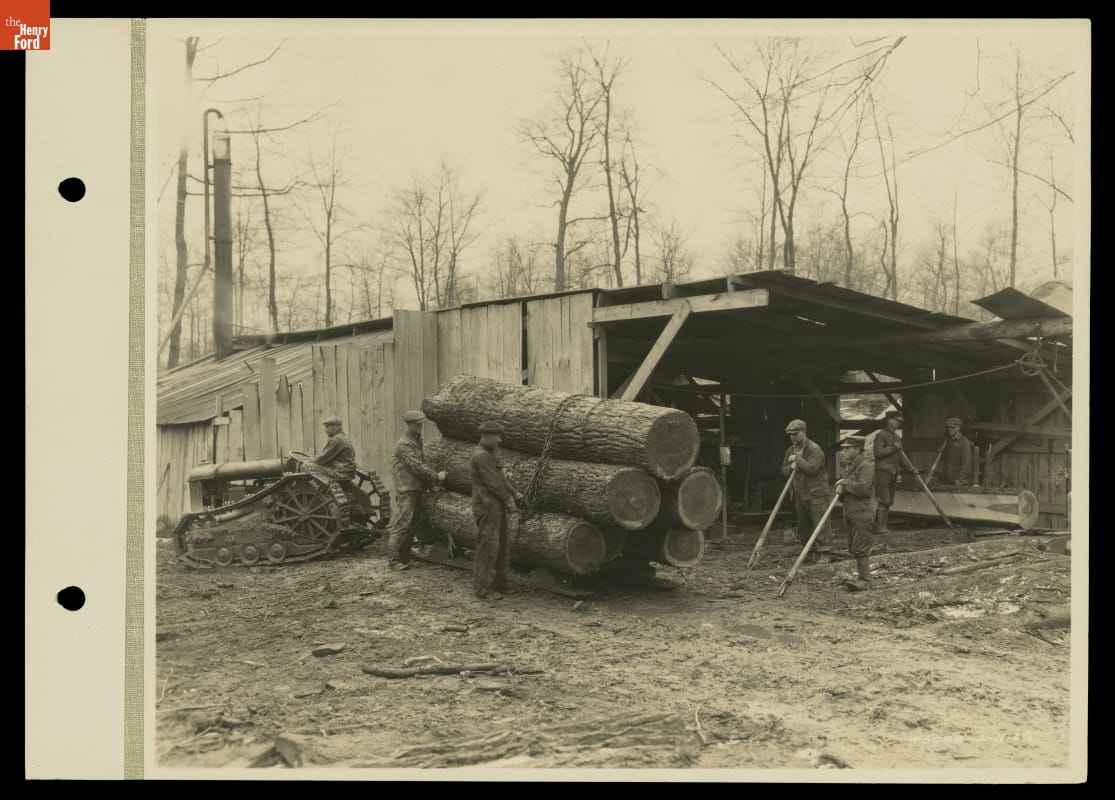
- February 11, 1926
- Collections - Artifact
Logs Pulled by a Fordson Tractor, Ford Lumbering Operations, Sidnaw, Michigan, 1926
In 1919, Henry Ford began buying vast amounts of forestland in Michigan's Upper Peninsula. These prime hardwood forests supplied the lumber used to create vehicle bodies and parts. Other products such as railroad ties, shipping containers and chemical byproducts were also made -- all to support Ford's automobile operations and his goal of manufacturing self-sufficiency.
- Lumber Mill at Ford Plant in Pequaming, Michigan, 1924 - In 1919, Henry Ford began buying vast amounts of forestland in Michigan's Upper Peninsula. These prime hardwood forests supplied the lumber used to create vehicle bodies and parts. Other products such as railroad ties, shipping containers and chemical byproducts were also made -- all to support Ford's automobile operations and his goal of manufacturing self-sufficiency.
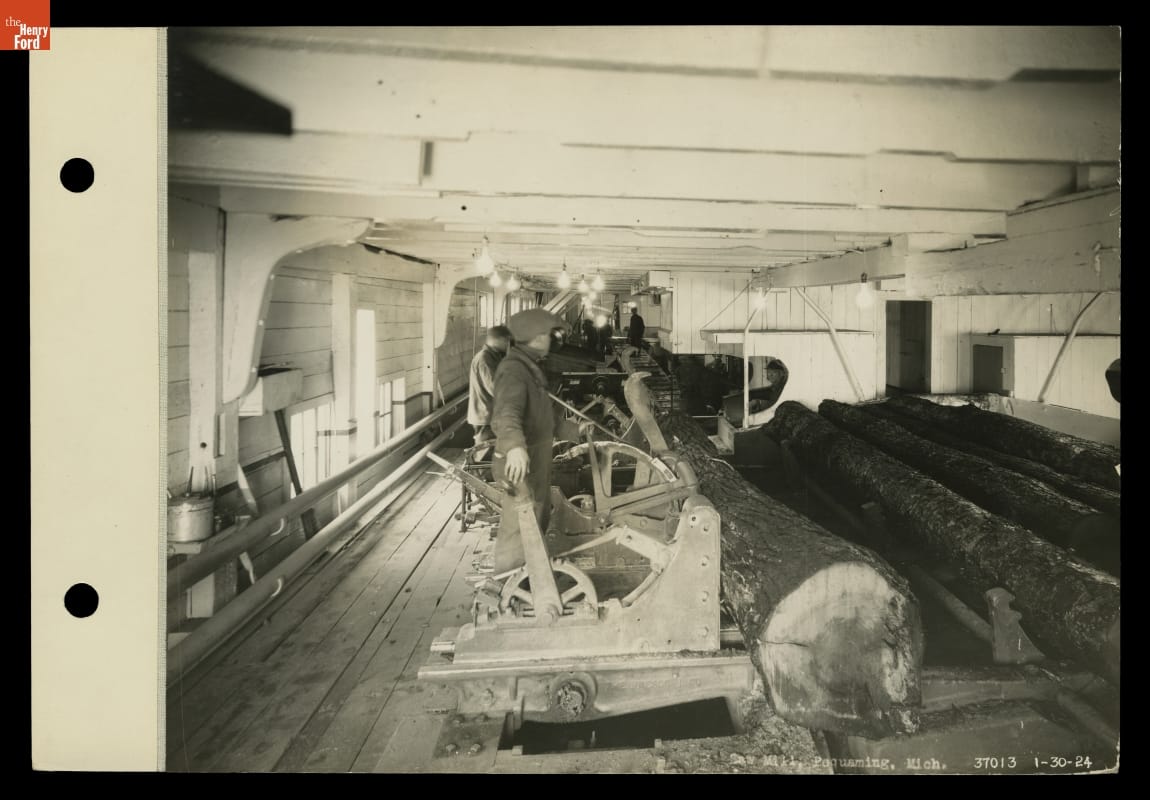
- January 30, 1924
- Collections - Artifact
Lumber Mill at Ford Plant in Pequaming, Michigan, 1924
In 1919, Henry Ford began buying vast amounts of forestland in Michigan's Upper Peninsula. These prime hardwood forests supplied the lumber used to create vehicle bodies and parts. Other products such as railroad ties, shipping containers and chemical byproducts were also made -- all to support Ford's automobile operations and his goal of manufacturing self-sufficiency.
- Moisture Register Company Electronic Moisture Register, 1944-1949 -
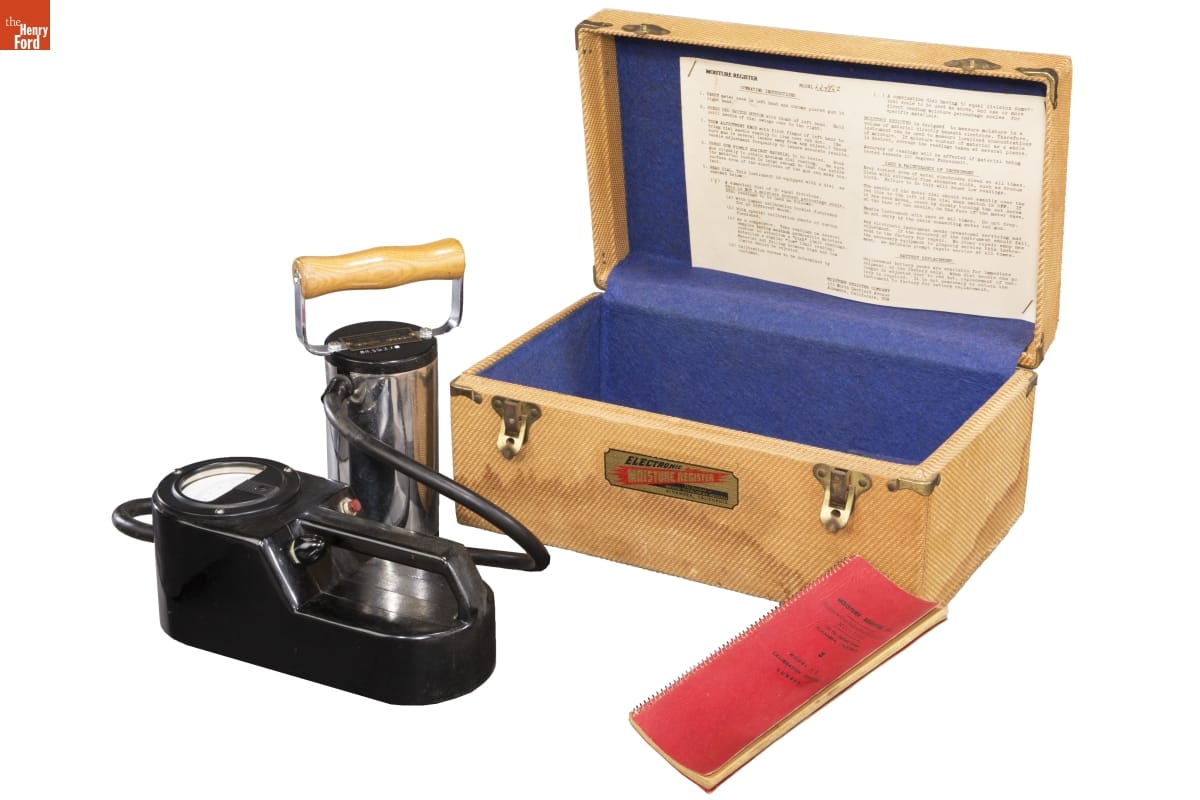
- 1944-1949
- Collections - Artifact
Moisture Register Company Electronic Moisture Register, 1944-1949
- Saw Mill and Block House upon Fort Anne Creek, January 1, 1789 -
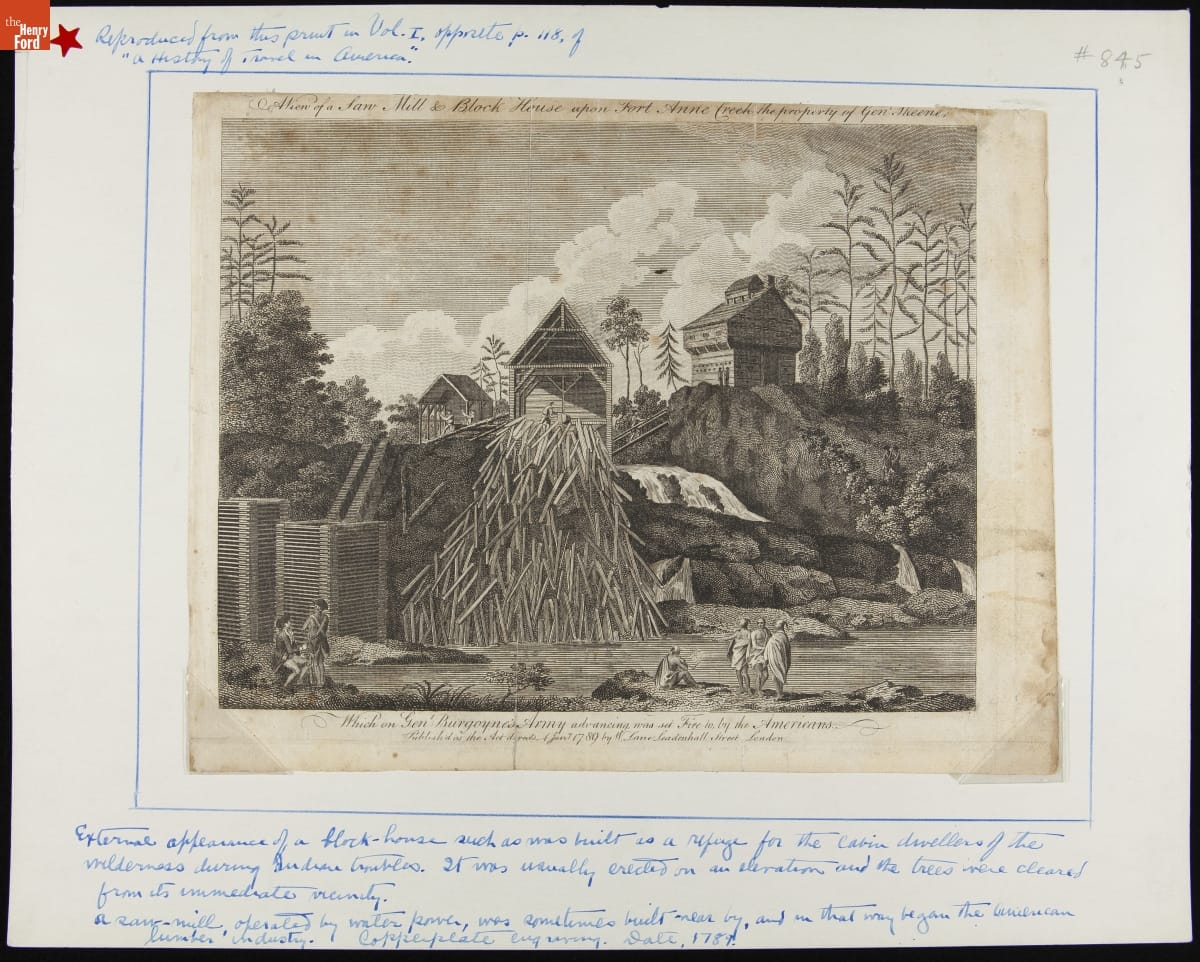
- 1789
- Collections - Artifact
Saw Mill and Block House upon Fort Anne Creek, January 1, 1789
- Tripp Sawmill at Its Original Site, 1855-1926 -
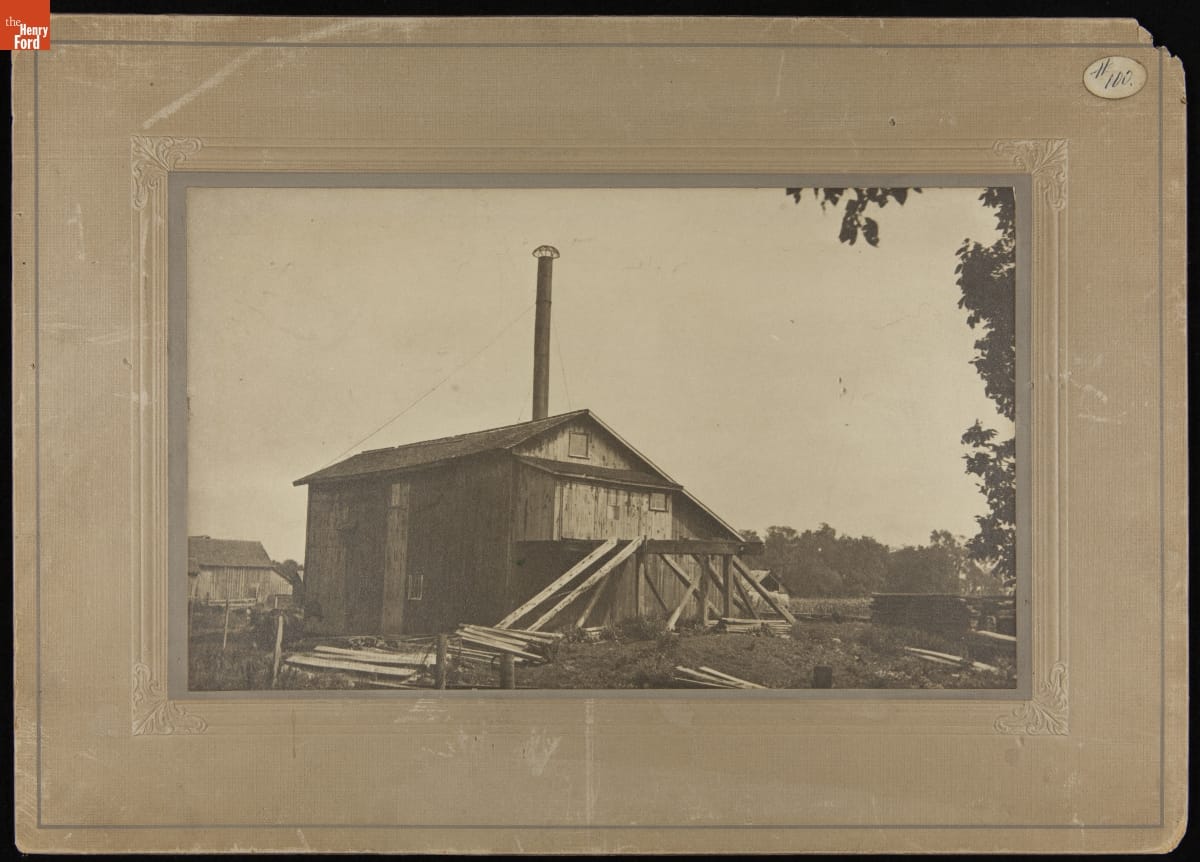
- 1855-1926
- Collections - Artifact
Tripp Sawmill at Its Original Site, 1855-1926
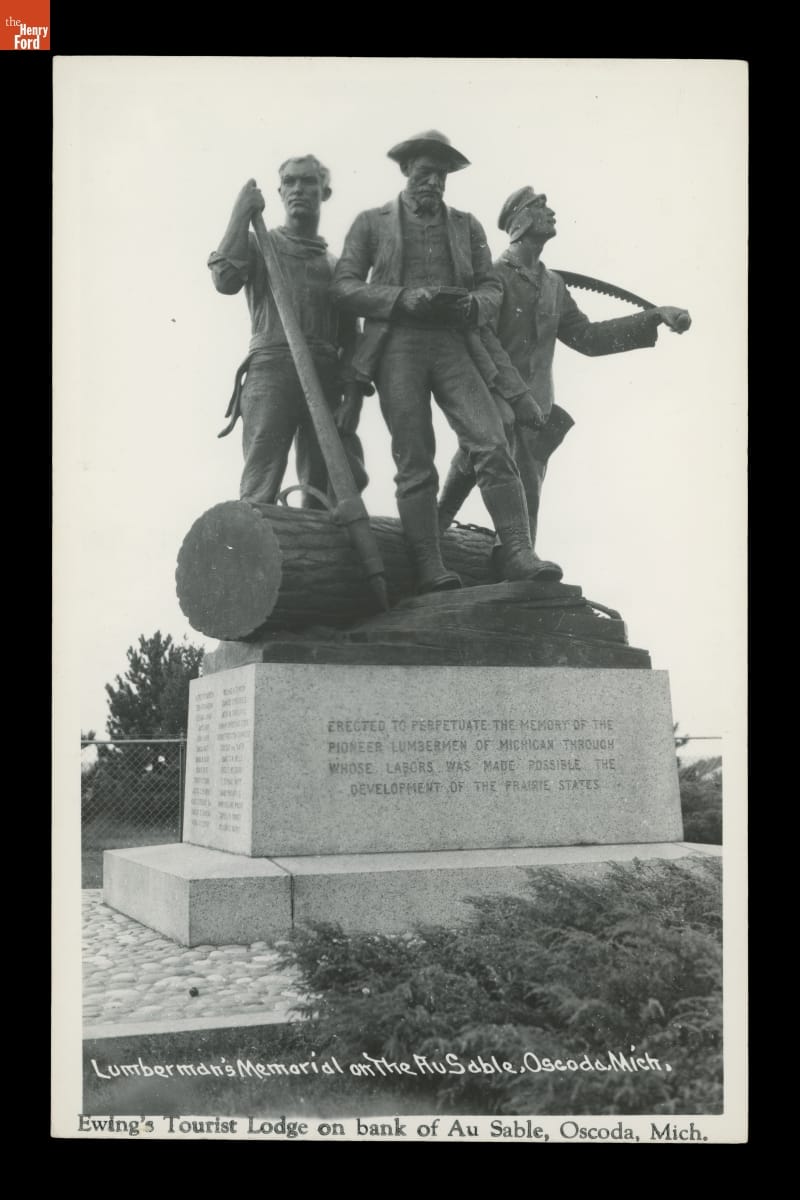
- "Lumberman's Memorial on the Au Sable, Oscoda, Mich." - The lumber industry in northern Michigan boomed in the late 19th and early 20th centuries. This postcard depicts the 14-foot monument erected in 1932 near Oscoda, Michigan, dedicated to the area's lumbering history. The monument includes a timber cruiser who surveyed the forest, a sawyer who harvested the trees, and a river rat who guided the valuable logs downriver to the sawmill.
- 1939-1950
- Collections - Artifact
"Lumberman's Memorial on the Au Sable, Oscoda, Mich."
The lumber industry in northern Michigan boomed in the late 19th and early 20th centuries. This postcard depicts the 14-foot monument erected in 1932 near Oscoda, Michigan, dedicated to the area's lumbering history. The monument includes a timber cruiser who surveyed the forest, a sawyer who harvested the trees, and a river rat who guided the valuable logs downriver to the sawmill.