
Search
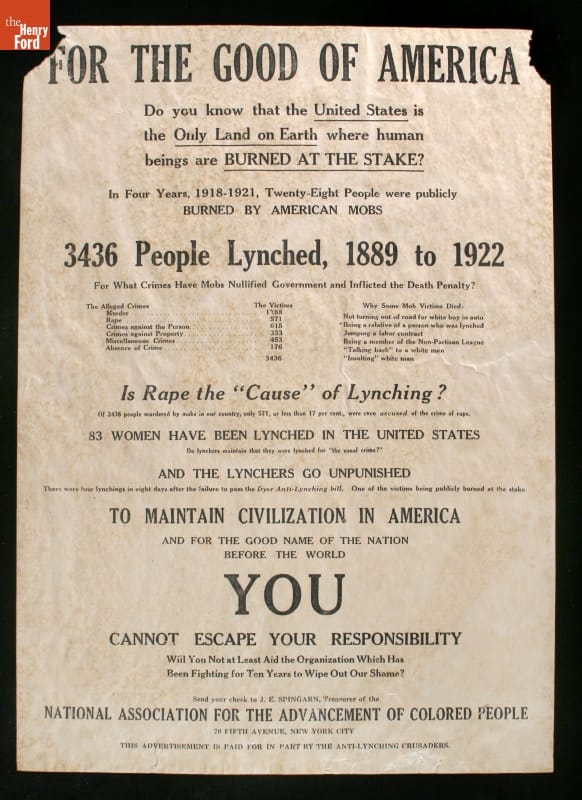
- "For the Good of America... You Cannot Escape Your Responsibility," 1923 - In 1912, the NAACP began a formal campaign to ban lynching. This 1923 broadside informed Americans about the numbers, causes and brutality of lynching. An anti-lynching bill was first introduced in Congress in 1918. A later version -- and others that followed -- failed to pass in the United States Senate. In June 2005, the Senate finally issued a formal apology for never having outlawed lynching.
- 1923
- Collections - Artifact
"For the Good of America... You Cannot Escape Your Responsibility," 1923
In 1912, the NAACP began a formal campaign to ban lynching. This 1923 broadside informed Americans about the numbers, causes and brutality of lynching. An anti-lynching bill was first introduced in Congress in 1918. A later version -- and others that followed -- failed to pass in the United States Senate. In June 2005, the Senate finally issued a formal apology for never having outlawed lynching.
- Letter from William Jennings Bryan to Dr. Frederick Lynch, 1917 -
- March 22, 1917
- Collections - Artifact
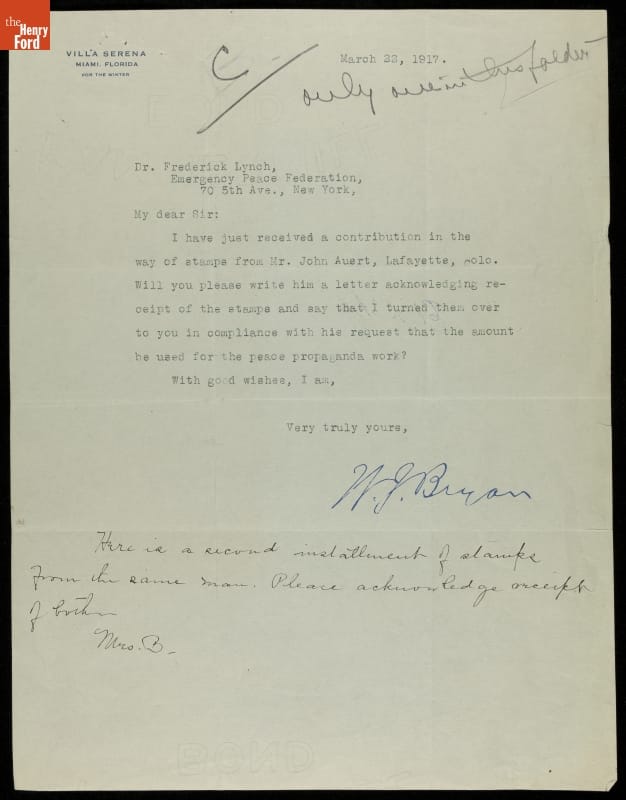
Letter from William Jennings Bryan to Dr. Frederick Lynch, 1917
- "Lynching Northern Style," June 1949 -
- June 01, 1949
- Collections - Artifact
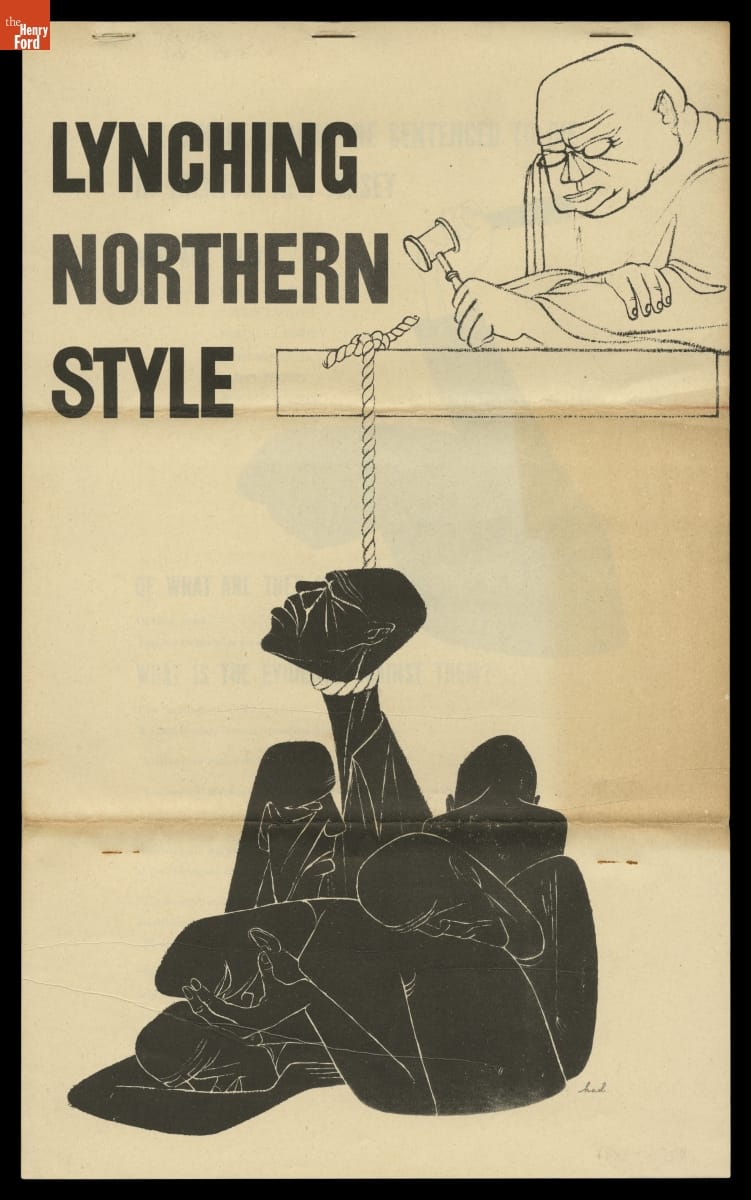
"Lynching Northern Style," June 1949
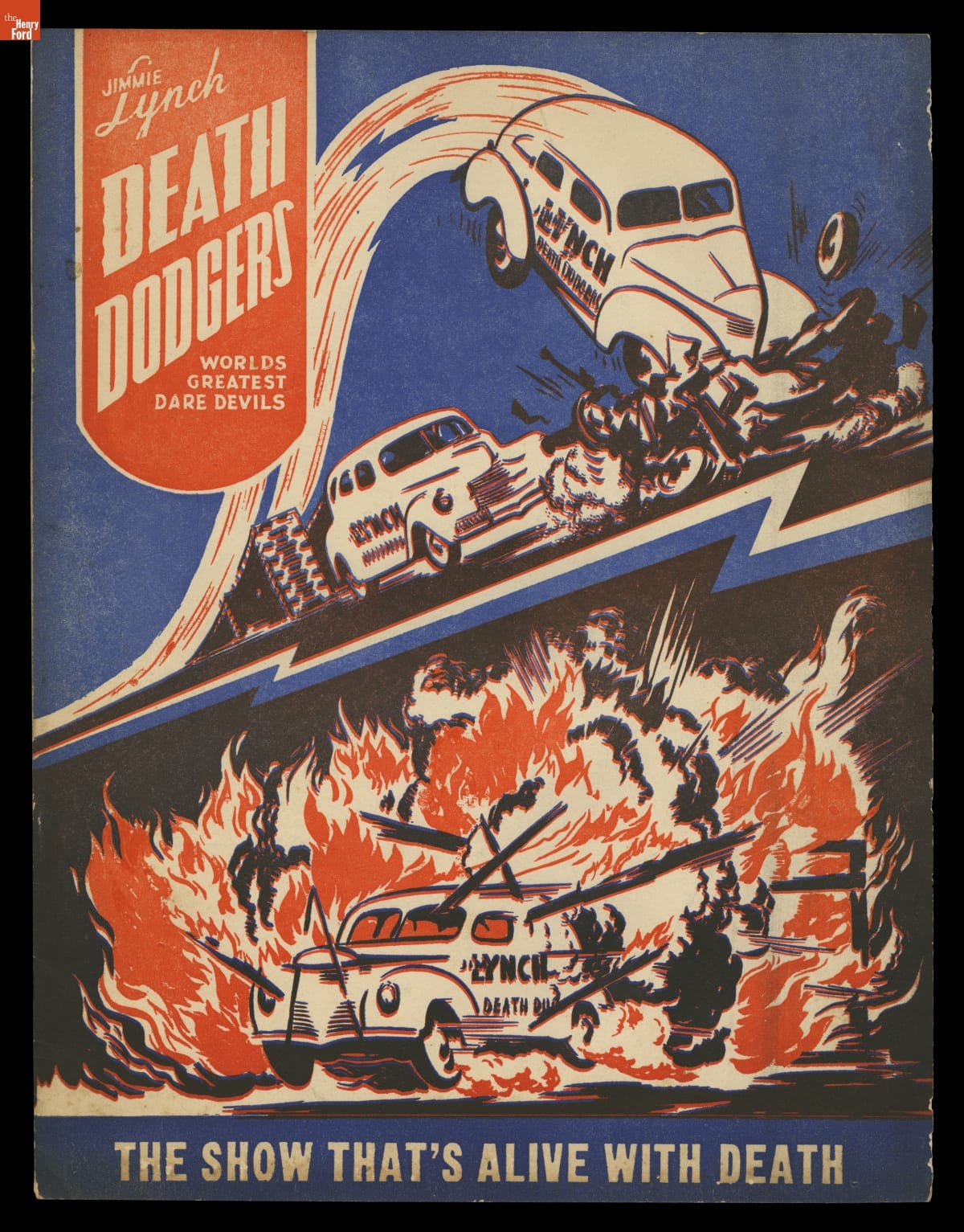
- "Jimmie Lynch Death Dodgers, World's Greatest Daredevils," circa 1950 - Jimmie Lynch, automobile daredevil and stunt car performer, began his career in the 1930s. He and his troop of Death Dodgers toured the country crashing cars and entertaining the public. Though rollovers, crashes and stunts were basic elements of daredevil thrill shows, Lynch also promoted automobile safety. He performed tests for the National Safety Council and educated the public on how and <EM>how not</EM> to drive.
- circa 1950
- Collections - Artifact
"Jimmie Lynch Death Dodgers, World's Greatest Daredevils," circa 1950
Jimmie Lynch, automobile daredevil and stunt car performer, began his career in the 1930s. He and his troop of Death Dodgers toured the country crashing cars and entertaining the public. Though rollovers, crashes and stunts were basic elements of daredevil thrill shows, Lynch also promoted automobile safety. He performed tests for the National Safety Council and educated the public on how and how not to drive.
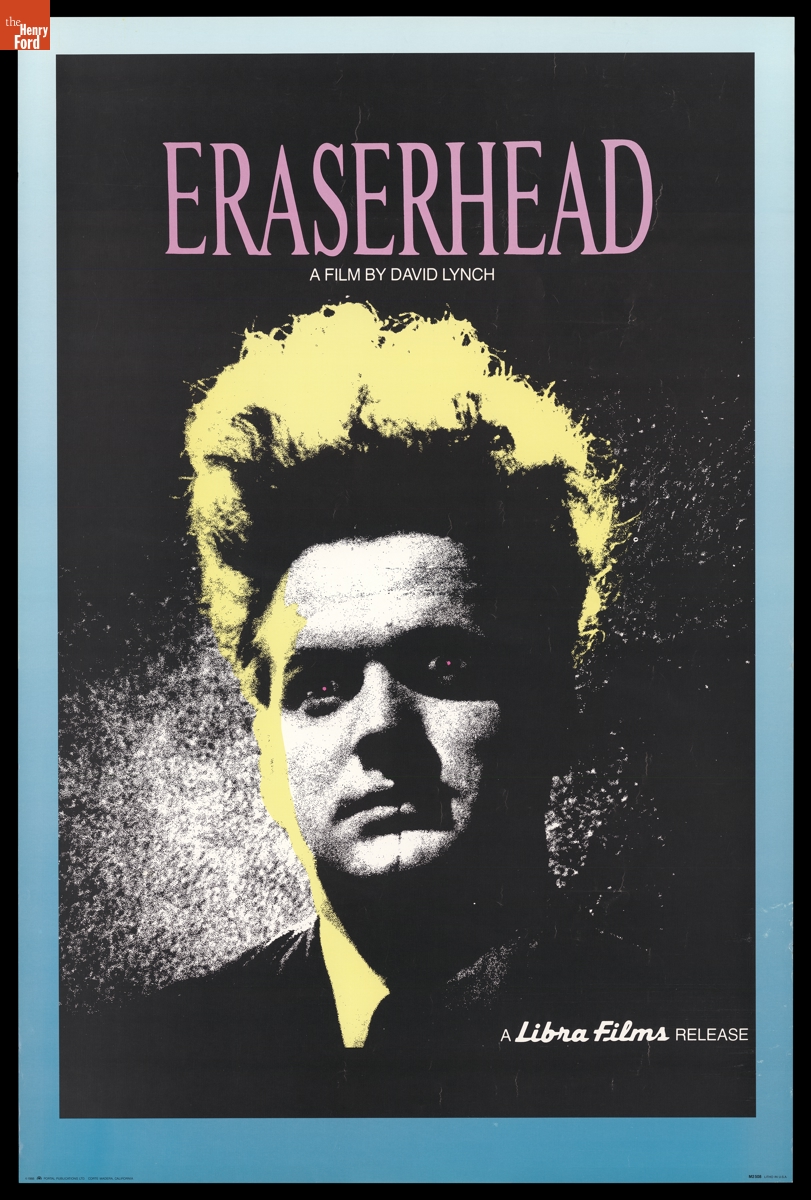
- "Eraserhead: A Film by David Lynch, A Libra Film Release," Poster, 1988 -
- 1988
- Collections - Artifact
"Eraserhead: A Film by David Lynch, A Libra Film Release," Poster, 1988
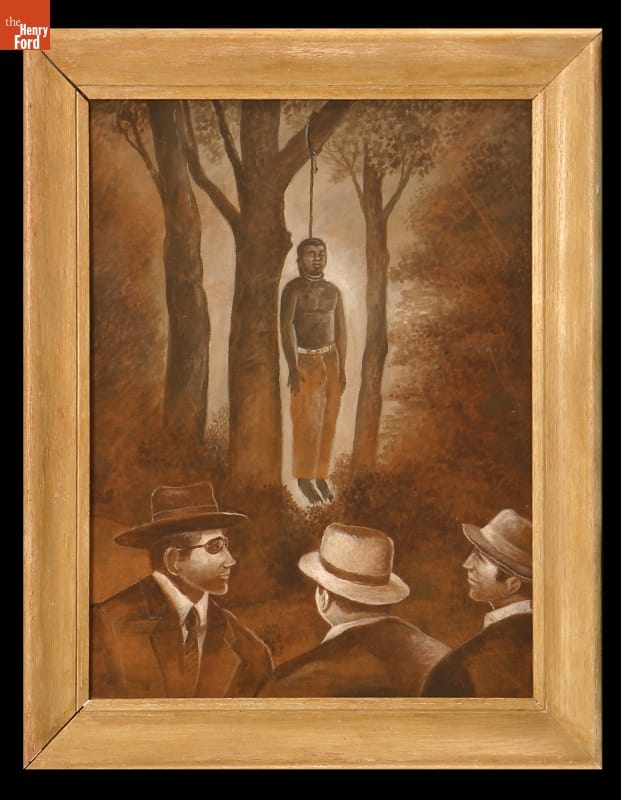
- Painting on Masonite, "Lynching of Wilbert Lee for Raping a White Girl," 1936 - Social control in Jim Crow America relied on violent suppression of the black population -- sometimes even for the most minor infraction. Lynching sent a message to the entire community that no questioning of white supremacy would be tolerated. Although historians have documented more than 3,400 murders of blacks by white mobs between 1882 and 1964, this painting depicts an unconfirmed lynching.
- 1936
- Collections - Artifact
Painting on Masonite, "Lynching of Wilbert Lee for Raping a White Girl," 1936
Social control in Jim Crow America relied on violent suppression of the black population -- sometimes even for the most minor infraction. Lynching sent a message to the entire community that no questioning of white supremacy would be tolerated. Although historians have documented more than 3,400 murders of blacks by white mobs between 1882 and 1964, this painting depicts an unconfirmed lynching.
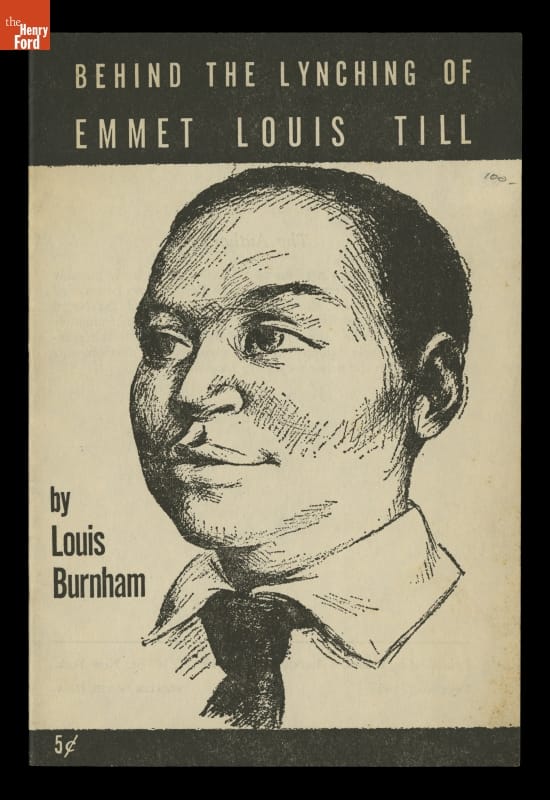
- Brochure, "Behind the Lynching of Emmet Louis Till," 1955 - In August 1955, a Black fourteen-year-old boy named Emmett Till was abducted from a relative's house while visiting family in Mississippi. Two white men accused him of teasing a white woman and lynched Till as punishment--his mutilated corpse was later pulled from the Tallahatchie River. An all-white jury found his murderers--who later admitted to the act--not guilty. The murder and acquittal were evidence of the Deep South's violent social codes. Till's mother insisted on displaying her son's disfigured body in an open casket for all to see. Outrage spurred community organization that ignited the modern Civil Rights movement.
- December 01, 1955
- Collections - Artifact
Brochure, "Behind the Lynching of Emmet Louis Till," 1955
In August 1955, a Black fourteen-year-old boy named Emmett Till was abducted from a relative's house while visiting family in Mississippi. Two white men accused him of teasing a white woman and lynched Till as punishment--his mutilated corpse was later pulled from the Tallahatchie River. An all-white jury found his murderers--who later admitted to the act--not guilty. The murder and acquittal were evidence of the Deep South's violent social codes. Till's mother insisted on displaying her son's disfigured body in an open casket for all to see. Outrage spurred community organization that ignited the modern Civil Rights movement.
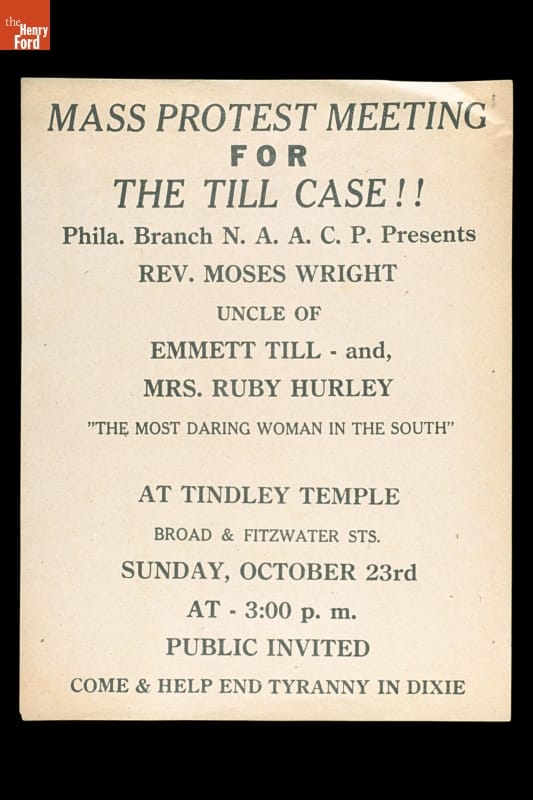
- "Mass Protest Meeting for the Till Case!!," Sunday, October 23, 1955 - In August 1955, a Black fourteen-year-old boy named Emmett Till was abducted from a relative's house while visiting family in Mississippi. Two white men accused him of teasing a white woman and lynched Till as punishment--his mutilated corpse was later pulled from the Tallahatchie River. An all-white jury found his murderers--who later admitted to the act--not guilty. The murder and acquittal were evidence of the Deep South's violent social codes. Till's mother insisted on displaying her son's disfigured body in an open casket for all to see. Outrage spurred community organization that ignited the modern Civil Rights movement.
- October 23, 1955
- Collections - Artifact
"Mass Protest Meeting for the Till Case!!," Sunday, October 23, 1955
In August 1955, a Black fourteen-year-old boy named Emmett Till was abducted from a relative's house while visiting family in Mississippi. Two white men accused him of teasing a white woman and lynched Till as punishment--his mutilated corpse was later pulled from the Tallahatchie River. An all-white jury found his murderers--who later admitted to the act--not guilty. The murder and acquittal were evidence of the Deep South's violent social codes. Till's mother insisted on displaying her son's disfigured body in an open casket for all to see. Outrage spurred community organization that ignited the modern Civil Rights movement.