
Search
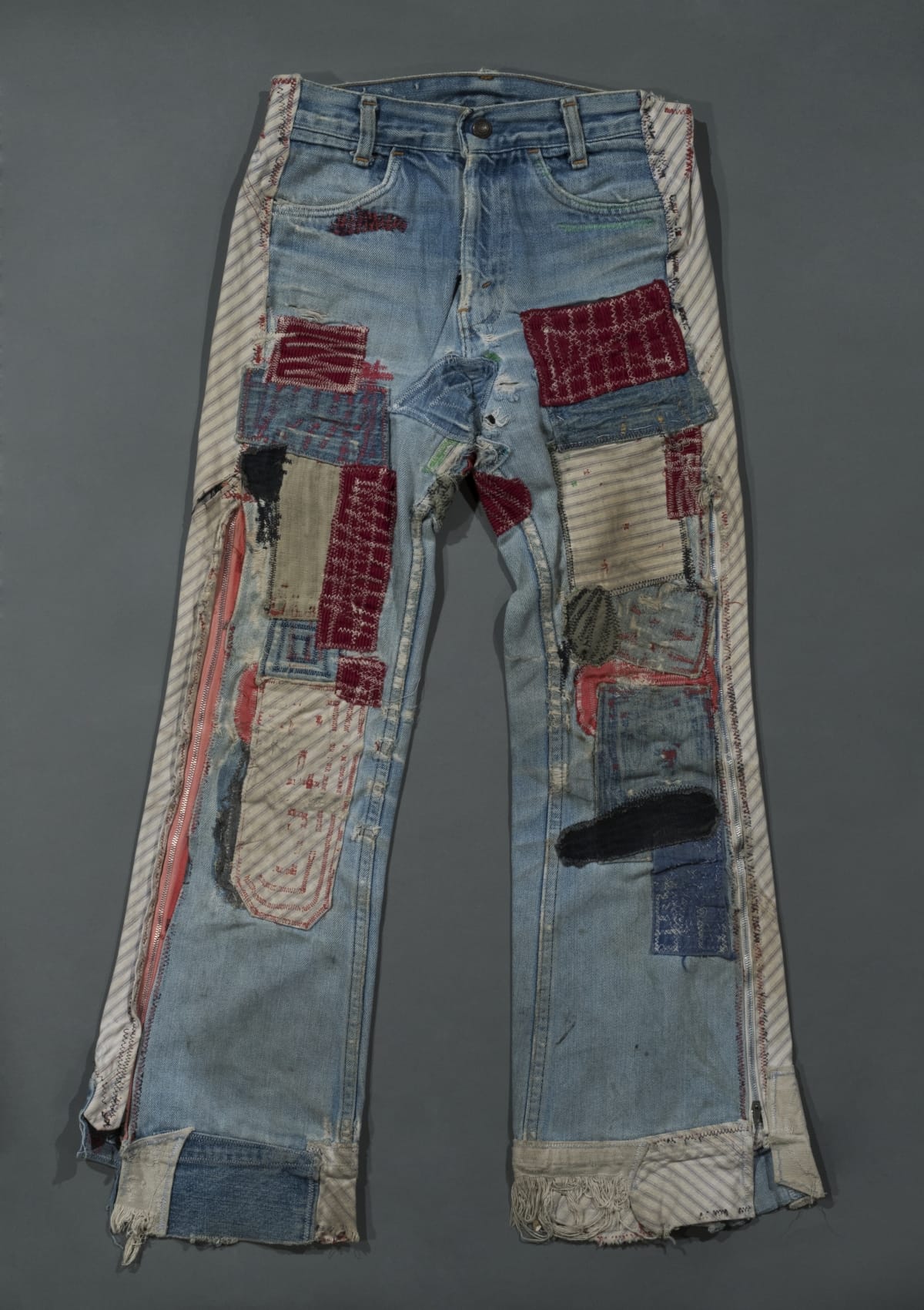
- Levi Jeans, 1970-1975 -
- 1970-1975
- Collections - Artifact
Levi Jeans, 1970-1975
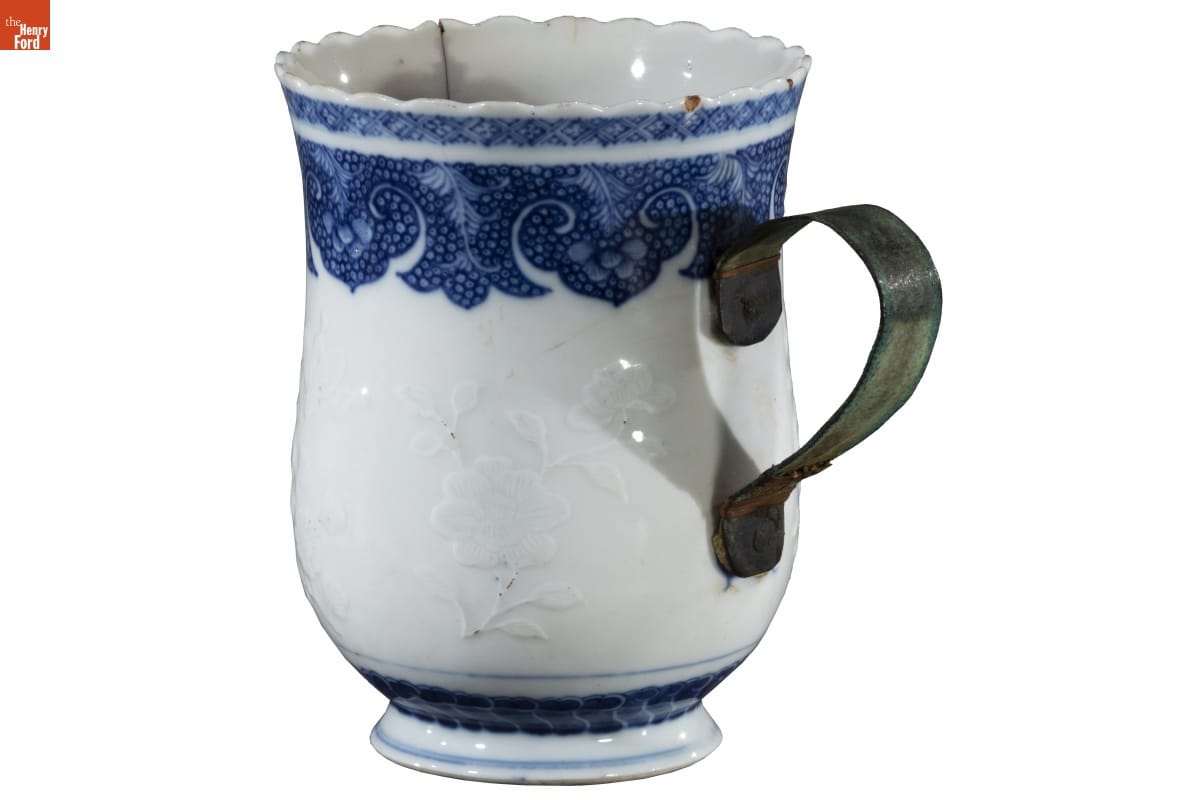
- Mug, 1850-1900 -
- 1850-1900
- Collections - Artifact
Mug, 1850-1900
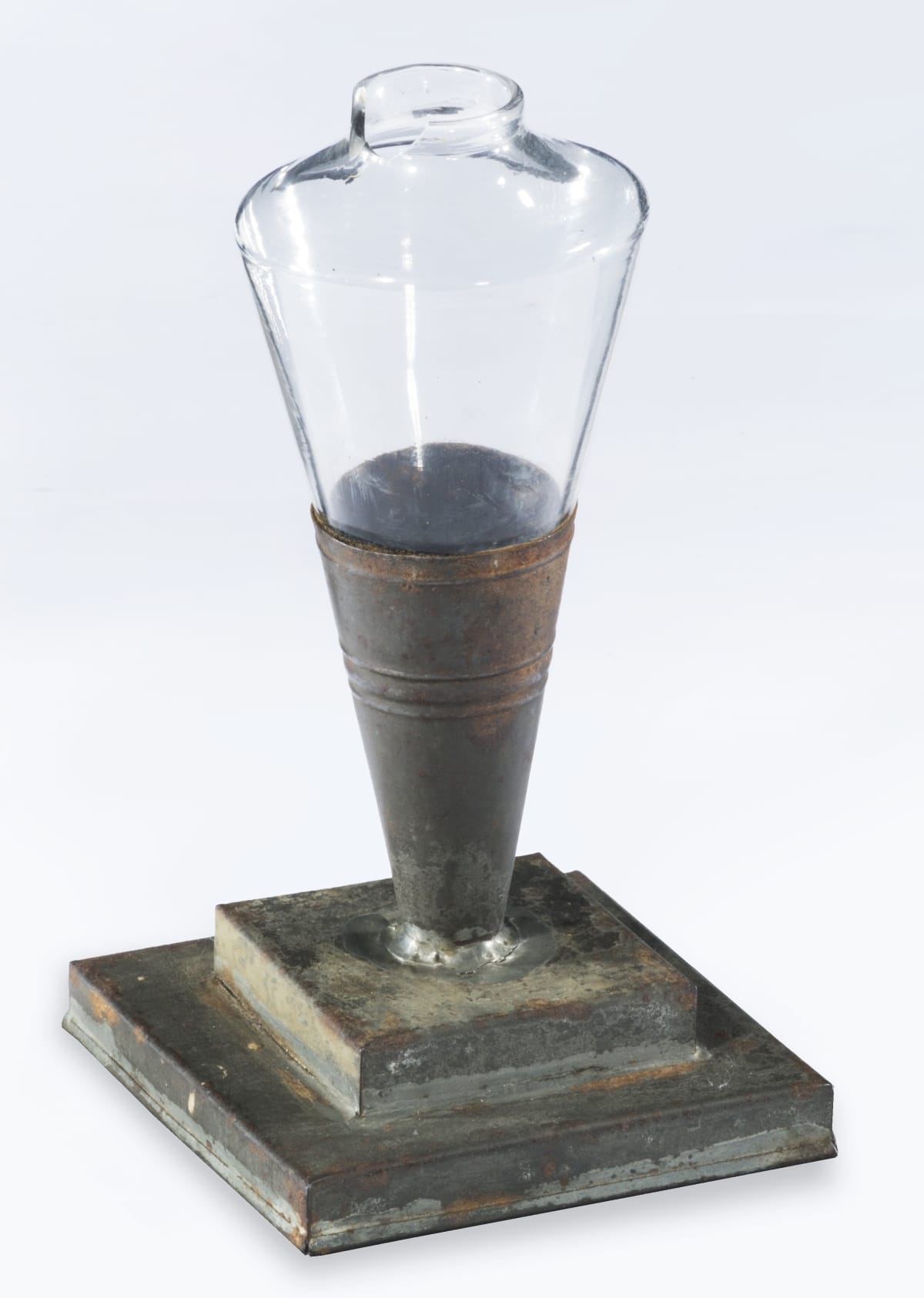
- Whale Oil Lamp, circa 1850 - Traditional make-dos are useful and precious objects that broke during their working lives. Their owners felt compelled to restore or repurpose these objects in a variety of ways. The glass base of this lamp broke and it was given a new base made of tin.
- circa 1850
- Collections - Artifact
Whale Oil Lamp, circa 1850
Traditional make-dos are useful and precious objects that broke during their working lives. Their owners felt compelled to restore or repurpose these objects in a variety of ways. The glass base of this lamp broke and it was given a new base made of tin.
- Pitcher, circa 1825 - In the 19th century, when a useful piece of serving ware like a ceramic pitcher broke, it was common to send it to the local tinsmith who would create a structure or mount to keep the pitcher usable.

- circa 1825
- Collections - Artifact
Pitcher, circa 1825
In the 19th century, when a useful piece of serving ware like a ceramic pitcher broke, it was common to send it to the local tinsmith who would create a structure or mount to keep the pitcher usable.
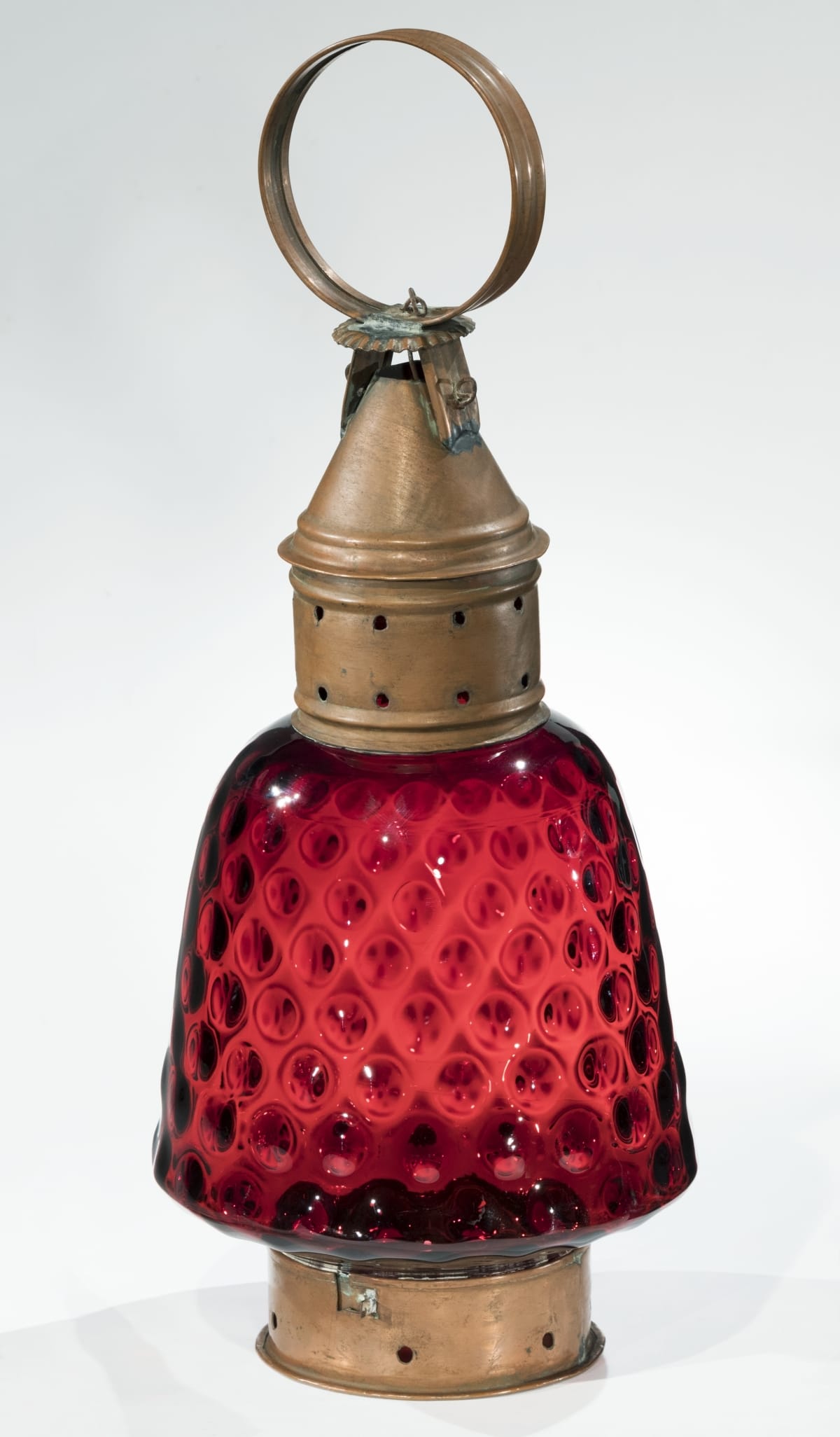
- Lantern, circa 1890 - Traditional make-dos are useful and precious objects that broke during their working lives. Their owners felt compelled to restore or repurpose these objects in a variety of ways. This lantern has a pressed glass chimney--that was originally a vase.
- circa 1890
- Collections - Artifact
Lantern, circa 1890
Traditional make-dos are useful and precious objects that broke during their working lives. Their owners felt compelled to restore or repurpose these objects in a variety of ways. This lantern has a pressed glass chimney--that was originally a vase.
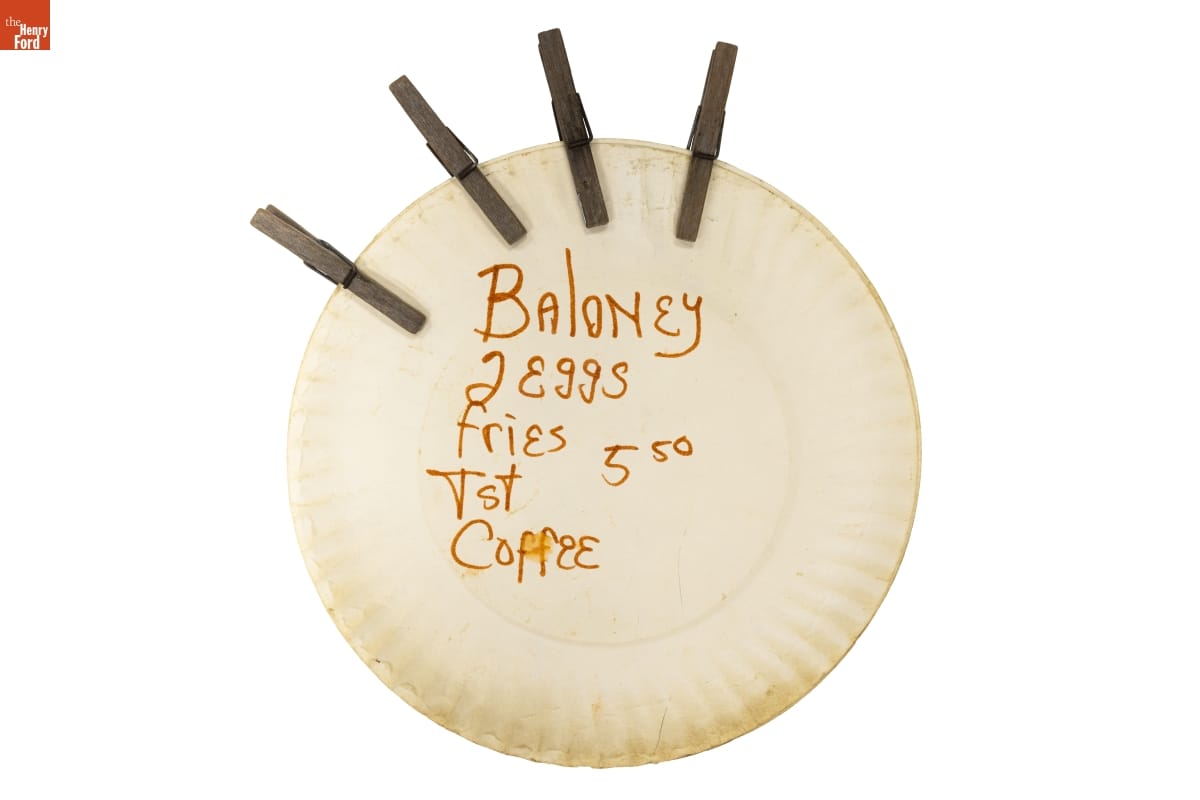
- Make-do Menu from Buddy's Truck Stop Consisting of Paper Plates with Diner Offerings and Prices, 2006 - This item comes from the collection of Richard J. S. Gutman, the leading expert on American diners, which was amassed in the course of a thesis, then four books, numerous articles, exhibitions, restorations, and other consulting projects. These handwritten, paper-plate, clothespin-hung menus were a signature trademark of Buddy's Truck Stop (Diner), Somerville, Massachusetts.
- 2006
- Collections - Artifact
Make-do Menu from Buddy's Truck Stop Consisting of Paper Plates with Diner Offerings and Prices, 2006
This item comes from the collection of Richard J. S. Gutman, the leading expert on American diners, which was amassed in the course of a thesis, then four books, numerous articles, exhibitions, restorations, and other consulting projects. These handwritten, paper-plate, clothespin-hung menus were a signature trademark of Buddy's Truck Stop (Diner), Somerville, Massachusetts.
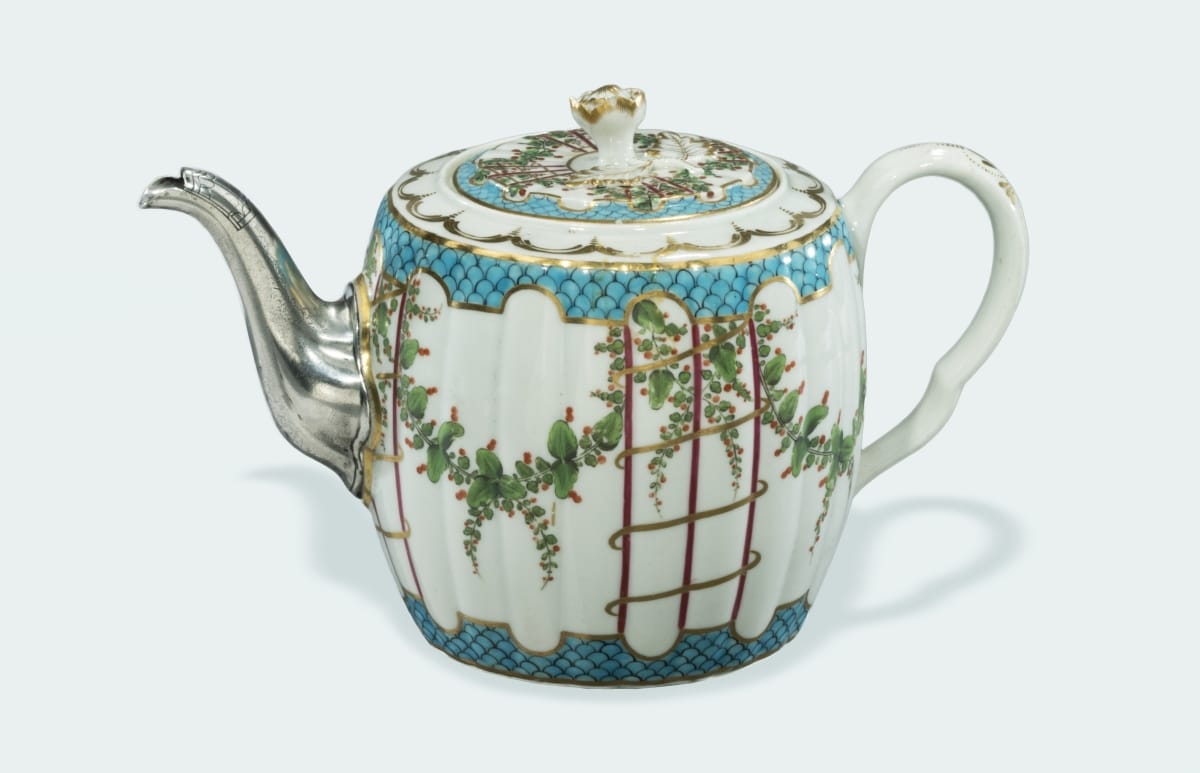
- Teapot, 1760-1775 - When new, this porcelain teapot was a fashionable and expensive piece of tableware. Early in its working life the spout broke and was replaced with equally expensive silver. A porcelain teapot with a silver spout would have been used to impress important guests with the owners' wealth and good taste.
- 1760-1775
- Collections - Artifact
Teapot, 1760-1775
When new, this porcelain teapot was a fashionable and expensive piece of tableware. Early in its working life the spout broke and was replaced with equally expensive silver. A porcelain teapot with a silver spout would have been used to impress important guests with the owners' wealth and good taste.
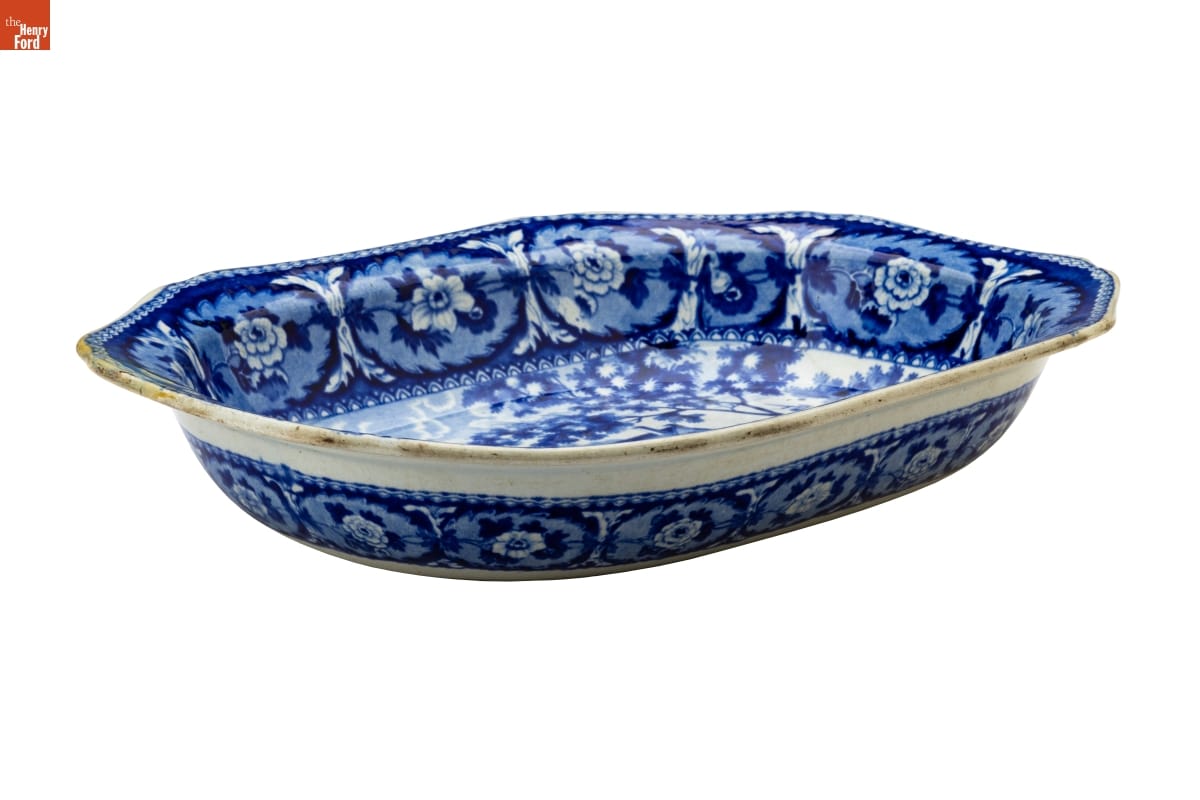
- Vegetable Dish, 1814-1830 -
- 1814-1830
- Collections - Artifact
Vegetable Dish, 1814-1830
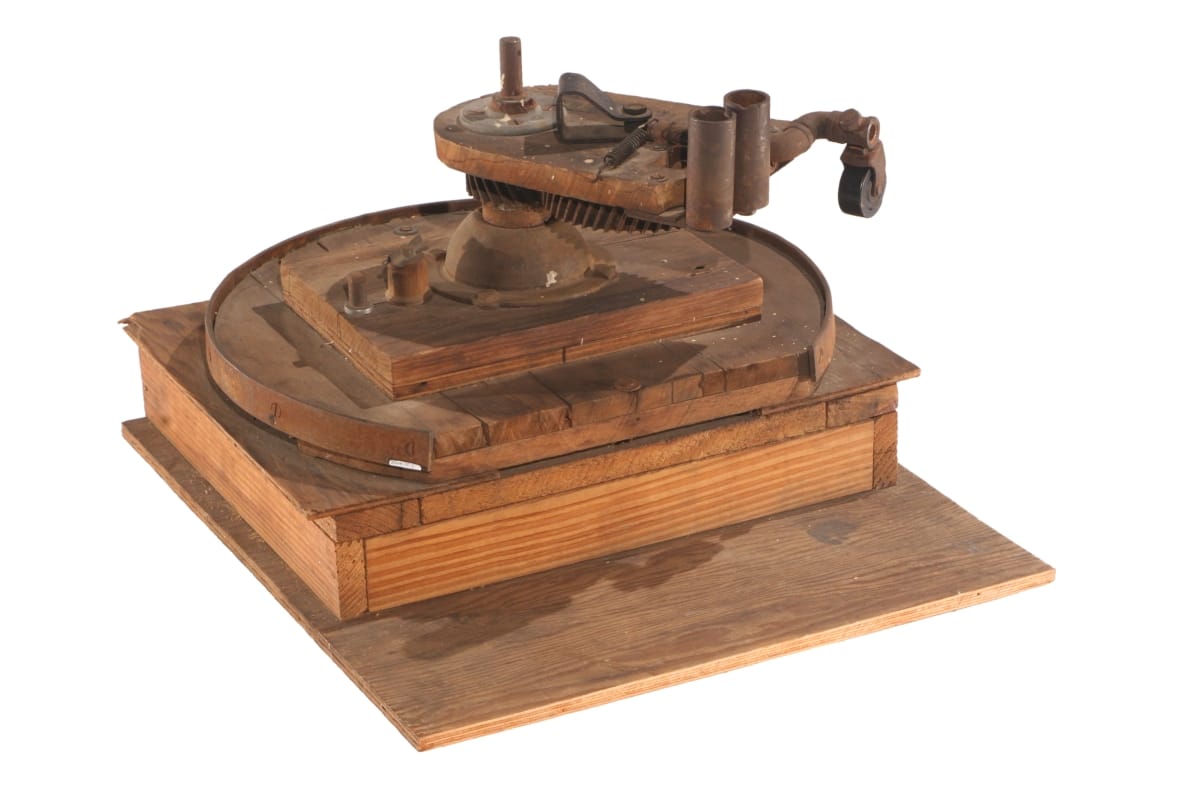
- Tire-Mounting Machine, 1938 - Ford worker Ingvald Ekse built this prototype tire-mounting machine from spare parts in 1938. At the time, most tires relied on a separate inner tube to maintain pressure. Replacing a damaged tube meant removing the tire from the rim and then remounting it after a new tube was installed. This machine helped seat the tire's bead properly along the wheel's rim.
- 1938
- Collections - Artifact
Tire-Mounting Machine, 1938
Ford worker Ingvald Ekse built this prototype tire-mounting machine from spare parts in 1938. At the time, most tires relied on a separate inner tube to maintain pressure. Replacing a damaged tube meant removing the tire from the rim and then remounting it after a new tube was installed. This machine helped seat the tire's bead properly along the wheel's rim.
- "Indivisible! Not Invisible," Sign from the Women's March, Washington, D. C., January 21, 2017 - On January 21, 2017 -- the day after Donald Trump's inauguration as President -- approximately four million people took to the streets across the United States to participate in the Women's March. This sign was carried at the Washington, D.C., protest. It repurposes Shephard Fairey's "We the People" poster that was printed in the <em>Washington Post</em> the day before the event.

- January 21, 2017
- Collections - Artifact
"Indivisible! Not Invisible," Sign from the Women's March, Washington, D. C., January 21, 2017
On January 21, 2017 -- the day after Donald Trump's inauguration as President -- approximately four million people took to the streets across the United States to participate in the Women's March. This sign was carried at the Washington, D.C., protest. It repurposes Shephard Fairey's "We the People" poster that was printed in the Washington Post the day before the event.