
Search
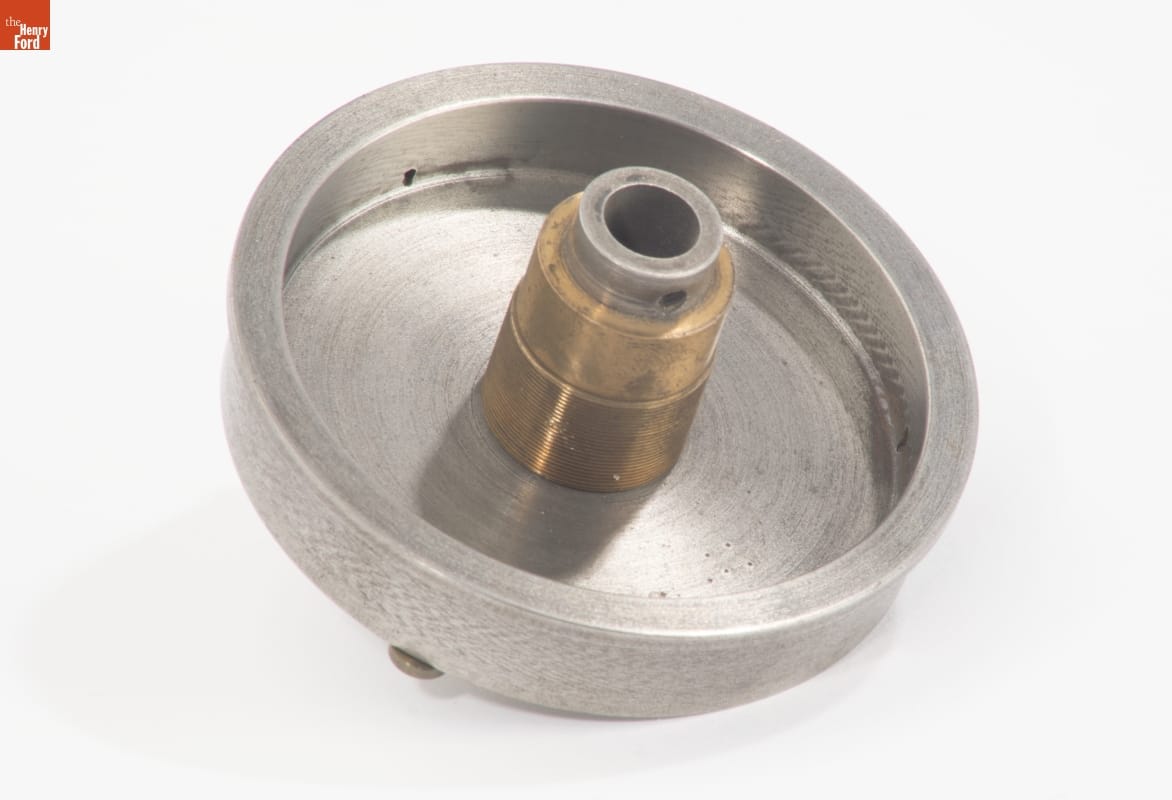
- Mandrel for Edison Talking Doll Phonograph, 1888-1890 - Thomas Edison's 1878 patent for a "phonographic" doll resulted in the production of about 100 "talking" dolls between 1889 and 1890. This doll "talked" by means of a scaled-down phonograph inside its body, which played nursery rhymes like "Mary Had a Little Lamb." Only made for a short time, the doll's mechanism was unreliable and the recorded voices scared children.
- 1888-1890
- Collections - Artifact
Mandrel for Edison Talking Doll Phonograph, 1888-1890
Thomas Edison's 1878 patent for a "phonographic" doll resulted in the production of about 100 "talking" dolls between 1889 and 1890. This doll "talked" by means of a scaled-down phonograph inside its body, which played nursery rhymes like "Mary Had a Little Lamb." Only made for a short time, the doll's mechanism was unreliable and the recorded voices scared children.
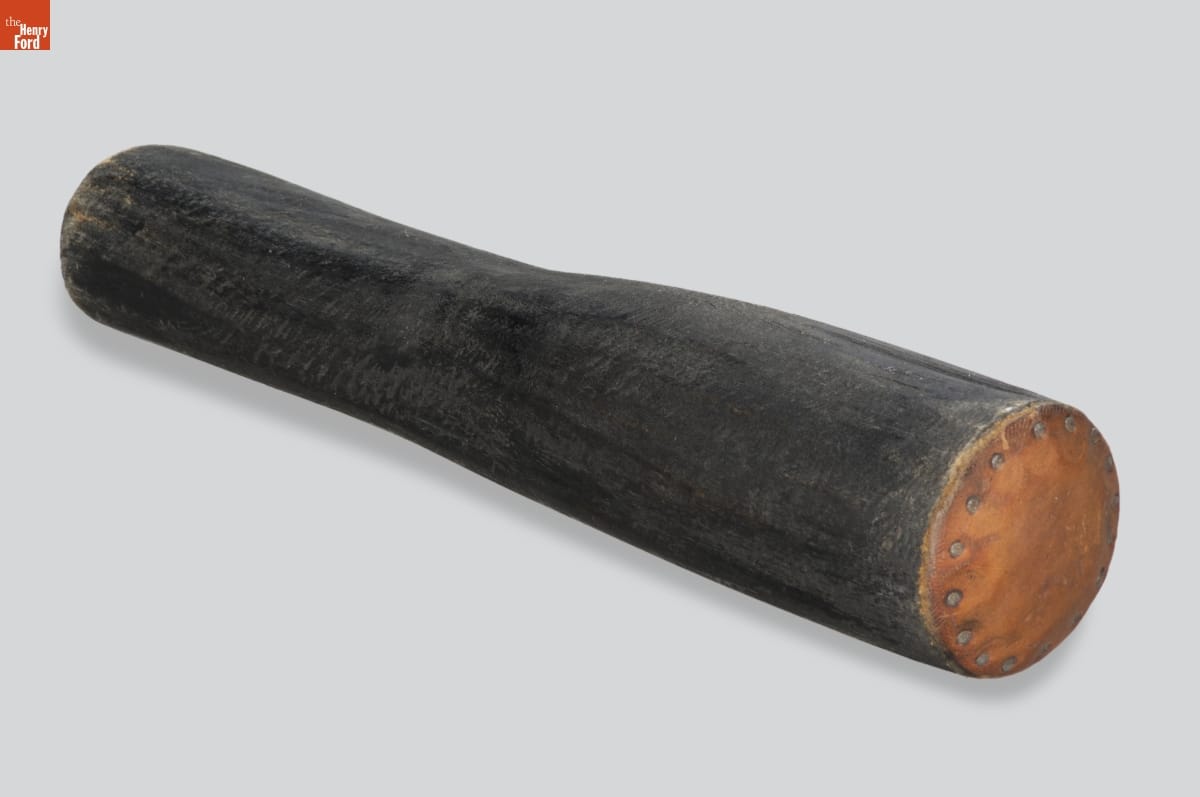
- Mandrel, 1880-1920 - Late-nineteenth and early-twentieth-century shoemakers turned pieces of leather into footwear. These craftspeople used a wide range of specialized tools to measure, cut, shape, stitch, trim, finish, and decorate their handiwork. Their tools included a variety of knives, hammers, punches, clamps, awls, and polishers and burnishers. Though these tools seem highly specialized, shoemakers were always adapting, using whatever tools were at hand to make shoes.
- 1880-1920
- Collections - Artifact
Mandrel, 1880-1920
Late-nineteenth and early-twentieth-century shoemakers turned pieces of leather into footwear. These craftspeople used a wide range of specialized tools to measure, cut, shape, stitch, trim, finish, and decorate their handiwork. Their tools included a variety of knives, hammers, punches, clamps, awls, and polishers and burnishers. Though these tools seem highly specialized, shoemakers were always adapting, using whatever tools were at hand to make shoes.