
Search
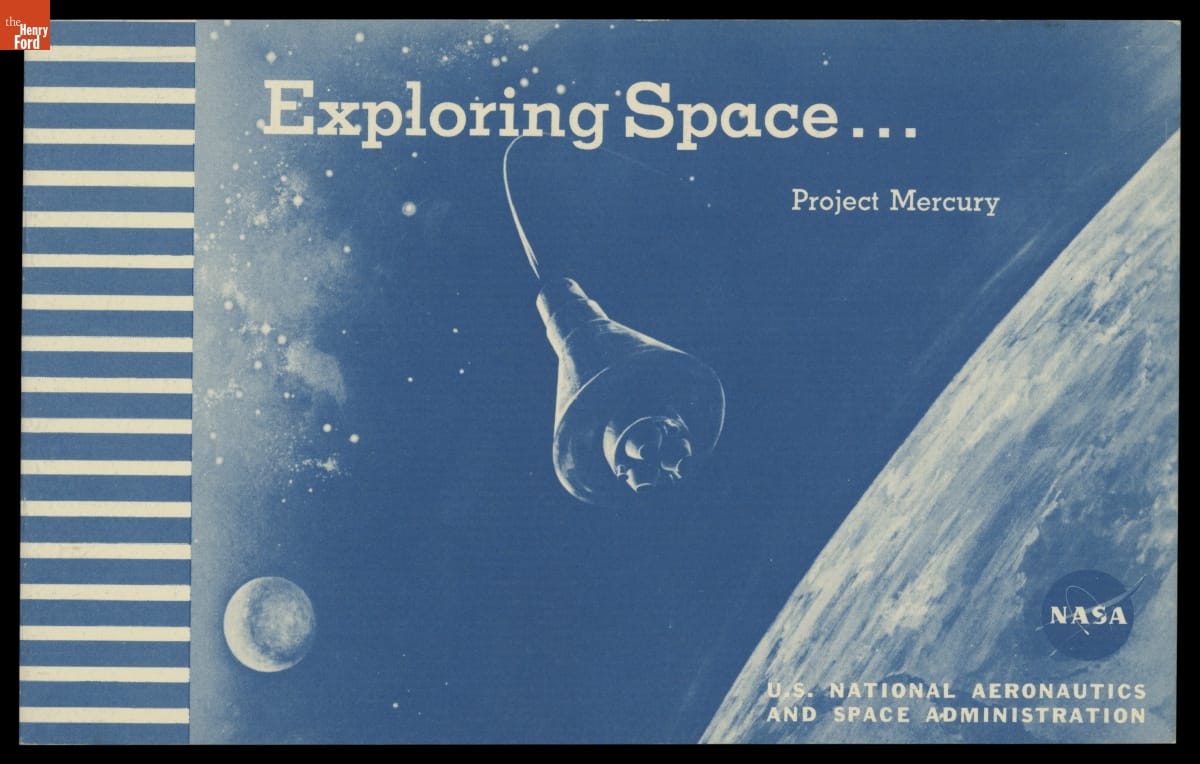
- Brochure, "Exploring Space... Project Mercury," 1961 - The National Aeronautics and Space Administration developed Project Mercury in 1958 to send a manned spacecraft into orbit. This brochure, published in early 1961, explained NASA's progress toward achieving that goal. Later, in May 1961, NASA would launch its first manned capsule. And in 1962, John Glenn orbited the Earth. Project Mercury ended in 1963 after six successful crewed missions.
- 1961
- Collections - Artifact
Brochure, "Exploring Space... Project Mercury," 1961
The National Aeronautics and Space Administration developed Project Mercury in 1958 to send a manned spacecraft into orbit. This brochure, published in early 1961, explained NASA's progress toward achieving that goal. Later, in May 1961, NASA would launch its first manned capsule. And in 1962, John Glenn orbited the Earth. Project Mercury ended in 1963 after six successful crewed missions.
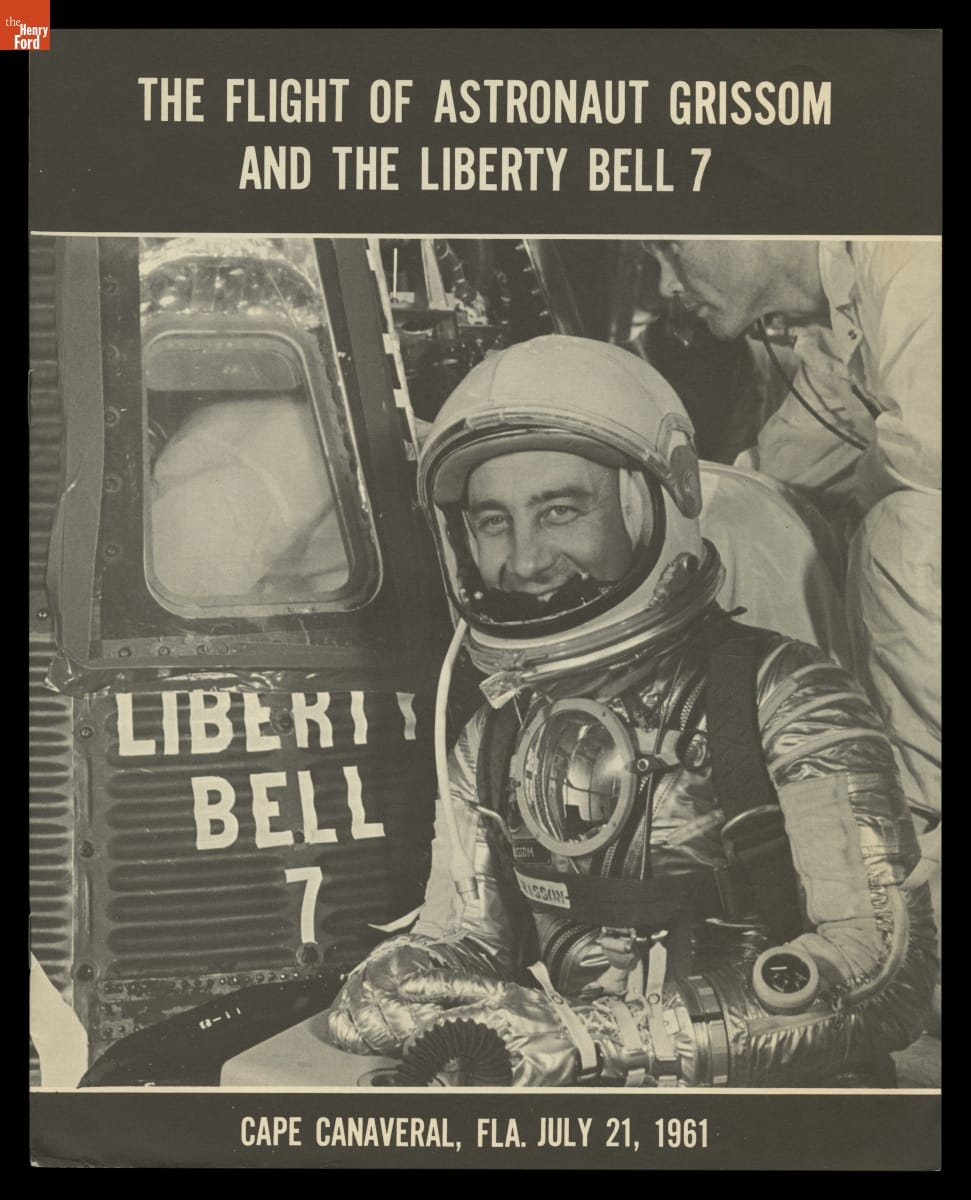
- Brochure, "The Flight of Astronaut Grissom and the Liberty Bell 7," July 21, 1961 - In July 1961, astronaut Virgil "Gus" Grissom became the second American to travel into space. This U.S. government brochure documents Grissom's flight in the National Aeronautics and Space Administration's Project Mercury capsule <em>Liberty Bell 7</em>. Grissom's sub-orbital flight was one step toward NASA's goal to orbit a manned spacecraft around Earth. John Glenn's flight in <em>Friendship 7</em>--the next mission--accomplished that objective.
- July 21, 1961
- Collections - Artifact
Brochure, "The Flight of Astronaut Grissom and the Liberty Bell 7," July 21, 1961
In July 1961, astronaut Virgil "Gus" Grissom became the second American to travel into space. This U.S. government brochure documents Grissom's flight in the National Aeronautics and Space Administration's Project Mercury capsule Liberty Bell 7. Grissom's sub-orbital flight was one step toward NASA's goal to orbit a manned spacecraft around Earth. John Glenn's flight in Friendship 7--the next mission--accomplished that objective.
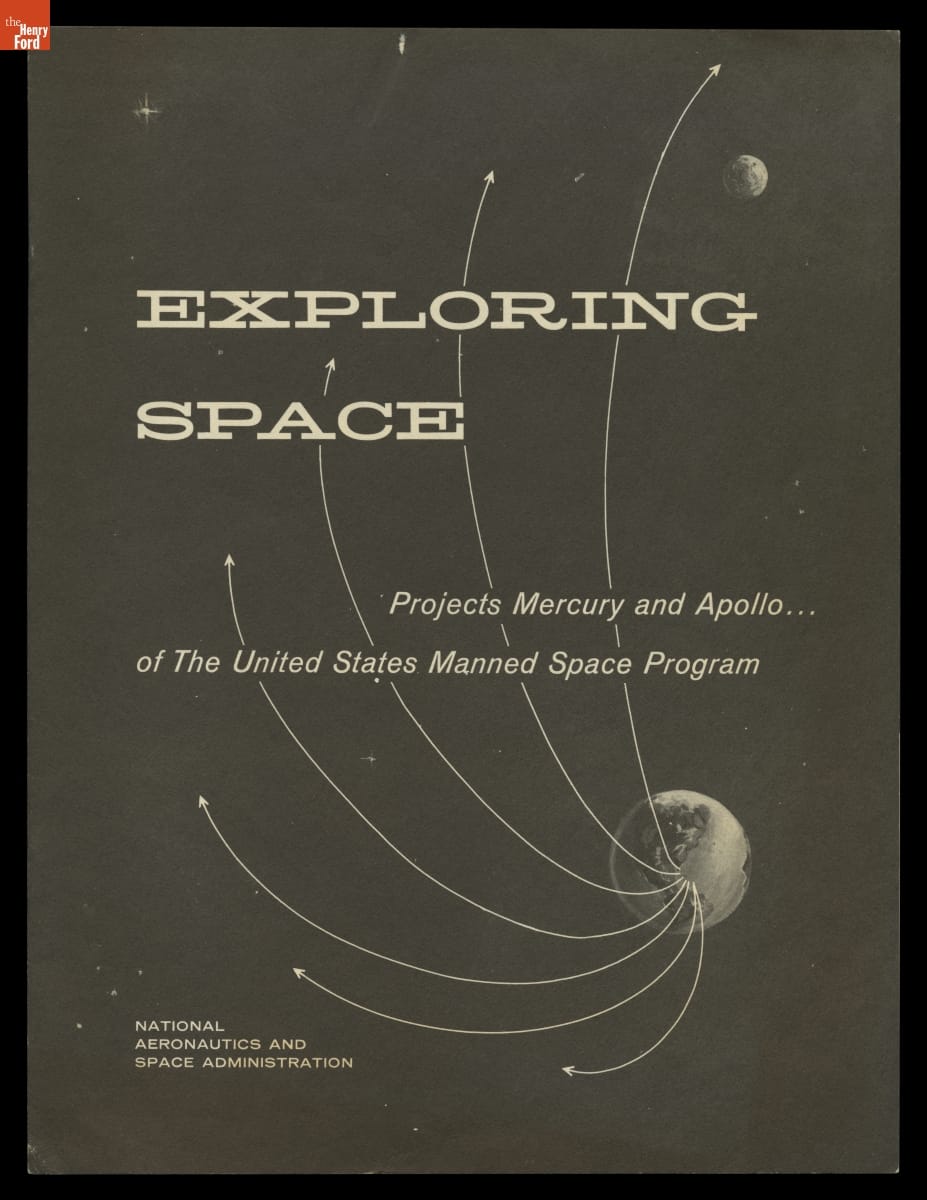
- Brochure, "Exploring Space: Projects Mercury and Apollo of the United States Manned Space Program," 1961 -
- 1961
- Collections - Artifact
Brochure, "Exploring Space: Projects Mercury and Apollo of the United States Manned Space Program," 1961
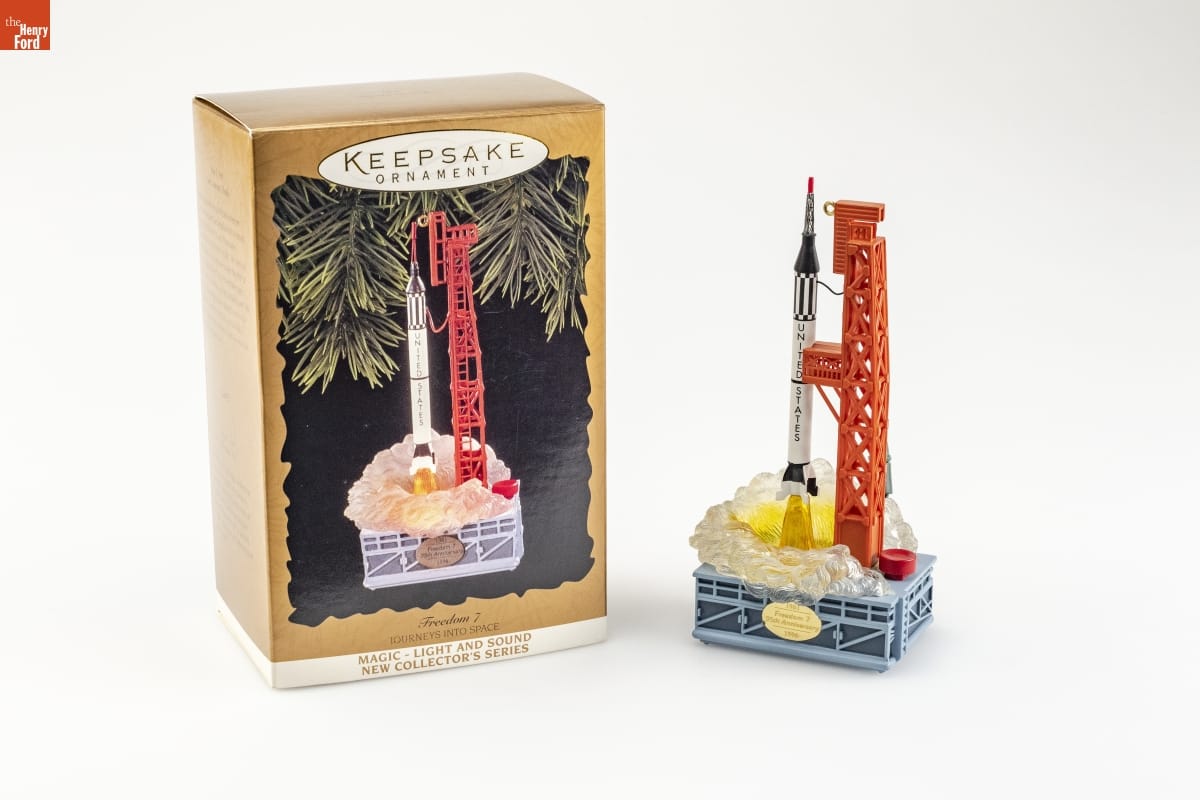
- Hallmark "Journeys into Space Series: Freedom 7" Christmas Ornament, 1996 - Already known for greeting cards, Hallmark introduced a line of Christmas ornaments in 1973. The company's annual release of an increasing array of ornaments revolutionized Christmas decorating, appealing to customers' interest in marking memories and milestones as well as expressing one's personality and unique tastes.
- 1961
- Collections - Artifact
Hallmark "Journeys into Space Series: Freedom 7" Christmas Ornament, 1996
Already known for greeting cards, Hallmark introduced a line of Christmas ornaments in 1973. The company's annual release of an increasing array of ornaments revolutionized Christmas decorating, appealing to customers' interest in marking memories and milestones as well as expressing one's personality and unique tastes.
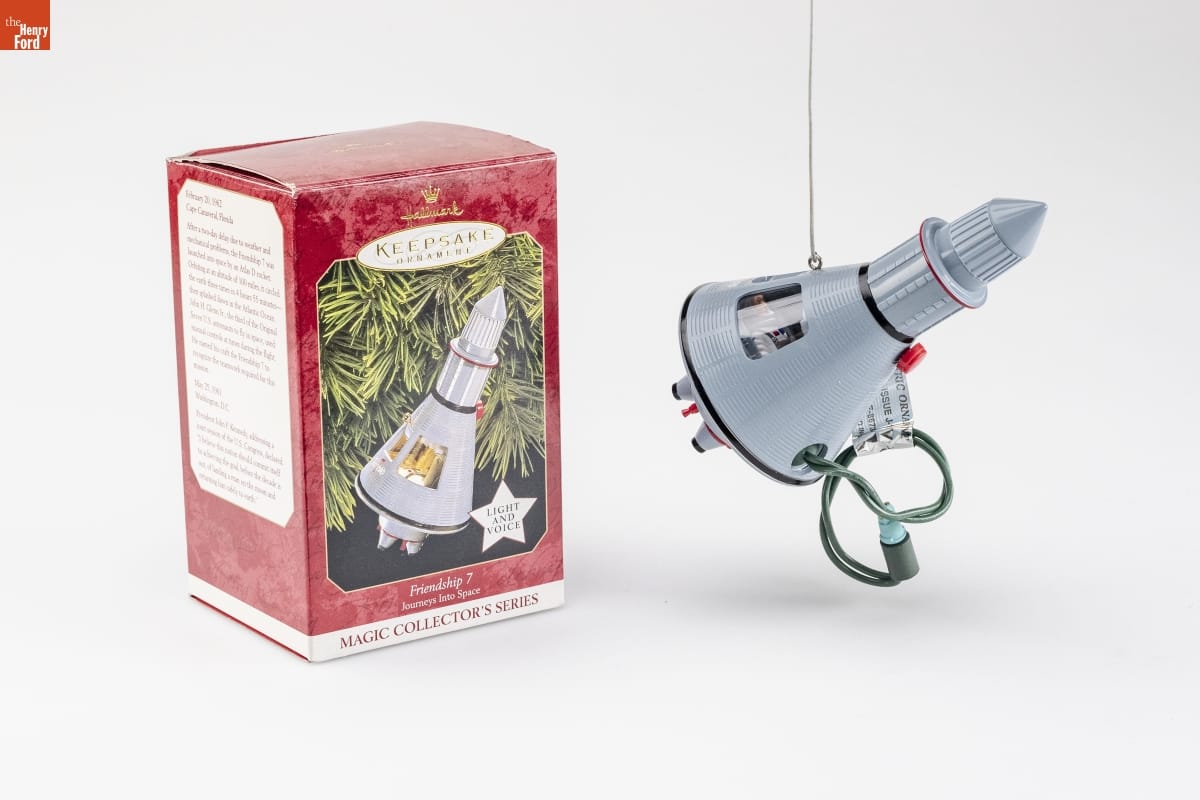
- Hallmark "Journeys into Space Series: Friendship 7" Christmas Ornament, 1997 - Already known for greeting cards, Hallmark introduced a line of Christmas ornaments in 1973. The company's annual release of an increasing array of ornaments revolutionized Christmas decorating, appealing to customers' interest in marking memories and milestones as well as expressing one's personality and unique tastes.
- 1997
- Collections - Artifact
Hallmark "Journeys into Space Series: Friendship 7" Christmas Ornament, 1997
Already known for greeting cards, Hallmark introduced a line of Christmas ornaments in 1973. The company's annual release of an increasing array of ornaments revolutionized Christmas decorating, appealing to customers' interest in marking memories and milestones as well as expressing one's personality and unique tastes.
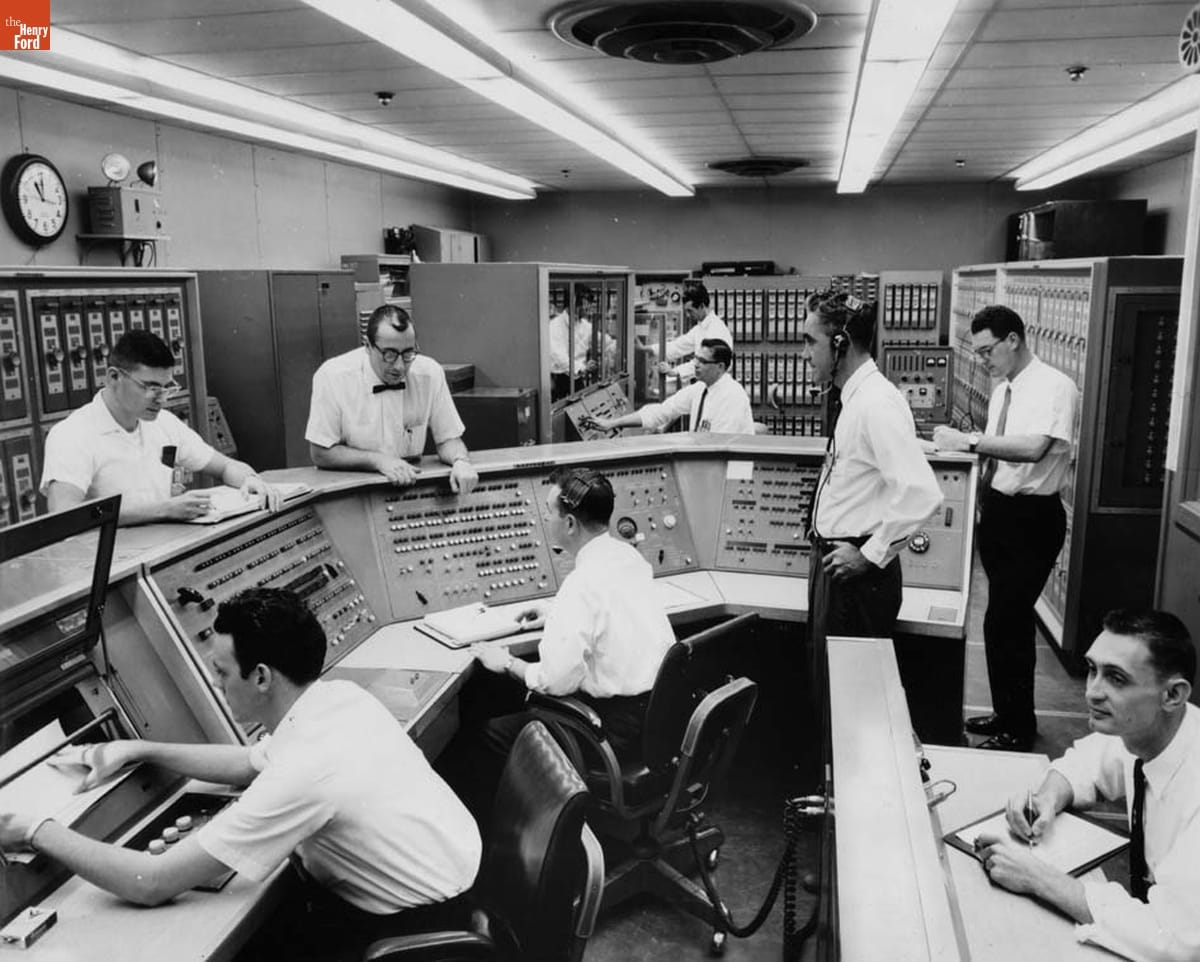
- Project Mercury Guidance Computer, 1959-1963 - In 1955, the United States Air Force contracted with Burroughs Corporation to develop several transistorized guidance computers for missile and rocket launches. The Air Force installed one of the Burroughs computers at its Cape Canaveral Station (Eastern Test Range) in 1958. This computer (MOD III A-1) proved vital to early Mercury and Gemini space missions.
- 1959-1963
- Collections - Artifact
Project Mercury Guidance Computer, 1959-1963
In 1955, the United States Air Force contracted with Burroughs Corporation to develop several transistorized guidance computers for missile and rocket launches. The Air Force installed one of the Burroughs computers at its Cape Canaveral Station (Eastern Test Range) in 1958. This computer (MOD III A-1) proved vital to early Mercury and Gemini space missions.
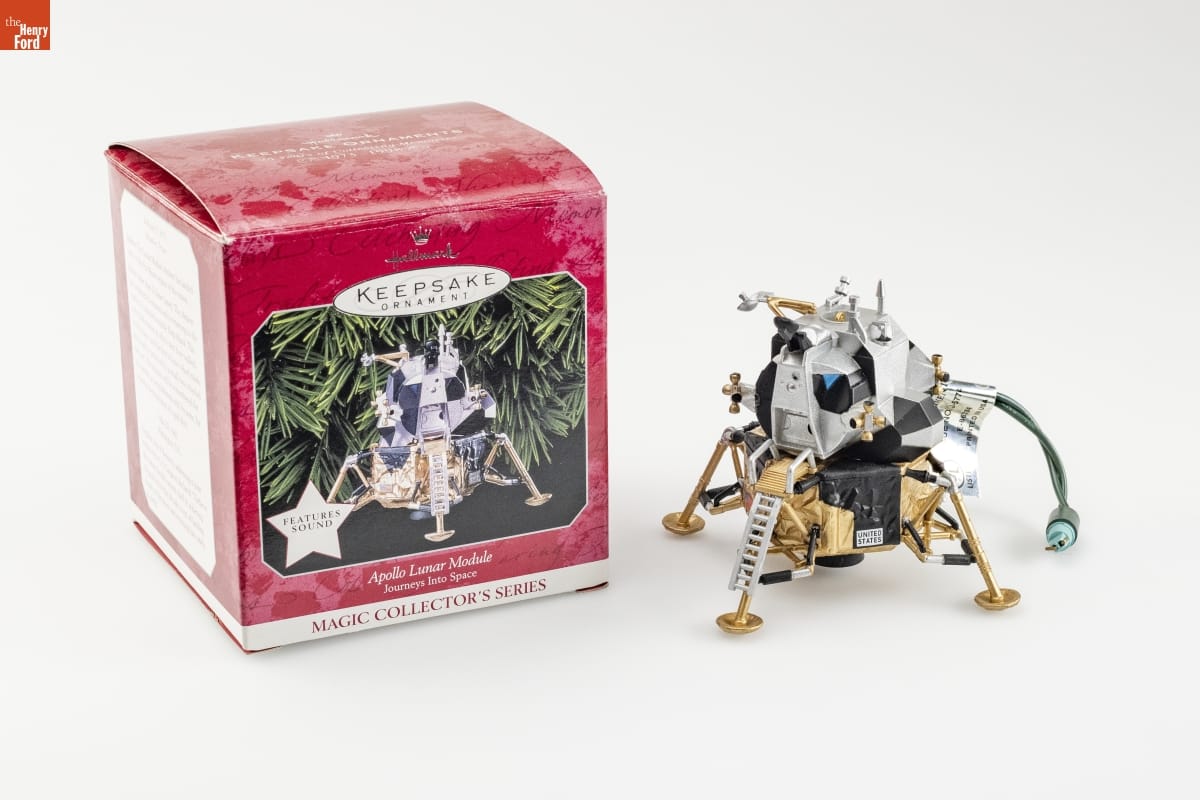
- Hallmark "Journeys into Space Series: Apollo Lunar Module" Christmas Ornament, 1998 - Already known for greeting cards, Hallmark introduced a line of Christmas ornaments in 1973. The company's annual release of an increasing array of ornaments revolutionized Christmas decorating, appealing to customers' interest in marking memories and milestones as well as expressing one's personality and unique tastes.
- 1998
- Collections - Artifact
Hallmark "Journeys into Space Series: Apollo Lunar Module" Christmas Ornament, 1998
Already known for greeting cards, Hallmark introduced a line of Christmas ornaments in 1973. The company's annual release of an increasing array of ornaments revolutionized Christmas decorating, appealing to customers' interest in marking memories and milestones as well as expressing one's personality and unique tastes.
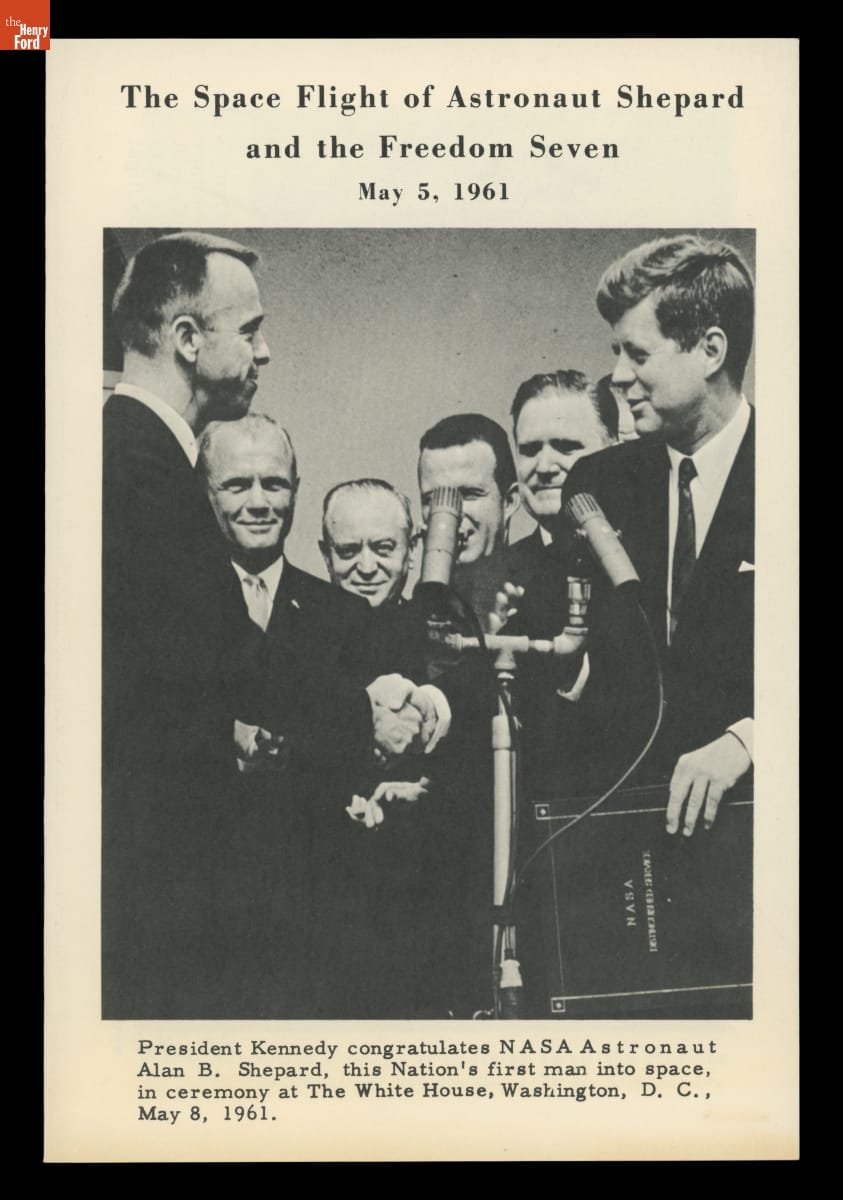
- Brochure, "The Space Flight of Astronaut Shepard and the Freedom Seven, May 5, 1961" - In May 1961, astronaut Alan Shepard became the first American to travel into space. This brochure documents Shepard's flight in the National Aeronautics and Space Administration's Project Mercury capsule <em>Freedom 7</em>. Shepard's sub-orbital flight was the first step toward NASA's goal to orbit a manned spacecraft around Earth. John Glenn's flight in early 1962 in <em>Friendship 7</em> accomplished that objective.
- May 01, 1961
- Collections - Artifact
Brochure, "The Space Flight of Astronaut Shepard and the Freedom Seven, May 5, 1961"
In May 1961, astronaut Alan Shepard became the first American to travel into space. This brochure documents Shepard's flight in the National Aeronautics and Space Administration's Project Mercury capsule Freedom 7. Shepard's sub-orbital flight was the first step toward NASA's goal to orbit a manned spacecraft around Earth. John Glenn's flight in early 1962 in Friendship 7 accomplished that objective.
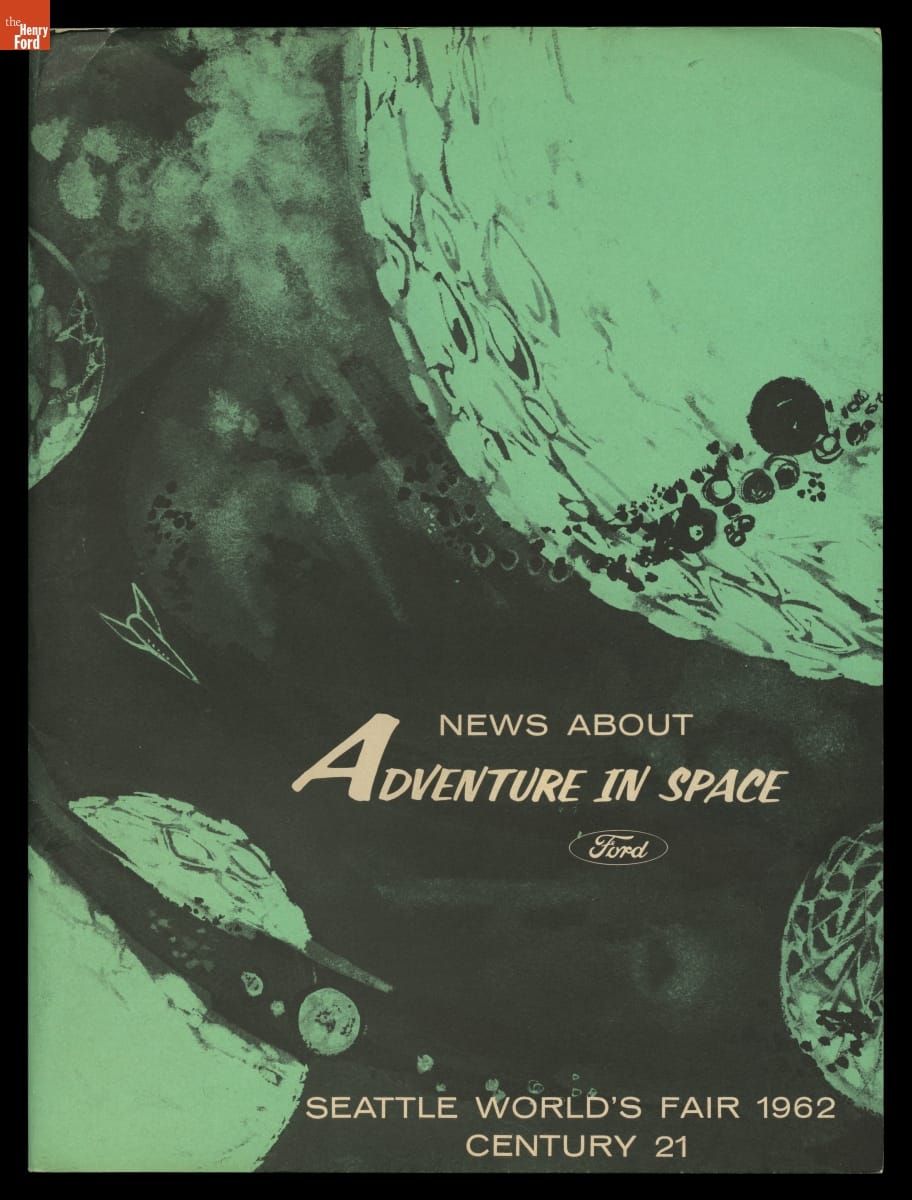
- Press Kit, "News About Adventures in Space," Ford Motor Company at Seattle World's Fair, Century 21, 1962 -
- 21 April 1962-21 October 1962
- Collections - Artifact
Press Kit, "News About Adventures in Space," Ford Motor Company at Seattle World's Fair, Century 21, 1962