
Search
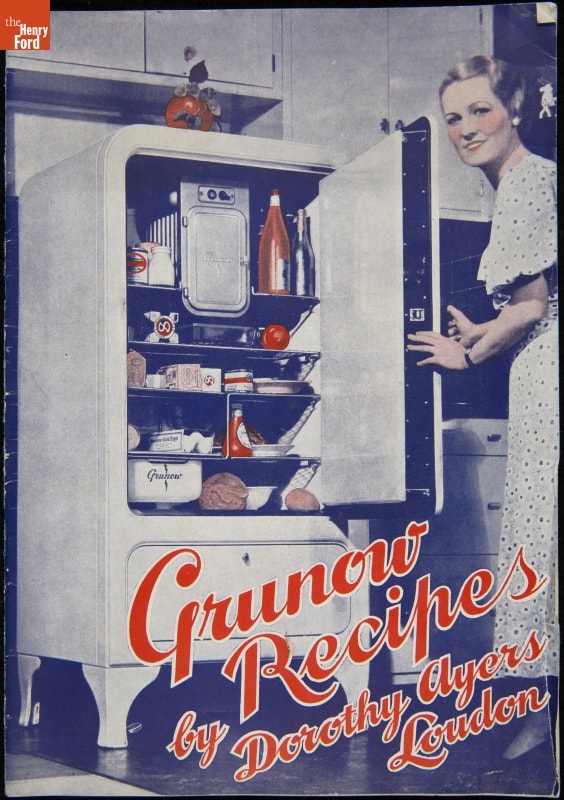
- "Grunow Recipes by Dorothy Ayers Loudon," circa 1934 -
- circa 1934
- Collections - Artifact
"Grunow Recipes by Dorothy Ayers Loudon," circa 1934
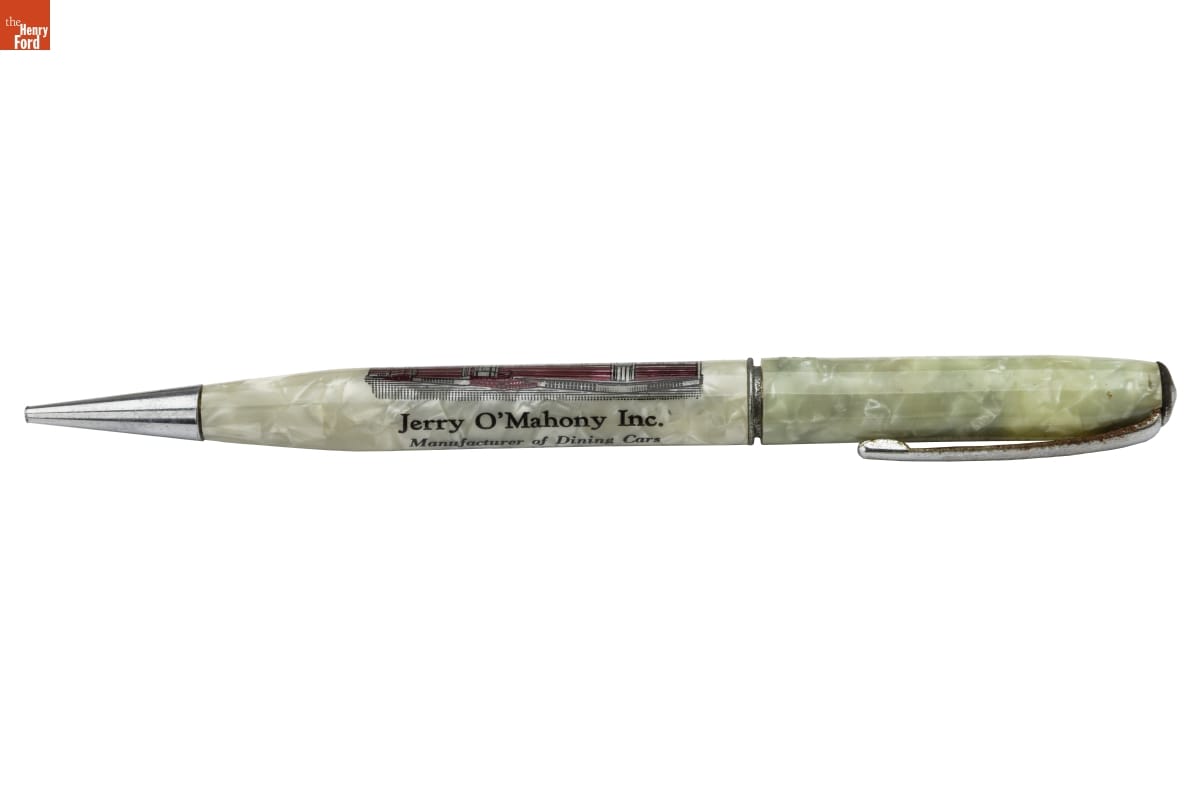
- "Jerry O'Mahony, Inc." Mechanical Pencil, 1945-1949 -
- 1945-1949
- Collections - Artifact
"Jerry O'Mahony, Inc." Mechanical Pencil, 1945-1949
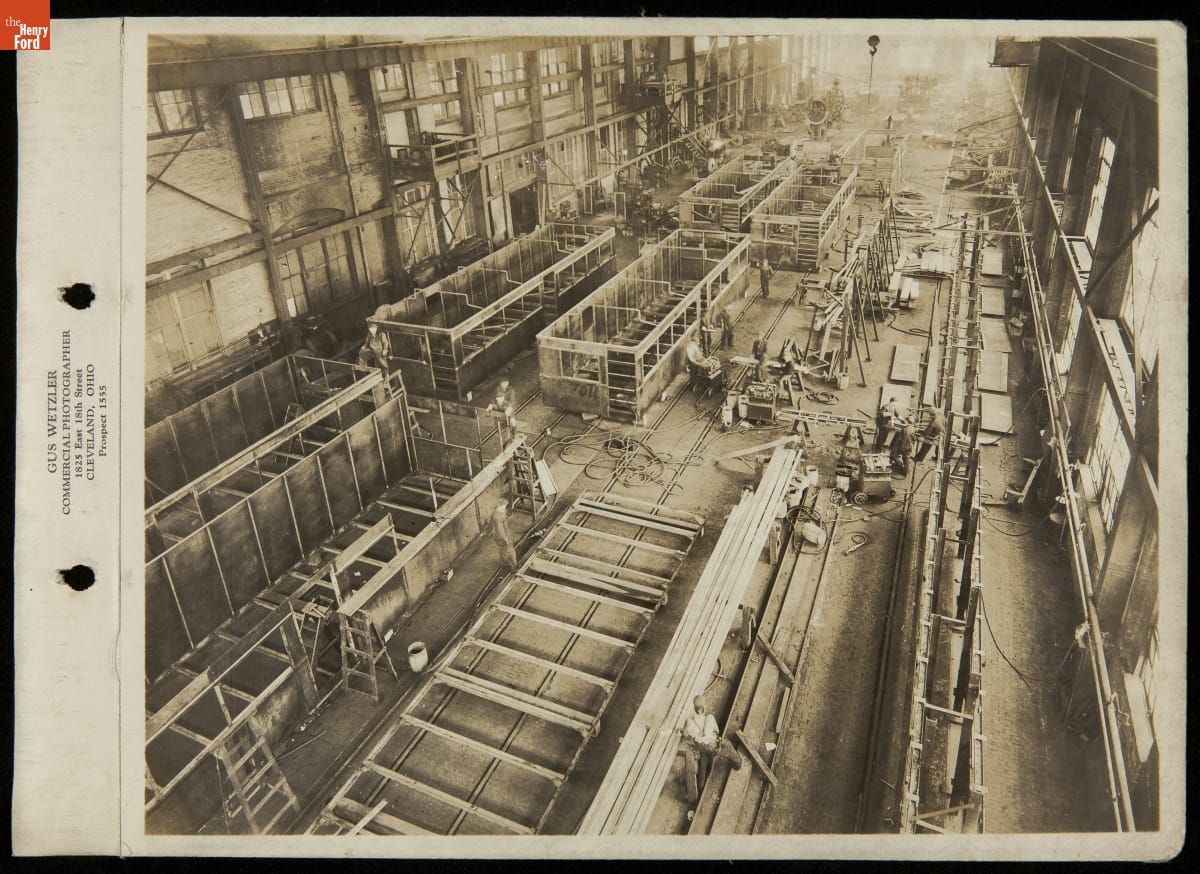
- Construction of Brill Dining Cars inside the Wason Manufacturing Company Factory, 1927-1929 -
- 1927-1929
- Collections - Artifact
Construction of Brill Dining Cars inside the Wason Manufacturing Company Factory, 1927-1929
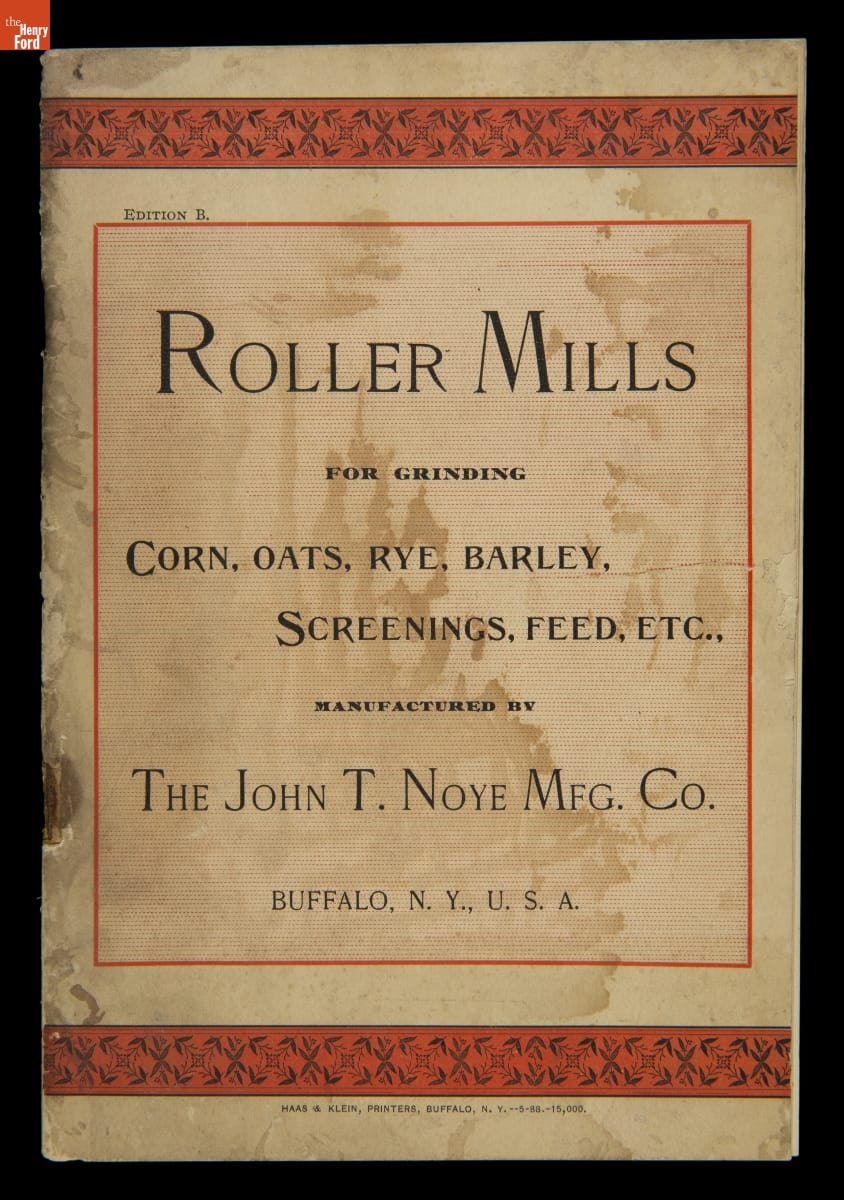
- "Roller Mills for Grinding Corn, Oats, Rye, Barley, Screenings, Feed, etc., Manufactured by John T. Noye Mfg. Co.," 1888 -
- 1888
- Collections - Artifact
"Roller Mills for Grinding Corn, Oats, Rye, Barley, Screenings, Feed, etc., Manufactured by John T. Noye Mfg. Co.," 1888
- Large Cotton Threads Rolled into Large Cans before Entering the Doubling Machine, circa 1935 -
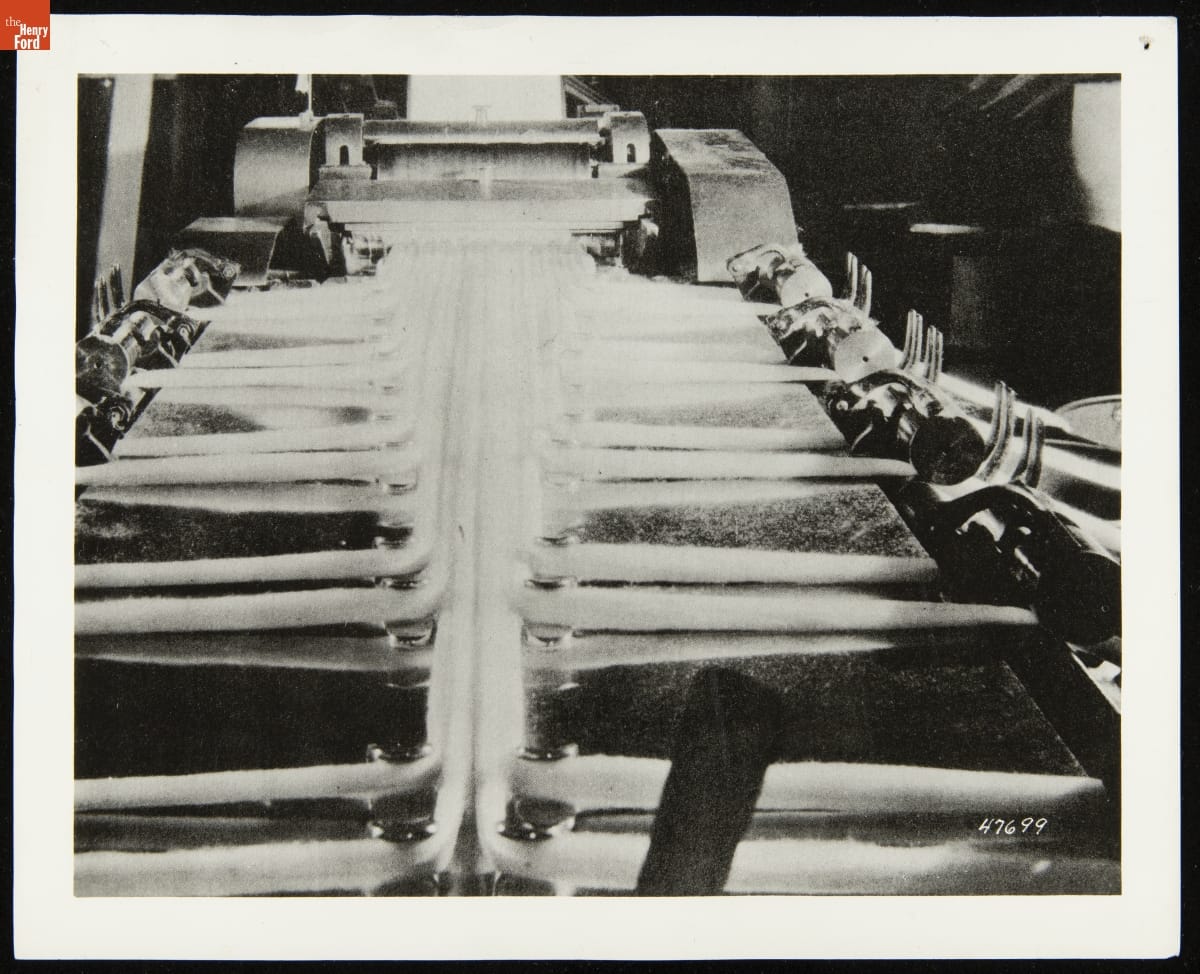
- February 06, 1940
- Collections - Artifact
Large Cotton Threads Rolled into Large Cans before Entering the Doubling Machine, circa 1935
- Thread Moving from the Drawing Frames to the "Slubbers," circa 1935 -
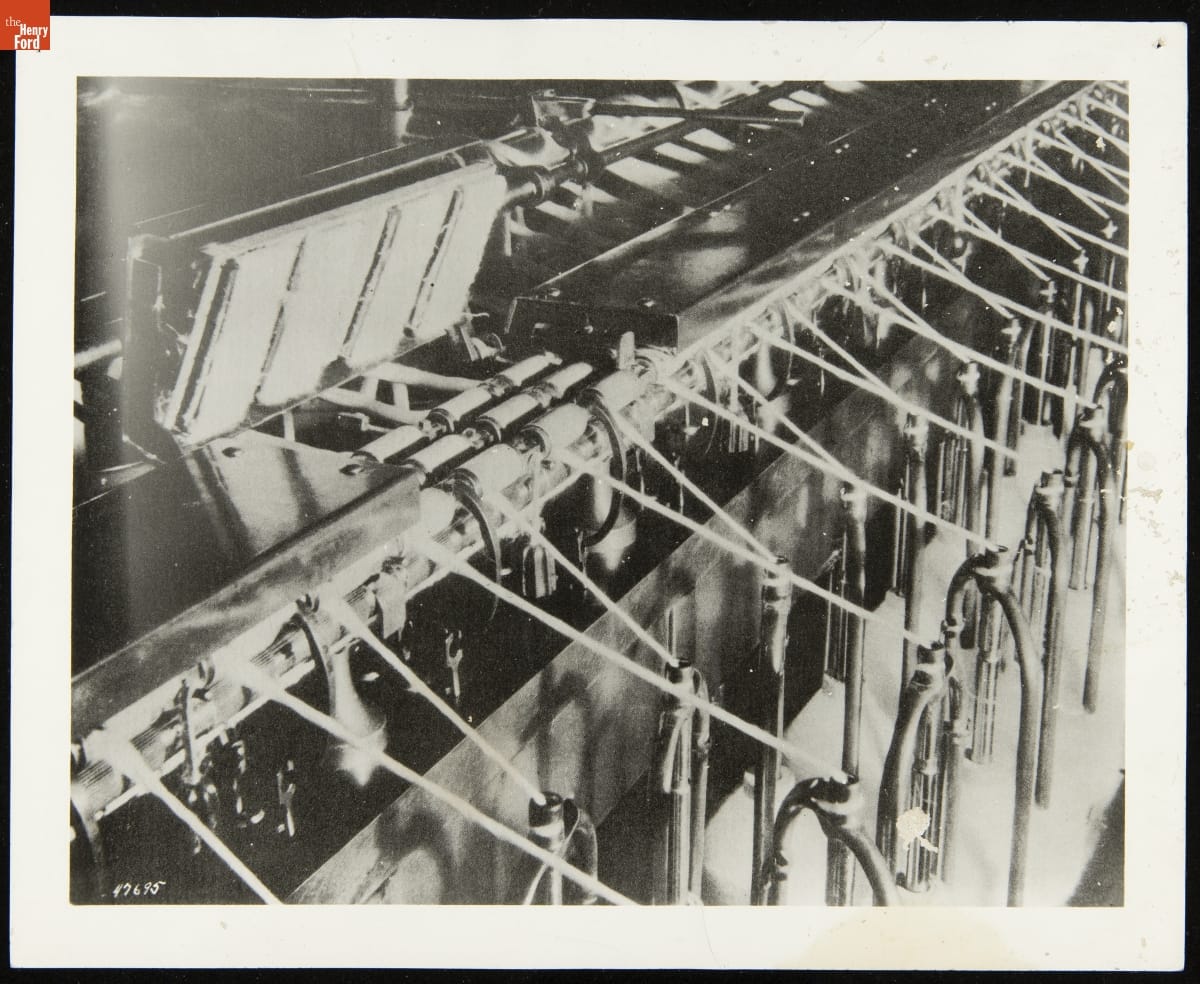
- February 06, 1940
- Collections - Artifact
Thread Moving from the Drawing Frames to the "Slubbers," circa 1935
- Hallmark "Kiddie Car Classics Series: 1968 Murray Jolly Roger Flagship" Christmas Ornament, 1999 - Already known for greeting cards, Hallmark introduced a line of Christmas ornaments in 1973. The company's annual release of an increasing array of ornaments revolutionized Christmas decorating, appealing to customers' interest in marking memories and milestones as well as expressing one's personality and unique tastes.
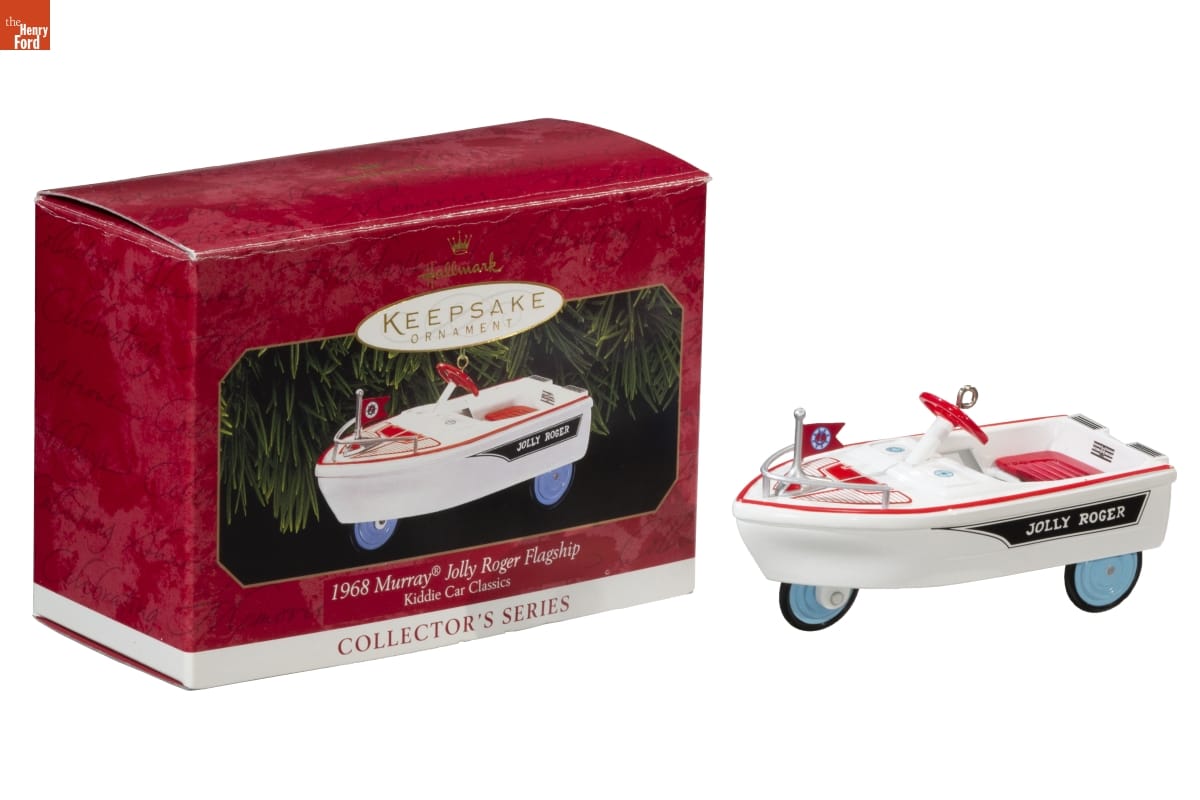
- 1968
- Collections - Artifact
Hallmark "Kiddie Car Classics Series: 1968 Murray Jolly Roger Flagship" Christmas Ornament, 1999
Already known for greeting cards, Hallmark introduced a line of Christmas ornaments in 1973. The company's annual release of an increasing array of ornaments revolutionized Christmas decorating, appealing to customers' interest in marking memories and milestones as well as expressing one's personality and unique tastes.
- Single-Connection McCoy Graphite Lubricator for Low-Pressure, Mallet-Type Steam Locomotives, July 1916 - Canadian-American inventor Elijah McCoy developed a mechanical lubricator to oil slide valves on steam locomotives. McCoy's device automatically supplied measured amounts of oil to valves, reducing the need for crews to lubricate them manually. This updated version from 1916 was designed for Mallet compound steam locomotives, which used steam twice -- in high- and low-pressure cylinders.
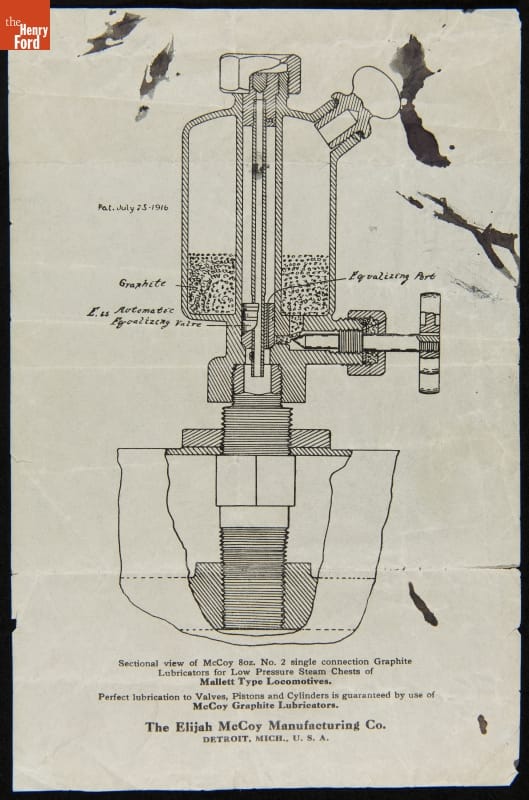
- July 25, 1916
- Collections - Artifact
Single-Connection McCoy Graphite Lubricator for Low-Pressure, Mallet-Type Steam Locomotives, July 1916
Canadian-American inventor Elijah McCoy developed a mechanical lubricator to oil slide valves on steam locomotives. McCoy's device automatically supplied measured amounts of oil to valves, reducing the need for crews to lubricate them manually. This updated version from 1916 was designed for Mallet compound steam locomotives, which used steam twice -- in high- and low-pressure cylinders.
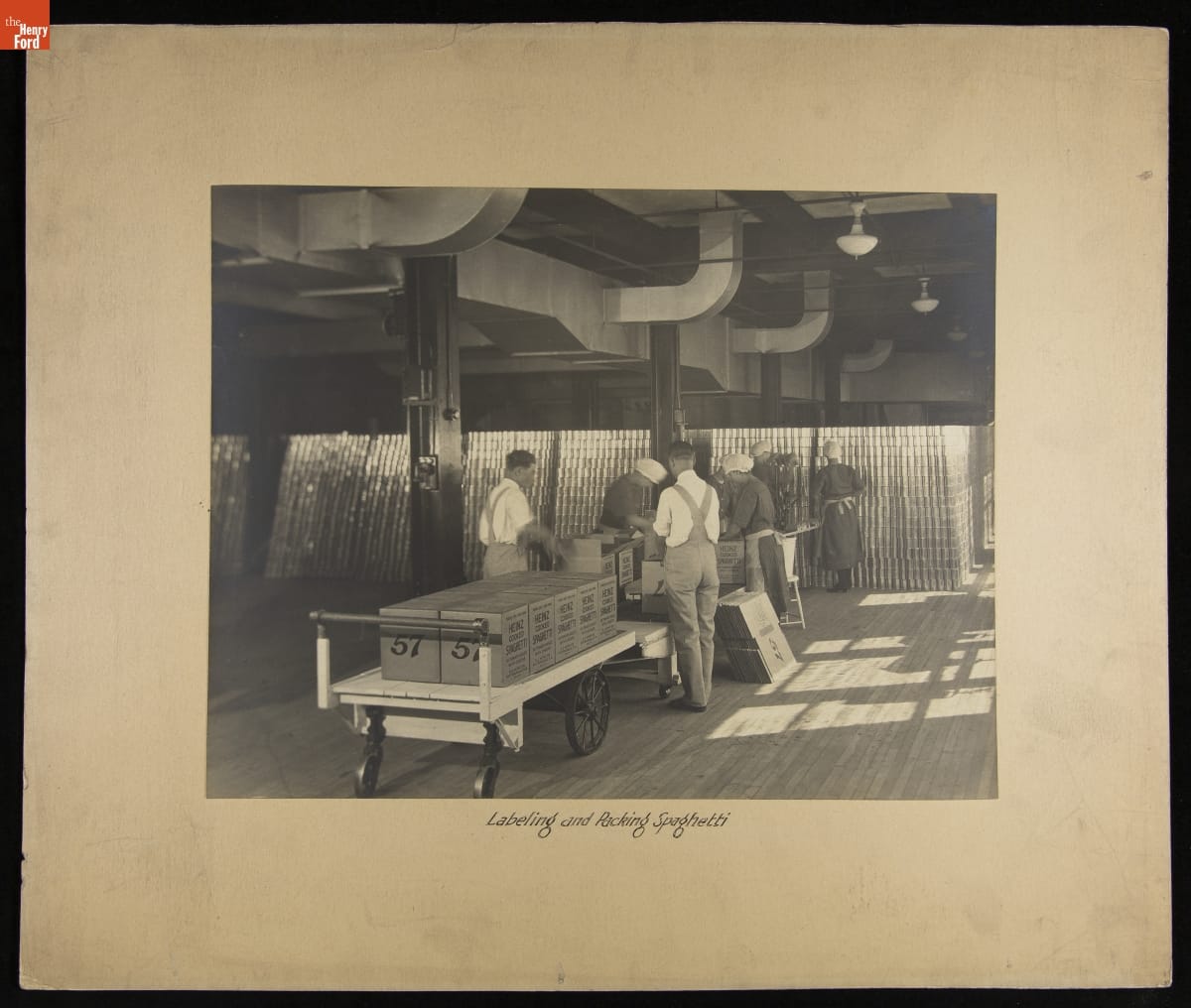
- Employees Labeling and Packing Spaghetti at Heinz Main Plant in Pittsburgh, Pennsylvania, circa 1920 - Before complete mechanization of the manufacturing process, many tasks at the Heinz factory were done by hand. The H. J. Heinz Company documented the many departments of the manufacturing process through photographs. This photograph shows employees in the Spaghetti Department labeling and packing Heinz Cooked Spaghetti products.
- circa 1920
- Collections - Artifact
Employees Labeling and Packing Spaghetti at Heinz Main Plant in Pittsburgh, Pennsylvania, circa 1920
Before complete mechanization of the manufacturing process, many tasks at the Heinz factory were done by hand. The H. J. Heinz Company documented the many departments of the manufacturing process through photographs. This photograph shows employees in the Spaghetti Department labeling and packing Heinz Cooked Spaghetti products.
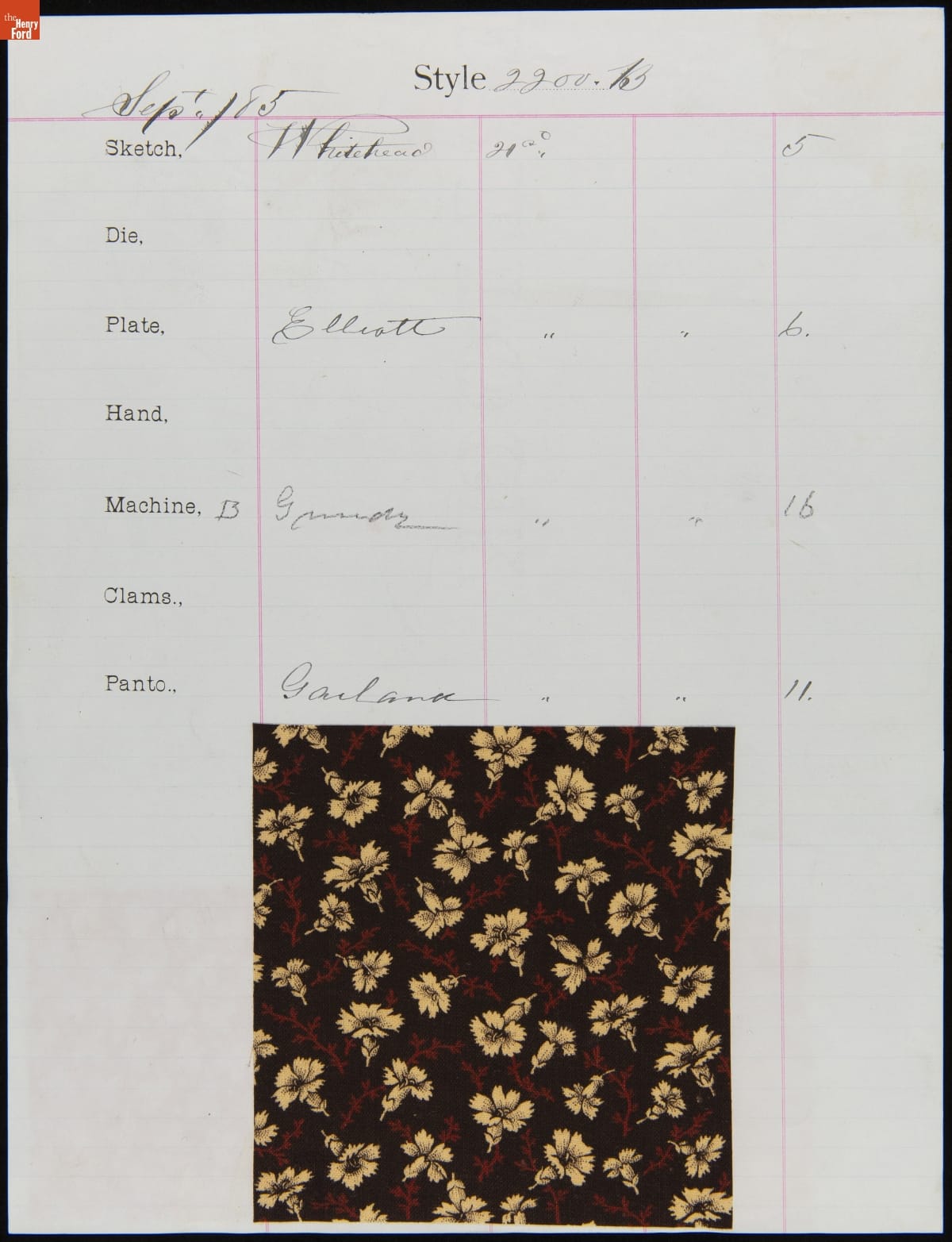
- Engraver Sheet for Textile Fabric Style No. 2200 B, Cocheco Mfg. Co., September 1885 - During the 19th century, New England textile mills manufactured billions of yards of fabric for the mass market, producing roller-printed cottons using increasingly complex mechanized processes. Colorful cotton prints, like those made by Cocheco Manufacturing Company, became affordable to almost everyone.
- September 01, 1885
- Collections - Artifact
Engraver Sheet for Textile Fabric Style No. 2200 B, Cocheco Mfg. Co., September 1885
During the 19th century, New England textile mills manufactured billions of yards of fabric for the mass market, producing roller-printed cottons using increasingly complex mechanized processes. Colorful cotton prints, like those made by Cocheco Manufacturing Company, became affordable to almost everyone.