
Search
- Using a Ford-Ferguson Tractor for Manure Removal at the Detroit Stockyards, January 1942 -
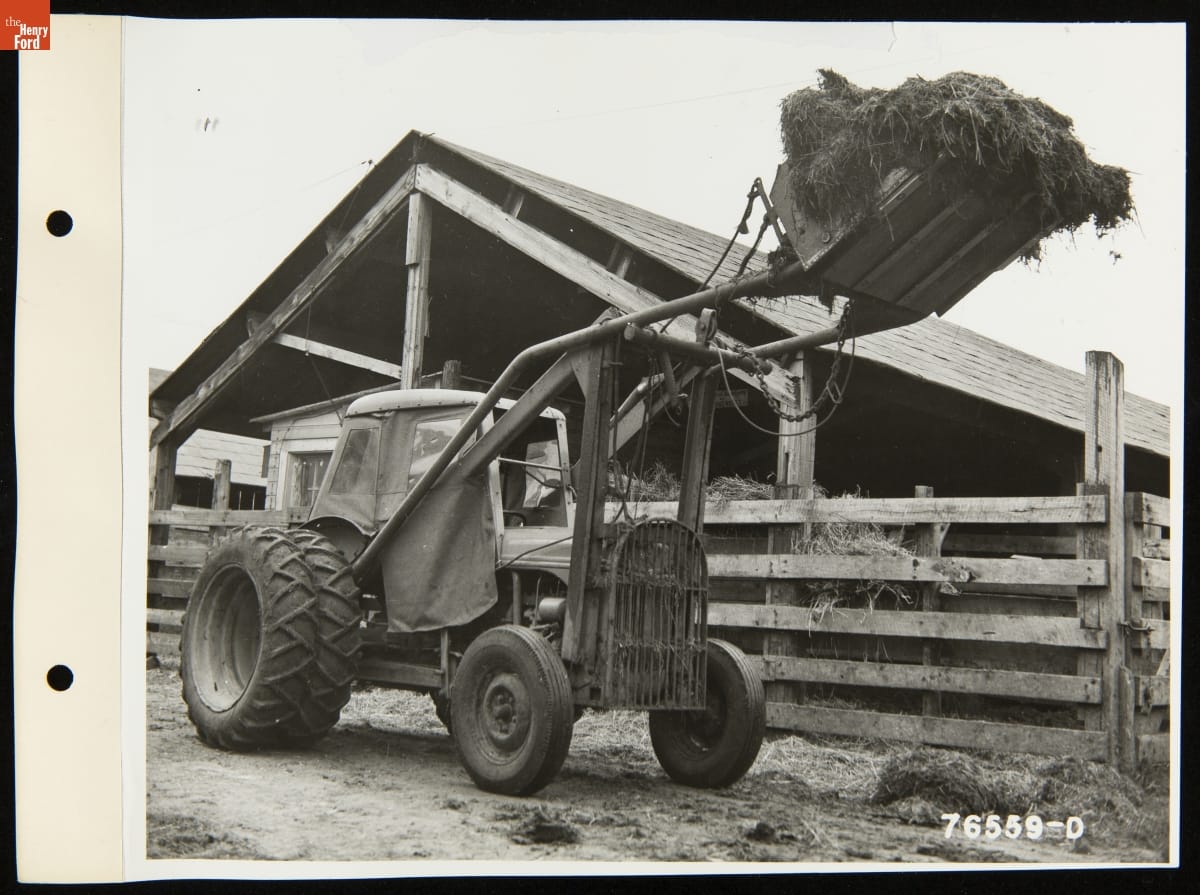
- January 29, 1942
- Collections - Artifact
Using a Ford-Ferguson Tractor for Manure Removal at the Detroit Stockyards, January 1942
- Ford Motor Company Model CL-30 Compact Loader Filling a Manure Spreader, 1974 -
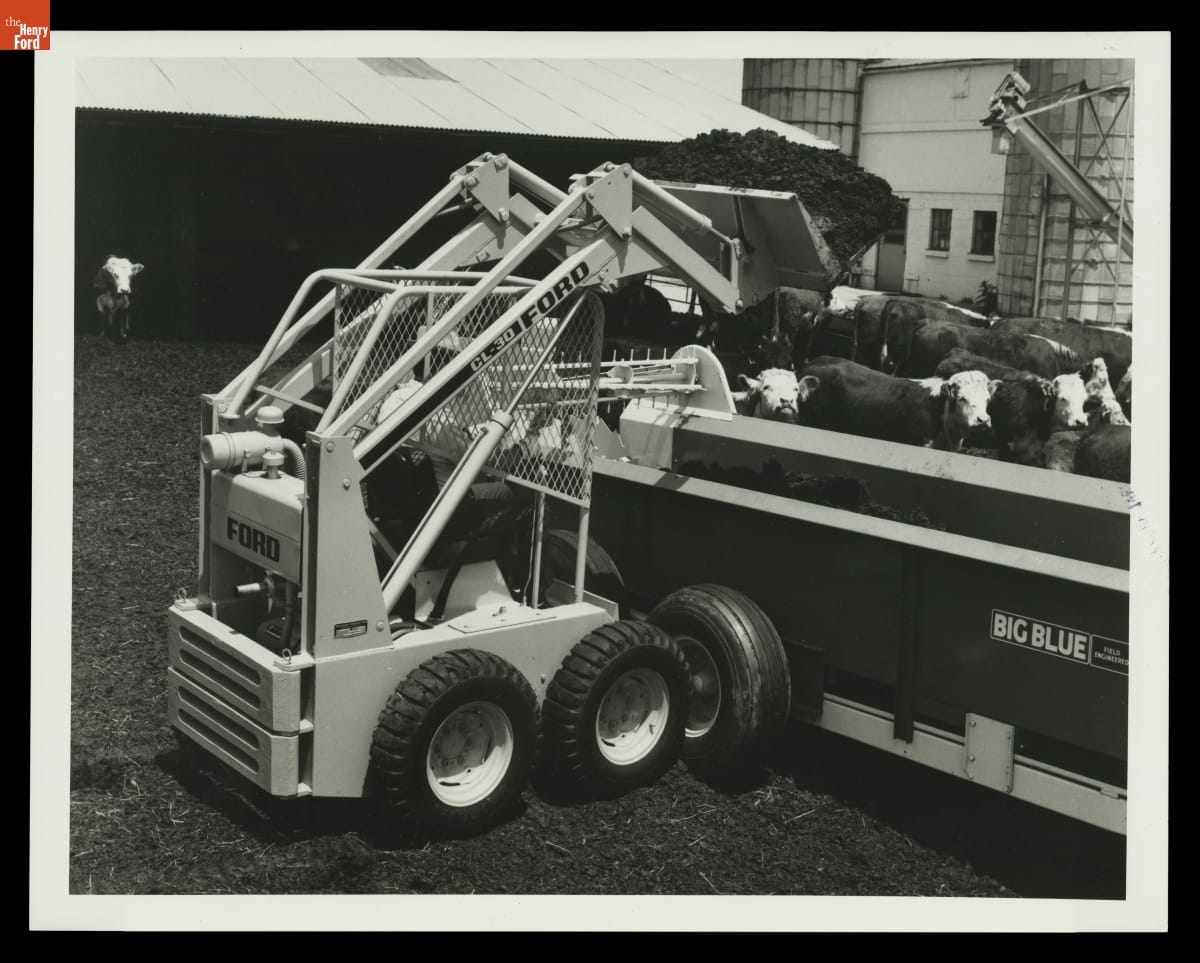
- June 18, 1974
- Collections - Artifact
Ford Motor Company Model CL-30 Compact Loader Filling a Manure Spreader, 1974
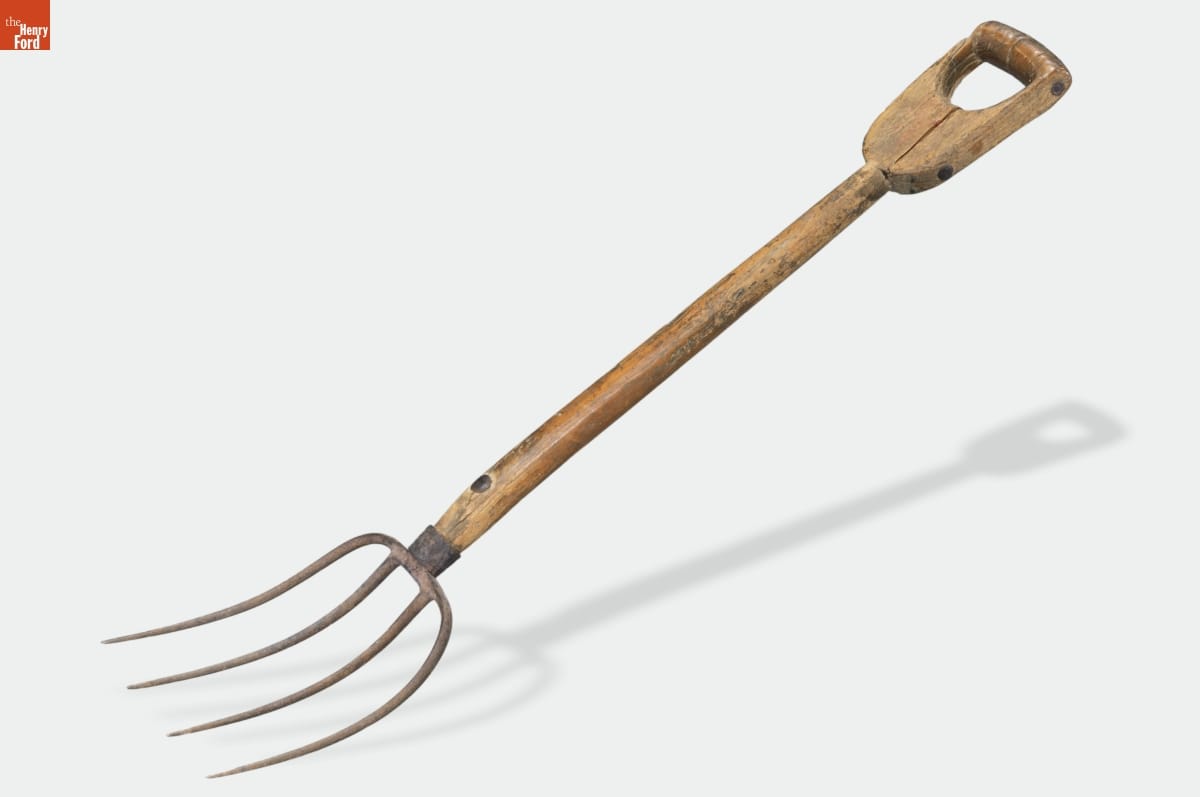
- Manure Fork, 1875-1890 - Farmers with stall-fed livestock had to move a lot of manure. They used short-handled forks like this that gave them added leverage as they scraped, lifted, and moved the valuable resource from the barn floor to a cart, wagon or manure spreader. Then they spread the organic mattered on fields to add nutrients that plants needed to grow and biomass that helped soil retain moisture.
- 1875-1890
- Collections - Artifact
Manure Fork, 1875-1890
Farmers with stall-fed livestock had to move a lot of manure. They used short-handled forks like this that gave them added leverage as they scraped, lifted, and moved the valuable resource from the barn floor to a cart, wagon or manure spreader. Then they spread the organic mattered on fields to add nutrients that plants needed to grow and biomass that helped soil retain moisture.
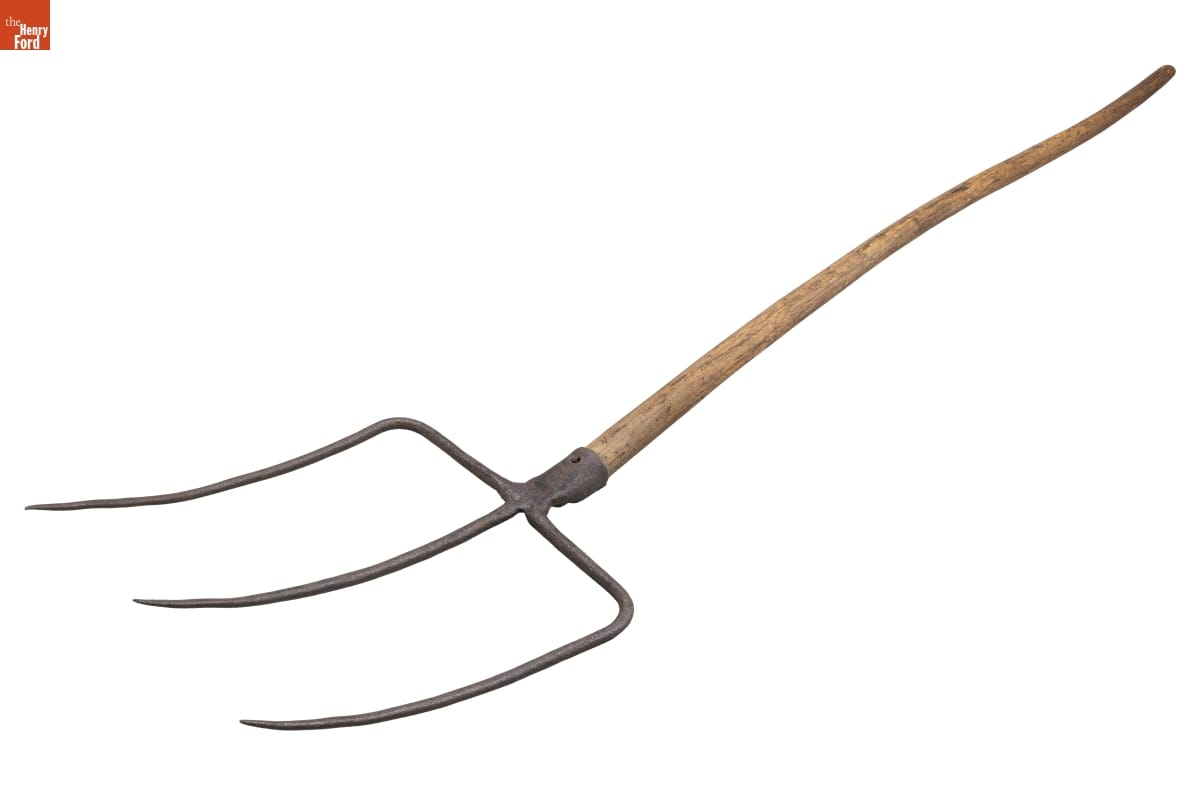
- Pitchfork, circa 1875 - Pitchforks worked as extensions of farmers' arms, allowing them to skewer, lift, and move larger quantities of hay, sheaves of grain, or straw than they could do with just their hands. They used different fork designs for different jobs. Two- and three-tine forks like this (with short metal points) worked best to pitch bundles of grain from field to wagon to thresher.
- circa 1875
- Collections - Artifact
Pitchfork, circa 1875
Pitchforks worked as extensions of farmers' arms, allowing them to skewer, lift, and move larger quantities of hay, sheaves of grain, or straw than they could do with just their hands. They used different fork designs for different jobs. Two- and three-tine forks like this (with short metal points) worked best to pitch bundles of grain from field to wagon to thresher.
- Ford-Ferguson 9N Tractor Spreading Manure with New Idea Spreader, October 11, 1940 -
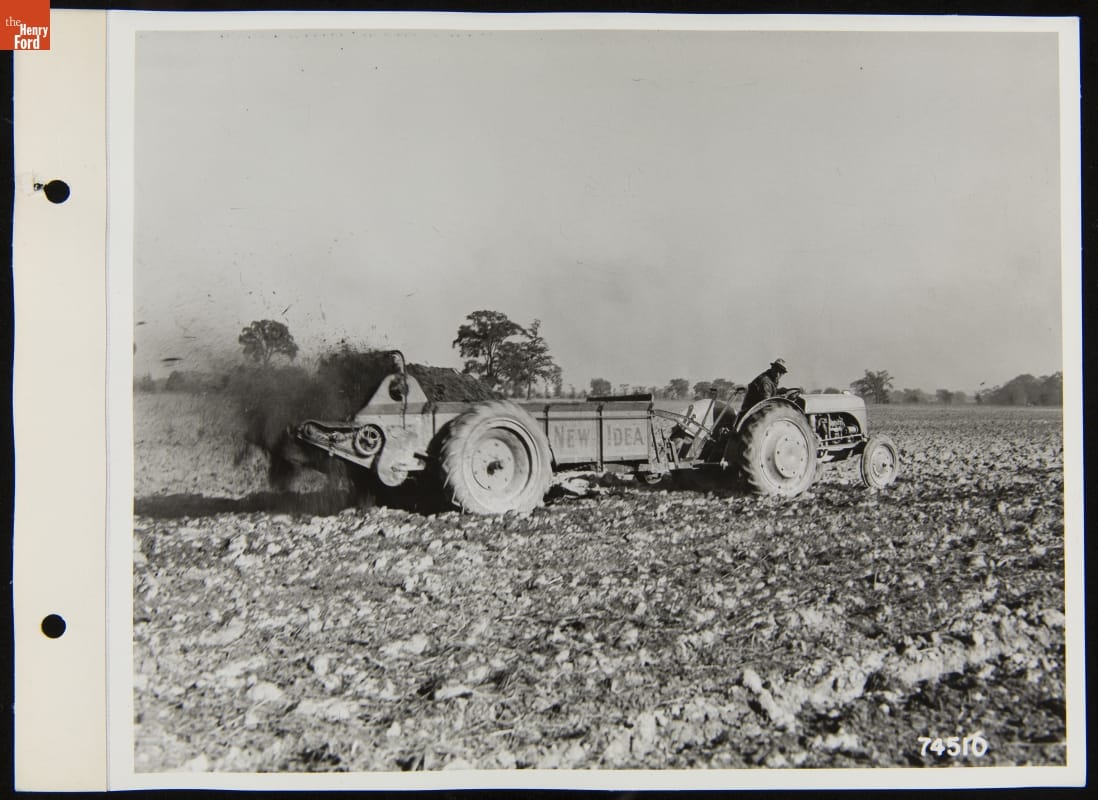
- October 11, 1940
- Collections - Artifact
Ford-Ferguson 9N Tractor Spreading Manure with New Idea Spreader, October 11, 1940
- Man Driving a Ford Ferguson Tractor Pulling a Trailer of Manure to Spread over a Field, January 1940 -
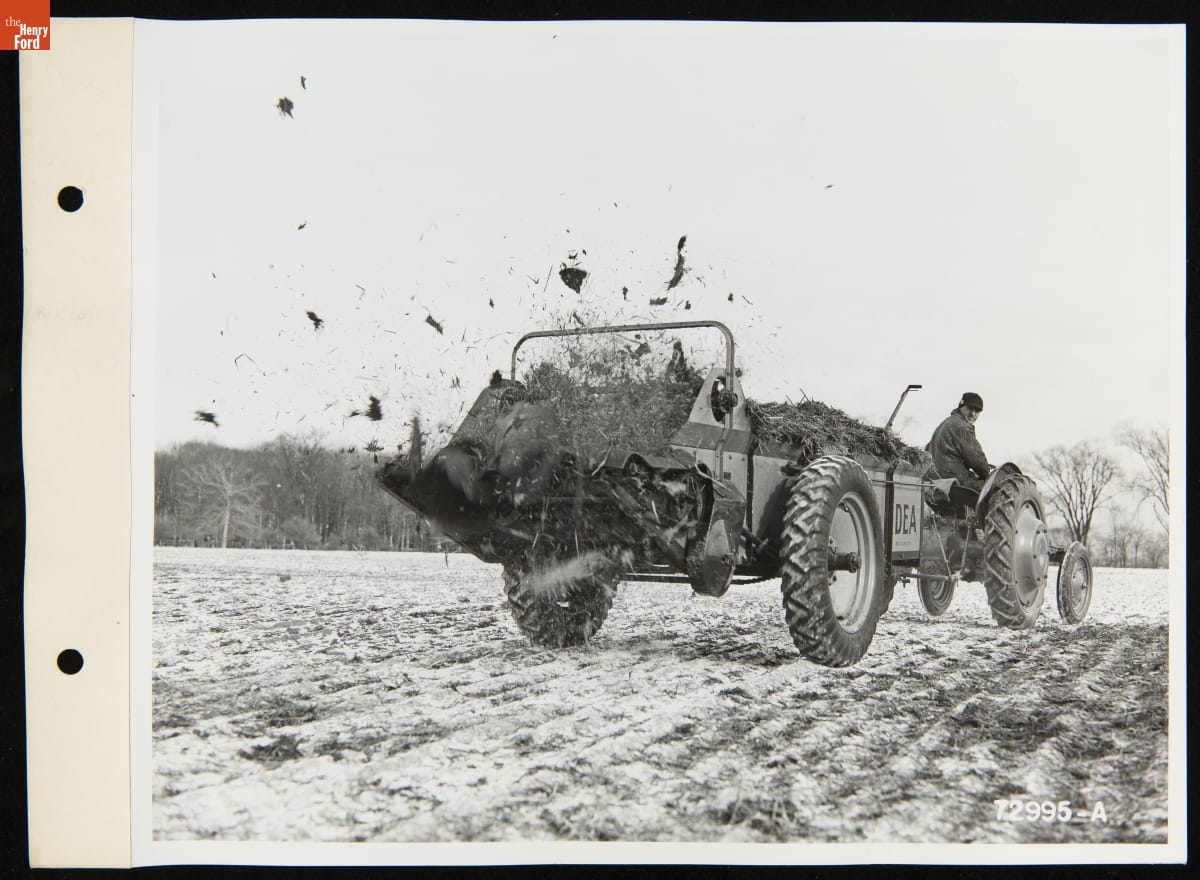
- January 17, 1940
- Collections - Artifact
Man Driving a Ford Ferguson Tractor Pulling a Trailer of Manure to Spread over a Field, January 1940
- Manure Hook, circa 1870 - Farmers with stall-fed livestock had to move a lot of manure. They used short-handled forks like this that gave them added leverage as they scraped, lifted, and moved the valuable resource from the barn floor to a cart, wagon or manure spreader. Then they spread the organic mattered on fields to add nutrients that plants needed to grow and biomass that helped soil retain moisture.
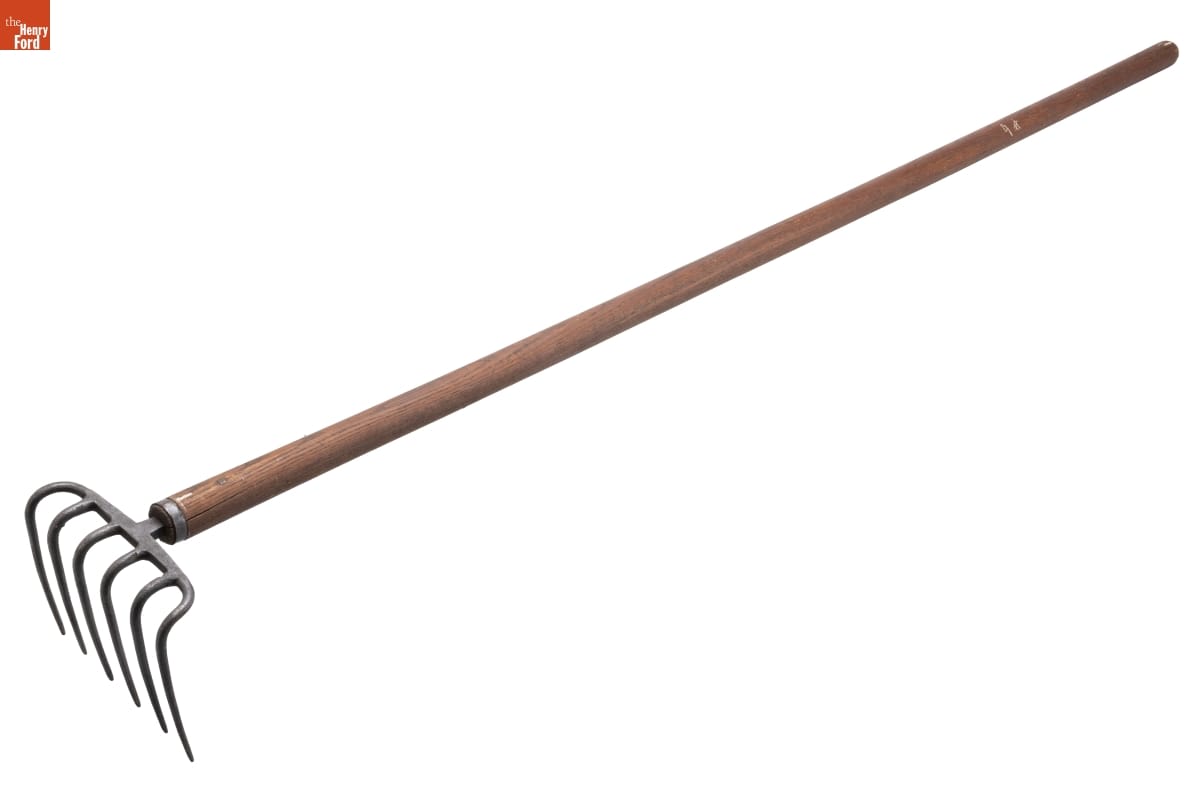
- circa 1870
- Collections - Artifact
Manure Hook, circa 1870
Farmers with stall-fed livestock had to move a lot of manure. They used short-handled forks like this that gave them added leverage as they scraped, lifted, and moved the valuable resource from the barn floor to a cart, wagon or manure spreader. Then they spread the organic mattered on fields to add nutrients that plants needed to grow and biomass that helped soil retain moisture.
- Pitchfork, circa 1875 - Pitchforks worked as extensions of farmers' arms, allowing them to skewer, lift, and move larger quantities of hay, sheaves of grain, or straw than they could do with just their hands. They used different fork designs for different jobs. Two- and three-tine forks like this (with short metal points) worked best to pitch bundles of grain from field to wagon to thresher.
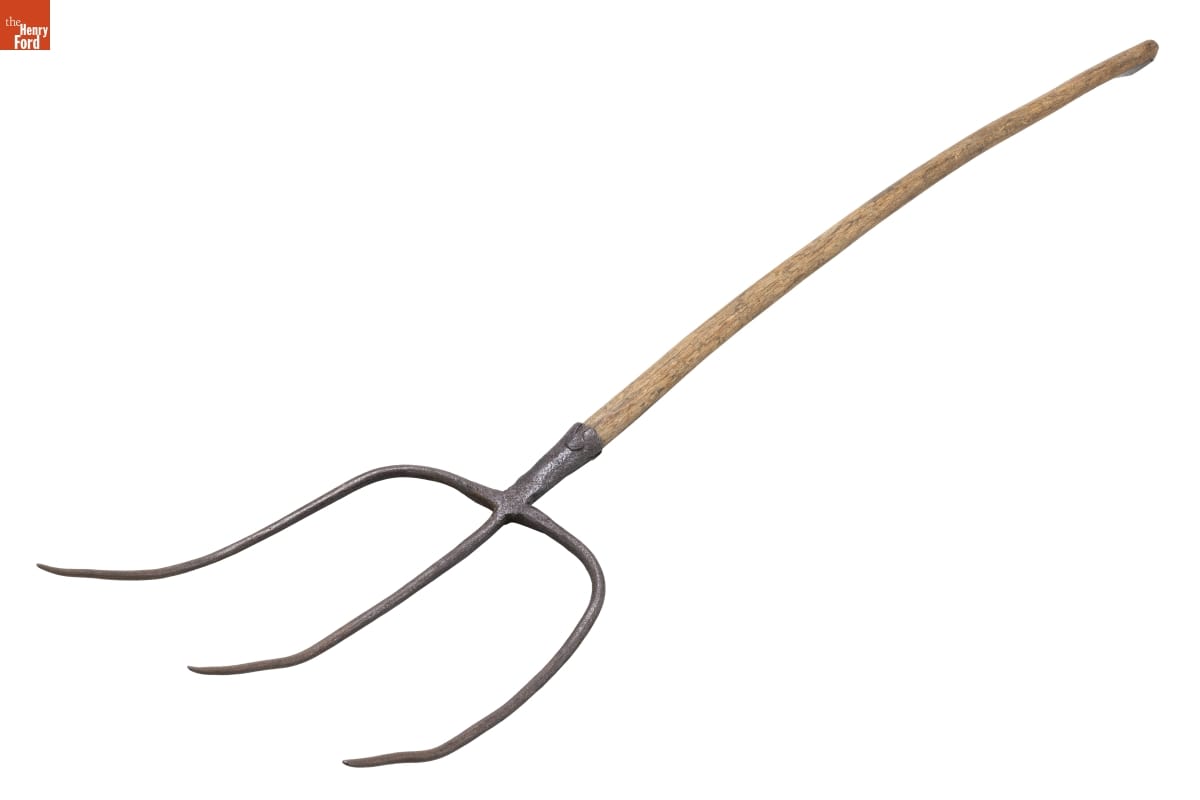
- circa 1875
- Collections - Artifact
Pitchfork, circa 1875
Pitchforks worked as extensions of farmers' arms, allowing them to skewer, lift, and move larger quantities of hay, sheaves of grain, or straw than they could do with just their hands. They used different fork designs for different jobs. Two- and three-tine forks like this (with short metal points) worked best to pitch bundles of grain from field to wagon to thresher.
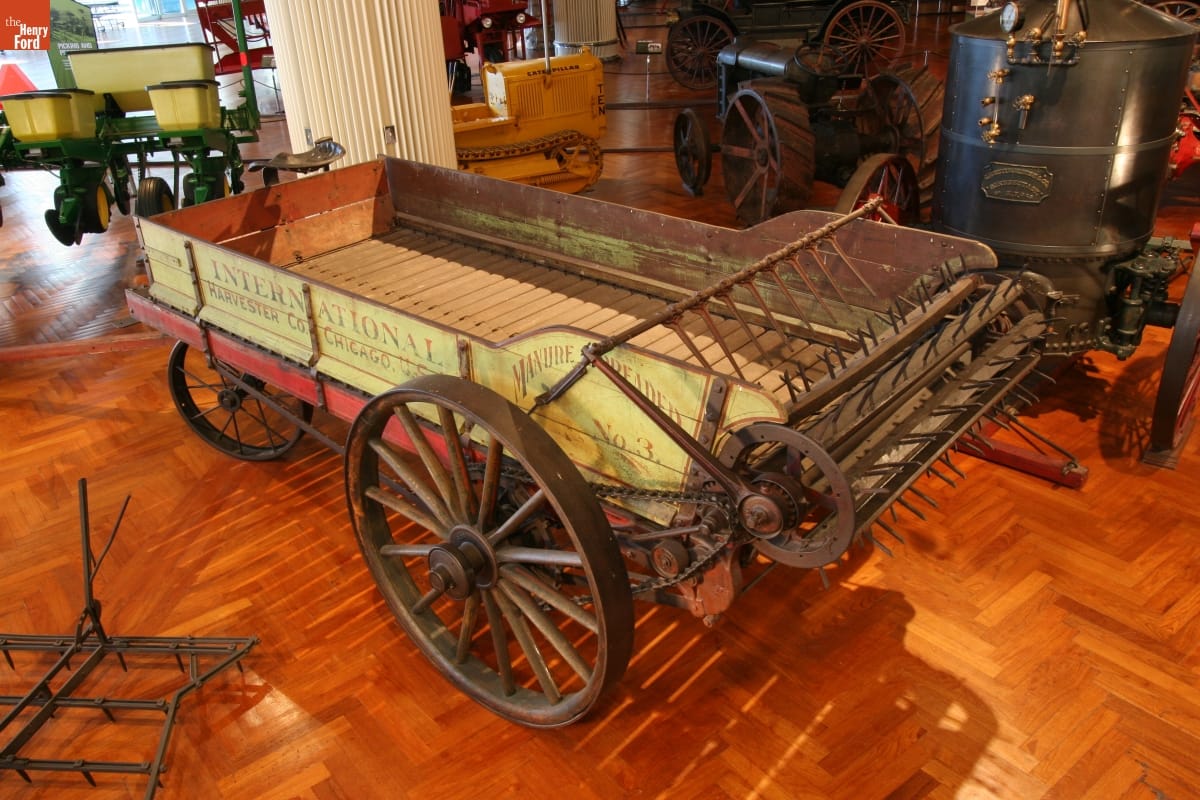
- International Harvester Manure Spreader, circa 1905 - Spreading manure to rejuvenate the soil is one of the most important, but least popular jobs on the farm. Mechanical manure spreaders made an awful job slightly less so. This circa 1905 International Harvester Manure Spreader No. 3 is a very rare survivor and an excellent example of the prevailing manure spreader design of the early 1900s.
- circa 1905
- Collections - Artifact
International Harvester Manure Spreader, circa 1905
Spreading manure to rejuvenate the soil is one of the most important, but least popular jobs on the farm. Mechanical manure spreaders made an awful job slightly less so. This circa 1905 International Harvester Manure Spreader No. 3 is a very rare survivor and an excellent example of the prevailing manure spreader design of the early 1900s.
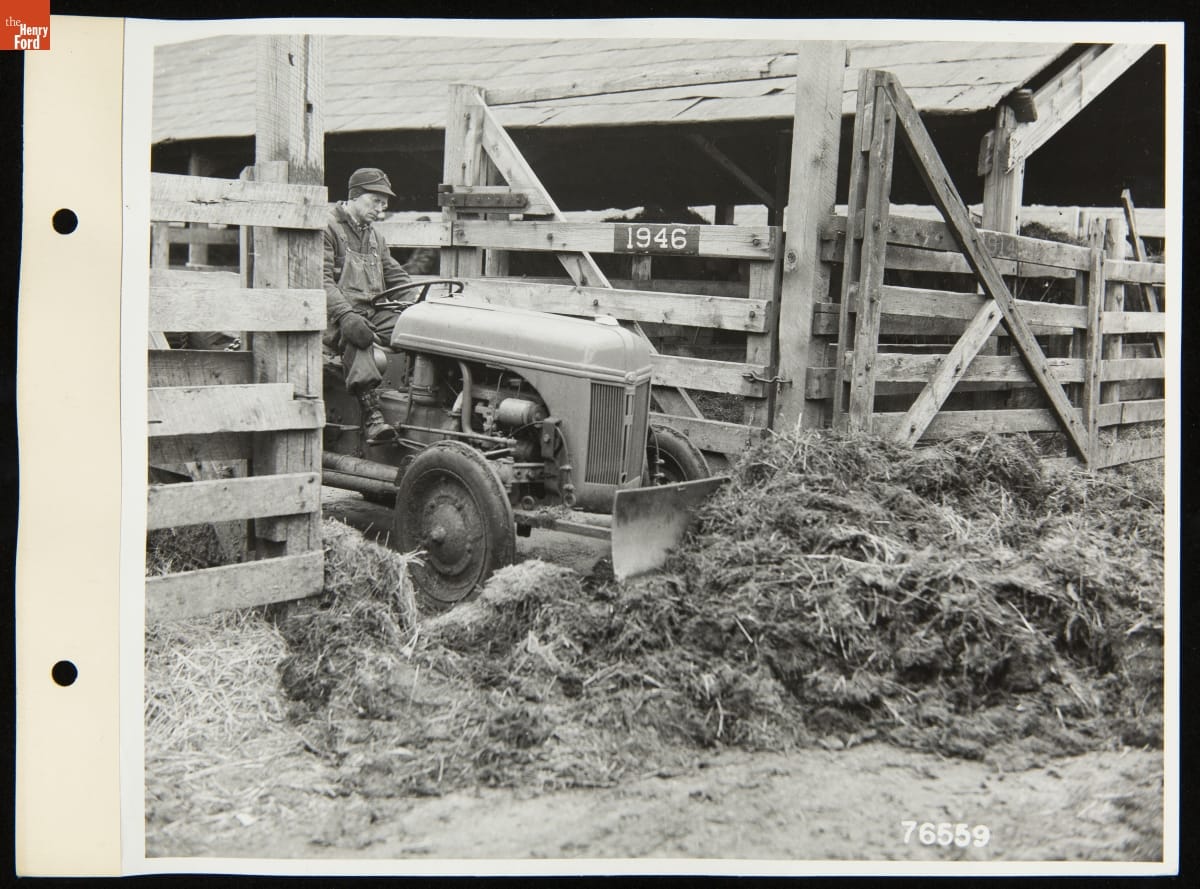
- Using a Ford-Ferguson Tractor for Manure Removal at the Detroit Stockyards, January 1942 -
- January 29, 1942
- Collections - Artifact
Using a Ford-Ferguson Tractor for Manure Removal at the Detroit Stockyards, January 1942