
Search
- Megalethoscope Slide, "St. Mark's Square" - Invented by Carlo Ponti in the early 1860s, a megalethoscope is a device used to view a translucent, multilayered photograph. By opening or closing various panels, a person saw the image change. When lit from behind, pinpricks and paint or colored tissue applied to the back or a secondary layer of the photograph transform the scene to reveal hidden images and create an illusion of nighttime.
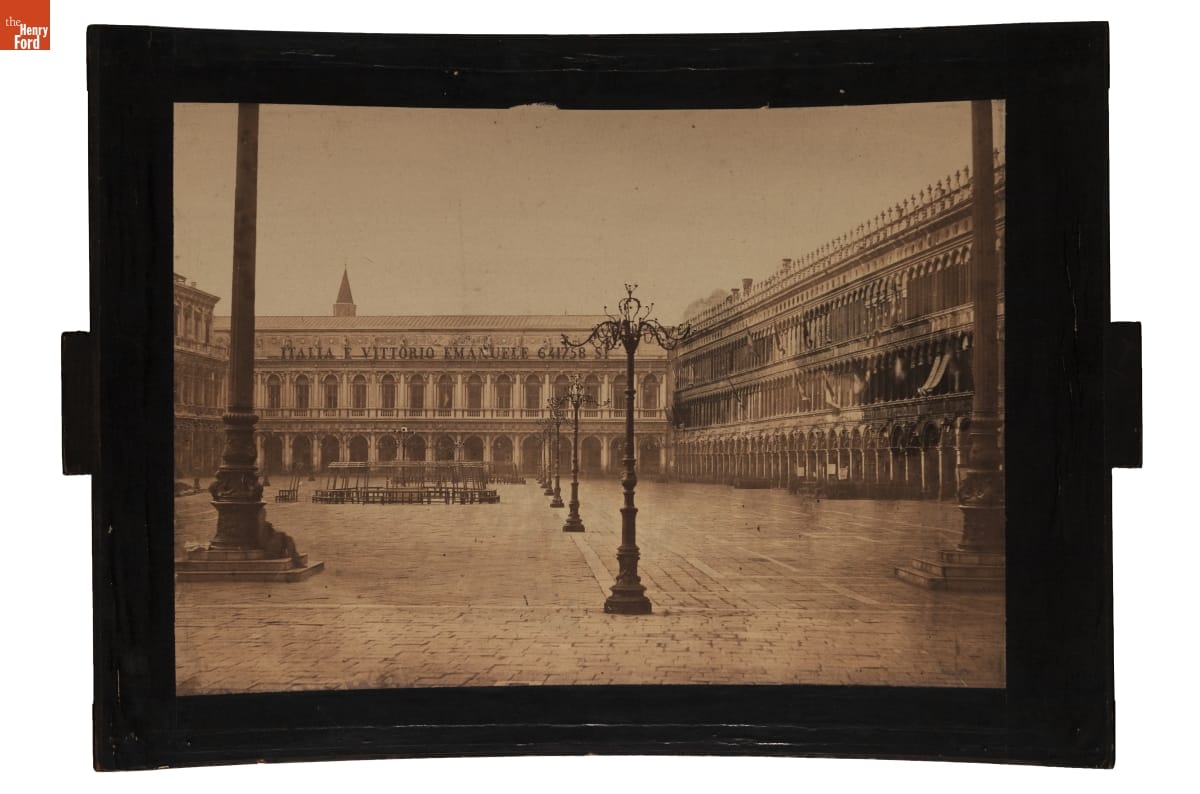
- Collections - Artifact
Megalethoscope Slide, "St. Mark's Square"
Invented by Carlo Ponti in the early 1860s, a megalethoscope is a device used to view a translucent, multilayered photograph. By opening or closing various panels, a person saw the image change. When lit from behind, pinpricks and paint or colored tissue applied to the back or a secondary layer of the photograph transform the scene to reveal hidden images and create an illusion of nighttime.
- Megalethoscope Slide, "Benediction of the Pope from St. Peter's on Easter Sunday" - Invented by Carlo Ponti in the early 1860s, a megalethoscope is a device used to view a translucent, multilayered photograph. By opening or closing various panels, a person saw the image change. When lit from behind, pinpricks and paint or colored tissue applied to the back or a secondary layer of the photograph transform the scene to reveal hidden images and create an illusion of nighttime.
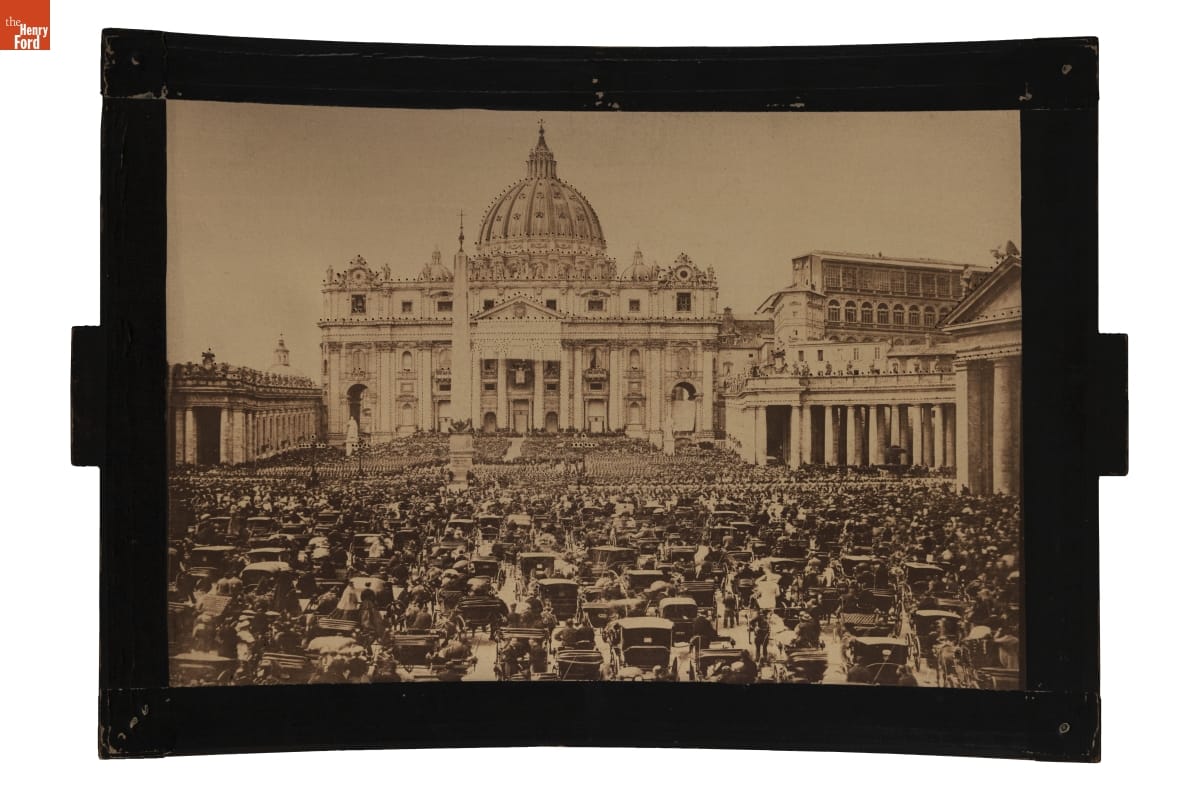
- Collections - Artifact
Megalethoscope Slide, "Benediction of the Pope from St. Peter's on Easter Sunday"
Invented by Carlo Ponti in the early 1860s, a megalethoscope is a device used to view a translucent, multilayered photograph. By opening or closing various panels, a person saw the image change. When lit from behind, pinpricks and paint or colored tissue applied to the back or a secondary layer of the photograph transform the scene to reveal hidden images and create an illusion of nighttime.
- Megalethoscope Slide, "Milano Cathedral" - Invented by Carlo Ponti in the early 1860s, a megalethoscope is a device used to view a translucent, multilayered photograph. By opening or closing various panels, a person saw the image change. When lit from behind, pinpricks and paint or colored tissue applied to the back or a secondary layer of the photograph transform the scene to reveal hidden images and create an illusion of nighttime.
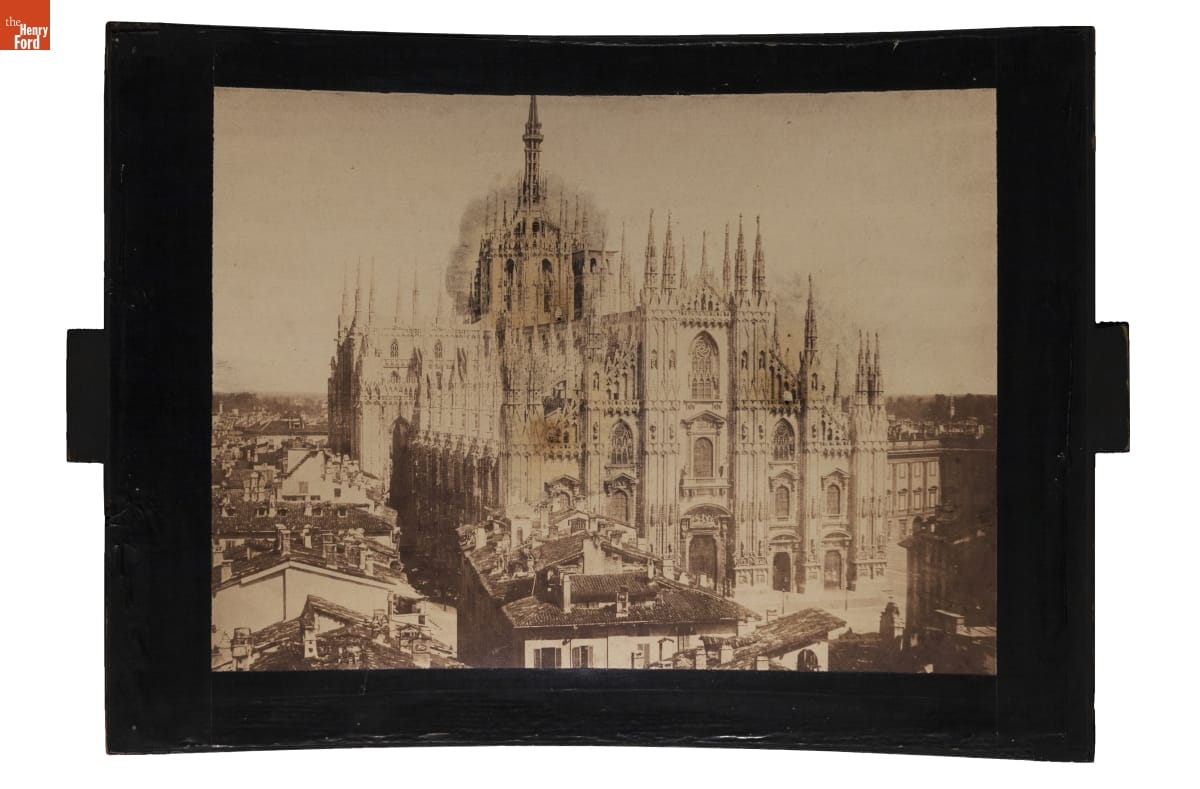
- Collections - Artifact
Megalethoscope Slide, "Milano Cathedral"
Invented by Carlo Ponti in the early 1860s, a megalethoscope is a device used to view a translucent, multilayered photograph. By opening or closing various panels, a person saw the image change. When lit from behind, pinpricks and paint or colored tissue applied to the back or a secondary layer of the photograph transform the scene to reveal hidden images and create an illusion of nighttime.
- Megalethoscope Slide, "Rialto" - Invented by Carlo Ponti in the early 1860s, a megalethoscope is a device used to view a translucent, multilayered photograph. By opening or closing various panels, a person saw the image change. When lit from behind, pinpricks and paint or colored tissue applied to the back or a secondary layer of the photograph transform the scene to reveal hidden images and create an illusion of nighttime.
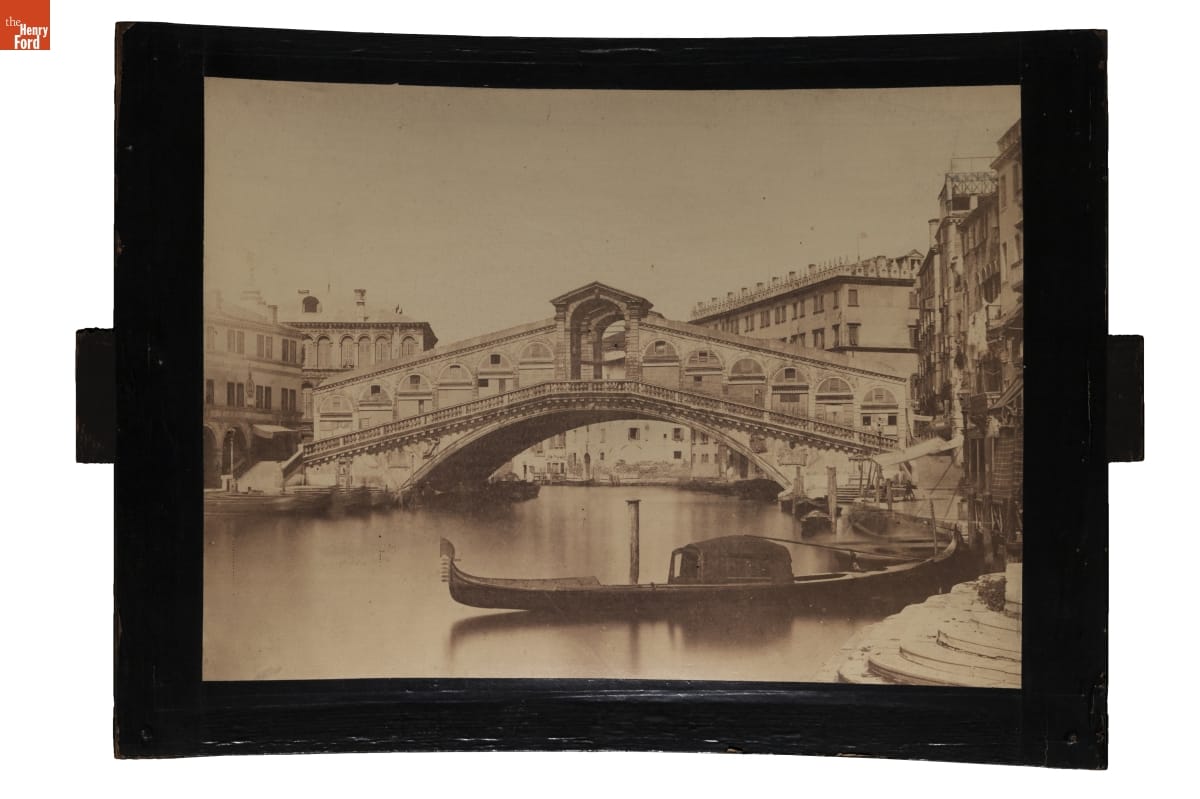
- Collections - Artifact
Megalethoscope Slide, "Rialto"
Invented by Carlo Ponti in the early 1860s, a megalethoscope is a device used to view a translucent, multilayered photograph. By opening or closing various panels, a person saw the image change. When lit from behind, pinpricks and paint or colored tissue applied to the back or a secondary layer of the photograph transform the scene to reveal hidden images and create an illusion of nighttime.
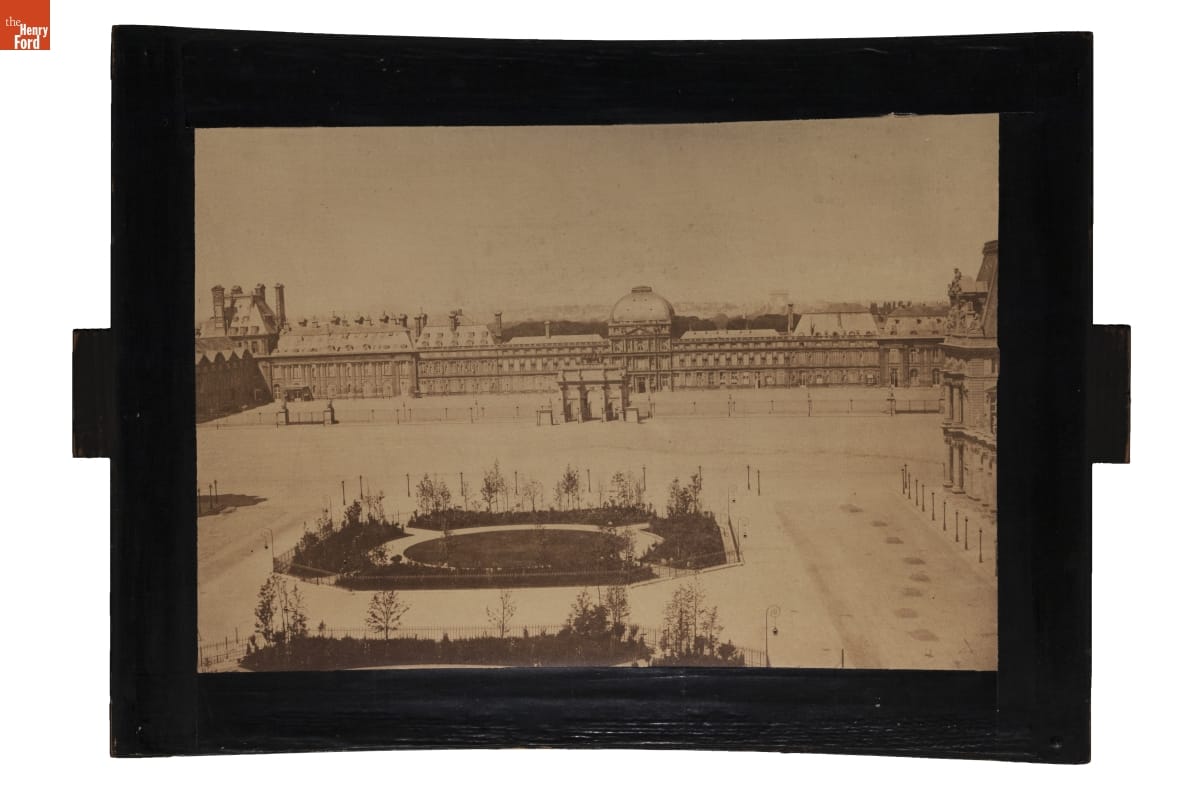
- Megalethoscope Slide, "Paris, Palais Imperial" - Invented by Carlo Ponti in the early 1860s, a megalethoscope is a device used to view a translucent, multilayered photograph. By opening or closing various panels, a person saw the image change. When lit from behind, pinpricks and paint or colored tissue applied to the back or a secondary layer of the photograph transform the scene to reveal hidden images and create an illusion of nighttime.
- Collections - Artifact
Megalethoscope Slide, "Paris, Palais Imperial"
Invented by Carlo Ponti in the early 1860s, a megalethoscope is a device used to view a translucent, multilayered photograph. By opening or closing various panels, a person saw the image change. When lit from behind, pinpricks and paint or colored tissue applied to the back or a secondary layer of the photograph transform the scene to reveal hidden images and create an illusion of nighttime.
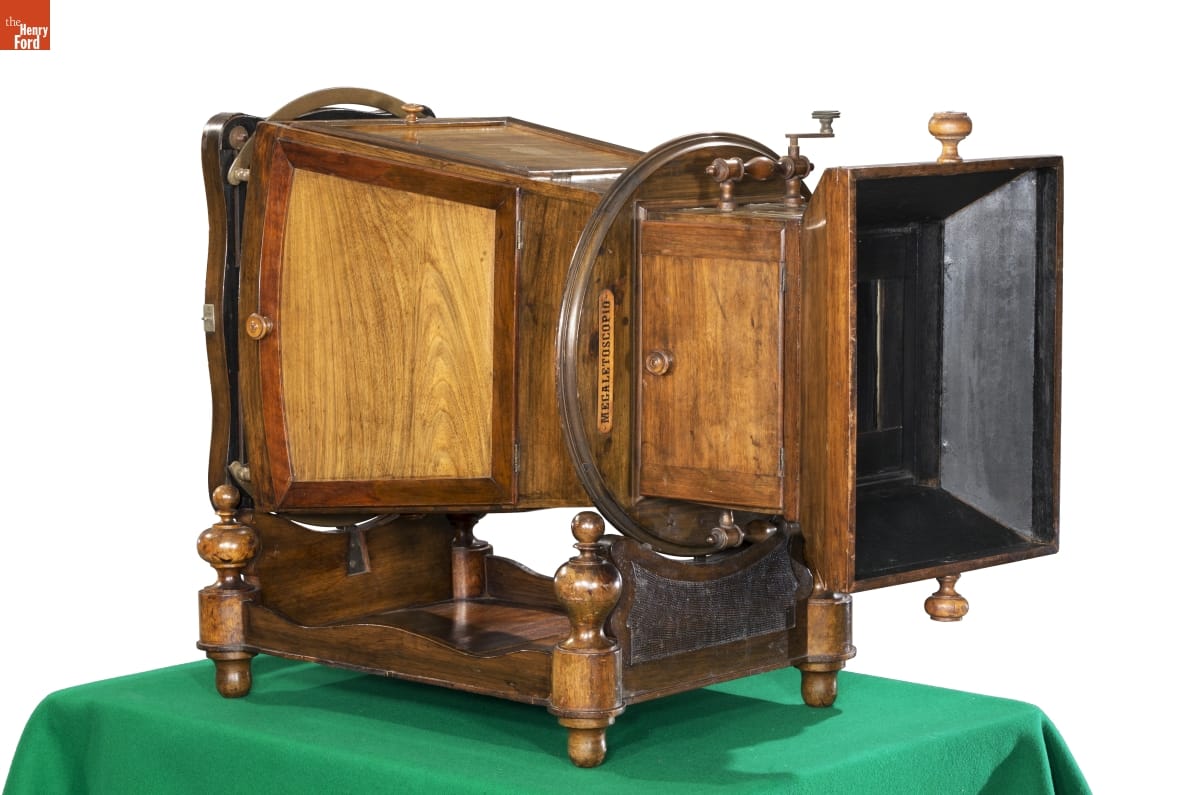
- Charles Ponti Megalethoscope, 1862 - Invented by Carlo Ponti in the early 1860s, a megalethoscope is a device used to view a translucent, multilayered photograph. By opening or closing various panels, a person saw the image change. When lit from behind, pinpricks and paint or colored tissue applied to the back or a secondary layer of the photograph transform the scene to reveal hidden images and create an illusion of nighttime.
- 1862
- Collections - Artifact
Charles Ponti Megalethoscope, 1862
Invented by Carlo Ponti in the early 1860s, a megalethoscope is a device used to view a translucent, multilayered photograph. By opening or closing various panels, a person saw the image change. When lit from behind, pinpricks and paint or colored tissue applied to the back or a secondary layer of the photograph transform the scene to reveal hidden images and create an illusion of nighttime.
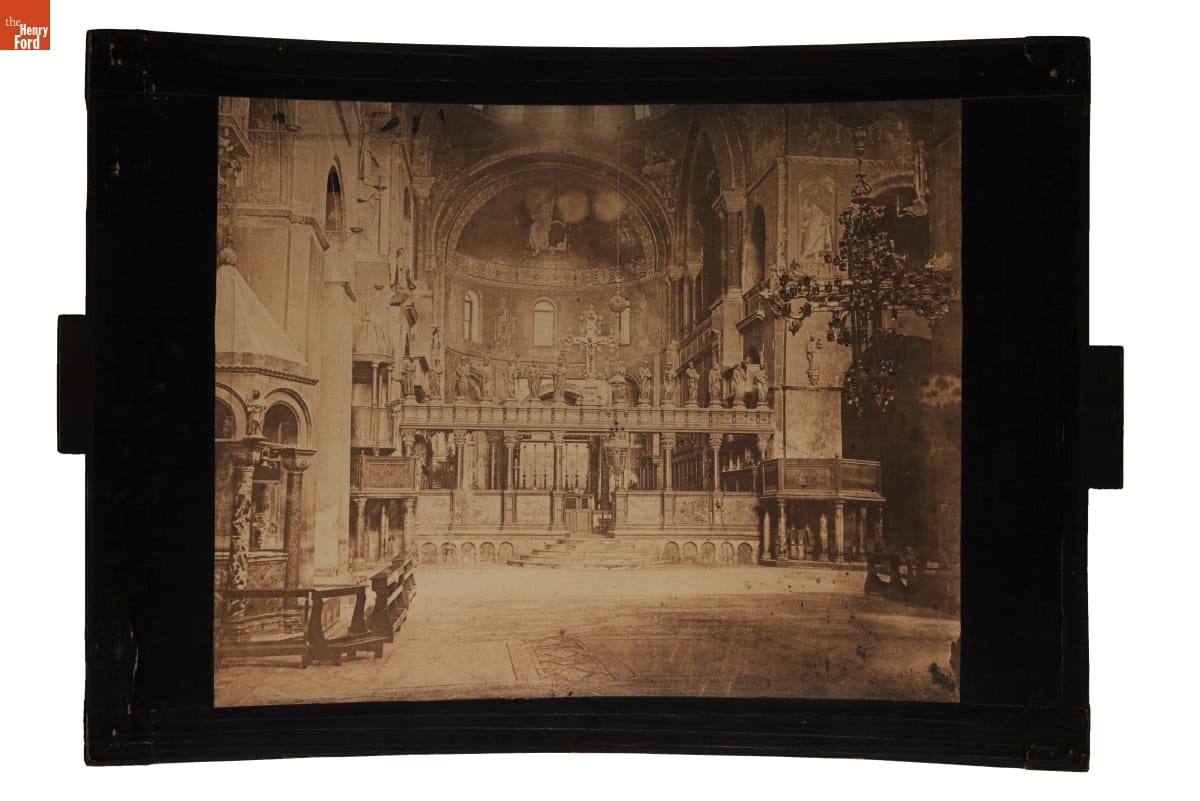
- Megalethoscope Slide, "St. Mark's Church" - Invented by Carlo Ponti in the early 1860s, a megalethoscope is a device used to view a translucent, multilayered photograph. By opening or closing various panels, a person saw the image change. When lit from behind, pinpricks and paint or colored tissue applied to the back or a secondary layer of the photograph transform the scene to reveal hidden images and create an illusion of nighttime.
- Collections - Artifact
Megalethoscope Slide, "St. Mark's Church"
Invented by Carlo Ponti in the early 1860s, a megalethoscope is a device used to view a translucent, multilayered photograph. By opening or closing various panels, a person saw the image change. When lit from behind, pinpricks and paint or colored tissue applied to the back or a secondary layer of the photograph transform the scene to reveal hidden images and create an illusion of nighttime.
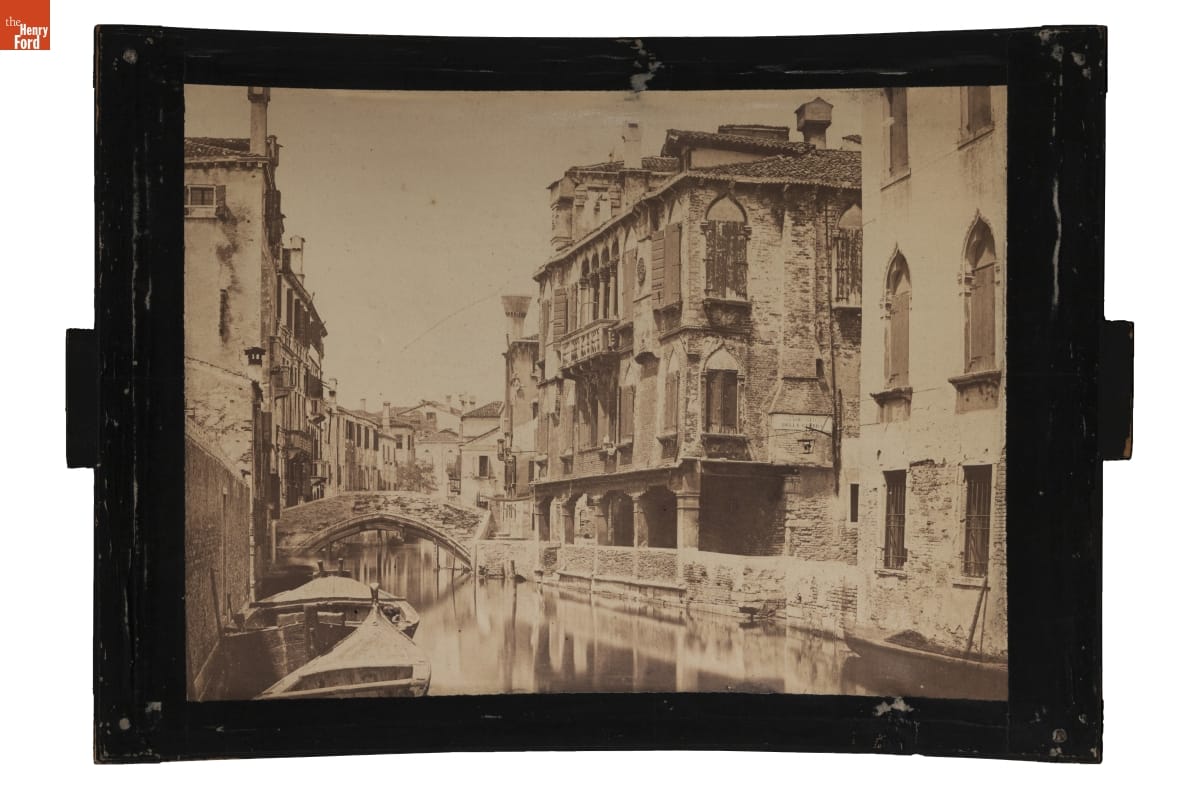
- Megalethoscope Slide, "Rio dei Santi Apostoli" - Invented by Carlo Ponti in the early 1860s, a megalethoscope is a device used to view a translucent, multilayered photograph. By opening or closing various panels, a person saw the image change. When lit from behind, pinpricks and paint or colored tissue applied to the back or a secondary layer of the photograph transform the scene to reveal hidden images and create an illusion of nighttime.
- 1860-1865
- Collections - Artifact
Megalethoscope Slide, "Rio dei Santi Apostoli"
Invented by Carlo Ponti in the early 1860s, a megalethoscope is a device used to view a translucent, multilayered photograph. By opening or closing various panels, a person saw the image change. When lit from behind, pinpricks and paint or colored tissue applied to the back or a secondary layer of the photograph transform the scene to reveal hidden images and create an illusion of nighttime.
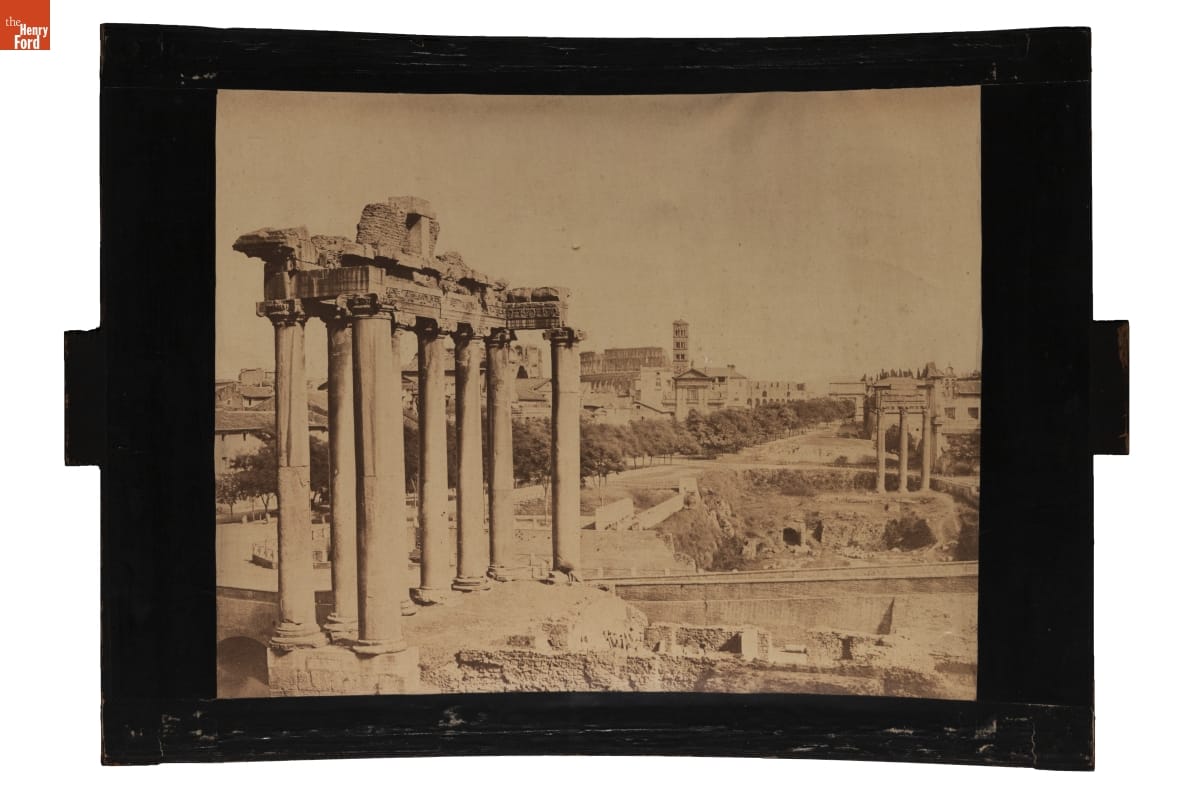
- Megalethoscope Slide, "Rome, Square of the Forum" - Invented by Carlo Ponti in the early 1860s, a megalethoscope is a device used to view a translucent, multilayered photograph. By opening or closing various panels, a person saw the image change. When lit from behind, pinpricks and paint or colored tissue applied to the back or a secondary layer of the photograph transform the scene to reveal hidden images and create an illusion of nighttime.
- 1860-1865
- Collections - Artifact
Megalethoscope Slide, "Rome, Square of the Forum"
Invented by Carlo Ponti in the early 1860s, a megalethoscope is a device used to view a translucent, multilayered photograph. By opening or closing various panels, a person saw the image change. When lit from behind, pinpricks and paint or colored tissue applied to the back or a secondary layer of the photograph transform the scene to reveal hidden images and create an illusion of nighttime.
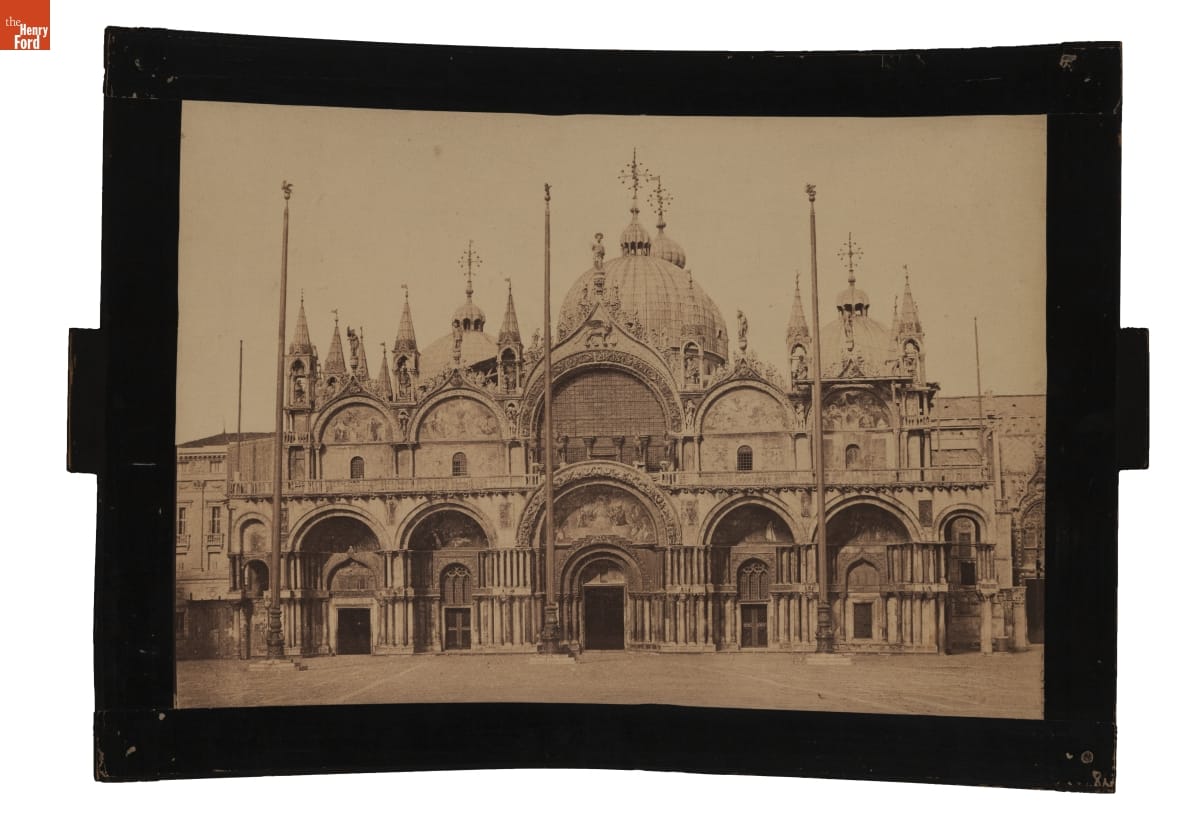
- Megalethoscope Slide, "The Facade of St. Mark's Church" - Invented by Carlo Ponti in the early 1860s, a megalethoscope is a device used to view a translucent, multilayered photograph. By opening or closing various panels, a person saw the image change. When lit from behind, pinpricks and paint or colored tissue applied to the back or a secondary layer of the photograph transform the scene to reveal hidden images and create an illusion of nighttime.
- Collections - Artifact
Megalethoscope Slide, "The Facade of St. Mark's Church"
Invented by Carlo Ponti in the early 1860s, a megalethoscope is a device used to view a translucent, multilayered photograph. By opening or closing various panels, a person saw the image change. When lit from behind, pinpricks and paint or colored tissue applied to the back or a secondary layer of the photograph transform the scene to reveal hidden images and create an illusion of nighttime.