
Search
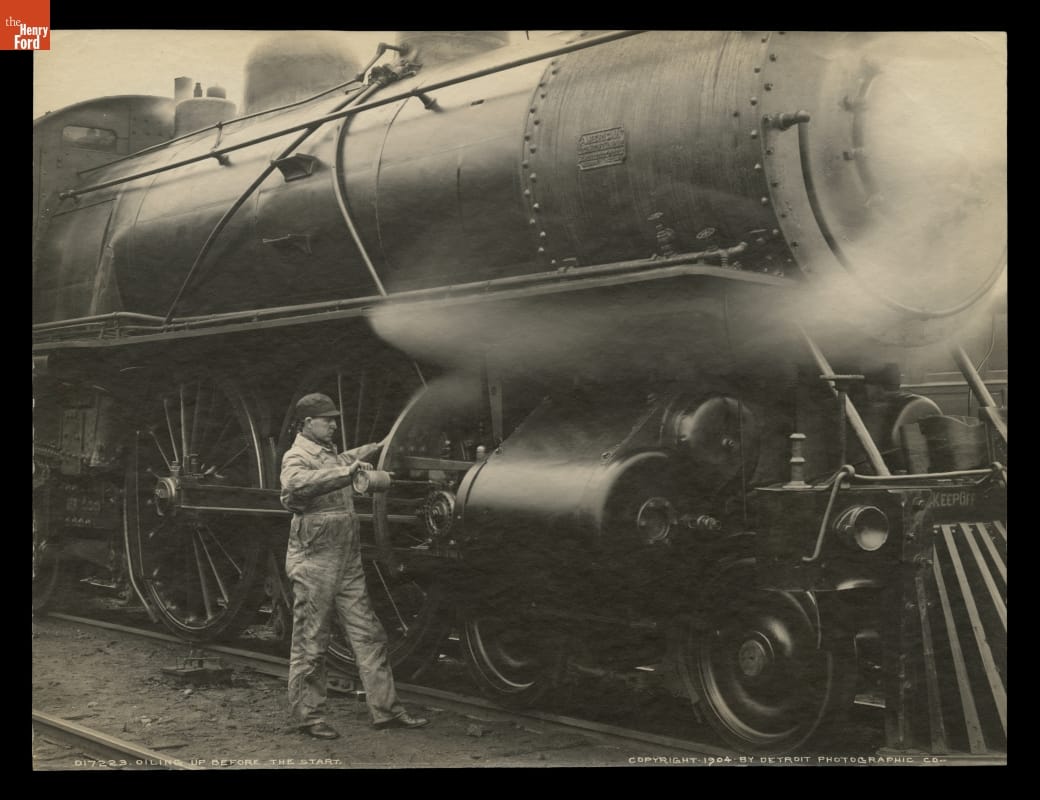
- "Oiling Up Before the Start," Engineer Working on Michigan Central Railroad K-Class Locomotive, 1904 - An engineman is seen oiling the side rods on a Michigan Central Railroad locomotive about 1905. The 4-4-2 Atlantic-type locomotive, with its tall driving wheels, was built to pull fast passenger trains on the Michigan Central's Detroit-Chicago mainline. But speed was relative. Even the fastest regularly scheduled trains might have averaged only 40 miles per hour in 1905.
- 1904
- Collections - Artifact
"Oiling Up Before the Start," Engineer Working on Michigan Central Railroad K-Class Locomotive, 1904
An engineman is seen oiling the side rods on a Michigan Central Railroad locomotive about 1905. The 4-4-2 Atlantic-type locomotive, with its tall driving wheels, was built to pull fast passenger trains on the Michigan Central's Detroit-Chicago mainline. But speed was relative. Even the fastest regularly scheduled trains might have averaged only 40 miles per hour in 1905.
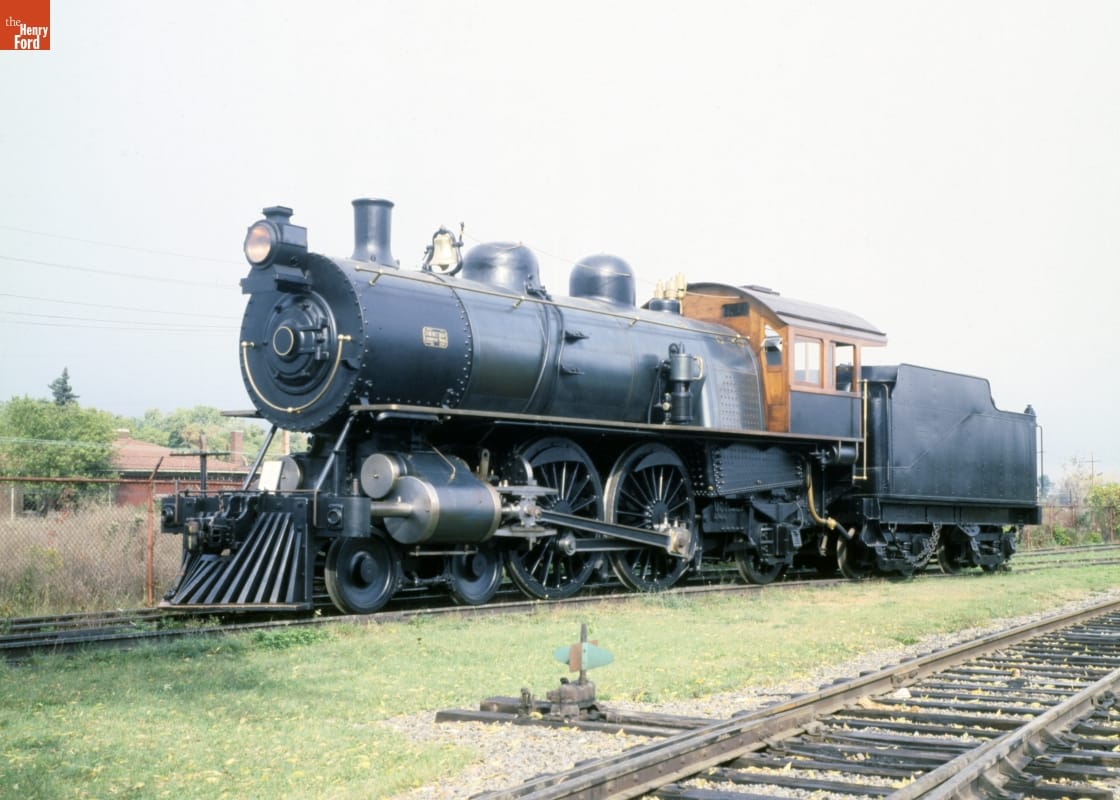
- American Locomotive Company Steam Locomotive, 1902 - The American Locomotive Company of Schenectady, New York, built this locomotive in 1902. It is a 4-4-2 Atlantic type, with four leading wheels, four driving wheels, and two trailing wheels. The Atlantic was designed to pull light wooden passenger cars at high speeds. This locomotive operated on the Michigan Central Railroad's Detroit-Chicago line until heavier steel cars made it obsolete.
- 1902
- Collections - Artifact
American Locomotive Company Steam Locomotive, 1902
The American Locomotive Company of Schenectady, New York, built this locomotive in 1902. It is a 4-4-2 Atlantic type, with four leading wheels, four driving wheels, and two trailing wheels. The Atlantic was designed to pull light wooden passenger cars at high speeds. This locomotive operated on the Michigan Central Railroad's Detroit-Chicago line until heavier steel cars made it obsolete.
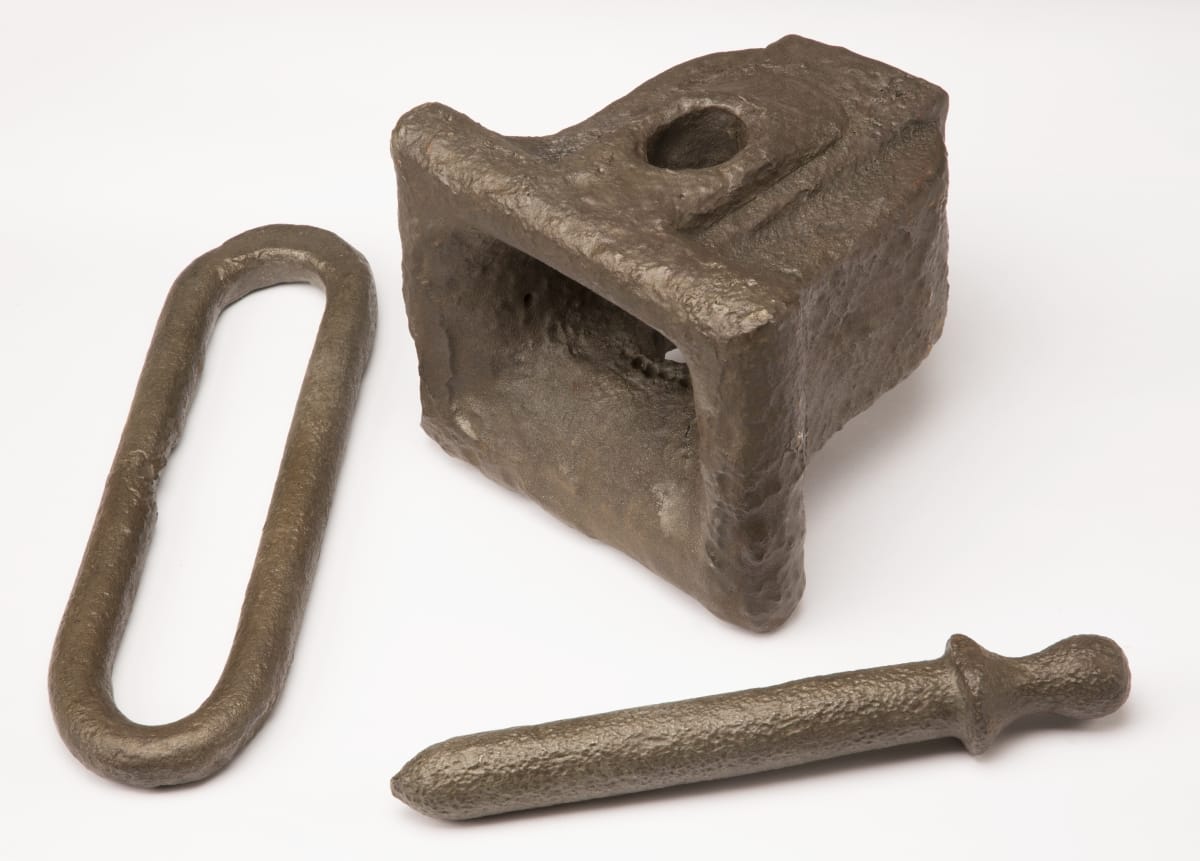
- Link and Pin Coupler, Used by the Michigan Central Railroad, 1850-1900 - The basic link-and-pin coupler was a constant danger to workers on early American railroads. To couple two cars, a worker had to guide the link into the receiving slot and drop the pin in place, quickly moving his hands before the couplers made contact. Missing fingers were a mark of experience. Safer automatic couplers were mandated by federal law in 1893.
- 1850-1900
- Collections - Artifact
Link and Pin Coupler, Used by the Michigan Central Railroad, 1850-1900
The basic link-and-pin coupler was a constant danger to workers on early American railroads. To couple two cars, a worker had to guide the link into the receiving slot and drop the pin in place, quickly moving his hands before the couplers made contact. Missing fingers were a mark of experience. Safer automatic couplers were mandated by federal law in 1893.
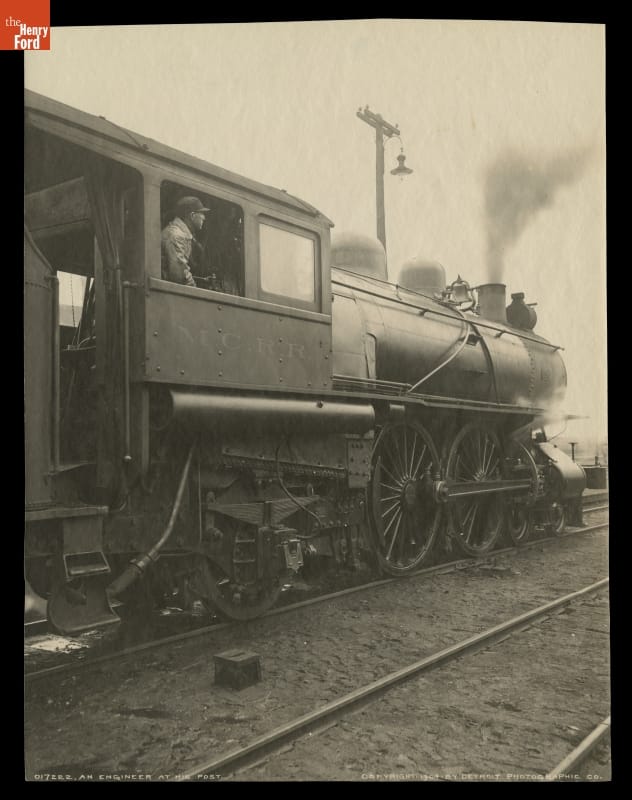
- Michigan Central Steam Locomotive, "An Engineer at His Post," circa 1904 - This circa 1904 photograph shows a train engineer in a Michigan Central Railroad locomotive. The company had lines throughout Michigan's Lower Peninsula running from Detroit to Chicago and north to Mackinaw City.
- circa 1904
- Collections - Artifact
Michigan Central Steam Locomotive, "An Engineer at His Post," circa 1904
This circa 1904 photograph shows a train engineer in a Michigan Central Railroad locomotive. The company had lines throughout Michigan's Lower Peninsula running from Detroit to Chicago and north to Mackinaw City.
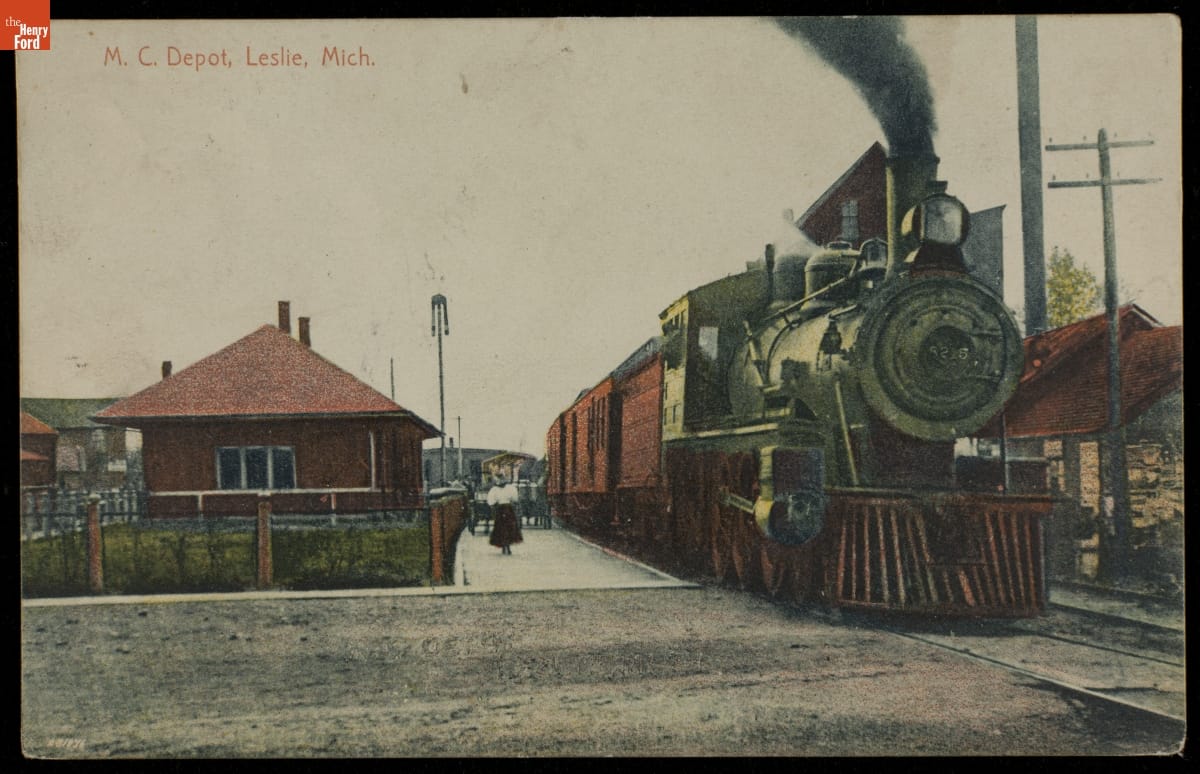
- Michigan Central Railroad Depot, Leslie, Michigan, 1910 - Leslie, Michigan, was served by the Michigan Central Railroad's Saginaw Branch, running from Jackson to Bay City via Lansing and Saginaw. The line opened to Leslie in 1865, while this depot was built around 1902. This scene is typical of small-town railroad stations, where fresh milk -- seen in cans on the baggage cart -- was a regular shipment.
- March 01, 1910
- Collections - Artifact
Michigan Central Railroad Depot, Leslie, Michigan, 1910
Leslie, Michigan, was served by the Michigan Central Railroad's Saginaw Branch, running from Jackson to Bay City via Lansing and Saginaw. The line opened to Leslie in 1865, while this depot was built around 1902. This scene is typical of small-town railroad stations, where fresh milk -- seen in cans on the baggage cart -- was a regular shipment.
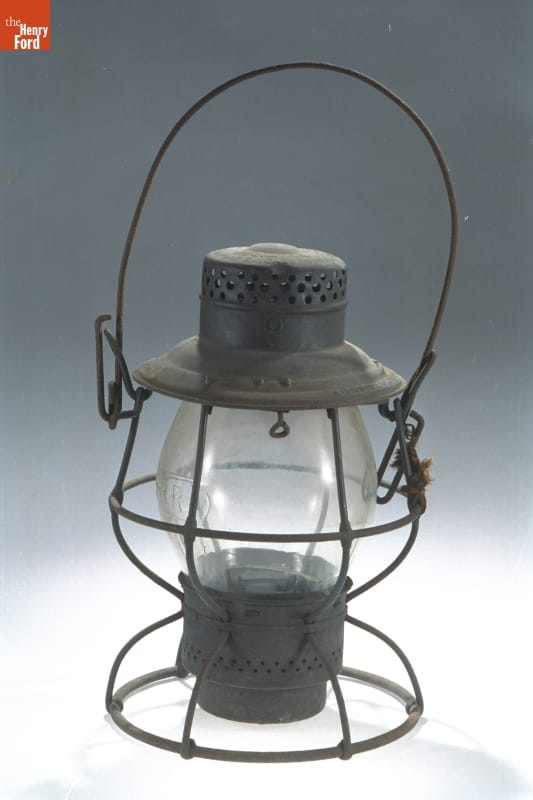
- Railroad Lantern, 1913-1930 - Flags and lanterns were the primary means of communication between conductors, brakemen, and engineers on American railroads. Different movements and colors indicated different instructions as crews assembled and operated trains. The clear glass globe in this lantern is marked "M.C.R.R." for the Michigan Central Railroad.
- 1913-1930
- Collections - Artifact
Railroad Lantern, 1913-1930
Flags and lanterns were the primary means of communication between conductors, brakemen, and engineers on American railroads. Different movements and colors indicated different instructions as crews assembled and operated trains. The clear glass globe in this lantern is marked "M.C.R.R." for the Michigan Central Railroad.
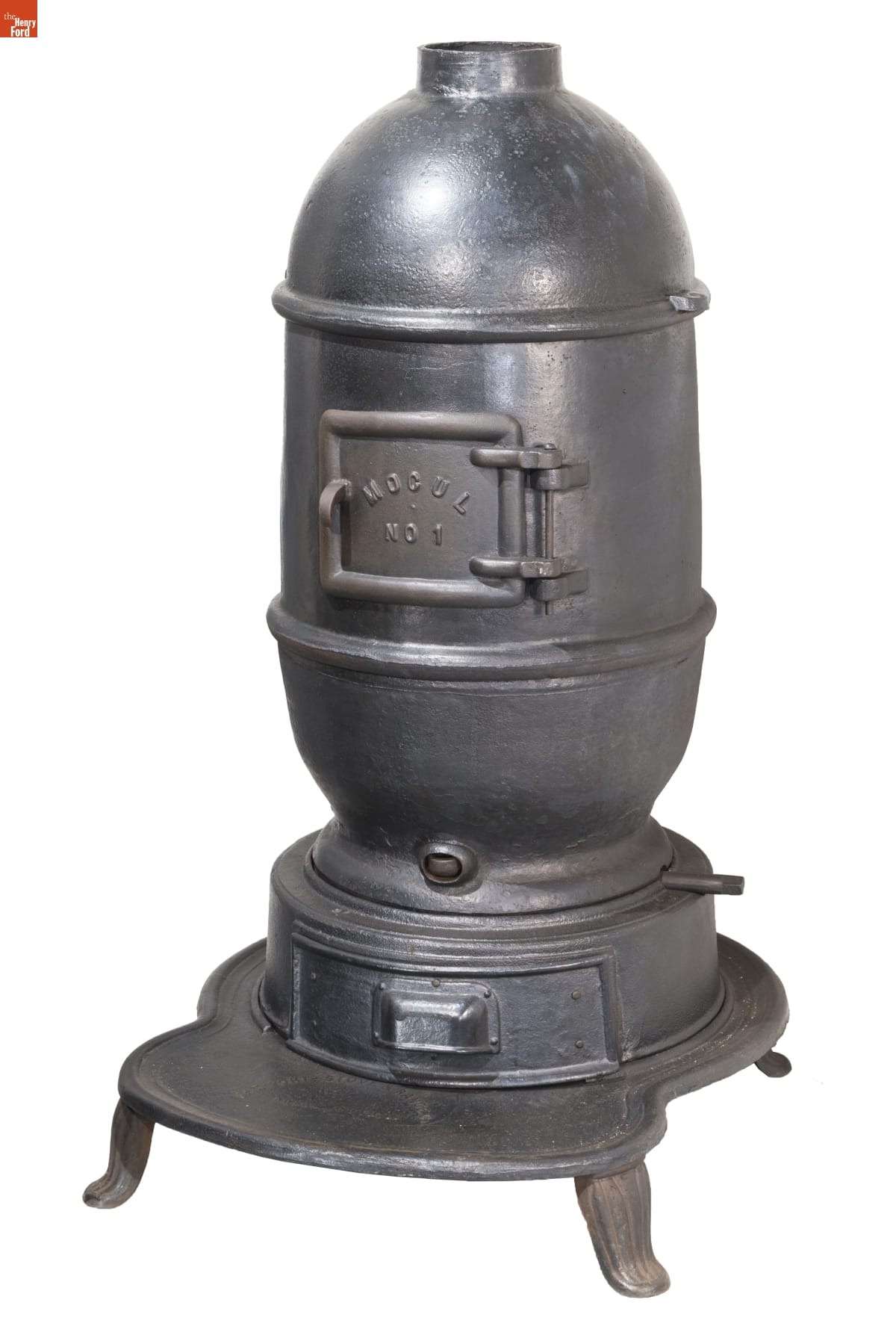
- Portsmouth Stove & Range Co. Mogul No. 1 Stove, Used by the Michigan Central Railroad, circa 1890 - In the 19th century, passenger trains were heated by a single coal stove in each car. Riders sitting far from the stove shivered, while those nearest to it sweated. Wooden passenger cars were filled with flammable fabrics and surfaces, making the coal stove a serious fire hazard -- especially if the car overturned in an accident.
- circa 1890
- Collections - Artifact
Portsmouth Stove & Range Co. Mogul No. 1 Stove, Used by the Michigan Central Railroad, circa 1890
In the 19th century, passenger trains were heated by a single coal stove in each car. Riders sitting far from the stove shivered, while those nearest to it sweated. Wooden passenger cars were filled with flammable fabrics and surfaces, making the coal stove a serious fire hazard -- especially if the car overturned in an accident.
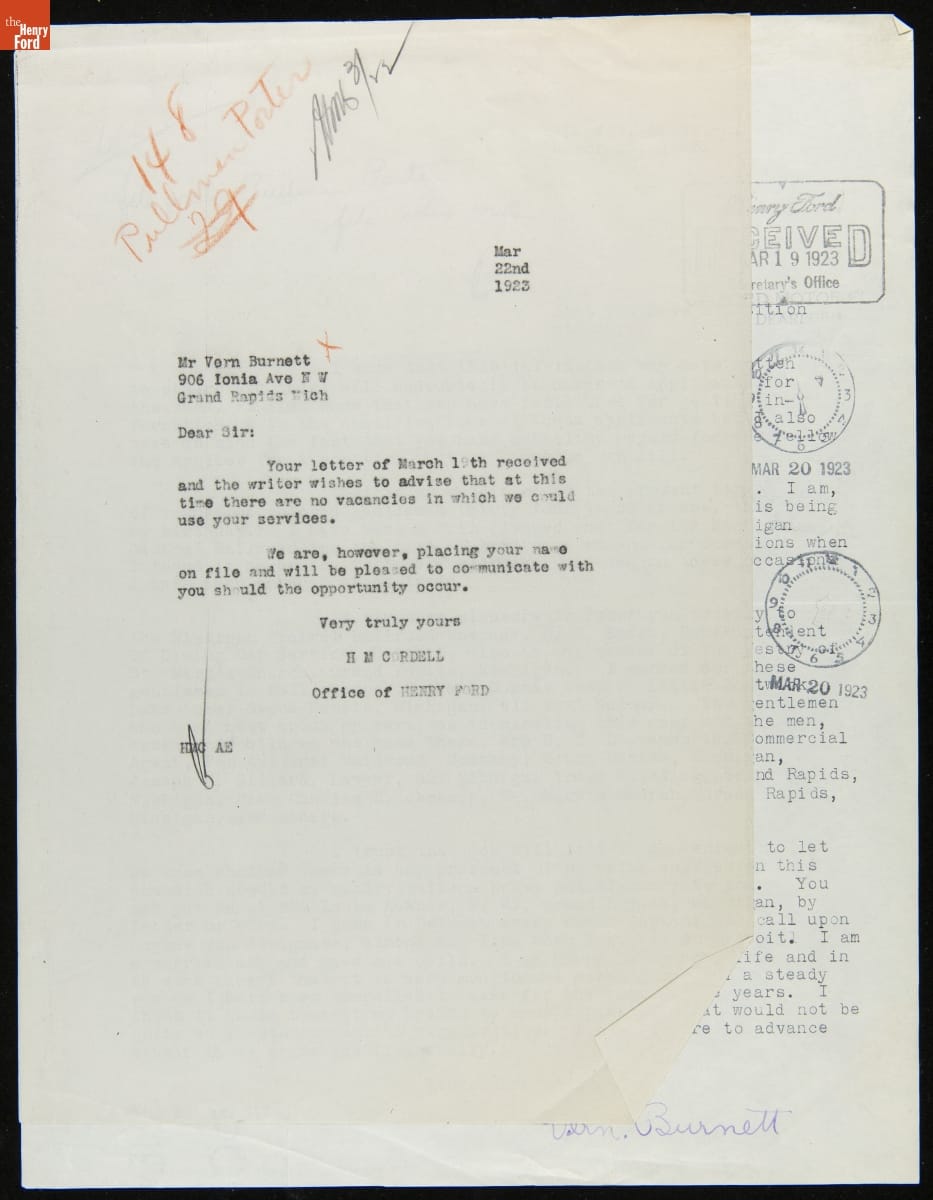
- Application Letter from Vern Burnett for Employment on the Fair Lane, Henry Ford's Private Rail Car, March 1923 - Henry and Clara Ford purchased <em>Fair Lane</em>, their private railroad passenger car, in 1921. When stories about the railcar appeared in newspapers, experienced railroad porters, stewards and cooks sent letters of interest about working for the Fords. Generally, <em>Fair Lane</em> was staffed by a porter to attend to passengers' needs, and a cook to prepare meals.
- March 01, 1923
- Collections - Artifact
Application Letter from Vern Burnett for Employment on the Fair Lane, Henry Ford's Private Rail Car, March 1923
Henry and Clara Ford purchased Fair Lane, their private railroad passenger car, in 1921. When stories about the railcar appeared in newspapers, experienced railroad porters, stewards and cooks sent letters of interest about working for the Fords. Generally, Fair Lane was staffed by a porter to attend to passengers' needs, and a cook to prepare meals.
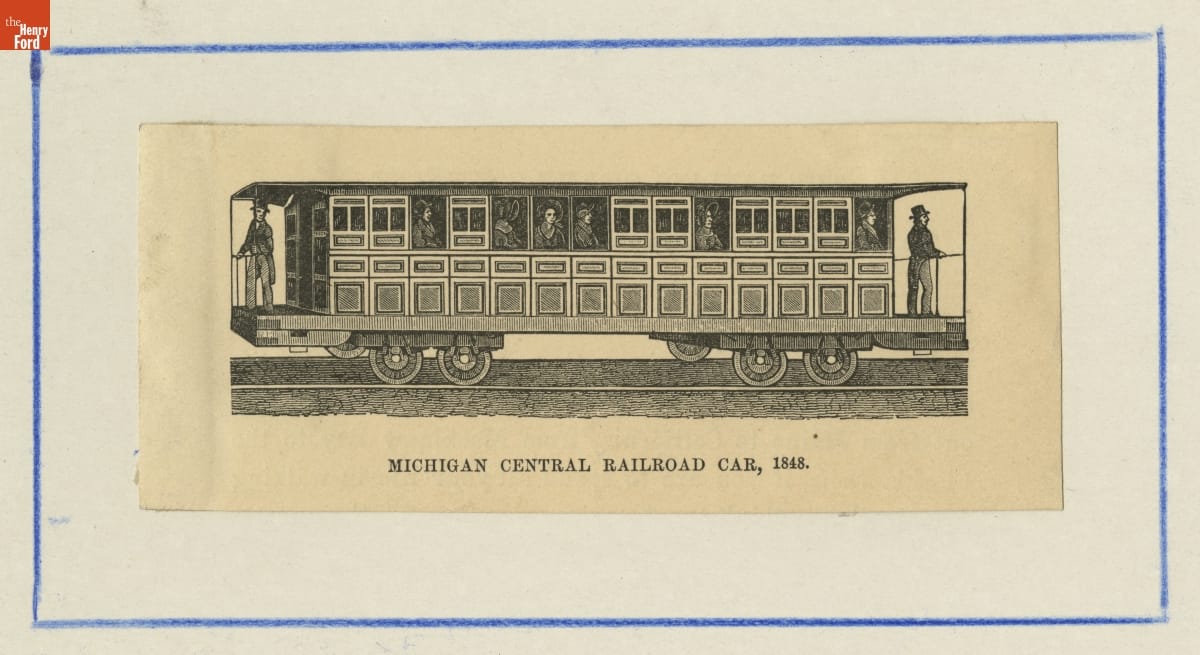
- Michigan Central Railroad Car, 1848 - The American railroad passenger car evolved quickly. The four-wheel models of the early 1830s, based on horse-drawn stagecoaches, gave way to longer eight-wheel coaches by 1840. Unlike European cars, which were sectioned into small compartments, American coaches had an open layout that was less expensive to build and more in keeping with the country's democratic ideals.
- 1848
- Collections - Artifact
Michigan Central Railroad Car, 1848
The American railroad passenger car evolved quickly. The four-wheel models of the early 1830s, based on horse-drawn stagecoaches, gave way to longer eight-wheel coaches by 1840. Unlike European cars, which were sectioned into small compartments, American coaches had an open layout that was less expensive to build and more in keeping with the country's democratic ideals.
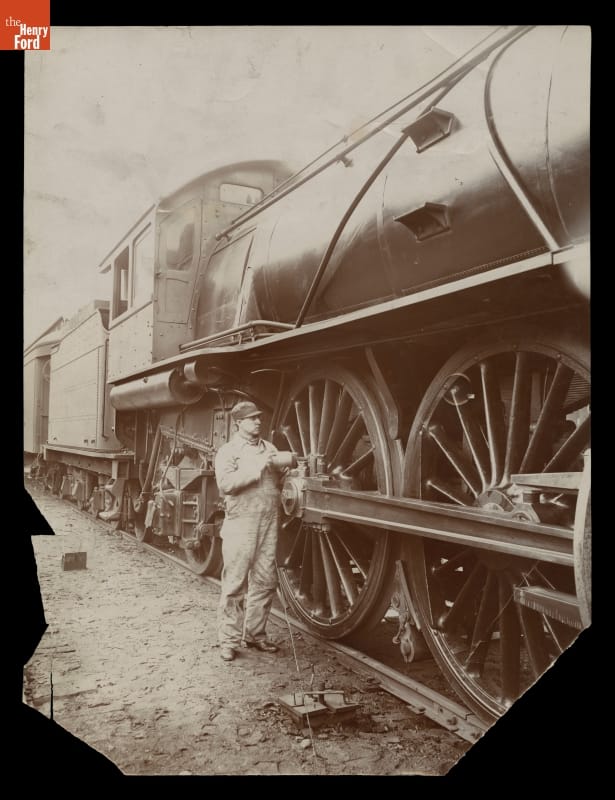
- "Oiling Up Before the Start," Engineer Working on Michigan Central Railroad K Class Locomotive, circa 1905 - An engineman is seen oiling the side rods on a Michigan Central Railroad locomotive about 1905. The 4-4-2 Atlantic-type locomotive, with its tall driving wheels, was built to pull fast passenger trains on the Michigan Central's Detroit-Chicago mainline. But speed was relative. Even the fastest regularly scheduled trains might have averaged only 40 miles per hour in 1905.
- circa 1905
- Collections - Artifact
"Oiling Up Before the Start," Engineer Working on Michigan Central Railroad K Class Locomotive, circa 1905
An engineman is seen oiling the side rods on a Michigan Central Railroad locomotive about 1905. The 4-4-2 Atlantic-type locomotive, with its tall driving wheels, was built to pull fast passenger trains on the Michigan Central's Detroit-Chicago mainline. But speed was relative. Even the fastest regularly scheduled trains might have averaged only 40 miles per hour in 1905.