
Search
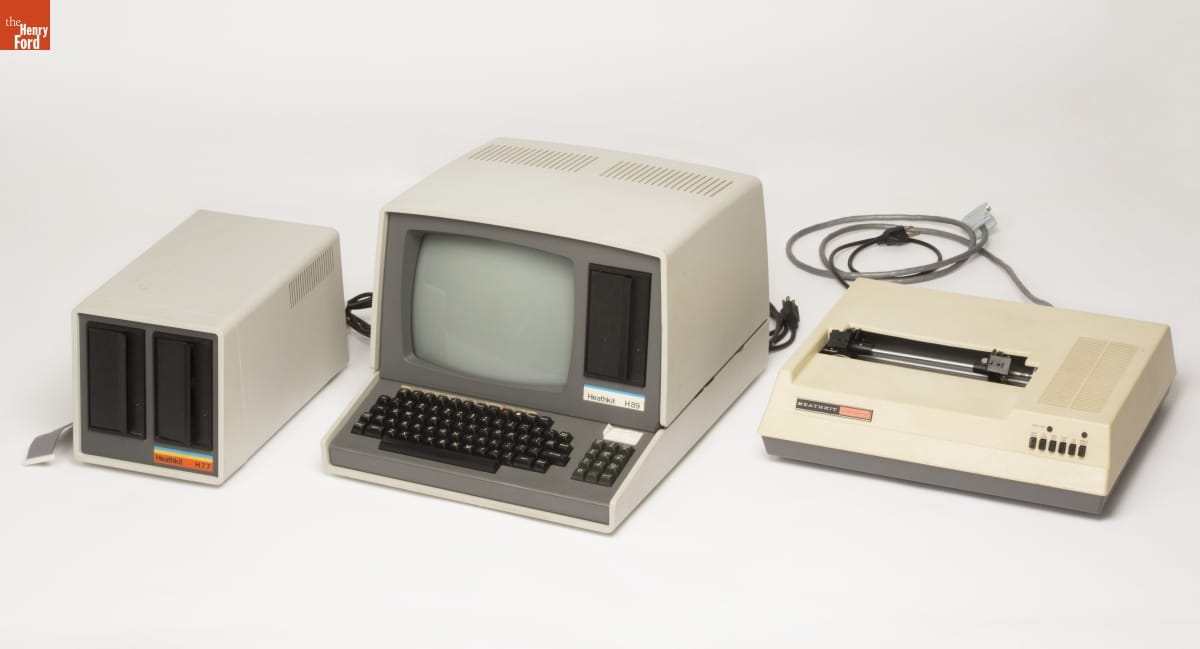
- Heathkit H88 Computer, 1979 - The Heath Company was founded in the 1920s as a "do-it-yourself" electronics kit provider. "Heathkits" provided simple, accessible instructions understandable to amateurs and experts alike. As hobbyists built radios, televisions, and computers from scratch, they gained electronics skills. These kits were not novelties, but emphasized access to affordable, advanced, high-performance technology. Parallels easily be seen within present-day "Maker" culture.
- 1979
- Collections - Artifact
Heathkit H88 Computer, 1979
The Heath Company was founded in the 1920s as a "do-it-yourself" electronics kit provider. "Heathkits" provided simple, accessible instructions understandable to amateurs and experts alike. As hobbyists built radios, televisions, and computers from scratch, they gained electronics skills. These kits were not novelties, but emphasized access to affordable, advanced, high-performance technology. Parallels easily be seen within present-day "Maker" culture.
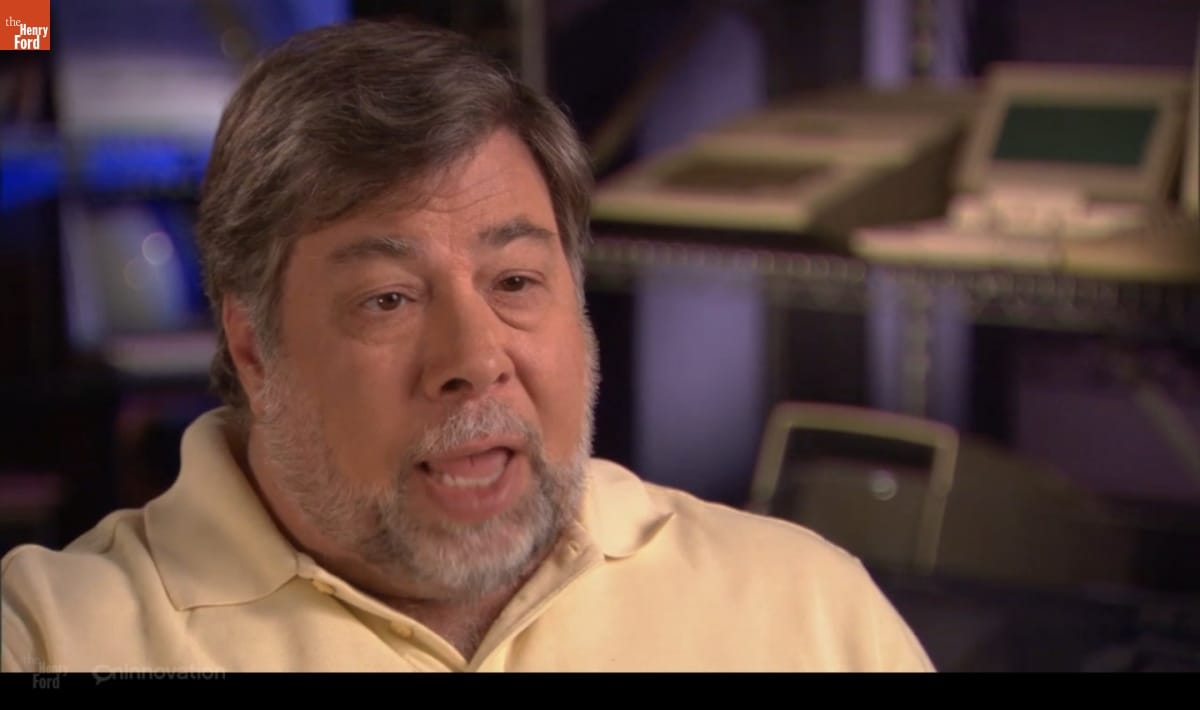
- "Encouraging Innovation," Clip from Interview with Steve Wozniak, August 18, 2008 - American computer engineer Stephen Wozniak co-founded Apple Computer (now Apple Inc.) with Steve Jobs in 1976. Wozniak's inventions and machines--he created the Apple 1 and Apple II computers--contributed greatly to the personal computer revolution of the 1970s and 80s. In 2008, staff from The Henry Ford interviewed Wozniak at the Computer History Museum in California as part of the Collecting Innovation Today Oral History Project.
- August 18, 2008
- Collections - Artifact
"Encouraging Innovation," Clip from Interview with Steve Wozniak, August 18, 2008
American computer engineer Stephen Wozniak co-founded Apple Computer (now Apple Inc.) with Steve Jobs in 1976. Wozniak's inventions and machines--he created the Apple 1 and Apple II computers--contributed greatly to the personal computer revolution of the 1970s and 80s. In 2008, staff from The Henry Ford interviewed Wozniak at the Computer History Museum in California as part of the Collecting Innovation Today Oral History Project.
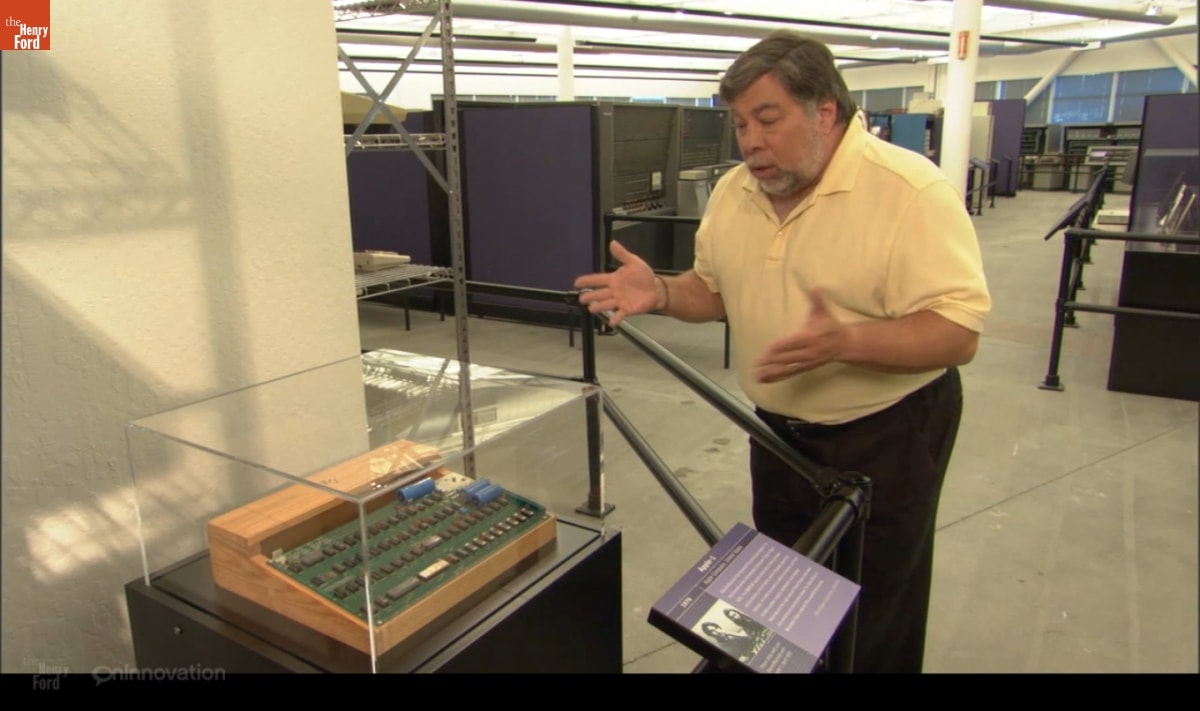
- "Apple I, Part 3," Clip from Interview with Steve Wozniak, August 18, 2008 - American computer engineer Stephen Wozniak co-founded Apple Computer (now Apple Inc.) with Steve Jobs in 1976. Wozniak's inventions and machines--he created the Apple 1 and Apple II computers--contributed greatly to the personal computer revolution of the 1970s and 80s. In 2008, staff from The Henry Ford interviewed Wozniak at the Computer History Museum in California as part of the Collecting Innovation Today Oral History Project.
- August 18, 2008
- Collections - Artifact
"Apple I, Part 3," Clip from Interview with Steve Wozniak, August 18, 2008
American computer engineer Stephen Wozniak co-founded Apple Computer (now Apple Inc.) with Steve Jobs in 1976. Wozniak's inventions and machines--he created the Apple 1 and Apple II computers--contributed greatly to the personal computer revolution of the 1970s and 80s. In 2008, staff from The Henry Ford interviewed Wozniak at the Computer History Museum in California as part of the Collecting Innovation Today Oral History Project.
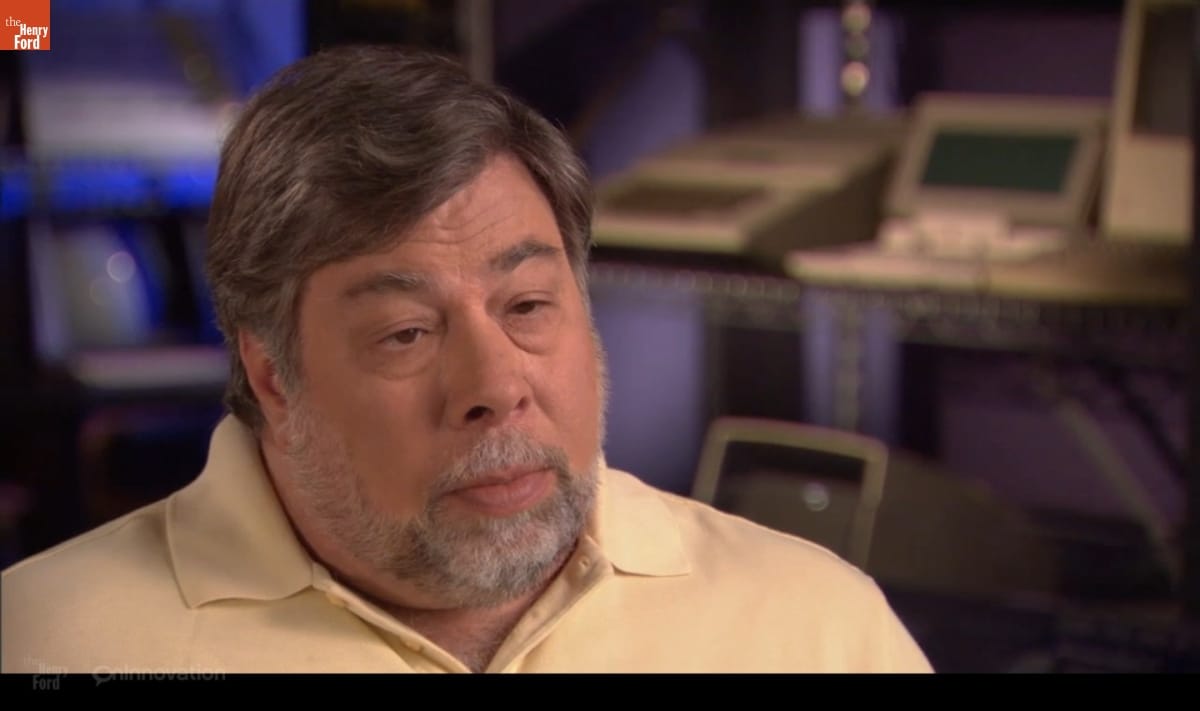
- "Encouraging Innovation, Part 2," Clip from Interview with Steve Wozniak, August 18, 2008 - American computer engineer Stephen Wozniak co-founded Apple Computer (now Apple Inc.) with Steve Jobs in 1976. Wozniak's inventions and machines--he created the Apple 1 and Apple II computers--contributed greatly to the personal computer revolution of the 1970s and 80s. In 2008, staff from The Henry Ford interviewed Wozniak at the Computer History Museum in California as part of the Collecting Innovation Today Oral History Project.
- August 18, 2008
- Collections - Artifact
"Encouraging Innovation, Part 2," Clip from Interview with Steve Wozniak, August 18, 2008
American computer engineer Stephen Wozniak co-founded Apple Computer (now Apple Inc.) with Steve Jobs in 1976. Wozniak's inventions and machines--he created the Apple 1 and Apple II computers--contributed greatly to the personal computer revolution of the 1970s and 80s. In 2008, staff from The Henry Ford interviewed Wozniak at the Computer History Museum in California as part of the Collecting Innovation Today Oral History Project.
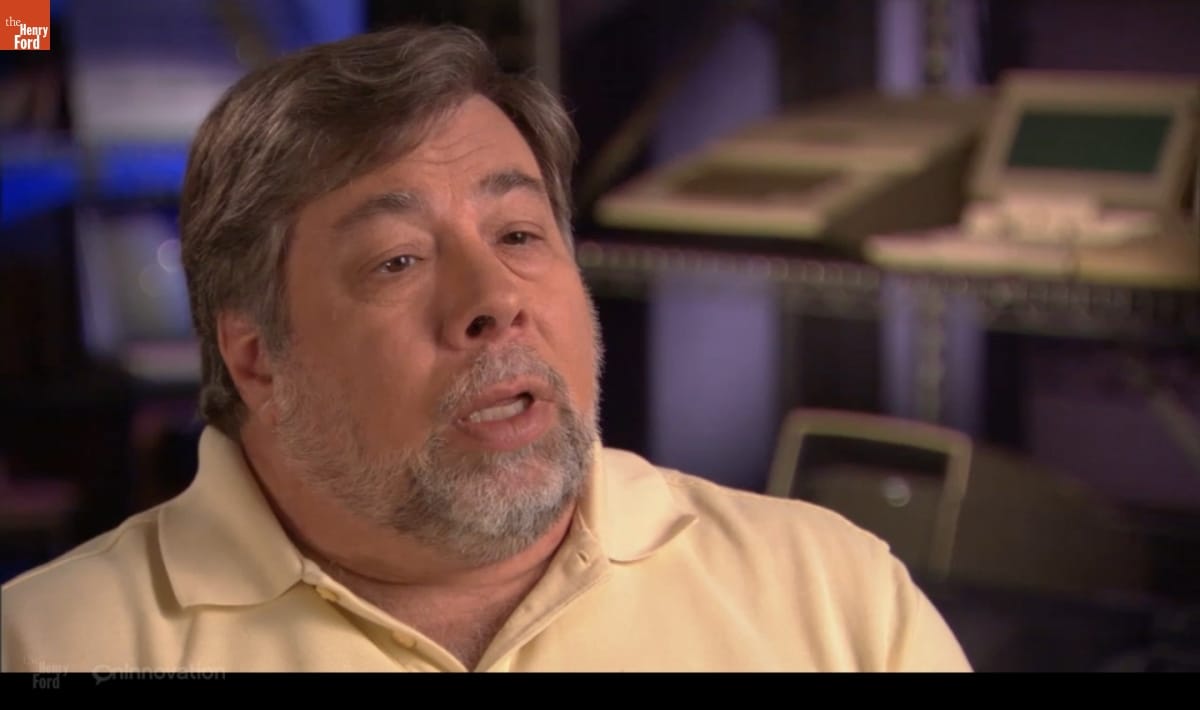
- "The Apple II," Clip from Interview with Steve Wozniak, August 18, 2008 - American computer engineer Stephen Wozniak co-founded Apple Computer (now Apple Inc.) with Steve Jobs in 1976. Wozniak's inventions and machines--he created the Apple 1 and Apple II computers--contributed greatly to the personal computer revolution of the 1970s and 80s. In 2008, staff from The Henry Ford interviewed Wozniak at the Computer History Museum in California as part of the Collecting Innovation Today Oral History Project.
- August 18, 2008
- Collections - Artifact
"The Apple II," Clip from Interview with Steve Wozniak, August 18, 2008
American computer engineer Stephen Wozniak co-founded Apple Computer (now Apple Inc.) with Steve Jobs in 1976. Wozniak's inventions and machines--he created the Apple 1 and Apple II computers--contributed greatly to the personal computer revolution of the 1970s and 80s. In 2008, staff from The Henry Ford interviewed Wozniak at the Computer History Museum in California as part of the Collecting Innovation Today Oral History Project.
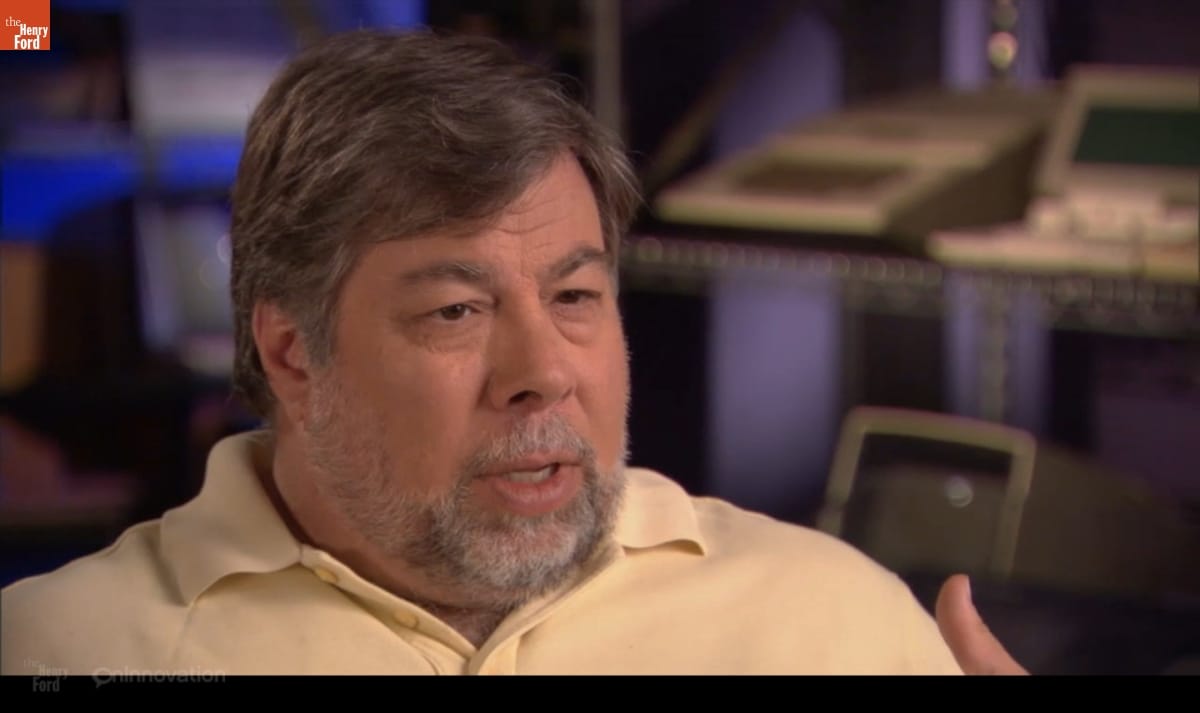
- "Where Is Innovation Now?" Clip from Interview with Steve Wozniak, August 18, 2008 - American computer engineer Stephen Wozniak co-founded Apple Computer (now Apple Inc.) with Steve Jobs in 1976. Wozniak's inventions and machines--he created the Apple 1 and Apple II computers--contributed greatly to the personal computer revolution of the 1970s and 80s. In 2008, staff from The Henry Ford interviewed Wozniak at the Computer History Museum in California as part of the Collecting Innovation Today Oral History Project.
- August 18, 2008
- Collections - Artifact
"Where Is Innovation Now?" Clip from Interview with Steve Wozniak, August 18, 2008
American computer engineer Stephen Wozniak co-founded Apple Computer (now Apple Inc.) with Steve Jobs in 1976. Wozniak's inventions and machines--he created the Apple 1 and Apple II computers--contributed greatly to the personal computer revolution of the 1970s and 80s. In 2008, staff from The Henry Ford interviewed Wozniak at the Computer History Museum in California as part of the Collecting Innovation Today Oral History Project.
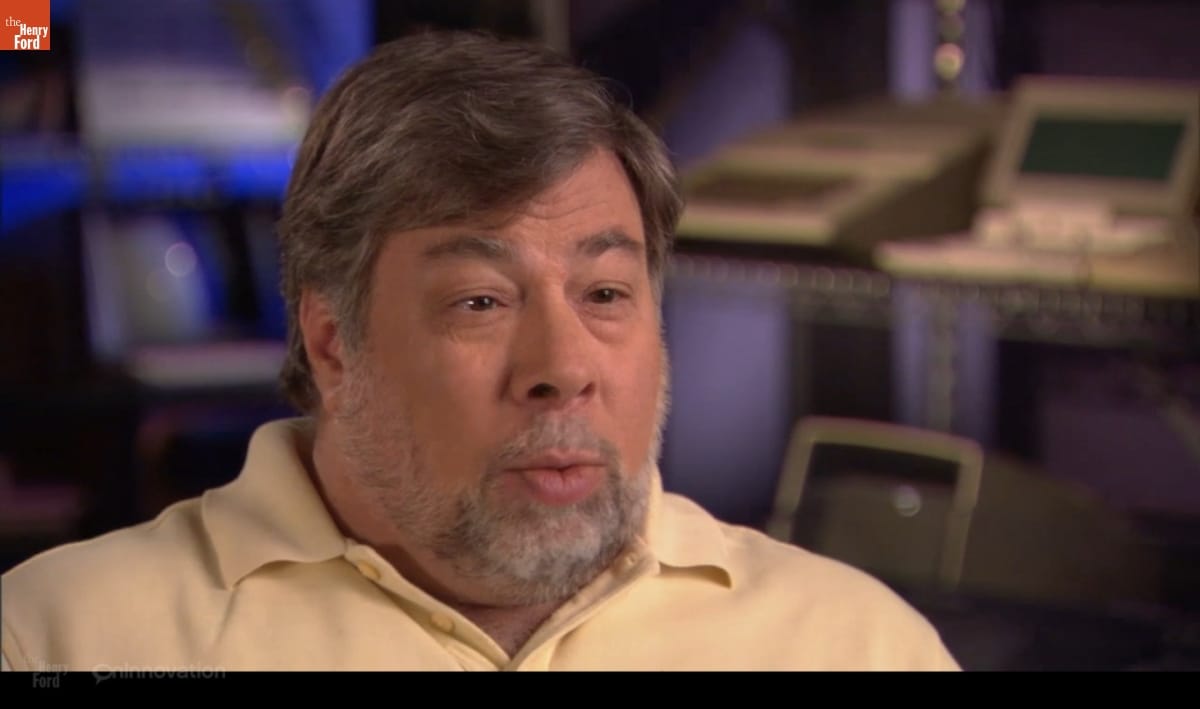
- "New Possibilities," Clip from Interview with Steve Wozniak, August 18, 2008 - American computer engineer Stephen Wozniak co-founded Apple Computer (now Apple Inc.) with Steve Jobs in 1976. Wozniak's inventions and machines--he created the Apple 1 and Apple II computers--contributed greatly to the personal computer revolution of the 1970s and 80s. In 2008, staff from The Henry Ford interviewed Wozniak at the Computer History Museum in California as part of the Collecting Innovation Today Oral History Project.
- August 18, 2008
- Collections - Artifact
"New Possibilities," Clip from Interview with Steve Wozniak, August 18, 2008
American computer engineer Stephen Wozniak co-founded Apple Computer (now Apple Inc.) with Steve Jobs in 1976. Wozniak's inventions and machines--he created the Apple 1 and Apple II computers--contributed greatly to the personal computer revolution of the 1970s and 80s. In 2008, staff from The Henry Ford interviewed Wozniak at the Computer History Museum in California as part of the Collecting Innovation Today Oral History Project.
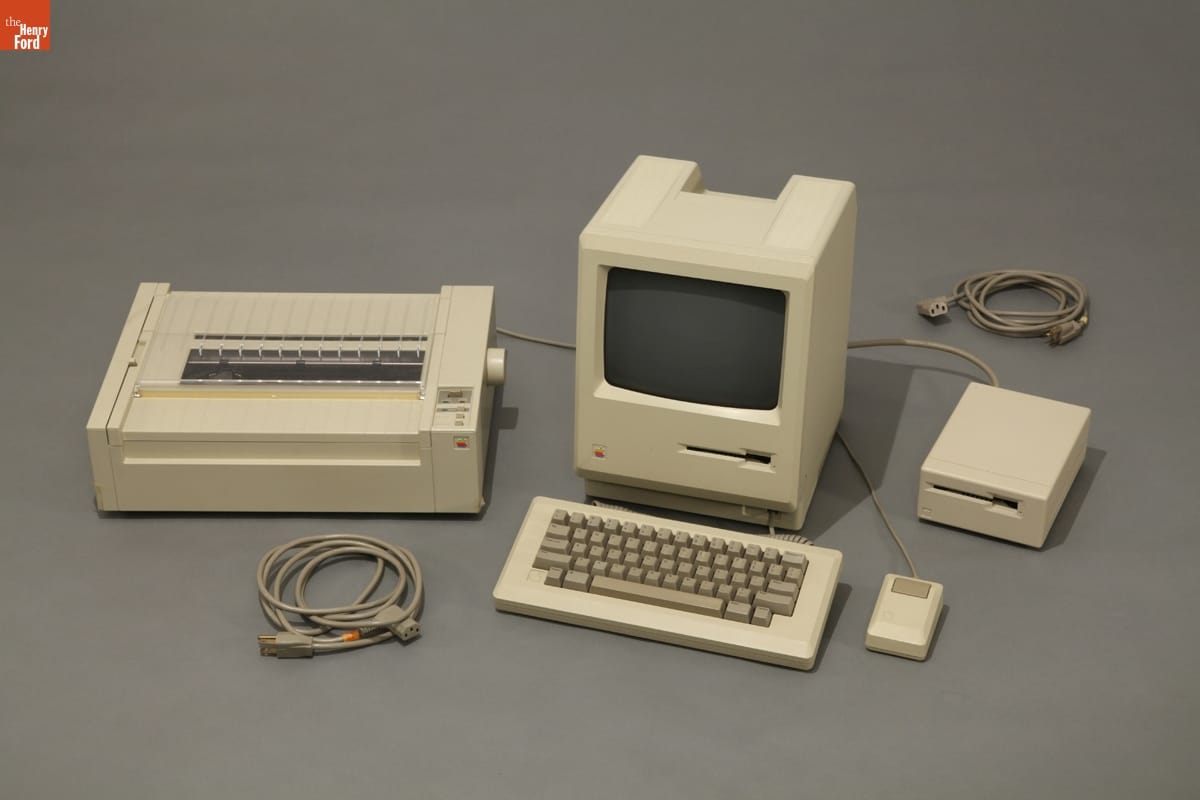
- Macintosh 512K Personal Computer, Model M0001W, 1985 - In 1984, the Apple Macintosh became the first popular personal computer to feature the now-ubiquitous mouse and "graphical user interface" desktop. Despite the Mac's relatively high price, its user-friendly features helped it demystify computing for many people without a technical bent. This computer is a Macintosh 512k, released in 1985 with increased memory.
- 1985
- Collections - Artifact
Macintosh 512K Personal Computer, Model M0001W, 1985
In 1984, the Apple Macintosh became the first popular personal computer to feature the now-ubiquitous mouse and "graphical user interface" desktop. Despite the Mac's relatively high price, its user-friendly features helped it demystify computing for many people without a technical bent. This computer is a Macintosh 512k, released in 1985 with increased memory.
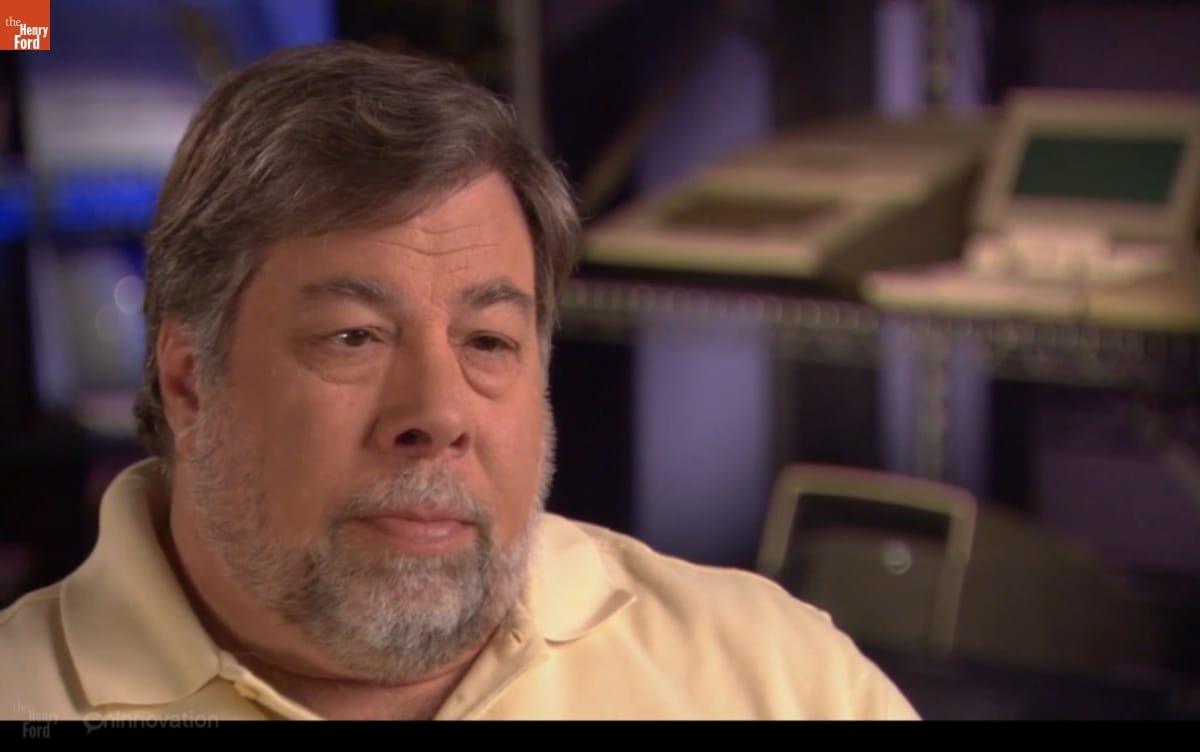
- "Accidents Led to Innovation," Clip from Interview with Steve Wozniak, August 18, 2008 - American computer engineer Stephen Wozniak co-founded Apple Computer (now Apple Inc.) with Steve Jobs in 1976. Wozniak's inventions and machines--he created the Apple 1 and Apple II computers--contributed greatly to the personal computer revolution of the 1970s and 80s. In 2008, staff from The Henry Ford interviewed Wozniak at the Computer History Museum in California as part of the Collecting Innovation Today Oral History Project.
- August 18, 2008
- Collections - Artifact
"Accidents Led to Innovation," Clip from Interview with Steve Wozniak, August 18, 2008
American computer engineer Stephen Wozniak co-founded Apple Computer (now Apple Inc.) with Steve Jobs in 1976. Wozniak's inventions and machines--he created the Apple 1 and Apple II computers--contributed greatly to the personal computer revolution of the 1970s and 80s. In 2008, staff from The Henry Ford interviewed Wozniak at the Computer History Museum in California as part of the Collecting Innovation Today Oral History Project.
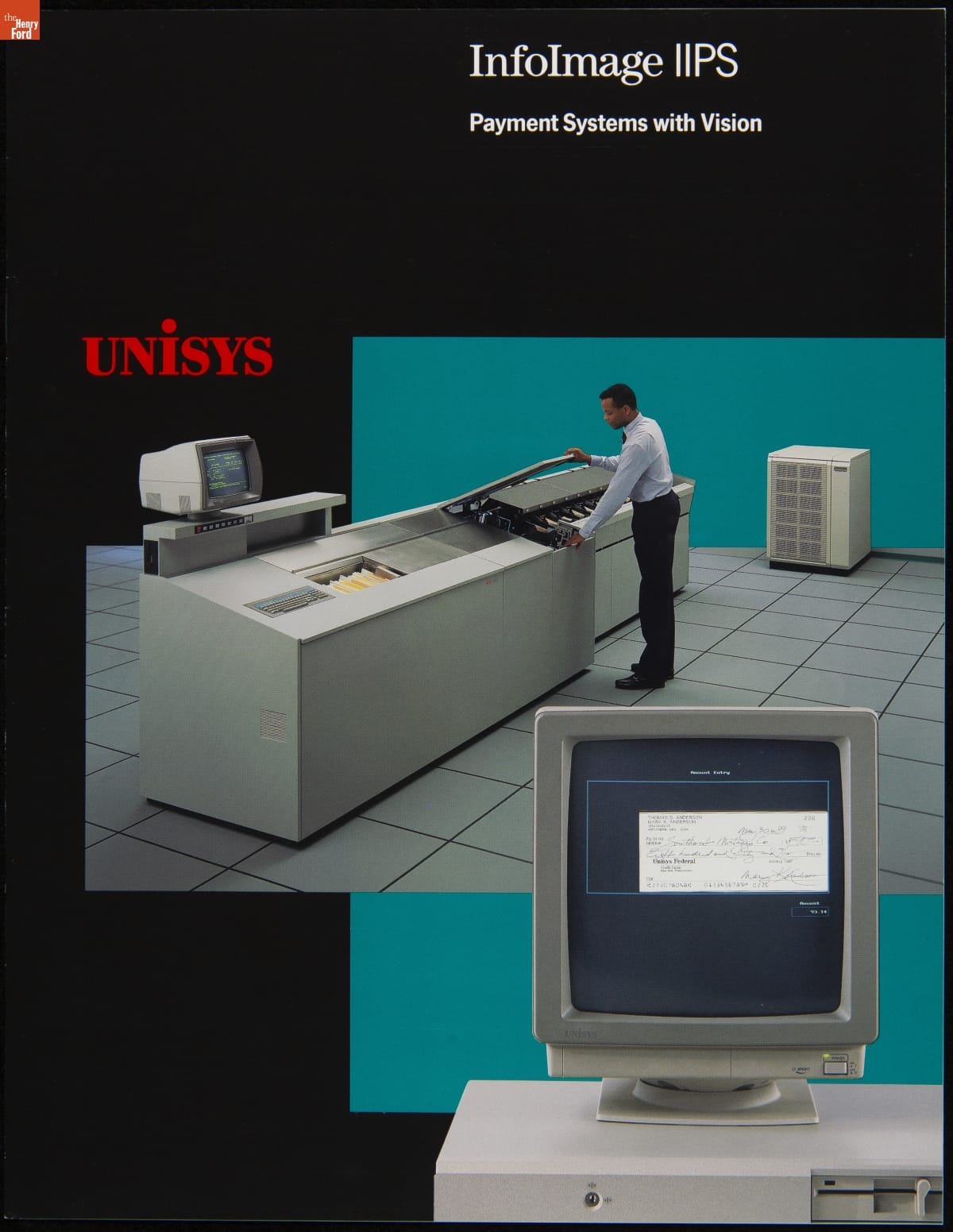
- Unisys InfoImage Image Item Processing System (IIPS) Advertising Booklet, 1989 - In 1986, the Burroughs and Sperry corporations merged to create Unisys. It was one of the largest mergers in the computer and information technology industry. Both companies had a long lineage of developing cutting-edge computing technology. Burroughs started in the late 1800s producing calculating machines, and Sperry formed in the early 1900s making navigation equipment and later built UNIVAC computers.
- 1989
- Collections - Artifact
Unisys InfoImage Image Item Processing System (IIPS) Advertising Booklet, 1989
In 1986, the Burroughs and Sperry corporations merged to create Unisys. It was one of the largest mergers in the computer and information technology industry. Both companies had a long lineage of developing cutting-edge computing technology. Burroughs started in the late 1800s producing calculating machines, and Sperry formed in the early 1900s making navigation equipment and later built UNIVAC computers.