
Search
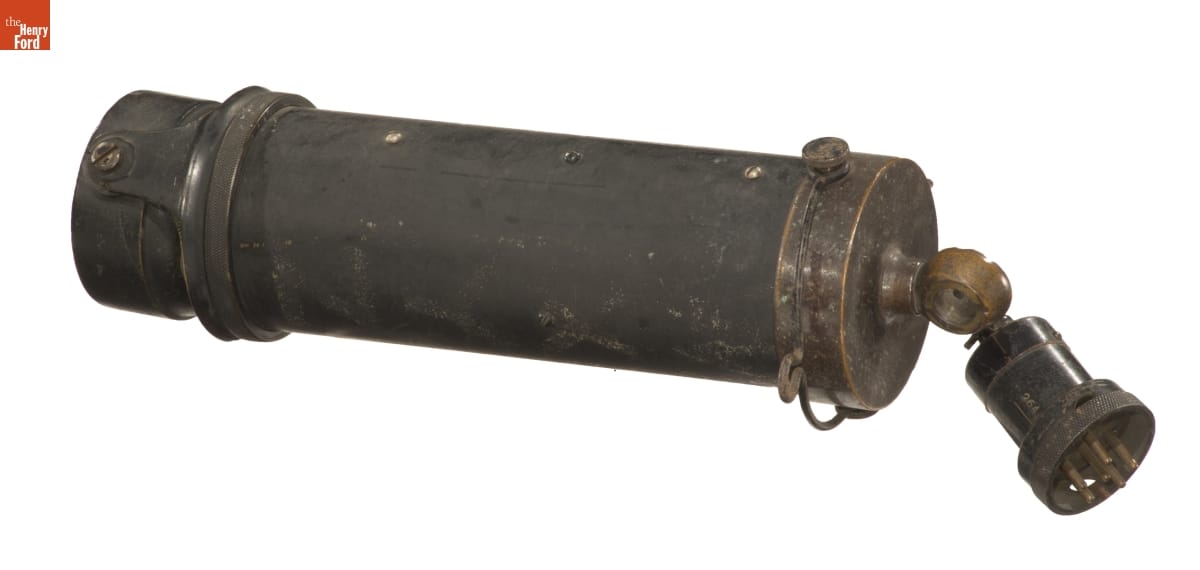
- Radio Microphone, Used at Hammond Radio Research Laboratory, circa 1915 - John Hays Hammond, Jr., was largely responsible for launching the field of radio control. In 1926, he built a medieval-inspired castle in Gloucester, Massachusetts. This site served as his home and research laboratory. With over 400 patents to his name, Hammond developed ideas for radio control, autopilot function, and targeted missile detonation. This device was used in Hammond's laboratory.
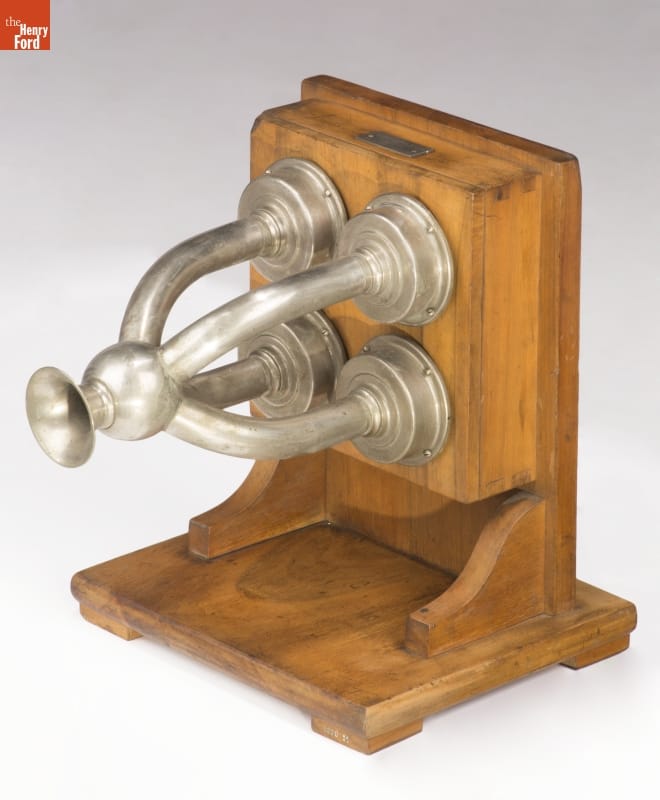
- circa 1915
- Collections - Artifact
Radio Microphone, Used at Hammond Radio Research Laboratory, circa 1915
John Hays Hammond, Jr., was largely responsible for launching the field of radio control. In 1926, he built a medieval-inspired castle in Gloucester, Massachusetts. This site served as his home and research laboratory. With over 400 patents to his name, Hammond developed ideas for radio control, autopilot function, and targeted missile detonation. This device was used in Hammond's laboratory.
- Broadcast Microphone, 1928-1935 -
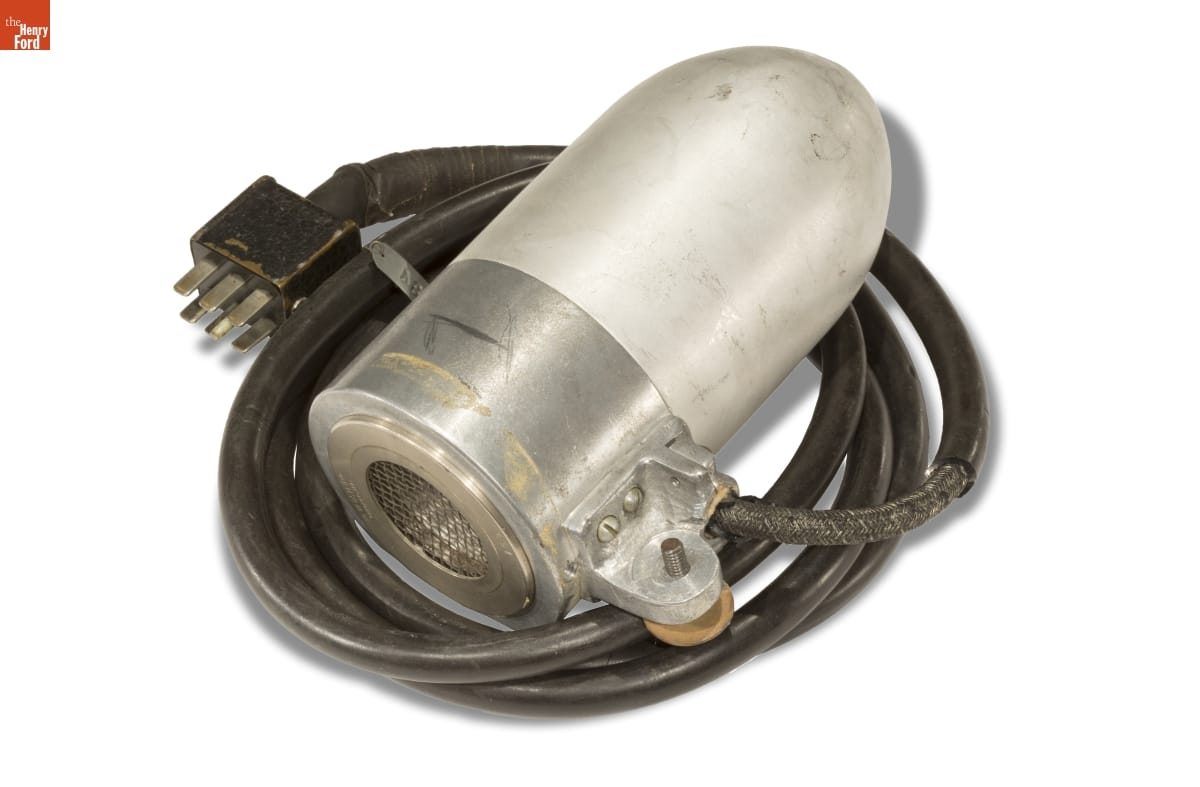
- 1928-1935
- Collections - Artifact
Broadcast Microphone, 1928-1935
- Microphone Transformer -
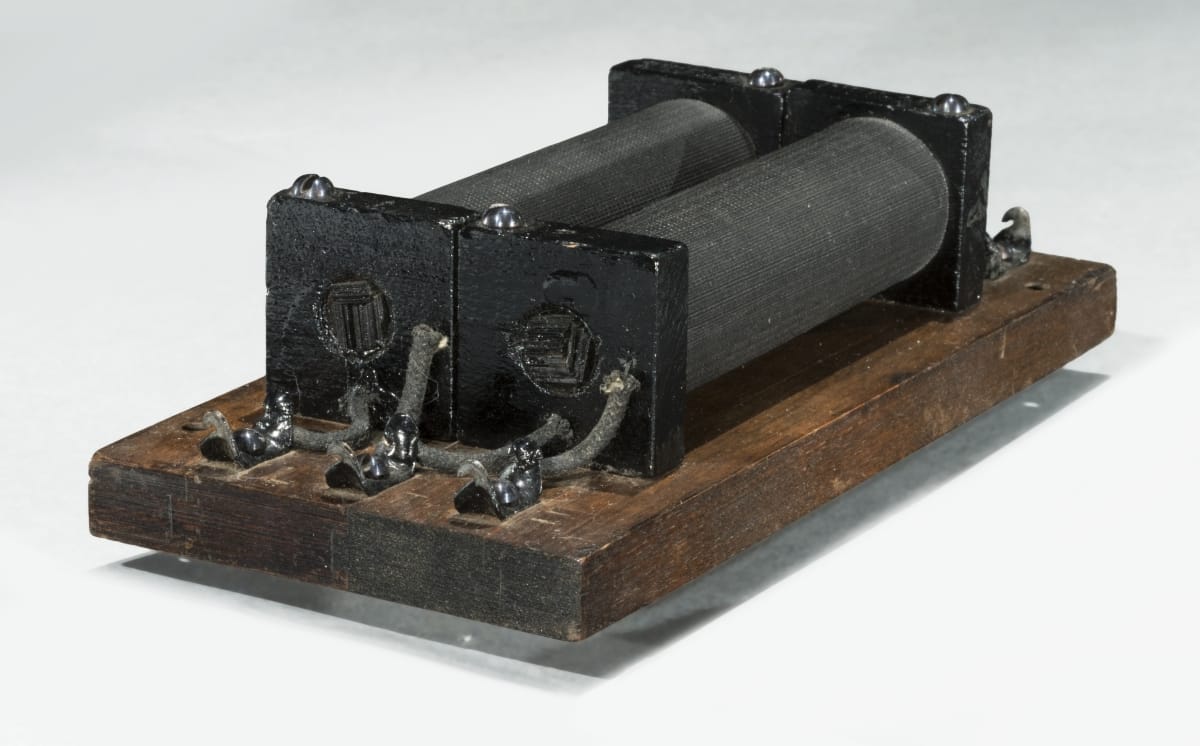
- Collections - Artifact
Microphone Transformer
- Coil -
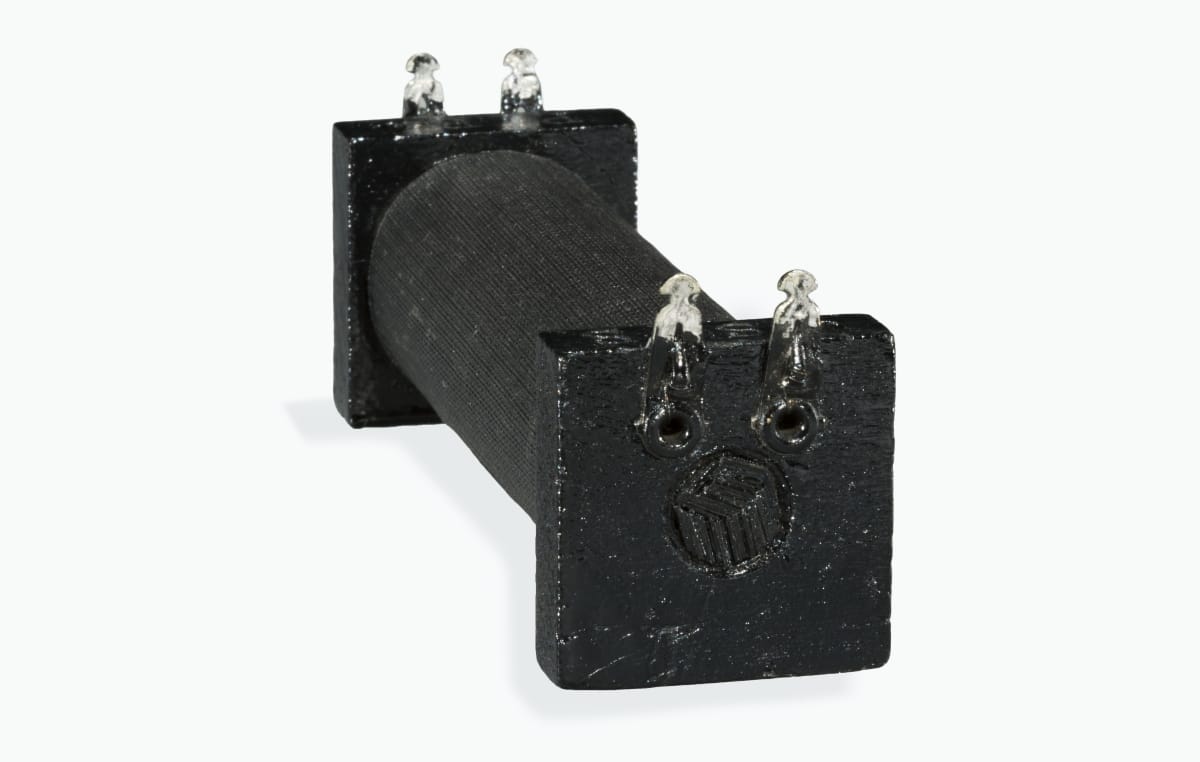
- Collections - Artifact
Coil
- Western Electric Microphone, Model 47A, Used at WXYZ Radio Station - Western Electric produced the first commercially available condenser microphone. It was widely used in broadcast, cinema, and studio applications until the mid-1930s, when ribbon microphones were introduced. WXYZ-Radio (whose call letters were WGHP until 1930) was a charter member of the CBS Radio Network, producing popular programs like The Lone Ranger and Green Hornet.
- 1928-1935
- Collections - Artifact
Western Electric Microphone, Model 47A, Used at WXYZ Radio Station
Western Electric produced the first commercially available condenser microphone. It was widely used in broadcast, cinema, and studio applications until the mid-1930s, when ribbon microphones were introduced. WXYZ-Radio (whose call letters were WGHP until 1930) was a charter member of the CBS Radio Network, producing popular programs like The Lone Ranger and Green Hornet.
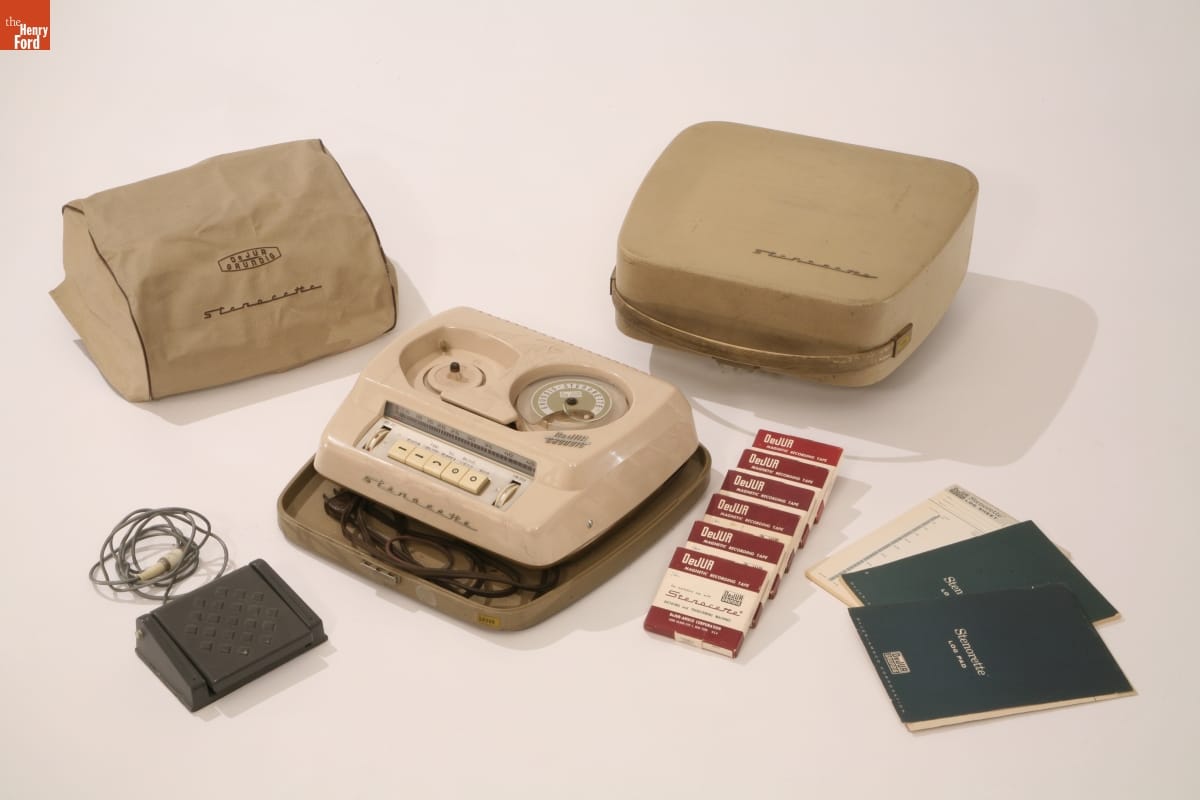
- DeJur Grundig "Stenorette" Dictation Machine, 1955-1970 -
- 1955-1970
- Collections - Artifact
DeJur Grundig "Stenorette" Dictation Machine, 1955-1970
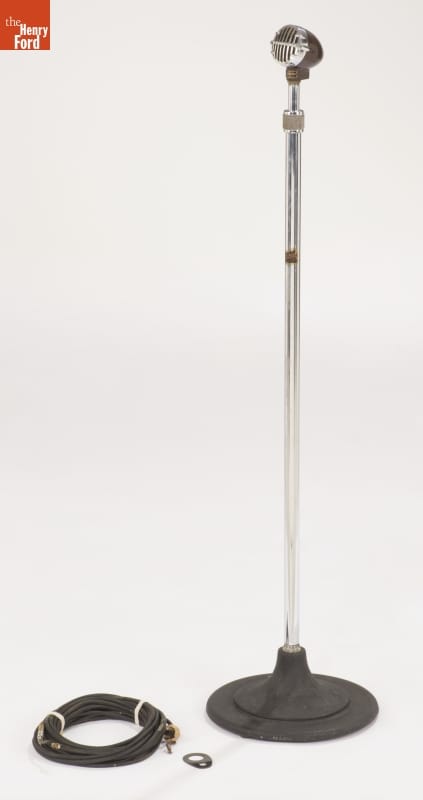
- Microphone and Stand, circa 1940 -
- circa 1940
- Collections - Artifact
Microphone and Stand, circa 1940
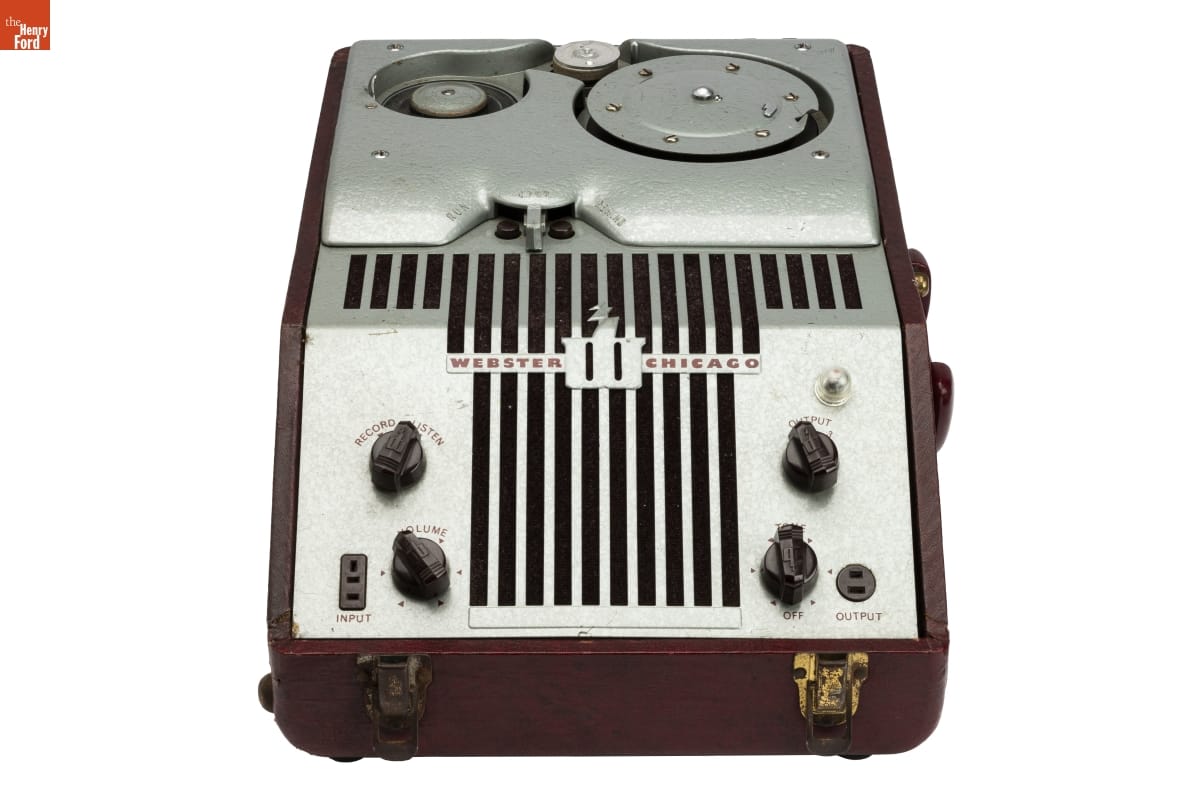
- Webster-Chicago Model 80-1 Wire Recorder and Recordings, Used by Thomas and Shirley Gibson -
- 1950-1956
- Collections - Artifact
Webster-Chicago Model 80-1 Wire Recorder and Recordings, Used by Thomas and Shirley Gibson
- RCA Condenser Microphone, Type 4-A-1, Used by Radio Station WJR, Detroit, Michigan, 1930-1932 -
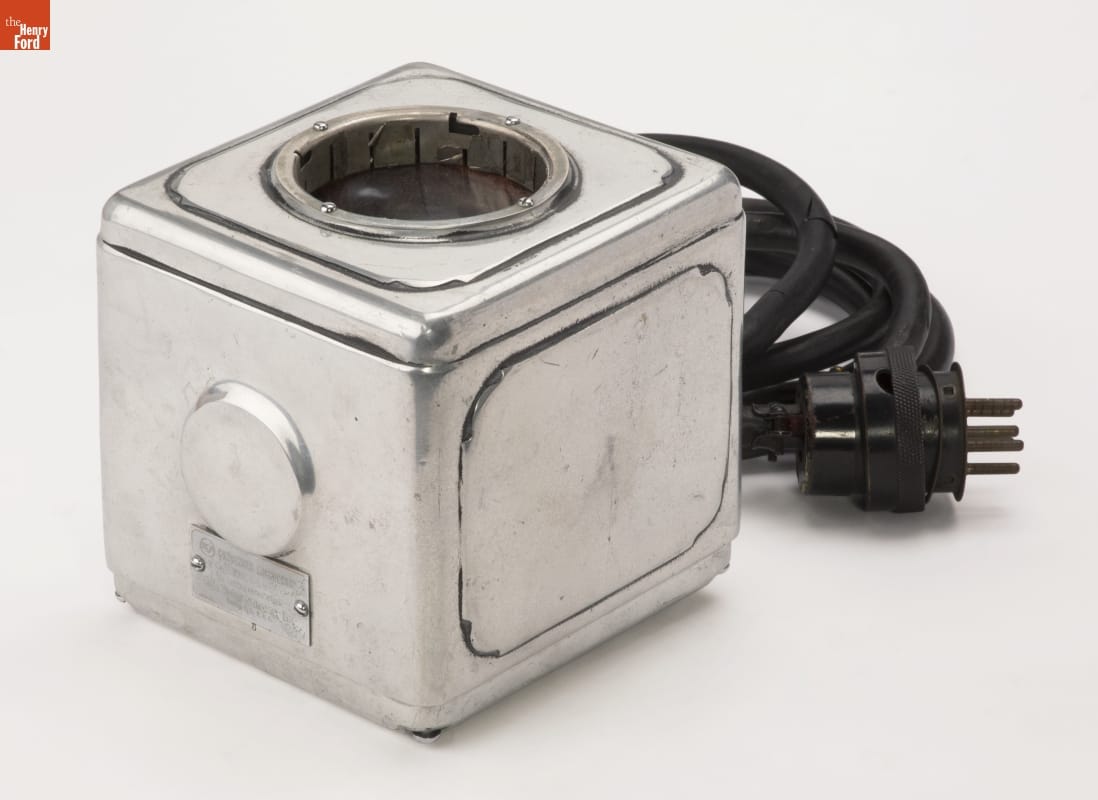
- 1930-1932
- Collections - Artifact
RCA Condenser Microphone, Type 4-A-1, Used by Radio Station WJR, Detroit, Michigan, 1930-1932
- Coil -
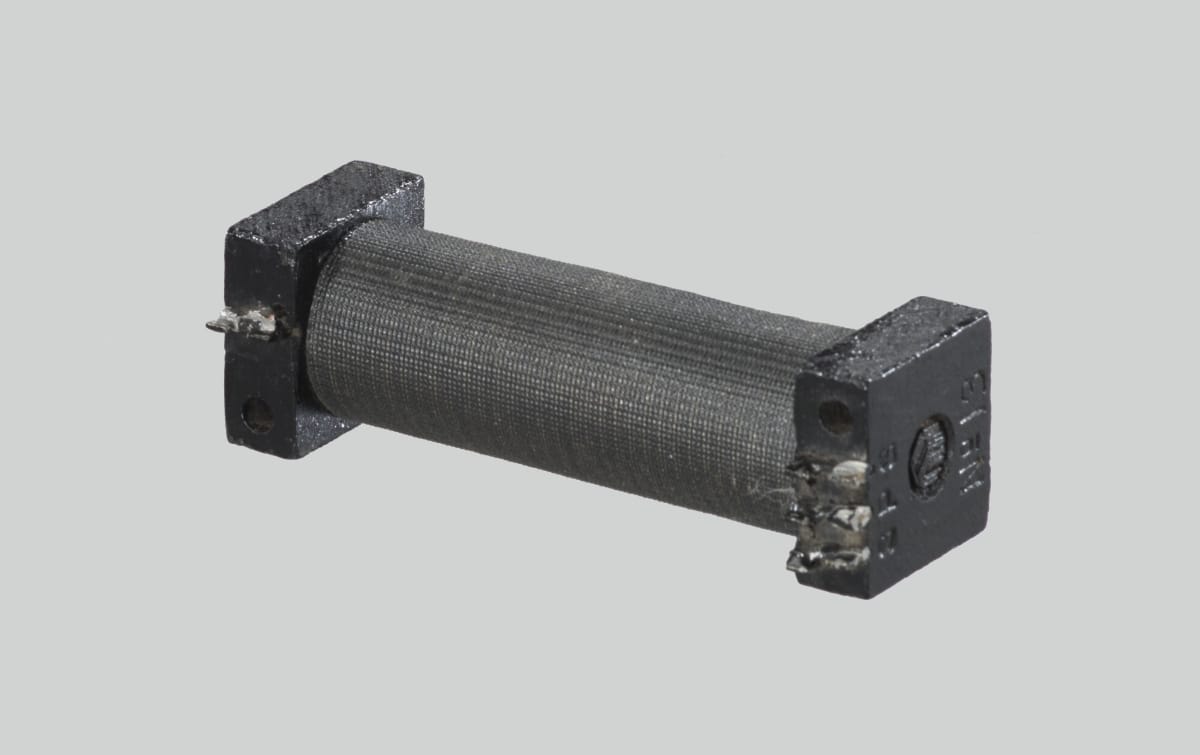
- Collections - Artifact
Coil