
Search
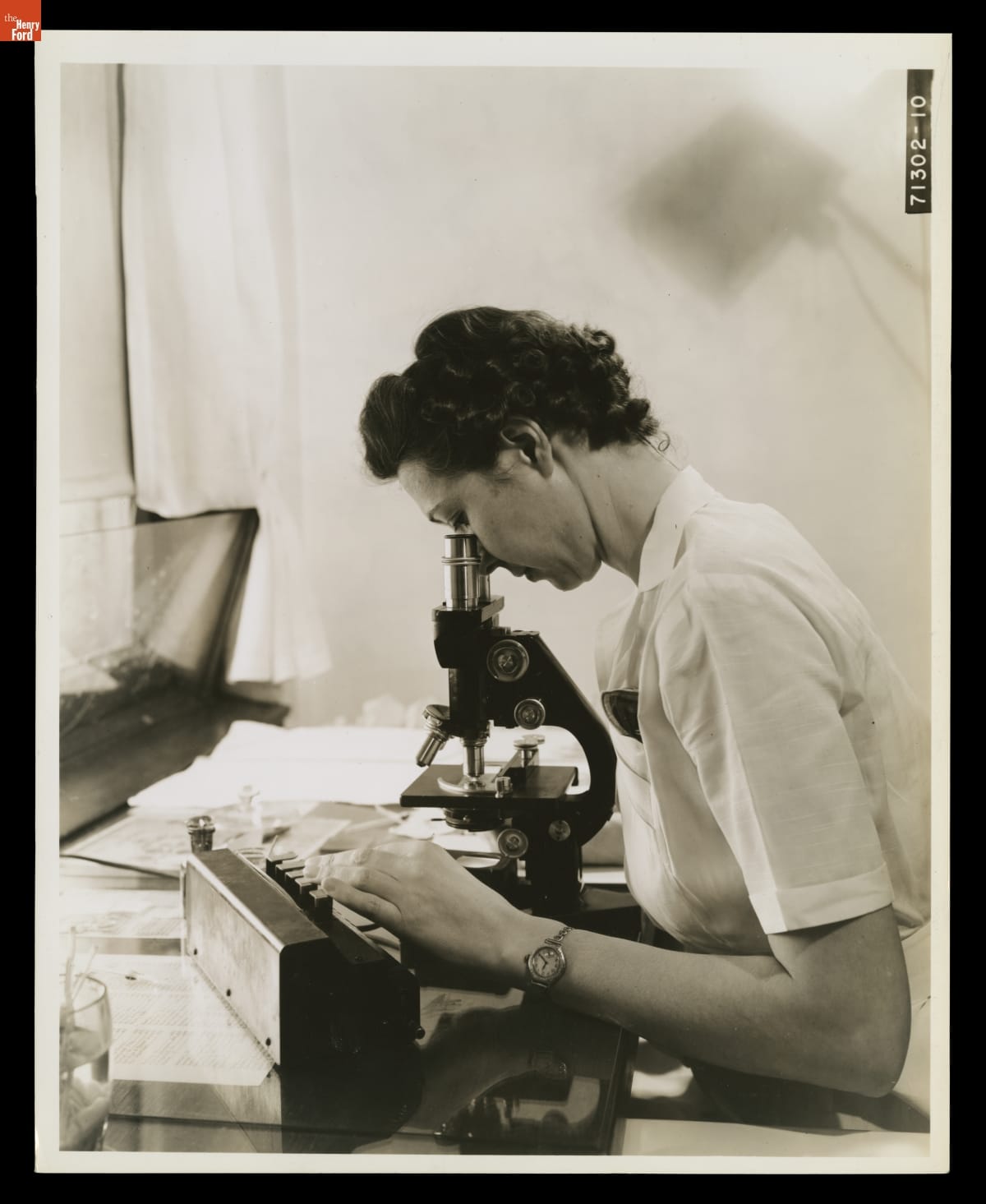
- Woman Using a Research Laboratory Microscope at Henry Ford Hospital, Detroit, Michigan, January 1939 - In 1915, Henry Ford funded a new hospital for Detroit. Designed and built in consultation with leading medical experts, Henry Ford Hospital employed salaried doctors and charged low, fixed fees to patients. The hospital soon added the training of physicians, surgeons and nurses to its mission. Clinical and laboratory research was conducted at the facility as well.
- January 12, 1939
- Collections - Artifact
Woman Using a Research Laboratory Microscope at Henry Ford Hospital, Detroit, Michigan, January 1939
In 1915, Henry Ford funded a new hospital for Detroit. Designed and built in consultation with leading medical experts, Henry Ford Hospital employed salaried doctors and charged low, fixed fees to patients. The hospital soon added the training of physicians, surgeons and nurses to its mission. Clinical and laboratory research was conducted at the facility as well.
- Edison Diamond Disc Inspection Machine, circa 1915 -
- circa 1915
- Collections - Artifact
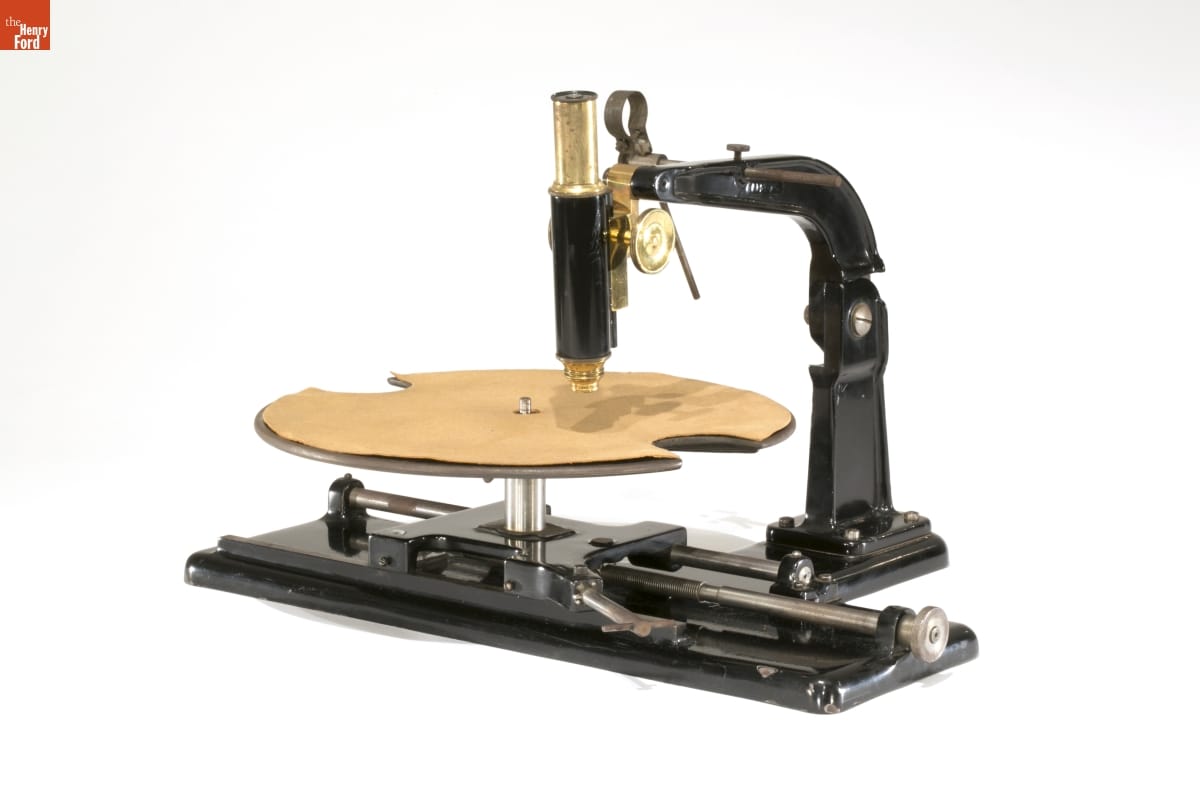
Edison Diamond Disc Inspection Machine, circa 1915
- Monocular Compound Microscope, 1860-1910 -
- 1860-1910
- Collections - Artifact
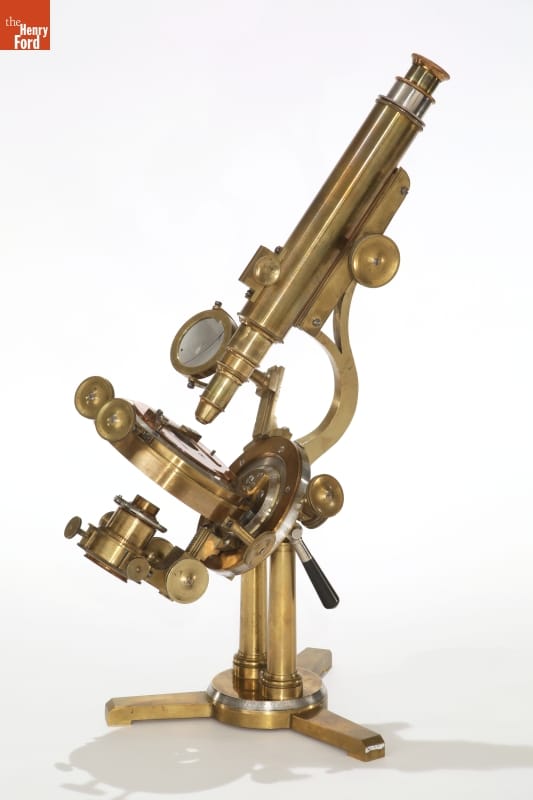
Monocular Compound Microscope, 1860-1910
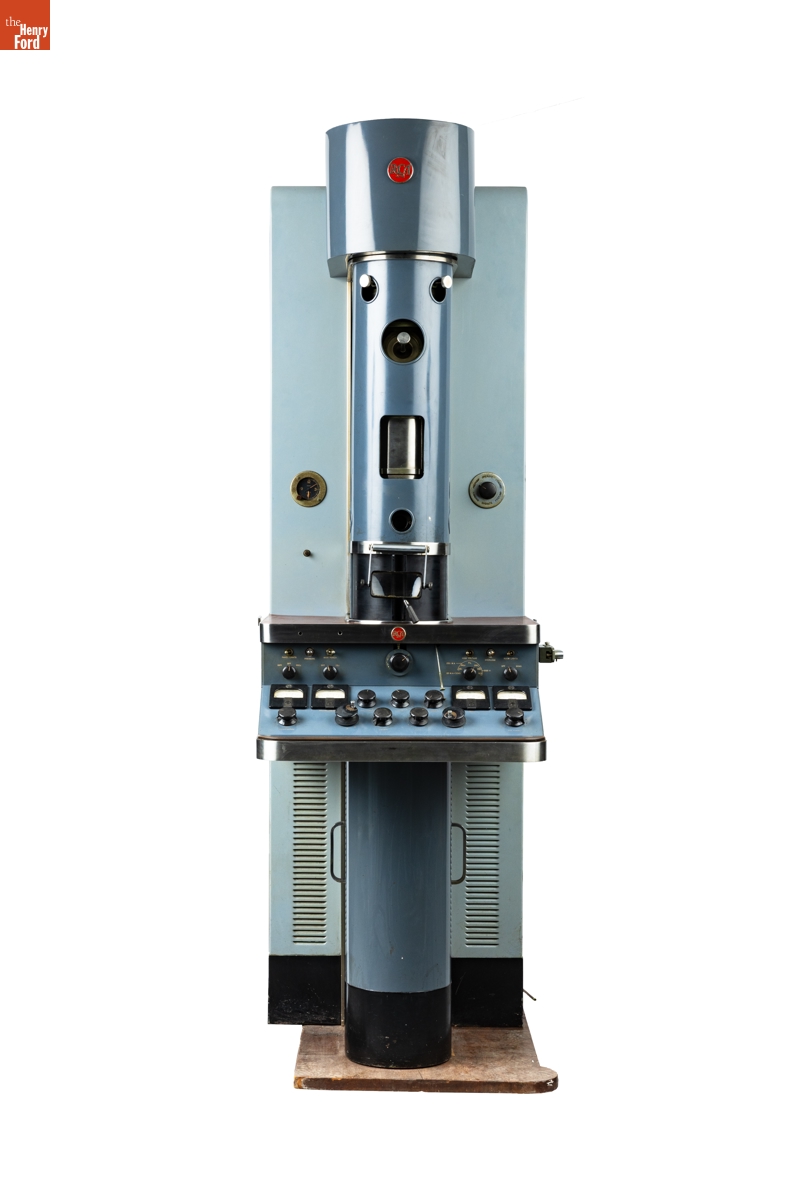
- RCA Electron Microscope, 1946 - In 1940, RCA developed America's first commercially available electron microscope (sometimes abbreviated to EM.) Unlike optical microscopes that use lenses and visible light to magnify objects, electron microscopes utilize a cathode that emits electrons, which pass through the specimen; the resultant image is displayed on an attached imaging device. RCA developed six EM models before ending microscope production around 1969.
- 1946
- Collections - Artifact
RCA Electron Microscope, 1946
In 1940, RCA developed America's first commercially available electron microscope (sometimes abbreviated to EM.) Unlike optical microscopes that use lenses and visible light to magnify objects, electron microscopes utilize a cathode that emits electrons, which pass through the specimen; the resultant image is displayed on an attached imaging device. RCA developed six EM models before ending microscope production around 1969.
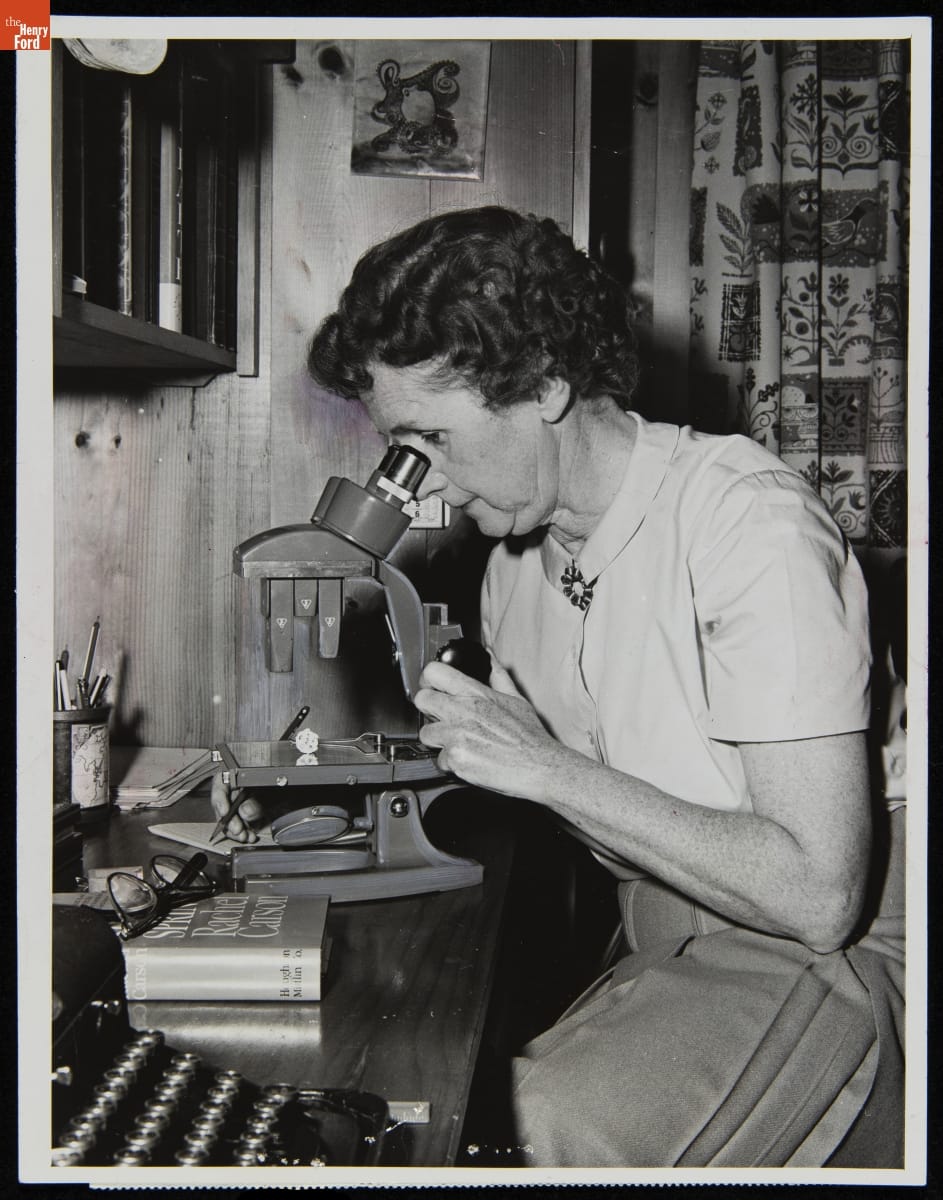
- Rachel Carson Using a Microscope, September 1962 - Marine biologist Rachel Carson's book, <em>Silent Spring</em>, helped spark the 1960s environmental movement. Carson stressed the detrimental effects of pesticide use, including DDT, on natural ecosystems and human health. Her testimony before the U.S. Congress and other evidence led to national legislation to mitigate environmental damage including the creation of the U.S. Environmental Protection Agency (1970) and banning DDT (1972).
- September 04, 1962
- Collections - Artifact
Rachel Carson Using a Microscope, September 1962
Marine biologist Rachel Carson's book, Silent Spring, helped spark the 1960s environmental movement. Carson stressed the detrimental effects of pesticide use, including DDT, on natural ecosystems and human health. Her testimony before the U.S. Congress and other evidence led to national legislation to mitigate environmental damage including the creation of the U.S. Environmental Protection Agency (1970) and banning DDT (1972).
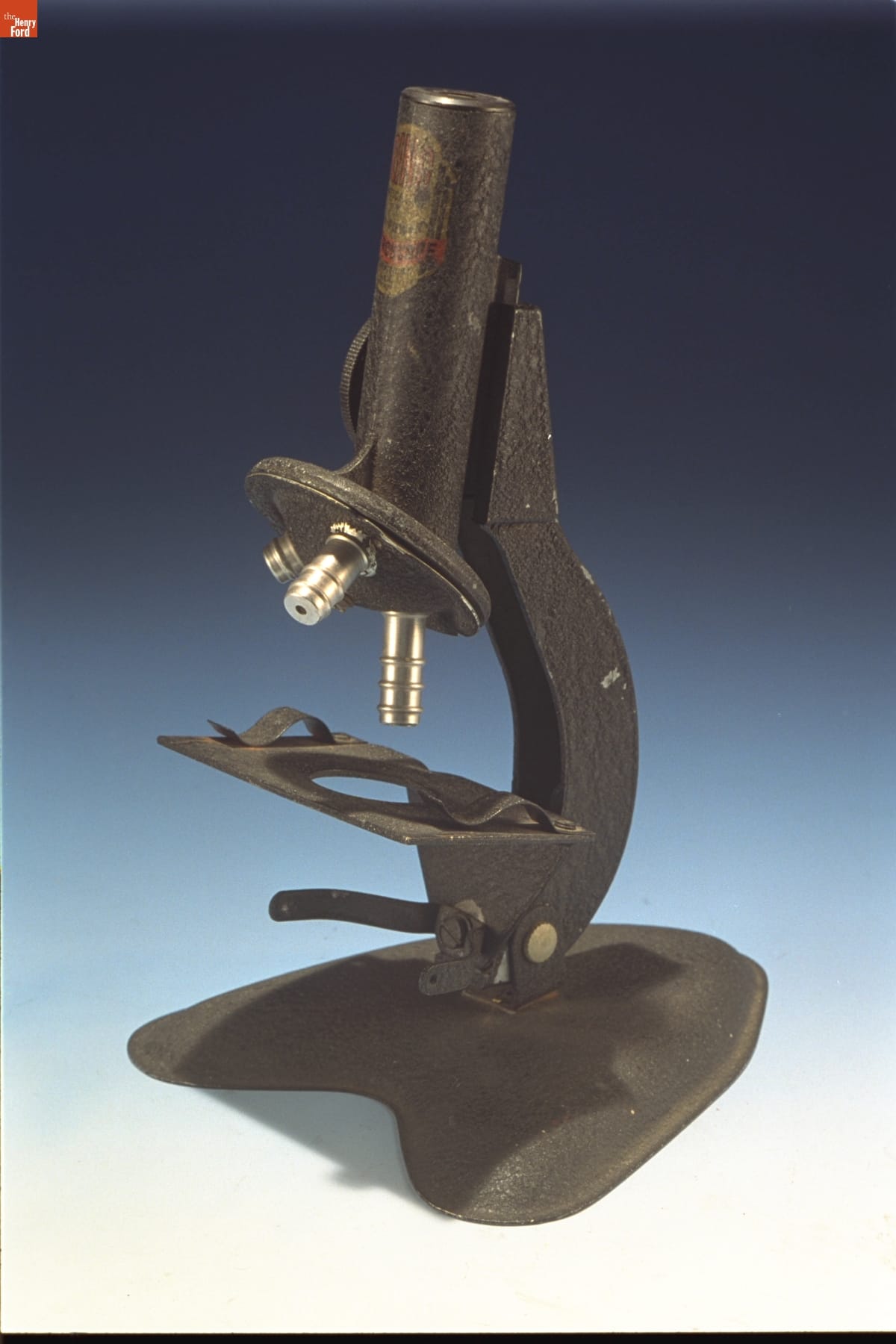
- Toy Microscope, Used by James Greenhoe, 1937-1946 -
- 1937-1946
- Collections - Artifact
Toy Microscope, Used by James Greenhoe, 1937-1946
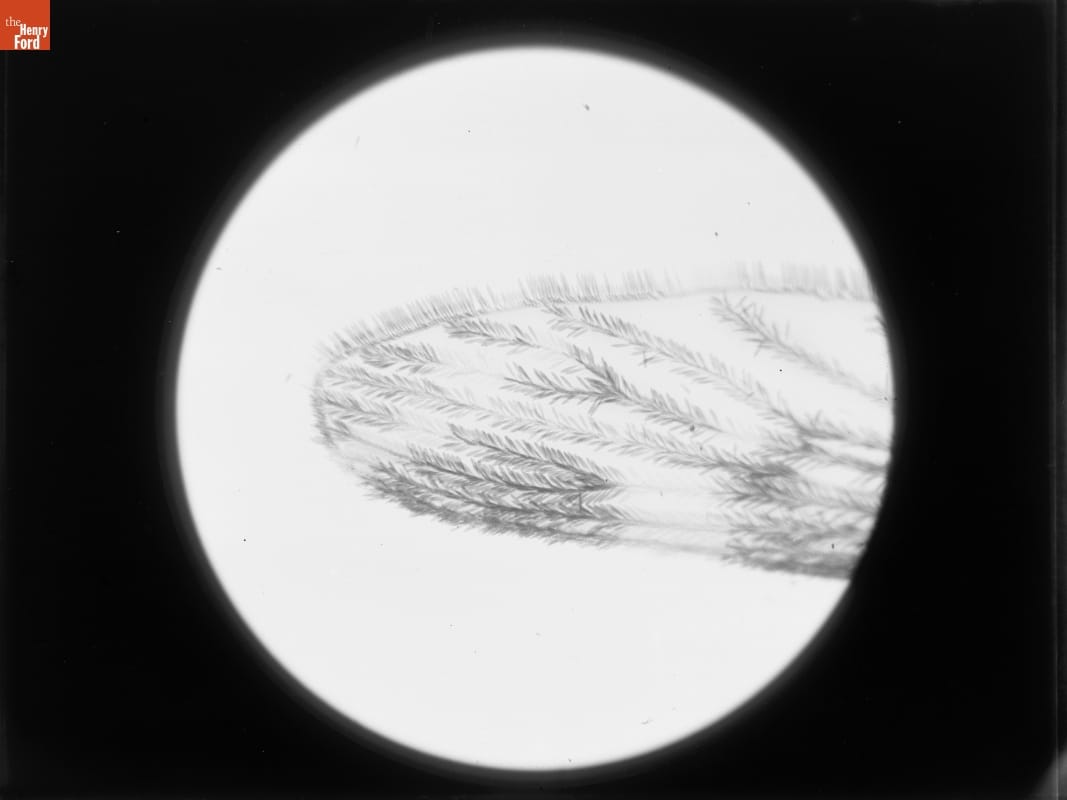
- Photomicrographs, Wing of Mosquito, 1890-1915 - In 1890, Jenny Young Chandler, 25 years old and recently widowed, began working for the <EM>New York Herald</EM>. As a photojournalist and feature writer, Chandler captured life in Brooklyn, New York, and vicinity. She also documented collections of private individuals and museums -- some of which were featured in magazine articles for collectors. By 1922, the time of her death, she had produced over 800 glass plate negatives.
- 1890-1915
- Collections - Artifact
Photomicrographs, Wing of Mosquito, 1890-1915
In 1890, Jenny Young Chandler, 25 years old and recently widowed, began working for the New York Herald. As a photojournalist and feature writer, Chandler captured life in Brooklyn, New York, and vicinity. She also documented collections of private individuals and museums -- some of which were featured in magazine articles for collectors. By 1922, the time of her death, she had produced over 800 glass plate negatives.
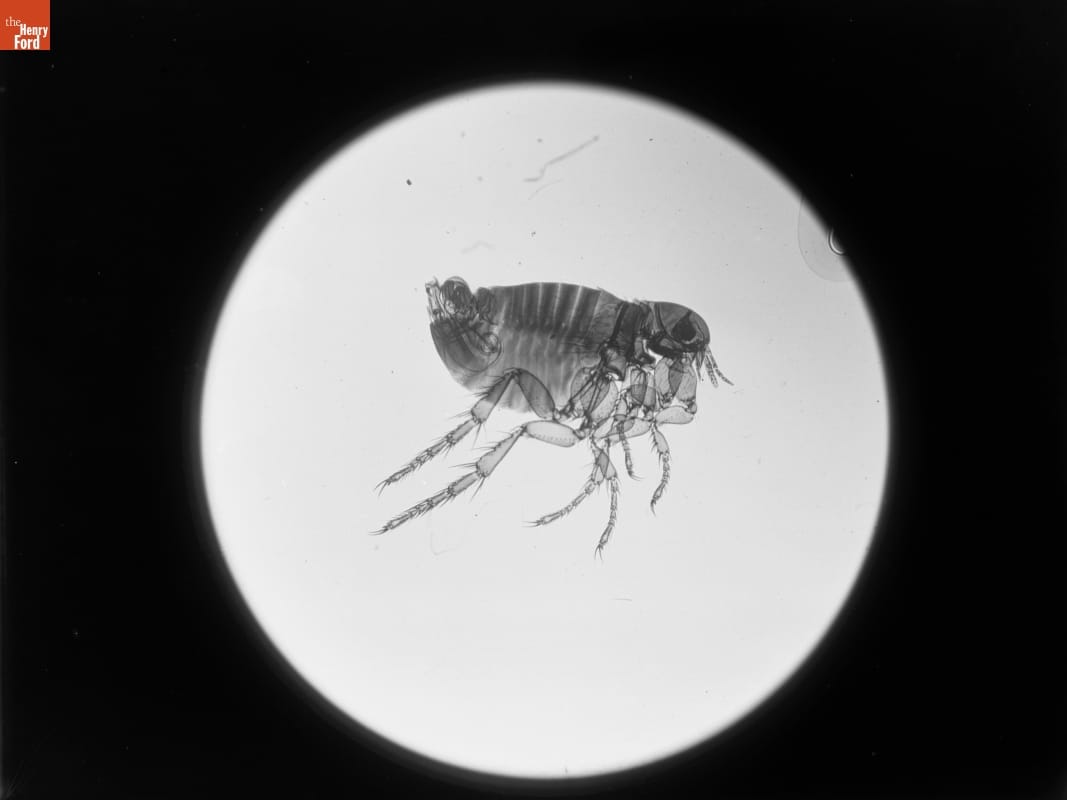
- Photomicrograph, Whole Flea, 1890-1915 - In 1890, Jenny Young Chandler, 25 years old and recently widowed, began working for the <EM>New York Herald</EM>. As a photojournalist and feature writer, Chandler captured life in Brooklyn, New York, and vicinity. She also documented collections of private individuals and museums -- some of which were featured in magazine articles for collectors. By 1922, the time of her death, she had produced over 800 glass plate negatives.
- 1890-1915
- Collections - Artifact
Photomicrograph, Whole Flea, 1890-1915
In 1890, Jenny Young Chandler, 25 years old and recently widowed, began working for the New York Herald. As a photojournalist and feature writer, Chandler captured life in Brooklyn, New York, and vicinity. She also documented collections of private individuals and museums -- some of which were featured in magazine articles for collectors. By 1922, the time of her death, she had produced over 800 glass plate negatives.
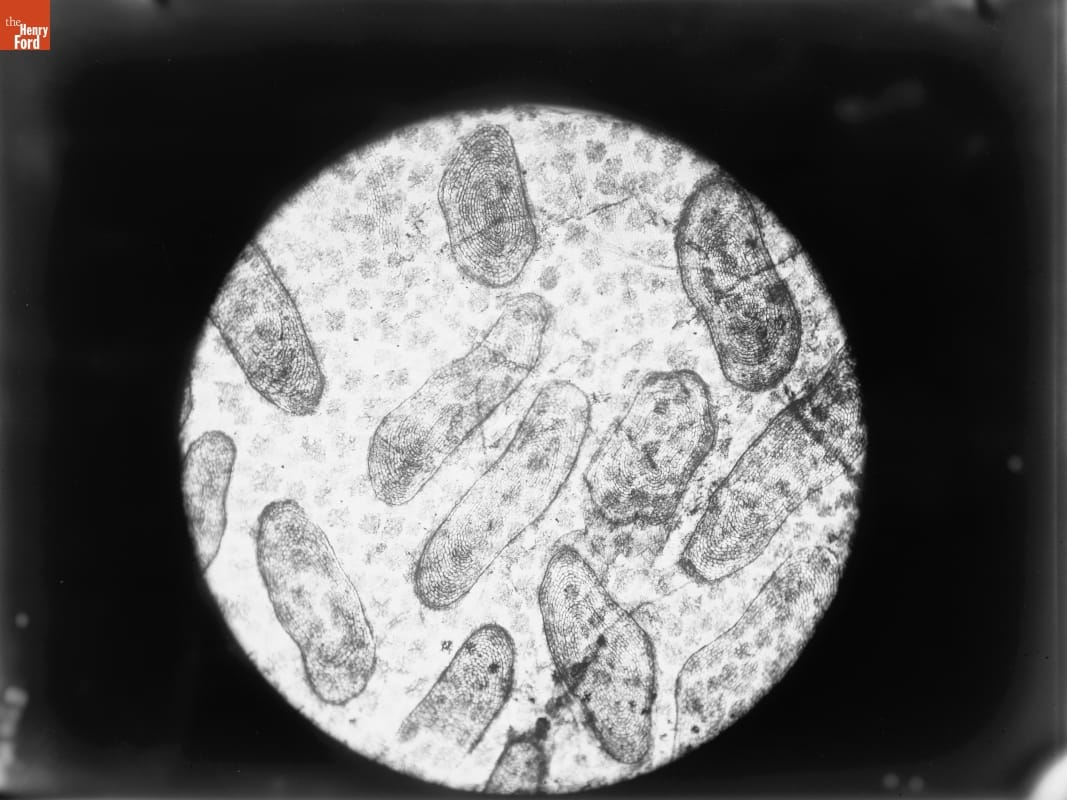
- Photomicrograph of Skin of Eel with Scales in Situ, 1890-1915 - In 1890, Jenny Young Chandler, 25 years old and recently widowed, began working for the <EM>New York Herald</EM>. As a photojournalist and feature writer, Chandler captured life in Brooklyn, New York, and vicinity. She also documented collections of private individuals and museums -- some of which were featured in magazine articles for collectors. By 1922, the time of her death, she had produced over 800 glass plate negatives.
- 1890-1915
- Collections - Artifact
Photomicrograph of Skin of Eel with Scales in Situ, 1890-1915
In 1890, Jenny Young Chandler, 25 years old and recently widowed, began working for the New York Herald. As a photojournalist and feature writer, Chandler captured life in Brooklyn, New York, and vicinity. She also documented collections of private individuals and museums -- some of which were featured in magazine articles for collectors. By 1922, the time of her death, she had produced over 800 glass plate negatives.
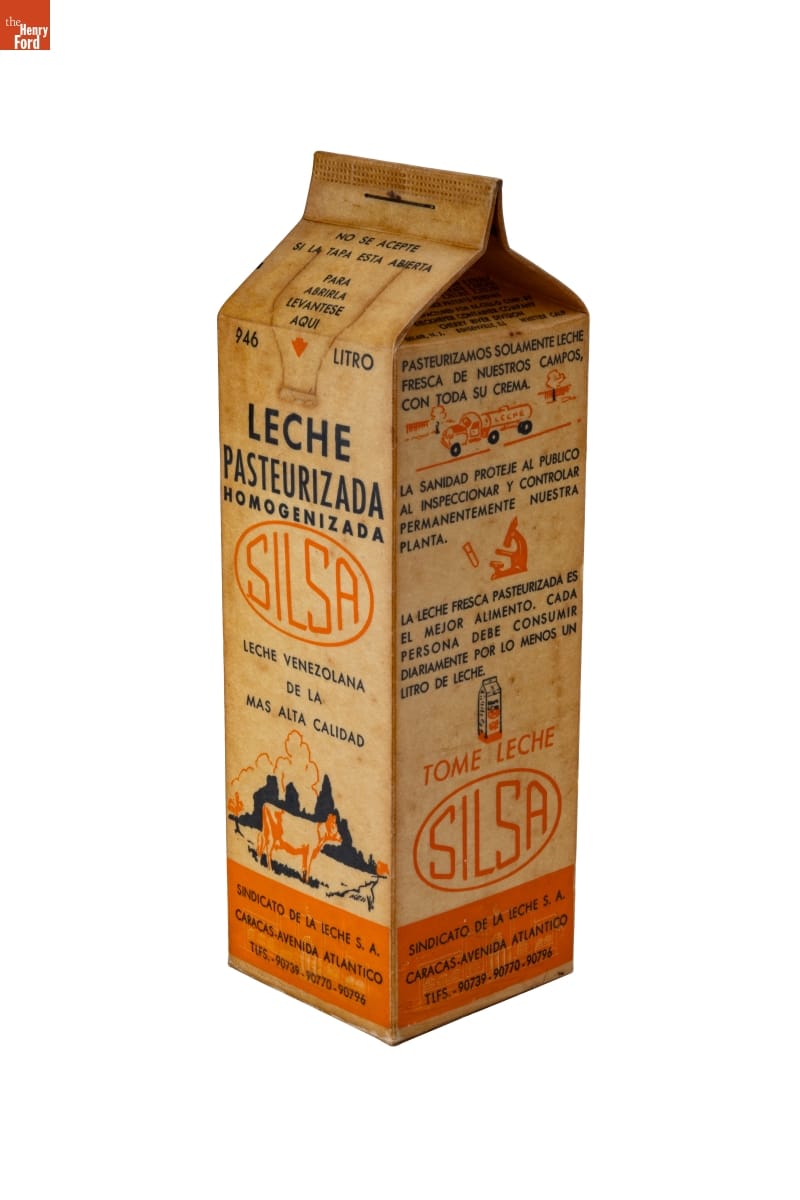
- Silsa Milk Carton, circa 1950 - The quest for a shatter-proof milk container prompted John Van Wormer to patent a paper carton in 1915. Many processors and distributors continued to use breakable glass bottles, but, after 1937, mechanized production made the disposable, wax-coated folded cartons inexpensive and indispensable liquid containers. The iconic design, a box with a gable-end top with a pouring or drinking spout, remains the industry standard today.
- circa 1950
- Collections - Artifact
Silsa Milk Carton, circa 1950
The quest for a shatter-proof milk container prompted John Van Wormer to patent a paper carton in 1915. Many processors and distributors continued to use breakable glass bottles, but, after 1937, mechanized production made the disposable, wax-coated folded cartons inexpensive and indispensable liquid containers. The iconic design, a box with a gable-end top with a pouring or drinking spout, remains the industry standard today.