
Search
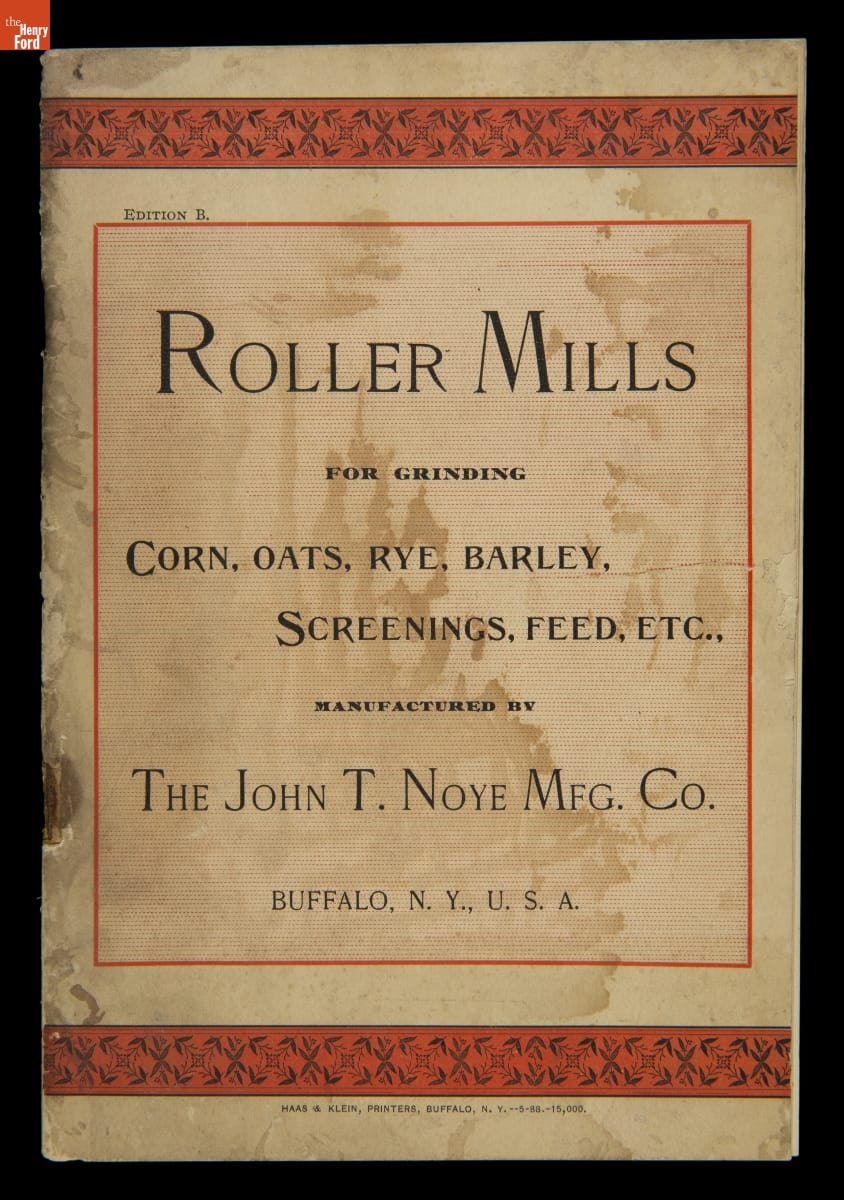
- "Roller Mills for Grinding Corn, Oats, Rye, Barley, Screenings, Feed, etc., Manufactured by John T. Noye Mfg. Co.," 1888 -
- 1888
- Collections - Artifact
"Roller Mills for Grinding Corn, Oats, Rye, Barley, Screenings, Feed, etc., Manufactured by John T. Noye Mfg. Co.," 1888
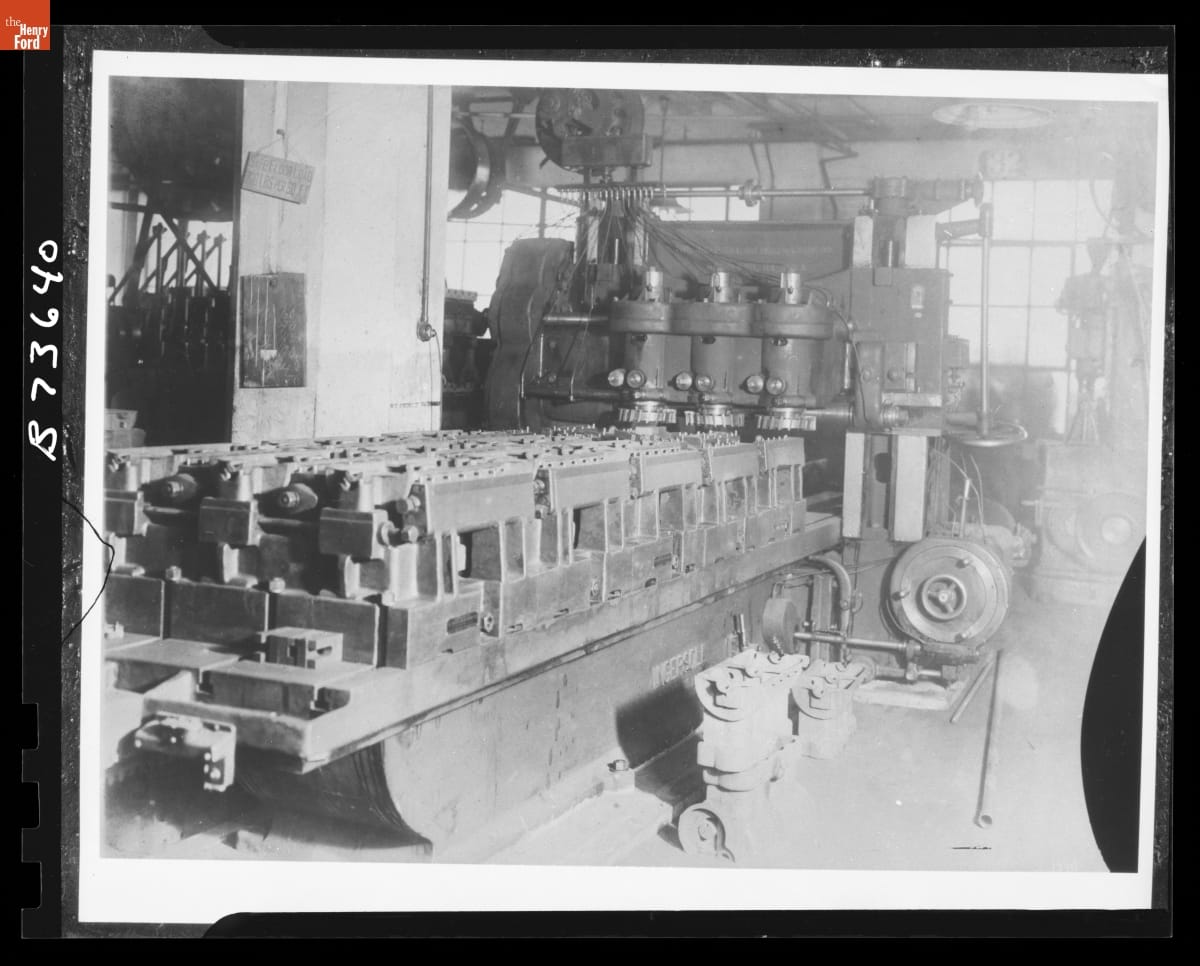
- Ingersoll Milling Machine Used at Ford Motor Company Highland Park Plant - This machine milled the bottoms of Model T engine cylinder blocks. Rough block castings were loaded into the machine 15 at a time. The castings were then moved under spinning cutters that shaped the bottoms of the blocks. Six of these machines were used in this operation at Ford's Highland Park plant.
- March 01, 1976
- Collections - Artifact
Ingersoll Milling Machine Used at Ford Motor Company Highland Park Plant
This machine milled the bottoms of Model T engine cylinder blocks. Rough block castings were loaded into the machine 15 at a time. The castings were then moved under spinning cutters that shaped the bottoms of the blocks. Six of these machines were used in this operation at Ford's Highland Park plant.
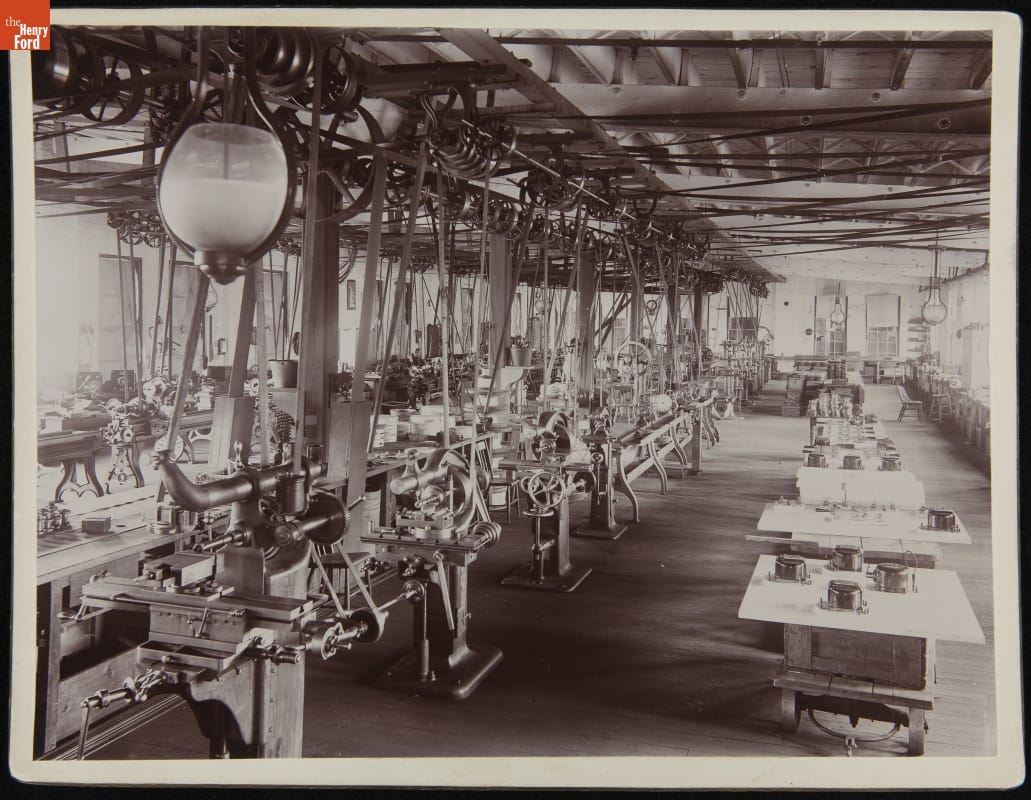
- Milling Machines at the Fort Wayne Electrical Corporation, circa 1894 - Established in 1881, the Fort Wayne Electric Corporation manufactured arc lamps, dynamos, and other lighting and electrical equipment. By 1894, the company had survived financial difficulties, a corporate reorganization, and a recent name change. Aided by well-respected electricians, engineers, and inventors, the Indiana company expanded and increased its production efforts. This photograph shows the belt-driven machinery located inside its factory.
- circa 1894
- Collections - Artifact
Milling Machines at the Fort Wayne Electrical Corporation, circa 1894
Established in 1881, the Fort Wayne Electric Corporation manufactured arc lamps, dynamos, and other lighting and electrical equipment. By 1894, the company had survived financial difficulties, a corporate reorganization, and a recent name change. Aided by well-respected electricians, engineers, and inventors, the Indiana company expanded and increased its production efforts. This photograph shows the belt-driven machinery located inside its factory.
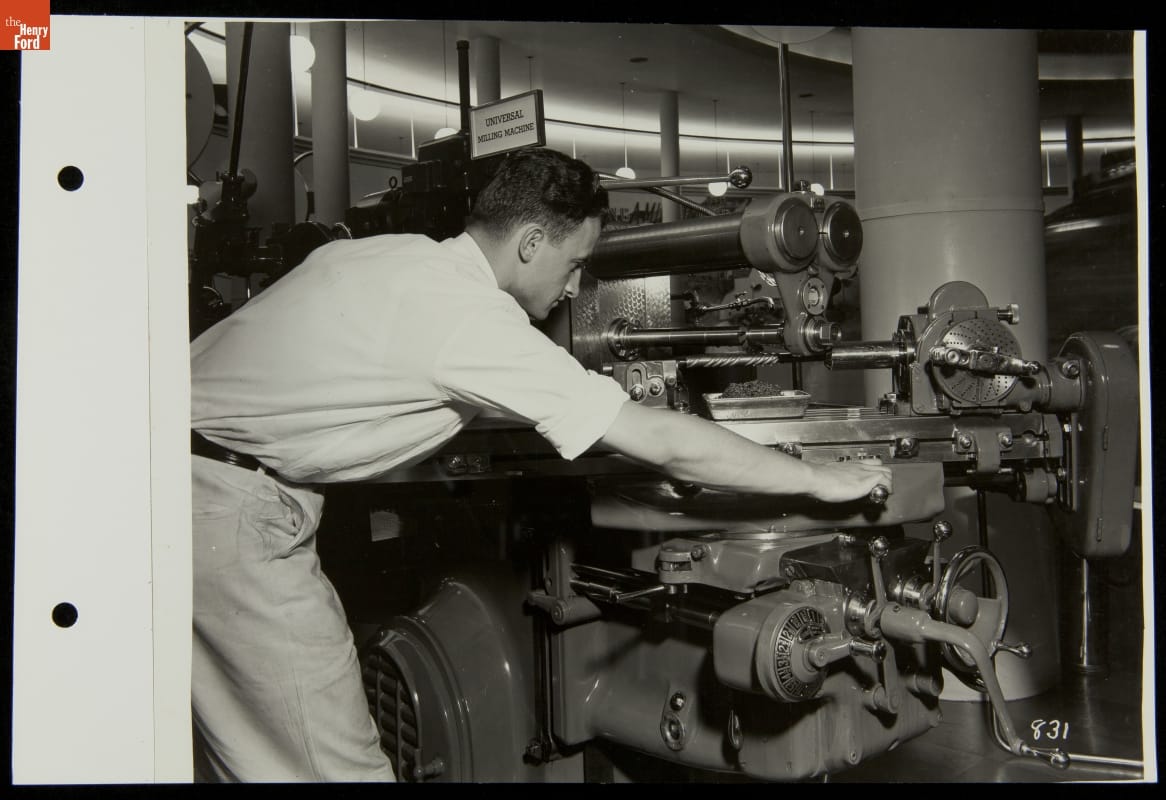
- Universal Milling Machine, Ford Exposition, New York World's Fair, 1939 - Henry Ford viewed national expositions as business opportunities <EM>and</EM> platforms for public education. During the 1939-40 New York World's Fair, Ford Motor Company spent more than $5 million to build and maintain an elaborate exposition space. Informative displays and manufacturing demonstrations inside Ford's massive fair building offered visitors an in-depth, entertaining, and educational look at industrial processes.
- August 07, 1939
- Collections - Artifact
Universal Milling Machine, Ford Exposition, New York World's Fair, 1939
Henry Ford viewed national expositions as business opportunities and platforms for public education. During the 1939-40 New York World's Fair, Ford Motor Company spent more than $5 million to build and maintain an elaborate exposition space. Informative displays and manufacturing demonstrations inside Ford's massive fair building offered visitors an in-depth, entertaining, and educational look at industrial processes.
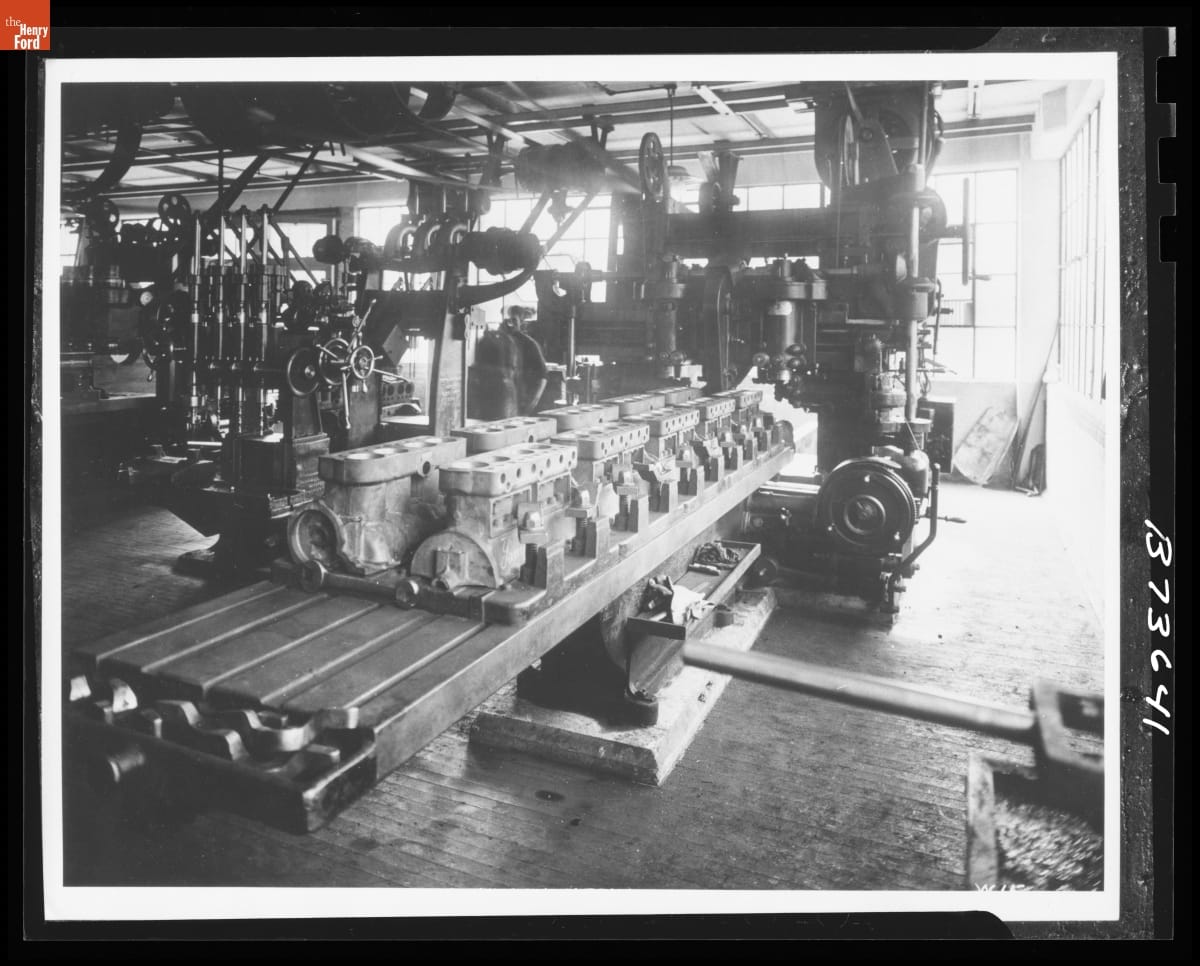
- Ingersoll Milling Machine Used at Ford Motor Company Highland Park Plant - This machine milled the tops of Model T engine cylinder blocks. Rough block castings were loaded into the machine 15 at a time. The castings were then moved under spinning cutters that shaped the tops of the blocks. Four of these machines were used in this operation at Ford's Highland Park plant.
- March 01, 1976
- Collections - Artifact
Ingersoll Milling Machine Used at Ford Motor Company Highland Park Plant
This machine milled the tops of Model T engine cylinder blocks. Rough block castings were loaded into the machine 15 at a time. The castings were then moved under spinning cutters that shaped the tops of the blocks. Four of these machines were used in this operation at Ford's Highland Park plant.
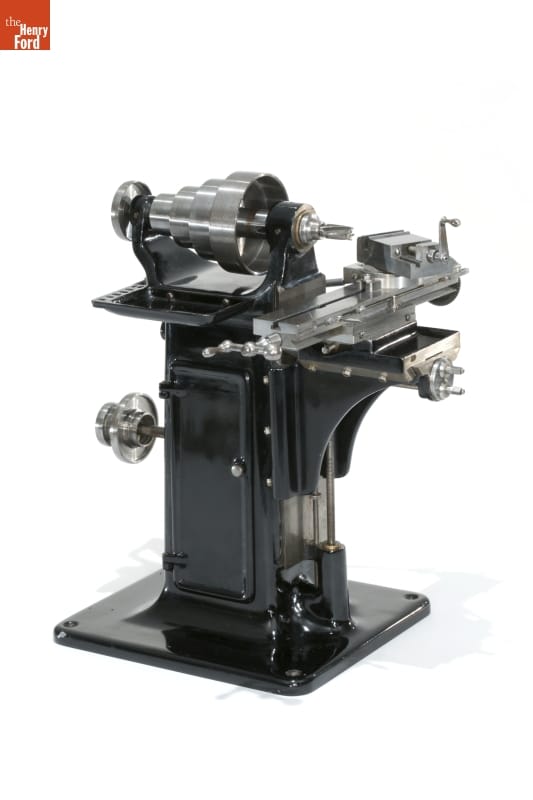
- Miniature Milling Machine, Displayed at the New York World Fair, 1939 - Henry Ford firmly believed in the "practical educational value" of World's Fair exhibits. During the 1939-40 New York World's Fair, he highlighted the work of students attending his experimental schools. In a miniature machine shop in the Ford building, boys from Ford's Edison Institute Schools operated quarter-size replicas, including this milling machine, based on machines from Thomas Edison's Menlo Park.
- 1939
- Collections - Artifact
Miniature Milling Machine, Displayed at the New York World Fair, 1939
Henry Ford firmly believed in the "practical educational value" of World's Fair exhibits. During the 1939-40 New York World's Fair, he highlighted the work of students attending his experimental schools. In a miniature machine shop in the Ford building, boys from Ford's Edison Institute Schools operated quarter-size replicas, including this milling machine, based on machines from Thomas Edison's Menlo Park.
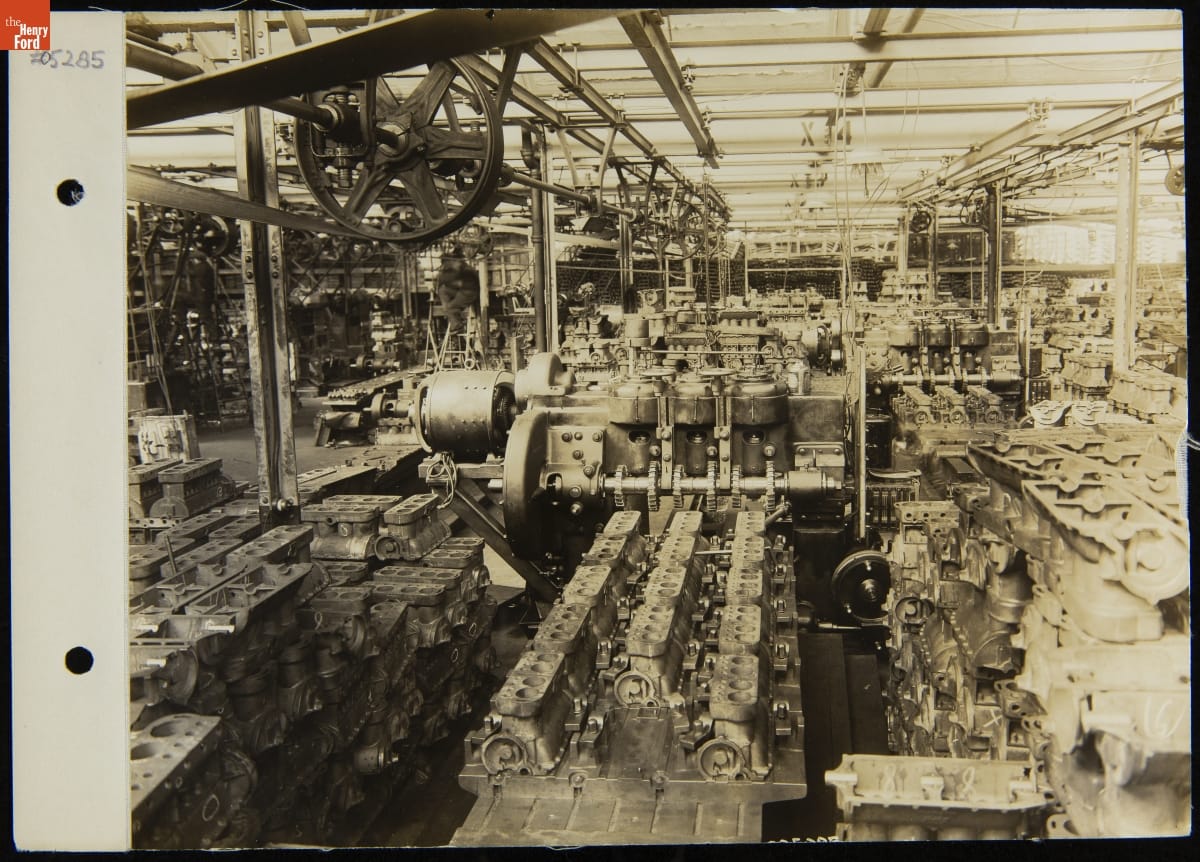
- Milling Machine at the Ford Highland Park Plant, circa 1912 - This machine milled the tops of Model T engine cylinder blocks. Rough block castings were loaded into the machine 15 at a time. The castings were then moved under spinning cutters that shaped the tops of the blocks. Four of these machines were used in this operation at Ford's Highland Park plant.
- circa 1912
- Collections - Artifact
Milling Machine at the Ford Highland Park Plant, circa 1912
This machine milled the tops of Model T engine cylinder blocks. Rough block castings were loaded into the machine 15 at a time. The castings were then moved under spinning cutters that shaped the tops of the blocks. Four of these machines were used in this operation at Ford's Highland Park plant.
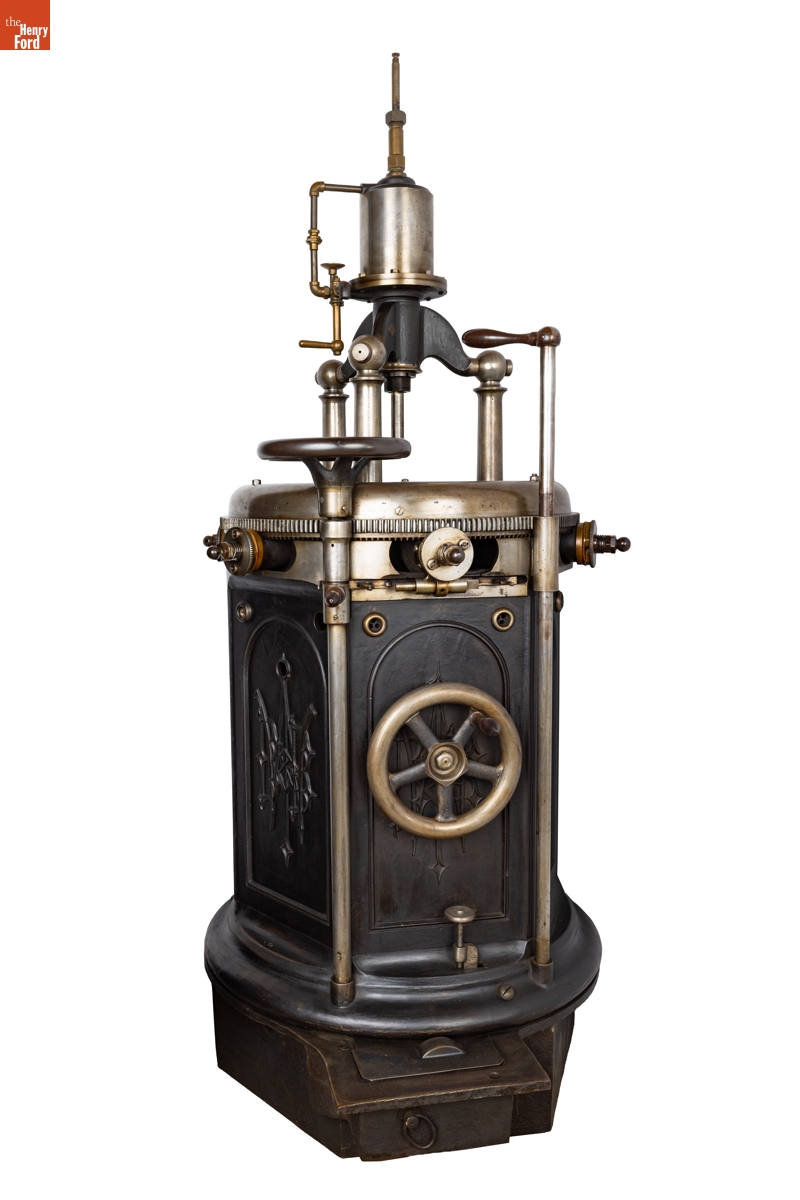
- Milling Machine, circa 1890 -
- circa 1890
- Collections - Artifact
Milling Machine, circa 1890
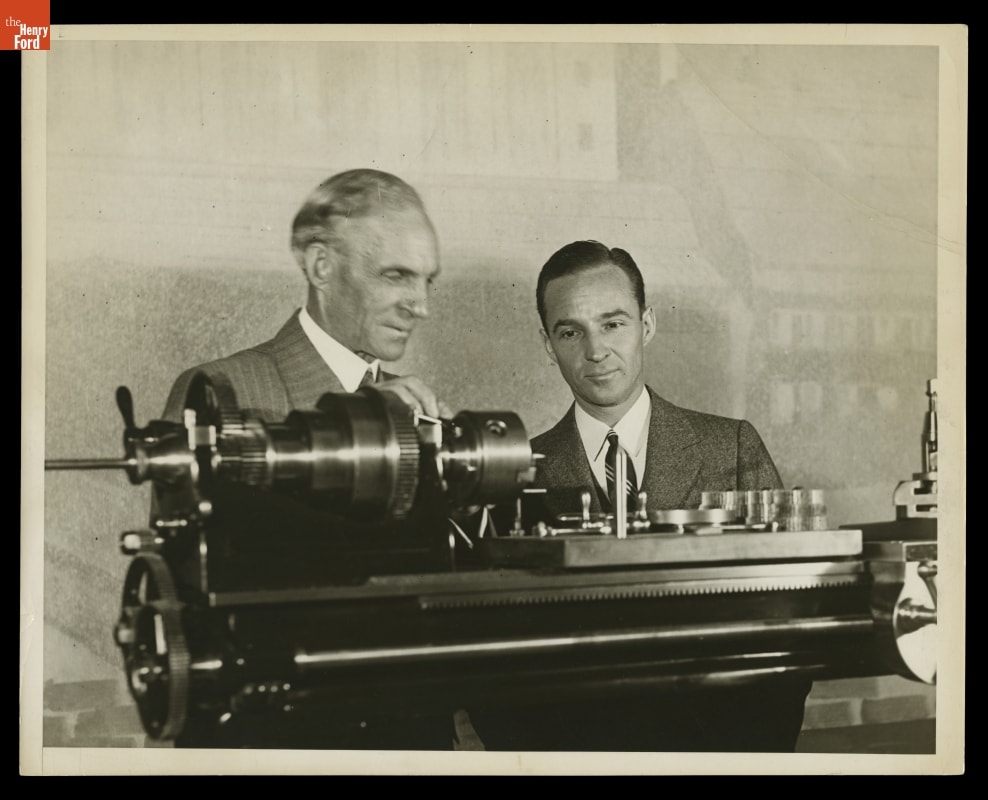
- Henry Ford and Edsel Ford with Milling Machine at 1934 Opening of Century of Progress Exhibition, Chicago, Illinois - Henry Ford did not participate at the Chicago's Century of Progress Exposition in 1933, but the publicity the fair garnered for other companies -- like General Motors -- changed Ford's mind. When the fair announced another year's run, Ford built an 11-acre building filled with industrial demonstrations and informative displays. The Ford Building became the most popular corporate attraction at the 1934 fair.
- May 26, 1934
- Collections - Artifact
Henry Ford and Edsel Ford with Milling Machine at 1934 Opening of Century of Progress Exhibition, Chicago, Illinois
Henry Ford did not participate at the Chicago's Century of Progress Exposition in 1933, but the publicity the fair garnered for other companies -- like General Motors -- changed Ford's mind. When the fair announced another year's run, Ford built an 11-acre building filled with industrial demonstrations and informative displays. The Ford Building became the most popular corporate attraction at the 1934 fair.
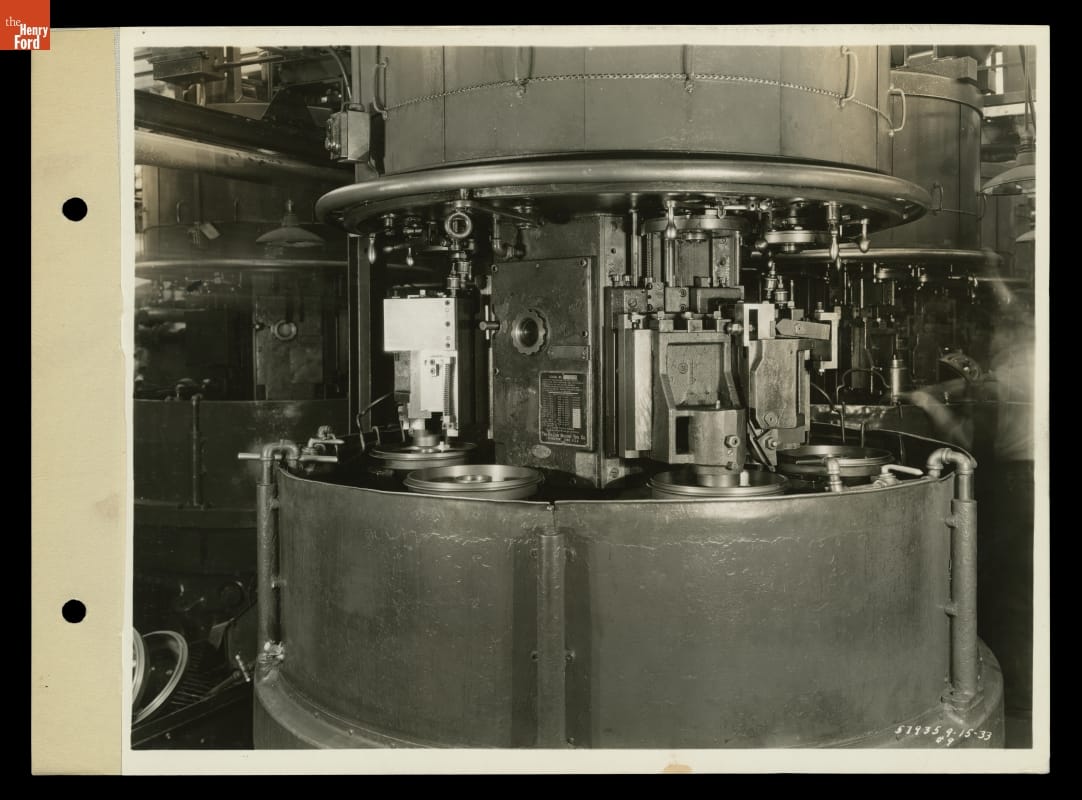
- Milling Machine for Brake Drum Roughing Operations, Ford Rouge Plant, 1933 - Engineers at Ford's Highland Park plant fine-tuned the moving assembly line. With this experience, Ford created the "B" Building at its new River Rouge complex with extensive conveyer systems to accommodate the flow of parts and processes. Here, a milling machine performs a roughing operation on brake drums. Ford automobiles didn't receive hydraulic brakes until the 1939 model year.
- April 15, 1933
- Collections - Artifact
Milling Machine for Brake Drum Roughing Operations, Ford Rouge Plant, 1933
Engineers at Ford's Highland Park plant fine-tuned the moving assembly line. With this experience, Ford created the "B" Building at its new River Rouge complex with extensive conveyer systems to accommodate the flow of parts and processes. Here, a milling machine performs a roughing operation on brake drums. Ford automobiles didn't receive hydraulic brakes until the 1939 model year.